
Macarfi 7 Food Rating
Our verdict
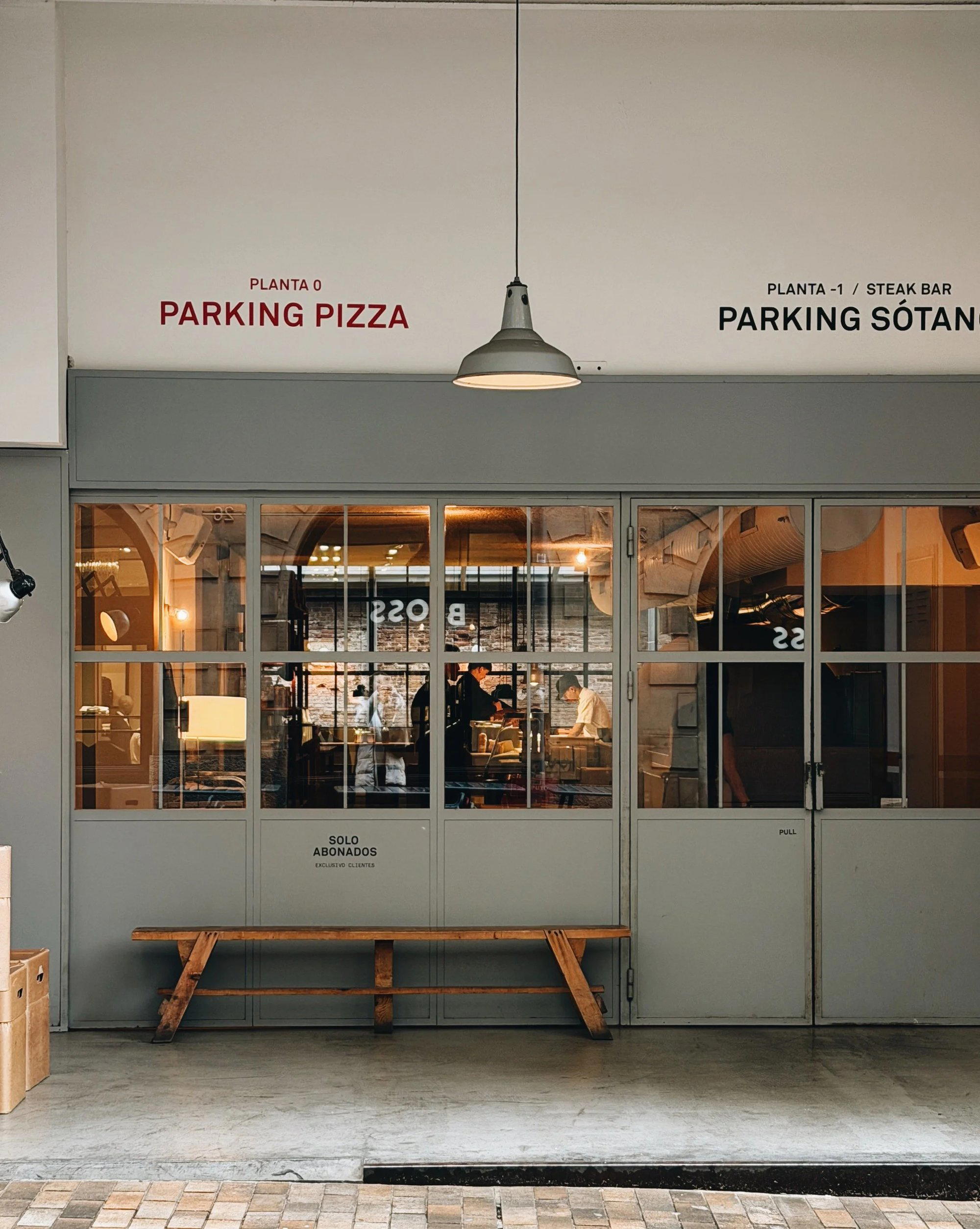
Parking Sótano occupies a quiet passatge in Barcelona's Sarrià-Sant Gervasi district, operating in a register distinct from the city's more theatrical creative-dining tier. The restaurant draws a neighbourhood-rooted clientele alongside visitors seeking a deliberate, multi-course format away from the spectacle of the Eixample. It sits in a part of the city where dining tends to be serious without being performative.

Pearl is the En Primeur Club membership app, where members save venues, book tables and use the concierge.
The menu
What to order
- Entrecôte 500gr
- Galician Beef
- Barbecue Ribs
- Pasta Carbonara
A Passatge, a Basement, and the Case for Restraint
Sarrià-Sant Gervasi is not where most visitors to Barcelona begin their restaurant search. The neighbourhood sits above the Diagonal, quieter and more residential than the Eixample's dense grid, and its dining scene reflects that temperament: less theatre, more intention. Passatge de Marimon, a narrow cut through the urban fabric, is the kind of address that rewards those who already know where they are going. Parking Sótano occupies that address, and the physical approach, down into a basement space, away from street noise, sets the terms of the experience before a dish arrives.
In a city where Barcelona's most-discussed restaurants tend toward the choreographed and conceptual, a basement room on a quiet passage reads as a deliberate counter-position. The subterranean format creates an enclosure that concentrates attention on the table rather than the city outside, which matters when the format is built around progression through courses rather than a single headline dish.
Where Parking Sótano Sits in Barcelona's Creative Tier
Barcelona's upper end of creative dining has consolidated around a recognisable cluster. Disfrutar, now ranked among the world's most-discussed progressive restaurants, and Cocina Hermanos Torres, with its greenhouse architecture and Michelin recognition, represent the high-visibility end of that tier. Lasarte and ABaC operate in the same bracket, both Michelin-starred and priced accordingly. Parking Sótano occupies a different register: a Sarrià address rather than an Eixample showroom, a format that privileges the meal's internal logic over external signals of status.
That positioning is a choice with consequences. Diners who come looking for the production values of Enigma's multi-room progression will find a different kind of ambition here. Parking Sótano's argument, spatial and culinary, is that a basement room and a focused sequence of dishes can carry as much weight as a purpose-built creative laboratory, provided the cooking is precise enough to justify the stripped-back context.
The Logic of a Tasting Progression in This Room
Across Spain's creative-dining circuit, the multi-course tasting format has become the default grammar for serious restaurants. From El Celler de Can Roca in Girona to Mugaritz in Errenteria and Aponiente in El Puerto de Santa María, the leading Spanish kitchens treat sequencing as composition: each course exists in relation to what preceded and what follows, not as an isolated event. The format demands that a kitchen have something to say across twelve or fourteen moments, not just one.
In that context, a basement venue in a residential neighbourhood carries a particular logic. Without the spectacle of a view, a famous address, or architectural drama, the meal's arc becomes the sole frame of reference. At Parking Sótano, the physical compression of the space makes that arc more legible: diners are not distracted by a room competing for attention with the food.
Spain's broader tasting-menu tradition runs from the Basque Country's technique-driven schools, Arzak, Martin Berasategui, Azurmendi, through the Valencian coastline's product-led registers at Quique Dacosta and Ricard Camarena, to Madrid's more confrontational energy at DiverXO. Barcelona's contribution to that tradition has tended toward the technically sophisticated and aesthetically refined. Parking Sótano, by choosing a quieter address and a format that doesn't announce itself, aligns with a strand of that tradition that treats the guest's full attention as a precondition rather than a by-product.
Sarrià-Sant Gervasi as Dining Territory
The neighbourhood context matters independently of any single restaurant. Sarrià-Sant Gervasi has historically housed Barcelona's more prosperous residential population, and its dining culture reflects that: fewer tourist-facing operations, more venues that depend on repeat local custom. Restaurants in this part of the city tend to be durable rather than buzzy, built around a clientele that values consistency over novelty cycles.
For visitors, that dynamic creates a different experience from eating in the Born or near the Boqueria. The room is more likely to contain Barcelona residents eating a considered weeknight dinner than a table of first-time tourists working through a guidebook list. That changes the atmosphere in ways that are difficult to quantify but easy to feel: lower ambient energy, higher ambient expectation.
Passatge de Marimon itself is residential in character, which means arriving by taxi or on foot rather than emerging from a Metro station into a crowd. The approach is part of the experience in a way that is less true for restaurants on major thoroughfares. For a format built around progressive sequencing and accumulated attention, that kind of arrival, deliberate, slightly removed, is an asset.
Spain's Creative Dining in International Context
Barcelona's serious restaurants are increasingly measured against international reference points. The format that Parking Sótano operates in, a focused tasting progression in a considered space, is the same format that defines internationally recognised tables like Le Bernardin in New York City or Atomix, where the architecture of the meal and the precision of sequencing carry as much critical weight as any individual dish. Atrio in Cáceres demonstrates that serious Spanish cooking is not confined to major urban centres, but Barcelona's density of creative talent makes the city a natural reference point for the format.
What distinguishes the more considered end of Barcelona's scene from international peers is often a regional product logic: Catalan ingredients, Mediterranean proximity, and a cooking tradition that predates the creative-dining moment by centuries. When that tradition informs a progressive tasting format rather than competing with it, the results tend to feel grounded rather than arbitrary. That grounding is harder to achieve in a basement room without architectural grandeur to lean on, which is why the cooking at restaurants like Parking Sótano carries a proportionally higher burden of justification.
For a broader map of where Barcelona's serious dining sits across neighbourhoods and price tiers, the EP Club Barcelona restaurants guide covers the full range.
Know Before You Go
Address: Passatge de Marimon, 5, Sarrià-Sant Gervasi, 08021 Barcelona, Spain
Neighbourhood: Sarrià-Sant Gervasi, above the Diagonal, residential in character, quieter than central Barcelona dining districts
Arrival: The passatge is pedestrian in feel; arriving by taxi or on foot is more practical than relying on nearby Metro access
Booking: Contact details are not publicly listed in standard directories; reaching the restaurant directly via local sources or concierge is advisable
Format note: The basement setting and tasting-progression format both reward unhurried evenings; this is not a venue for a quick meal between other commitments
Seasonal consideration: Spring and autumn are the periods when Barcelona's serious restaurants tend to operate at their sharpest, with local produce at its most varied and visitor crowds below summer peak
Frequently asked questions
What dish is Parking Sótano famous for?
Should I book Parking Sótano in advance?
What kind of dining experience does Parking Sótano offer compared to other Sarrià-Sant Gervasi restaurants?
Nearby-ish Comparables
Comparable venues nearby, for context on price, style, and recognition.
| Venue | Cuisine | Price | Awards | Notes |
|---|---|---|---|---|
| Parking SótanoThis venue (the venue you are viewing) | Spanish Steakhouse & Grill | $50–100 | Macarfi 7 Food Rating | Not listed |
| Gimlet | Creative Cocktail Bar with Tapas | $20–30 | Macarfi 7 Food Rating | Sant Gervasi - Galvany |
| 9Reinas Gourmet | Argentine Steakhouse | $30–50 | Not listed | Sant Gervasi - Galvany |
| El Nacional Barcelona | Spanish Gastronomic Multispace | $50–100 | Macarfi 6.5 Food Rating | la Dreta de l'Eixample |
| El Xalet de Montjuïc | Modern Mediterranean with Catalan Influences | $50–100 | Macarfi 6.5 Food Rating | el Poble Sec |
| Terrassa Martínez | Mediterranean Rice and Grill | $50–100 | Macarfi 6.5 Food Rating | el Poble Sec |
Recognition history
Dated appearances from independent guides and award organizations, with the underlying list record or original source where available.
Macarfi 7 Food Rating
Macarfi
Continue exploring
More in Barcelona
Restaurants in Barcelona
All restaurants in Barcelona →
Bars in Barcelona
All bars in Barcelona →

Details
- Modern
- Industrial
- Lively
- Trendy
- Group Dining
- Casual Hangout
- Special Occasion
- Open Kitchen
- Standalone
- Local Sourcing
- Set Menu
- A La Carte
- Red Wine
- Italian Aperitifs
- Cocktails
Current opening hours
- Monday
- 1–4 PM, 8–11 PM
- Tuesday
- 1–4 PM, 8–11 PM
- Wednesday
- 1–4 PM, 8–11 PM
- Thursday
- 1–4 PM, 8–11 PM
- Friday
- 1–4 PM, 8–11:30 PM
- Saturday
- 1–4 PM, 8–11:30 PM
- Sunday
- 1–4 PM, 8–11 PM
Hours can change for holidays and private events. Hours as of .
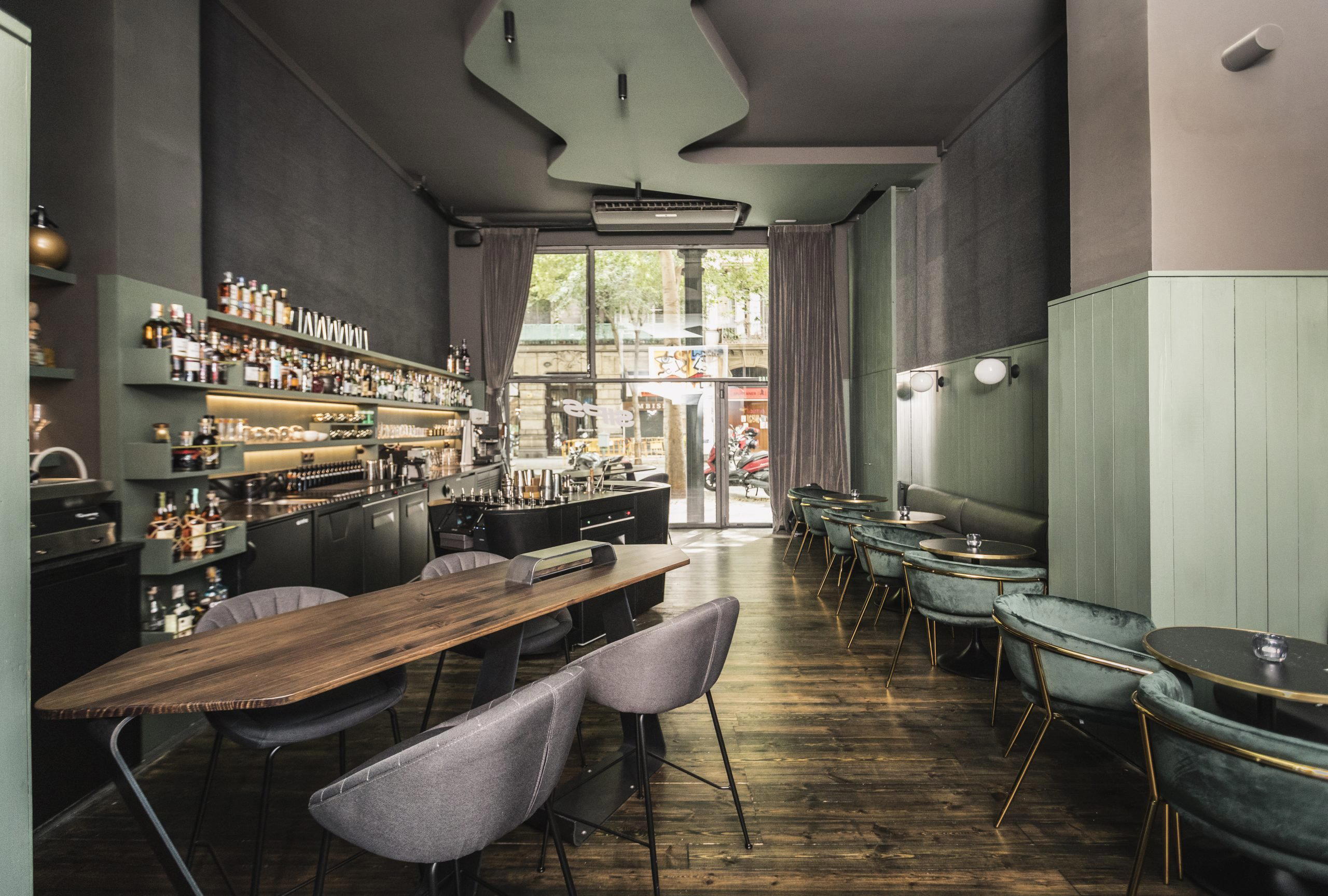
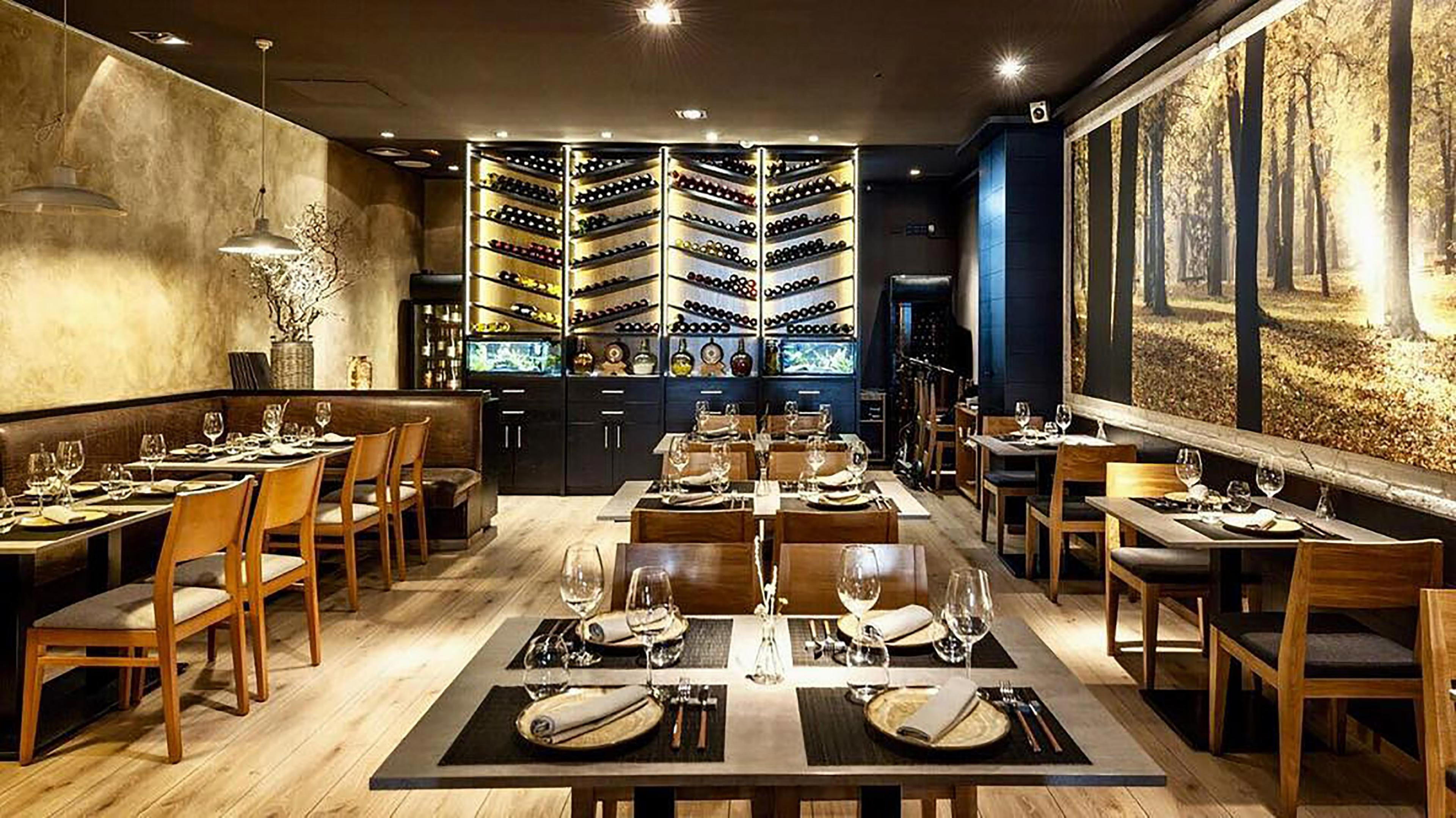
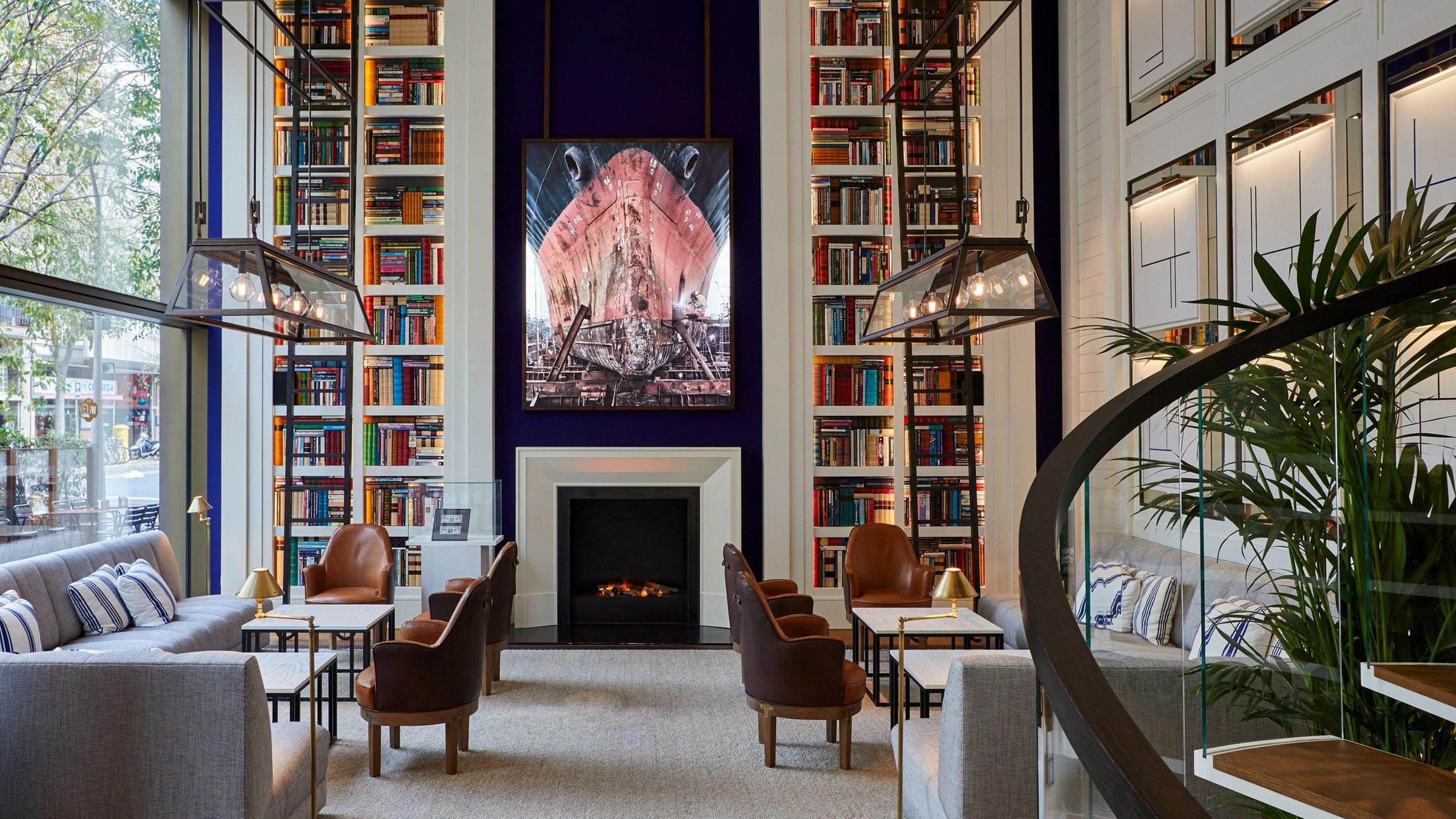
Underground basement space with natural light at the back, high ceilings, dark colors, long bare wooden tables, and an open kitchen creating a theatrical dining experience with energetic atmosphere.