Castell Sant Antoni

Castell Sant Antoni is a small family-run cava house in Sant Sadurní d’Anoia, working from organic estate vineyards and a format built around guided cellar and vineyard tastings. The draw is the contrast between town cellars, hand-disgorged long-aged cava, and a quiet tasting house on the Penedès plain with Montserrat in view.
Pearl is the En Primeur Club membership app — saves, bookings, and concierge access live there. Same editors, same standards.
- Address
- Sant Sadurni d’Anoia (Barcelona), Penedès, Catalunya, Spanien
- Directions
- Get directions
 Saves & bookings on Pearl
Castell Sant Antoni is a small family-run cava house in Sant Sadurni D Anoia Barcelona, best understood through quiet scale rather than spectacle. The picture is intimate and hands-on: production areas, underground cellars and a minimalist vineyard tasting room that feels personal, not touristy. Nothing suggests a venue built around noise, volume or polished performance; its appeal comes from staying close to the working fabric of a cava house and letting the setting do much of the talking.
For wider trip planning, EP Club also keeps guides to Sant Sadurni D Anoia Barcelona restaurants, hotels, bars, and experiences. Castell Sant Antoni fits that broader planning as a cava-focused stop: a place to understand the local wine context through a smaller, calmer lens, then build the rest of the day around the pace and style of visit you want.
Cava in a quiet, family-run setting
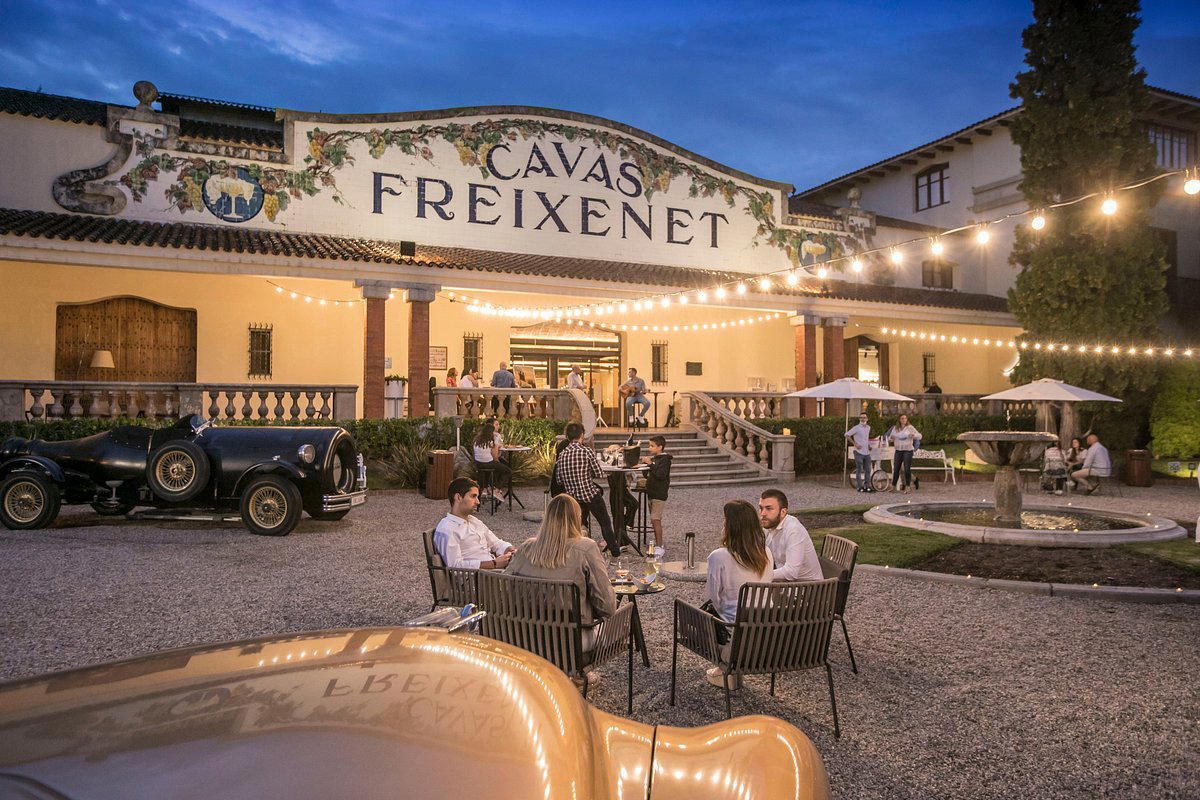
The clearest reason to consider Castell Sant Antoni is its small-scale approach. Rather than presenting cava through a large visitor operation, the experience is framed by proximity to where the wine is made and tasted. The atmosphere is described as hidden-gem, scenic, intimate and rustic, pointing to a visit that depends less on grand staging and more on closeness, texture and a sense of being somewhere specific.
That family-run character shapes expectations. A small cava house is not usually about being everything to every visitor; it narrows the focus and lets the essentials come forward. Here, those essentials are the production areas, underground cellars and tasting space, which give the visit a grounded feel. Hidden-gem is useful not because it promises secrecy, but because it signals a quieter alternative to more obvious, higher-volume cava experiences.
What can be stated confidently is that winery offers a personal cava-house experience in Sant Sadurni D Anoia Barcelona, with production areas and underground cellars part of the appeal. Those elements give the place structure: visitors are not tasting cava in isolation, but encountering it in relation to the spaces associated with its making and keeping. That connection is central to why the venue reads as intimate rather than generic.
The price level is listed as $$, placing it in a moderate bracket for a cava-focused stop. In practical terms, it is a venue to consider when the goal is a contained, experience-led visit rather than an extravagant outing. It also reinforces that the value is likely to sit in the setting, scale and focused nature of the cava experience.
The visit works because the production spaces stay close to the glass
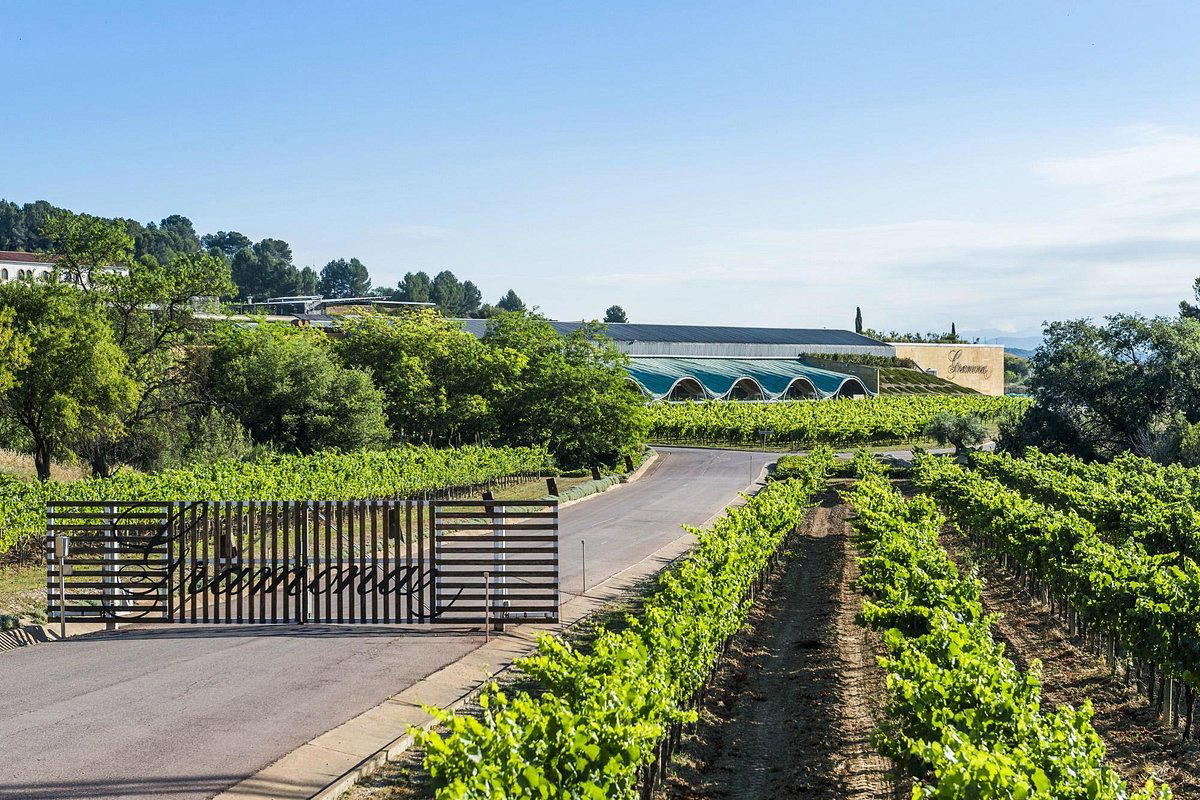
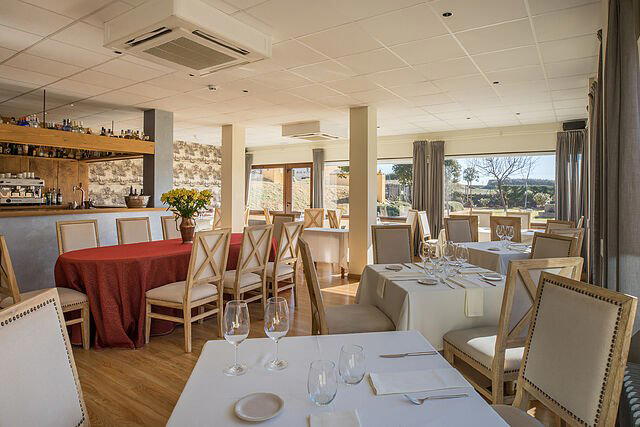
The winery’s appeal rests on the relationship between the working spaces and the tasting setting. The details point to production areas, underground cellars and a minimalist vineyard tasting room, giving the visit a grounded, low-key character. The tasting room is not described as ornate or theatrical; minimalist suggests restraint, fitting the broader impression of a cava house that allows the wine, cellar context and vineyard setting to remain central.
That closeness between place and glass gives the experience coherence. Production areas suggest the practical side of cava, the underground cellars add depth and atmosphere, and the vineyard tasting room provides the final point of contact. Together, these elements create a connected visit. The guest is not moved through disconnected attractions, but gets a sense of how the venue’s spaces relate to the same central purpose.
The mood is quiet and personal rather than touristy, making it a good fit for travellers who prefer an intimate cava experience and value a sense of place over a high-volume tasting-room atmosphere. If you want a venue that feels scenic and rustic without needing to overstate itself, this description points in the right direction. The appeal is in the calmness, smaller scale and feeling that the visit remains close to the cava house’s own identity.
It is best approached as a focused cava-house visit rather than a food-led stop or broad entertainment venue. That distinction matters for expectations: the draw is the cava setting itself, not a long list of add-ons. Visitors who arrive with that in mind are more likely to appreciate the restraint of the place, the role of the cellars and the quiet character of the tasting environment.
How to fold it into a Sant Sadurni D Anoia Barcelona itinerary
Planning is simplest if the winery is treated as a cava stop in Sant Sadurni D Anoia Barcelona with a quiet, scenic and intimate character. Confirm current visit details directly before going, especially if timing, access or group size matters. Because the venue is described through small scale and a personal atmosphere, avoid assuming it will work like a larger, more standardised visitor operation.
In itinerary terms, the winery suits a day where the cava experience is the point rather than a quick extra. It can anchor a compact plan built around tasting and place, or sit within a slower rural-feeling stop focused on scenery, cellars and a quieter pace. Let the visit remain focused; overloading the day around it may work against the calm, intimate quality that gives the venue its appeal.
Readers building a broader route can compare the winery with other unnamed dining options in Sant Sadurni D Anoia Barcelona, depending on the kind of day they want: a compact cava-focused visit, a slower rural-feeling stop, or a broader local itinerary. If the priority is a personal cava-house atmosphere, the winery’s combination of family-run scale, underground cellars, production areas and minimalist vineyard tasting room gives it a clear role in the plan.
Recognition history
Dated appearances from independent guides and award organizations, with the underlying list record or original source where available.
Falstaff Winery - 1 Stars
Falstaff
Continue exploring
More in Sant Sadurni D Anoia Barcelona
Wineries in Sant Sadurni D Anoia Barcelona
Browse all →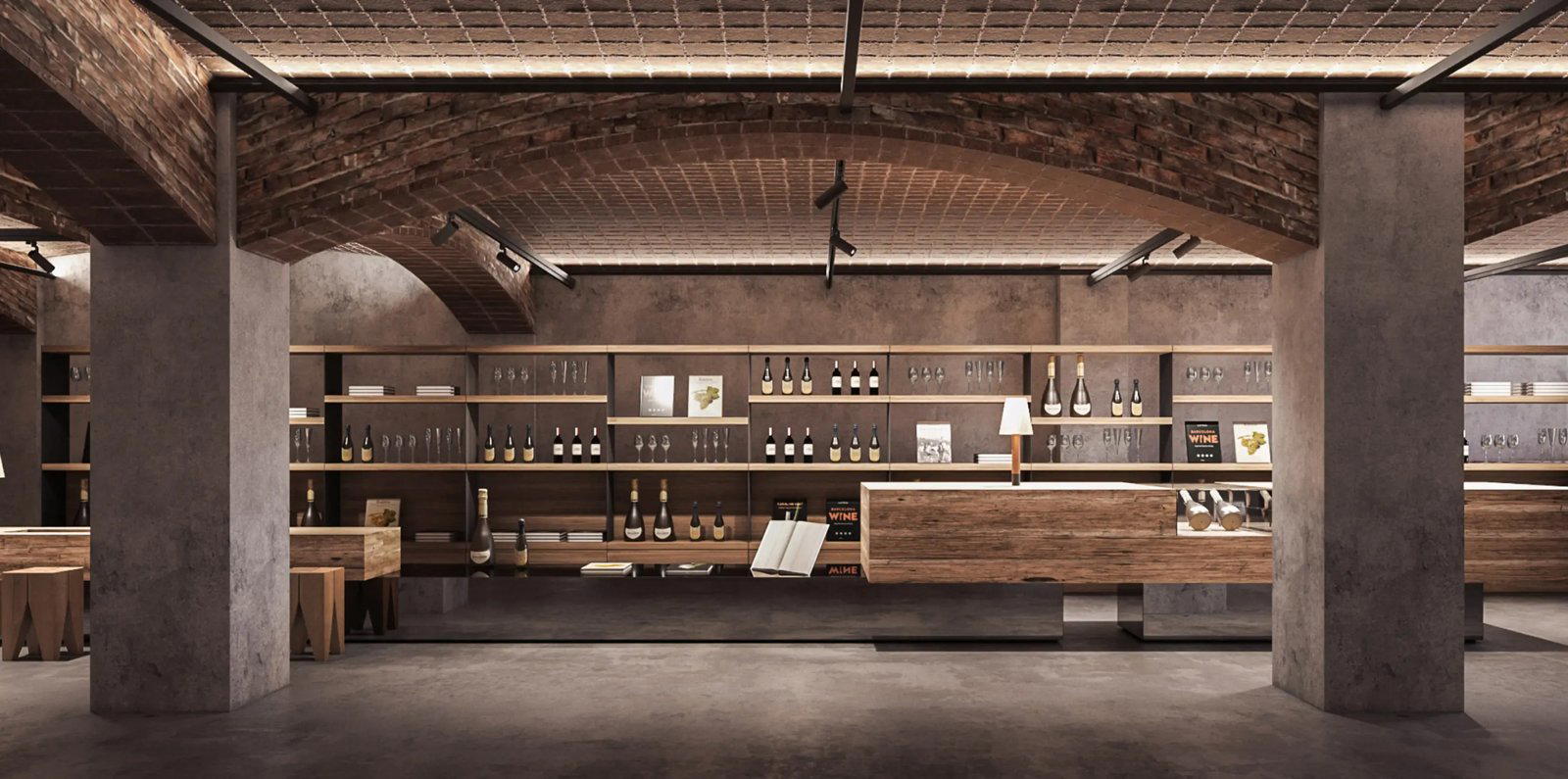
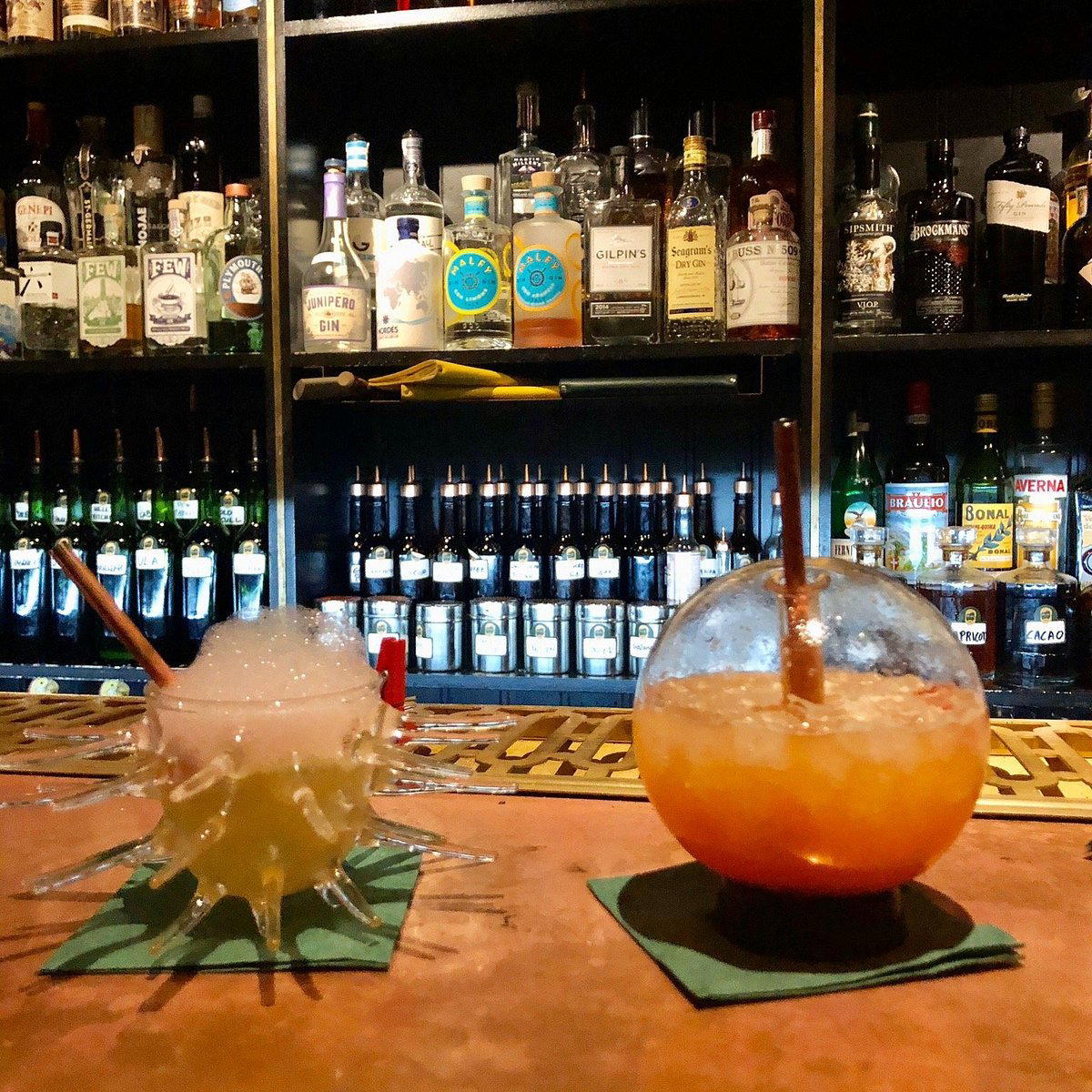
Bars in Sant Sadurni D Anoia Barcelona
Browse all →
Restaurants in Sant Sadurni D Anoia Barcelona
Browse all →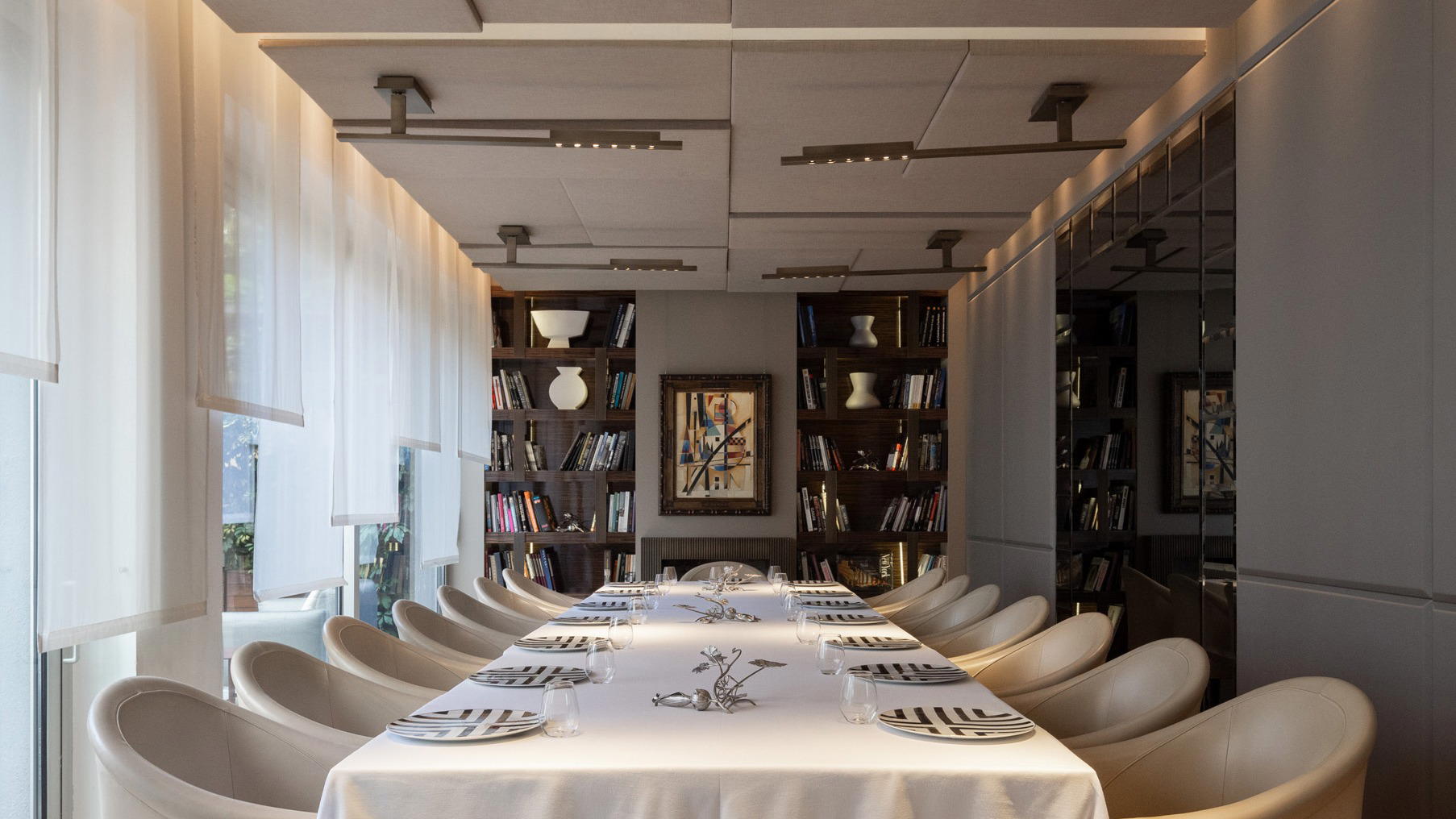
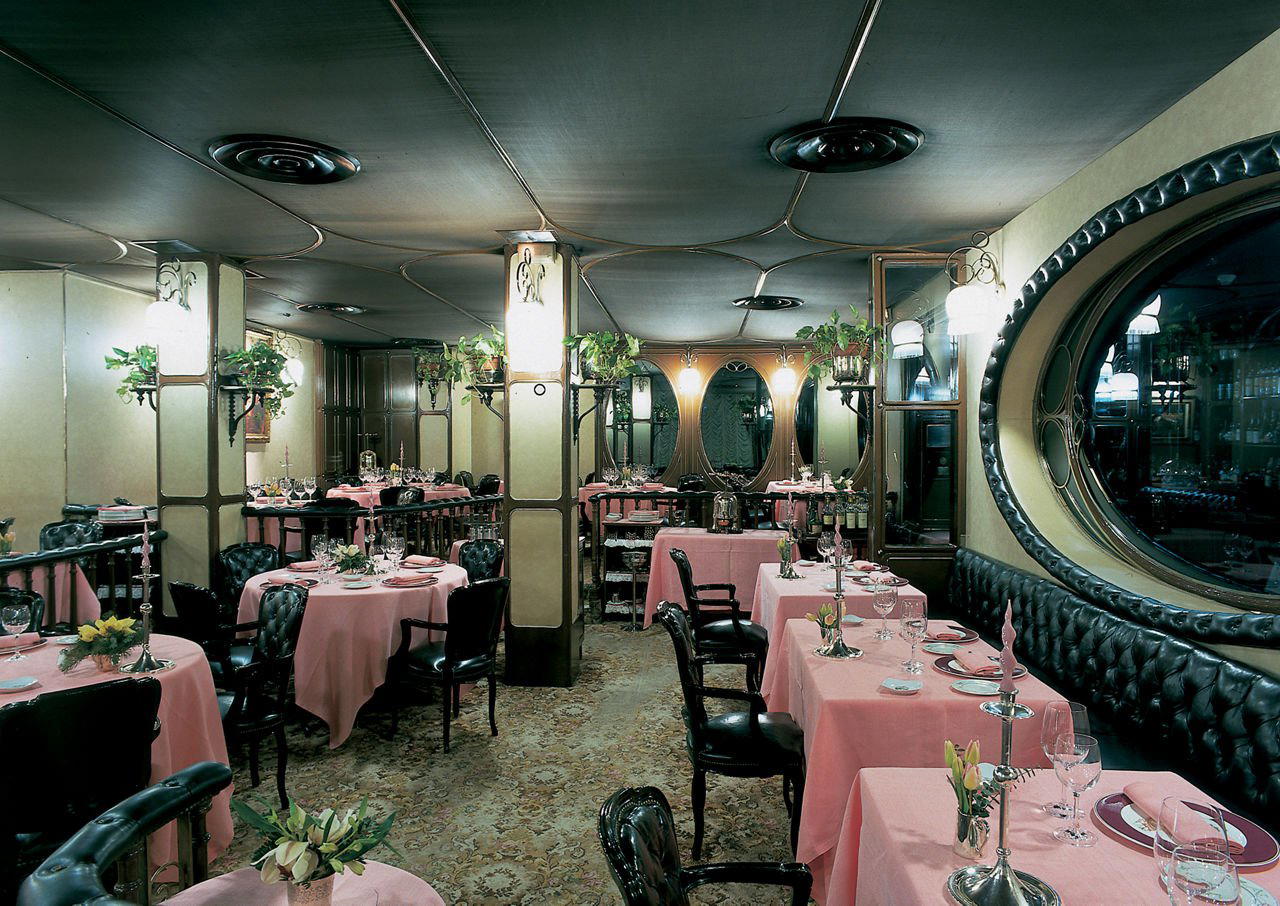
Hotels in Sant Sadurni D Anoia Barcelona
Browse all →

At a Glance
- Scenic
- Intimate
- Rustic
- Classic
- Romantic Getaway
- Group Outing
- Wine Education
- Special Occasion
- Solo Exploration
- Vineyard Tour
- Estate Grounds
- Panoramic View
- Private Tasting
- Cave Tasting
- Organic
- Vineyard
- Mountain
- Street Scene
- D.o. Cava
- Macabeo
- Xarel·lo
- Parellada
- Chardonnay
- Pinot Noir
- Garnacha
- Sparkling
- Cellar Tasting
- Vineyard Tasting
- Guided Tour
Small family-run cava house offering an intimate, hands-on experience, with production areas, underground cellars and a minimalist vineyard tasting room that feels quiet and personal rather than touristy.