Páramo
Páramo sits on Avenida Yucatán in Roma Norte, one of Mexico City's most concentrated dining corridors. The address places it within a neighbourhood that has shifted, over the past decade, from residential enclave to a serious reference point for contemporary Mexican cooking. For visitors mapping a route through the city's mid-range and creative dining tiers, Roma Norte is the logical starting point.
Pearl is the En Primeur Club membership app — saves, bookings, and concierge access live there. Same editors, same standards.
- Address
- Av. Yucatán 84, Roma Nte., Cuauhtémoc, 06700 Ciudad de México, CDMX, Mexico
- Phone
- +52 55 5941 5125
- Website
- paramoroma.mx
- Directions
- Get directions
 Saves & bookings on Pearl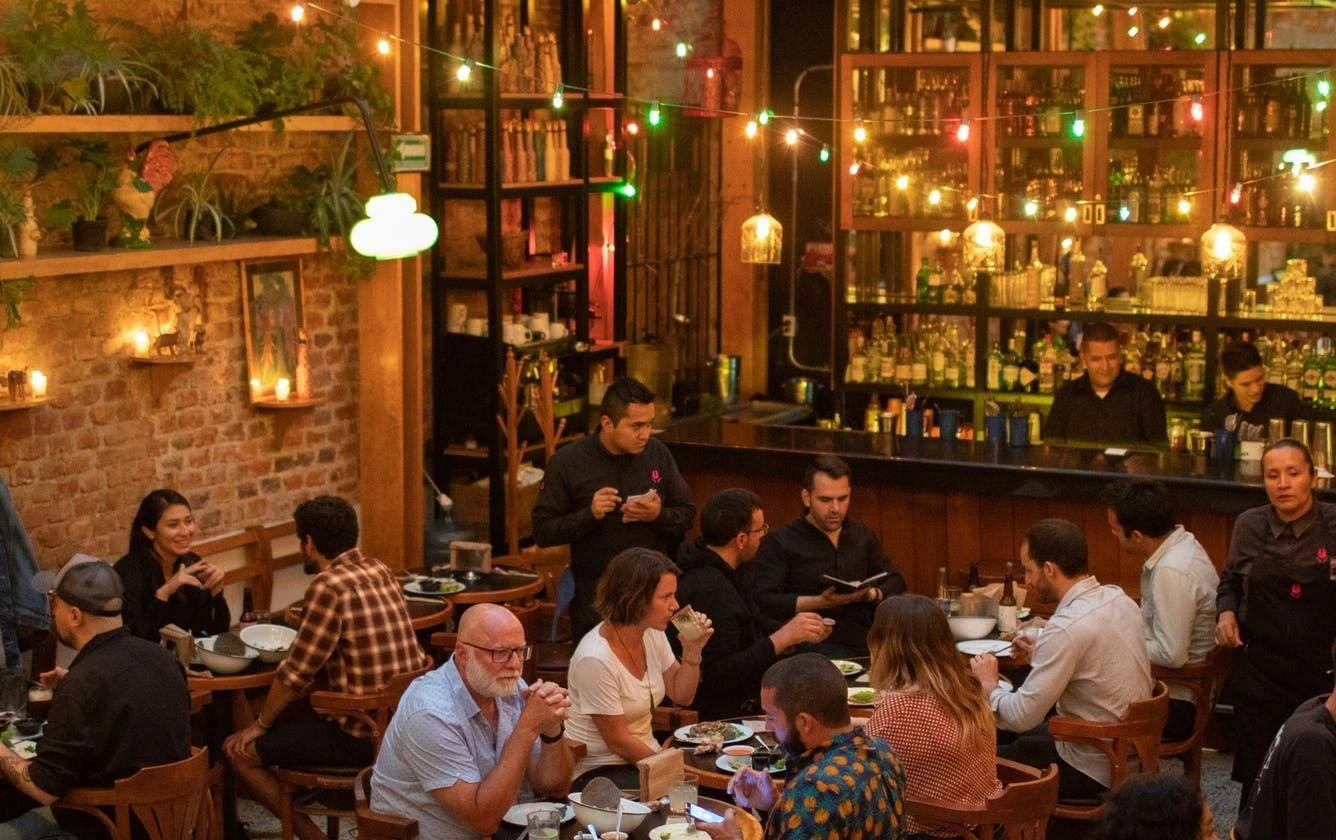
Roma Norte and the Question of Where Mexico City Eats Now
Avenida Yucatán cuts through the middle of Roma Norte with the particular confidence of a street that knows its moment has arrived. The neighbourhood's low-rise Art Deco facades, long shaded by jacaranda and ficus, now frame particularly closely watched addresses in Mexican dining. This is the corridor where the city's creative middle tier has consolidated: not the grand-occasion restaurants of Polanco, not the taco counters of La Merced, but a sustained, block-by-block argument for cooking that treats Mexican culinary tradition as living material rather than museum exhibit. Páramo is a Modern Mexican Taqueria at Av. Yucatán 84 in Roma Nte. Ciudad de México, with a casual dress code and recommended reservations. Páramo, at Av. Yucatán 84, occupies that argument directly.
Roma Norte earned its current reputation through accumulation rather than any single anchoring institution. Unlike Polanco, which is structured around a handful of marquee names including Pujol and Quintonil, Roma operates through density and diversity. The neighbourhood rewards the kind of itinerary that moves between a mezcal bar and a creative tasting menu within the same evening, and Páramo's position on Yucatán places it at the centre of that dynamic.
The Cultural Weight of the Address
To understand any restaurant in Roma Norte is first to understand the district's culinary inheritance. This is a neighbourhood with deep roots in Mexico City's immigrant history, where Spanish, Lebanese, and Central European communities layered their food traditions onto indigenous Mexican foundations across the twentieth century. That compression produced a cooking culture unusually comfortable with hybridity, and the contemporary dining scene here reflects it: chefs in Roma routinely work with pre-Hispanic ingredients alongside techniques borrowed from elsewhere, treating the combination as unremarkable because, historically, it is.
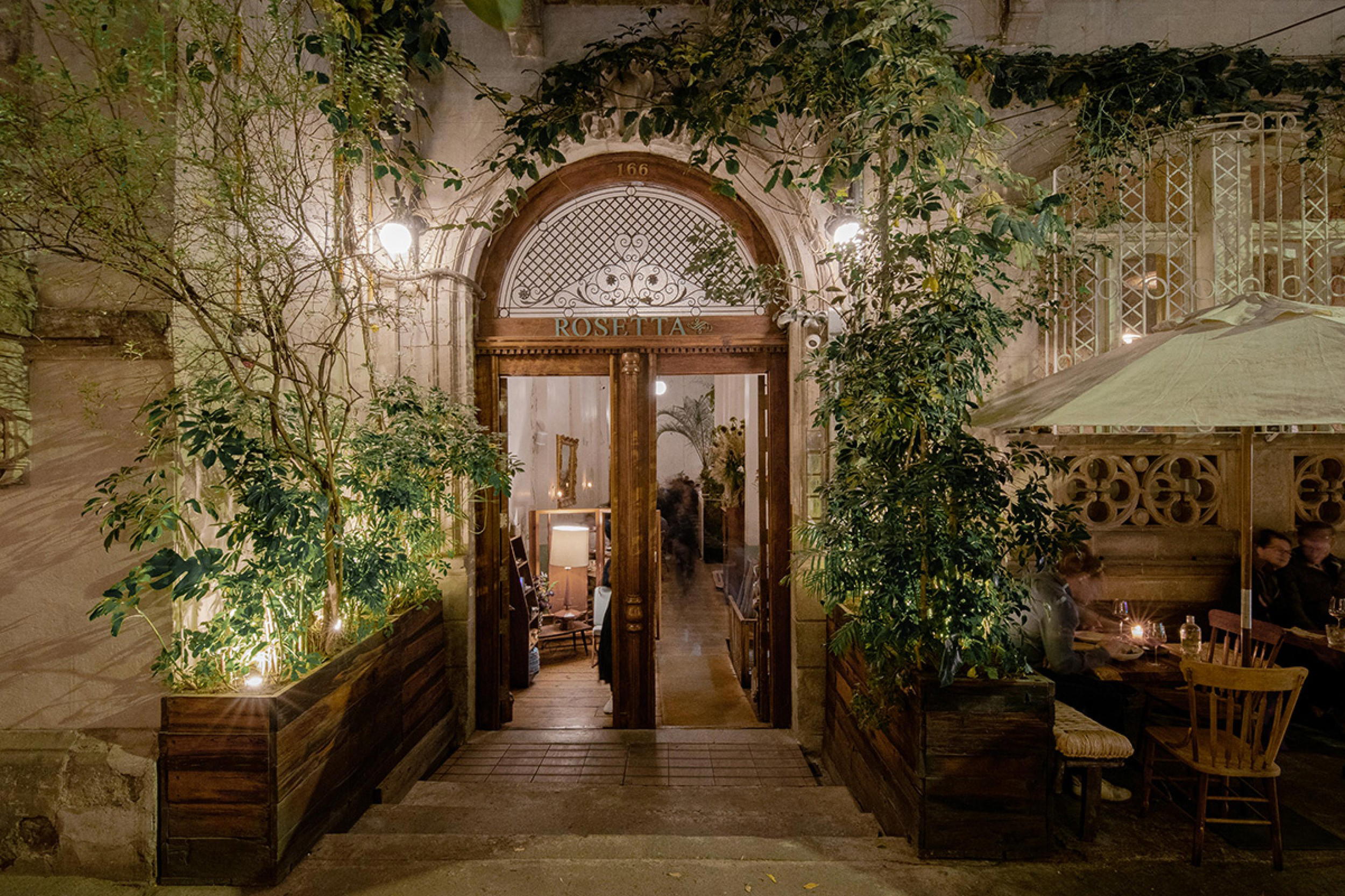
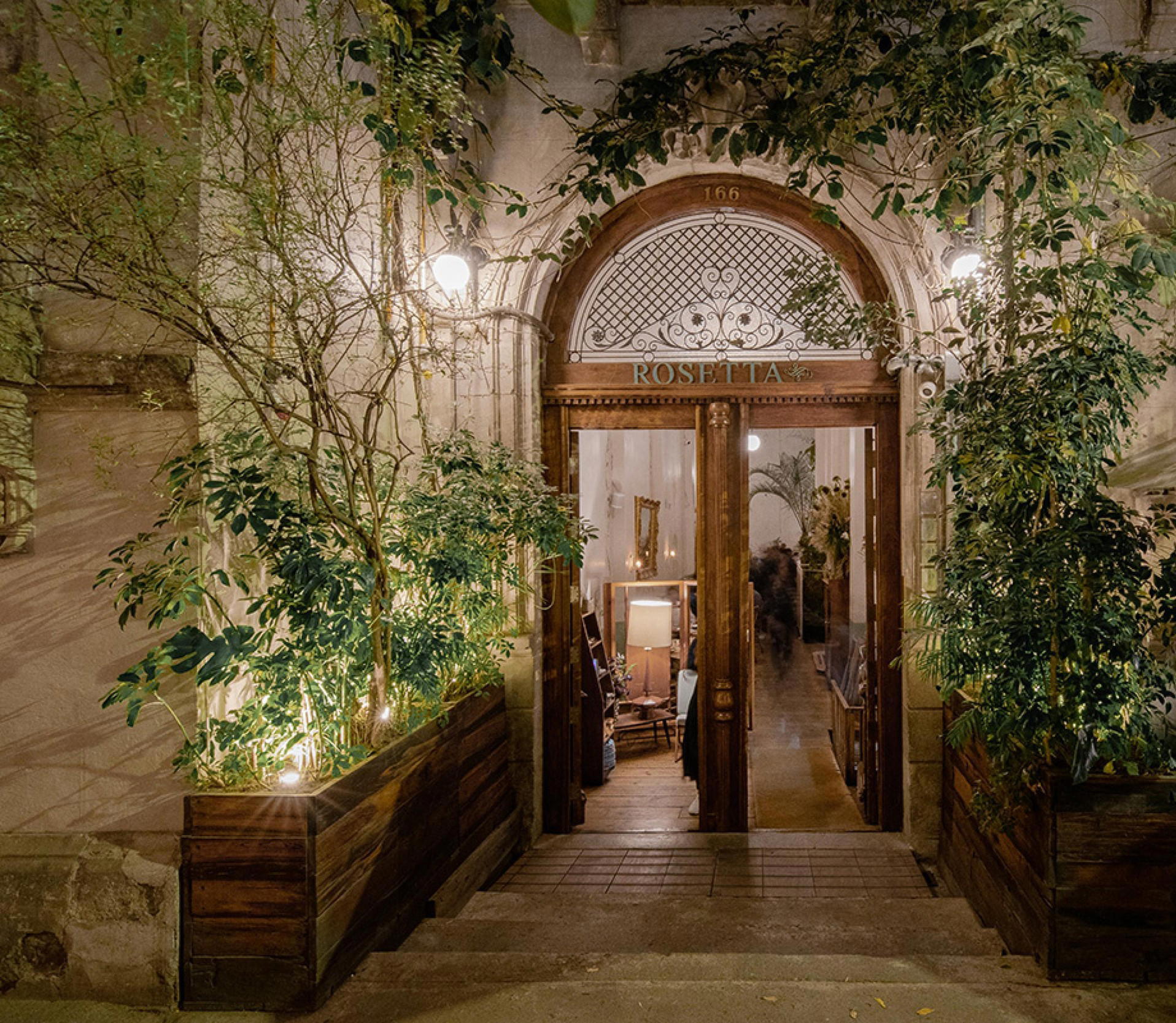
That context matters when reading the current generation of Roma addresses. The neighbourhood's mid-range creative tier, which includes Rosetta on the nearby Roma-Juárez border, has consistently demonstrated that price point does not determine ambition in this part of the city. The more relevant variable is whether a kitchen is engaged with Mexican ingredients and producers in a way that goes beyond surface decoration. Roma Norte's leading addresses tend to pass that test, and the neighbourhood's continued relevance to international visitors is largely a function of that seriousness.
Where Páramo Sits in the Neighbourhood's Competitive Tier
Mexico City's dining scene in 2024 is structured around several distinct competitive layers. At the leading, internationally recognised tasting-menu restaurants set benchmarks against global peers. Below that, a creative mid-tier has expanded considerably, with addresses across Roma, Condesa, and Juárez offering serious cooking at price points that allow multiple visits. Páramo's Avenida Yucatán address places it within that mid-tier geography, where the competition is dense and where a restaurant's ability to attract a local following matters as much as visibility to visiting diners.
The Roma Norte mid-tier is a useful comparative frame. Em, which occupies a similar creative-Mexican register elsewhere in the city, illustrates how that tier is defined less by format than by the quality of sourcing and the coherence of a culinary point of view. Sud 777 operates at a comparable level in the southern Pedregal neighbourhood, demonstrating that the city's serious cooking is no longer geographically concentrated. Within Roma Norte itself, the competition is immediate and visible, which tends to sharpen kitchens in the area over time.
Mexican Cooking as a Living Tradition
The broader significance of Roma Norte's dining scene is that it represents a particular phase in the development of contemporary Mexican cooking: the moment when the techniques and visibility achieved by the country's high-profile flagship restaurants filtered down into a more distributed, accessible, and more experimental tier. Restaurants in this bracket are less constrained by the expectations that come with international recognition, which can produce cooking that takes more risks with regional ingredients and format.
Mexico's culinary geography is relevant here. The country's food traditions are radically regional, from the mole complexity of Oaxaca, well documented at addresses like Levadura de Olla Restaurante, to the seafood-led cooking of Baja California explored at venues including Animalón in Valle de Guadalupe and Olivea Farm to Table in Ensenada. Mexico City kitchens occupy a particular position within that geography: they draw on the full range of regional traditions without being defined by any single one, and they have access to a supplier network that is especially diverse in the country. The leading Roma Norte addresses use that access deliberately, and the neighbourhood's reputation is built on the cumulative effect of kitchens doing exactly that.
Comparable ambition is visible in other Mexican cities. KOLI Cocina de Origen in Monterrey, Pangea in San Pedro Garza Garcia, and Alcalde in Guadalajara each demonstrate that the country's serious cooking has dispersed well beyond the capital. Le Chique in Puerto Morelos, HA' in Playa del Carmen, and Arca in Tulum show a parallel development along the Caribbean coast. The international frame is useful too: the kind of precision-sourced, culturally grounded cooking that defines Roma Norte's better addresses has clear counterparts in places like Lazy Bear in San Francisco and, at a different price register, Le Bernardin in New York City. What distinguishes the Mexico City version is the depth of the ingredient tradition it draws on, and the relatively compressed price points at which serious cooking remains accessible. For broader context across the city's dining tiers, the EP Club Mexico City restaurants guide maps the full range.
Planning a Visit
Roma Norte is easily reached from most central Mexico City neighbourhoods, with Sonora and Insurgentes metro stations providing access from either side of the district. The area is walkable, and Avenida Yucatán is a reasonable base from which to sequence an evening that moves between addresses. Given the neighbourhood's density, it is worth treating any single reservation as one point in a longer itinerary rather than the whole of it. Booking ahead is sensible for any Roma Norte address with an established following, particularly on Thursday through Saturday evenings when the neighbourhood's foot traffic is at its highest and tables at better-regarded spots fill early in the week.
Comparable Venues
Comparable venues nearby, for context on price, style, and recognition.
| Venue | Cuisine | Price | Notes |
|---|---|---|---|
| PáramoThis venue — the venue you are viewing | Modern Mexican Taqueria | $$$ | Not listed |
| Prendes | Classic Mexican & Spanish | $$$ | Los Morales Secc Palmas |
| La Distral | Contemporary Mexican Grill & Tequila Bar | $$$ | Tabacalera |
| Parrilla Paraíso | Uruguayan Grill with Baja Influences | $$$ | Parque Nacional Fuentes Brotantes |
| Fónico | Contemporary Mexican Fine Dining | $$$ | Nva Anzures |
| Barrita de Mar Polanquito | Mexican Seafood | $$$ | Polanco Chapultepec |
Continue exploring
More in Mexico City
Restaurants in Mexico City
Browse all →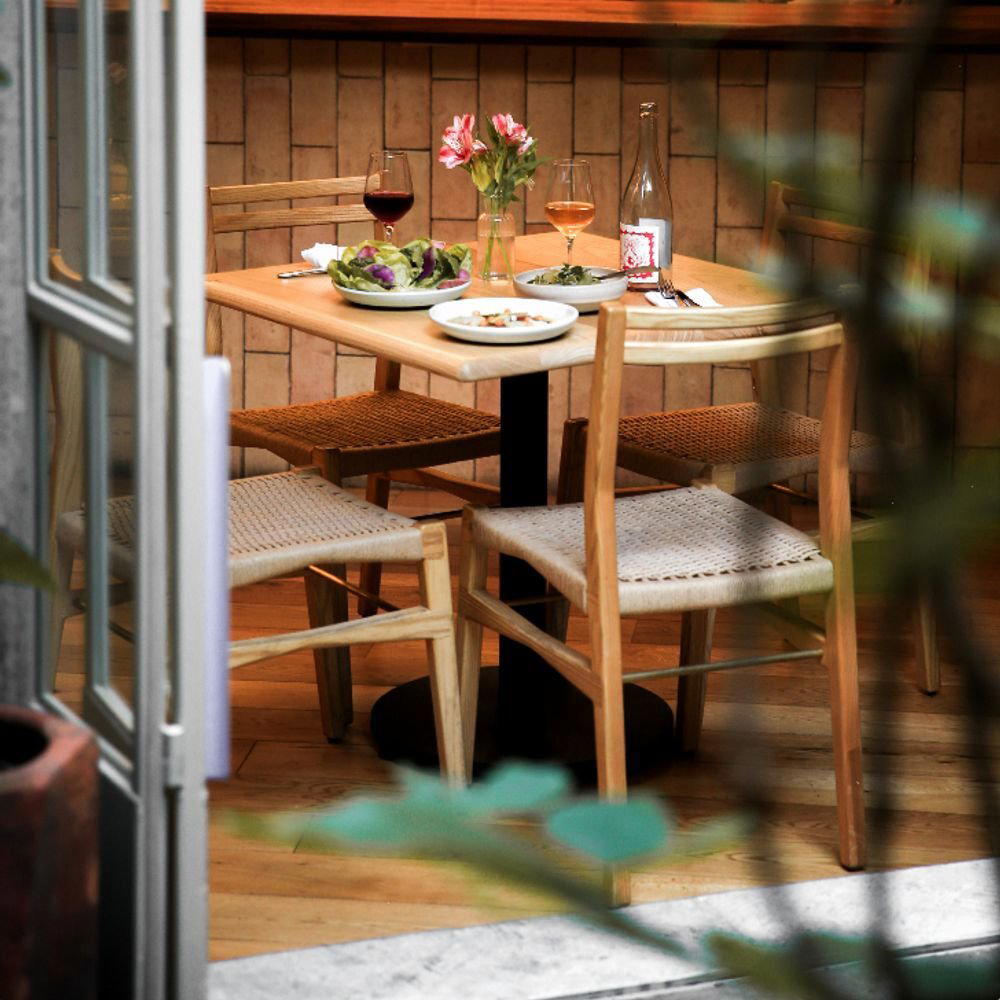
Bars in Mexico City
Browse all →
At a Glance
- Lively
- Trendy
- Cozy
- Date Night
- Group Dining
- Late Night
- Casual Hangout
- Terrace
- Open Kitchen
- Craft Cocktails
Current opening hours
- Monday
- 2 PM–1 AM
- Tuesday
- 2 PM–1 AM
- Wednesday
- 2 PM–1 AM
- Thursday
- 2 PM–2 AM
- Friday
- 2 PM–2 AM
- Saturday
- 2 PM–2 AM
- Sunday
- 2 PM–1 AM
Hours can change for holidays and private events. Last verified .
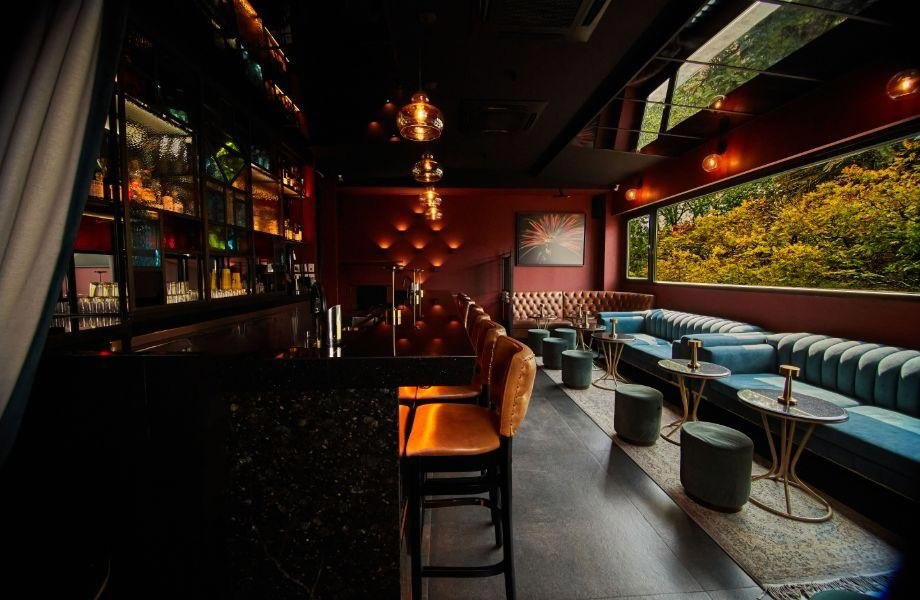
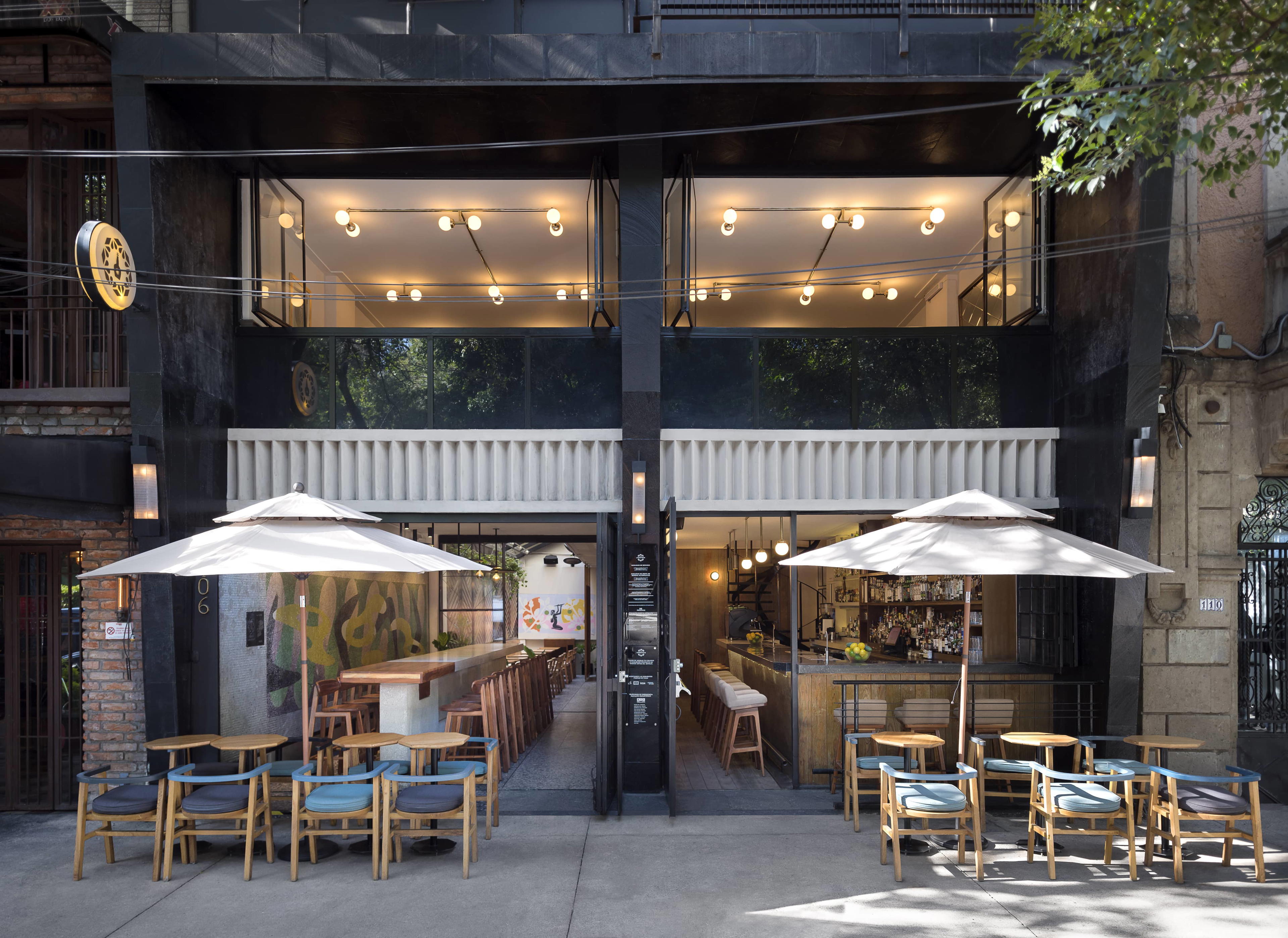
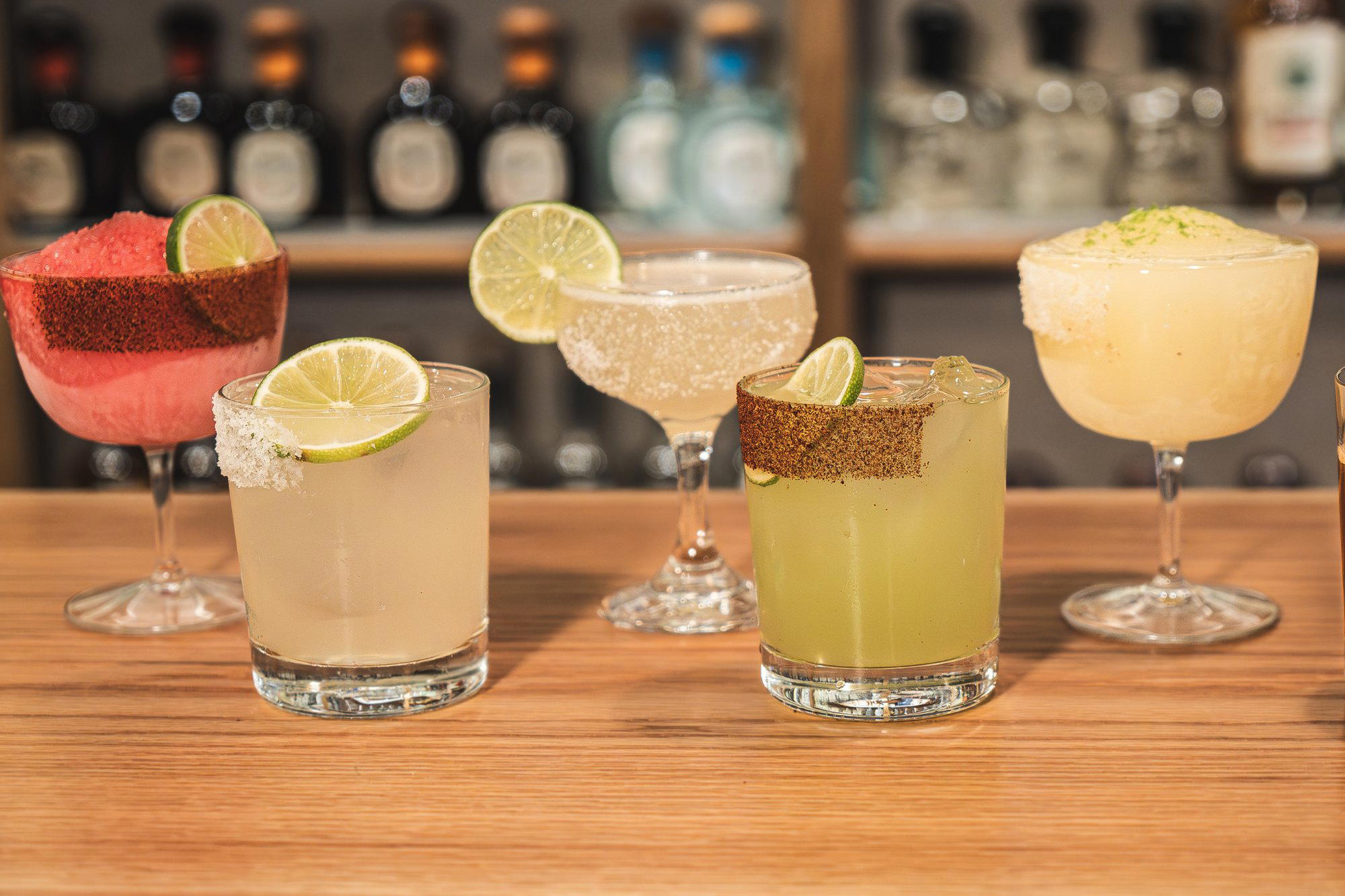
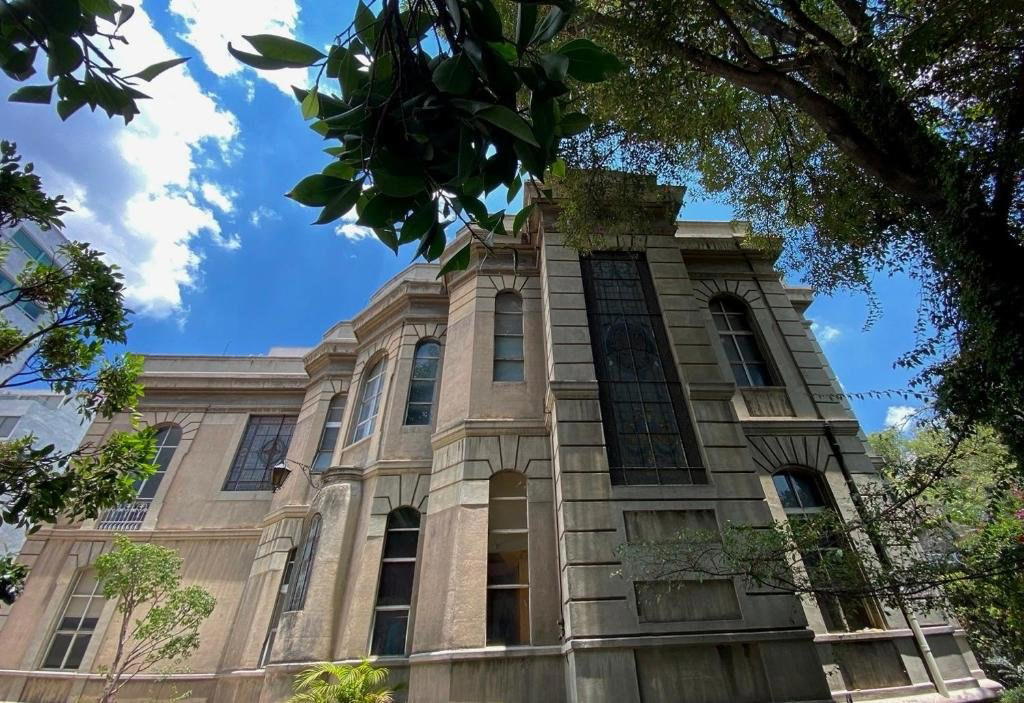
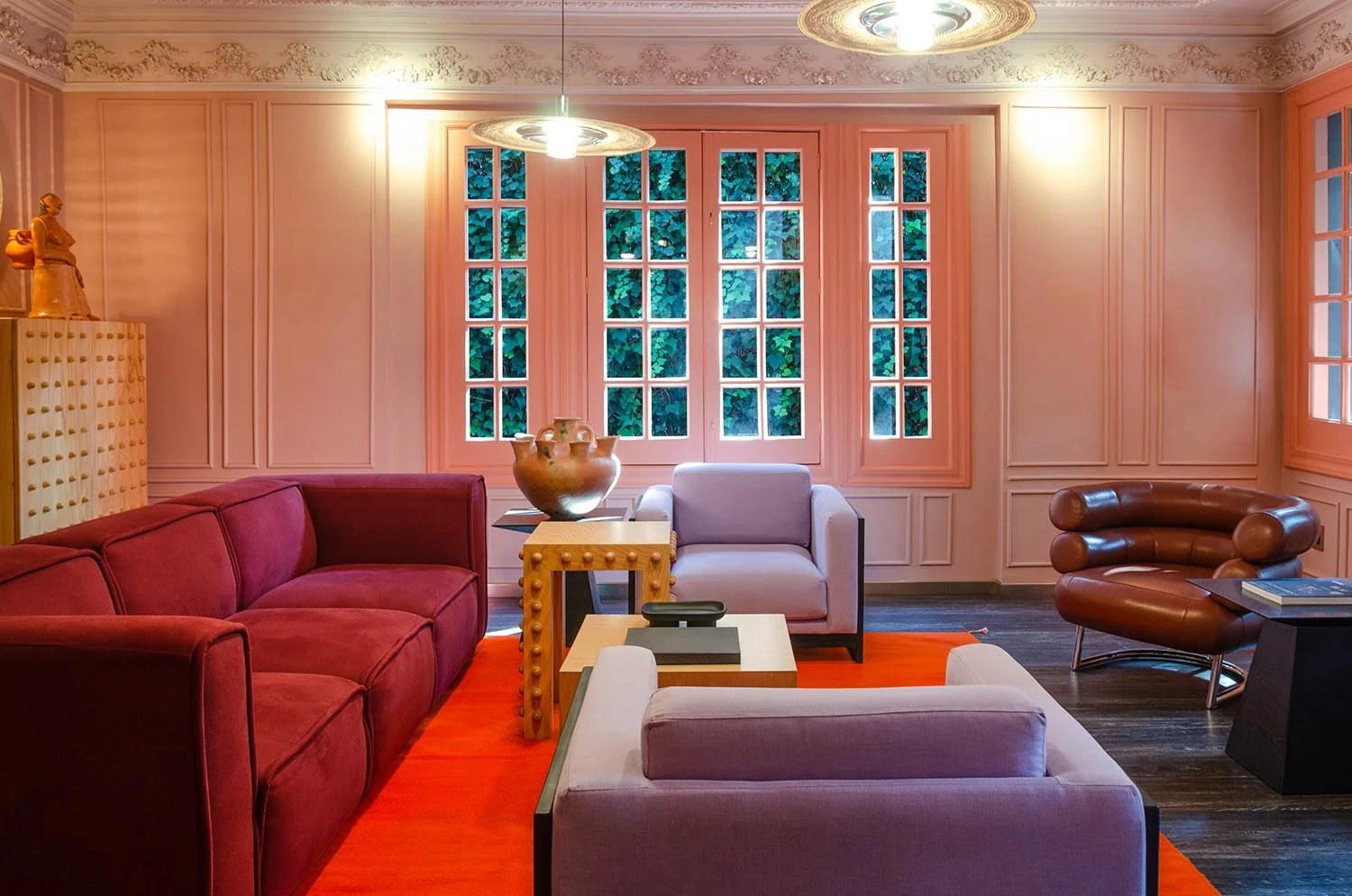
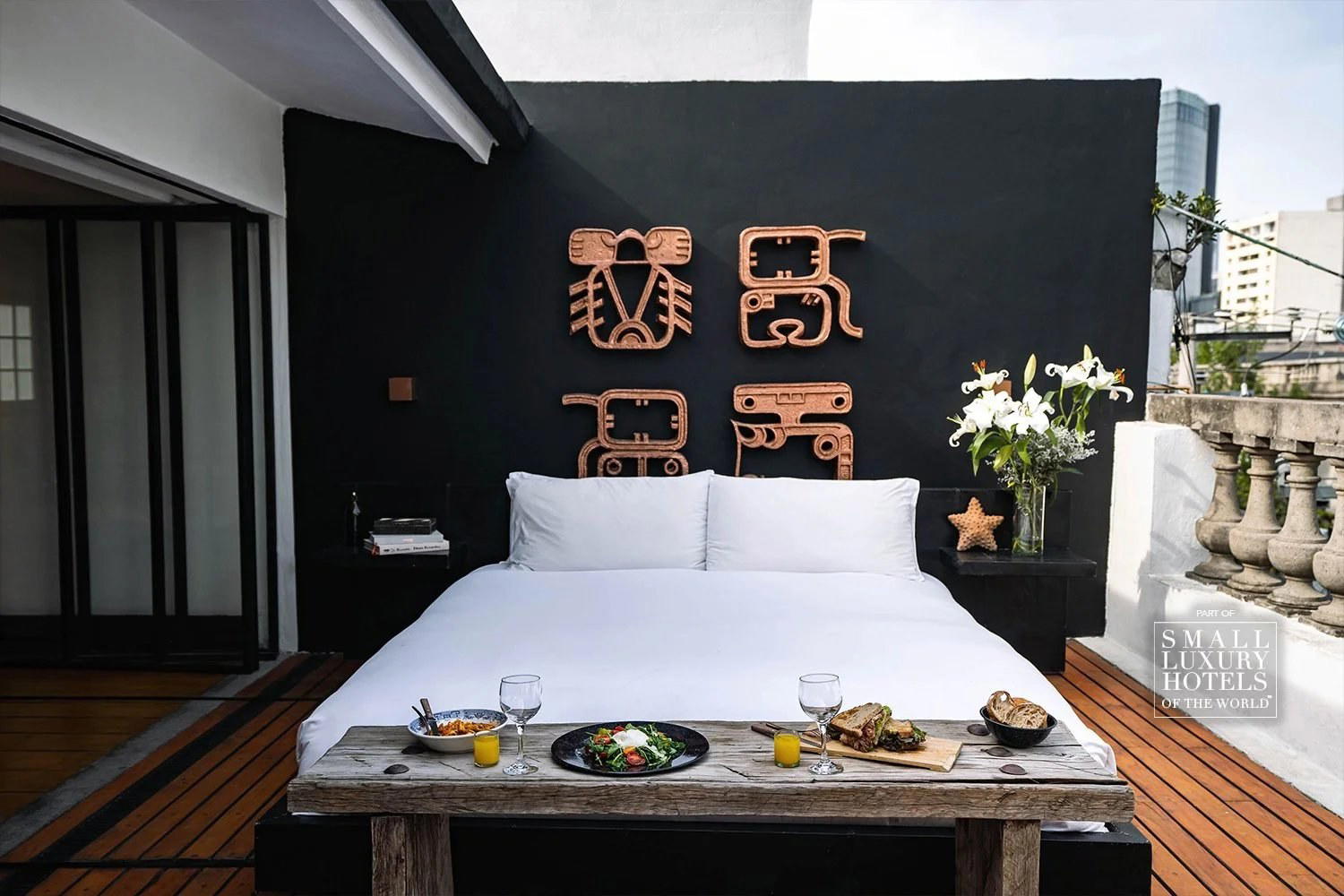
Buzzy and lively with natural skylights, lush greenery, string lights, and a verdant courtyard creating an inviting, trendy atmosphere.