Michelin Plate
Our verdict
Papillon brings classical French technique to the 26th floor of Kaohsiung's Cianjhen District, where city views frame a menu overseen by Christophe Saintagne. Recognised with a Michelin Plate in 2024 and ranked in Opinionated About Dining's European Classical list, it occupies a narrow tier of French fine dining in southern Taiwan, a category that, outside this address, barely exists in the city.

Pearl is the En Primeur Club membership app, where members save venues, book tables and use the concierge.
The menu
What to order
- Butterfly-shaped appetizer
- Cod with sea urchin sauce
French Fine Dining at Altitude: Kaohsiung's Upper-Floor Perspective
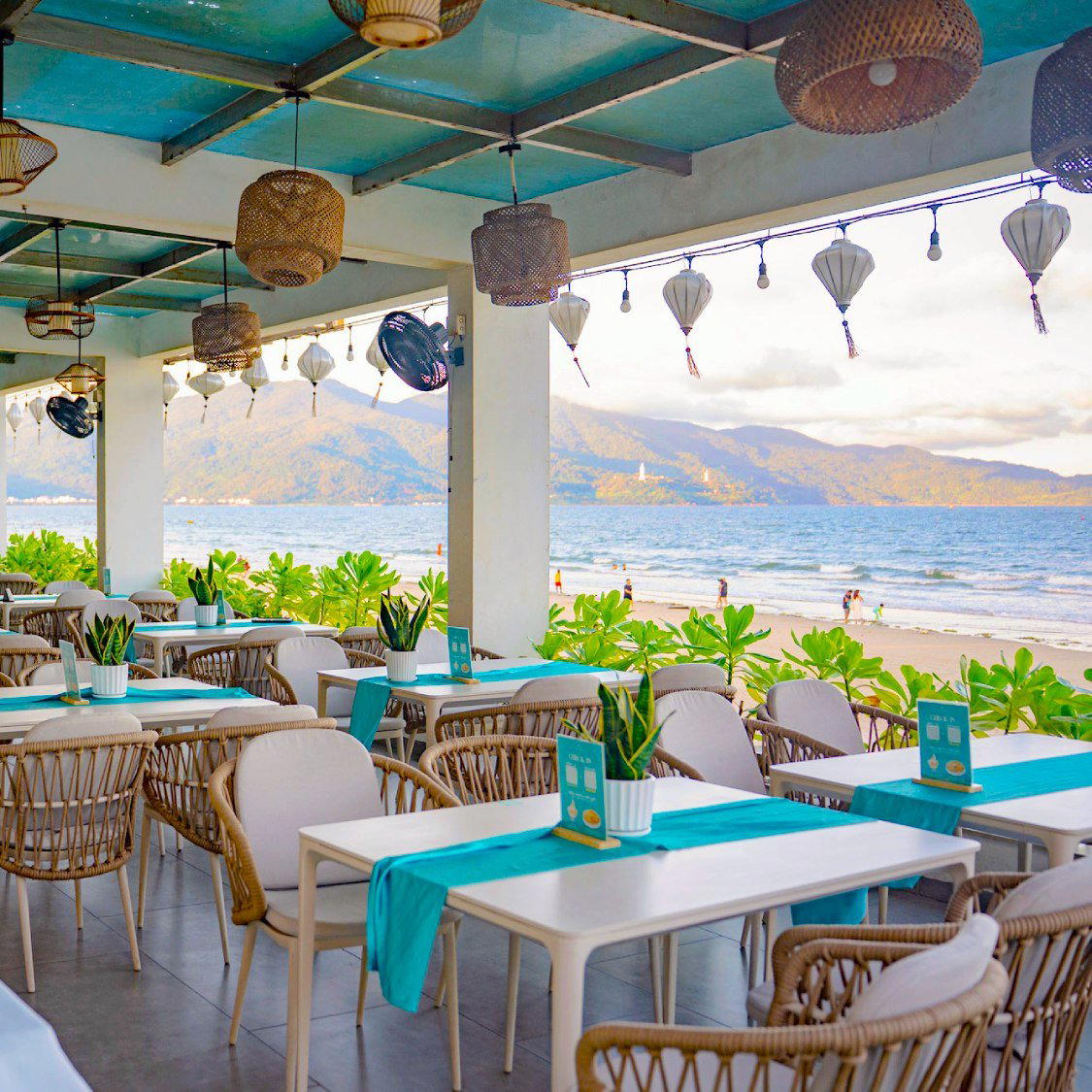
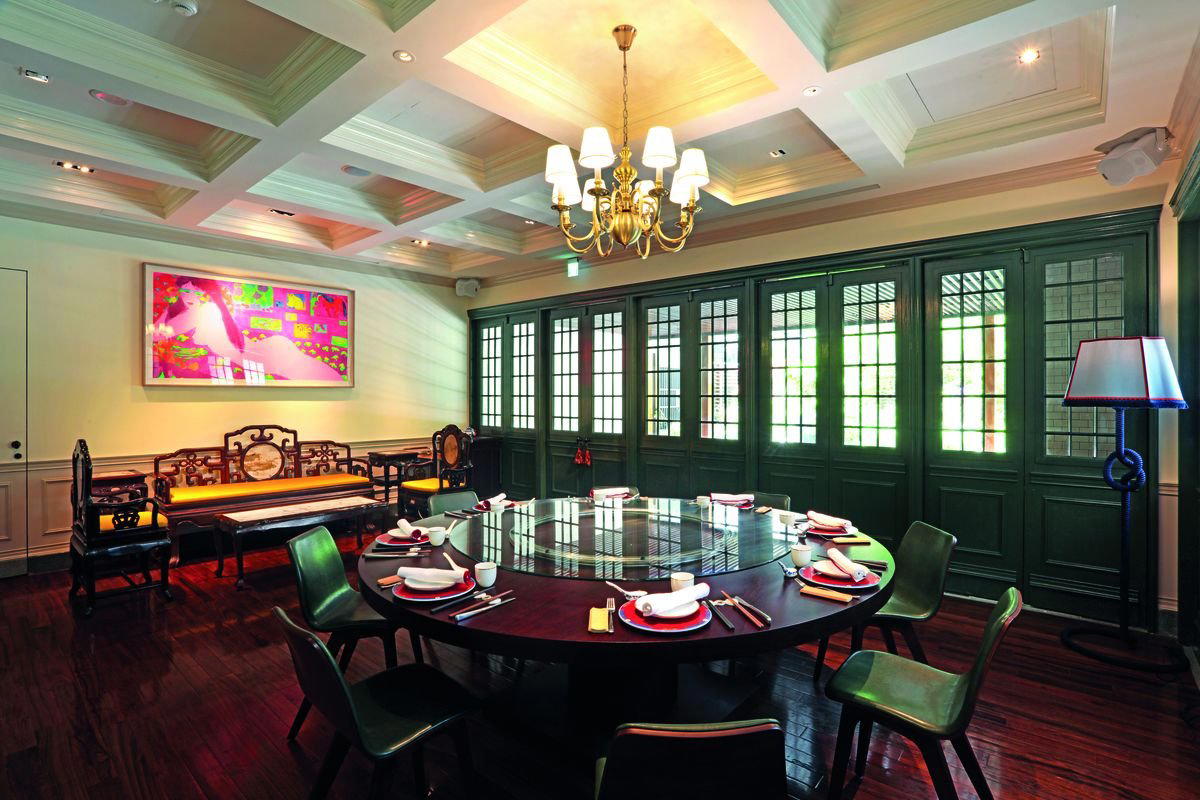
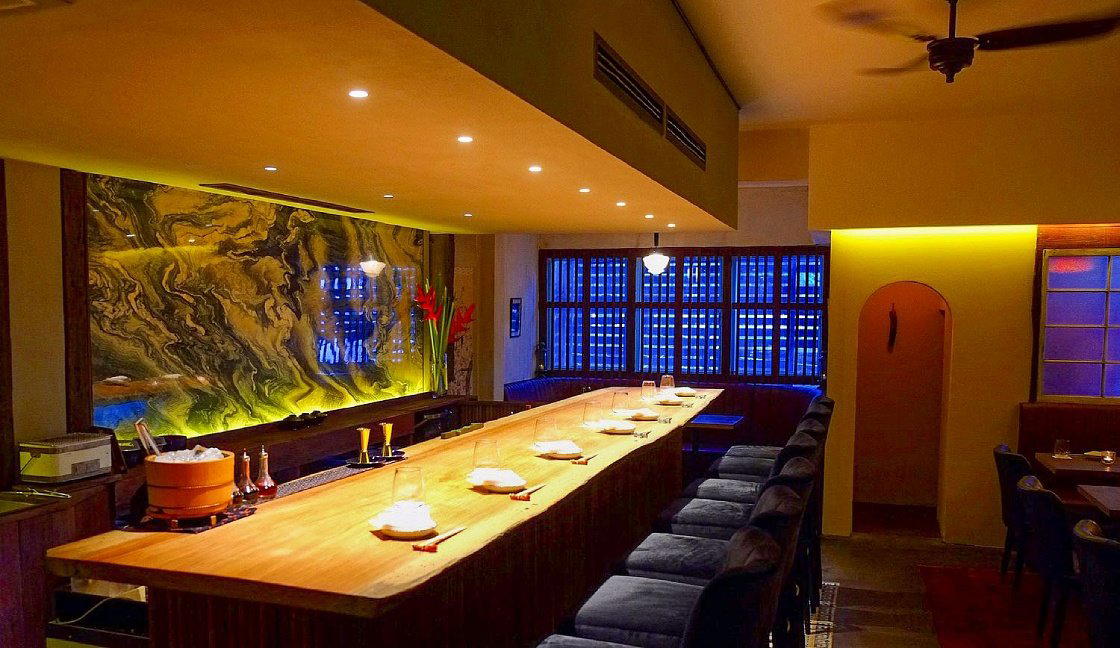
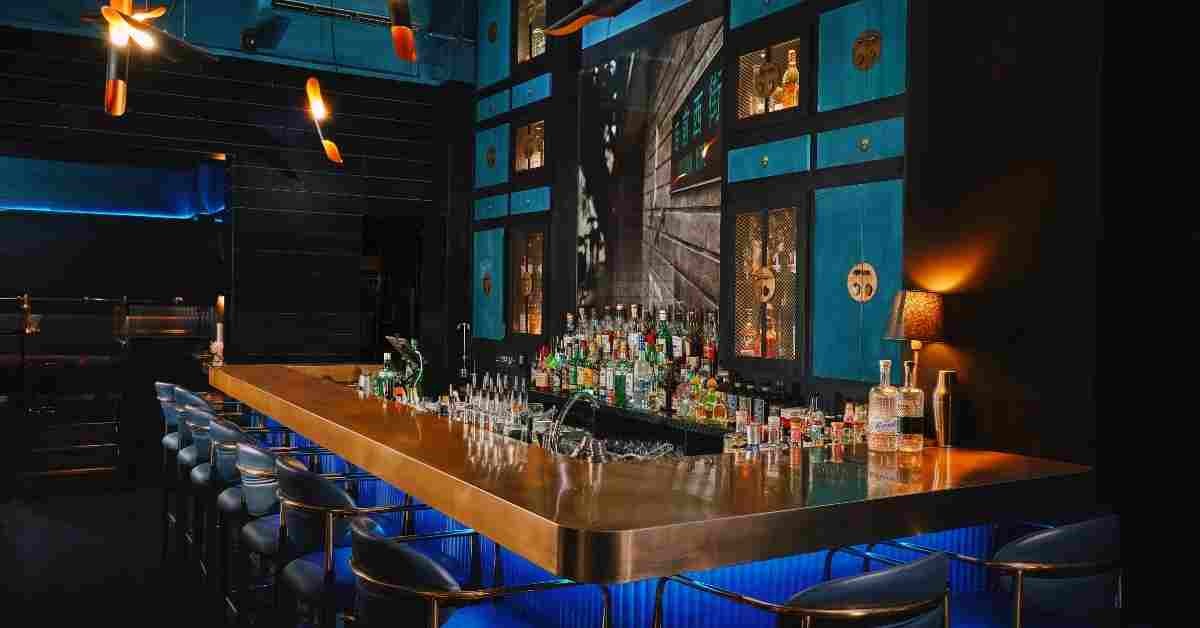
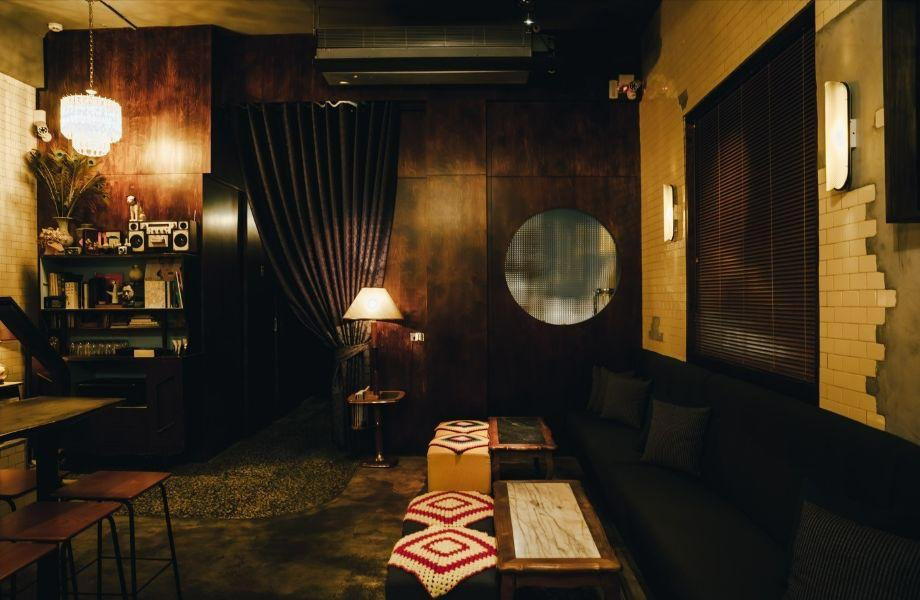
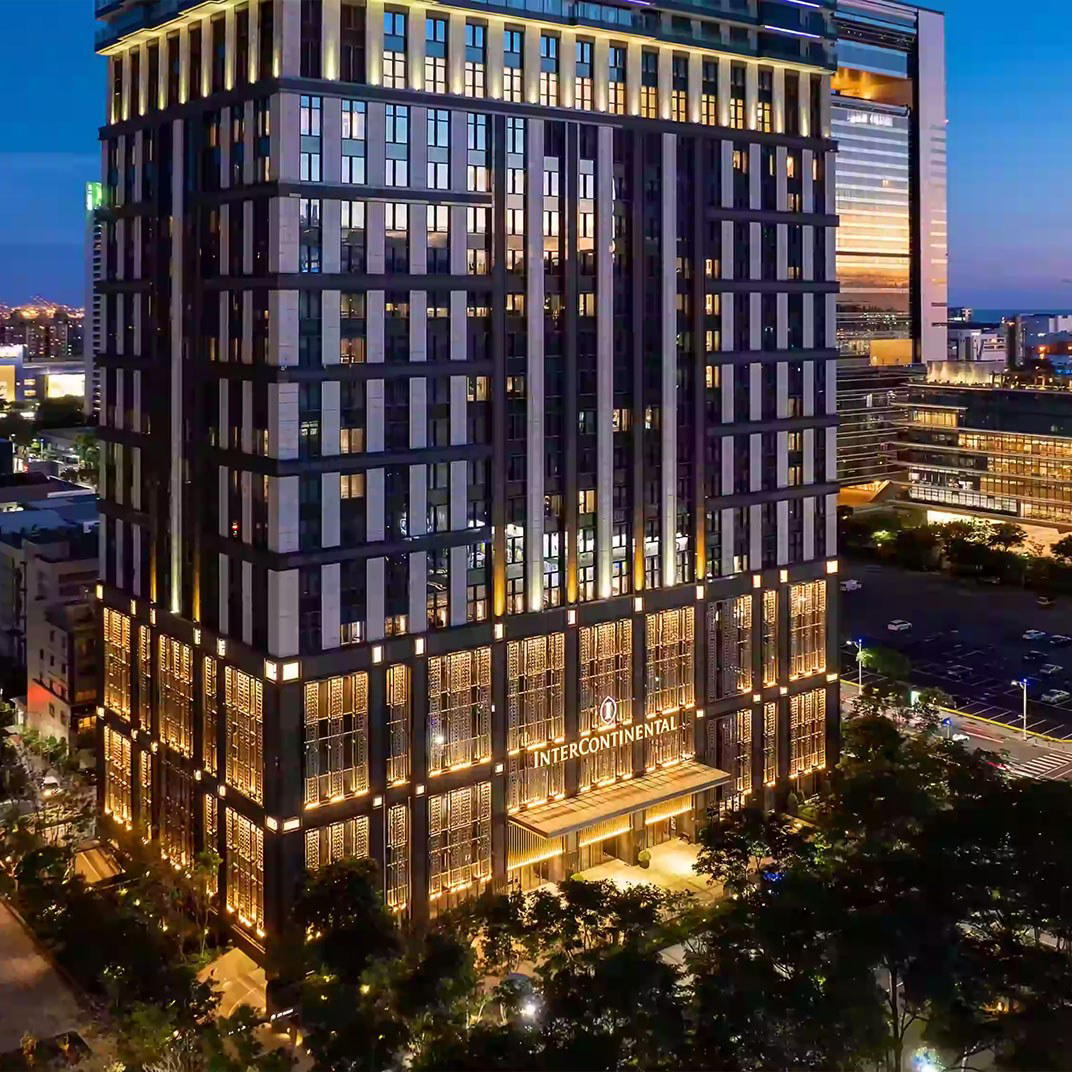
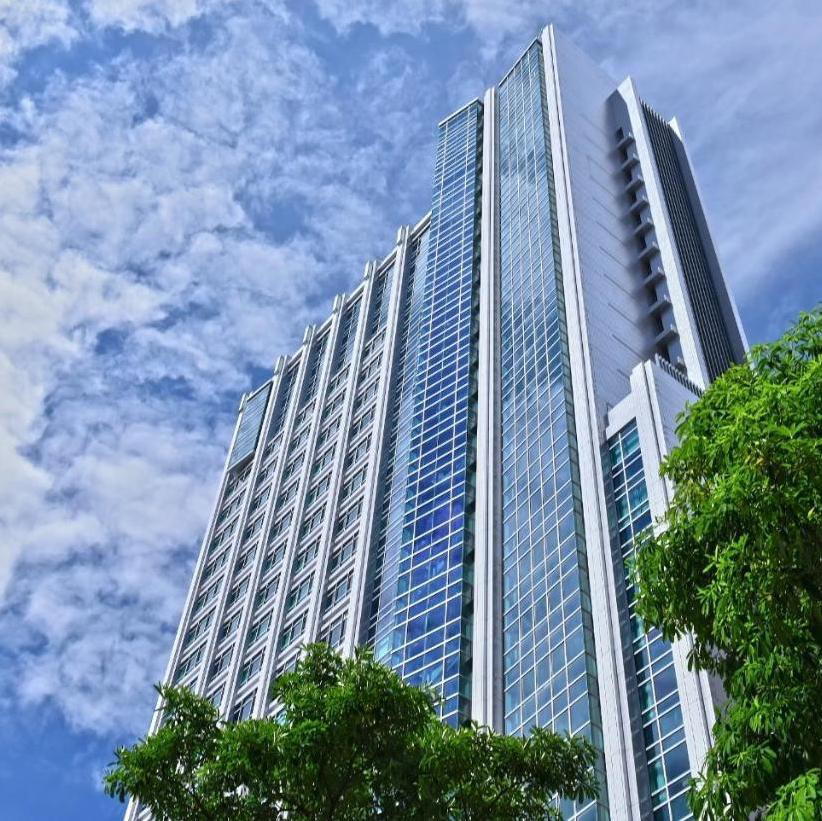
Elevation changes how a meal feels before a dish arrives. On the 26th floor of a Cianjhen tower, the approach to Papillon already involves a shift in register, the industrial port city recedes, the grid of lights spreads south toward the harbour, and the interior arrives as a deliberate contrast to the urban sprawl below. This is how classical French dining operates in a city where it has almost no competitors: by controlling the frame entirely, from the sightline to the table setting to the formality of the room.
Kaohsiung's fine dining scene has expanded over the past decade, but its energy has concentrated in Cantonese and Taiwanese formats. Venues like GEN (Cantonese) and Sho (Japanese) anchor the city's highest price tier with distinctly regional identities. Papillon operates at the same price point, the $$$$ bracket, but in a register that has no local equivalent: classical French technique executed in a contemporary idiom, in a market where that tradition carries real scarcity value.
The Sensory Logic of the Room
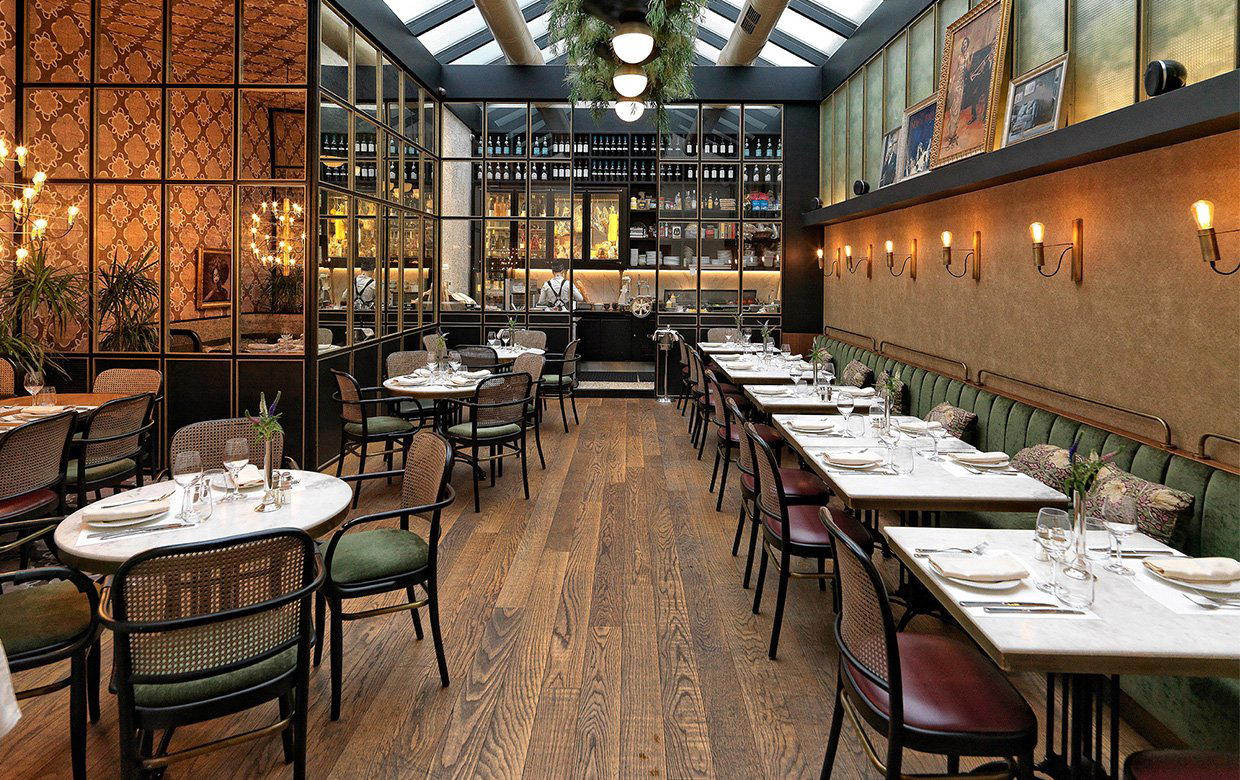
Classical French restaurants in Asia tend to resolve their setting in one of two ways: studied European interiors that read as transplants, or restrained modern spaces that let the food carry the cultural weight. At 26 floors above Kaohsiung, Papillon's position does something neither approach achieves on its own. The city panorama provides a constant, shifting backdrop, light quality through lunch, density and glow through dinner, that grounds the experience in a specific geography rather than allowing it to float in generic luxury.
This matters more than it might seem. French contemporary cooking has spread across East Asia through a fairly consistent visual language: pale linens, muted tones, careful plating. The differentiation between venues at this level increasingly comes from context: who is cooking, under what credential, and with what regional reference points informing the sourcing. The physical environment of Papillon, high above a port city more associated with street food and night markets than tasting menus, creates a friction that works in its favour. The contrast is part of the experience.
Taiwan's dining capital remains Taipei, logy in Taipei represents the kind of high-concept contemporary format that dominates the national conversation, and French fine dining in the country has historically clustered in the north. Papillon's position in Kaohsiung makes it an outlier in the leading structural sense: serving a market with genuine appetite but limited supply in this specific category.
The Awards Context
Two recognition systems are doing different work in Papillon's award record, and it is worth separating them. The Michelin Plate (2024) signals baseline quality acknowledgement from the Guide: the kitchen is producing food worth noting, without yet reaching star level. That is a meaningful floor, not a ceiling, and in a city where Michelin's Kaohsiung coverage is relatively thin, it positions Papillon among a small group of formally recognised addresses.
The more distinctive signal is the Opinionated About Dining (OAD) Classical in Europe ranking, where Papillon appeared at #177 globally in 2024, following a Highly Recommended citation in 2023. OAD's Classical in Europe list specifically tracks restaurants committed to the European classical tradition, as opposed to contemporary fusion or modernist formats, and draws its data from a panel of frequent, well-travelled diners rather than a single inspector's visit.
That peer comparison is worth holding onto when thinking about analogues elsewhere in the region. Caprice in Hong Kong and Épure in Hong Kong operate in the same French contemporary tradition in a city with deeper fine dining infrastructure and a larger captive audience. Papillon achieves comparable critical recognition in a smaller, less internationally profiled market, a structural argument for its kitchen's competence that numbers alone make clearly.
Christophe Saintagne's Position in This Story
French contemporary kitchens in Asia carry their credibility partly through the training lineages of the chefs involved. Christophe Saintagne's name appears on Essential by Christophe in New York City as well as Papillon, which places him in a small cohort of French chefs operating simultaneously across multiple international markets. That dispersal matters for how the kitchen maintains its identity: the OAD classical ranking suggests continuity of approach rather than dilution, but readers planning specifically around Saintagne's presence should confirm his schedule directly.
Papillon in the Wider Kaohsiung Dining Picture
The city's broader dining character is built on Taiwanese fundamentals, A Fung's Harmony Cuisine represents the depth of that tradition at a serious level, and its contemporary tier is expanding through formats like Haili (Modern Cuisine) and Anchovy (European Contemporary). Papillon does not compete directly with any of them. It occupies a specific niche: classical French with documented international recognition, at a price point that places it alongside Kaohsiung's most formal addresses.
For diners moving through southern Taiwan rather than basing themselves in Kaohsiung, the regional context is useful. JL Studio in Taichung and Akame in Wutai Township represent how Taiwan's fine dining tier has developed distinctive regional identities across the island. Papillon fits into that map as the southern anchor of French classical cooking in a country where that tradition has always been a minority pursuit.
Planning a Visit
Papillon operates Tuesday through Sunday, opening at 11:30 am and running through to 11:30 pm on most evenings, with extended service until 1:30 am on Fridays and Saturdays. Monday is closed. The address is 189 Linsen 4th Road, Cianjhen District, 26th floor, Cianjhen is a commercial and industrial district south of the city centre, and the building's height makes it visible before you reach street level. At the $$$$ price tier, diners should expect a formal tasting menu format; confirmation of current menu structure and booking procedures is leading done directly with the restaurant.4.8 across 17,926 ratings, an unusually large review base for a fine dining address in this city, which speaks to its profile among Kaohsiung's broader dining public alongside its critical following.
For full planning across the city, see our full Kaohsiung restaurants guide, our full Kaohsiung hotels guide, our full Kaohsiung bars guide, our full Kaohsiung wineries guide, and our full Kaohsiung experiences guide.
Frequently asked questions
What's the price range at Papillon?
Pricing at Papillon is listed as $$$$.
What's the address for Papillon?
Papillon is located at 806, Taiwan, Kaohsiung City, Cianjhen District, Linsen 4th Rd, 189號26樓, Kaohsiung.
What kind of recognition has Papillon received?
Papillon has received recognition including: Opinionated About Dining Classical in Europe Ranked #177 (2024); Michelin Plate (2024); Opinionated About Dining Classical in Europe Highly Recommended (2023).
What should I order at Papillon?
Papillon's menu is not detailed in publicly released form, which is common for French contemporary kitchens operating at this price tier. The kitchen runs under Christophe Saintagne and has earned both a Michelin Plate (2024) and an OAD Classical in Europe ranking of #177 (2024), suggesting the focus is on disciplined classical French technique rather than fusion experimentation. At the $$$$price point, expect a set menu or tasting format to be the primary offering rather than à la carte selection. Confirming current menu structure directly with the restaurant before visiting is the practical approach.
Peers in This Market
| Venue | Cuisine | Price | Awards | Notes |
|---|---|---|---|---|
| PapillonThis venue (the venue you are viewing) | Modern French Neo Bistro | $100–150 | Michelin Plate | Not listed |
| Sho | Modern Japanese Kaiseki with Taiwanese Influences | $100–150 | 1 Michelin Star | Japanese |
| GEN | Modern Chinese Fine Dining | Not listed | 1 Michelin Star | Cantonese |
| Haili | Japanese-French Fusion Fine Dining | $100–150 | 1 Michelin Star · Star Wine List | Modern Cuisine |
| Beef Chief (Zihciang 2nd Road) | Taiwanese Beef Hot Pot | $10–20 | Michelin Bib Gourmand | Taiwanese |
| Cheng Tsung Duck Rice | Taiwanese Duck Rice | $1–10 | Michelin Plate | Small eats |
Recognition history
Dated appearances from independent guides and award organizations, with the underlying list record or original source where available.
Michelin Plate
Michelin