Papi
Papi occupies a railway arch unit on Mentmore Terrace in London Fields, E8, placing it in the cluster of independent dining rooms that have redefined east London's restaurant offer over the past decade. The address sits at the more casual, neighbourhood end of the London dining spectrum, distinct from the Michelin-weighted rooms of Chelsea and Mayfair, and rewards visitors prepared to engage with a less formal, more discovery-led format.
- Address
- Unit 1F, 373 Mentmore Terrace, London E8 3DQ, United Kingdom
- Phone
- +447405099952
- Website
- papirestaurant.com
- Directions
- Get directions
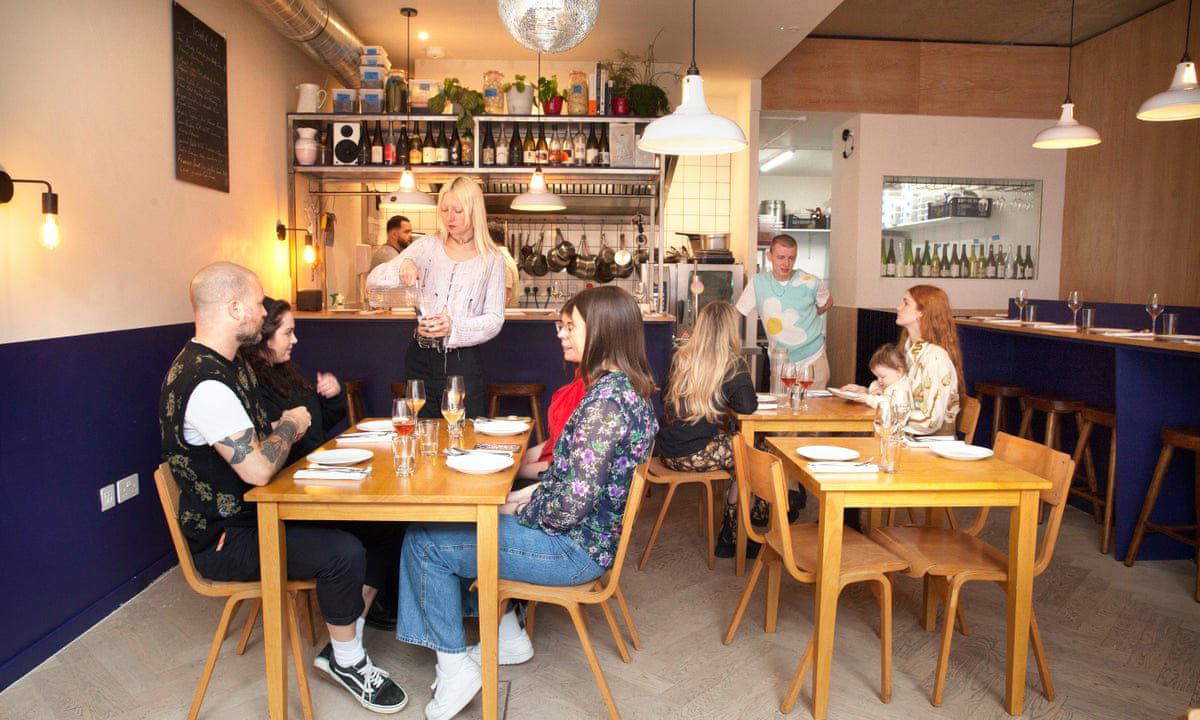
Mentmore Terrace and the East London Dining Shift
London's restaurant geography has reorganised meaningfully since 2015. The critical and cultural weight that once concentrated almost entirely in Chelsea, Mayfair, and the City has dispersed eastward, with Hackney, Dalston, and London Fields absorbing a significant share of the openings that attract serious attention. Mentmore Terrace, in E8, sits inside that reconfiguration: a street where railway arch units and converted industrial spaces now house restaurants that price and position themselves differently from the ££££ tasting-menu rooms of CORE by Clare Smyth or Restaurant Gordon Ramsay. Papi, at Unit 1F, 373 Mentmore Terrace, is a restaurant serving modern British small plates in Hackney, London.
The broader pattern here is consistent across European cities. Where premium dining once required a postcode with heritage associations, the past decade has seen critically regarded independents anchor in post-industrial neighbourhoods where rent structures allow tighter, more personal operations. In London, that dynamic has been especially pronounced in E8 and E9, where the density of independently operated restaurants now rivals the more established dining corridors of the West End.
The Physical Container: Arch Units as Dining Architecture
The railway arch format that defines many east London restaurant spaces carries specific spatial consequences. Arch ceilings impose a curved upper volume that standard fit-outs rarely resolve elegantly; the better operators in this format work with the brickwork rather than against it, leaving exposed masonry as a structural and atmospheric element rather than concealing it behind dropped ceilings or cladding. The result, when handled well, is a room that reads as genuinely site-specific rather than transplanted from a generic hospitality template.
Unit 1F on Mentmore Terrace fits within this east London arch-restaurant category. The address places Papi in a cluster of similarly configured spaces where the physical container itself communicates informality, neighbourhood rootedness, and an implicit rejection of the formal dining-room conventions that still govern rooms like Sketch's Lecture Room and Library or The Ledbury in Notting Hill. The contrast is deliberate and structural, not incidental. East London's independent operators have consistently positioned their spaces as alternatives to that formal register, and the choice of an arch unit over a period dining room is itself an editorial statement about who the room is for and what it expects of its guests.
This design philosophy connects to a wider shift in how London's serious independent restaurants think about seating arrangements and sightlines. In formal rooms, the table is the unit of privacy; in the more open, communal configurations favoured in east London, the room itself becomes the unit of experience. Noise levels, counter seating where it exists, and proximity to an open kitchen all compress the distance between guest and operation, producing a transparency that the tasting-menu format at Dinner by Heston Blumenthal or comparable destination rooms deliberately does not attempt.
Positioning in the London Dining Spectrum
London's restaurant offer spans a wider price and formality range than almost any comparable city. At the leading end, rooms like The Ledbury and CORE by Clare Smyth operate long booking windows, formal dress expectations, and multi-course set menus at prices that position them directly against UK destinations including Waterside Inn in Bray, Le Manoir aux Quat'Saisons in Oxford, and L'Enclume in Cartmel. Below that tier, a large middle band of neighbourhood restaurants operates on a different logic entirely: shorter booking windows or walk-in availability, à la carte or short-menu formats, and pricing that allows repeat visits rather than once-a-year occasions.
Papi's E8 address places it in that middle band, among the east London independents that have built followings through consistency and neighbourhood identity. This is not a criticism of the category; particularly interesting cooking in London operates in exactly this register, and the east London cohort has produced several operators who have subsequently attracted award recognition. The comparable set for a Mentmore Terrace restaurant is not Moor Hall in Aughton or Gidleigh Park in Chagford; it is the cluster of independently operated London neighbourhood rooms that compete on neighbourhood loyalty, word-of-mouth, and the quality of a regular Tuesday dinner rather than a special-occasion Saturday booking.
Planning a Visit
| Venue | Area | Price Range | Format | Booking Window |
|---|---|---|---|---|
| Papi | Hackney (E8) | Not confirmed | Neighbourhood independent | Not confirmed |
| CORE by Clare Smyth | Notting Hill | ££££ | Tasting menu | Several weeks ahead |
| The Ledbury | Notting Hill | ££££ | Tasting menu | Several weeks ahead |
| Sketch (Lecture Room) | Mayfair | ££££ | Tasting menu / à la carte | Several weeks ahead |
For comparable neighbourhood independents in cities with a similarly active dining scene, hide and fox in Saltwood, Midsummer House in Cambridge, and Opheem in Birmingham offer useful reference points for how regional independents have built serious reputations outside London's formal dining circuit. Internationally, the independent neighbourhood format has produced critically regarded rooms at the level of Atomix in New York City, which demonstrates how far the format can travel when kitchen ambition and room identity align. Le Bernardin in New York City and Restaurant Andrew Fairlie in Auchterarder represent the more formal end of the spectrum for comparison. Hand and Flowers in Marlow offers a useful UK reference point for how a less formal physical format can coexist with serious culinary recognition.
Budget and Context
Comparable venues nearby, for context on price, style, and recognition.
| Venue | Cuisine | Price | Notes |
|---|---|---|---|
| PapiThis venue — the venue you are viewing | Not listed | $$$ | Not listed |
| Bread Street Kitchen & Bar | Not listed | $$$ | City of London, Modern British restaurant & bar by Gordon Ramsay |
| The Narrow | Limehouse, Modern British Gastropub | $$$ | Not listed |
| Paternoster Chop House | Blackfriars, Modern British Steakhouse | $$$ | Not listed |
| Caxtons | Westminster, Modern British Grill | $$$ | Not listed |
| The Fat Badger | Not listed | $$$ | North Kensington, Modern British Gastropub |
Continue exploring
More in London
Restaurants in London
Browse all →
Bars in London
Browse all →
Hotels in London
Browse all →

At a Glance
- Lively
- Trendy
- Cozy
- Energetic
- Date Night
- Casual Hangout
- Group Dining
- Open Kitchen
- Natural Wine
- Local Sourcing
- Sustainable Seafood
Intimate and cosy dining room with low tables, counter top, high-top chef’s table in front of open kitchen, mid-youth Hackney hipsters sipping natty wine amid lively 80s party playlist.