Caxtons
Caxtons occupies a considered address at 2 Caxton Street in Westminster, a neighbourhood where lunch trade and evening dining serve quite different purposes. Positioned in the shadow of Westminster's institutional architecture, it operates in a part of London where the daytime crowd and the after-dark visitor rarely overlap, placing it in a distinct bracket among the capital's mid-to-formal dining options.
Pearl is the En Primeur Club membership app — saves, bookings, and concierge access live there. Same editors, same standards.
- Address
- 2 Caxton St, London SW1H 0QW, United Kingdom
- Phone
- +44 20 7227 7777
- Website
- caxtongrill.co.uk
- Directions
- Get directions
 Saves & bookings on Pearl
Westminster's Quiet Dining Address
The streets immediately around Westminster Cathedral and St James's Park Underground station have never accumulated the kind of restaurant density that draws comparison with Mayfair or Soho. Caxton Street sits in that quieter institutional zone, where office buildings, civil service addresses, and parliamentary adjacency shape the rhythm of trade more than tourism or nightlife. Caxtons, at number 2, occupies a spot that means different things depending on the time of day, and that distinction is more telling than any single detail about the room or the menu.
In Westminster's dining ecosystem, the lunch-versus-dinner divide is not merely a shift in mood. It is a structural feature of the neighbourhood. Daytime brings a crowd with a defined departure time, a preference for clarity over ceremony, and sometimes an expense account rather than a personal decision to spend. Evening diners, by contrast, have made a deliberate choice to come to this part of the city rather than default to the more restaurant-dense corridors of the West End. That choice carries different expectations, and venues on Caxton Street earn their evening trade through something other than footfall and proximity.
The Lunch Proposition in This Part of London
London's premium lunch market has fractured considerably over the past decade. At the leading, Michelin-recognised rooms like CORE by Clare Smyth and Restaurant Gordon Ramsay offer set lunch menus that bring three-star experiences to a lower price point, functioning as accessible entry formats for their broader tasting programmes. Below that tier sits a range of neighbourhood-anchored rooms where lunch is the primary service in both volume and identity. Westminster's position slightly outside the central restaurant circuit means that venues here have historically relied on a captive professional audience during the day, with evening trade that requires more active cultivation.
For a room in this position, the practical intelligence matters: lunch at Westminster addresses tends to reward visitors who book ahead on weekdays, when the professional crowd is predictable, and who arrive knowing that service windows can be tighter than in leisure-oriented parts of the city. The kind of deliberate pacing that marks a long Friday lunch in Mayfair sits differently here, where the operational rhythm is often calibrated to the midday constraints of nearby offices and institutions.
Evening Dining in Westminster: Making the Case
The after-dark case for Westminster dining is a harder one to construct than in neighbourhoods where restaurants cluster and the street itself becomes a reason to be out. Venues like Sketch's Lecture Room and Library in Mayfair and The Ledbury in Notting Hill benefit from neighbourhoods with their own gravitational pull. Caxton Street does not have that advantage. An evening visit here is a deliberate act, which tends to self-select for a guest who either lives nearby, is staying in one of the area's hotels, or has made a considered choice rather than an impulse one.
That self-selection can work in a venue's favour. Evening guests who have made a deliberate choice are typically more engaged, less rushed, and more likely to explore a menu at full length. The challenge is giving them sufficient reason to make that choice repeatedly. In the broader context of London dining, where rooms like Dinner by Heston Blumenthal carry the weight of institutional reputation and consistent critical recognition, a Westminster address without equivalent signal has to earn its evening footfall through consistent execution rather than reputation alone.
The Westminster Dining Context: comparable set and Positioning
Understanding where Caxtons sits in London's dining map requires placing it against the broader pattern of how the city's restaurant geography has developed. The concentration of Michelin-starred and critically prominent rooms has historically tracked west and east, through Mayfair, Soho, and increasingly into London's outer neighbourhoods, rather than through the governmental and administrative districts of SW1. For reference points further afield, The Fat Duck in Bray, L'Enclume in Cartmel, and Moor Hall in Aughton demonstrate that destination dining in the UK does not require a central London address, but it does require a compelling enough offer to justify the specific journey. Westminster addresses compete on a different basis: accessibility, neighbourhood character, and the specific needs of a professional and residential catchment.
Rooms in this postcode that have sustained evening trade have generally done so by serving hotel guests, local residents, and those attending events in the area's institutional spaces, rather than by drawing destination diners from across the city. That is a viable model, but it sets different benchmarks for what success looks like compared to the rooms that anchor themselves in competitive fine-dining circuits. For comparison across international fine-dining contexts, Le Bernardin in New York City and Atomix illustrate how rooms in specific city districts build reputation through consistency and credential rather than neighbourhood glamour alone.
Other UK references worth considering for their approach to location-versus-reputation trade-offs include Gidleigh Park in Chagford, Hand and Flowers in Marlow, and hide and fox in Saltwood, each of which demonstrates that address is less determinative than offer when a room has the credentials to make a case for itself.
Planning Your Visit
Getting There: St James's Park station (District and Circle lines) is the closest Underground stop, with Westminster station (Jubilee, District, Circle) also within comfortable walking distance. Timing: Weekday lunch is the service most shaped by the professional neighbourhood; evening visits on weekdays may offer a quieter room. Dress: The area's institutional character generally points toward smart-casual as a baseline.
For broader planning in London, see our full London restaurants guide, our full London hotels guide, our full London bars guide, our full London wineries guide, and our full London experiences guide.
The Minimal Set
Comparable venues nearby, for context on price, style, and recognition.
| Venue | Cuisine | Price | Notes |
|---|---|---|---|
| CaxtonsThis venue — the venue you are viewing | Westminster, Modern British Grill | $$$ | Not listed |
| The Clermont Restaurant and Bar | Embankment, Classic British Hotel Dining | $$$ | Not listed |
| The Botanist | Sloane Square, Modern British Gastropub | $$$ | Not listed |
| The Abingdon | Not listed | $$$ | South Kensington, Modern British Gastropub |
| The Fat Badger | Not listed | $$$ | North Kensington, Modern British Gastropub |
| Reform Social and Grill | Not listed | $$$ | Marylebone, British Grill & Afternoon Tea |
Continue exploring
More in London
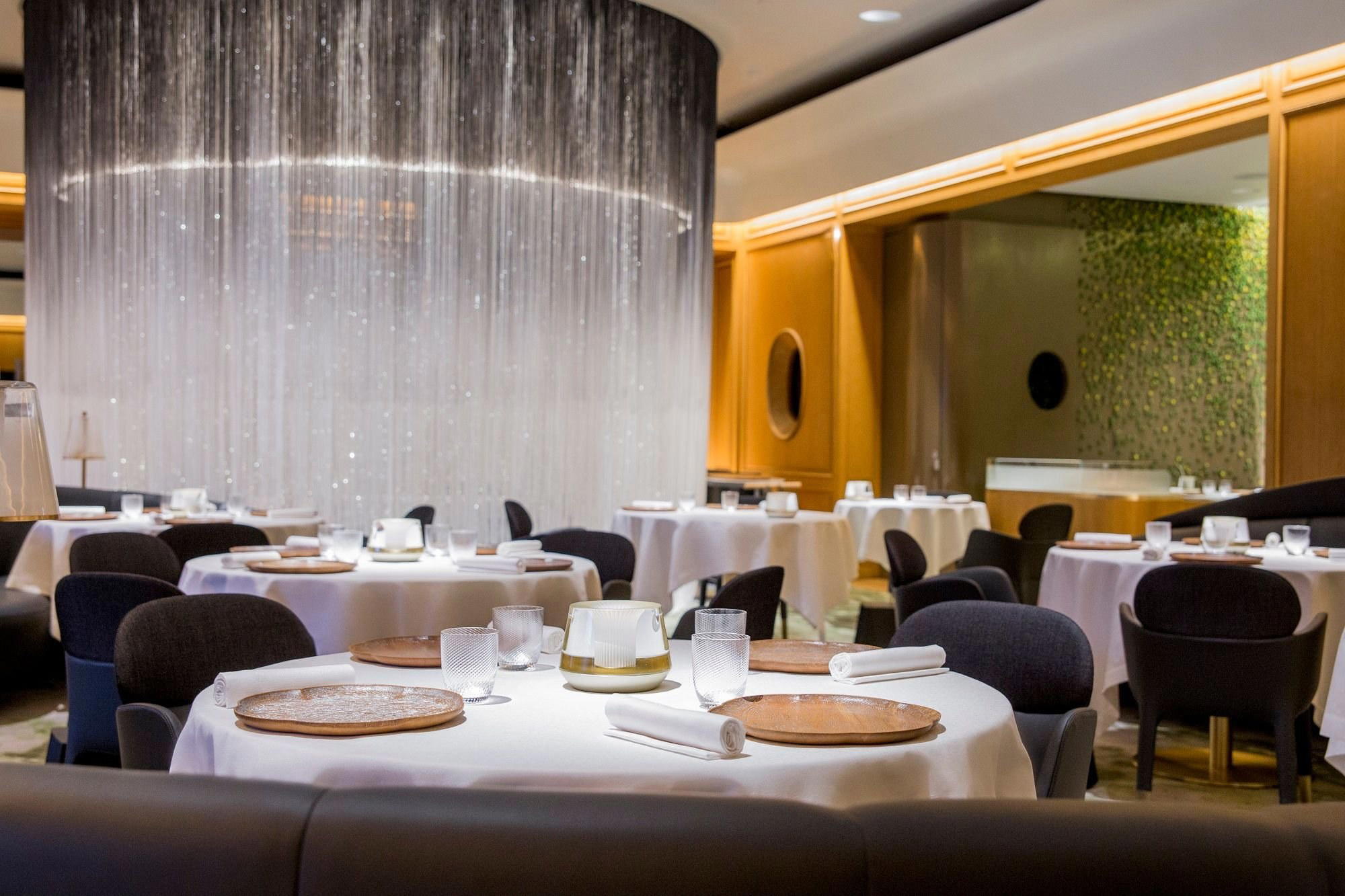
Restaurants in London
Browse all →
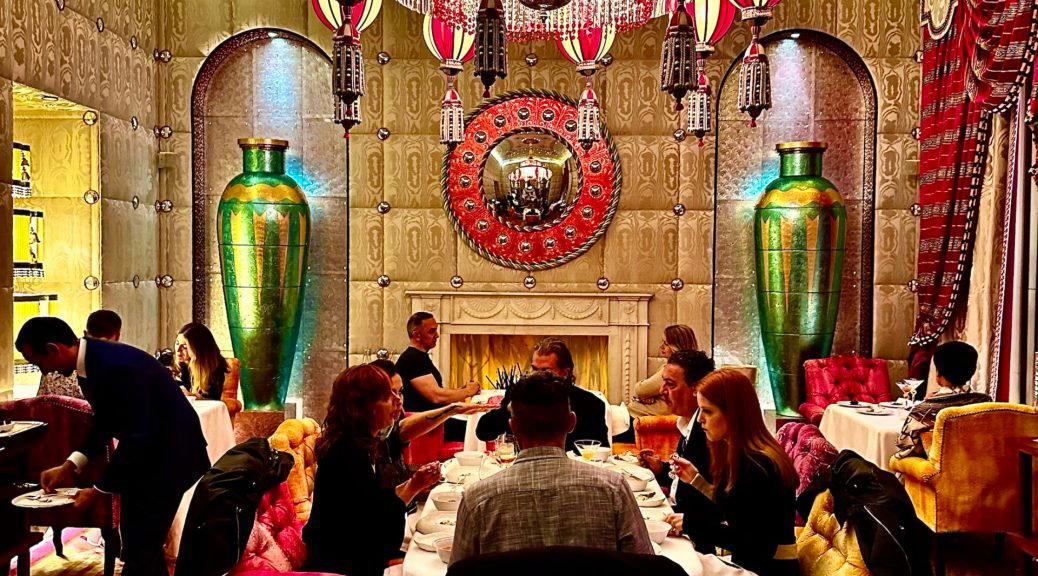
Bars in London
Browse all →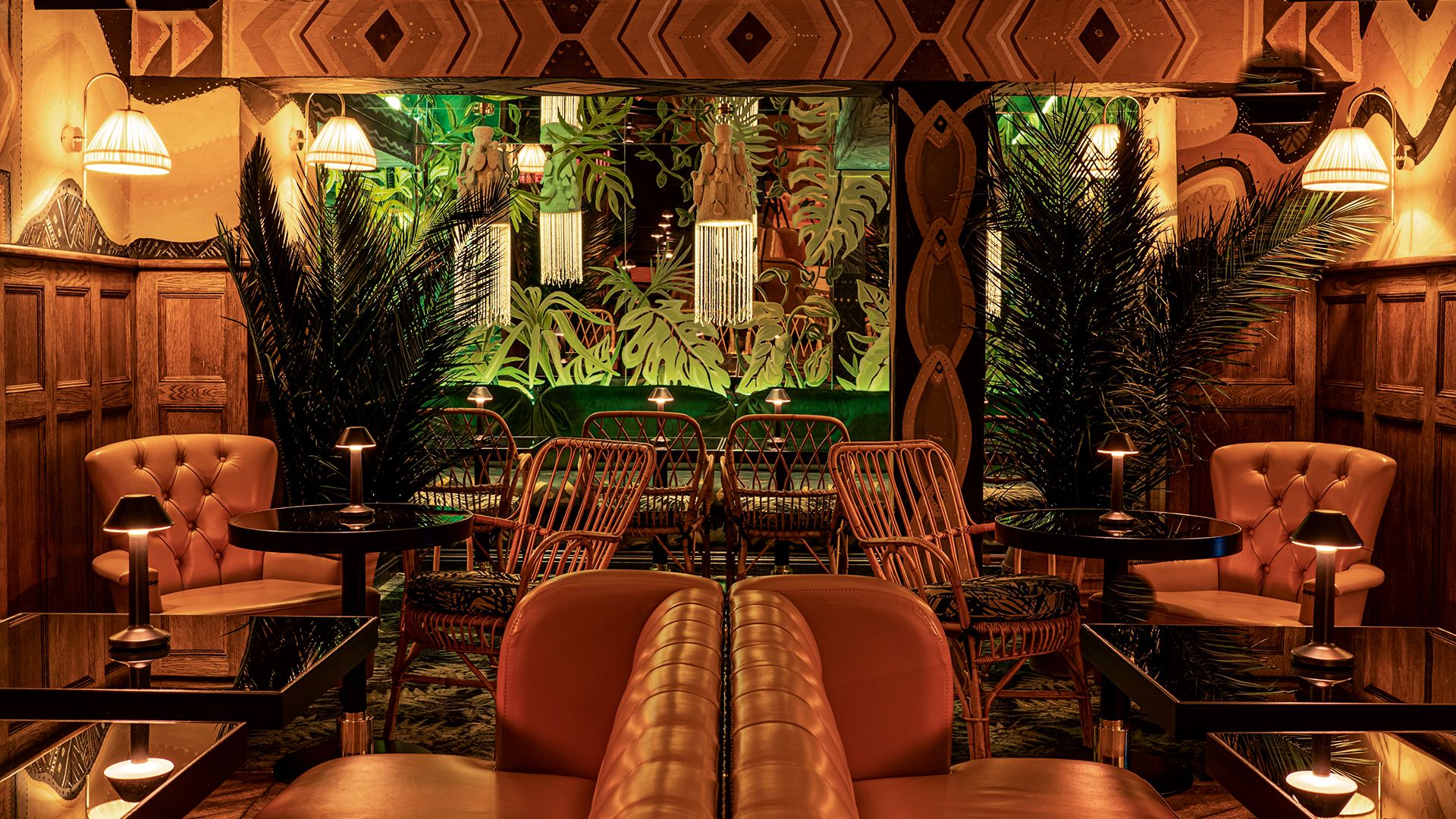
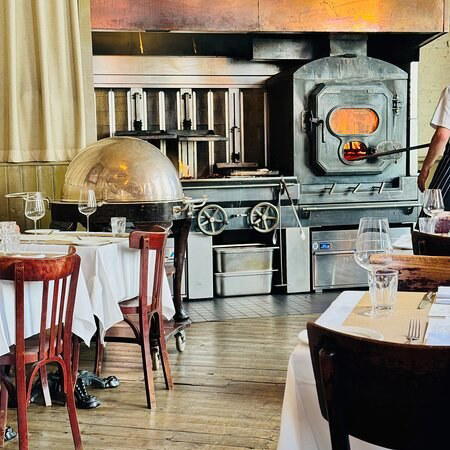
Hotels in London
Browse all →



At a Glance
- Elegant
- Cozy
- Sophisticated
- Business Dinner
- Date Night
- Group Dining
- Hotel Restaurant
Current opening hours
- Monday
- 12–2:30 PM, 5–10 PM
- Tuesday
- 12–2:30 PM, 5–10 PM
- Wednesday
- 12–2:30 PM, 5–10 PM
- Thursday
- 12–2:30 PM, 5–10 PM
- Friday
- 12–2:30 PM, 5–10 PM
- Saturday
- 5–10 PM
- Sunday
- 5–10 PM
Hours can change for holidays and private events. Last verified .
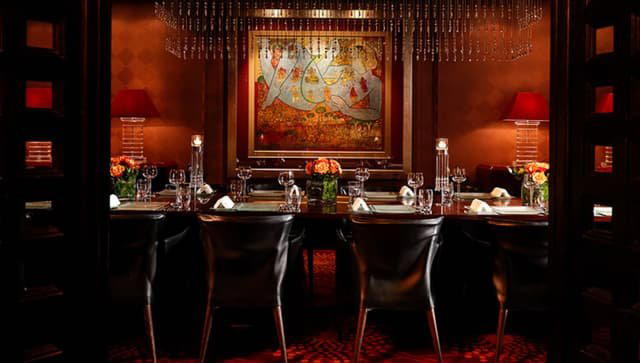
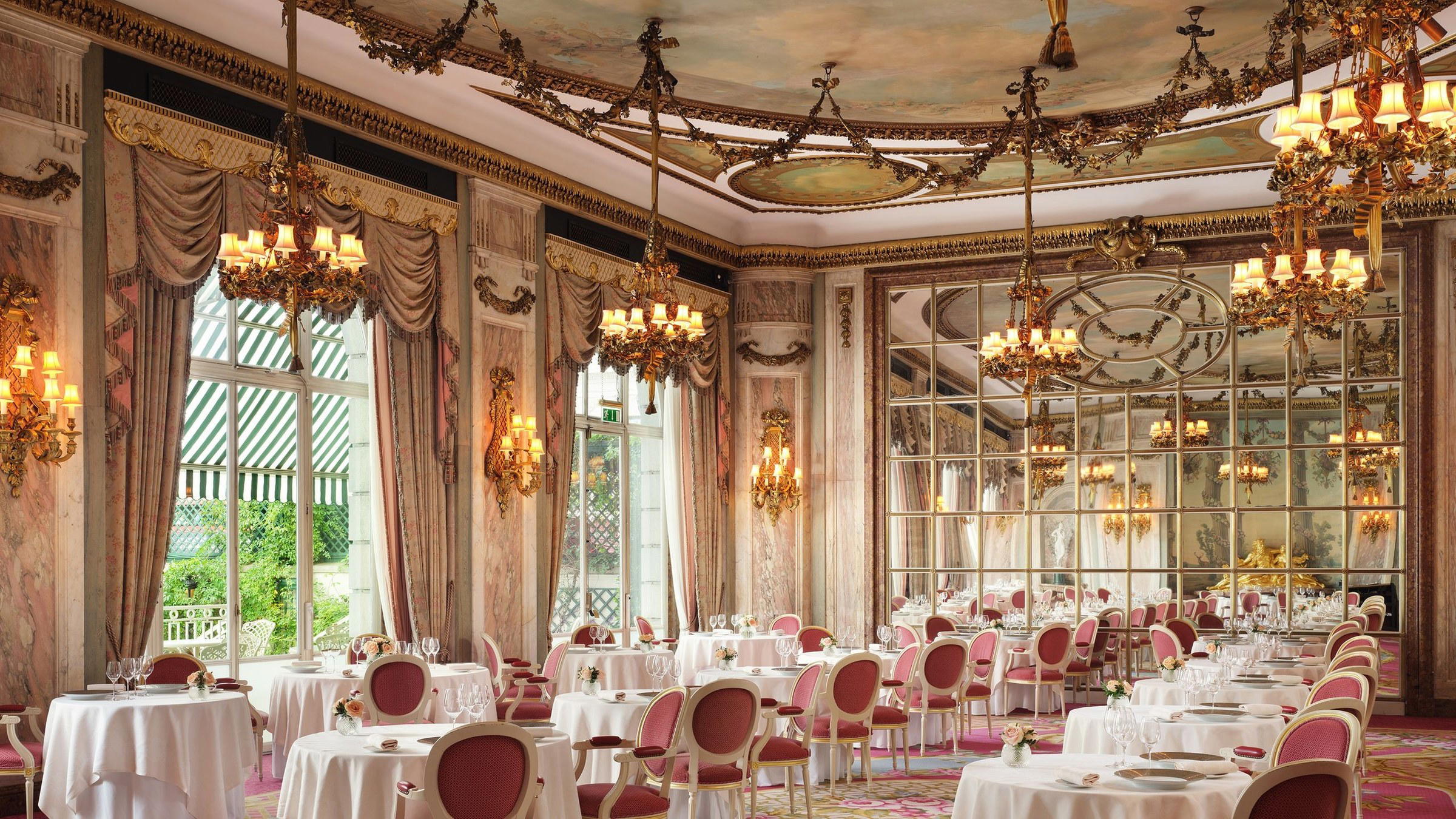
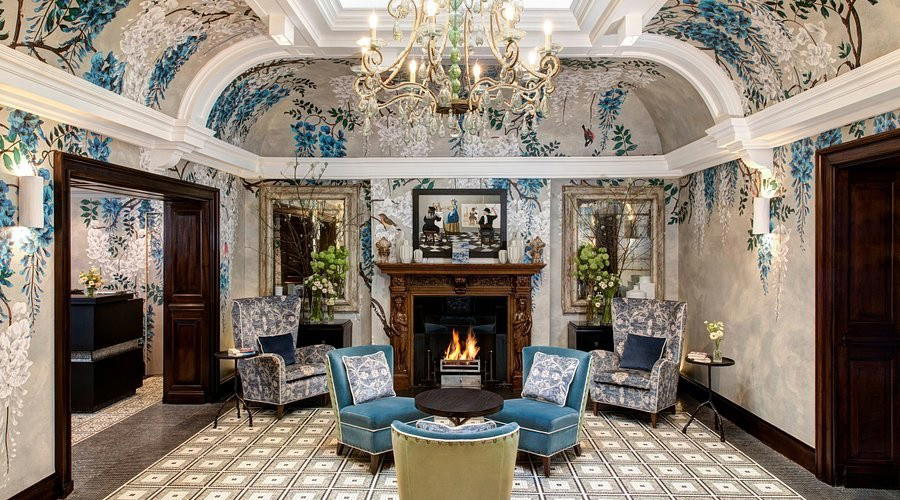
Cozy and elegant atmosphere with nice lighting, suitable for business lunches and romantic dinners, though occasionally noisy.