Michelin Bib Gourmand · We're Smart World 2 Radishes
Our verdict
A Michelin Bib Gourmand address on Rue du Tondu, Panaille runs a no-choice seasonal menu that fills every seat by midday on weekdays. The format is market-led and daily-changing, with a parallel plant-based option alongside traditional dishes. At the €€ price point, it sits in a different tier from Bordeaux's grander dining rooms, but draws consistent recognition for its price-to-quality ratio.

Pearl is the En Primeur Club membership app — saves, bookings, and concierge access live there. Same editors, same standards.
- Address
- 137 Rue du Tondu, 33000 Bordeaux, France
- Phone
- +33 6 60 41 87 39
- Hours
- Mon ClosedTue–Sat 12–2 PM, 7:15–10 PMSun Closed
- Website
- bookings.zenchef.com
- Directions
- Get directions
- Booking
- Book on Zenchef
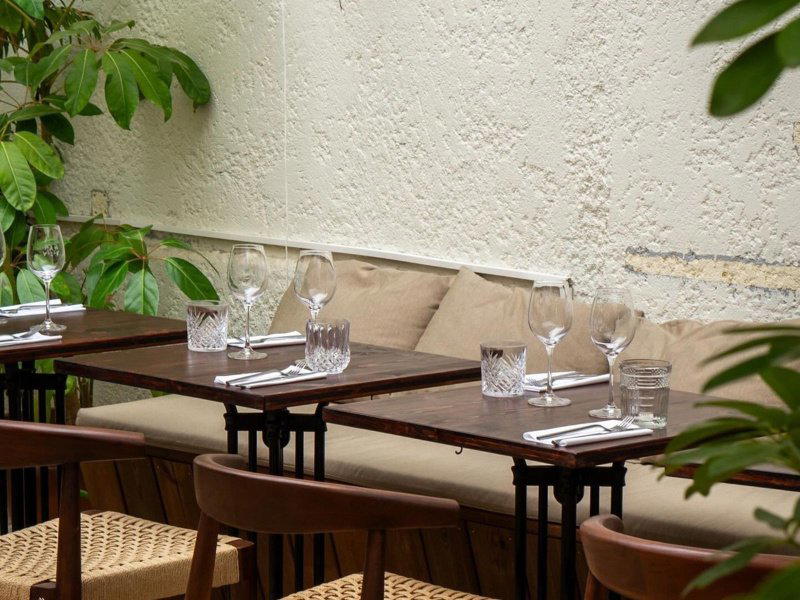
A Room That Earns Its Full Tables
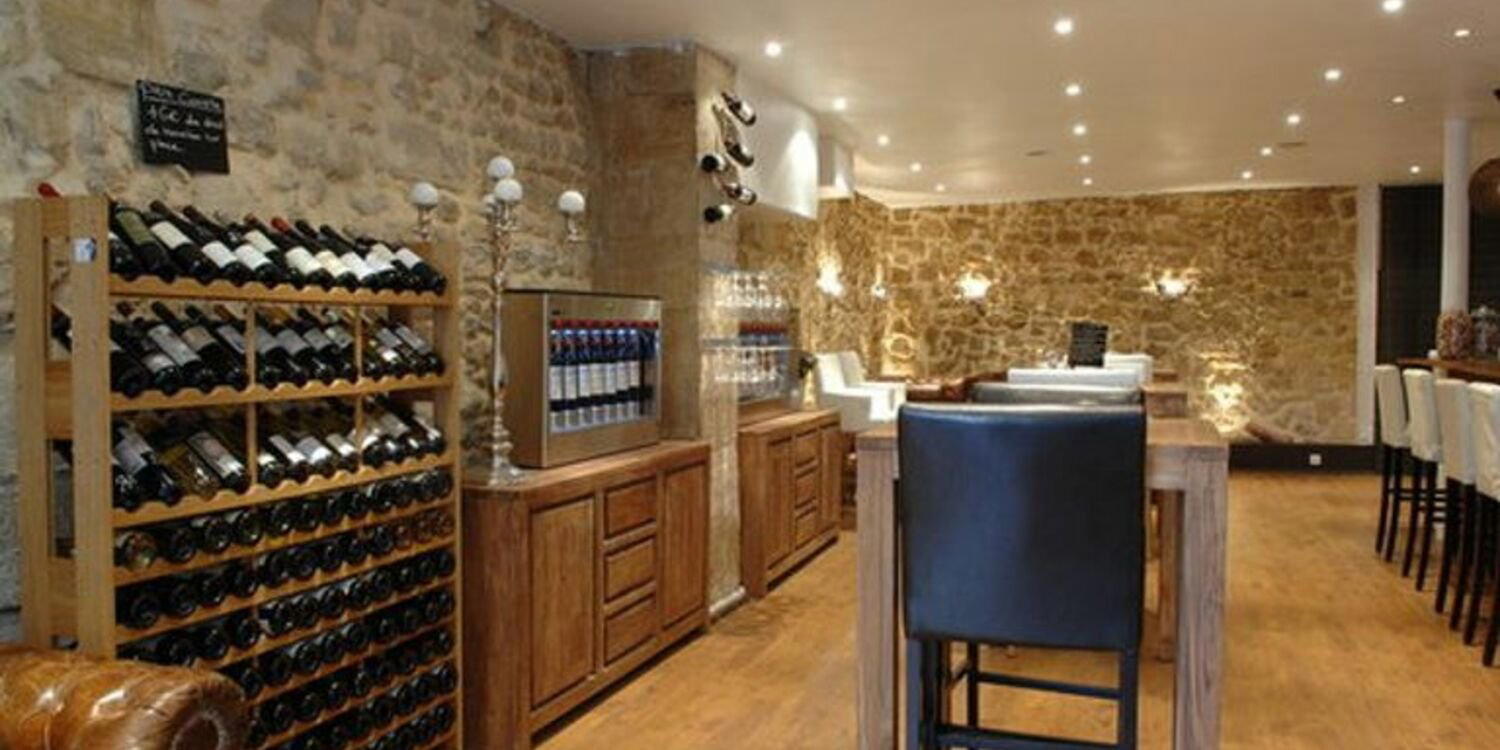
On Rue du Tondu, a residential artery in the Caudéran-adjacent stretch of Bordeaux's left bank, the physical proposition at Panaille is deliberately modest. There is no grand façade signalling destination dining, no maître d' at the door, no architecture competing for attention with what arrives on the plate. What the room communicates instead is a kind of purposeful restraint: a neighbourhood dining space that has been configured around daily occupation rather than occasion.
This kind of spatial confidence, where a small restaurant carries no visual performance pressure, reflects a broader pattern in French provincial dining. The addresses that have endured in cities like Bordeaux, Lyon, and Rennes are rarely the ones that invested in statement interiors. They are the ones whose physical containers became familiar enough to disappear, leaving the food as the only architecture that matters. Panaille fits that lineage. The room is a frame, not a statement.
The No-Choice Format as a Design Decision
Bordeaux's restaurant scene spans considerable range. At one end sit rooms like Le Pressoir d'Argent - Gordon Ramsay, where à la carte breadth and a four-tier price bracket position the meal as a formal occasion. Rooms like L'Observatoire du Gabriel and La Table d'Hôtes - Le Quatrième Mur occupy the mid-to-upper tiers with their own formats and settings. Panaille operates at the other end of that spectrum, and that positioning is itself a choice that has editorial weight.
The no-choice format, where you eat what the kitchen is cooking that day, is one of the more structurally honest arrangements in contemporary dining. It removes the menu as a buffer between cook and guest. Chefs Jean-Marie Perrot and Martin Lafont work with what the market supplies, which means the menu is written by the season rather than by a printed card. That daily reset is labour-intensive to sustain, and the Michelin Bib Gourmand recognition awarded in 2025, following a Michelin Plate in 2024, reflects a consistency of execution that fixed menus often find easier to maintain.
The dual-track offering, one line of traditional dishes and a parallel set of plant-focused plates, is a structural decision as much as a culinary one. It acknowledges that a room operating at full occupancy every service will contain guests with different requirements, and it addresses that without converting the kitchen into a short-order operation. The We're Smart Green Guide listing adds a further credential: that recognition focuses specifically on plant-forward cooking across Europe, and inclusion signals a level of commitment to vegetable-led cookery that goes beyond a token option on a meat-heavy menu.
Where Panaille Sits in Bordeaux's Dining Tier
€€ price bracket in Bordeaux covers a reasonably wide range of ambition, from casual bistros to tightly run neighbourhood tables. What separates entries in that bracket is usually the gap between what the price suggests and what the cooking delivers. Panaille's Bib Gourmand places it in the company of addresses that Michelin inspectors specifically identify as offering above-average cooking at prices below the guide's starred tier. That is a different credential from a star: a Bib Gourmand is explicitly an assessment of value and accessibility, not just culinary merit in isolation.
For comparison, the starred restaurants in the broader French context, from Mirazur in Menton to Flocons de Sel in Megève and Alléno Paris au Pavillon Ledoyen, operate in a price and format register that makes them annual or occasional events for most diners. Institutions like Troisgros - Le Bois sans Feuilles, Paul Bocuse - L'Auberge du Pont de Collonges, and Bras in Laguiole carry the weight of French culinary history but at a significant remove from everyday neighbourhood eating. It is closer to the addresses that fill a different need: the lunch table you return to monthly rather than the room you book six months ahead for a birthday.
That said, booking lead time is a practical reality here. The address on Rue du Tondu runs at full capacity on weekday lunchtimes, and arriving without a reservation is unlikely to result in a table. That is not unusual for Bib Gourmand addresses in French cities: the recognition tends to accelerate the booking pressure that already existed. Reserving in advance is the practical baseline, not a luxury precaution.
Panaille in the Neighbourhood Context
Bordeaux's dining geography has shifted noticeably over the past decade. The historic centre, around the Triangle d'Or and the quays, concentrates much of the city's formal dining. But the more interesting neighbourhood restaurants have spread into residential quarters where rents allow for smaller margins and less theatrical formats. Rue du Tondu sits in that diffused geography, and Panaille's full occupancy at lunch suggests local loyalty rather than destination tourism driving its tables.
Other Bordeaux addresses operating in a similar neighbourhood register include Maison Nouvelle and L'Oiseau Bleu, both of which occupy distinct positions in the city's mid-range dining. Each has a different format and emphasis, but the shared characteristic is a dining room that functions as a local resource first and a destination second. That pattern, common in French cities but less prevalent in dining cultures shaped more by tourism, is worth understanding before building a Bordeaux itinerary around the guide-facing addresses alone.
For those planning time in the city more broadly, our full Bordeaux restaurants guide maps the wider range. The Bordeaux hotels guide, bars guide, wineries guide, and experiences guide cover the adjacent territory. And for those whose appetite for chef-led, market-driven cooking extends to international comparisons, the modern cuisine format at rooms like Frantzén in Stockholm or FZN by Björn Frantzén in Dubai offers a different scale of the same instinct: let the produce drive the day.
Planning a Visit
Panaille is at 137 Rue du Tondu, 33000 Bordeaux. The €€ pricing makes it accessible within a typical lunch budget, and the Bib Gourmand credential from Michelin's 2025 guide confirms the kitchen's consistent delivery at that price point. Reserve ahead; walk-in availability at peak hours is not a realistic expectation at an address running this consistently full. The choice on arrival is between the seasonal traditional track and the plant-focused parallel, both market-determined on the day.
Frequently asked questions
What cuisine category does Panaille fall under?
How much does it cost to eat at Panaille?
Pricing at Panaille is listed as €€.
What distinctions does Panaille have?
Panaille has received recognition including: What a lovely neighborhood restaurant! It’s clearly a favorite, as even on a weekday lunchtime every seat is taken—and without a reservation, there’s no chance of finding a table. The concept is simple: you eat what’s being served, seasonal….
What dish is Panaille famous for?
Panaille does not anchor its reputation to a single dish. The kitchen runs a daily market menu built around what Jean-Marie Perrot and Martin Lafont source each morning, so the menu shifts continuously with the season. That format is the point: the Michelin Bib Gourmand 2025 and a listing in the We're Smart Green Guide both recognise the model itself, not any fixed recipe. Regulars return for the consistency of the approach rather than a recurring plate.
Cuisine Context
A quick snapshot of similar venues for side-by-side context.
| Venue | Cuisine | Price | Awards | Notes |
|---|---|---|---|---|
| PanailleThis venue — the venue you are viewing | Modern French Bistro | $30–50 | Michelin Bib Gourmand · We're Smart World 2 Radishes | Not listed |
| Le Pressoir d'Argent - Gordon Ramsay | Modern French Fine Dining | $200–300 | 2 Michelin Stars · La Liste Top Restaurants | Modern Cuisine |
| La Tupina | Traditional Southwestern French Bistro | $50–100 | Michelin Plate · World's 50 Best #50 | French Bistro, Traditional Cuisine |
| Ishikawa | Authentic Japanese Izakaya | $50–100 | Michelin Plate | Kaiseki, Japanese |
| Le Chapon Fin | Modern French Gastronomic | Not listed | Michelin Plate | French, Modern Cuisine |
| Amicis | Creative French Bistro | $30–50 | 1 Michelin Star · Gault & Millau Remarkable Restaurant | Creative |
Recognition history
Dated appearances from independent guides and award organizations, with the underlying list record or original source where available.
Michelin Bib Gourmand
Michelin
We're Smart World 2 Radishes
We're Smart World
Full recognition history (4 entries)
Michelin Bib Gourmand
Michelin
Michelin Plate
Michelin