Palm Court at The Langham
The Palm Court at The Langham occupies a particular tier in London's afternoon tea circuit: a Victorian-era room on Portland Place where the format has been performed since the hotel opened in 1865. The setting channels late-nineteenth-century hotel grandeur through high ceilings and a central atrium, and the tea service sits in the upper bracket of the city's formal afternoon tea offerings.
Pearl is the En Primeur Club membership app — saves, bookings, and concierge access live there. Same editors, same standards.
- Address
- 1C Portland Pl, London W1B 1JA, United Kingdom
- Phone
- +44 20 7965 0195
- Website
- palm-court.co.uk
- Directions
- Get directions
 Saves & bookings on Pearl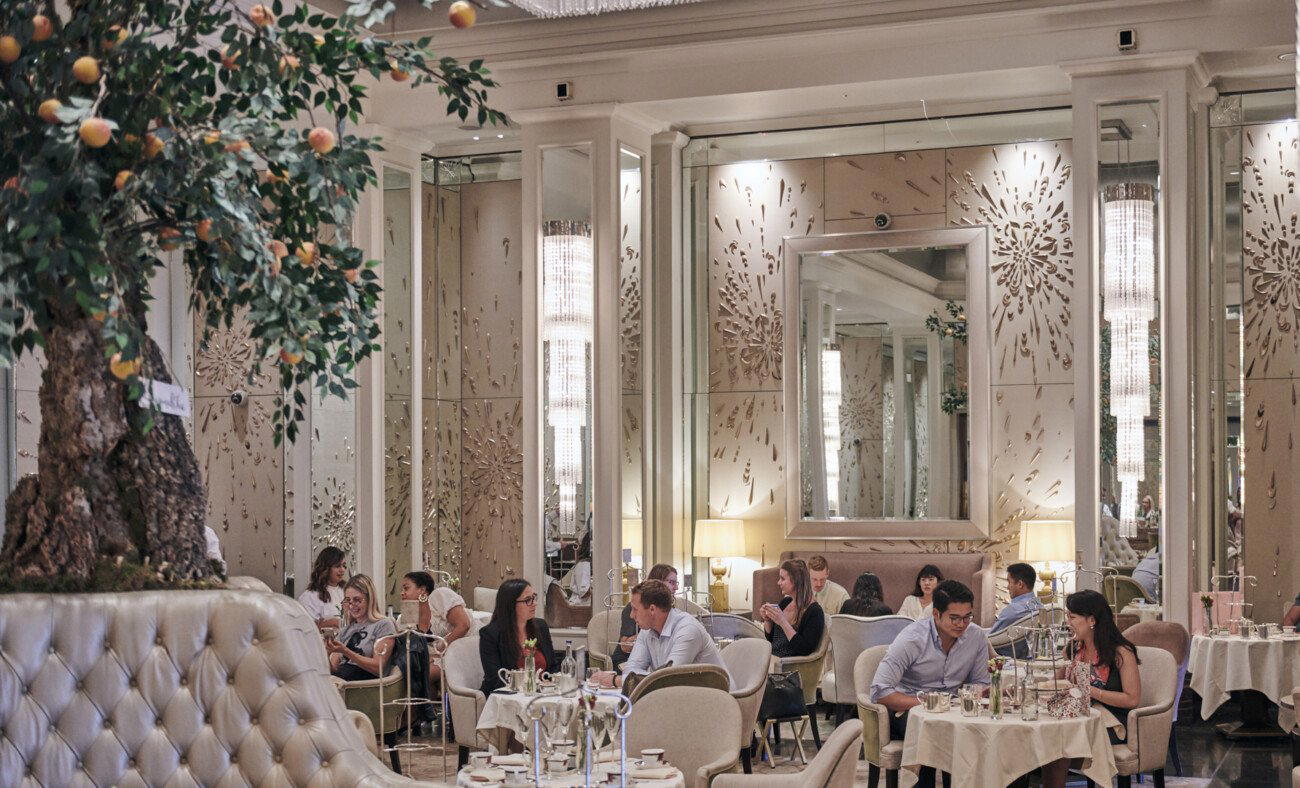
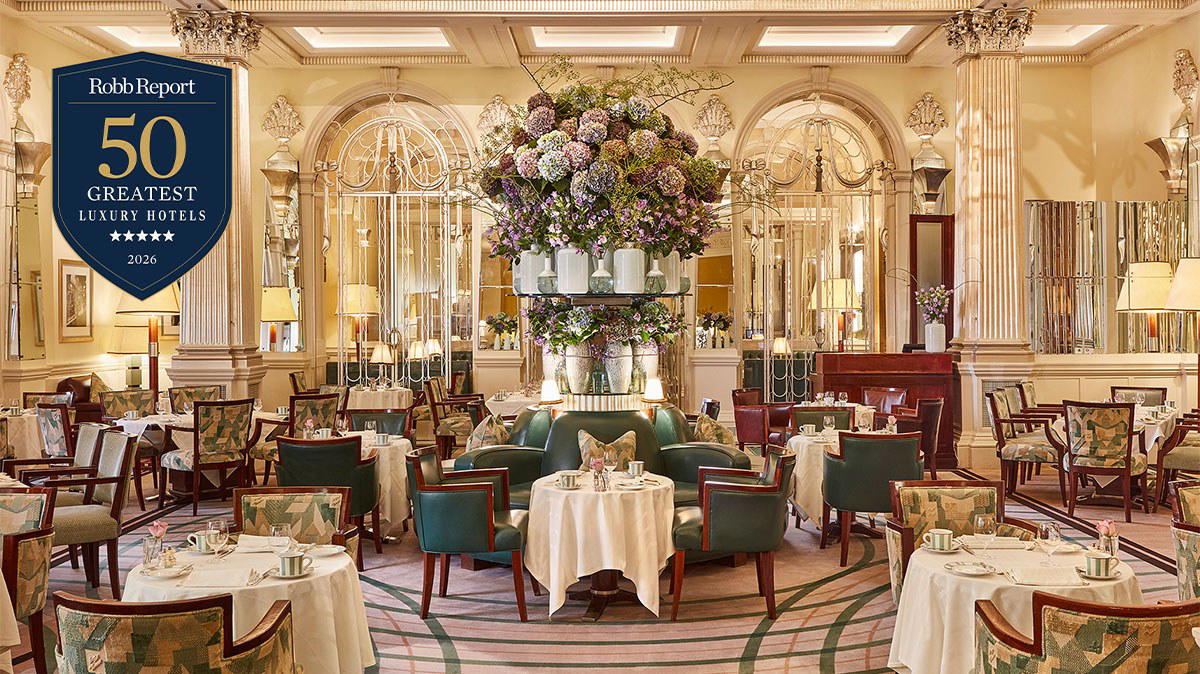
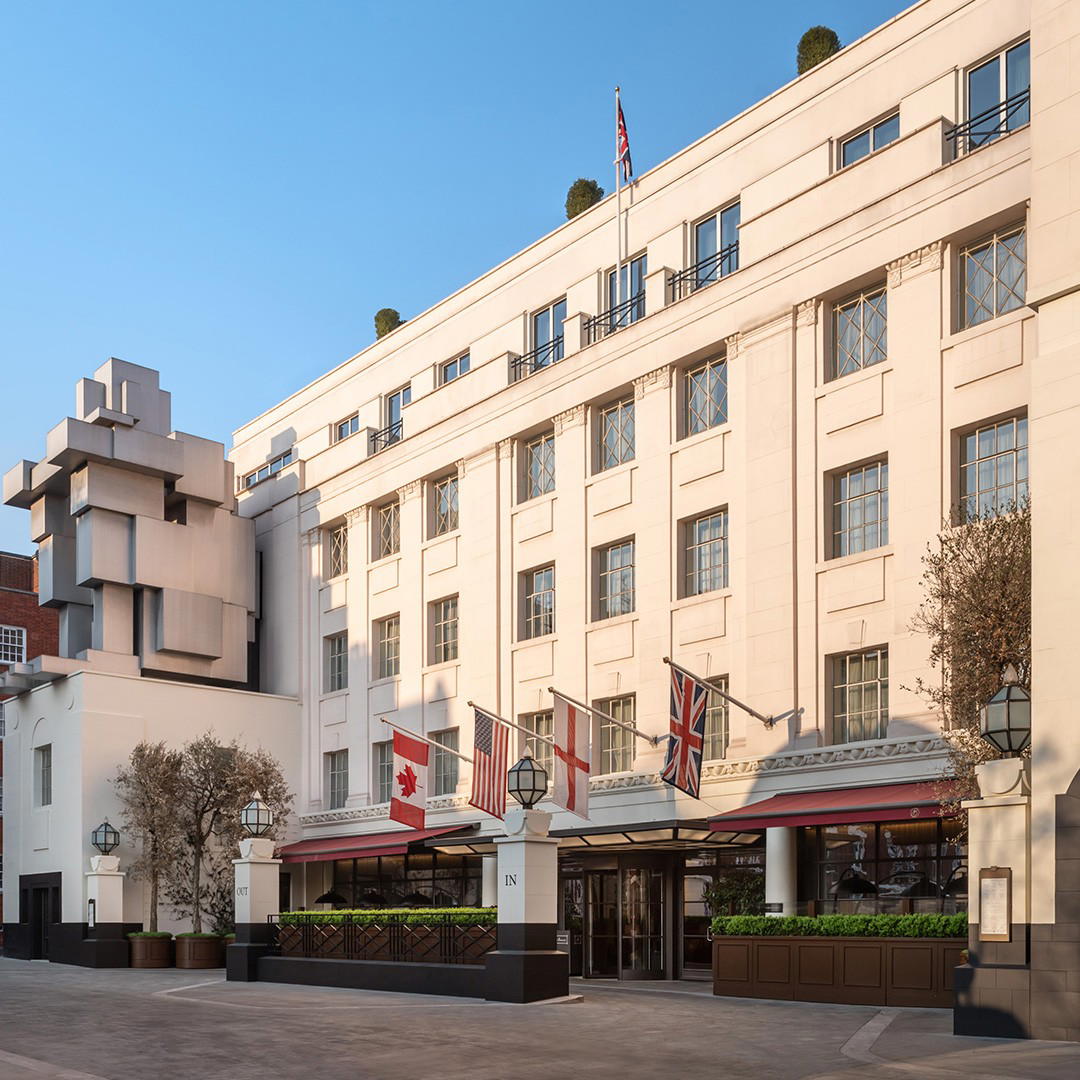
Portland Place runs north from Oxford Circus through one of London's more architecturally coherent Georgian stretches, and The Langham sits at its southern end with the assurance of a building that has been receiving guests since 1865. The Palm Court, the hotel's dedicated afternoon tea room, occupies a space that reads as a deliberate case for a particular kind of hotel theatre: high ceilings, warm light, and the ambient sound of a room set up for a specific ritual and doing it repeatedly, every afternoon, without improvisation.
Walking into the Palm Court, the sensory register shifts almost immediately from the street outside. The room carries the quality of preserved formality, the kind that stops short of museum stiffness because people are actually using it. China arrives on tiered stands. Champagne is poured from trolleys. The temperature and acoustic treatment of the space do what good hotel interiors do: they signal that time moves differently here.
The Afternoon Tea Tradition in London's Hotel Circuit
London's hotel afternoon tea circuit has a clear hierarchy. At the leading sit a handful of rooms that combine genuine historical provenance, a distinct spatial identity, and a kitchen operation serious enough to execute pastry and savoury work at a level that holds against the price point. The Palm Court at The Langham belongs in that upper bracket. The hotel is widely credited as one of the originators of the afternoon tea format as a formal hotel ritual, and its 1865 opening date predates most of its current competitors by decades.
That context matters when assessing where the Palm Court sits relative to peers. The afternoon tea field in London now includes hotel rooms ranging from grand Victorian originals to newer entries at contemporary design hotels that treat the format more loosely. The Langham's version is positioned at the conservative, ceremony-forward end of that range, a deliberate posture rather than a default.
Spatial Character and Atmosphere
The Palm Court's physical environment does the editorial work that newer venues often attempt with interior design briefs and concept statements. The room has the proportions of a serious hotel space, not a converted drawing room or a ground-floor brasserie pressed into service for afternoon service. The atrium structure lets natural light work alongside the room's own warm ambient lighting, which shifts through the afternoon as the natural light changes. The effect is gradual rather than dramatic.
Tables are spaced with the kind of generosity that marks rooms designed before maximising covers became the primary spatial consideration. This gives the Palm Court an acoustic character that distinguishes it from busier hotel tea services: conversation carries without requiring raised voices, and the background sound of the room registers as activity rather than noise. For a service format that runs on a two-to-three-hour seating, that distinction is more significant than it might appear.
The formal afternoon tea services at this tier of London hotel draw comparisons to the dining room experiences at the city's upper-end restaurant circuit. The format is different, but the attention to spatial setting, sequencing, and service tempo draws on the same instincts visible at rooms like Sketch, The Lecture Room and Library and The Ledbury, where environment and pacing are treated as integral to the experience rather than supplementary to it.
Where the Palm Court Sits in London's Wider Dining Context
London's premium hospitality circuit has broadened considerably over the past decade. The dining options immediately relevant to a visitor choosing between formal afternoon tea and other premium experiences now include evening tasting menus at CORE by Clare Smyth and Restaurant Gordon Ramsay, heritage British cooking at Dinner by Heston Blumenthal, and a full range of formats in between.
The Palm Court occupies a distinct category within that broader picture. Afternoon tea in a room with genuine Victorian hotel provenance is not a format replicated across London's newer entries, and for visitors specifically seeking that combination of historical setting, ceremony, and daytime social ritual, the competitive set narrows considerably. The closest geographic and category peers are the other grand hotel tea rooms, but few carry both The Langham's age and its spatial integrity.
For those building a broader UK itinerary around serious dining, the regional circuit offers additional reference points: Waterside Inn in Bray, L'Enclume in Cartmel, Moor Hall in Aughton, Gidleigh Park in Chagford, Hand and Flowers in Marlow, hide and fox in Saltwood, Midsummer House in Cambridge, Opheem in Birmingham, Ynyshir Hall in Machynlleth, and Restaurant Andrew Fairlie in Auchterarder all represent the upper register of British dining outside the capital. Internationally, the formal hotel dining tradition has its own leading addresses: Le Bernardin in New York City and Lazy Bear in San Francisco sit in adjacent premium categories worth considering when planning around comparable price points.
Planning Your Visit
The Palm Court is located at 1C Portland Place, London W1B 1JA.
Cuisine Lens
Comparable venues nearby, for context on price, style, and recognition.
| Venue | Cuisine | Price | Notes |
|---|---|---|---|
| Palm Court at The LanghamThis venue — the venue you are viewing | Traditional British Afternoon Tea | $$$$ | Not listed |
| Cycene at Blue Mountain School | Modern British Open-Fire Tasting Menu | $$$$ | Shoreditch |
| 14 Hills | Modern British Brasserie with French Flair | $$$$ | Fenchurch |
| The Portrait by Richard Corrigan | Modern British Fine Dining | $$$$ | Charing Cross |
| Whiteleys Kitchen | Hyper-seasonal modern British | $$$$ | Bayswater |
| St John. Marylebone | Modern British Nose-to-Tail | $$$ | Marylebone |
Continue exploring
More in London
Restaurants in London
Browse all →
Bars in London
Browse all →
Hotels in London
Browse all →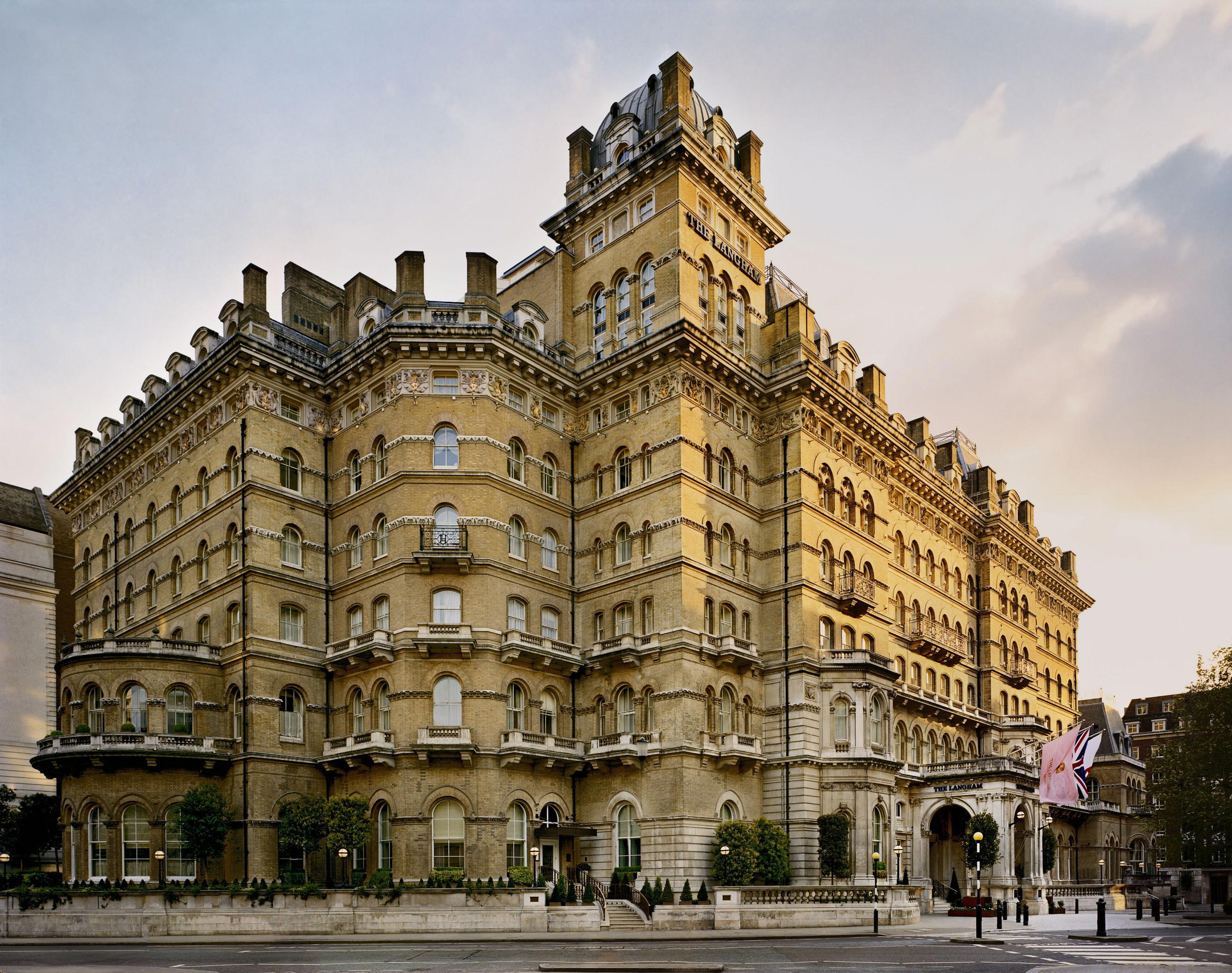



At a Glance
- Elegant
- Classic
- Well Known
- Sophisticated
- Ornate
- Special Occasion
- Brunch
- Celebration
- Live Music
- Hotel Restaurant
- Historic Building
- Extensive Wine List
- Craft Cocktails
Current opening hours
- Monday
- 7–11 AM, 1–4 PM
- Tuesday
- 7–11 AM, 1–4 PM
- Wednesday
- 7–11 AM, 1–4 PM
- Thursday
- 7–11 AM, 1–4 PM
- Friday
- 7–11 AM, 1–4 PM
- Saturday
- 7–11 AM, 12:30–5 PM
- Sunday
- 7–11 AM, 12:30–5 PM
Hours can change for holidays and private events. Last verified .
Dazzling and sparkling historic setting with elegant lighting, rose-themed decor, and live music creating a serene yet sophisticated atmosphere.