Cycene at Blue Mountain School
Cycene at Blue Mountain School operates within one of East London's most considered creative spaces, serving a Modern European tasting menu that positions it among London's more quietly serious dining rooms. The format draws on the rituals of extended tasting menus without the formality of the city's traditional fine-dining establishments, making it a reference point for the capital's evolving approach to progressive European cooking.

Pearl is the En Primeur Club membership app — saves, bookings, and concierge access live there. Same editors, same standards.
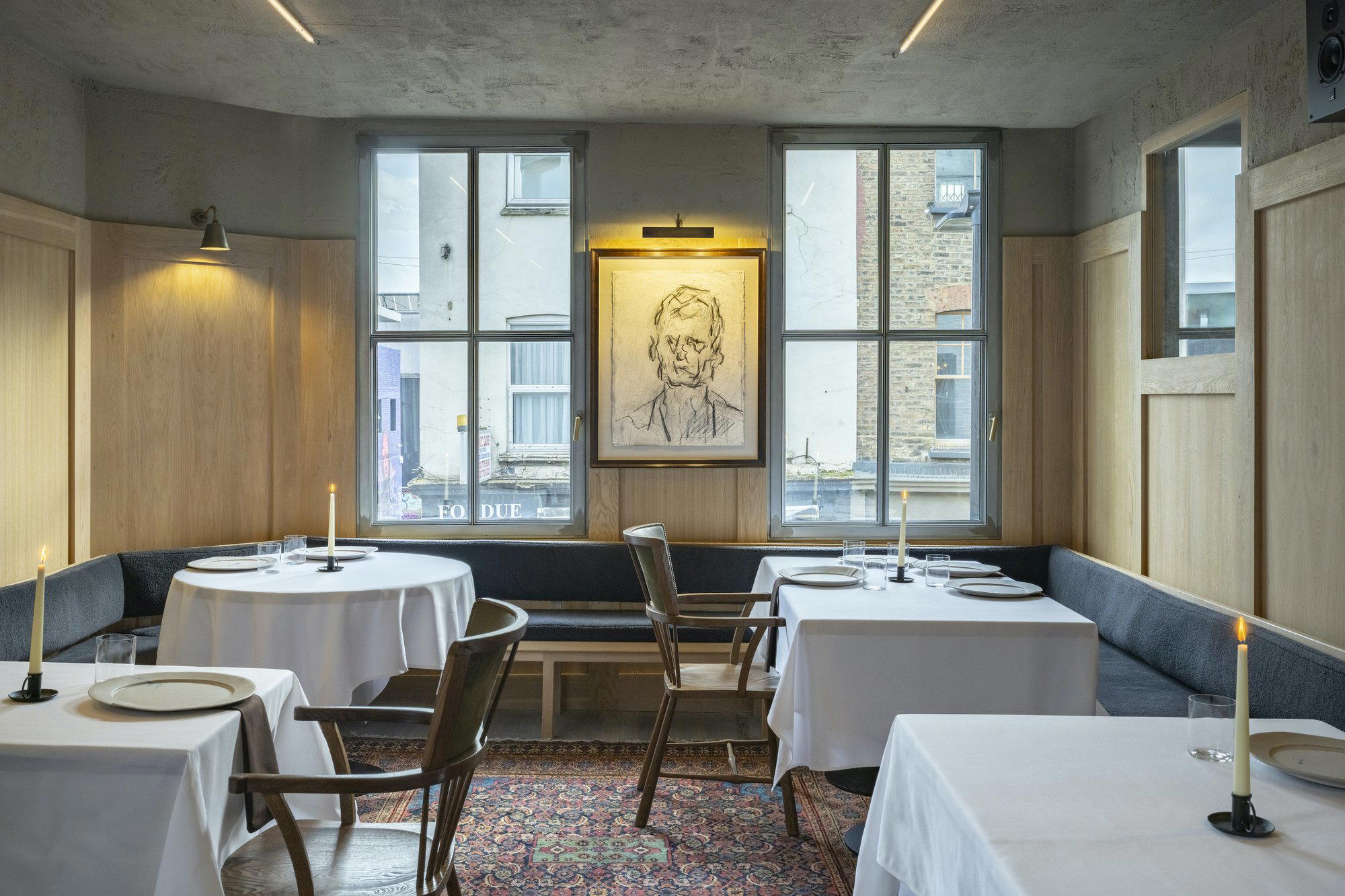
The Space Before the First Course
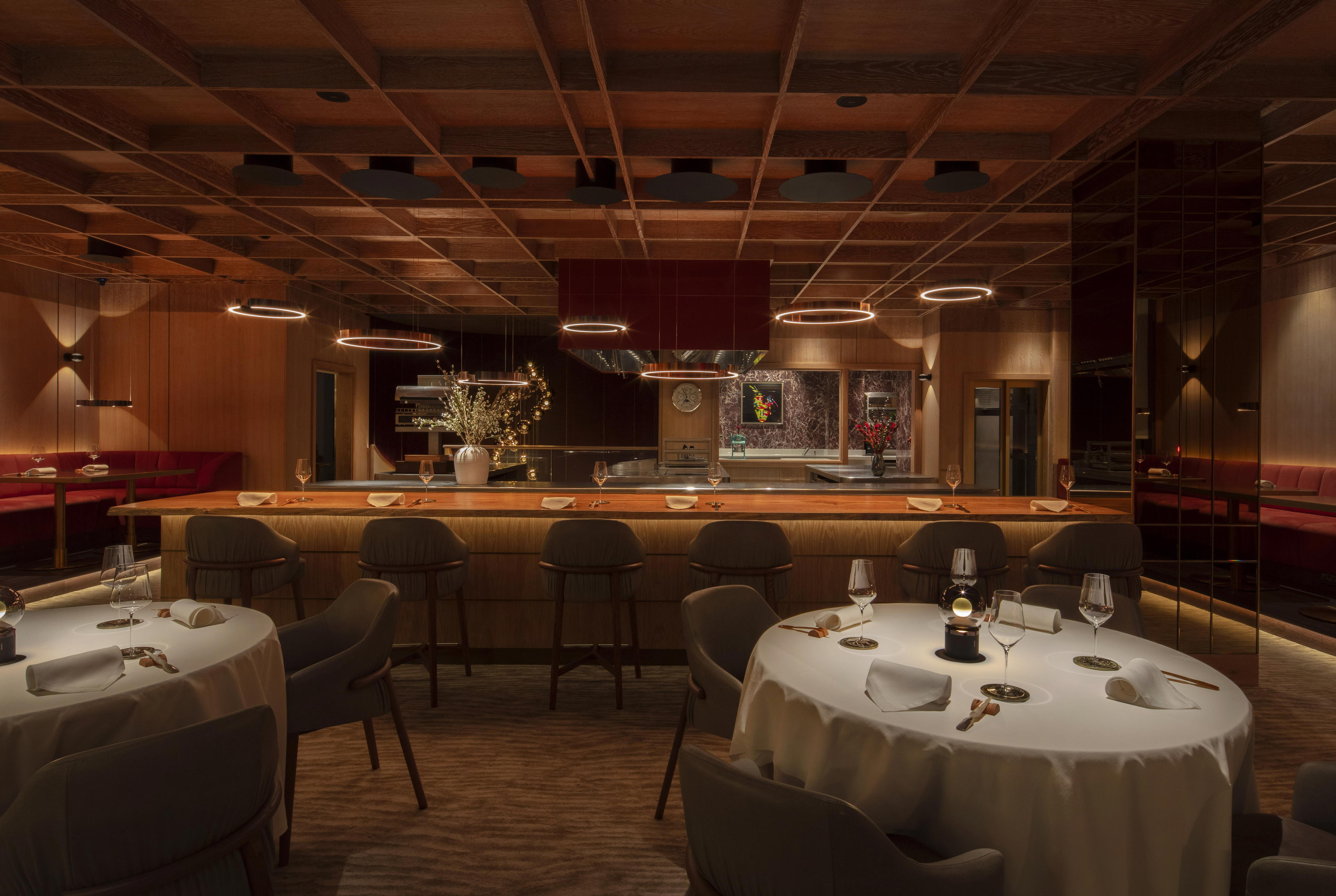
East London's shift from post-industrial vacancy to a host of genuinely serious dining rooms has taken roughly two decades, and the trajectory is easier to read from inside a room like Cycene's than from any broader survey. Blue Mountain School, the concept store and creative space that houses the restaurant, belongs to a particular strain of London venue: one where the physical environment carries as much editorial weight as the food. Arriving here, the architecture does the contextualising work before a menu reaches the table. The aesthetic language is considered, spare, and deliberately non-hospitality in the conventional sense, which is precisely the point.
This format, where a restaurant operates as a tenant inside a wider cultural project, has precedent across Europe's more progressive dining cities, but London has been slower to commit to it than, say, Copenhagen or Amsterdam. Cycene represents a local articulation of that model, one where the meal is framed not as a standalone commercial event but as part of a broader sensibility about objects, space, and attention.
The Architecture of an Extended Meal
Modern European tasting menus in London now occupy a fairly wide spectrum, from the three-Michelin-star formality of Restaurant Gordon Ramsay and Sketch, The Lecture Room and Library to more stripped-back contemporary formats that treat ceremony as optional rather than obligatory. Cycene sits toward the latter end of that range, where the ritual of the meal comes from pacing and intention rather than tableside theatre.
What distinguishes the tasting menu format as a dining ritual is that it transfers control of the meal's tempo entirely to the kitchen. The diner agrees, in effect, to surrender the usual freedoms of à la carte, course selection, sequencing, duration, in exchange for a coherent argument made by the cooking. At its weakest, this produces meals that feel passive and over-long. At its strongest, the constraint creates something closer to a performance structure, where each course builds on and complicates what came before. The Modern European framework that Cycene works within gives the kitchen a wide enough vocabulary to make that argument across multiple registers: fermentation, fire, curing, classical French technique, and the broader pan-European larder all remain available tools.
Comparable tasting menu experiences across the city, from CORE by Clare Smyth to The Ledbury, demonstrate how widely the format can vary in terms of formality, course count, and the relationship between classical training and contemporary sensibility. Cycene occupies a different position in that comparable set, one shaped as much by its physical context as by its cuisine category.
Ritual Over Formality
The distinction between ritual and formality matters more in London's current dining moment than it might have a decade ago. The city's most decorated rooms, including Dinner by Heston Blumenthal, have long demonstrated that high investment and serious cooking don't require the full apparatus of white-glove service. What guests at extended tasting menus increasingly expect is not ceremony for its own sake but a sense that the meal has been structured with care, that the sequence of courses reflects a considered point of view rather than a checklist.
At Cycene, the setting enforces that sensibility by design. A space defined by its relationship to contemporary objects and creative culture signals to guests before they sit down that the priorities here are not conventional. That pre-arrival framing is part of the ritual itself, not incidental to it. The same logic applies at format-led restaurants in other cities: Lazy Bear in San Francisco uses a communal format to reshape the social contract of the meal; Atomix in New York City uses a card-based presentation system to slow the pace of information delivery. Each is engineering a specific kind of attention in the diner. Cycene's version of that engineering is spatial and contextual.
Where Cycene Sits in London's Tasting Menu Field
London's premium tasting menu circuit is more crowded and more differentiated than it was five years ago. The ££££ bracket represents a tier where guests are paying as much for the occasion as for the cooking. The rooms operating below that price point but above casual dining occupy a more contested space, one where the value proposition depends heavily on the clarity of the concept and the consistency of execution.
The Modern European category is particularly competitive in this regard, because the cuisine label itself is broad enough to cover almost anything that isn't specifically French, Italian, or defined by a single national tradition. What separates the more serious operators in this category is not the label but the internal coherence of the menu, the sense that the kitchen has a specific perspective on European produce and technique rather than simply drawing on it as a general resource. That coherence is what elevates a tasting menu from a list of courses to an argument about food.
For context on how the same cuisine category operates across different cities and formats, Alain Ducasse at Louis XV in Monte Carlo represents the classical end of the European fine-dining continuum, while Le Bernardin in New York City shows how rigorous technique can be applied within a focused product category. Cycene operates with a different set of constraints and a different audience expectation, but the underlying question of coherence is the same.
Planning a Visit
Cycene at Blue Mountain School is located in East London, where the concentration of design-conscious creative businesses gives the immediate neighbourhood a character quite different from the Mayfair and Chelsea rooms that anchor London's traditional fine-dining geography. Guests making a longer London stay will find complementary options across the city's hospitality range.
Tasting menu restaurants at this level of the market generally require advance booking, and London's most in-demand rooms routinely fill several weeks out. Checking the venue's own booking channels directly is one reliable approach, as availability can shift. The wider field includes comparable Modern European operators and the broader tasting menu circuit for those building an itinerary around serious cooking. Readers travelling beyond London may also want to reference Corner Shop in Glasgow, The Highland Laddie in Leeds, or Franc in Canterbury for regional alternatives, and Emeril's in New Orleans for a transatlantic data point on the intersection of creative spaces and serious dining.
Wines and beverage pairings at London tasting menu restaurants have become increasingly specific in recent years, with several rooms building their pairing programmes around grower Champagnes, natural wines, or regionally coherent selections rather than conventional fine wine lists. Additional context is useful for those with a particular interest in what is being poured alongside the food.
Budget and Context
Comparable venues nearby, for context on price, style, and recognition.
| Venue | Cuisine | Price | Notes |
|---|---|---|---|
| Cycene at Blue Mountain SchoolThis venue — the venue you are viewing | Not listed | $$$$ | Not listed |
| Whiteleys Kitchen | Bayswater, Hyper-seasonal modern British | $$$$ | Not listed |
| Claridge's Restaurant | Not listed | $$$$ | Mayfair, Contemporary British Fine Dining |
| Sea Containers Restaurant | Not listed | $$$$ | Bankside, American-British Seasonal Sharing |
| Thomas Cubitt | Belgravia, Modern British Gastropub | $$$ | Not listed |
| Restaurant Michael Nadra | Primrose Hill, Modern European Brasserie | $$$ | Not listed |
Continue exploring
More in London
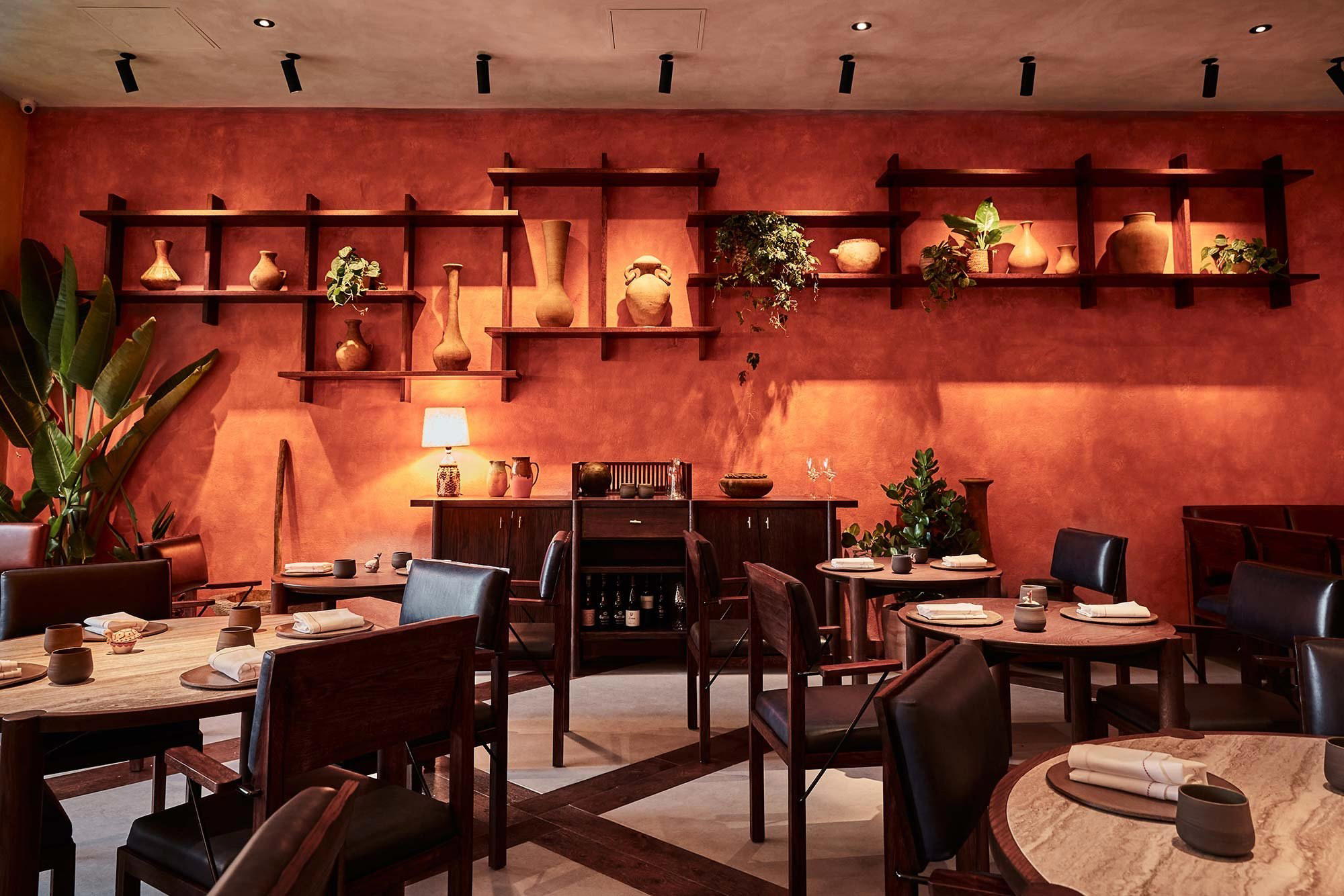
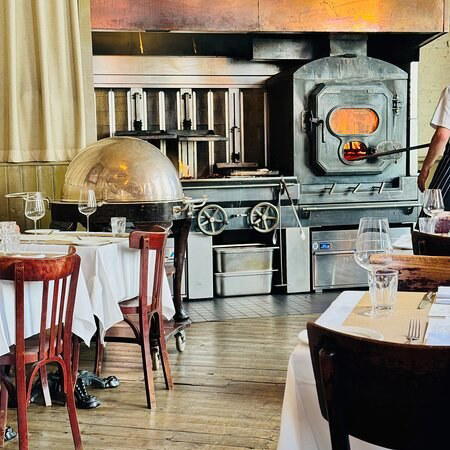
Restaurants in London
Browse all →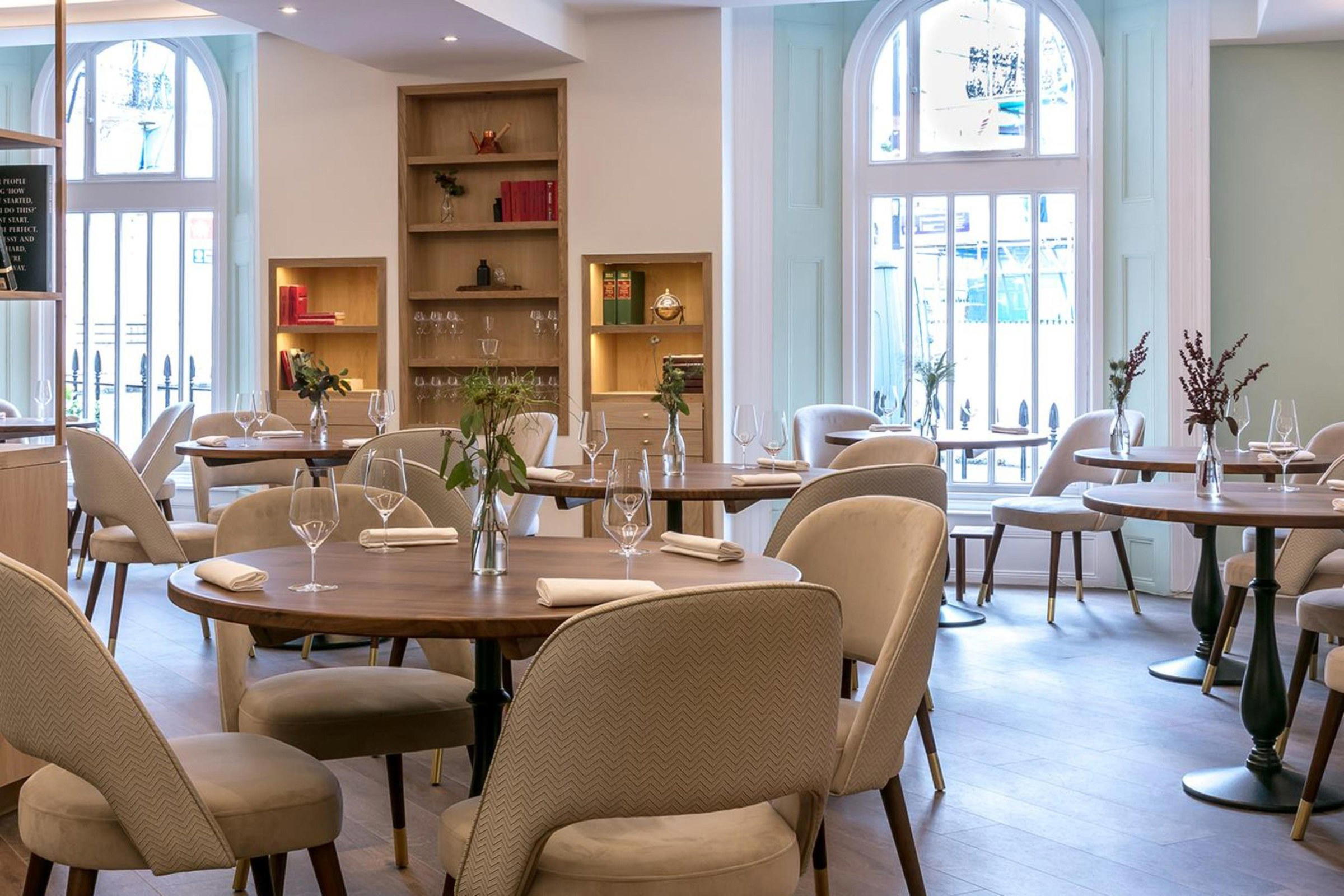
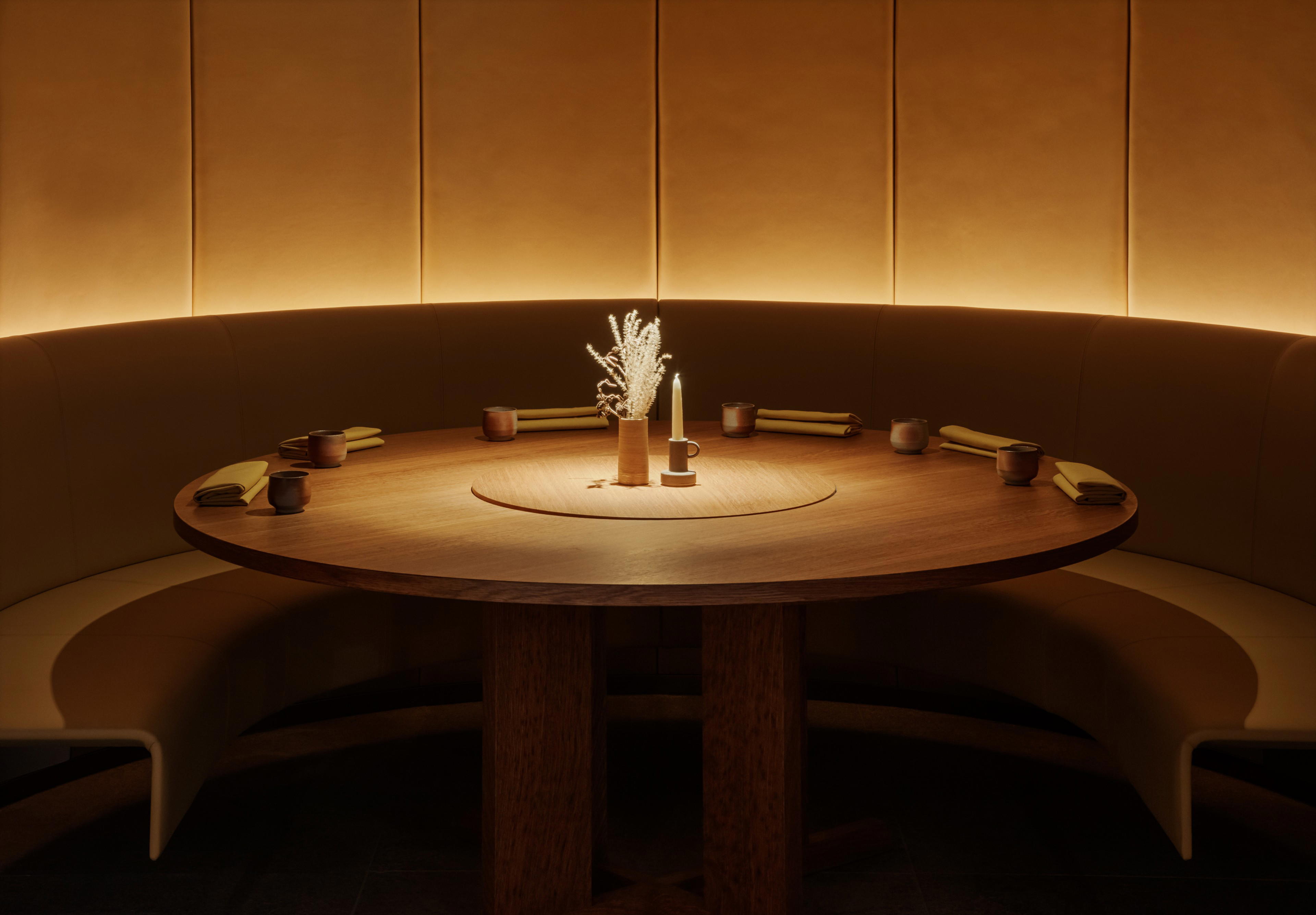
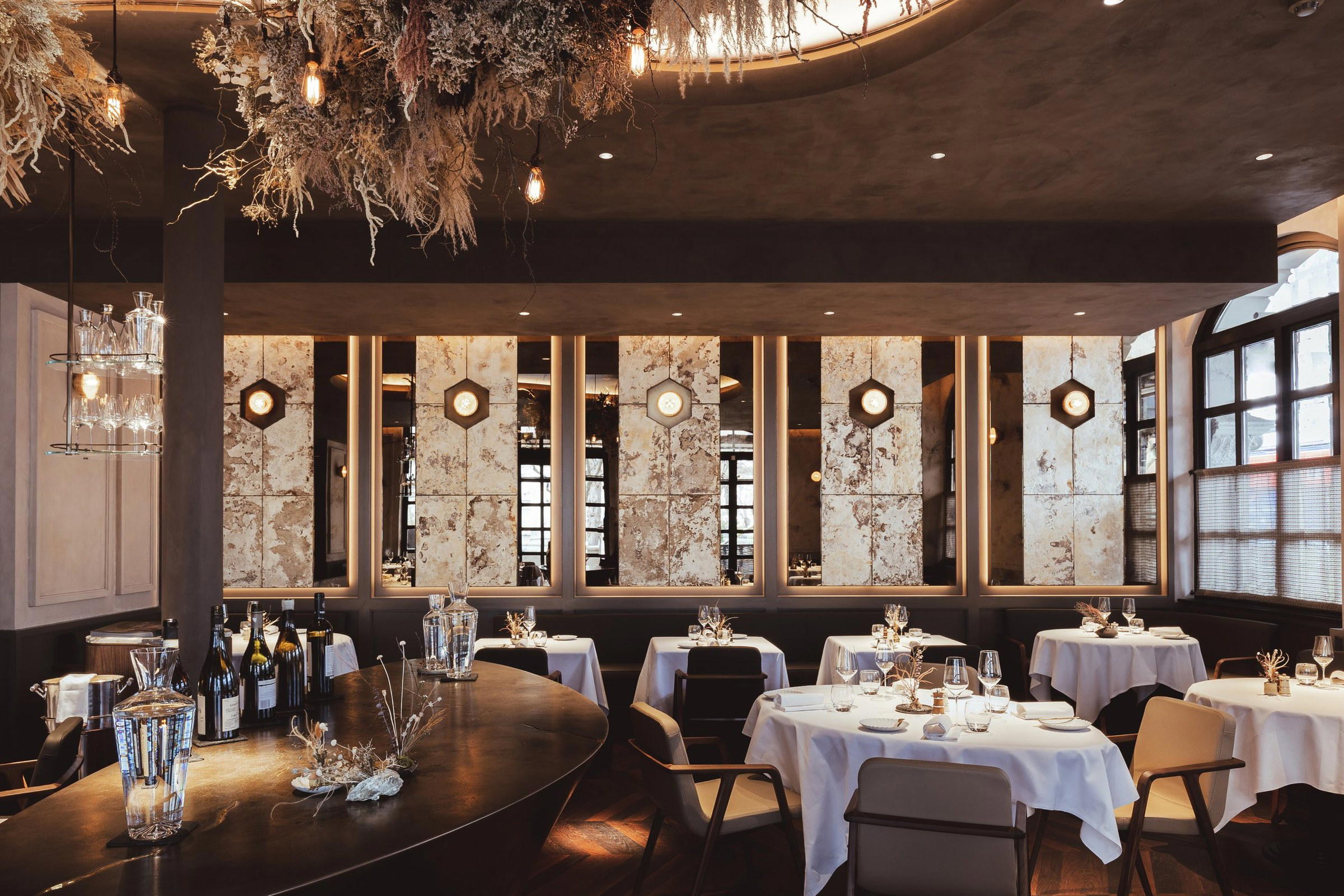
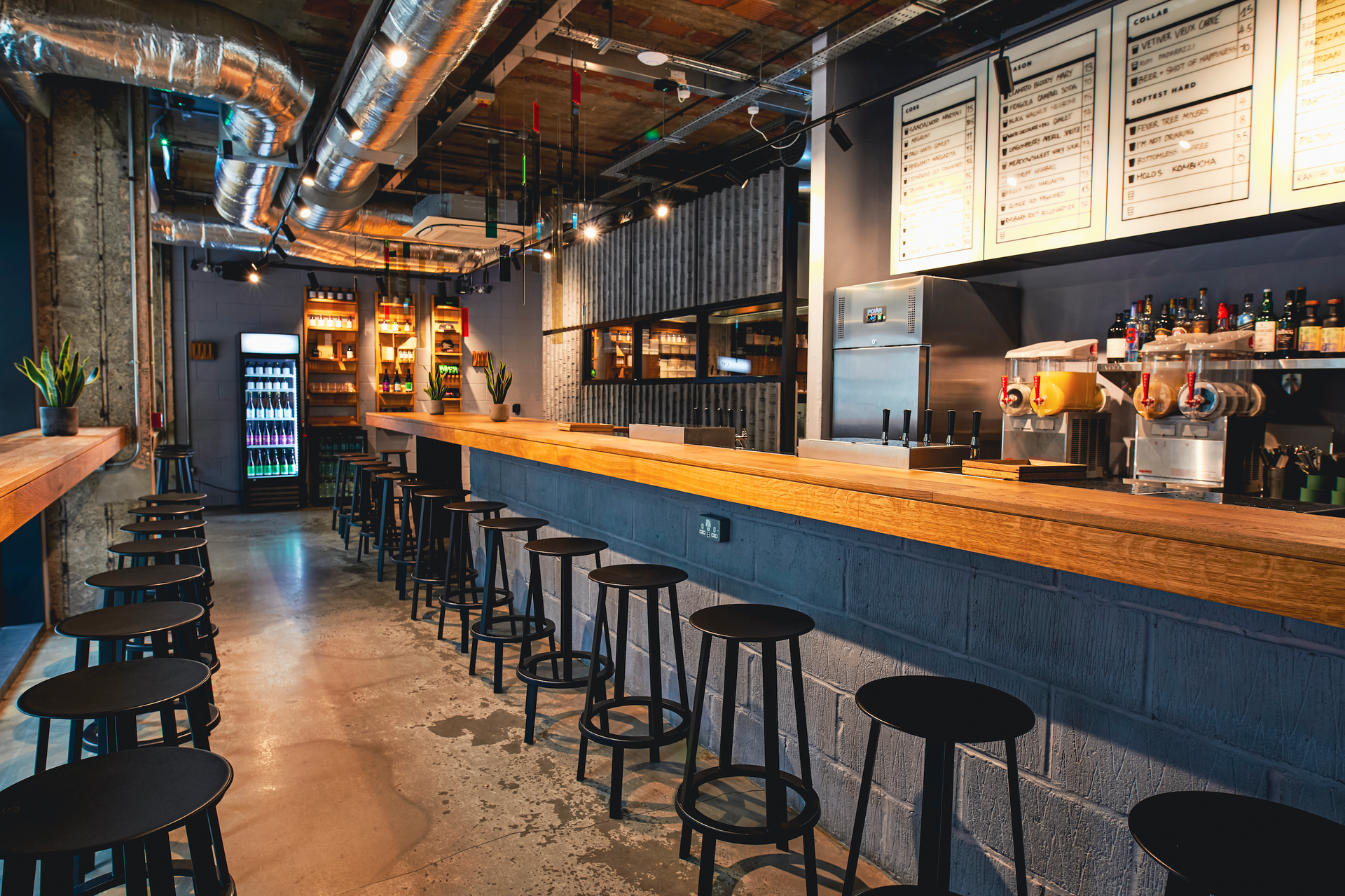
Bars in London
Browse all →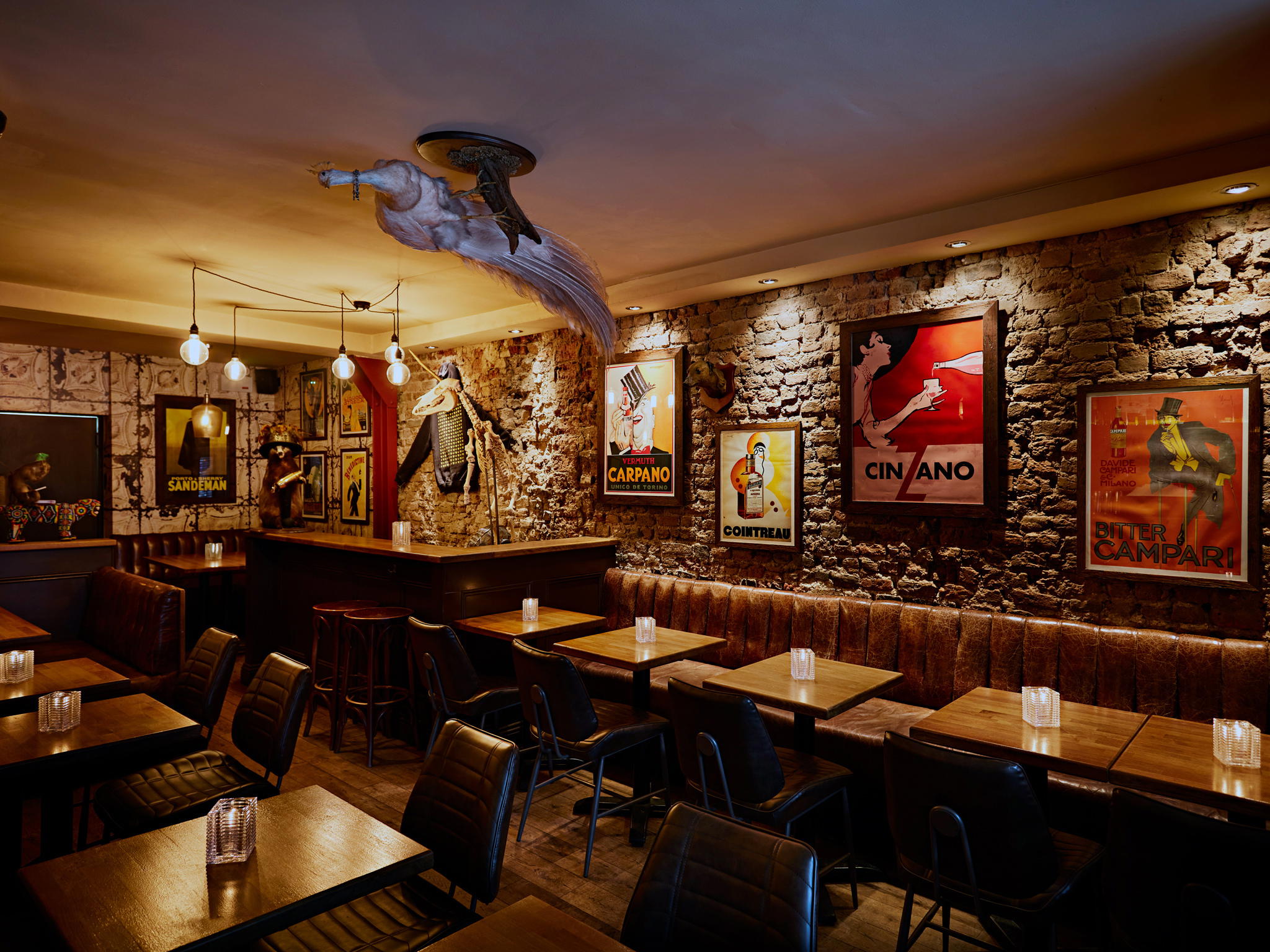
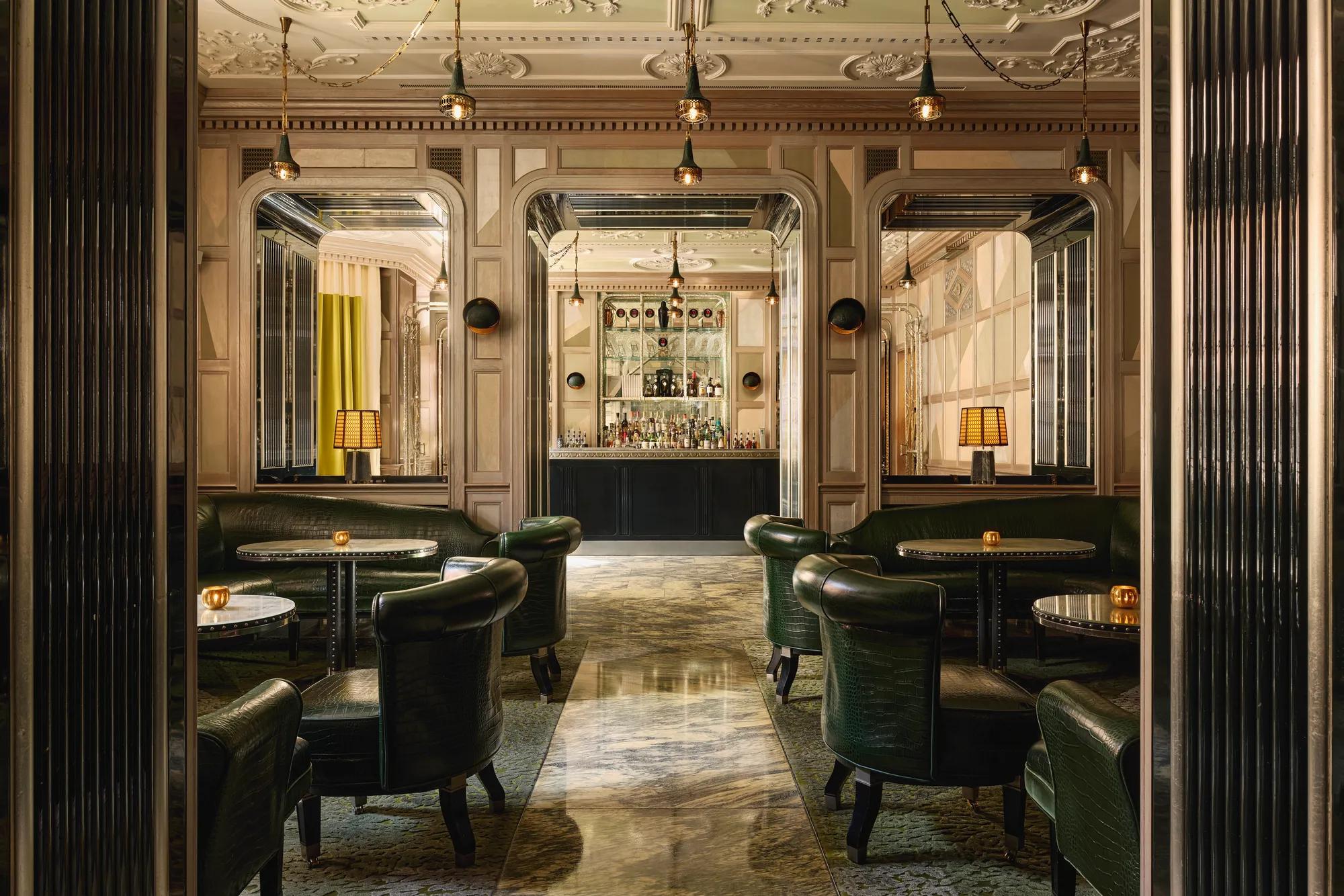
Hotels in London
Browse all →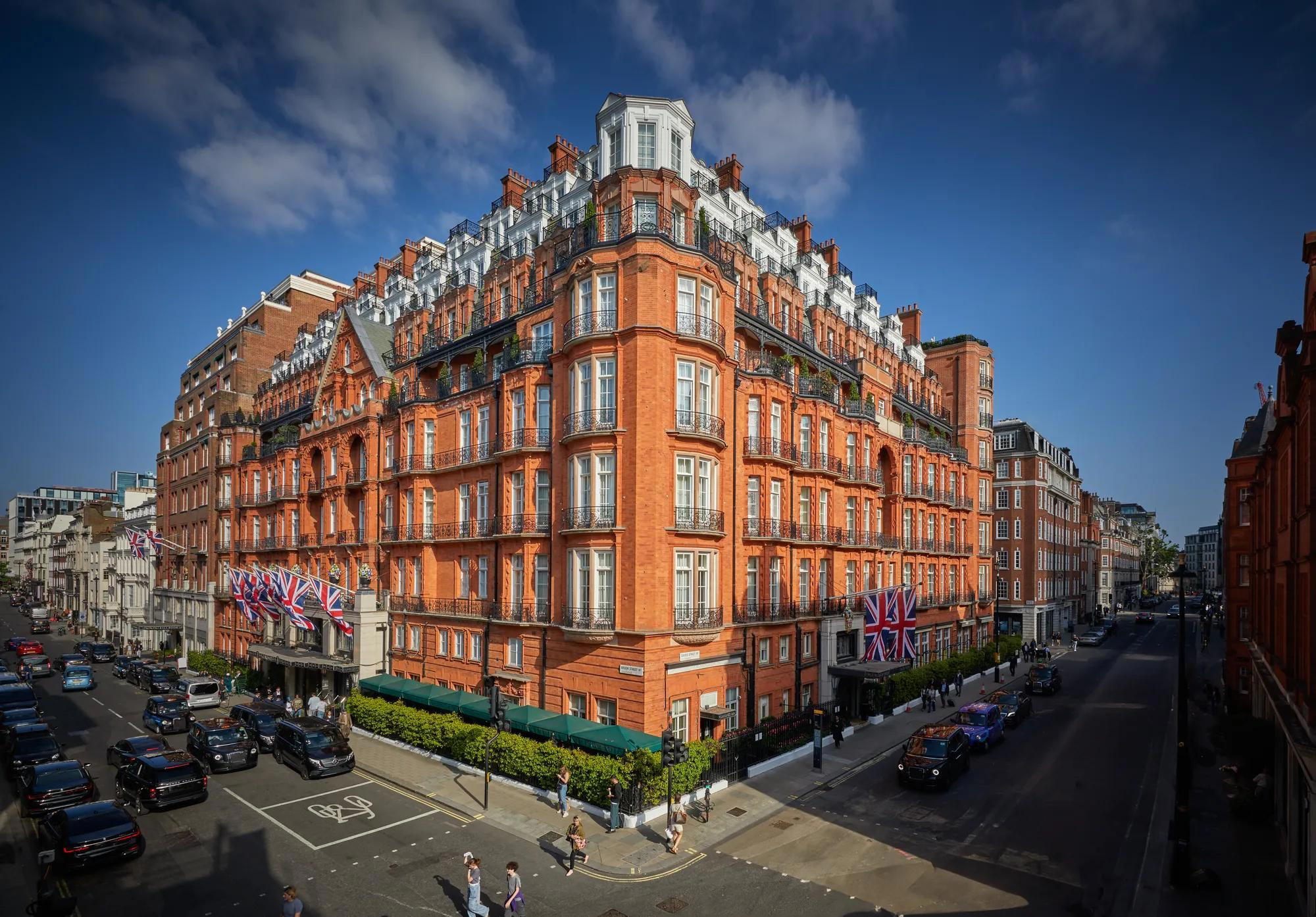

At a Glance
- Intimate
- Elegant
- Sophisticated
- Special Occasion
- Date Night
- Celebration
- Open Kitchen
- Private Dining
- Design Destination
- Historic Building
- Natural Wine
- Sommelier Led
- Local Sourcing
- Farm To Table
- Sustainable Seafood
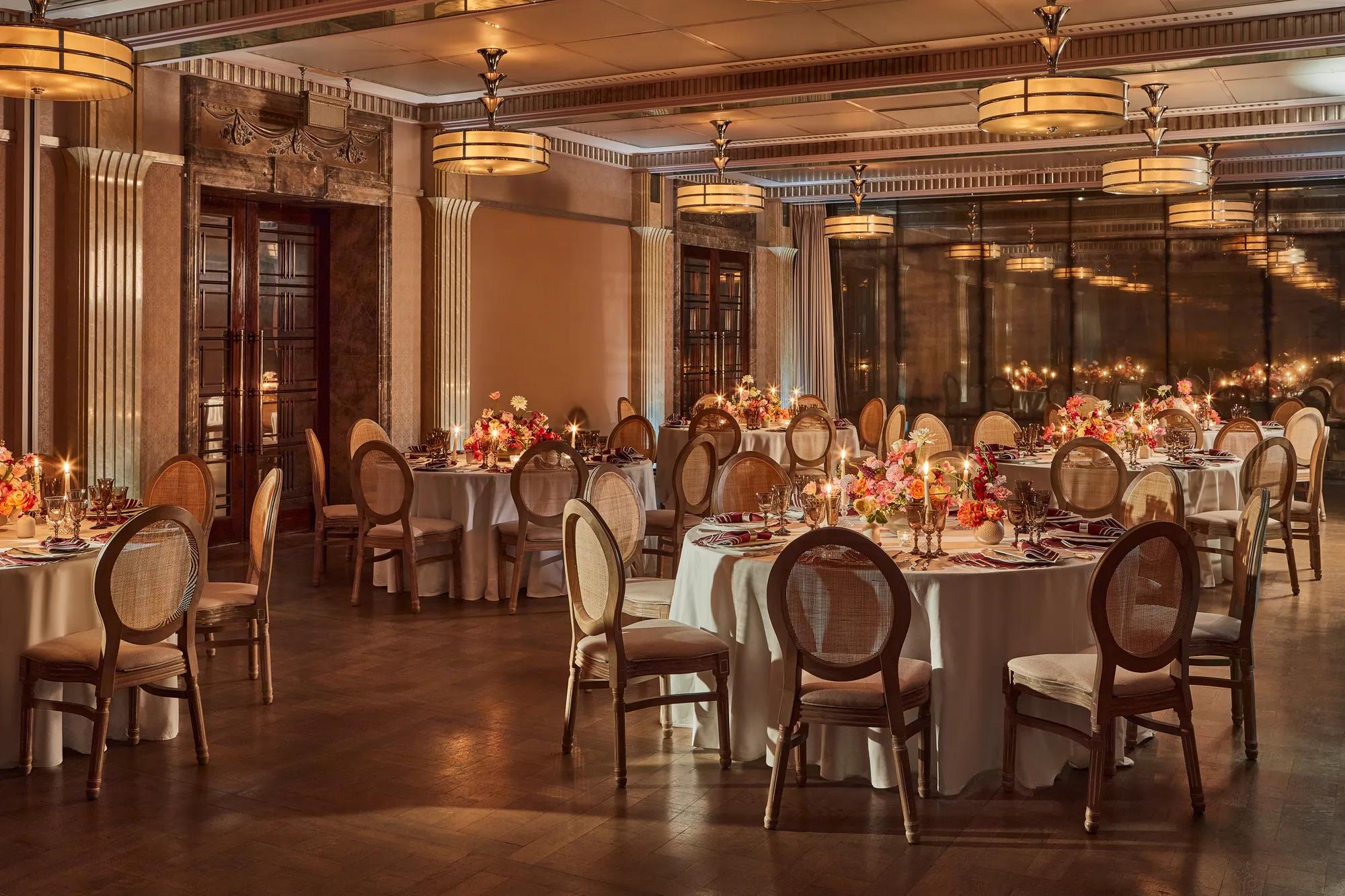
Candlelit, peaceful, intimate fine-dining sanctum with an immersive installation-like quality; guests begin in a ground-floor bar before ascending to the first-floor dining room.