Palermo Argentinian Bistro NYC
Palermo Argentinian Bistro NYC serves an authentic Argentinian steakhouse menu at 373 W 46th St, with Parrillada for Two, Beef Empanadas, and an extensive wine list.
Pearl is the En Primeur Club membership app — saves, bookings, and concierge access live there. Same editors, same standards.
- Address
- 373 W 46th St, New York, NY 10036
- Phone
- +12122652060
- Website
- palermonyc.com
- Directions
- Get directions
 Saves & bookings on Pearl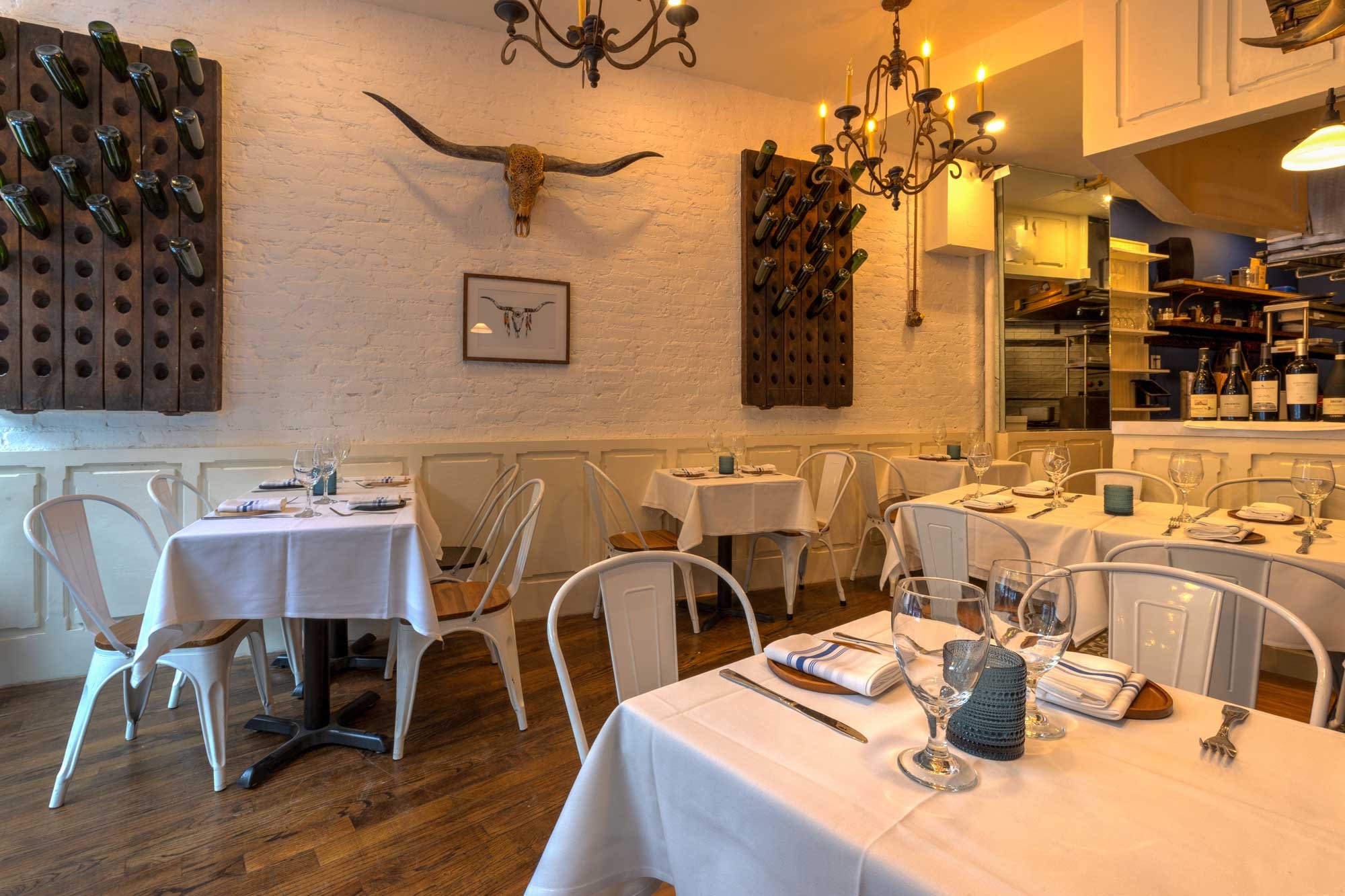
Restaurant Row's Argentine Anchor
West 46th Street between Eighth and Ninth Avenues has operated as New York's informal Restaurant Row since the 1970s, when a concentration of pre-theatre dining rooms made it a reliable circuit for Broadway-goers working through a fixed-price dinner before curtain. The strip has evolved considerably in the decades since, cycling through Italian trattorias, French bistros, and pan-Latin kitchens as neighbourhood tastes shifted and midtown's dining identity fragmented. Argentine cuisine has never dominated the block numerically, but it has held a consistent presence, anchored by the kind of bistro format that treats beef, wine, and unhurried service as a unified proposition rather than three separate departments. Palermo Argentinian Bistro, at 373 W 46th St, is an Authentic Argentinian Steakhouse in New York City on one of the city's most historically layered restaurant corridors.
The Argentine Wine Case, Made in Midtown
Argentine dining in New York has long been shaped by the cellar as much as by the parilla. Malbec's ascent from functional export grape to internationally scrutinised variety mirrors a broader shift in how sommeliers and informed drinkers engage with South American wine. Mendoza's high-altitude vineyards in Luján de Cuyo and the Uco Valley now produce wines that compete on structural complexity rather than price alone, and the leading Argentine-focused lists in New York reflect that evolution: they move beyond the workhorse Malbec into Cabernet Franc from Agrelo, Torrontés from Salta, and age-worthy Bonardas that rarely appear by the glass in other formats.
A serious Argentine bistro list in this city serves a function that broader Latin American wine programs often do not: it gives drinkers a focused geography to work through, with enough vertical depth and varietal range to reward repeat visits. The pairing logic is also unusually coherent. Argentine cuisine, built around wood-fired asado, chimichurri-dressed cuts, and simply prepared offal, does not demand the kind of sauce-matching calculus required at a French kitchen. The wine list can lead rather than follow, and the leading operators on Restaurant Row have understood this since the block's pre-theatre circuit was at its height.
What the Kitchen Signals
Argentine bistro cooking in New York occupies a distinct register from the city's premium steakhouse tier, represented by names like Le Bernardin or Per Se, where protein is one component inside a larger tasting architecture. At the bistro level, the asado tradition structures the entire meal: fire management, resting time, and the quality of the cut determine the outcome more than any sauce or garnish applied afterwards. This is cooking that rewards restraint in the kitchen and generosity in the glass, which is why the wine program tends to be the primary differentiator between Argentine bistros at a similar price point.
The broader New York dining market has moved toward increasingly elaborate tasting formats. Venues like Atomix, Masa, and Jungsik New York operate at the longer, higher-investment end of the format spectrum. Argentine bistro dining positions itself differently: it is a la carte, relatively informal in pacing, and suited to the kind of evening where the table lingers over a second bottle rather than tracking a 12-course sequence. That format distinction matters for how the wine list is structured. A bistro list prioritises flexibility by the glass and half-bottle, encourages off-piste ordering, and prices to allow experimentation rather than commitment to a single prestige label.
Palermo in the New York Context
The name Palermo references Buenos Aires' most cosmopolitan barrio, a neighbourhood that underwent significant transformation in the 1990s and 2000s as design-led restaurants, wine bars, and natural wine shops displaced older residential character. Palermo Soho and Palermo Hollywood became reference points for a certain kind of Argentine dining sensibility: confident, informal, focused on product quality over ceremony. That register translates reasonably well to the Restaurant Row format, where pre-theatre pressure and neighbourhood foot traffic both reward efficiency without sacrificing substance.
In the wider context of serious American dining, venues such as The French Laundry in Napa, Alinea in Chicago, Blue Hill at Stone Barns in Tarrytown, and Single Thread Farm in Healdsburg define the high-investment, destination-dining tier. Palermo operates on a different register entirely, one that prioritises accessibility and repeatability over occasion dining. That is not a limitation; it is a different contract with the diner, and one that suits the midtown neighbourhood and its pre-theatre rhythm.
Where It Fits on Restaurant Row
Within that map, Palermo occupies a neighbourhood-specific niche: an Argentine-focused room on a corridor with long pre-theatre dining history, where the wine list and the asado tradition do the primary editorial work. Comparable international reference points for Argentine wine-led dining can be found at venues operating under similar bistro logic in other major cities, though few English-speaking markets outside New York have developed the same concentration of South American-focused wine programs in a single district.
Palermo operates at a different scale and ambition, but the underlying argument, that a wine list should do intellectual work on behalf of a defined cuisine tradition, connects across formats. On Restaurant Row, where dining decisions are often made quickly and menus compared across three or four neighbouring rooms, a focused Argentine list is a clearer editorial position than a general international cellar.
The same logic applies at the bistro tier: venues that commit to a specific wine geography and cooking tradition tend to hold a more defined position in the dining conversation than rooms that try to cover everything.
Know Before You Go
Address: 373 W 46th St, New York, NY 10036
Neighbourhood: Restaurant Row, Hell's Kitchen, Midtown Manhattan
Format: Argentine bistro; a la carte service suited to pre-theatre and neighbourhood dining
Wine focus: Argentine-led cellar; expect Mendoza Malbec alongside Uco Valley Cabernet Franc and Salta Torrontés
Practical note: Restaurant Row sees high pre-theatre foot traffic between 5:30 and 7:30 pm on weekday evenings; earlier or later seatings tend to be less pressured
Recognition, Side-by-Side
Comparable venues nearby, for context on price, style, and recognition.
| Venue | Cuisine | Price | Notes |
|---|---|---|---|
| Palermo Argentinian Bistro NYCThis venue — the venue you are viewing | Authentic Argentinian Steakhouse | $$$ | Not listed |
| Toné Cafe | Traditional Georgian cafe & bakery | $$ | Brighton Beach |
| Buenos Aires | Authentic Argentine Steakhouse | $$ | East Village |
| Balvanera | Authentic Argentine Parrilla | $$$ | Lower East Side |
| Essex Market | Eclectic Global Food Hall | $$ | Lower East Side |
| JOE & THE JUICE | Healthy Juice Bar & Café | $$ | Midtown-Times Square |
Continue exploring
More in New York City
Restaurants in New York City
Browse all →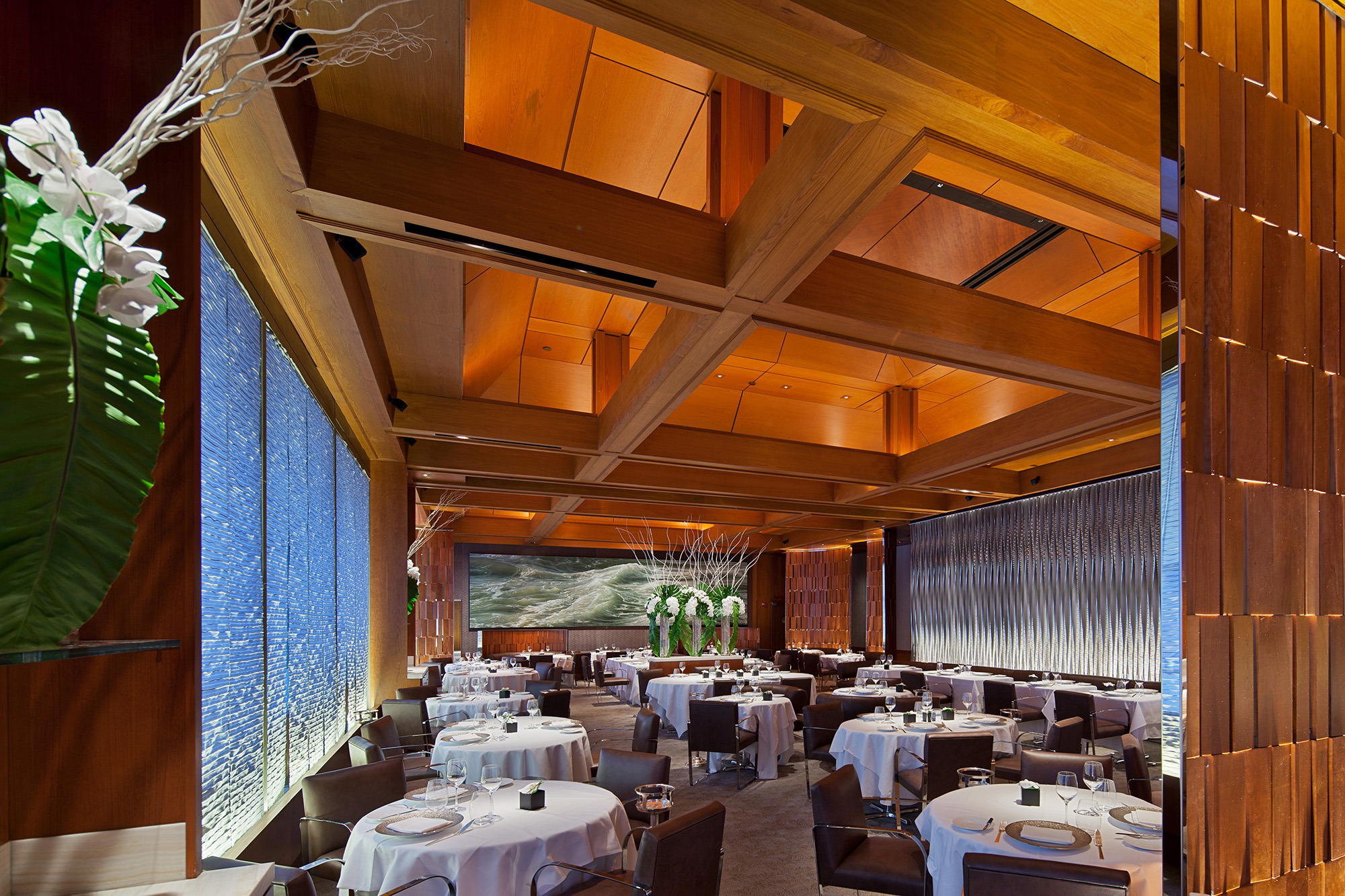
Bars in New York City
Browse all →


Hotels in New York City
Browse all →






At a Glance
- Cozy
- Rustic
- Elegant
- Date Night
- Group Dining
- Special Occasion
- Open Kitchen
- Private Dining
- Extensive Wine List
Current opening hours
- Monday
- 4–11 PM
- Tuesday
- 4–11 PM
- Wednesday
- 4–11 PM
- Thursday
- 4–11 PM
- Friday
- 4 PM–12 AM
- Saturday
- 4 PM–12 AM
- Sunday
- 4–10 PM
Hours can change for holidays and private events. Last verified .
Soft lighting with rustic textures and the comforting aroma of open-flame grilled meats creating an elegant yet relaxed atmosphere.