Buenos Aires
Buenos Aires on East 6th Street sits in the heart of Manhattan's East Village, a neighborhood that has long absorbed Argentine cooking into its dense grid of independent restaurants. The address places it squarely in a corridor where casual South American fare and local regulars coexist with a growing appetite for grilled meats and wine-forward dining among New York's wider dining public.
Pearl is the En Primeur Club membership app — saves, bookings, and concierge access live there. Same editors, same standards.
- Address
- 513 E 6th St, New York, NY 10009
- Phone
- +12122282775
- Website
- buenosairesnyc.com
- Directions
- Get directions
 Saves & bookings on Pearl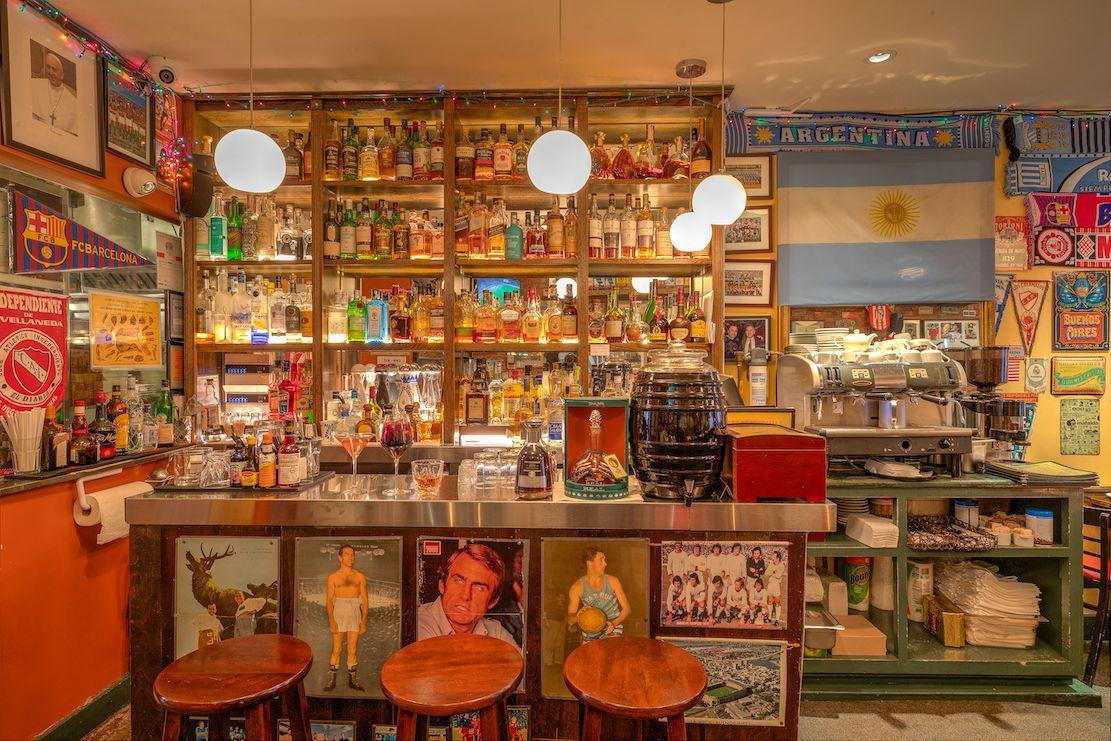
Argentine Cooking in the East Village Grid
East 6th Street between Avenues A and B is the kind of block that rewards walking slowly. The East Village has spent decades absorbing cooking traditions from across the Americas, and Argentine cuisine occupies a specific position in that mix: red-meat-forward, wine-adjacent, and built around a grilling tradition that translates well into New York's appetite for neighborhood restaurants that feel substantive without demanding a tasting-menu commitment. Buenos Aires is an Authentic Argentine Steakhouse in New York City, at 513 E 6th St, with. Buenos Aires, at 513 E 6th St, sits inside that current. Its address alone situates it within a dense cluster of independent operators where regulars set the tone and the room earns its reputation through repetition rather than a single high-profile opening.
Argentine dining in New York has never quite consolidated into a single district the way that, say, Korean cooking has anchored around Koreatown or Japanese cuisine has spread through multiple formal tiers from midtown counters to downtown izakayas. Instead, Argentine restaurants scatter across neighborhoods, each drawing on some version of the parrilla tradition while calibrating its format to the local block. The East Village version of this tends toward accessibility: a room that fills early, a wine list that leans toward Malbec and Torrontés, and a menu that organizes itself around the fire rather than around any single chef's signature philosophy.
How the Menu Speaks
The architecture of an Argentine menu is itself an editorial statement. Unlike the tasting-menu format at counters such as Atomix or Masa, where the kitchen dictates sequence and pacing entirely, the Argentine parrilla tradition organizes a menu around choice and table rhythm. Empanadas and provoleta open the meal as shareable anchors. The grill section that follows typically breaks into cuts, entraña, bife de chorizo, ojo de bife, each defined by its position on the animal and its relationship to heat and fat rather than by elaborate technique. Sides arrive as functional punctuation: chimichurri, fries, salads that exist to cut through weight rather than to announce ambition.
This structure matters because it sets different expectations than the prix-fixe formats that dominate the upper tier of New York dining. At Le Bernardin, Per Se, or Eleven Madison Park, the menu is sequenced and the diner surrenders control to the kitchen. The parrilla model inverts this: the diner assembles the meal, the kitchen executes to order, and the experience is measured by the quality of the fire and the sourcing of the cut rather than by narrative arc. For a neighborhood restaurant on E 6th Street, this format is a precise fit. The room accommodates groups, the menu handles substitutions without friction, and the bill reflects what you actually ordered.
Restaurants operating in this format across New York compete less against the tasting-menu houses and more against other neighborhood institutions that offer a complete meal at a price point that doesn't require advance planning. That competitive set includes Brazilian churrascarias in Midtown, Peruvian restaurants in Jackson Heights, and the broader category of South American neighborhood dining that has grown steadily in New York over the past two decades. Within the East Village specifically, the density of independent operators means that any restaurant on E 6th Street is in daily conversation with its immediate neighbors, and longevity in that environment is its own credential.
The East Village as Context
The neighborhood shapes the restaurant as much as the menu does. The East Village has historically been one of New York's most democratically structured dining corridors: low to mid rents relative to the West Village and SoHo have allowed independent operators to survive long enough to build regulars, and the mix of students, long-term residents, and visitors from other boroughs creates a room that skews local rather than tourist-driven. This is the environment in which a restaurant like Buenos Aires makes its case, not through a single dramatic gesture but through consistent execution over time.
For visitors planning a broader New York itinerary that includes higher-commitment meals at places like Blue Hill at Stone Barns in Tarrytown or a reservation at one of the city's formal French houses, the East Village serves as a useful counterpoint: a part of the city where the dining room is not the event itself but the frame around a meal.
Argentine cooking in this format also invites comparison with fire-driven restaurant programs elsewhere in the United States. Lazy Bear in San Francisco and Smyth in Chicago both work with live fire, though within chef-driven tasting formats that sit at the opposite end of the spectrum from a neighborhood parrilla. Single Thread Farm in Healdsburg, Providence in Los Angeles, and Addison in San Diego each represent a version of American fine dining that prioritizes narrative and sourcing transparency in ways that differ fundamentally from the Argentine tradition, where the narrative is implicit in the cut and the fire rather than articulated on a menu card. International reference points follow a similar logic: Atelier Moessmer Norbert Niederkofler in Brunico and Dal Pescatore in Runate both situate themselves within regional tradition while operating at a formality level that a neighborhood the restaurant does not claim to match.
Closer to home, Emeril's in New Orleans, The French Laundry in Napa, The Inn at Little Washington, and Frasca Food and Wine in Boulder all operate with levels of institutional weight and prix-fixe commitment that the East Village parrilla format deliberately sidesteps. That sidestepping is not a limitation; it is a position.
Planning Your Visit
Standing Among Peers
Comparable venues nearby, for context on price, style, and recognition.
| Venue | Cuisine | Price | Notes |
|---|---|---|---|
| Buenos AiresThis venue — the venue you are viewing | Authentic Argentine Steakhouse | $$ | Not listed |
| Let's Chama! | Georgian Bakery and Restaurant | $$ | Bushwick |
| FOOD | Quirky Daily Changing Menu | $$ | Chinatown-Two Bridges |
| Sol Cacao | Bean-to-Bar Chocolate Factory | $$ | Mott Haven-Port Morris |
| schmuck. | Creative Cocktail Bar with Small Plates | $$ | East Village |
| Balvanera | Authentic Argentine Parrilla | $$$ | Lower East Side |
Continue exploring
More in New York City
Restaurants in New York City
Browse all →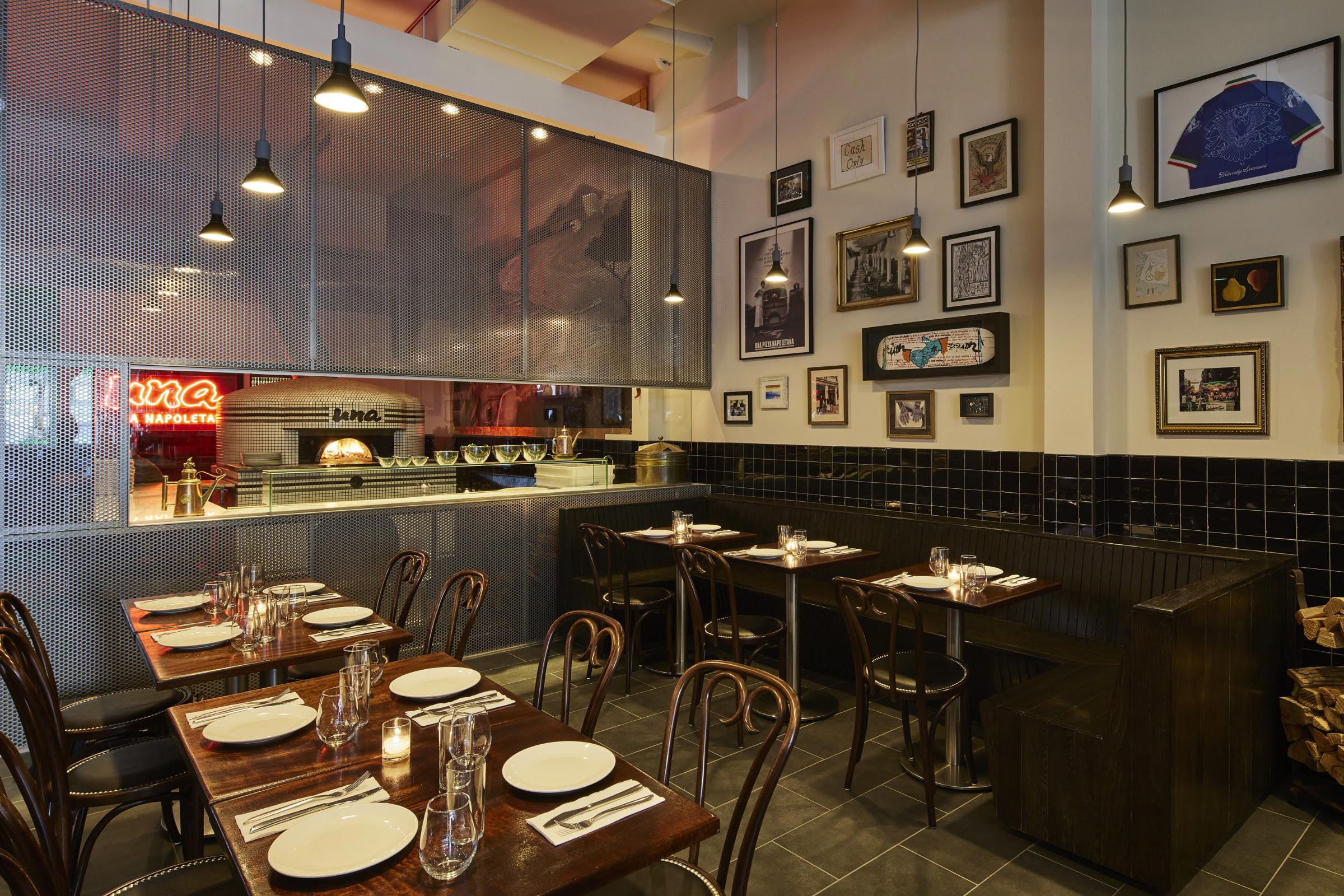
Bars in New York City
Browse all →
Hotels in New York City
Browse all →






At a Glance
- Cozy
- Rustic
- Classic
- Date Night
- Group Dining
- Casual Hangout
- Open Kitchen
- Extensive Wine List
Current opening hours
- Monday
- 12–11 PM
- Tuesday
- 12–11 PM
- Wednesday
- 12–11 PM
- Thursday
- 12–11 PM
- Friday
- 12–11 PM
- Saturday
- 12–11 PM
- Sunday
- 12–11 PM
Hours can change for holidays and private events. Last verified .
Charming, warm, and homey with the aroma of sizzling meats on the grill evoking Buenos Aires.