Toné Cafe

Our verdict
Toné Cafe gives New York’s Georgian dining map a Brighton Beach anchor, built around clay-oven breads, herb-heavy stews, vegetables, and the sour-sweet pull of tarragon lemonade. The draw is not polish for its own sake, but a cuisine that depends on marigold, summer savory, blue fenugreek, cheese, dough, walnuts, and heat from the toné.

Pearl is the En Primeur Club membership app, where members save venues, book tables and use the concierge.
The menu
What to order
- Adjaruli khachapuri
- Khinkali
- Shotis puri (Georgian bread)
- Pkhali trio
New York City puts Toné Cafe in a broad city register: a restaurant understood through everyday dining rather than through luxury signals. That is enough to frame the page without overreaching into unsupported detail. The useful way to read the restaurant is as part of New York City’s wider immigrant-dining landscape, where cuisine, accessibility, and repetition often matter more than spectacle.
That matters because Georgian cooking in New York City can be flattened into a few familiar reference points when the conversation gets too narrow. Toné Cafe is best approached as a place to consider Georgian cuisine in a broader way, through a meal built around shared plates, comfort, and the kind of neighborhood-restaurant rhythm that makes a cuisine legible over time. Rather than relying on unverified origin stories or decorative claims, the case rests on what is confirmed: Toné Cafe is a Georgian restaurant in New York City with notable recognition and a moderate price point.
Clay-oven bread, blue fenugreek, and the Georgian pantry
The title of this section points to the broader vocabulary often associated with Georgian cooking, but the editorial claim here should stay careful. Toné Cafe’s verified identity is Georgian, and that cuisine carries its own set of traditions, textures, and pantry logic. In New York City, where many cuisines are represented across different formats, that identity gives the restaurant a clear place in the city’s dining map without requiring unsupported specifics about individual dishes, equipment, or sourcing.
The wider point is that a Georgian restaurant can be read through balance, abundance, and the structure of a shared meal. Toné Cafe does not need inflated detail to make that case. Its inclusion on a major citywide restaurant list signals that it has been noticed within New York City’s competitive dining field, while the $$ category keeps the emphasis closer to accessible neighborhood eating than to formal special-occasion dining.
That context places Toné Cafe in a category that New York sometimes undervalues: restaurants whose importance comes from continuity. New York City has many ways to encounter global cuisines, and the broader dining map changes constantly, but a recognized Georgian restaurant at this price point still has a distinct role. The value is not in overdescribing the room or inventing specifics; it is in understanding how a cuisine becomes part of the city’s everyday restaurant life.
New York City context matters more than polish
New York City has long functioned as one of the country’s great repositories of immigrant cooking, and that context changes how a Georgian restaurant reads. In a more polished setting, a cuisine can be reduced to a novelty or a single signature order. At Toné Cafe, the stronger editorial frame is simpler: it is a Georgian restaurant in New York City that sits in the $$ range and has earned New York Times recognition. Those facts support a practical, city-based reading of the meal.
The price category also shapes the experience. Toné Cafe sits in the $$ bracket, which keeps it closer to regular dining than special-occasion theater. For a cuisine built to be enjoyed across a table, that matters editorially even without asserting unsupported menu details. The best approach is to treat the restaurant as a shared-meal stop rather than as a place to chase a single talking point.
For readers mapping Georgian food across New York City, the city offers many possible entry points across different formats. Toné Cafe’s value is more specific: it is a confirmed Georgian restaurant in New York City, recognized on the 2026 New York Times Best Restaurants in New York City list at No. 23.
How to read the meal
The smartest way to approach the table is to let the Georgian identity set the order rather than imposing a checklist from outside. Go in expecting a cuisine with its own logic and a restaurant that belongs to New York City’s broader culture of accessible, shared dining.
This is not a page that needs chef biography, founding mythology, or invented room detail. The authority comes from the confirmed essentials: Toné Cafe is a Georgian restaurant in New York City, it is listed in the $$ price category, and it appears as No. 23 on the 2026 New York Times Best Restaurants in New York City list. That may sound modest, but for a venue guide, accuracy is the right hierarchy.
Readers building a wider New York itinerary can place the stop within Our full New York City restaurants guide, then round out the trip through Our full New York City hotels guide, Our full New York City bars guide, Our full New York City wineries guide, and Our full New York City experiences guide. For a broader EP Club reading list on ingredient-led regional cooking beyond New York, see other dining rooms and bars that approach regional traditions through pantry, sourcing, and repetition rather than spectacle.
The editorial case for Toné Cafe is simple: it is a Georgian restaurant in New York City with a $$ price listing and significant New York Times recognition. The restaurant does not need exaggerated detail to justify attention. Its strongest verified signals are clear enough: cuisine, city, price category, and a No. 23 placement on the 2026 New York Times Best Restaurants in New York City list. That is enough.
Frequently asked questions
Does Toné Cafe work for a family meal?
Yes. The $$ price range and Georgian menu make Toné Cafe a practical choice for a family meal in New York City.
What's the overall feel of Toné Cafe?
It reads as an accessible New York City restaurant rather than a highly formal destination, with a Georgian menu and a price point listed as $$.
What awards or recognition does Toné Cafe have?
Toné Cafe is ranked No. 23 on the 2026 New York Times Best Restaurants in New York City list.
What style of cooking does Toné Cafe do?
Toné Cafe serves Georgian cuisine.
What should I budget for a meal at Toné Cafe?
Pricing at Toné Cafe is listed as $$.
What part of town is Toné Cafe in?
Toné Cafe is located in New York City.
In Context
Comparable venues nearby, for context on price, style, and recognition.
| Venue | Cuisine | Price | Awards | Notes |
|---|---|---|---|---|
| Toné CafeThis venue (the venue you are viewing) | Traditional Georgian cafe & bakery | $20–30 | Not listed | Not listed |
| Chococo Café (Upper East Side location) | Not listed | $10–20 | Not listed | Upper East Side, Artisan Chocolate Café & British Chocolatier |
| Kafana | Authentic Serbian | $30–50 | Star Wine List | East Village, Authentic Serbian |
| Blushington | Beauty Services | Not listed | Not listed | West Hollywood, Beauty & Wellness Services |
| El Chivito D'Oro | Authentic Uruguayan Steakhouse | $20–30 | Not listed | Jackson Heights, Authentic Uruguayan Steakhouse |
| Sol Cacao | Bean-to-Bar Chocolate Factory | Not listed | Not listed | Mott Haven-Port Morris, Bean-to-Bar Chocolate Factory |
Recognition history
Dated appearances from independent guides and award organizations, with the underlying list record or original source where available.
New York Times Best Restaurants in New York City #23
New York Times
Continue exploring
More in New York City
Restaurants in New York City
All restaurants in New York City →
Bars in New York City
All bars in New York City →




Details
- Cozy
- Rustic
- Casual
- Casual Hangout
- Group Dining
- Family
- After Work
- Standalone
- Design Destination
- Beer Program
- A La Carte
- Family Style
- Beer
- Vegetarian Friendly
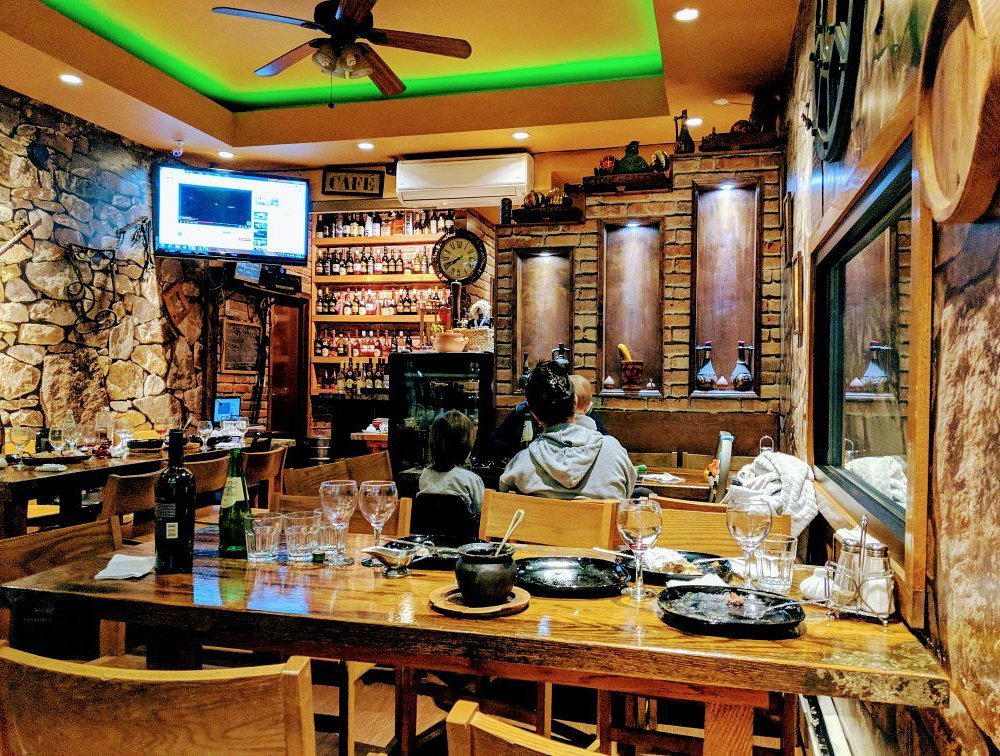
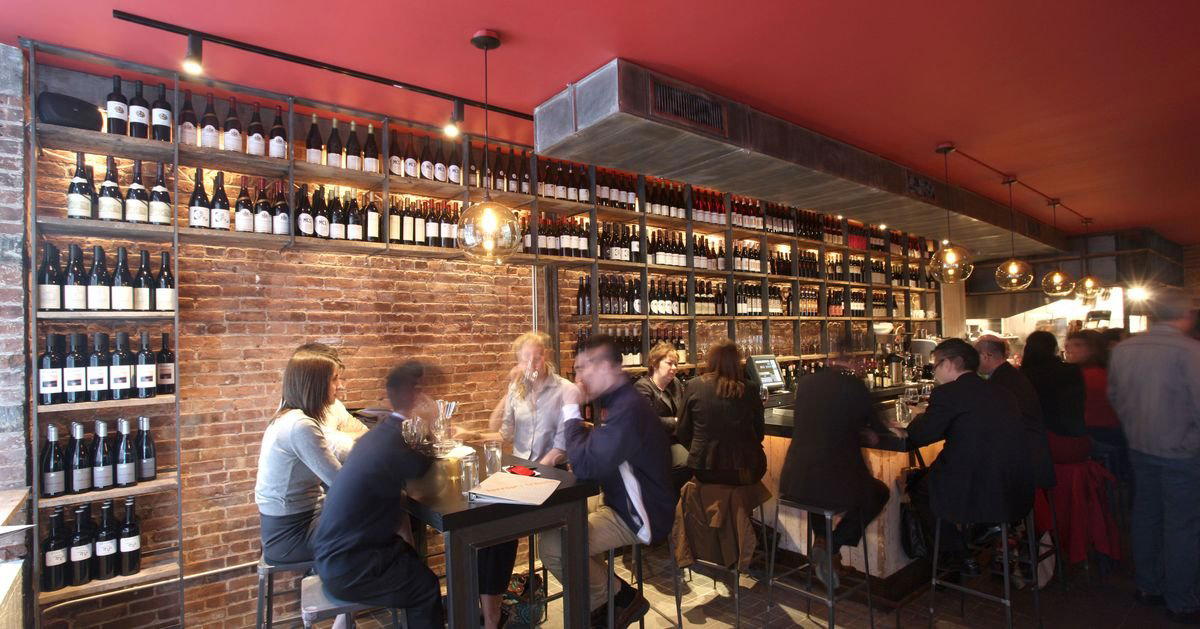
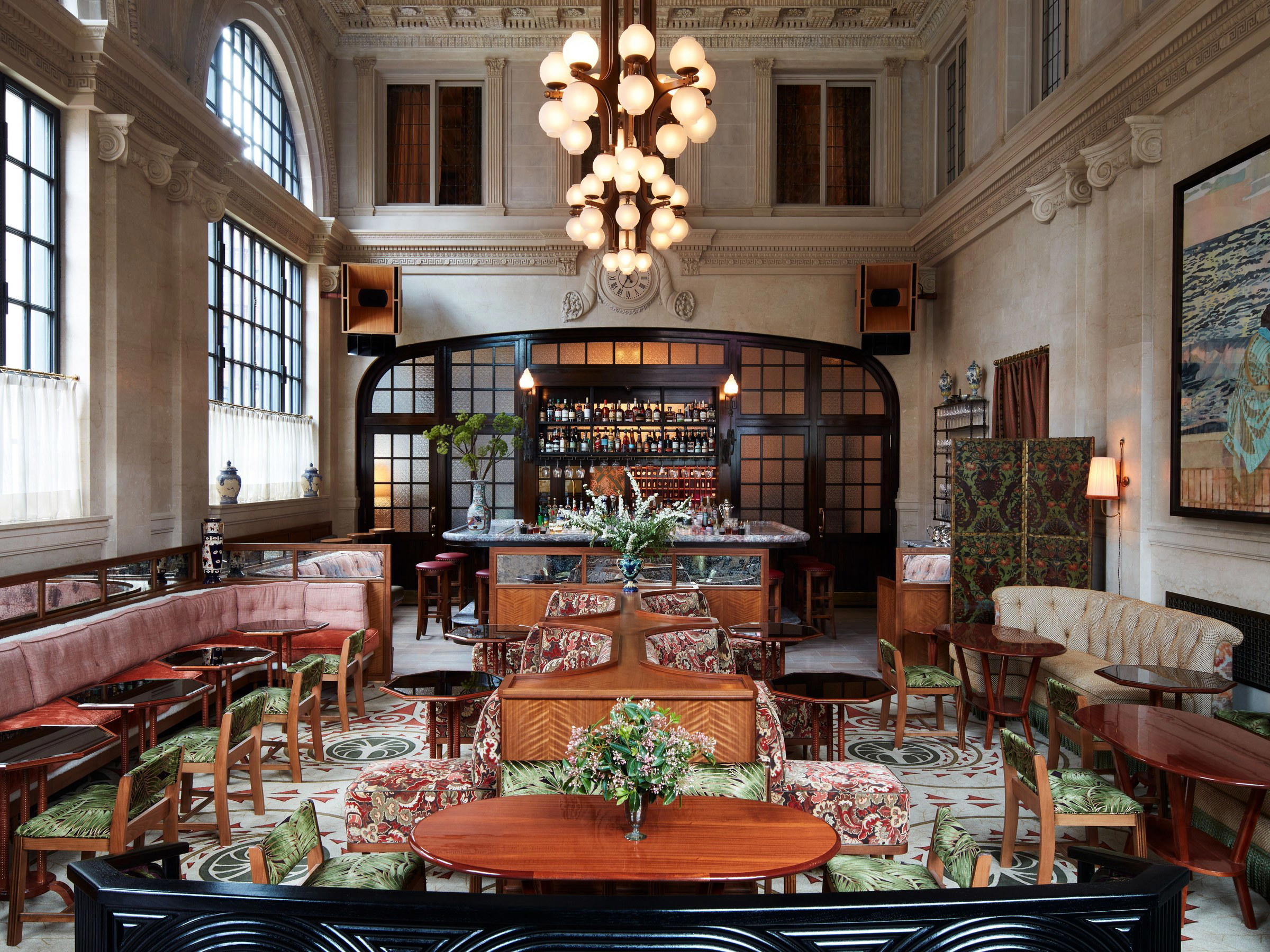
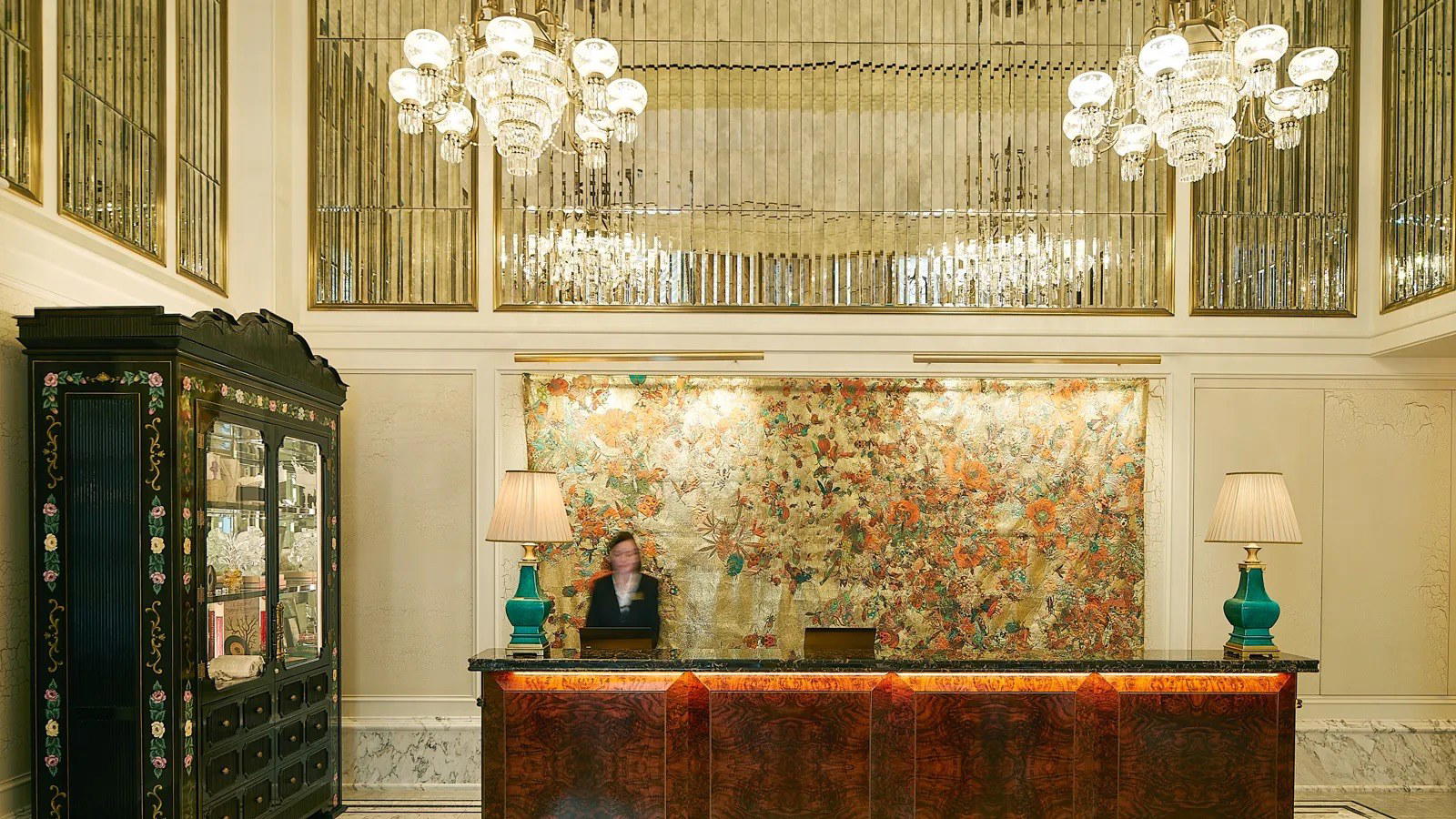
Simple and rustic bakery-café with warm, homey vibes; guests describe a casual, unpretentious room where the aroma of freshly baked Georgian bread and a steady conversational buzz make it feel like a neighborhood canteen rather than a formal restaurant.