

A 16th-century palazzo in Norcia's historic centre, Palazzo Seneca holds a Michelin Star and a Green Star for 2025, placing it among a small tier of Umbrian restaurants where regional ingredient discipline and formal dining intersect.
Pearl is the En Primeur Club membership app — saves, bookings, and concierge access live there. Same editors, same standards.
- Address
- Via Cesare Battisti, 10, 06046 Norcia PG, Italy
- Phone
- +39 0743 817434
- Website
- palazzoseneca.com
- Directions
- Get directions
 Saves & bookings on Pearl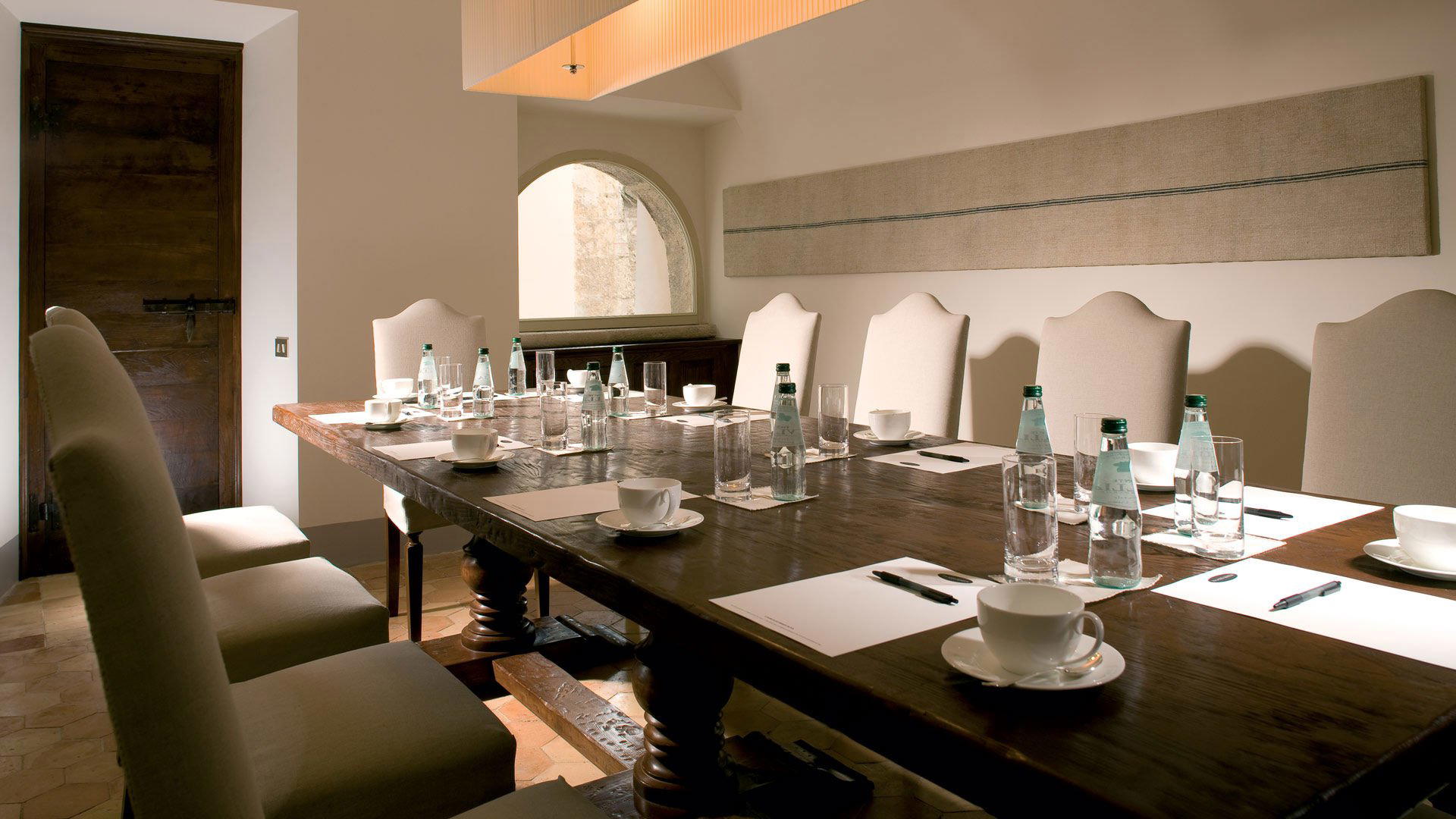
Stone, Silence, and the Weight of Umbrian Ingredients
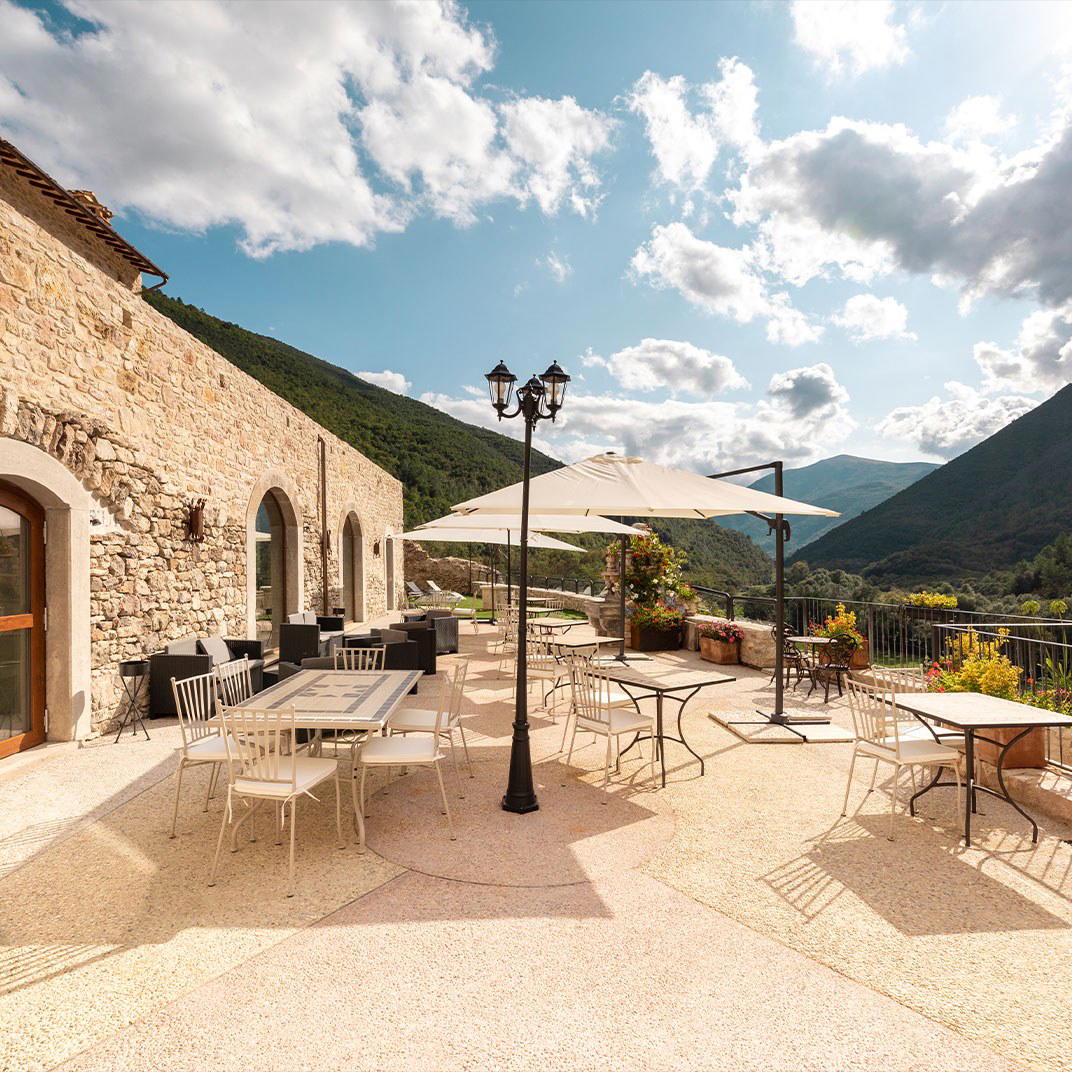
Arriving at Palazzo Seneca from Norcia's central piazza, the transition is abrupt in the leading sense: you pass from a town still marked by the 2016 earthquake's long reconstruction into a 16th-century palazzo whose carved stone archways and vaulted ceilings suggest a different kind of permanence. The physical setting is not decorative context — it is the argument. Umbria's culinary identity has always been built on restraint and terroir density rather than technique for its own sake, and few dining rooms in central Italy make that argument as legibly as this one.
Norcia itself occupies a specific position in the Italian food imagination. The town's name is the etymological root of norcino — the Italian word for a pork butcher, and its black truffles from the surrounding Valnerina command prices that track more with Périgord than with the Italian interior. That raw material context matters when reading any serious kitchen operating out of this address. The ingredients are not a backdrop; they are the cuisine's structural logic.
What a Michelin Star and Green Star Mean in This Context
Palazzo Seneca holds both a Michelin Star and a Michelin Green Star for 2025. The dual distinction is worth parsing separately. The cooking star signals technical execution at a level Michelin judges consider worth a detour from anywhere in the region. The Green Star, introduced by Michelin in 2021, recognises sustainable gastronomy practices, sourcing discipline, waste approach, producer relationships, and its presence alongside a cooking star places Palazzo Seneca in a cohort that bridges fine dining ambition with a considered relationship to the land around it.
Within Italy's starred landscape, that combination is less common than it might appear. At the highest tier, kitchens like Osteria Francescana in Modena and Enoteca Pinchiorri in Florence operate with international profiles and multi-star recognition. Palazzo Seneca's single-star positioning is closer to the model of Uliassi in Senigallia or Dal Pescatore in Runate in one respect: a kitchen deeply anchored to a specific geography rather than projecting an abstract creative identity. The Green Star specifically aligns it with regionally committed kitchens like Atelier Moessmer Norbert Niederkofler in Brunico, where the surrounding landscape is treated as the menu's primary author.
The Principle Behind the Plate
Italian culinary tradition at its most serious is not minimalist in the Northern European sense, it is selective. The discipline is in knowing which ingredients from a specific valley at a specific time of year carry enough inherent complexity to need almost nothing added. Norcia's black truffle, aged local cheeses, the pork products that have defined the town's economy for centuries: these are ingredients that resist over-elaboration. A kitchen that understands this does not try to improve them so much as present them at the moment when they are most themselves.
Chef Ryan Clark works within that framework. The Relais & Châteaux affiliation signals a property-level commitment to hospitality standards that complements the kitchen's direction: Relais & Châteaux members are assessed on both accommodation and table quality, and the designation carries a minimum bar for service and setting that reinforces rather than competes with the cooking.
Norcia's Dining Scene and Where Palazzo Seneca Sits
Norcia's fine dining options are deliberately small in number. The town draws visitors primarily for its market products, truffles, cured meats, lentils from the Castelluccio plateau, and its restaurants have historically been built around those commodities rather than around destination dining for its own sake. That is changing, incrementally, as properties like Palazzo Seneca attract a traveller who arrives specifically for the table rather than only for the market stalls.
Within Norcia, Vespasia and Granaro del Monte represent the town's other serious dining addresses, and the three together constitute a concentration of quality unusual for a town of this scale in central Italy. For full context on where each sits within the local offer, see our full Norcia restaurants guide.
Travellers combining a Palazzo Seneca dinner with a longer stay will find useful orientation in our full Norcia hotels guide, and those looking to extend further into regional drinking and experience programming can reference our Norcia bars guide, wineries guide, and experiences guide. Elsewhere in Italy, comparable single-star kitchens anchored to specific regional identities include Quattro Passi in Marina del Cantone, Piazza Duomo in Alba, and Le Calandre in Rubano. For those drawing international comparisons, kitchens operating with similar ingredient discipline at equivalent recognition levels, Le Bernardin in New York City and Atomix in New York City offer useful reference points, though the culinary traditions diverge considerably. Enrico Bartolini in Milan rounds out the Italian comparison set for those tracking creative ambition at the starred level.
Planning a Visit
Palazzo Seneca operates at Via Cesare Battisti, 10, in Norcia's historic centre. Reservations and enquiries can be directed to the property via palazzoseneca.com or by email at seneca@relaischateaux.com, with the direct line at +39 0743 81 74 34. As a Relais & Châteaux property with Michelin recognition, demand for tables, particularly weekend evenings and during the autumn truffle season from October through December, runs ahead of availability. Contacting the property directly, with flexibility on timing and day of week, increases the chance of securing a preferred date. Norcia is accessible by car from Perugia (roughly 100 kilometres southeast) or from Spoleto, and the drive into the Valnerina from either direction adds considerable context to the meal that follows.
How Palazzo Seneca Norcia compares with similar nearby venues.
| Venue | Cuisine | Price | Awards |
|---|---|---|---|
| Palazzo Seneca | Italian Umbrian | Not listed | Relais Chateaux Award (2025) |
| Apollinare | Italian Contemporary | €€ | Not listed |
| San Lorenzo | Seafood | €€ | Not listed |
| Camiano Piccolo | Umbrian | €€ | Not listed |
Recognition history
Dated appearances from independent guides and award organizations, with the underlying list record or original source where available.
Michelin 1 Star
Michelin
Relais Chateaux Award
Relais Chateaux
Continue exploring
More in Norcia
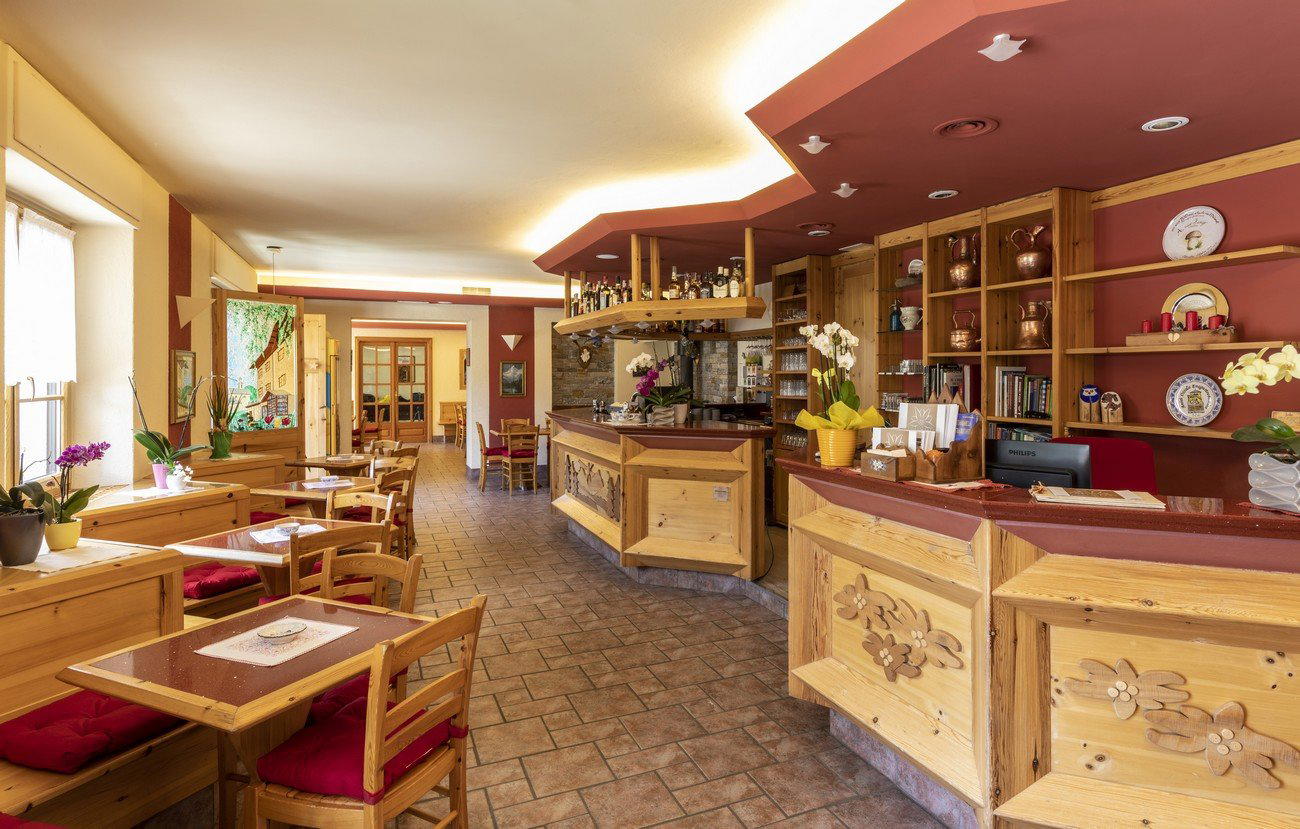
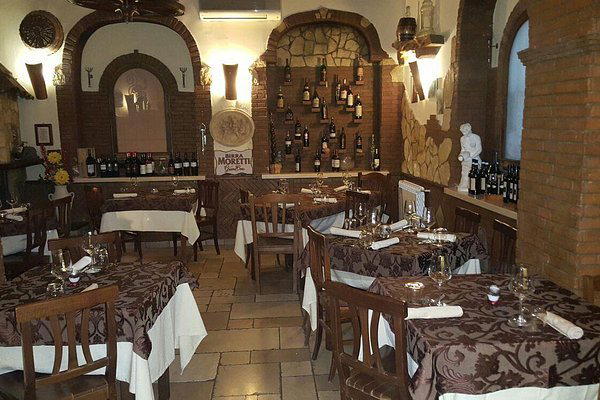
Restaurants in Norcia
Browse all →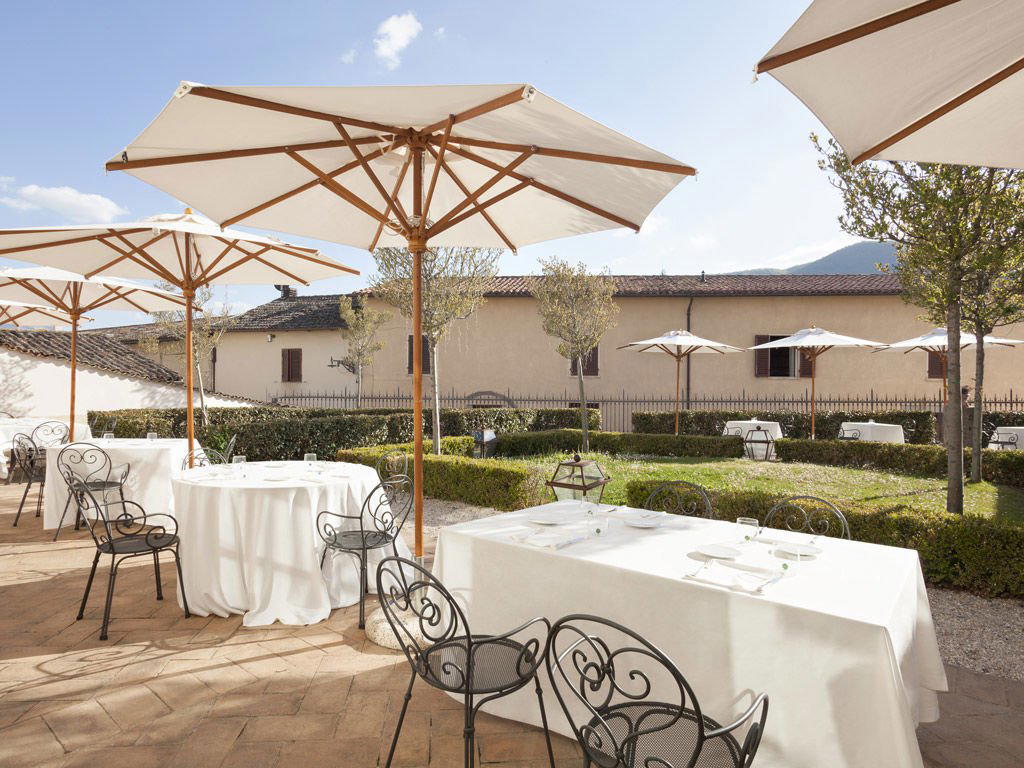
Bars in Norcia
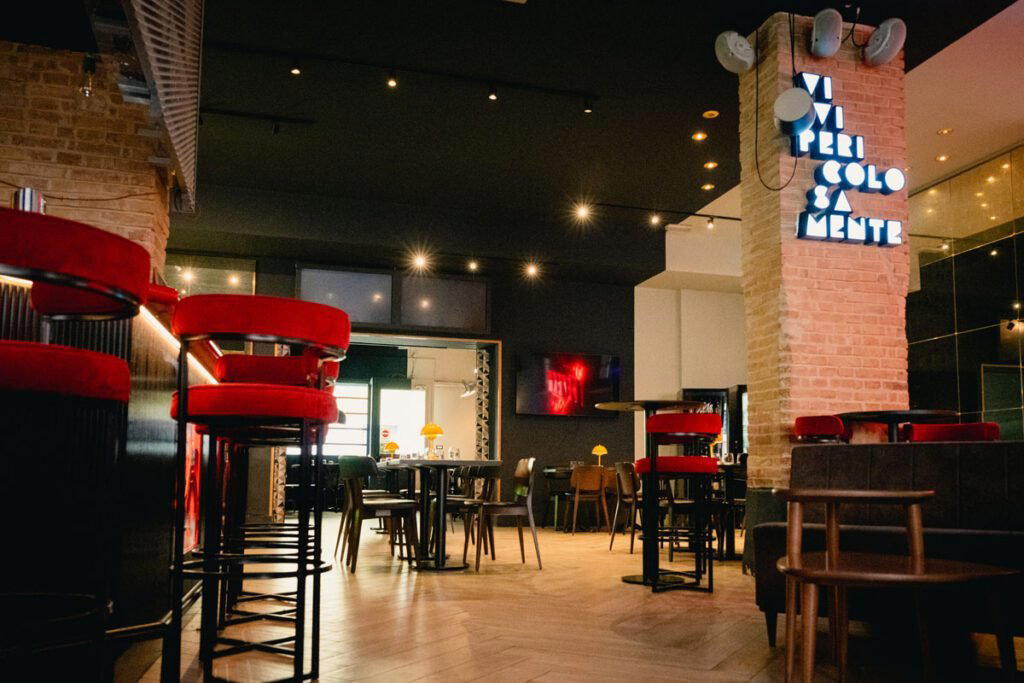
Browse all →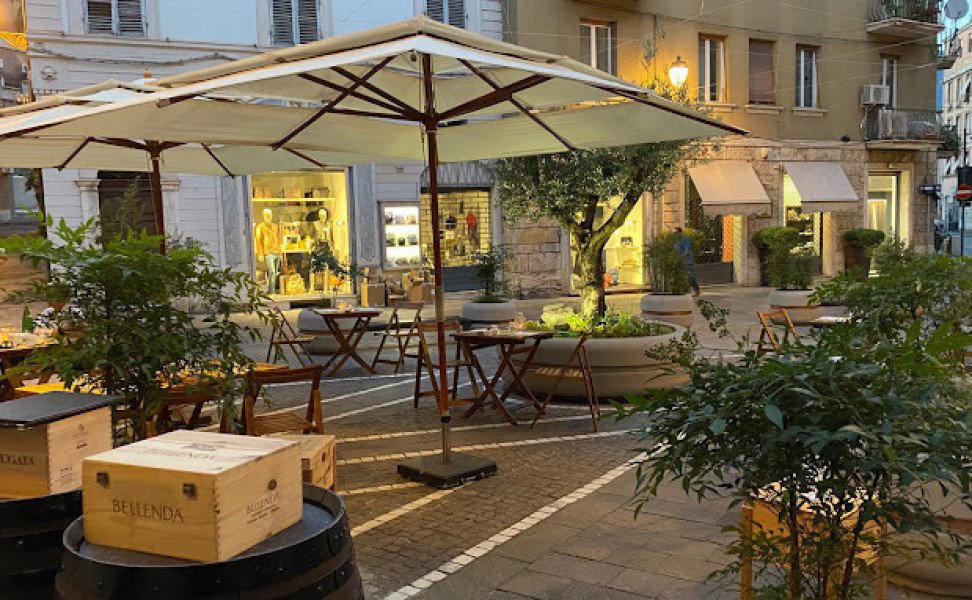
Hotels in Norcia
Browse all →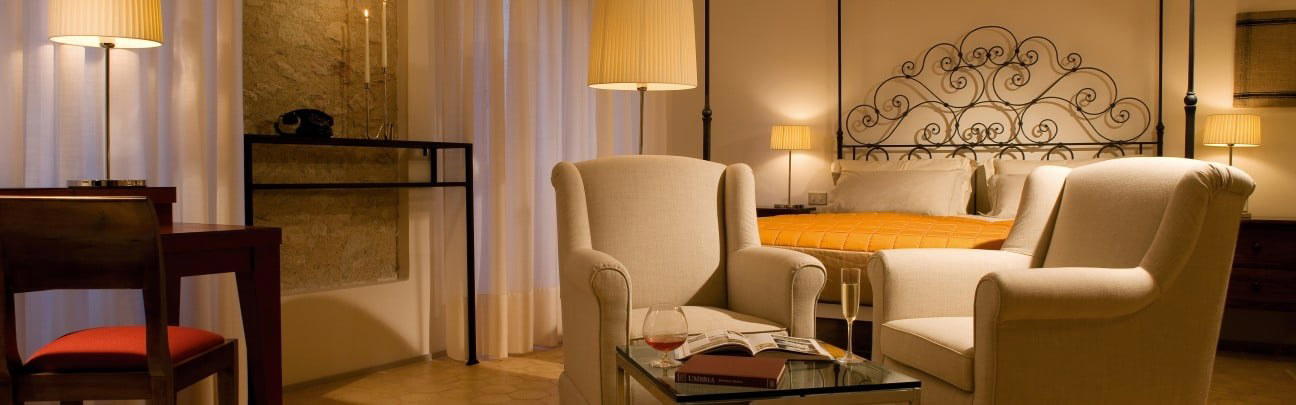

At a Glance
- Elegant
- Rustic
- Cozy
- Sophisticated
- Intimate
- Date Night
- Special Occasion
- Celebration
- Hotel Restaurant
- Historic Building
- Local Sourcing
- Farm To Table
- Mountain
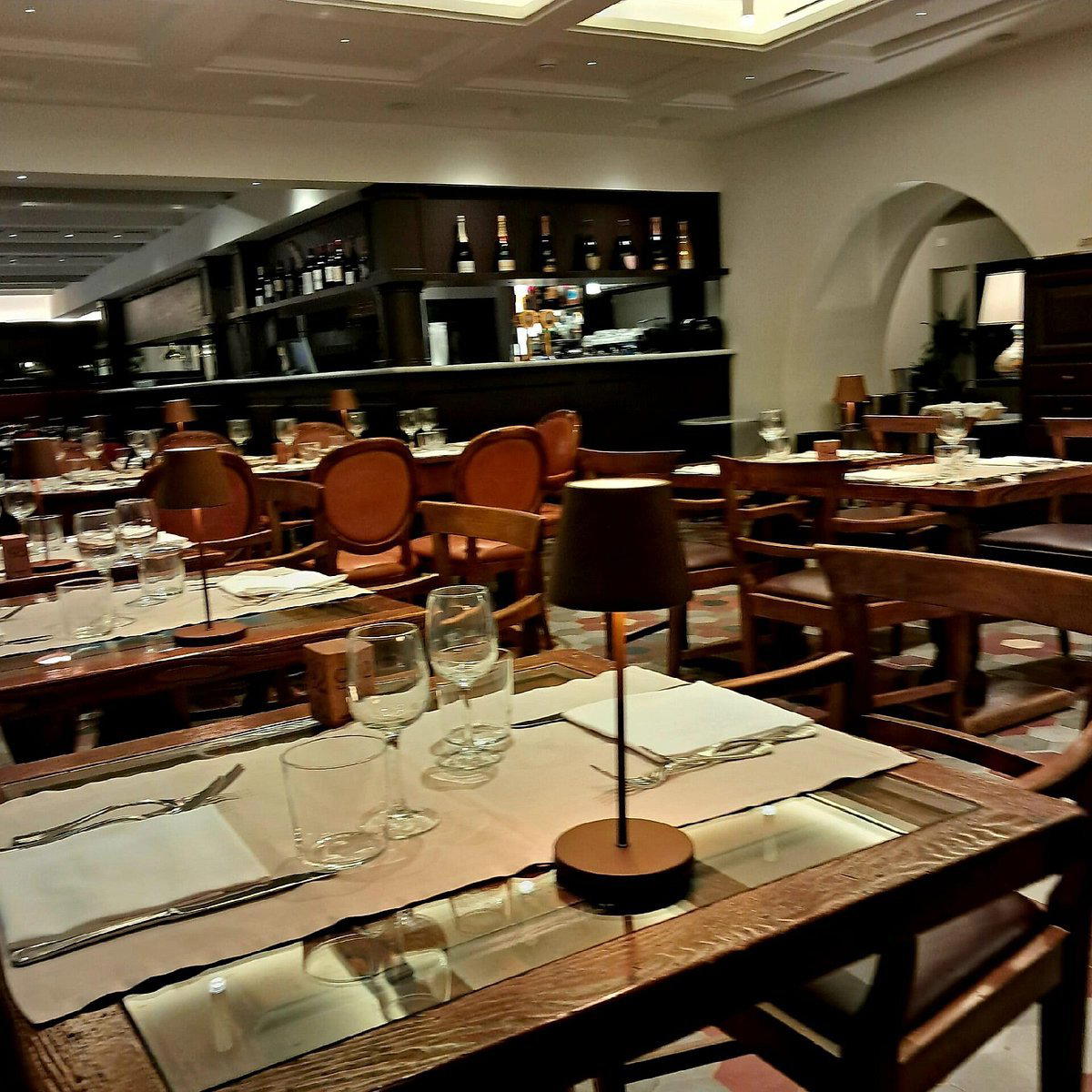
Warm and elegant with historic charm, featuring fireplaces, antique furnishings blended with modern touches, and a cozy, welcoming atmosphere.
Know Before You Go
- Getting there
- Via Cesare Battisti, 10, 06046 Norcia PG, Italy