Paeto
Paeto sits on Via Trevisani in Cartigliano, a small Veneto town where the surrounding agricultural plain shapes what ends up on the plate. The restaurant belongs to a tier of northern Italian dining where ingredient provenance drives every menu decision, placing it within a regional tradition that stretches from the Brenta valley toward the Dolomite foothills. For visitors tracing serious eating through the Veneto interior, it warrants a detour.
Pearl is the En Primeur Club membership app — saves, bookings, and concierge access live there. Same editors, same standards.
- Address
- Via Trevisani, 15, 36050 Cartigliano VI, Italy
- Phone
- +39424590318
- Website
- paeto.it
- Directions
- Get directions
 Saves & bookings on Pearl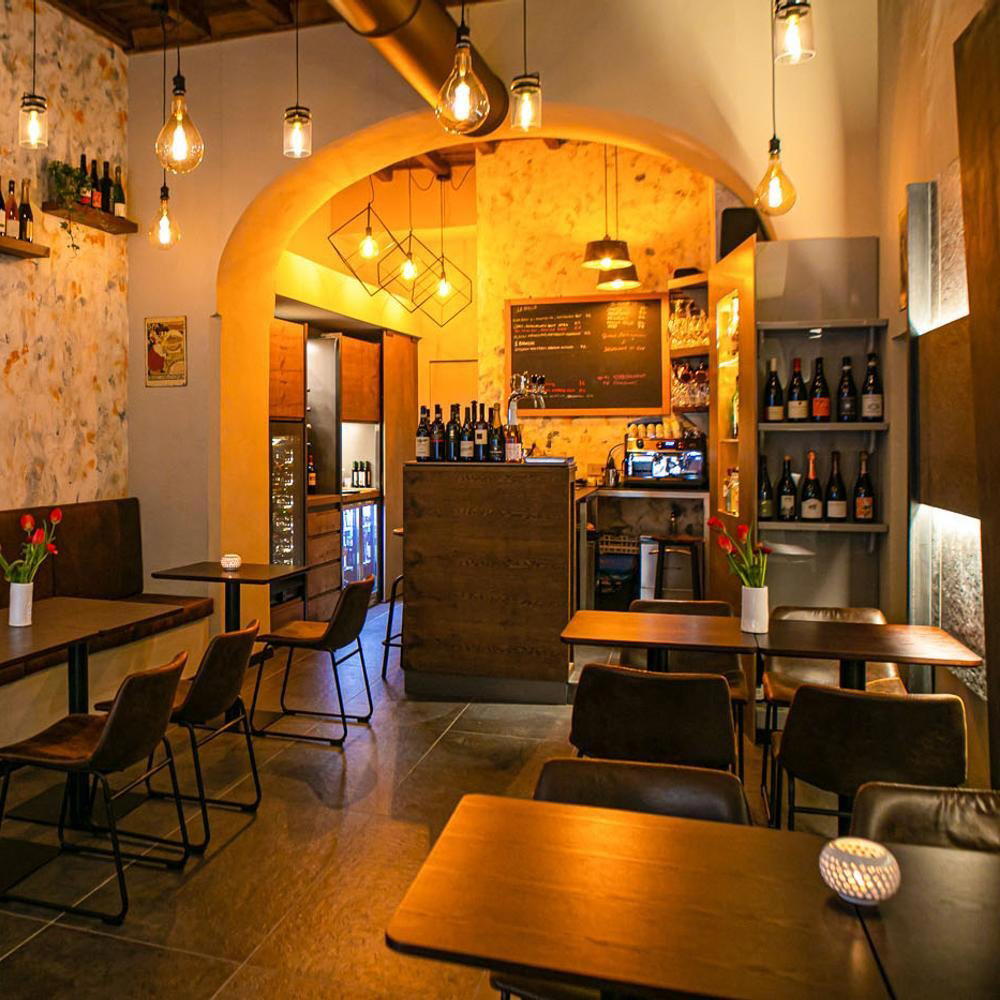
Where the Veneto Plain Meets the Table
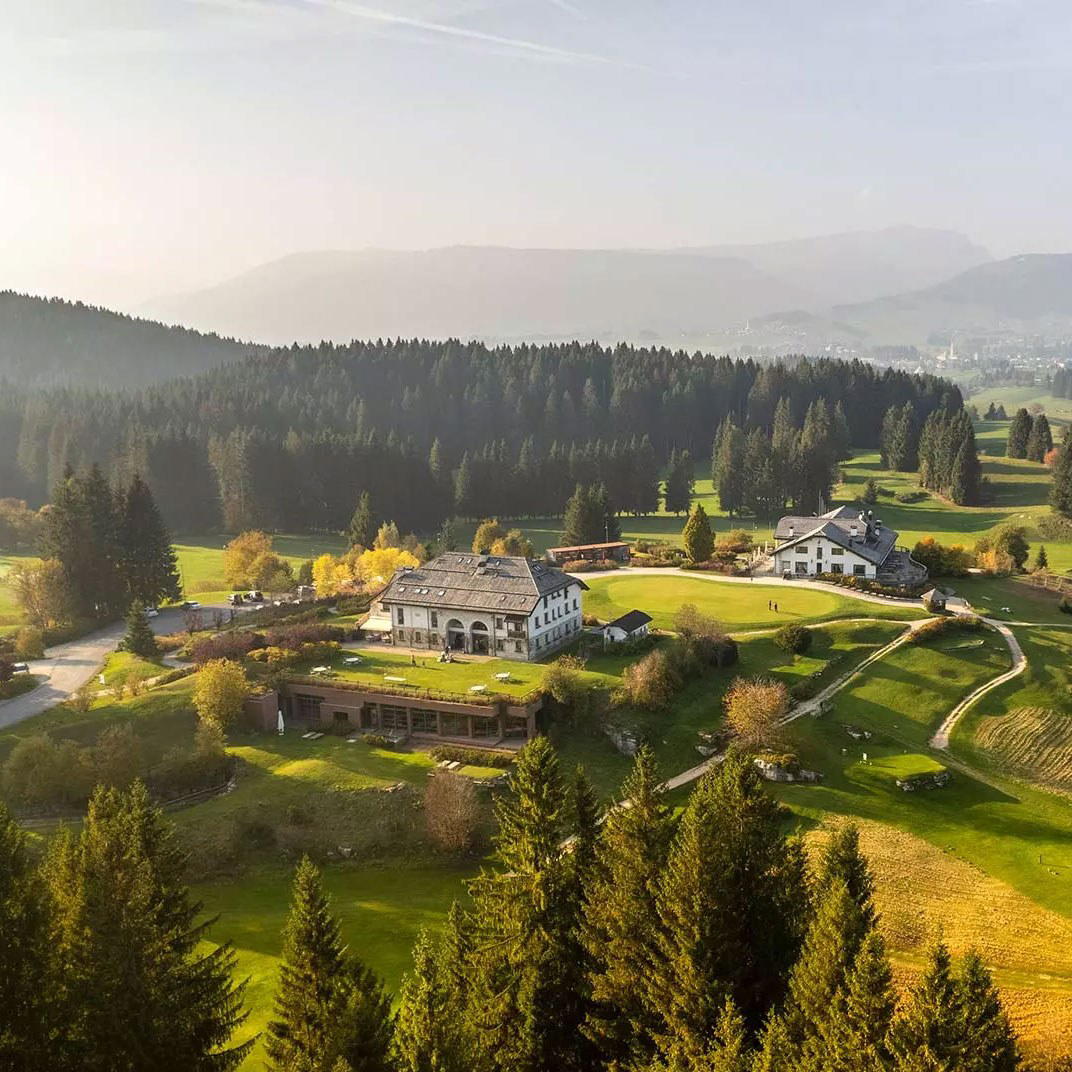
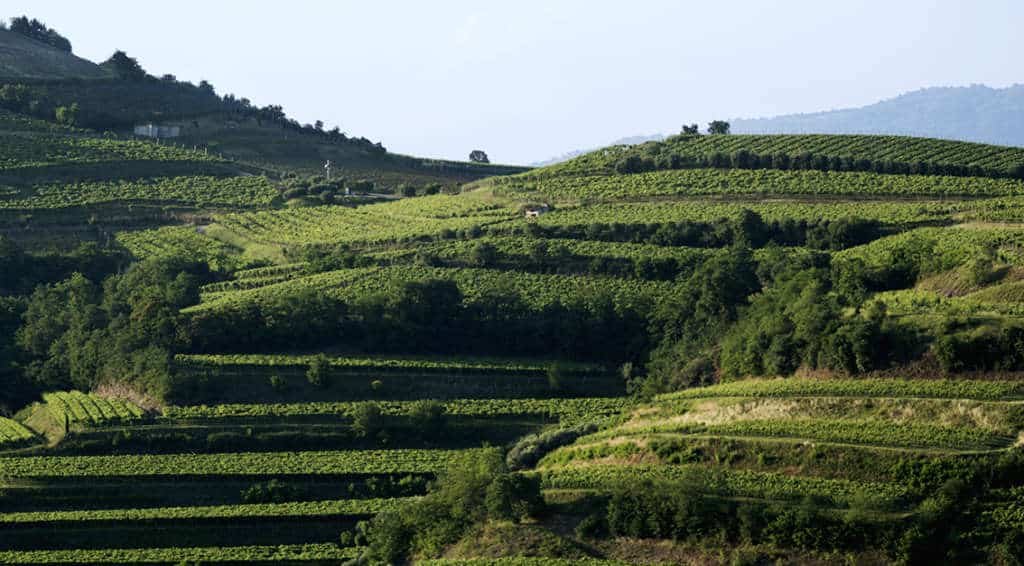
The approach to Cartigliano offers few landmarks beyond flat agricultural land, vine rows, and the occasional farmstead breaking the horizon. Via Trevisani is the kind of street that registers as unremarkable until you know what to look for, a pattern common across northeastern Italy, where some of the region's most considered cooking happens in villages that appear on no tourist itinerary. Paeto is a restaurant in Cartigliano, Veneto, serving Traditional Italian Steakhouse cuisine at a price point of about $35 per person. Paeto occupies this geography deliberately. The surroundings are not incidental backdrop; they are, in the logic of ingredient-driven cooking, the actual subject of the meal.
This corner of the Veneto, between Bassano del Grappa to the north and Vicenza to the south, sits within one of Italy's more quietly productive agricultural zones. The Brenta river valley feeds alluvial soils that have supported small-scale farming, market gardening, and livestock for centuries. Restaurants that take this terroir seriously operate in a different register from urban fine dining: the seasonal calendar is not a marketing concept but a functional constraint, and what arrives on the plate reflects what is available within a short radius rather than what a global supply chain can deliver.
Ingredient Sourcing as Editorial Position
Across northern Italy, a generation of restaurateurs has repositioned sourcing as the primary creative act. The model at venues like Le Calandre in Rubano or Dal Pescatore in Runate places the kitchen in explicit dialogue with specific producers, named and traceable. Paeto's location in Cartigliano suggests a similar orientation, with the surrounding Veneto countryside providing the immediate sourcing radius that shapes its menu logic.
This is a meaningful distinction from restaurants that describe themselves as locally sourced while drawing from national distributors. When a kitchen sits in agricultural country and commits to the produce of its immediate geography, the menu becomes a document of place and season rather than a curated selection of national prestige ingredients. The difference shows in the cooking: dishes built around what a particular week in late October or early April yields taste different from dishes designed around a fixed concept that ingredients are sourced to match.
The Veneto's agricultural diversity makes this approach viable in ways that more monoculture regions cannot match. Within a short drive of Cartigliano, producers supply white asparagus from Bassano, radicchio varieties from the Treviso belt, mountain cheeses from the Asiago plateau, and freshwater fish from the Brenta system. A kitchen that draws from this network has genuine seasonal range without reaching beyond the region.
Cartigliano in the Veneto Dining Context
The Veneto ranks among Italy's most complex regions for serious eating, and its interior towns are consistently underweighted by international visitors relative to what they deliver. Verona anchors the west, with Casa Perbellini 12 Apostoli representing the city's formal dining peak. To the northeast, the corridor between Padova and Bassano contains a cluster of restaurants operating at a level that rarely reaches international press coverage, despite consistent recognition within Italian food culture.
Cartigliano sits inside this corridor. It is not a destination town in the sense that Modena, home to Osteria Francescana, has become, nor does it carry the cachet of Alba, where Piazza Duomo draws international attention. What it offers instead is the particular quality that attaches to eating well in places that have no infrastructure built around eating well: fewer crowds, shorter waits, cooking that addresses a local audience rather than international food tourism.
That dynamic shapes the register of places like Paeto. Restaurants that rely on neighborhood regulars and regional visitors rather than destination diners tend to maintain a consistency that venues dependent on rotating tourist traffic sometimes lose. The audience knows the cooking, remembers what last season tasted like, and notices when quality slips. This is a different accountability than star ratings or social media reach, and it produces a different kind of restaurant.
How Paeto Sits Within Its comparable set
At the upper tier of Italian regional cooking, venues like Enoteca Pinchiorri in Florence, La Pergola in Rome, or Villa Crespi in Orta San Giulio operate with multi-Michelin recognition, deep cellars, and the infrastructure of formal fine dining. Paeto does not sit in that bracket. It belongs instead to a wider category of serious Italian regional restaurants, places that take cooking and sourcing seriously without orienting themselves around award cycles or destination marketing.
This category is well populated in the Veneto and across northern Italy. Da Vittorio in Brusaporto, Atelier Moessmer Norbert Niederkofler in Brunico, and further afield, Reale in Castel di Sangro, demonstrate how Italian fine dining has developed strong regional identities outside the major cities. Paeto's position within the Veneto's agricultural heartland places it in a comparable set defined more by provenance and place than by formal prestige.
For international diners used to measuring quality against the awarded tier, venues like Enrico Bartolini in Milan or, across the Atlantic, Le Bernardin in New York City and Atomix, the shift of reference point required to appreciate a village restaurant in Cartigliano is significant but worth making. The cooking addresses a different set of questions: what is in season this week, what the local soil and water produce, what a regional kitchen tradition accumulated over decades looks like when applied to contemporary ingredients.
Planning Your Visit
Cartigliano sits roughly 15 kilometres from Bassano del Grappa and around 30 kilometres northeast of Vicenza, making it accessible by car from either direction. The village has no significant accommodation, so most visitors base themselves in Bassano, Vicenza, or Padova and drive in. Visiting on a weekday tends to allow more time with the kitchen's full attention; weekends in Italian village restaurants can bring full rooms with extended local lunches that stretch the service. Paeto is recommended for reservations and is open Tuesday to Sunday, with Monday and Sunday closed. For a broader sense of what serious eating looks like across the area, see our full Cartigliano restaurants guide. Nearby coastal comparison points, for those building a wider Italian itinerary, include Uliassi in Senigallia, Quattro Passi in Marina del Cantone, and Gambero Rosso in Marina di Gioiosa Ionica, each representing distinct regional traditions along Italy's coastline.
Comparable Spots, Quickly
Comparable venues nearby, for context on price, style, and recognition.
| Venue | Cuisine | Price | Notes |
|---|---|---|---|
| PaetoThis venue — the venue you are viewing | Traditional Italian Steakhouse | $$$ | Not listed |
| Zolin | Traditional Italian Trattoria | $$$ | Sandrigo |
| Al Sasso | Modern Venetian Trattoria | $$$ | Colli Euganei |
| Da Andreetta | Traditional Treviso Regional Italian | $$$ | Rolle |
| Fuorimodena Cucina Km 200 | Emilian Trattoria | $$$ | Vicenza city center |
| La Bitta | Traditional Venetian Meat Osteria | $$$ | Dorsoduro |
Continue exploring
More in Cartigliano
Restaurants in Cartigliano
Browse all →
Hotels in Cartigliano
Browse all →
At a Glance
- Cozy
- Rustic
- Intimate
- Group Dining
- Special Occasion
- Open Kitchen
- Extensive Wine List
- Local Sourcing
Current opening hours
- Monday
- Closed
- Tuesday
- 12–2:30 PM, 7–10 PM
- Wednesday
- 12–2:30 PM, 7–10 PM
- Thursday
- 12–2:30 PM, 7–10 PM
- Friday
- 12–2:30 PM, 7–10:30 PM
- Saturday
- 12–2:30 PM, 7–11 PM
- Sunday
- Closed
Hours can change for holidays and private events. Last verified .
Cosy, warm, and comfortable trattoria atmosphere with modern dining rooms.