Anett restaurant
Anett restaurant sits on the Jaufenstraße in Ratschings, a Südtirol valley where Alpine ingredient traditions run deep and the surrounding farms, pastures, and forests inform what ends up on local plates. In a region where proximity to source is the defining culinary logic, Anett represents the quieter, village-scale end of South Tyrolean dining, away from the resort circuit and closer to the agricultural rhythm of the valley.
Pearl is the En Primeur Club membership app — saves, bookings, and concierge access live there. Same editors, same standards.
- Address
- Jaufenstraße, 24, 39040 Ratschings, Autonome Provinz Bozen - Südtirol, Italy
- Phone
- +39472628026
- Website
- anett-hotel.com
- Directions
- Get directions
 Saves & bookings on Pearl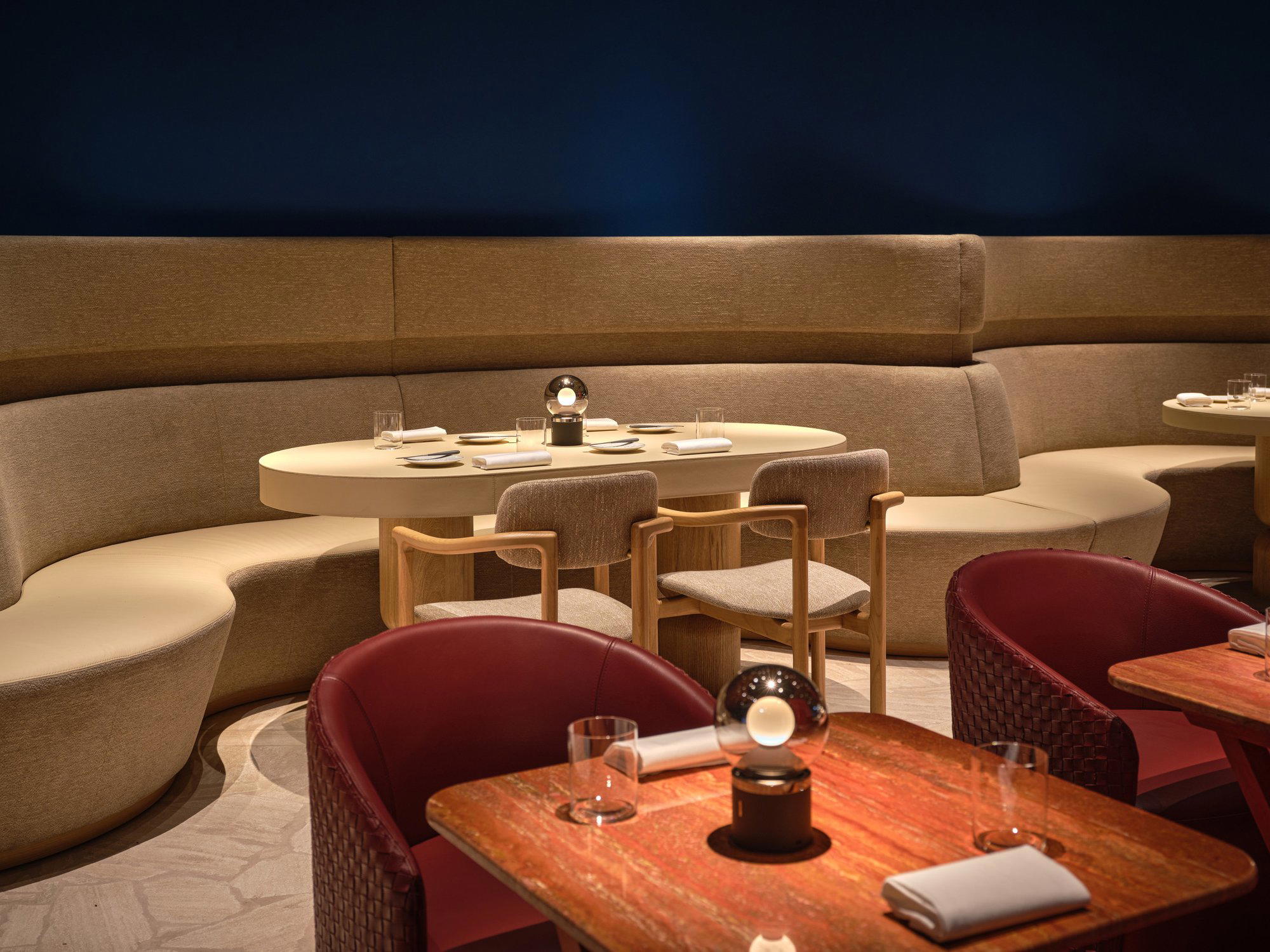
Ratschings and the Alpine Ingredient Logic
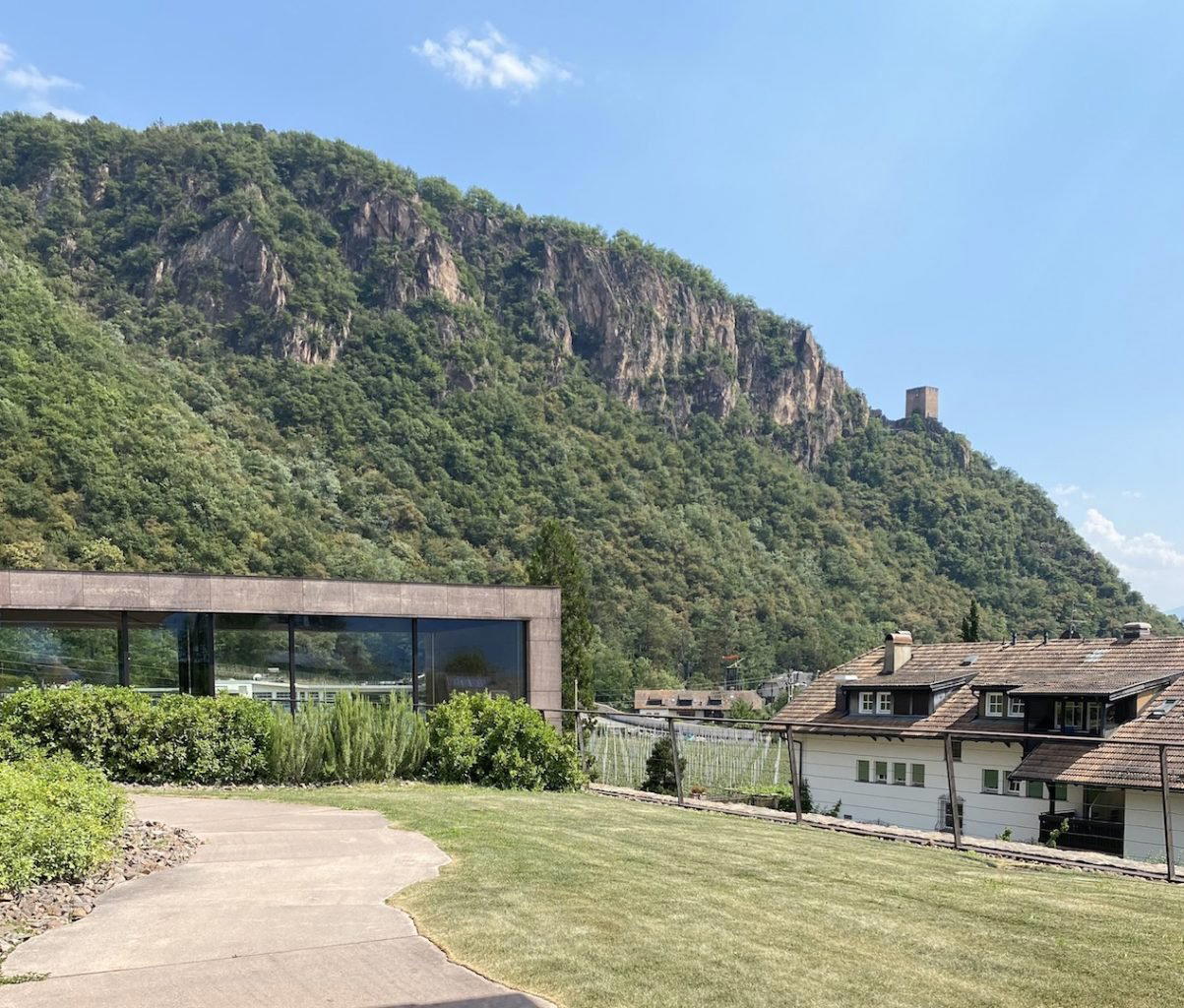
South Tyrol operates on a culinary premise that most European regions only claim: the distance between pasture and plate is often measured in metres rather than supply-chain stages. In the Ratschings valley, that premise holds more firmly than in the region's better-publicised resort towns. The valley sits at the base of the Jaufen Pass, surrounded by Alpine meadows, conifer forest, and smallholder farms whose output has shaped local cooking for generations. Speck, aged rye bread, foraged mushrooms, raw-milk cheeses from high-altitude Almen, and river trout from mountain streams are not decorative references here, they are the structural backbone of what gets cooked.
Anett restaurant occupies that agricultural context directly, positioned on the Jaufenstraße, the road that threads through the valley before climbing toward the pass. This is not a destination address in the way that, say, Atelier Moessmer Norbert Niederkofler in Brunico functions as a pilgrimage point, it is a local restaurant in the fullest sense, shaped by what the valley produces and who the valley feeds. Anett restaurant is in Ratschings, South Tyrol, and its everyday appeal comes from a modest price point and a valley setting along the Jaufenstraße.
The Setting: Valley Floor, Not Resort Strip
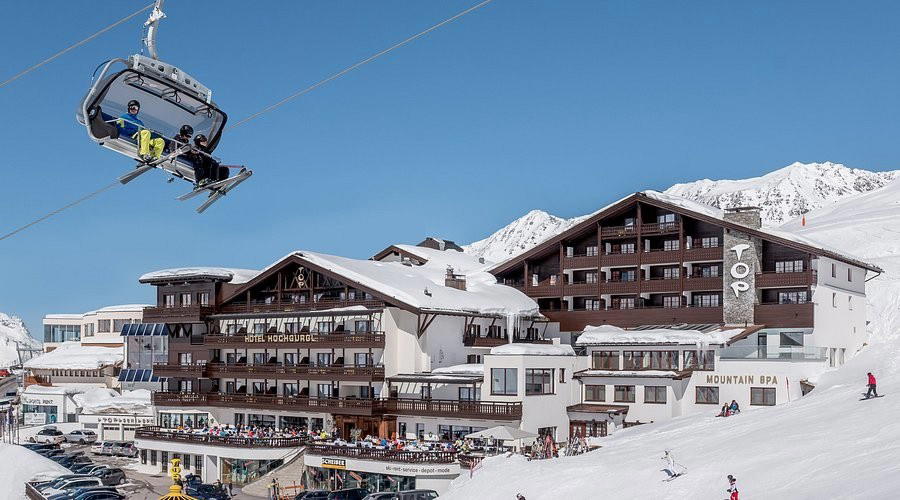
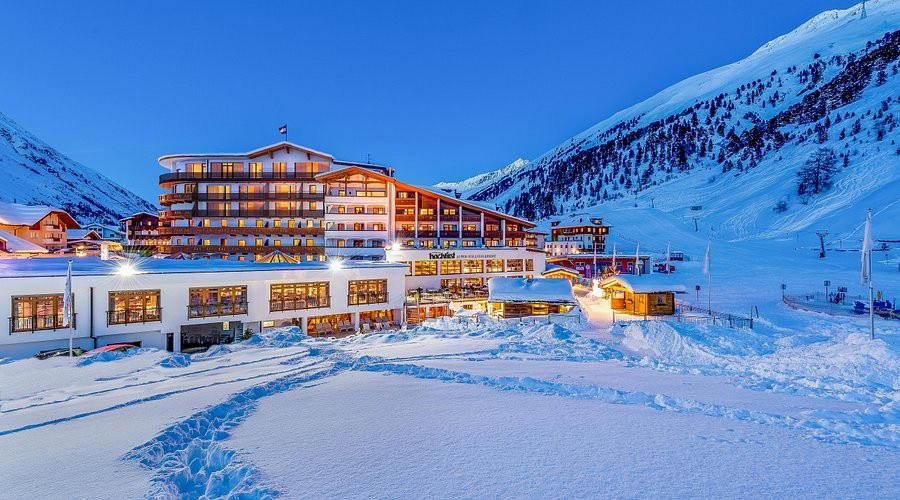
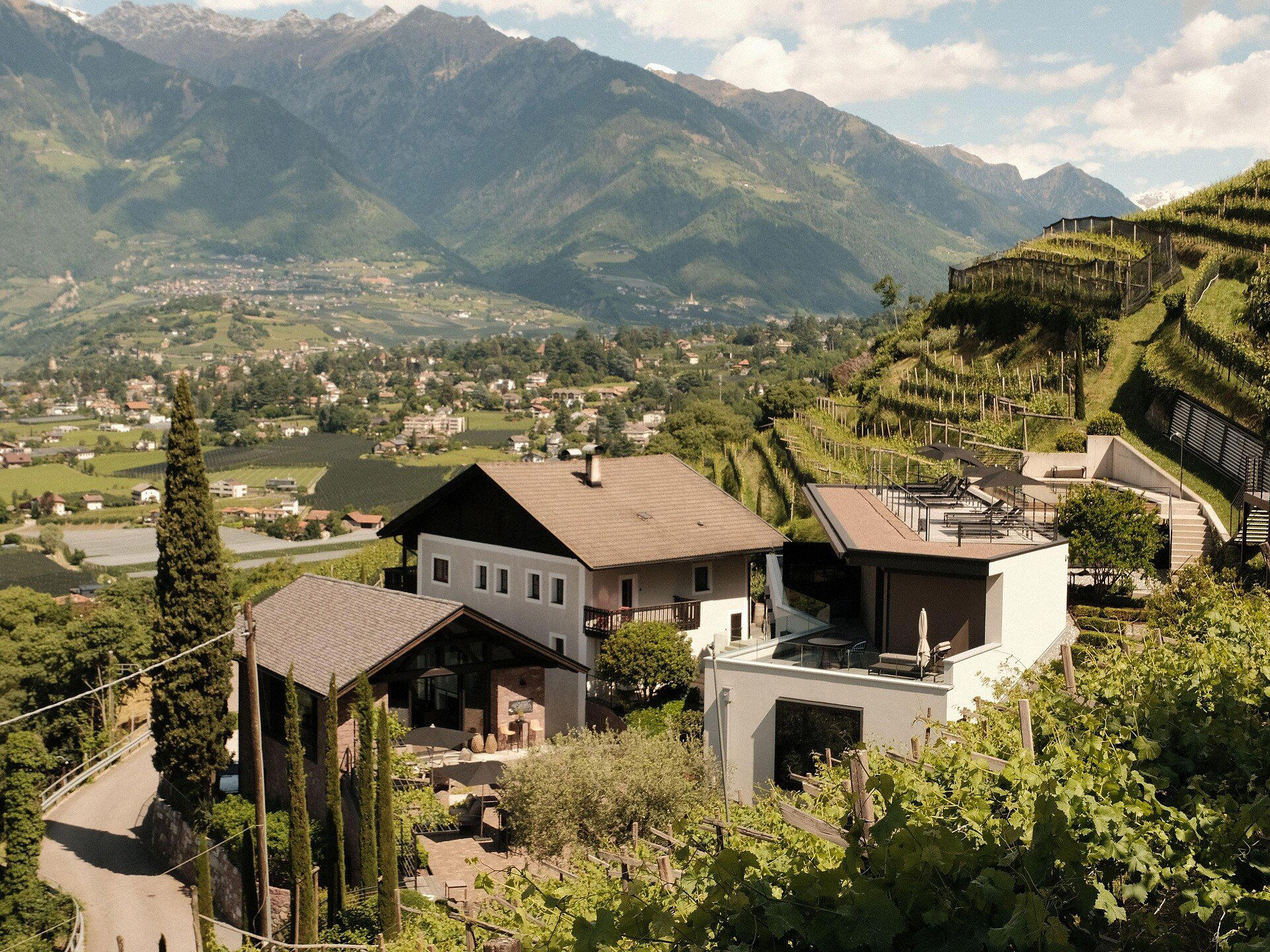
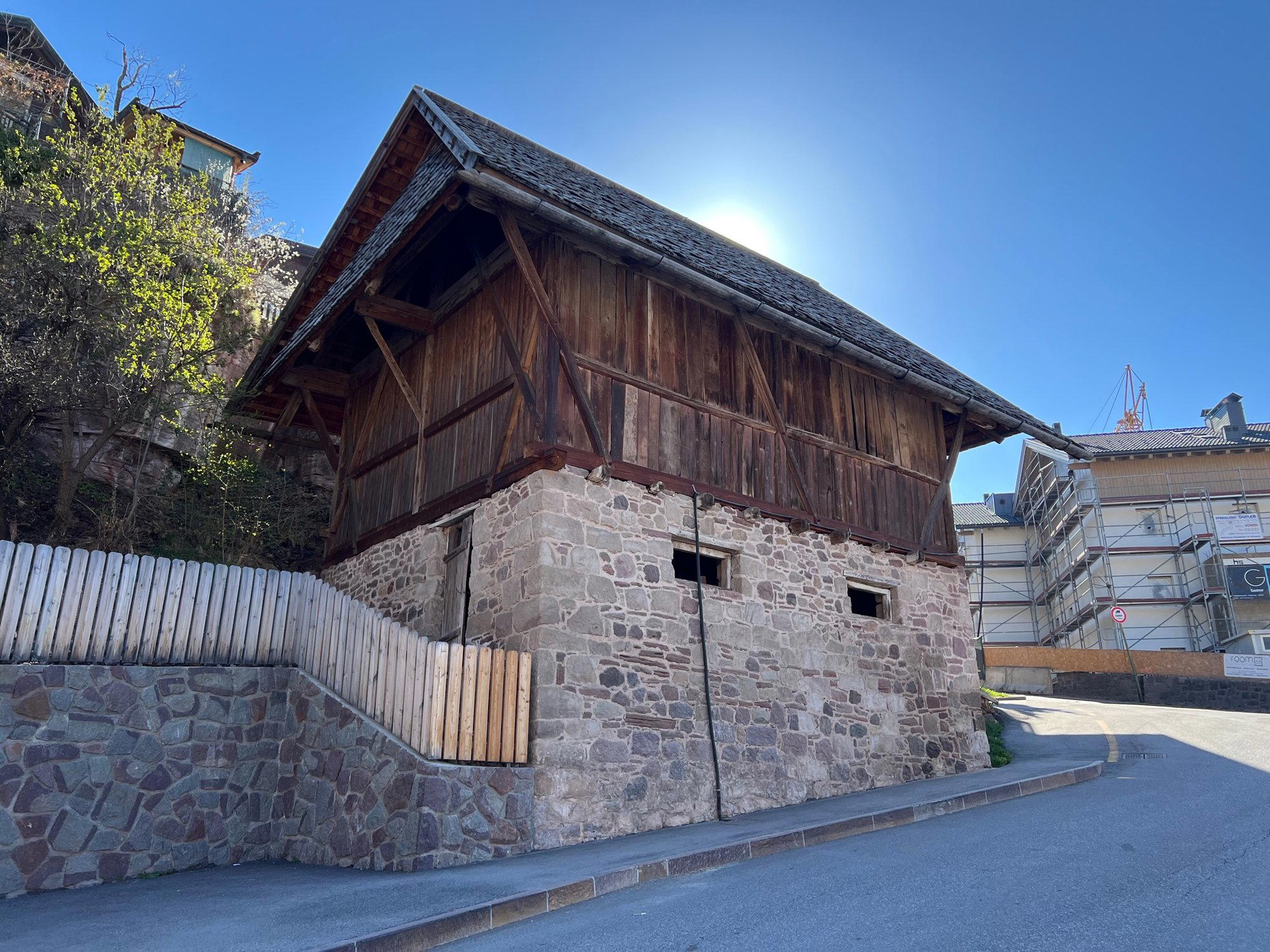
Approaching along the Jaufenstraße, the built environment of Ratschings feels agricultural before it feels touristic. The village sits within the broader municipality of Racines, and the surrounding terrain is the kind of working Alpine landscape where the visual relationship between settlement and farmland remains intact. Wooden farmhouses with stacked hay and cattle pastures running to the treeline establish a context that the more developed ski corridors of South Tyrol have largely erased.
Restaurants in this register of the valley tend toward the Stuben format, low-ceilinged rooms with timber panelling, ceramic tiled stoves, and a menu architecture built around what is available locally rather than what signals ambition on a national stage. The dining room temperature, both literal and social, leans warm and grounded. This is the South Tyrolean vernacular before it was recalibrated for the luxury ski market, and it carries a specificity that is harder to find in more prominent resort villages.
For contrast, consider how South Tyrol's fine-dining tier, represented at the highest level by places like Osteria Francescana in Modena or, closer to the region, by multi-course operations at the €€€€ price point, use local ingredients as conceptual material. Anett sits at the opposite end of that spectrum: ingredient sourcing as daily practice rather than editorial statement.
What the Valley Produces
The ingredient geography of Ratschings and the surrounding Wipptal deserves attention on its own terms. The valley floor sits roughly 1,000 metres above sea level, with Almen pastures climbing significantly higher. At these altitudes, the grazing season is compressed, which concentrates flavour in dairy products and intensifies the character of grass-fed beef. Speck Alto Adige IGP, the dry-cured, lightly smoked pork leg that is South Tyrol's most exported product, is produced throughout this corridor, and at the village scale it is consumed at a quality level that exported versions rarely replicate.
Foraged ingredients move through the seasons in a predictable sequence: wild garlic and spring herbs in late April and May, porcini and chanterelles from mid-summer through autumn, followed by game from the surrounding forests. Rye cultivation in the upper valleys produces a dense, sour bread that functions as a carrier for everything from lard to raw-milk butter and is as central to the local table as pasta is in the Po Valley. Restaurants across South Tyrol's fine-dining tier, from Piazza Duomo in Alba to Le Calandre in Rubano, have systematised sourcing programs to approximate this kind of regional specificity. In Ratschings, it is simply the ambient condition of cooking.
Ratschings in the Broader South Tyrol Dining Picture
South Tyrol's restaurant culture spans an unusually wide register. At one end, it fields some of Italy's most technically ambitious kitchens. At the other, it maintains a network of valley-floor Gasthöfe and family restaurants whose value lies precisely in their resistance to that ambition. The wider Italian dining spectrum, from Reale in Castel di Sangro to Uliassi in Senigallia to Dal Pescatore in Runate, demonstrates how Italian regional cooking can operate at every level of formality and investment. Ratschings represents one grounded end of that spectrum within South Tyrol specifically.
Locally, Anett sits within a small cluster of Ratschings restaurants where the competitive set is built around consistency, local sourcing, and the practical requirements of a valley community. Pretzhof Bistro and Ungererhof occupy similar territory.
The comparison with internationally recognised Italian addresses is useful not to establish hierarchy but to clarify what each type of restaurant is actually doing. A venue like Quattro Passi in Marina del Cantone or Da Vittorio in Brusaporto uses ingredient sourcing as a component of a larger technical and aesthetic project. Anett, within its valley context, is the source, or at least is as close to it as a restaurant address in this geography can be.
Planning a Visit
Ratschings is accessible by road from Vipiteno/Sterzing, approximately 10 kilometres to the north, which is itself served by the Brenner rail corridor connecting Innsbruck and Bolzano. The valley is a functional base for hiking in summer and skiing at the Ratschings-Jaufen area in winter, and restaurant demand tracks those seasonal peaks. Visiting outside the main winter ski season and summer walking season typically means a more settled pace at local restaurants. Contacting the restaurant directly before arrival is the practical approach, particularly during high season when valley accommodation runs at capacity and dining options compress accordingly.
Side-by-Side Snapshot
Comparable venues nearby, for context on price, style, and recognition.
| Venue | Cuisine | Price | Notes |
|---|---|---|---|
| Anett restaurantThis venue — the venue you are viewing | Modern Italian with Alpine Influences | $$$ | Not listed |
| Ungererhof | South Tyrolean Farm-to-Table | $$$ | Ratschings |
| Pretzhof Bistro | Farm-to-Table Italian Bistro | $$ | Ratschings |
| Trautmannsdorf | Modern Northern Italian | $$$ | Merano |
| Bistro Cafè Fino | Italian Bistro | $$$ | Passeggiata Lungo Passirio |
| Schlosswirt FORST | Modern South Tyrolean Fine Dining | $$$ | Forst |
Continue exploring
More in Ratschings
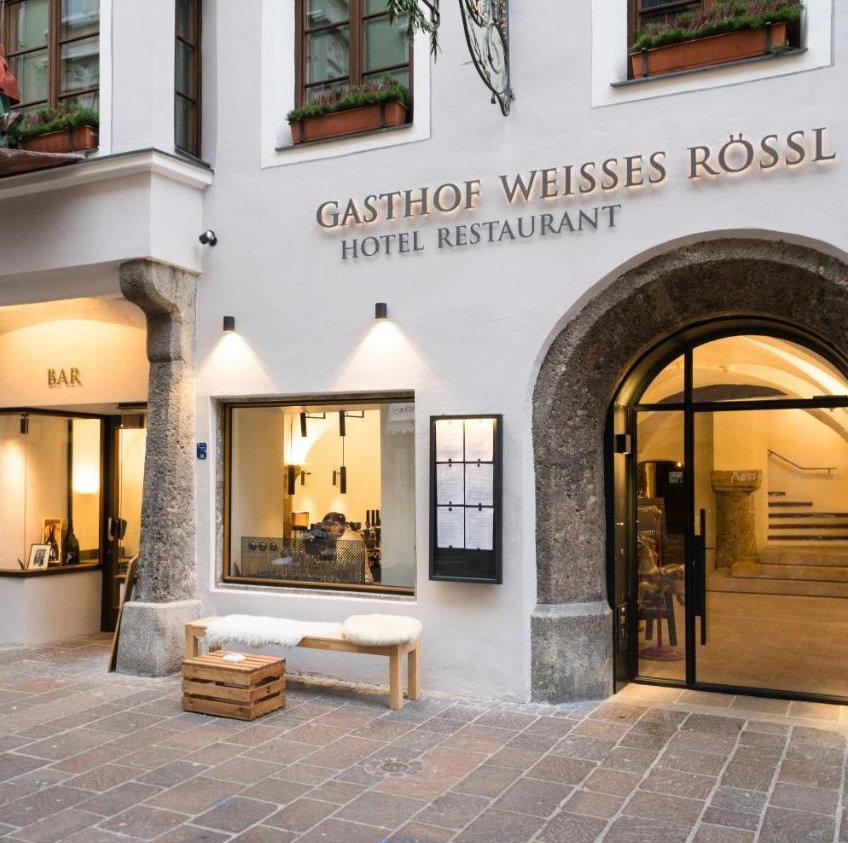
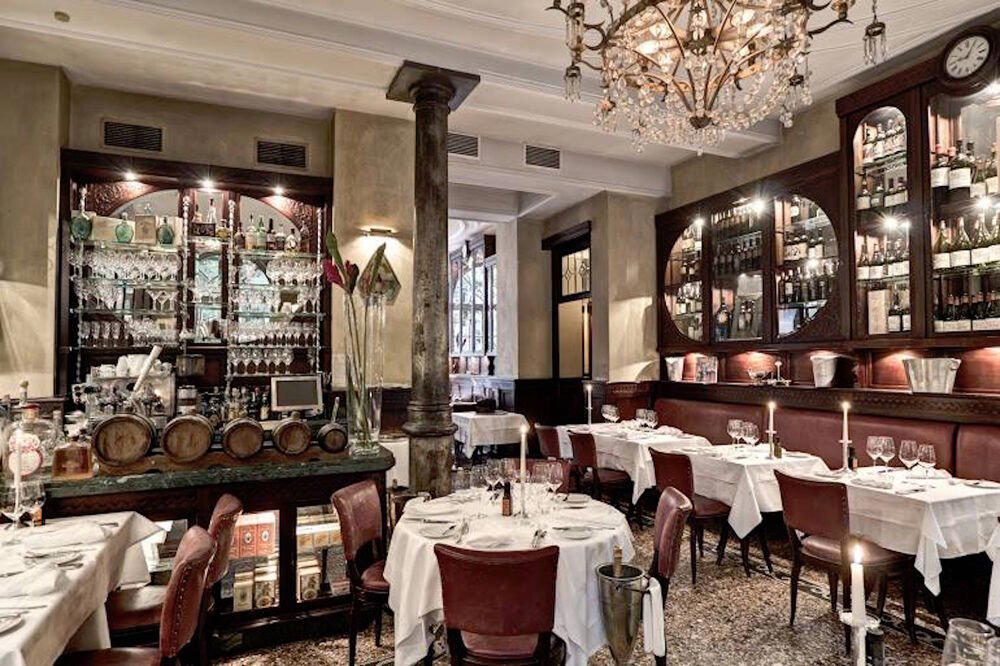
Restaurants in Ratschings
Browse all →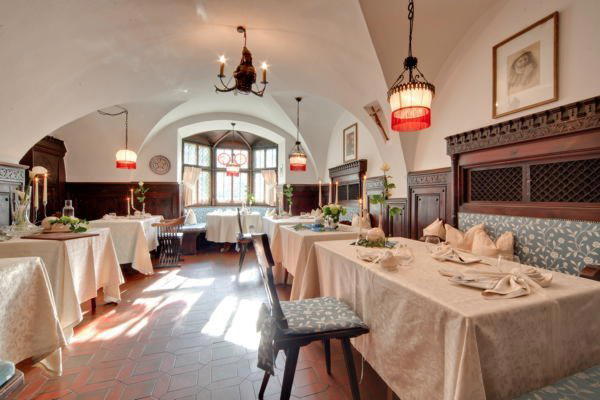
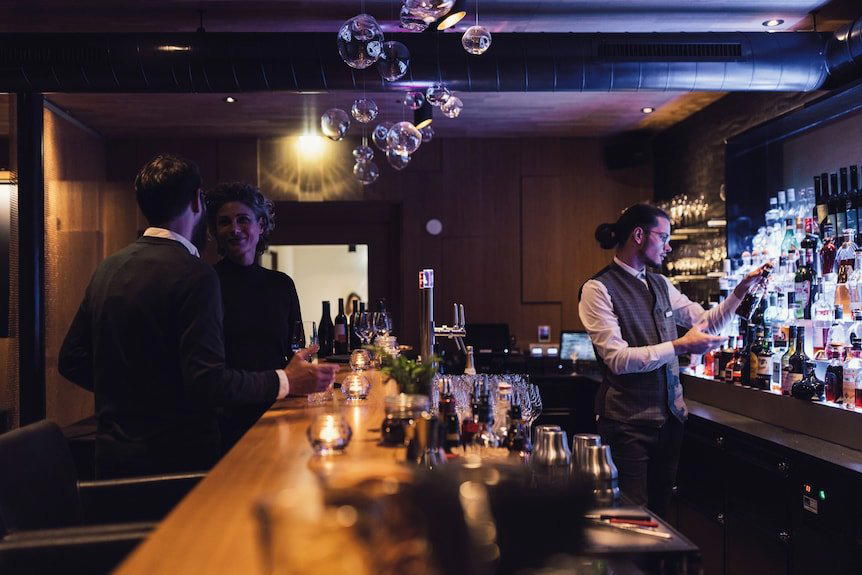
Bars in Ratschings
Browse all →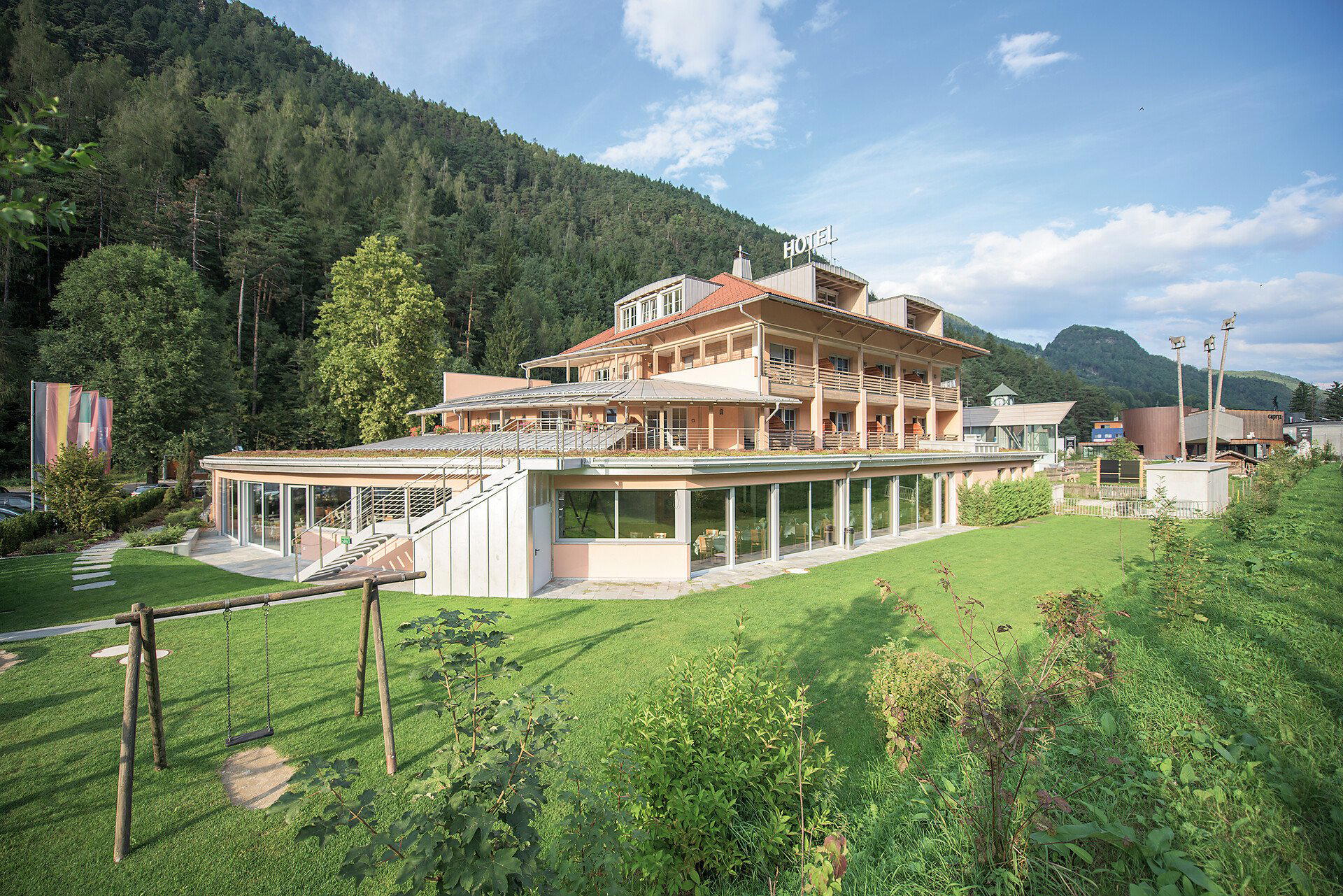

Hotels in Ratschings
Browse all →

At a Glance
- Elegant
- Cozy
- Rustic
- Special Occasion
- Date Night
- Hotel Restaurant
- Extensive Wine List
- Local Sourcing
- Mountain
Current opening hours
- Monday
- Closed
- Tuesday
- 6–10 PM
- Wednesday
- 6–10 PM
- Thursday
- 6–10 PM
- Friday
- 6–10 PM
- Saturday
- 6–10 PM
- Sunday
- Closed
Hours can change for holidays and private events. Last verified .
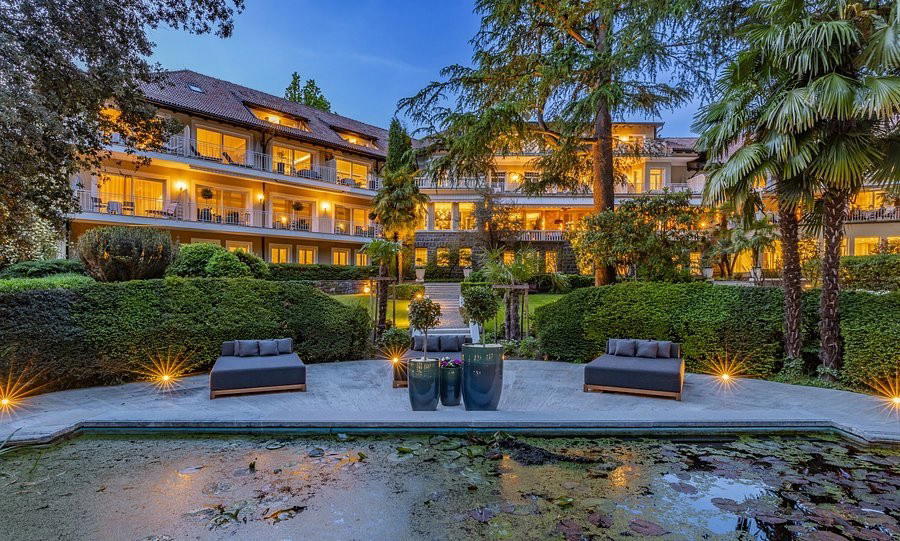
Visually appealing ambiance in a scenic Südtirol valley setting with refinement and craftsmanship.