On Boulevard de Bonne Nouvelle in Paris's 2nd arrondissement, Pratolina occupies a stretch of the city where Italian and French culinary traditions have long overlapped. The address places it within walking distance of the Grands Boulevards dining corridor, where sourcing-led Italian cooking has found a receptive audience among Parisians who have grown skeptical of elaborately sauced French convention.
Pearl is the En Primeur Club membership app — saves, bookings, and concierge access live there. Same editors, same standards.
- Address
- 11 Bd de Bonne Nouvelle, 75002 Paris, France
- Phone
- +33142360130
- Website
- pratolina.paris
- Directions
- Get directions
 Saves & bookings on Pearl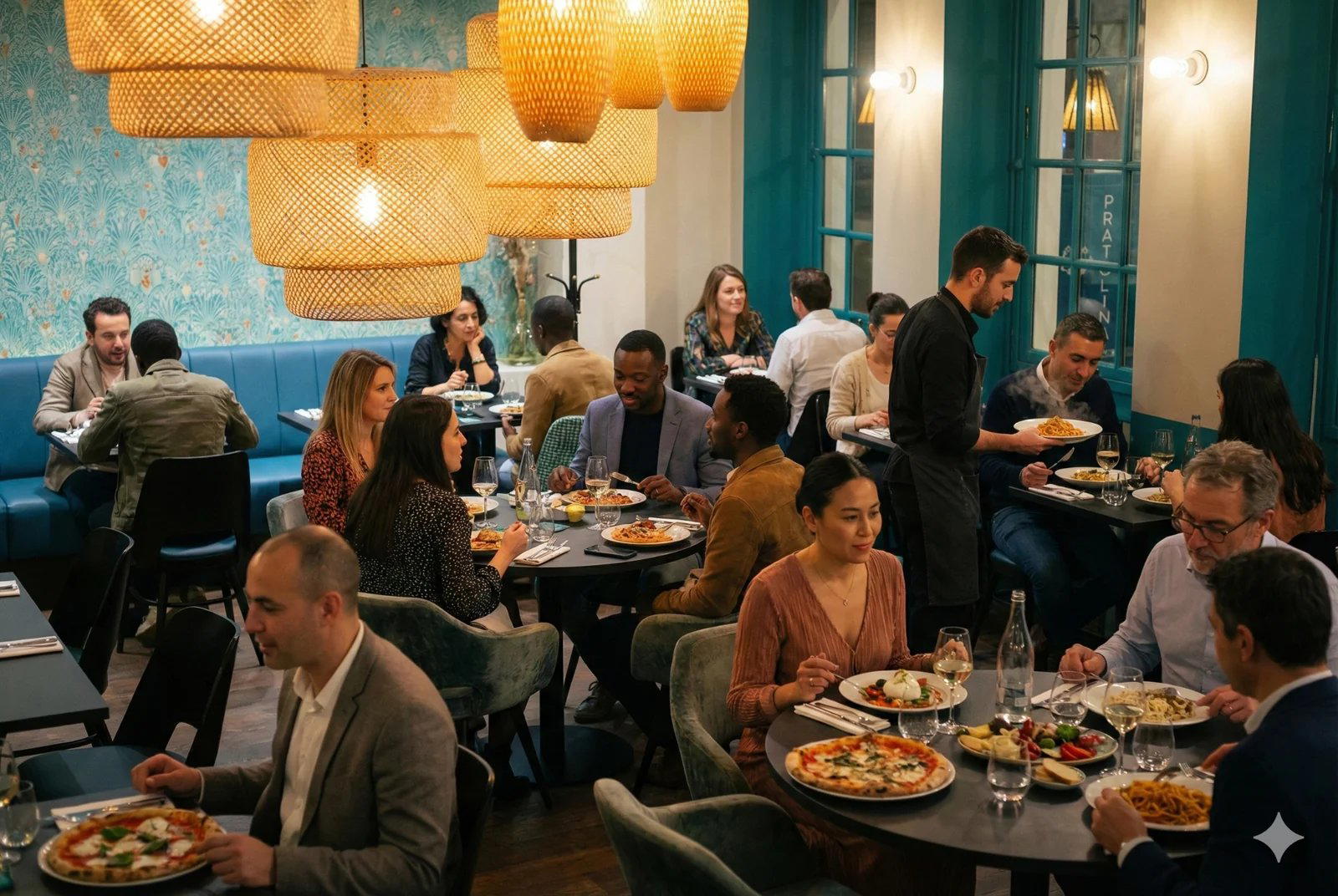
Italian Sourcing Discipline on the Grands Boulevards
The Grands Boulevards corridor in Paris's 2nd arrondissement has never been the city's most obvious address for serious eating. For decades it operated in the shadow of the Marais to the east and the Saint-Germain institutions to the south, functioning more as a transit zone than a dining destination. That positioning has shifted over the past ten years as a cluster of ingredient-driven restaurants has settled along and around Boulevard de Bonne Nouvelle, drawn partly by lower rents and partly by a clientele that skews younger and less attached to the conventions of classic French service. Pratolina sits on this boulevard, and its presence speaks to a broader recalibration of where Parisians are choosing to eat Italian.
Italian cooking in Paris has historically occupied two uncomfortable registers: the tourist-facing trattoria, heavy on pasta and light on provenance, and the aspirational modern Italian, which often drifts so far toward French technique that its origins become decorative. The more interesting development in recent years has been a third register, one that treats sourcing with the same rigour that the leading French producers apply to their supply chains. This is the register Pratolina operates in.
Why Sourcing Defines This Category
Ingredient sourcing is not a marketing position in serious Italian cooking; it is the architecture. The Italian culinary tradition is unusually dependent on protected designations, regional monopolies, and producer relationships that cannot be replicated through technique alone. A San Marzano tomato grown outside the Agro Sarnese-Nocerino zone is legally and organoleptically a different product. Aged Parmigiano-Reggiano from a cooperative in Parma behaves differently in cooking from its mass-produced analogues. When a Paris-based Italian restaurant commits to sourcing at this level, the proof arrives not through menu copy but through the specific character of dishes that cannot be faked with substitutes.
This matters because Paris's Italian restaurant scene has expanded considerably since the mid-2010s, and the quality gap between the leading and the middle has widened. At the upper end of the spectrum, sourcing relationships with Italian producers have become the primary differentiator, more so than kitchen technique or interior investment. Pratolina's position on Boulevard de Bonne Nouvelle places it in a neighbourhood where that kind of kitchen discipline tends to find an audience, a street-level indicator of the restaurant's competitive positioning even when formal awards data is limited.
The 2nd Arrondissement Context
Understanding Pratolina requires understanding what the 2nd arrondissement has become as a dining address. The area around the Grands Boulevards now functions as an informal testing ground for formats that would struggle to sustain themselves in the higher-rent districts. Concepts that depend on producer loyalty, seasonal rotation, and word-of-mouth repeat business rather than tourist volume have taken root here. This is structurally different from the model that drives the heavily awarded restaurants in the 8th arrondissement, where properties like Alléno Paris au Pavillon Ledoyen and Le Cinq at the Four Seasons George V operate at the €€€€ tier.
Restaurants like L'Ambroisie on the Place des Vosges and Arpège in the 7th have built their reputations over decades through a combination of chef identity and sourcing authority, the latter being Arpège's defining credential since Alain Passard's shift toward vegetable-led cooking two decades ago. The sourcing-first approach is not distinctive to Italian cooking in Paris; it is the dominant logic of serious restaurants across all cuisines. But Italian cuisine applies it with particular transparency, because the producer names are often printed on the menu and the regional designations are part of the dish's identity rather than background information.
For readers tracking how French regional culinary rigour compares to Italian sourcing discipline, it is worth cross-referencing destinations like Bras in Laguiole, where terroir has been the guiding principle for thirty years, or Mirazur in Menton, where the Franco-Italian border geography makes producer relationships on both sides of the line a structural feature of the kitchen. Flocons de Sel in Megève operates with a similar mountain-producer logic at altitude. These examples clarify what sourcing authority looks like when it is fully realised at the three-star level, providing a useful frame for assessing where a neighbourhood Italian on the Grands Boulevards sits on the same axis.
Italian Cooking in a French City: The Tensions Worth Knowing
Paris's relationship with Italian food is longer and more complicated than the contemporary scene suggests. Italian influence on classical French technique is documented from at least the Medici court period, though culinary historians debate its precise scope. What is less debated is that the modern Parisian appetite for Italian cooking has grown more sophisticated since the late 2000s, moving from a preference for Italian-American comfort formats toward a genuine engagement with regional Italian traditions. This shift mirrors what happened in London and New York, where chefs trained in specific Italian regional traditions, rather than generic Italian cooking, began to find audiences willing to pay accordingly.
Kei in the 1st arrondissement illustrates how foreign culinary traditions can reach Michelin recognition in Paris when executed with technical rigour and a clear point of view. The comparison matters because it shows that Paris's critical establishment is capable of rewarding non-French cuisine at the highest level, provided the sourcing, technique, and format meet the threshold. The question for any serious Italian restaurant in Paris is whether it can make that case consistently.
Outside France, the Italian sourcing conversation plays out differently. Le Bernardin in New York has long defined what ingredient primacy looks like in a non-European context, and Atomix demonstrates how sourcing narrative can be embedded in a tasting format at the highest level. These international reference points are relevant because Parisian diners are increasingly comparison-literate, aware of what serious sourcing looks like across cities and cuisines.
For a fuller map of where Paris's serious restaurant scene concentrates,
A Credentials Check
Comparable venues nearby, for context on price, style, and recognition.
| Venue | Cuisine | Price | Notes |
|---|---|---|---|
| PratolinaThis venue — the venue you are viewing | Authentic Italian Trattoria | $$ | Not listed |
| Chez Bartolo | Authentic Neapolitan Pizzeria | $$ | 6th Arr. - Luxembourg |
| La Manifattura | Authentic Neapolitan Pizza | $$ | Montparnasse |
| DICE Caffè | Seasonal Italian Bistro | $$ | Le Marais |
| Gioia e Gusto | Authentic Neapolitan Pizza | $$ | Haussmann Saint-Lazare |
| Le Colonel | Neapolitan Pizza & Italian Brasserie | $$ | 15th arrondissement |
Continue exploring
More in Paris
Restaurants in Paris
Browse all →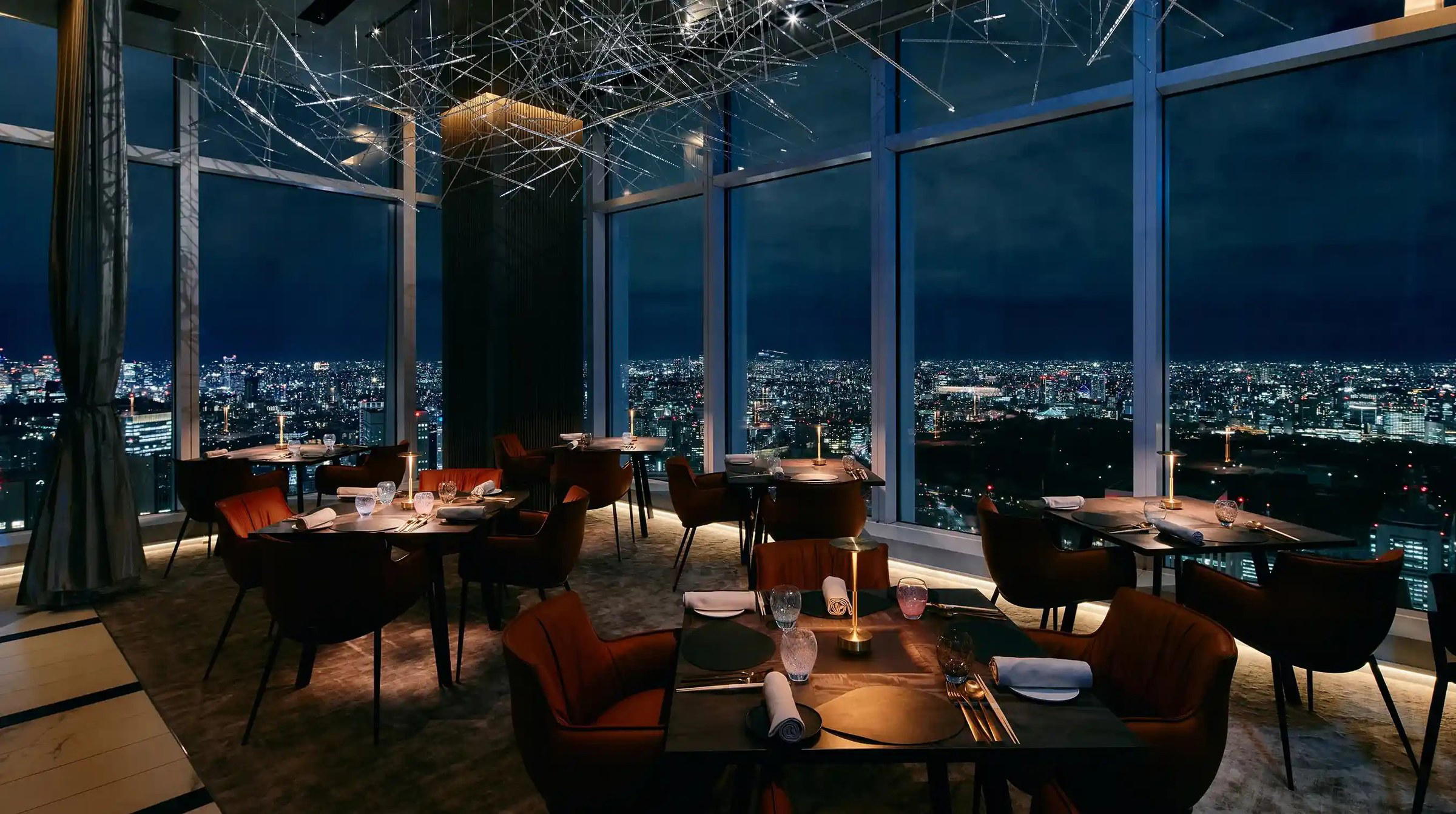
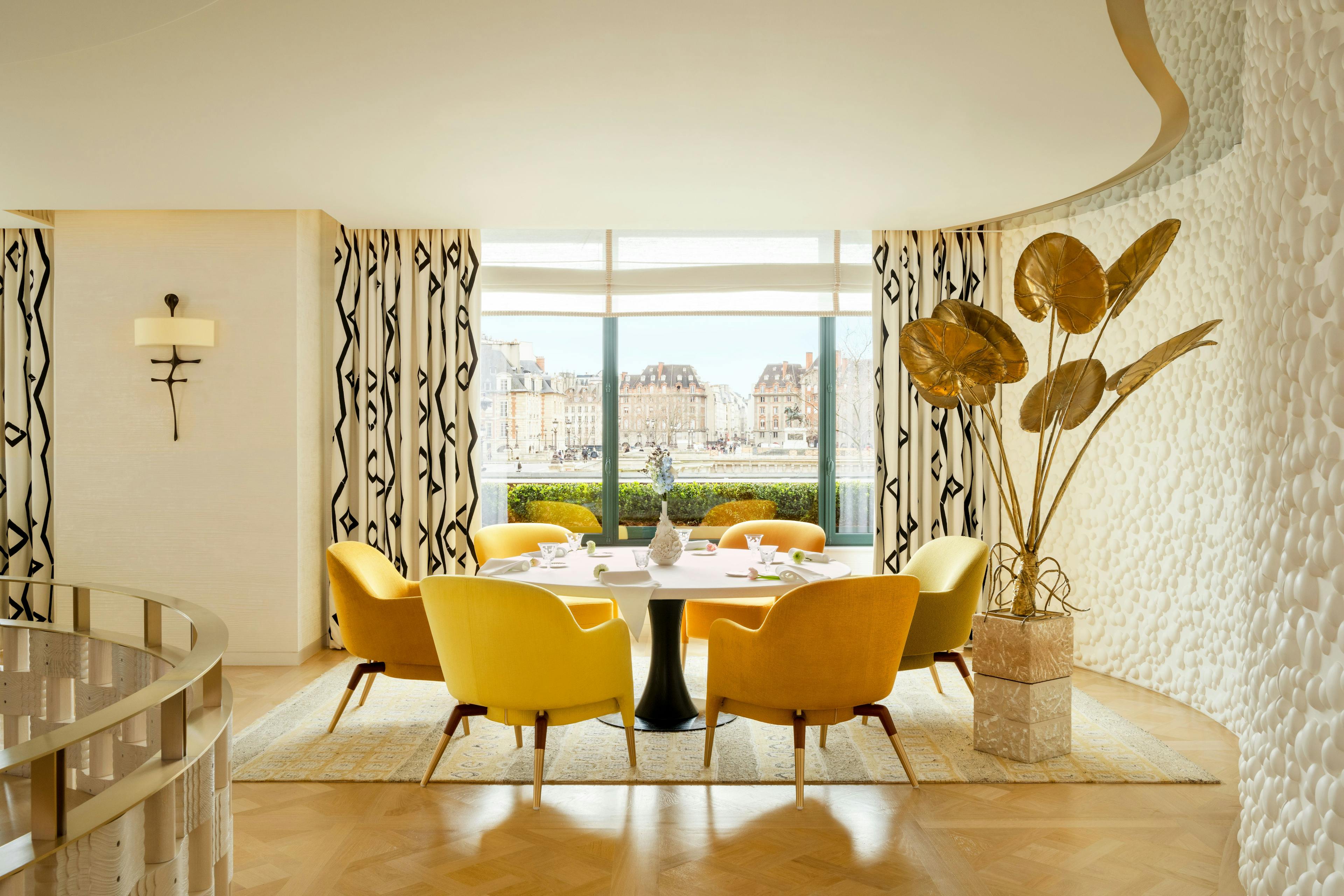
Bars in Paris
Browse all →
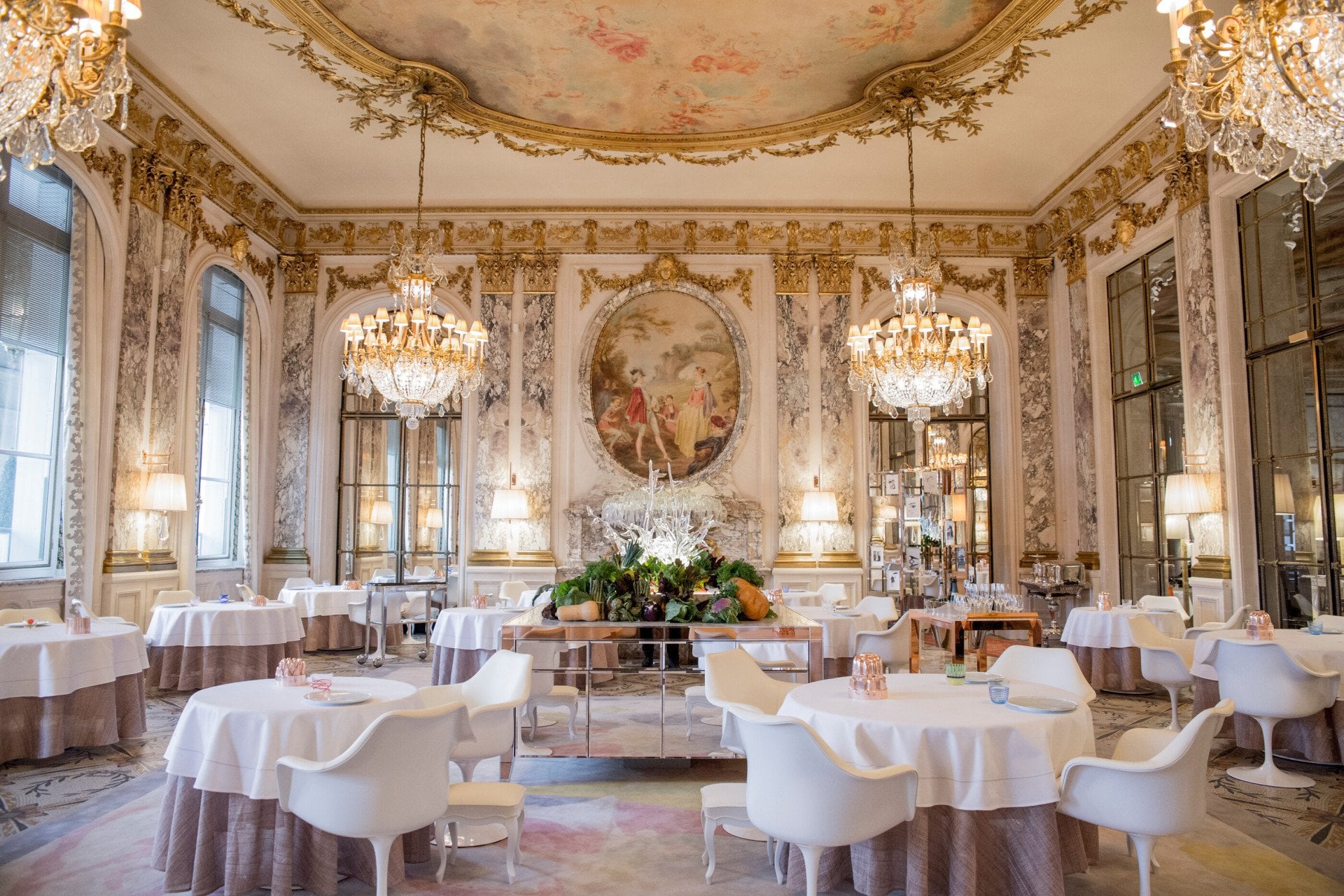
Hotels in Paris
Browse all →

At a Glance
- Cozy
- Elegant
- Date Night
- Casual Hangout
- Open Kitchen
- Terrace
- Extensive Wine List
Current opening hours
- Monday
- Closed
- Tuesday
- 12–2:30 PM, 7–10:30 PM
- Wednesday
- 12–2:30 PM, 7–10:30 PM
- Thursday
- 12–2:30 PM, 7–10:30 PM
- Friday
- 12–2:30 PM, 7–11 PM
- Saturday
- 12–2:30 PM, 7–11 PM
- Sunday
- 12–2:30 PM, 7–10:30 PM
Hours can change for holidays and private events. Last verified .
Warm, familiar atmosphere blending Italian warmth with Parisian elegance, praised for its cozy and welcoming feel.