Tabelog 100 #88
Our verdict
Tokyo’s wagashi culture is often judged less by dining-room theatre than by restraint, queue discipline, and the ability to make a small purchase feel exacting. Ozasa sits in that older Kichijoji register: takeaway only, selected for Tabelog 100 Japanese traditional sweets / Japanese sweets cafe Tokyo 2023, and priced in the sub-JPY 999 band.

Pearl is the En Primeur Club membership app, where members save venues, book tables and use the concierge.
The menu
What to order
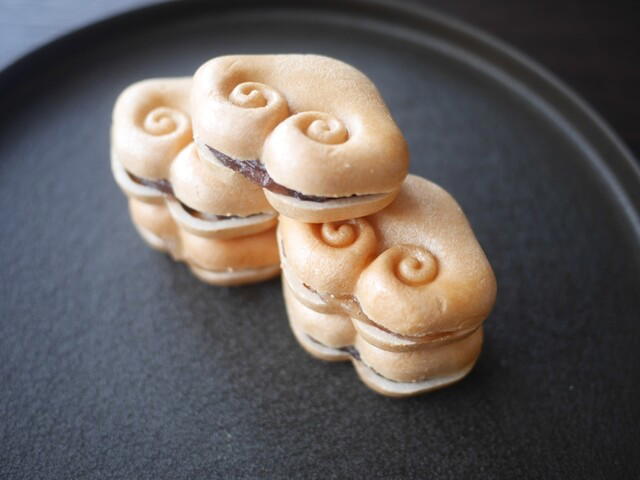
- Yokan (bean jelly)
- Monaka (bean‑paste wafer)
In Tokyo, the first impression is category rather than dining room: Ozasa is listed for Japanese traditional sweets, a format that asks to be read differently from long tasting menus and cocktail bars. The measure is not stemware, linen, or a cellar; it is small-scale focus, where a narrow sweets identity can carry the seriousness that other venues express through service and breadth.
That matters because Japanese traditional sweets sit between everyday purchase and more formal food culture. Tokyo offers abundance across dining styles, but specialist venues stand out by narrowing the field. Ozasa belongs to that category. Its recognition on the Tabelog 100 Japanese traditional sweets Tokyo 2023 list places it in a competitive citywide field where consistency, reputation, and local relevance matter more than room design.
Tokyo wagashi, judged by edit rather than abundance
Tokyo’s food culture mixes commuter convenience with independent habits: coffee rooms, bakeries, sweets specialists, quick counters, and reservation-led dining. Here, Japanese traditional sweets become everyday precision. The purchase may be brief, but the standard is not casual.
Ozasa’s format makes that editorial point clear. Japanese traditional sweets remove many usual luxury signals, leaving product category and reputation to work. The listed spending band is - JPY 999 - JPY 999, so the constraint is not the kind of high-ticket commitment associated with many formal restaurants.
Tokyo’s sweets and cafe scene rewards this specialization. Amane, COFFEE HALL Kugutsusou, and woodberry’s Honten show how the city supports tightly defined formats at once: sweets, coffee, dessert, each with its own tempo. Ozasa sits nearer the edited sweets-specialist end than a broad, lingering dining room.
The analogy is a compact cellar rather than a banquet. A long wine list impresses through breadth; a serious short list must show judgment. Japanese traditional sweets can work similarly. A narrower identity forces attention onto house style, category clarity, and disciplined repeat production. In Tokyo, where choice can overwhelm, a specialist with a clear purpose can feel more exacting than a larger venue with categories to hide behind.
Recognition without restaurant theatre
The Tabelog 100 selection is the relevant trust signal because it matches the category. This is not a Michelin-style fine-dining frame. Japanese traditional sweets are better understood through category fit, consistency, and reputations built among people who value the format rather than diners planning only one major dinner.
That distinction changes how to read price. A low listed spend in Tokyo can mean simplicity, but in Japanese traditional sweets it can also mean focused craft. The small ticket does not flatten hierarchy; it makes hierarchy more demanding, because the shop must justify attention without a long service arc. For travelers equating status with menu price, this category is a useful corrective.
The contrast with reservation-led dining is instructive. Sushi to Shuko Tomikawa represents a different universe of commitment, pacing, and staff attention. Ozasa moves the other way: low-price, high-specificity, with the decision compressed into a focused stop. Both depend on trust, but one builds it through seat and sequence, the other through repetition and a narrow promise.
Tokyo’s appeal is that these modes coexist. A day can move from sweets to coffee to casual food with little ceremony, making the city useful for travelers seeking texture, not only trophy reservations. For a wider city map, Our full Tokyo restaurants guide gives the broader dining frame, while Our full Tokyo hotels guide, Our full Tokyo bars guide, Our full Tokyo wineries guide, and Our full Tokyo experiences guide place the city’s eating, drinking, sleeping, and cultural choices in separate lanes.
How to read the counter before planning the rest of the day
Approach a specialist Japanese traditional sweets venue as a deliberate errand, not a fallback dessert stop. The reward is tied to a specific category rather than general browsing. The venue therefore makes sense as part of a focused Tokyo plan, before cafe or lunch decisions absorb time.
Service also anchors the experience in a different rhythm from restaurant theatre. The absence of a long dining arc is not a weakness; it is part of the category’s appeal. Tokyo’s Japanese traditional sweets culture can be understood as a precise, category-led experience rather than a venue that needs to perform like a full restaurant.
For broader Tokyo itineraries, contrast helps. The city’s compact sweets logic pairs with other tightly defined formats, from quick counters and specialty cafes to casual dining rooms and focused bars. Beyond Tokyo, the same search for focus can extend to other cities, but the useful lesson here is local: a venue does not need breadth to be memorable when its category is clear.
Ozasa compels because it refuses the inflated grammar around Tokyo food. The setting is modest, the format brief, the listed price low, and the reputation category-specific. That is why it belongs in a serious Tokyo itinerary: it shows how much culinary authority a small specialist can carry when the city understands the code.
Frequently asked questions
Is Ozasa expensive?
Pricing at Ozasa is listed as - JPY 999 - JPY 999 View spending breakdown.
What's Ozasa's location?
Tokyo.
Can I walk in to Ozasa?
Plan for Ozasa as a specialist sweets stop rather than a long sit-down meal. Its listed category is Japanese traditional sweets, and the low listed spend makes it better read as a focused purchase within a Tokyo itinerary.
What has Ozasa built its reputation on?
Ozasa was selected for Tabelog 100 in 2023 in the Tokyo category for Japanese traditional sweets. That recognition is the clearest provided signal of its standing.
Is Ozasa good for vegetarians?
Ozasa is listed in the Japanese traditional sweets category. Ingredient checks still matter, so the safest approach is to confirm what is available directly with the shop.
A Tight Comparison
Comparable venues for orientation by cuisine and category.
| Venue | Cuisine | Price | Awards | Notes |
|---|---|---|---|---|
| OzasaThis venue (the venue you are viewing) | Traditional Japanese Wagashi (Yokan & Monaka) | $1–10 | Tabelog 100 #88 | Not listed |
| Amane | Traditional Japanese Taiyaki & Obanyaki Stand | $1–10 | Tabelog 100 #13 | JPY 999 - JPY 999 |
| COFFEE HALL Kugutsusou | Not listed | $10–20 | Tabelog 100 | JPY 1,000 - JPY 1,999 JPY 1,000 - JPY 1,999 |
| woodberry's Honten | Seasonal frozen yogurt & gelato | Not listed | Tabelog 100 #33 | JPY 999 - JPY 999 View spending breakdown |
| Sushi to Shuko Tomikawa | Modern Sushi & Sake Omakase | $100–150 | Tabelog 100 #65 | JPY 10,000 - JPY 14,999 |
| Linde Kichijouji honten | Traditional German bakery & café | $1–10 | Tabelog 100 #23 | JPY 999 - JPY 999 |
Recognition history
Dated appearances from independent guides and award organizations, with the underlying list record or original source where available.
Tabelog 100 #88 · No. 88
Tabelog · Tabelog 100 - Japanese traditional sweets / Japanese sweets cafe - TOKYO - 2023