Ovest Pizzoteca
Ovest Pizzoteca serves Neapolitan Pizza & Italian Cuisine with an open kitchen, terrace, and extensive wine list for lunch, dinner, or late night.
Pearl is the En Primeur Club membership app — saves, bookings, and concierge access live there. Same editors, same standards.
- Address
- 513 W 27th St, New York, NY 10001
- Phone
- +12129674392
- Website
- ovestnyc.com
- Directions
- Get directions
 Saves & bookings on Pearl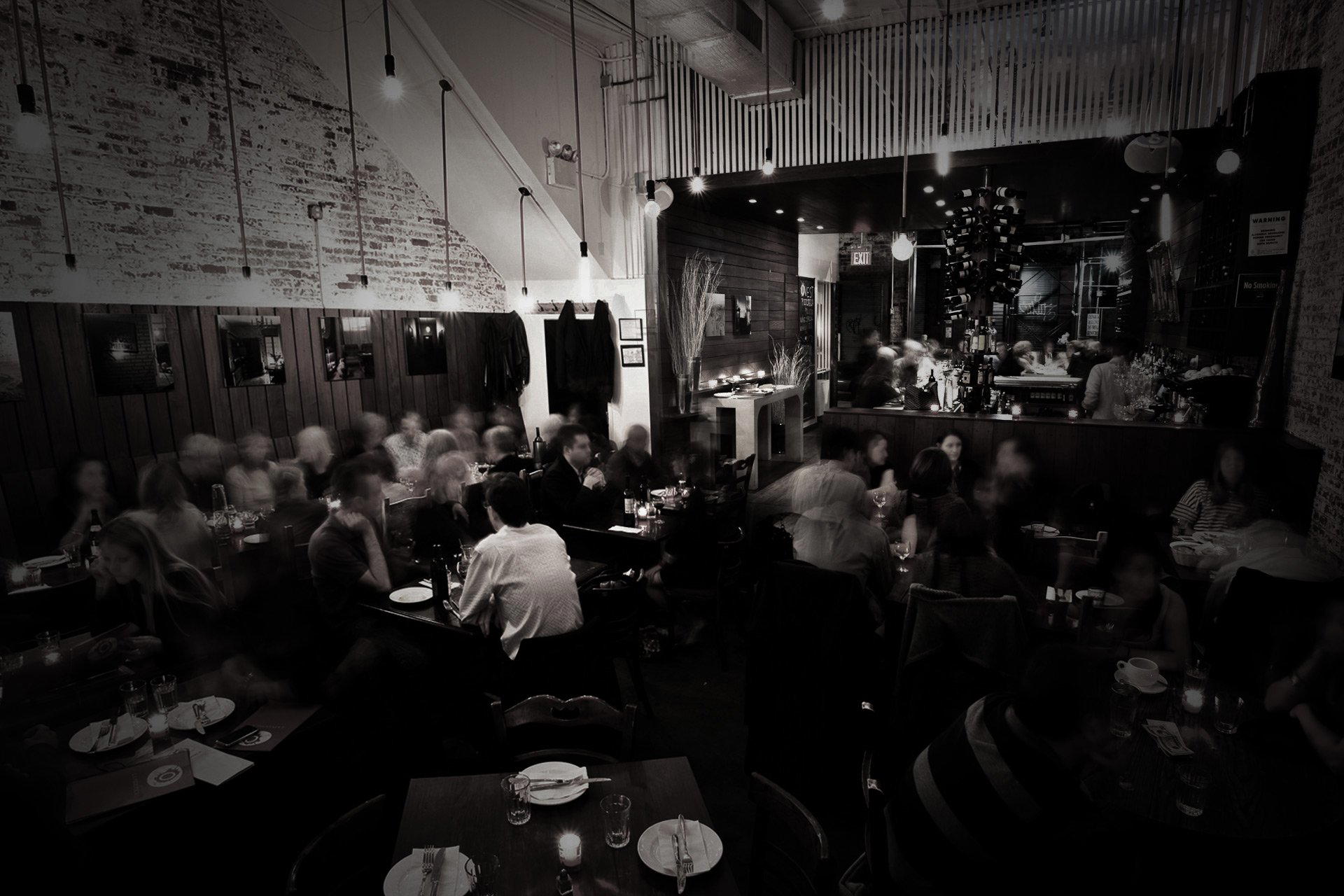
Pizza in Chelsea: Where the Neighbourhood's Industrial Past Meets an Italian Table
West Chelsea's gallery district, anchored along the High Line corridor between 20th and 30th Streets, developed its restaurant identity later than most Manhattan neighbourhoods. When the area began drawing serious foot traffic in the 2000s, art openings, design events, the gradual conversion of former freight infrastructure into cultural space, the dining scene that followed had to serve a crowd comfortable with quality but uninterested in white-tablecloth ceremony. Ovest Pizzoteca, at 513 West 27th Street, is a pizza-focused restaurant in New York City. It arrived inside that context: a pizza-focused address in a stretch of the city where the competition for attention runs toward galleries, not other trattorie.
The word "pizzoteca" positions the place deliberately. It borrows the suffix from "enoteca", a wine-focused establishment, signalling that the pizza here is meant to be taken as seriously as a cellar selection at a proper Italian bar. That framing matters in New York, where pizza occupies an unusually contested cultural space. The city supports everything from dollar slices to neo-Neapolitan counters running wood-fired ovens at several hundred degrees Celsius, and the distance between those poles in terms of price, formality, and intention has only widened over the past decade.
The Arc of an Ovest Meal: How the Format Builds
The structure of eating at a pizzoteca differs from a tasting-menu experience at, say, Per Se or Atomix, where the kitchen controls the sequence entirely. Here, the progression is self-assembled, and that requires a different kind of attention from the diner. The sensible order at a place built around pizza moves through smaller cold and warm plates first, antipasti formats that function as palate calibration rather than filler, before arriving at the main event.
In Italian dining tradition, this sequencing is not arbitrary. Antipasti serve a structural role: they set acidity, temperature, and texture expectations before richer, carbohydrate-forward dishes arrive. At a pizzoteca, that logic applies with particular force because the pizza itself, depending on the style, carries significant richness in the crust and toppings. Lighter openers, cured meats, vegetables prepared simply, a salad with enough acid to cut through what follows, allow the pizza to read as a peak rather than an undifferentiated mass of food.
The pizza course itself, in a format like this, functions differently from a single slice consumed standing. A full pie at the table, shared or solo, demands attention to crust behaviour as it cools, topping distribution across the full surface, and the relationship between edge and centre. These are the details that separate a considered pizza program from a perfunctory one, and they are the details that regulars at any serious pizza address learn to notice over repeat visits.
After pizza, the Italian table traditionally offers a moment of compression: something sweet and small, a digestivo, or simply an espresso that closes the meal with bitterness rather than more richness. That sequence, build, peak, compress, is the architecture of the meal, and it is worth following rather than improvising around.
Chelsea in the Context of New York's Wider Pizza Conversation
New York's pizza conversation has grown considerably more sophisticated since the early 2000s. The Neapolitan revival brought certified wood-fired ovens and Caputo flour into serious discussion. A subsequent wave of operators pushed toward Roman and Sicilian formats, longer fermentation, different hydration levels, pan-baked alternatives to the round Neapolitan, and the critical vocabulary around crust texture, cornicione char, and sauce-to-cheese ratios moved from specialist forums into mainstream food media.
Chelsea sits at a remove from the traditional pizza neighbourhoods. The Lower East Side, the Village, and the outer-borough strongholds in Brooklyn and Queens carry more historical weight in the city's pizza identity. That geographic position gives a place like Ovest a degree of freedom from comparison to legacy addresses, while also requiring it to justify its own terms, to be a destination rather than a neighbourhood default.
The broader New York dining tier in Chelsea skews toward the kind of experience found at Le Bernardin or Jungsik New York at the upper end, and a long middle range of casual-to-mid-priced options in between. A pizzoteca operating in this market occupies the casual-quality tier: accessible in price relative to the area's fine-dining rooms, but distinguished from chain or convenience pizza by format and intention. Across American cities, that tier has proven durable, see comparable models at Emeril's in New Orleans or the farm-to-table casual formats around Lazy Bear in San Francisco, wherever there is a dining public willing to pay a moderate premium for a defined point of view.
Placing Ovest Against the American Fine-Pizza Tier
The serious end of American pizza, not necessarily in price but in craft ambition, has attracted the same critical infrastructure that covers tasting-menu restaurants. Publications that review Alinea in Chicago or The French Laundry in Napa now cover pizza with genuine technical scrutiny. That shift has changed what it means to run a named pizza address in a major American city: the bar for what counts as a considered program has risen, and the vocabulary customers use when assessing quality has sharpened.
Internationally, the Italian pizzoteca concept has a longer lineage, and operations like 8 1/2 Otto e Mezzo Bombana in Hong Kong illustrate how Italian dining formats translate across different market contexts. The pizzoteca in New York operates in a specifically American frame, the expectations around portion size, service pace, and price perception differ from Milan or Naples, but the underlying logic of an Italian wine-and-pizza table translates with reasonable fidelity.
For EP Club readers accustomed to planning around reservations at Blue Hill at Stone Barns, Single Thread Farm in Healdsburg, or Providence in Los Angeles, Ovest occupies a different register entirely, lower formality, lower price, faster pace, but the underlying question of whether a restaurant is doing something coherent and intentional applies regardless of category.
Cuisine and Credentials
Comparable venues nearby, for context on price, style, and recognition.
| Venue | Cuisine | Price | Notes |
|---|---|---|---|
| Ovest PizzotecaThis venue — the venue you are viewing | Neapolitan Pizza & Italian Cuisine | $$ | Not listed |
| Bocca di Bacco | Modern Italian Pasta | $$ | Hell's Kitchen |
| 'inoteca | Italian Wine Bar & Trattoria | $$ | Lower East Side |
| Bacaro | Venetian Cicchetti Tavern | $$ | Chinatown-Two Bridges |
| Saluggi's East | New York-Style Italian Pizza | $$ | Lower East Side |
| Adrienne's Pizzabar | Authentic New York Square Pizza | $$ | Financial District-Battery Park City |
Continue exploring
More in New York City
Restaurants in New York City
Browse all →
Bars in New York City
Browse all →
Hotels in New York City
Browse all →





At a Glance
- Rustic
- Cozy
- Industrial
- Lively
- Casual Hangout
- After Work
- Group Dining
- Date Night
- Open Kitchen
- Standalone
- Terrace
- Extensive Wine List
- Craft Cocktails
- Beer Program
- Local Sourcing
Current opening hours
- Monday
- 12–10 PM
- Tuesday
- 12–10 PM
- Wednesday
- 12–10 PM
- Thursday
- 12–11 PM
- Friday
- 12–11 PM
- Saturday
- 12–11 PM
- Sunday
- 12–10 PM
Hours can change for holidays and private events. Last verified .
Industrial-chic with exposed brick walls, high ceilings, and the warm glow of a wood-fired oven; inviting and rustic with a lively after-work atmosphere.