On Gran Vía, Madrid's most trafficked commercial corridor, Oven Mozzarella positions itself within a growing tier of casual Italian-leaning restaurants that prioritise ingredient provenance over theatrical production. The address alone places it in conversation with the city's high-footfall dining scene, where sourcing transparency and waste-conscious kitchens are beginning to separate serious operators from those simply riding location advantage.
Pearl is the En Primeur Club membership app — saves, bookings, and concierge access live there. Same editors, same standards.
- Address
- Gran Vía, 6, Centro, 28013 Madrid, Spain
- Phone
- +34911088041
- Website
- oven.es
- Directions
- Get directions
 Saves & bookings on Pearl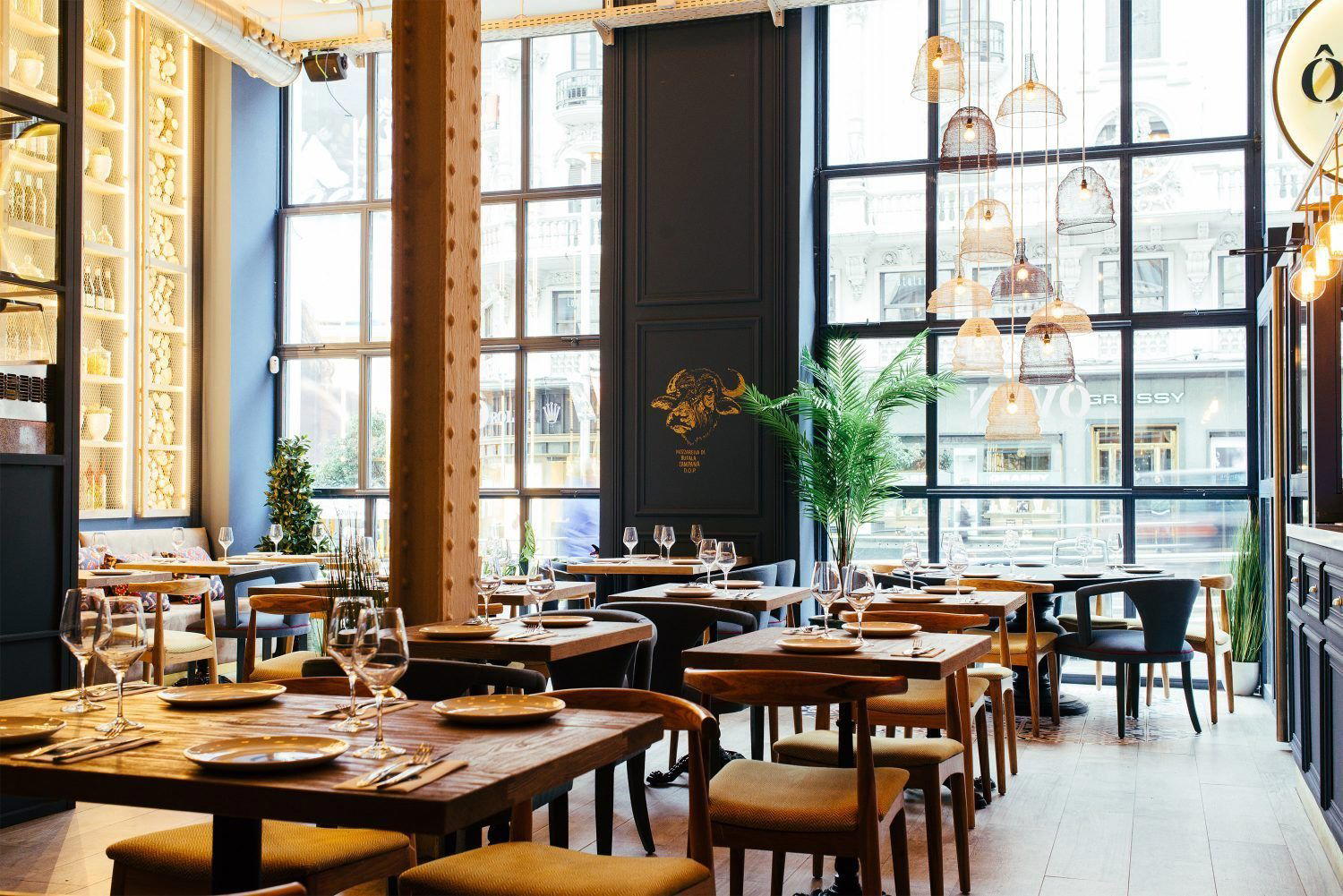
Gran Vía and the Question of What Casual Dining Owes Its Ingredients
Madrid's Gran Vía is not, by reputation, a street associated with considered dining. It is among the more-visited commercial corridors in southern Europe, designed for volume and movement, where restaurants have historically operated on margin logic rather than sourcing philosophy. That context makes the emergence of ingredient-led casual formats along the boulevard genuinely worth examining. Oven Mozzarella Gran Vía, at number 6, sits at the Alcalá end of the artery, where foot traffic from the Retiro side of the city meets the Centro's commercial core.
The broader dining shift happening along and around Gran Vía mirrors what has occurred in other high-density European city centres: a gradual replacement of indifferent tourist-facing operators by venues that understand ingredients as a point of differentiation. In Madrid specifically, that pressure has come partly from above, as the capital's constellation of creative restaurants, DiverXO, Coque, Deessa, and DSTAgE, has raised the baseline expectation for what Spanish diners consider acceptable provenance and kitchen discipline.
The Sustainability Case for Mozzarella-Centred Menus
A restaurant built around mozzarella is, structurally, a statement about dairy sourcing. Mozzarella is a product where the gap between industrial and artisanal production is more legible to a non-specialist diner than almost any other ingredient: the texture, moisture content, and acidity change substantially depending on milk origin, rennet type, and whether the cheese has been made fresh that day or transported from a distribution centre. For operators serious about environmental and ethical sourcing, this creates both a challenge and an opportunity. Fresh mozzarella, particularly buffalo mozzarella from Campania, which carries DOP certification, involves supply chains that reward small-scale producers and penalise industrial consolidation.
The sustainability argument for this format runs deeper than the cheese itself. Wood-fired and oven-centred kitchens, when managed well, tend toward simpler preparations that generate less food waste than tasting-menu formats, where mise en place complexity and course attrition can be substantial. A menu anchored to dough, fresh dairy, and seasonal vegetable or cured-meat accompaniments allows a kitchen to operate with tighter inventory cycles and shorter cold chains. In the Spanish context, that matters: the country has some of Europe's most sophisticated regional food-producer networks, and a well-run oven restaurant drawing on domestic olive oils, cured meats, and seasonal produce is already participating in a shorter, lower-emission supply chain than a venue importing components for multi-course tasting menus.
This is not distinctive to Oven Mozzarella. Across European cities, one credible version of sustainability in casual dining has been the retreat from complexity toward sourcing specificity: fewer ingredients, better-documented origins, and kitchens that can communicate provenance clearly to guests. Spain has been particularly active in this shift, with operators from Aponiente in El Puerto de Santa María to Azurmendi in Larrabetzu demonstrating that environmental consciousness is not exclusively a fine-dining concern.
Where Oven Mozzarella Sits in Madrid's Dining Tiers
Madrid's premium dining tier is well-documented. Paco Roncero operates at the creative-technical end of the capital's restaurant spectrum; the restaurants cited above occupy the upper brackets of Spanish fine dining internationally. Oven Mozzarella does not compete in that tier. Its competitive set is the midmarket casual-Italian category, where the relevant comparisons are format discipline, ingredient legibility, and whether the kitchen's sourcing commitments hold up under scrutiny rather than whether the tasting menu justifies its price.
In that midmarket bracket, Gran Vía addresses carry a specific set of constraints. Rent pressure on the boulevard is among the highest in central Madrid, which typically forces operators toward high covers, simplified menus, and reduced sourcing investment. Venues that maintain ingredient standards in that environment do so through menu engineering rather than despite their address. A focused oven format, where the menu is deliberately narrow and the margin is built on high-volume output of a small number of items, is one of the more defensible ways to hold ingredient quality on a high-rent street.
Across Spain's broader restaurant scene, the venues that have attracted sustained critical attention share a structural trait with this format: they resist menu sprawl. El Celler de Can Roca in Girona, Mugaritz in Errenteria, and Ricard Camarena in València all operate with strong editorial control over their menus. The principle scales downward: casual formats that edit rigorously tend to source better and waste less than those that attempt to serve everything to everyone.
Planning Your Visit
Gran Vía 6 is accessible from multiple metro lines. The address is within walking distance of the city's main hotel corridor and close to the Paseo del Arte museum cluster, which makes it a practical option for visitors based in the Centro or Retiro districts. For comparable Italian-leaning casual formats in Madrid, Gran Vía and the adjacent Malasaña and Chueca neighbourhoods offer the densest concentration of options.
covers the city's full range, from the creative laboratories of DSTAgE and Deessa to neighbourhood operators worth building an itinerary around. If your travel extends beyond the capital, Martin Berasategui in Lasarte-Oria, Arzak in San Sebastián, Quique Dacosta in Dénia, Cocina Hermanos Torres in Barcelona, and Atrio in Cáceres represent the range of what Spain's serious restaurant culture looks like outside Madrid. For international reference points in the ingredient-led casual-to-fine continuum, Le Bernardin in New York City and Atomix in New York City illustrate what discipline over menu complexity produces at the highest levels.
| Venue | Format | Price Tier | Booking Lead Time |
|---|---|---|---|
| Oven Mozzarella Gran Vía | Casual oven / Italian-leaning | €€ | Recommended |
| DiverXO | Progressive Asian-Creative | €€€€ | Weeks to months in advance |
| Coque | Spanish Creative | €€€€ | Weeks in advance |
| Deessa | Modern Spanish Creative | €€€€ | Weeks in advance |
| Paco Roncero | Creative | €€€€ | Weeks in advance |
The Short List
Comparable venues nearby, for context on price, style, and recognition.
| Venue | Cuisine | Price |
|---|---|---|
| Oven Mozzarella Gran VíaThis venue — the venue you are viewing | Not listed | $$ |
| Nonetta | Almagro, Modern Italian Trattoria | $$ |
| LUPO | Corralejos, Authentic Italian Pizzeria | $$ |
| Bresca | Lavapies, Bolognese Italian | $$ |
| Pizza Pronto Fábrica | Pueblo Nuevo, Artisan Wood-Fired Pizza | $$ |
| Pizzart Fuencarral | Chueca, Neapolitan Wood-Fired Pizza | $$ |
Continue exploring
More in Madrid
Restaurants in Madrid
Browse all →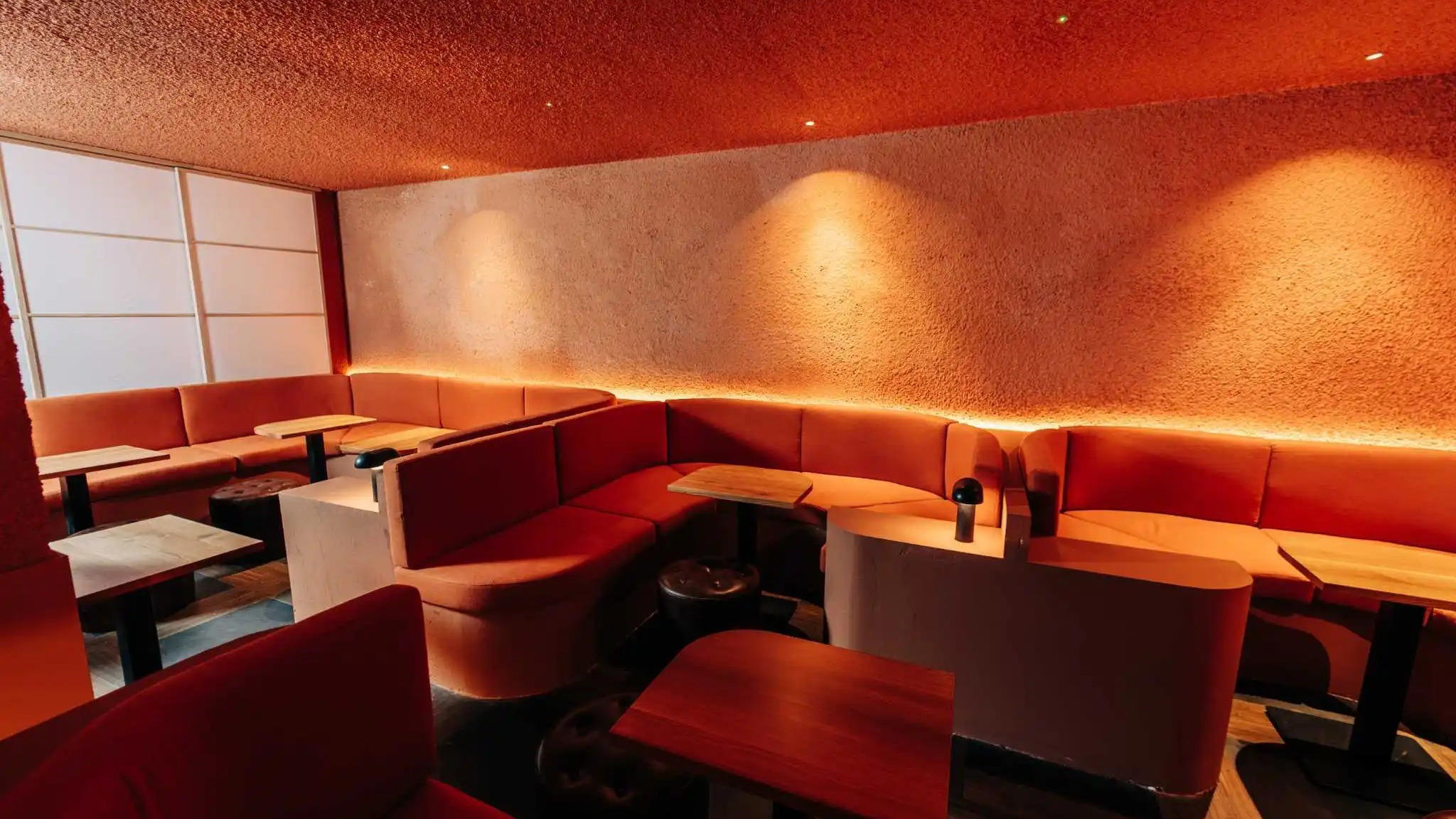
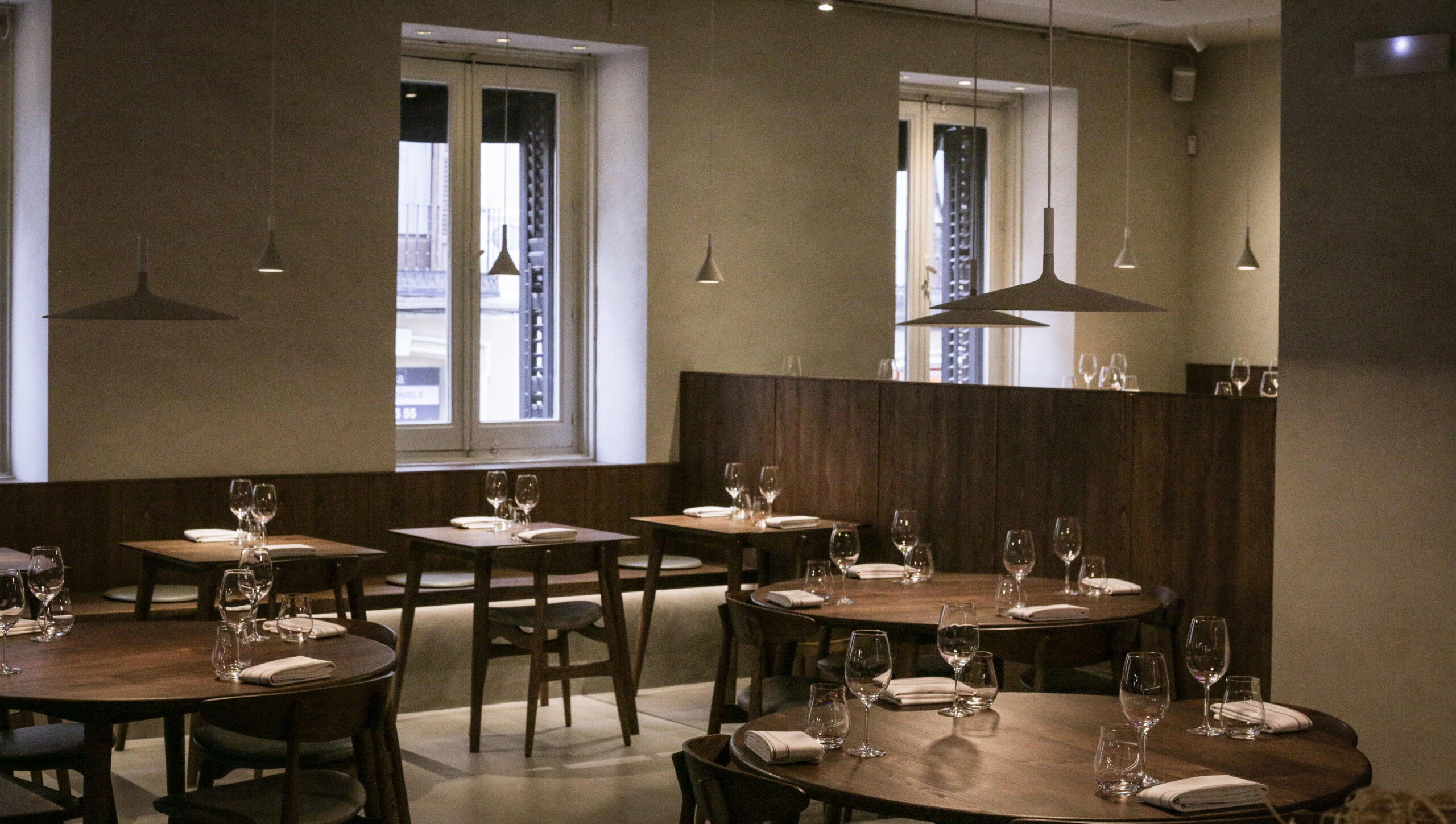
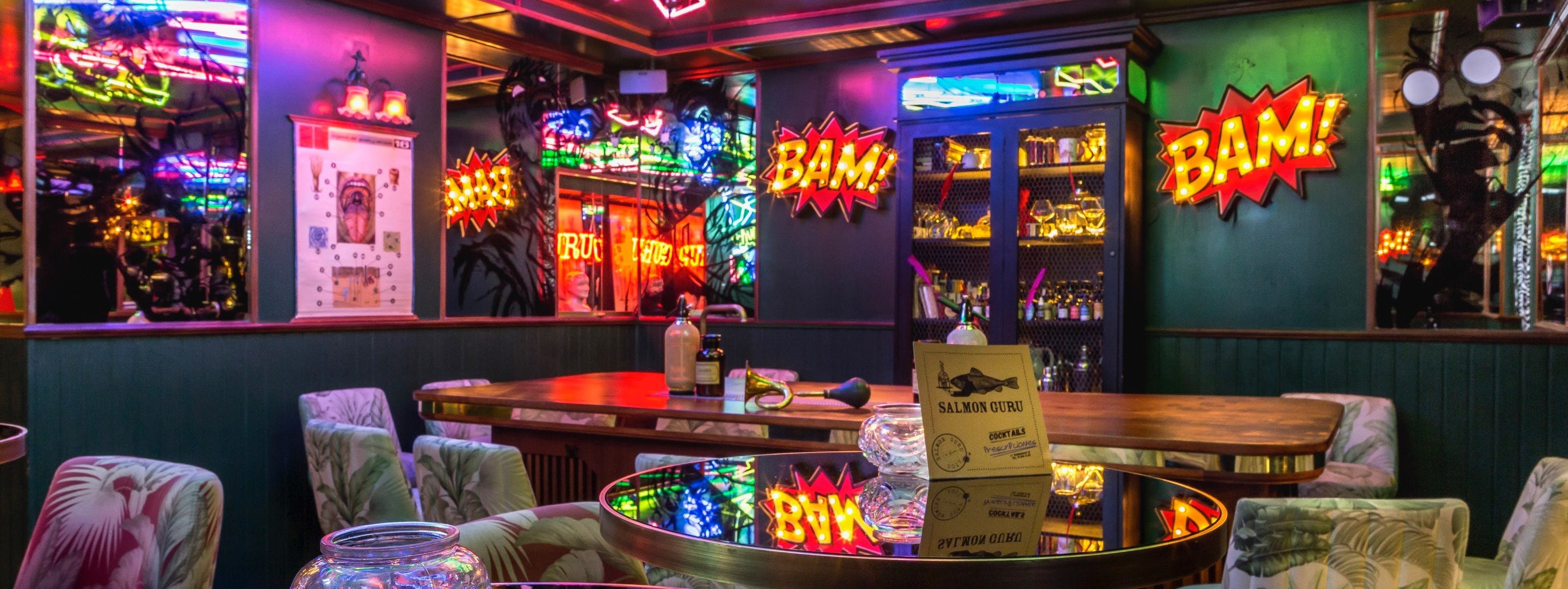
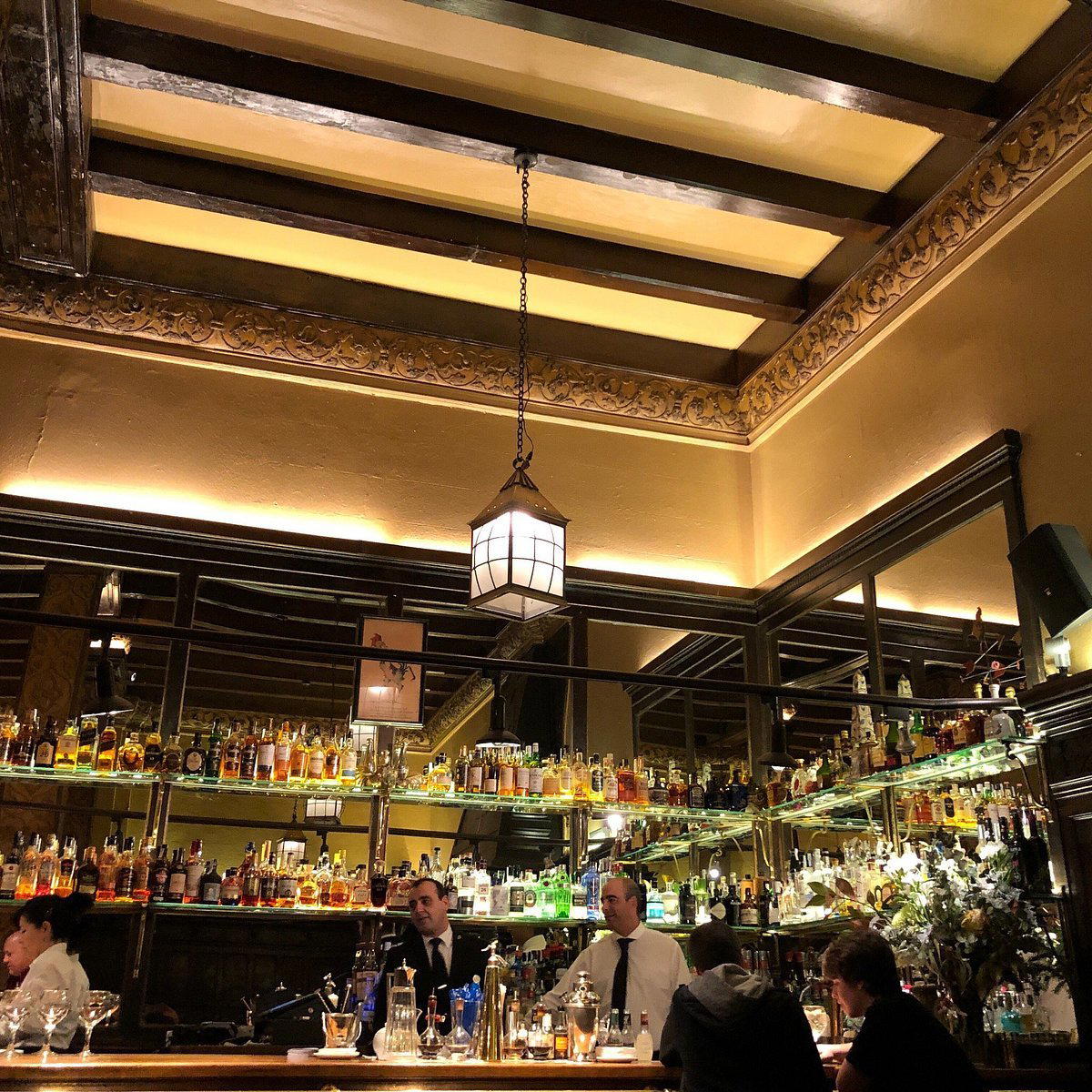
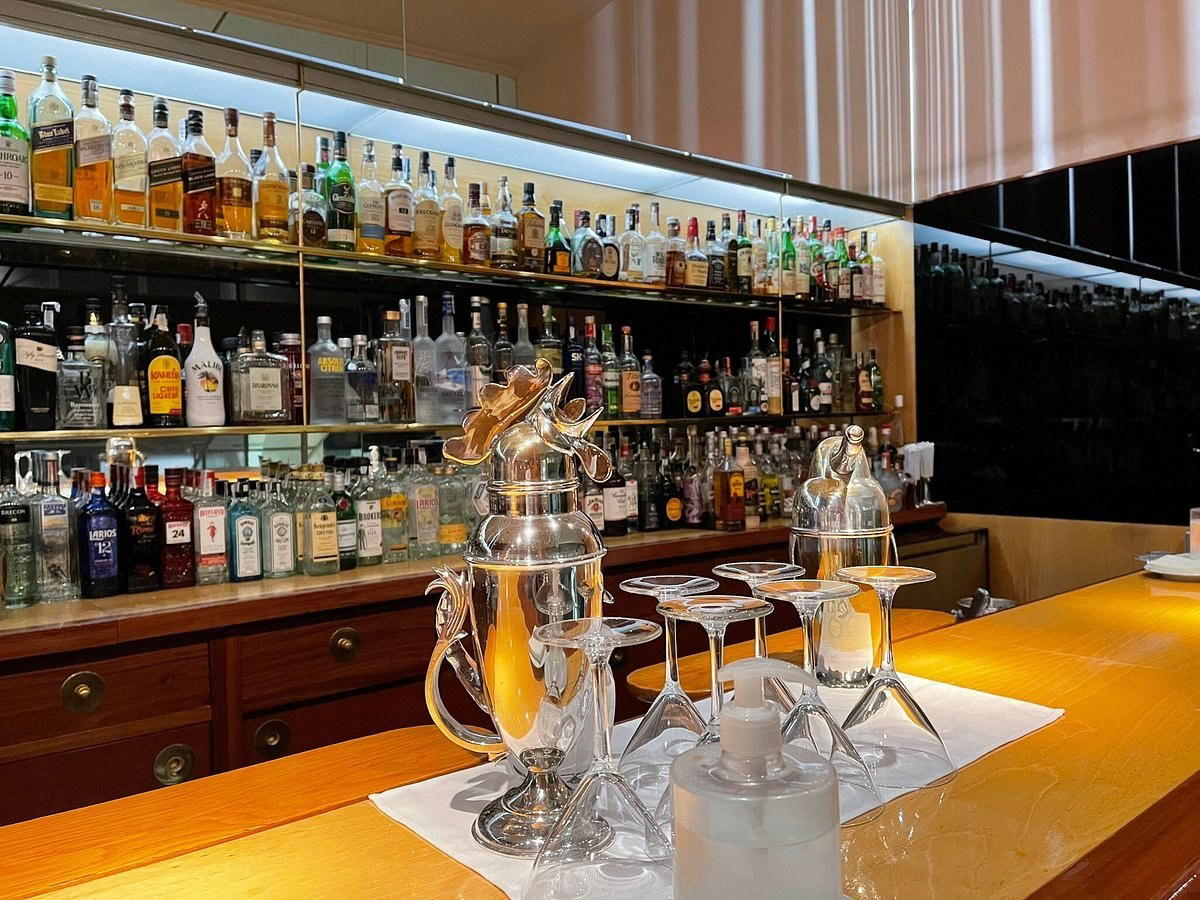

At a Glance
- Modern
- Cozy
- Casual Hangout
- Late Night
- Open Kitchen
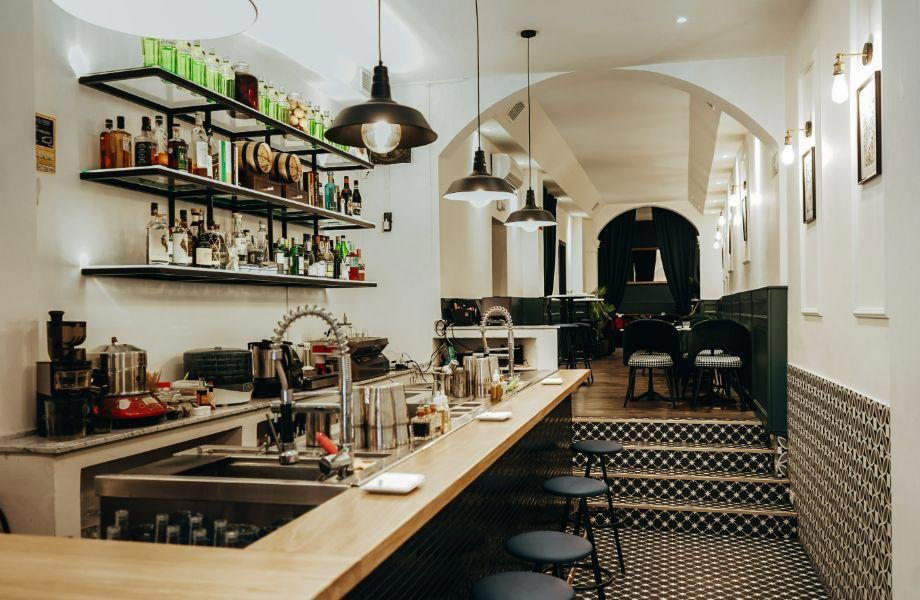
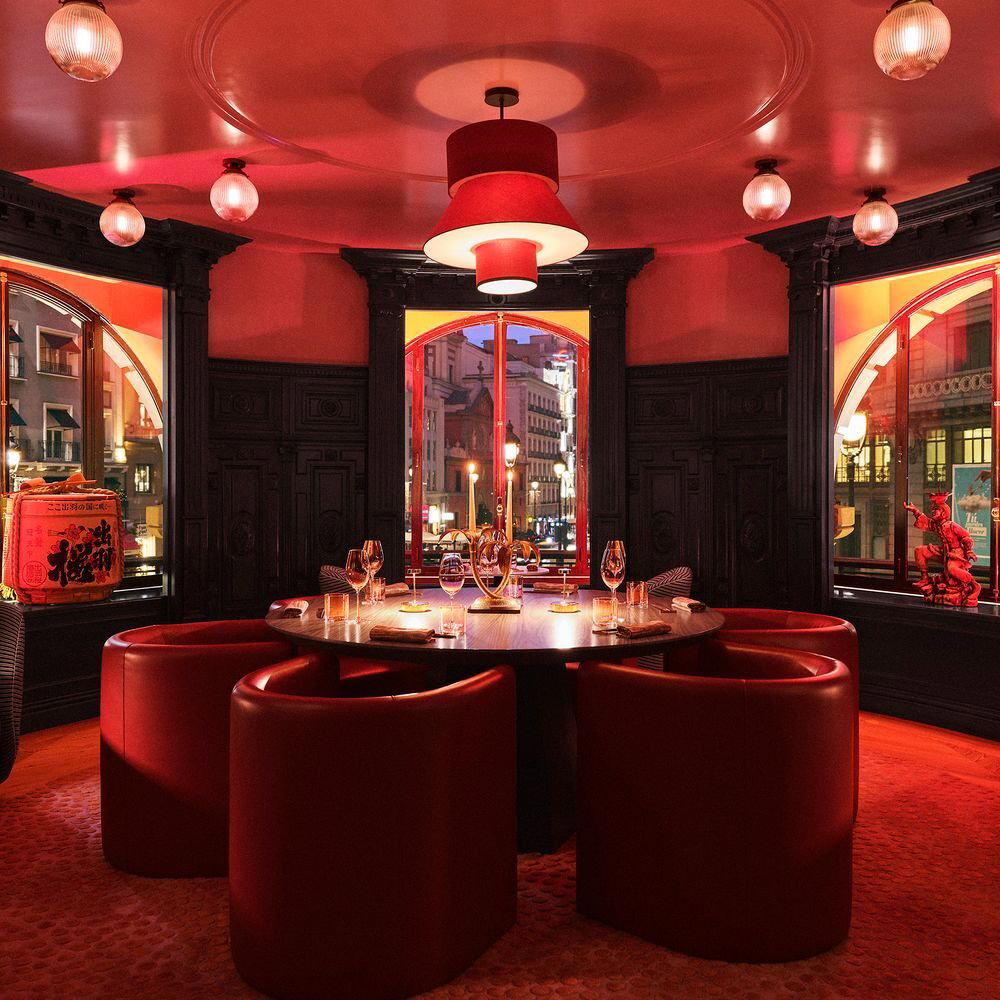
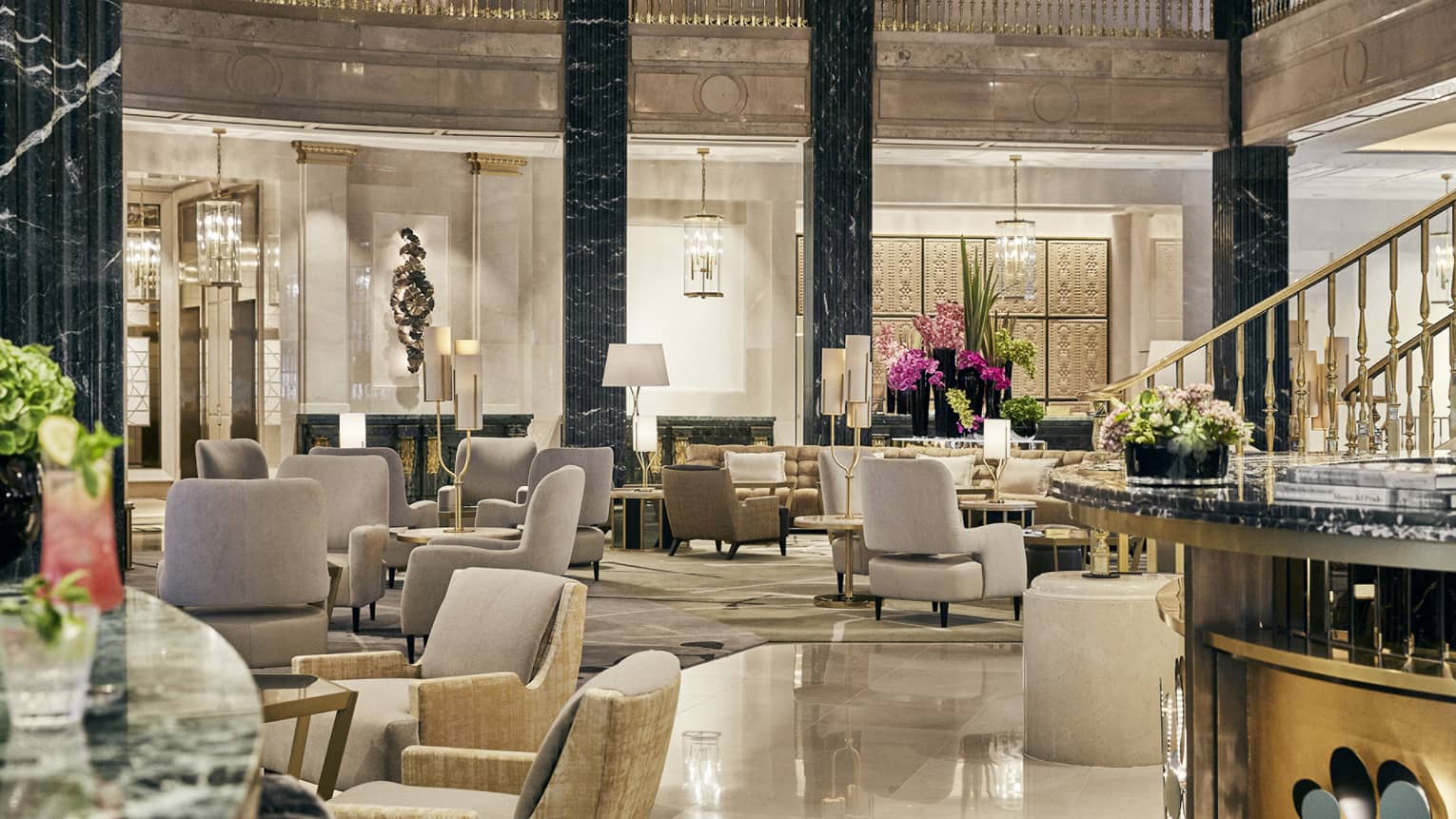
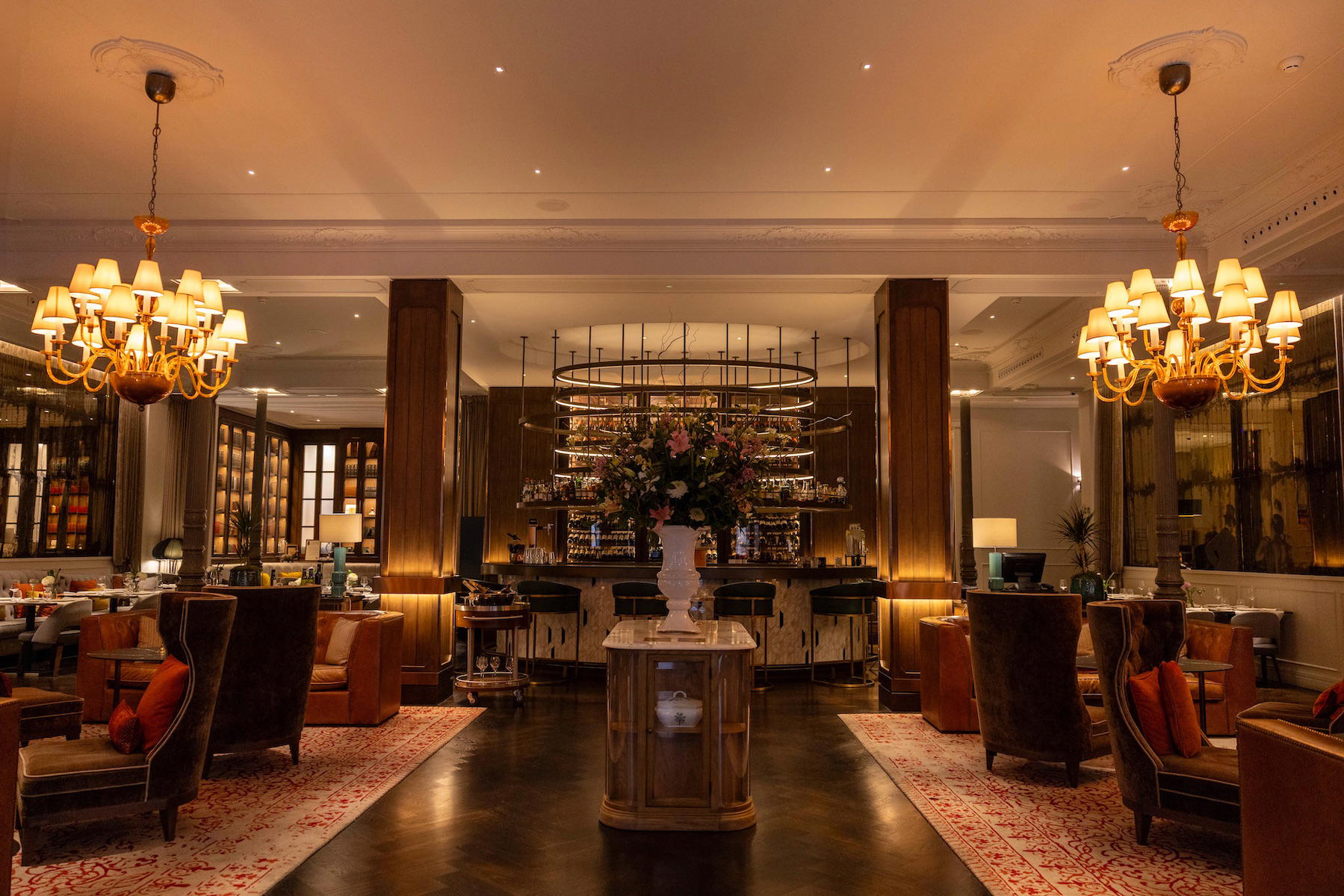
Modern and cozy atmosphere in the heart of Gran Vía.