
Tabelog 100 #3
Our verdict
OUBAITOURI brings Chinese and Sichuan cooking into Shizuoka’s compact serious-dining circuit, with Tabelog Chinese EAST 100 selection in 2026 giving it a clear trust signal beyond local word of mouth. The appeal is not scale or ceremony, but a focused dinner format where fermentation, fish, Shaoxing wine, and counter seating place Chinese technique inside a distinctly Shizuoka rhythm.

Pearl is the En Primeur Club membership app — saves, bookings, and concierge access live there. Same editors, same standards.
- Address
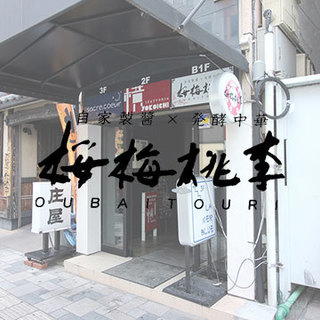
- Japan, 〒420-0033 Shizuoka, Aoi Ward, Showacho, 3-17 秀和ビル B1F
- Phone
- +81 54-252-0011
- Hours
- Mon ClosedTue–Sat 5 PM–12 AMSun Closed
- Website
- oubaitouri0222.com
- Directions
- Get directions
The menu
What to order
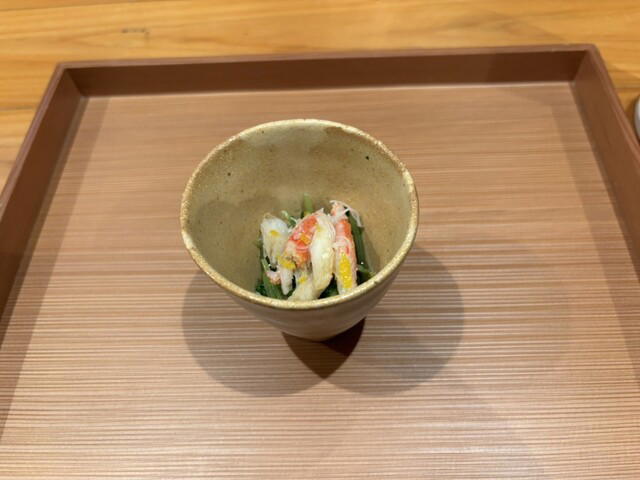
- Steamed dumplings
- Shark fin and Jinhua ham sauce on crispy rice
- Large shrimp with glass noodles and garlic
In Shizuoka, OUBAITOURI sits within a restaurant culture that often rewards restraint over spectacle. The city’s dining scene has room for specialist counters, focused dinner rooms, and category-led restaurants that do not need Tokyo volume to earn serious attention. In that setting, OUBAITOURI reads as part of a quieter pattern in regional Japanese dining, where Chinese and Sichuan cooking are presented with the measured confidence expected from a focused local address.
The signal that matters is not size. The restaurant was selected for Tabelog 100 Chinese cuisine EAST in 2026, a list that places it within eastern Japan’s competitive Chinese category rather than only within local rankings. Its Tabelog score of 3.59 supports the same point: this is a specialist table in Shizuoka, not a broad tourist address designed around spectacle. For a wider read on the city’s dining range, our full Shizuoka restaurants guide gives the useful map.
Chinese technique with Shizuoka's regional restraint
Chinese restaurants in Japan can range from banquet-style rooms to neighbourhood chuka and smaller modern kitchens that treat seasoning, pacing, and hospitality with the discipline associated with contemporary Japanese dining. OUBAITOURI belongs to the more focused end of that spectrum. Its listed categories are Chinese and Sichuan, which gives the clearest frame for understanding the meal without overloading it with unsupported claims about a fixed format or signature style.
Sichuan cooking outside China is often flattened into heat. Better Japanese interpretations tend to work differently, using spice and aromatics as structure rather than volume. OUBAITOURI is best approached with that distinction in mind: not as a generic Chinese restaurant, and not as a grand hotel-style room, but as a Shizuoka dining address whose recognition comes from a specific Chinese-Sichuan identity. The point is less about theatrical excess than about controlled execution within a defined category.
Within Shizuoka, that makes the comparison set instructive. Blue Label sits in a different part of the city’s dining landscape, while Chabo gives another useful local reference point. Other Shizuoka dining rooms show how serious tables in the city can operate without the formality associated with larger metropolitan restaurants. The useful conclusion is simple: OUBAITOURI sits in the zone where price discipline, award recognition, and a specific Chinese-Sichuan identity overlap.
A category-led dinner choice rather than a spectacle address
The restaurant is better understood as a focused Shizuoka dinner choice than as a destination defined by scale or ceremony. Nothing in the strongest public signals requires exaggerating the room, the service format, or the scale of the operation. For travellers, that means the decision is category-led: choose it when Chinese and Sichuan cooking in Shizuoka is the point of the evening, not when the goal is a highly scripted luxury performance.
That context matters more than any personality-driven origin story. OUBAITOURI’s strongest documented markers are its cuisine categories, its 2026 Tabelog 100 Chinese cuisine EAST recognition, and its accessible dinner price bracket of JPY 5,000 - JPY 5,999. Those facts are enough to place it clearly in the city’s dining field without inventing details about founding dates, chef biography, room size, or a fixed culinary philosophy beyond the Chinese and Sichuan frame.
For readers building a full Shizuoka itinerary, the dining choice should not sit in isolation. Our full Shizuoka hotels guide is the practical companion for anchoring the stay, while our full Shizuoka bars guide helps after dinner. The prefecture’s broader food-and-drink culture extends beyond restaurant tables, so our full Shizuoka wineries guide and our full Shizuoka experiences guide are useful for travellers treating the city as more than a transit stop between Tokyo and Kyoto.
How to place it in a Japan dining itinerary
OUBAITOURI is strongest for travellers who already understand that Japanese Chinese cooking is not a single category. The Sichuan label gives one reference point, while the Chinese category gives the broader frame. Compared with formal Japanese dining, the structure and expectations are different; compared with casual chuka, the recognition and specialist positioning carry more intent. Travellers looking across Shizuoka should think in terms of contrast: Chinese and Sichuan here, other Japanese-format meals elsewhere, and more casual local dining around it.
That distinction is valuable because Japan’s regional dining is often misread through Tokyo categories. A restaurant like this does not need the capital’s reservation theatre to justify attention. Its 2026 Tabelog 100 Chinese cuisine EAST selection gives an external marker, while the JPY 5,000 - JPY 5,999 dinner bracket keeps it accessible beside more expensive Shizuoka peers. The smarter itinerary pairs it with a different style of meal on another night, allowing the city’s culinary range to become clearer.
Travellers tracing similar category contrasts across Japan can use the wider EP Club archive for calibration rather than imitation. The broader lesson is that Japanese dining depends tightly on category, city, and price: a specialist restaurant in one region should not be judged by the same cues as a casual address, a luxury counter, or an overseas Japanese-influenced venue. OUBAITOURI’s usefulness comes from its specificity within Shizuoka, not from any need to resemble better-known dining scenes elsewhere.
The editorial verdict is restrained but clear. OUBAITOURI is not the address for travellers seeking grand-room Chinese dining or chef-theatre storytelling. It is the stronger choice for a focused Shizuoka dinner where Chinese and Sichuan cooking, documented recognition, and a relatively accessible price bracket align.
Frequently asked questions
What are the operating hours at OUBAITOURI?
Operating hours for OUBAITOURI should be confirmed directly with the restaurant before visiting.
Where do I go for OUBAITOURI?
Shizuoka.
What's the price range at OUBAITOURI?
Pricing at OUBAITOURI is listed as JPY 5,000 - JPY 5,999.
What is OUBAITOURI known for?
OUBAITOURI is known as a Chinese and Sichuan restaurant in Shizuoka, selected for Tabelog 100 Chinese cuisine EAST in 2026.
Pricing, Compared
Side-by-side context: comparable cuisine and price.
| Venue | Cuisine | Price | Awards | Notes |
|---|---|---|---|---|
| OUBAITOURIThis venue — the venue you are viewing | Natural Chinese & Sichuan using homemade fermented seasonings | $30–50 | Tabelog 100 #3 | Not listed |
| Shizuoka Sichuan Hanten | Authentic Sichuan Chinese | $50–100 | Tabelog 100 #65 | Aoi Ward, Authentic Sichuan Chinese |
| Taihei | Traditional Japanese Izakaya & Seafood | $50–100 | Tabelog 100 #50 | Aoi Ward (Ryougaemachi), Traditional Japanese Izakaya & Seafood |
| Chinese Muramatsu | Chinese | Not listed | Tabelog 100 #33 | Not listed |
| Suien Dosai Honten | Traditional Tonkatsu (Japanese Pork Cutlet) | $20–30 | Tabelog 100 #96 | Aoi Ward, Traditional Tonkatsu (Japanese Pork Cutlet) |
| Ichi Unagi | Traditional Japanese Unagi | $50–100 | Tabelog Bronze #127 | Ito, Traditional Japanese Unagi |
Recognition history
Dated appearances from independent guides and award organizations, with the underlying list record or original source where available.
Tabelog 100 #3 · No. 3
Tabelog · Tabelog 100 - Chinese cuisine - EAST - 2026
Continue exploring
More in Shizuoka
Restaurants in Shizuoka
Browse all →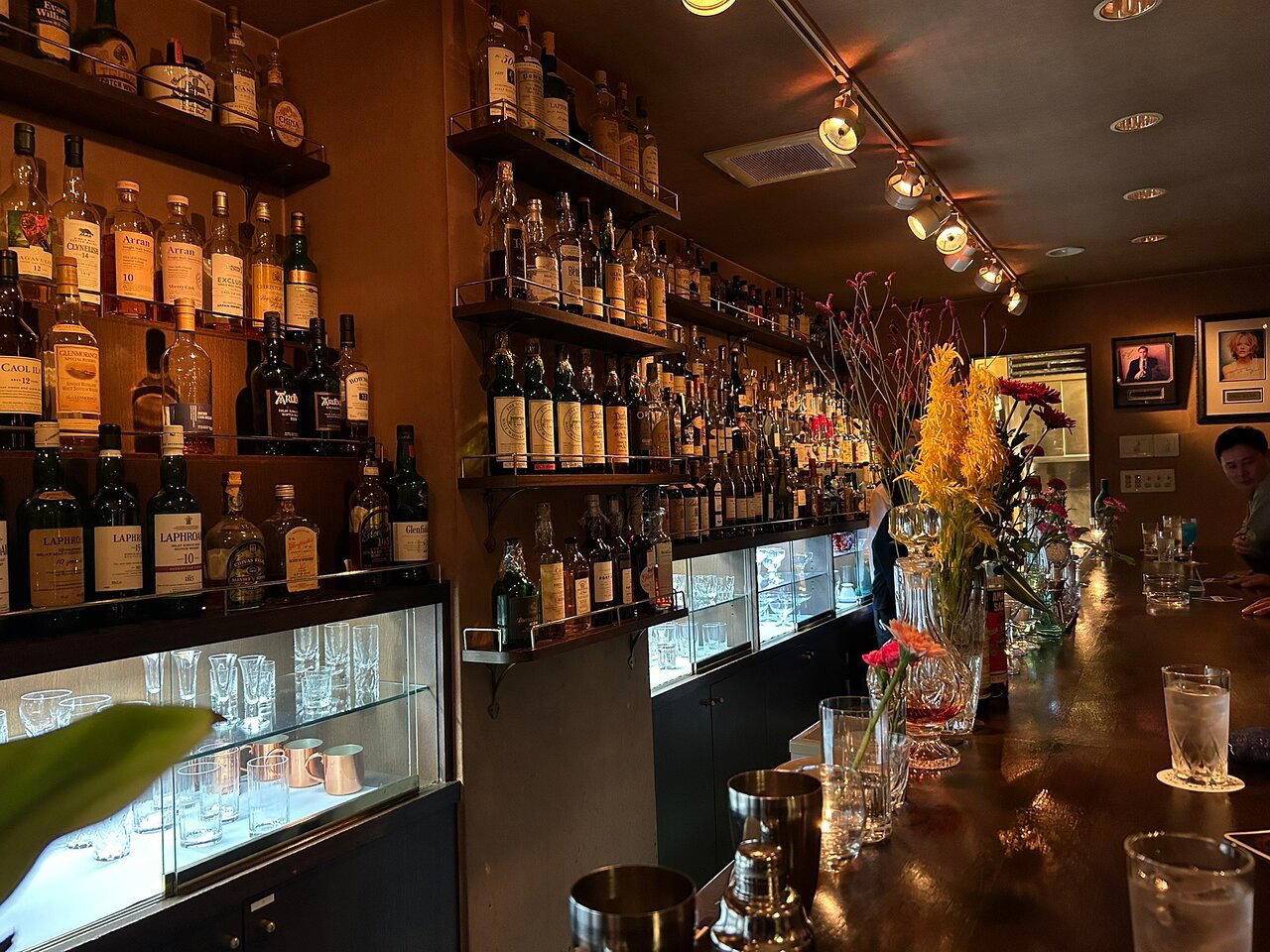
Hotels in Shizuoka
Browse all →
Wineries in Shizuoka
Browse all →
Details
- Cozy
- Intimate
- Date Night
- Group Dining
- Casual Hangout
- After Work
- Standalone
- Local Sourcing
- A La Carte
- Set Menu
- Small Plates
- Shaoxing Wine
Current opening hours
- Monday
- Closed
- Tuesday
- 5 PM–12 AM
- Wednesday
- 5 PM–12 AM
- Thursday
- 5 PM–12 AM
- Friday
- 5 PM–12 AM
- Saturday
- 5 PM–12 AM
- Sunday
- Closed
Hours can change for holidays and private events. Last verified .
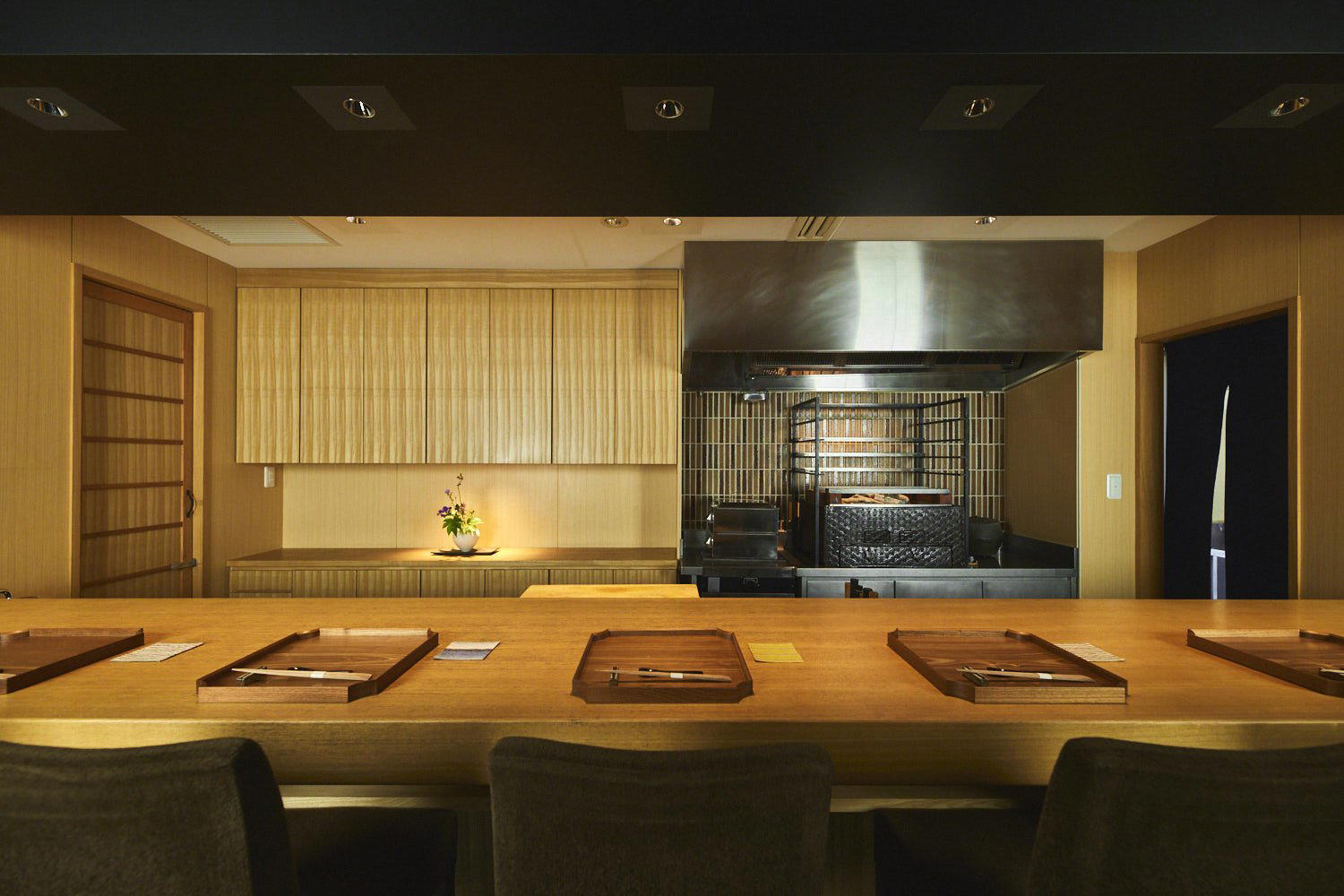
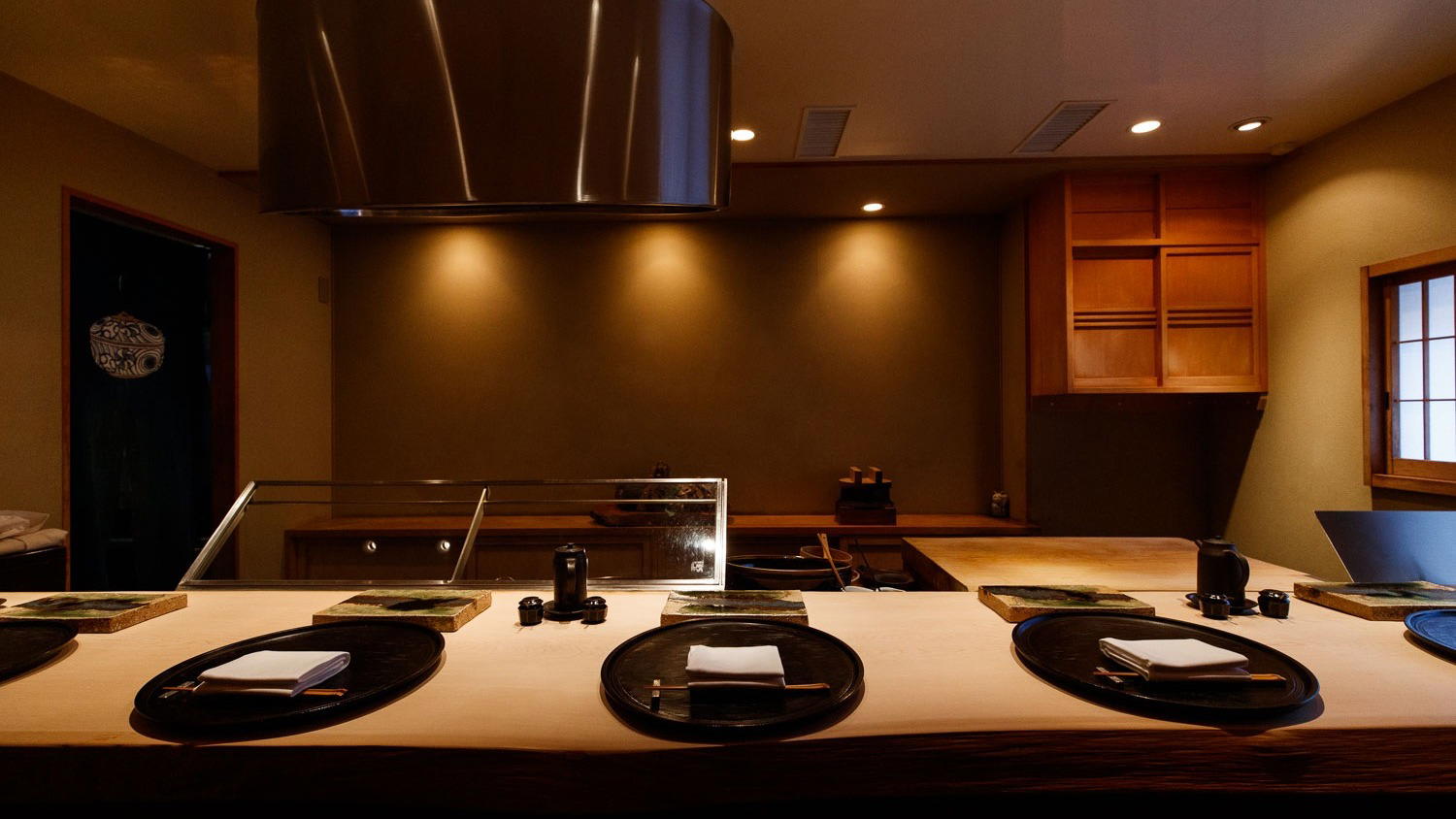
Warm, compact basement space with an intimate, quietly lively atmosphere focused on carefully prepared Chinese dishes and Shaoxing wine rather than decor or views.