
Tabelog 100 #28
Our verdict
Blue Label gives Shizuoka’s cocktail scene a serious late-evening address rather than a casual afterthought. Its Tabelog 100 Bar selection in 2022, cocktail-led format, counter seating, and higher local spend bracket place it closer to Japan’s specialist bar culture than to a hotel-lounge nightcap.

Pearl is the En Primeur Club membership app — saves, bookings, and concierge access live there. Same editors, same standards.
- Address
- Japan, 〒420-0033 Shizuoka, Aoi Ward, Showacho, 3-2 アーバンビルディング 6階
- Phone
- +81 54-273-5689
- Hours
- Mon ClosedTue–Sun 7 PM–12 AM
- Website
- kohakuiro.com
- Directions
- Get directions
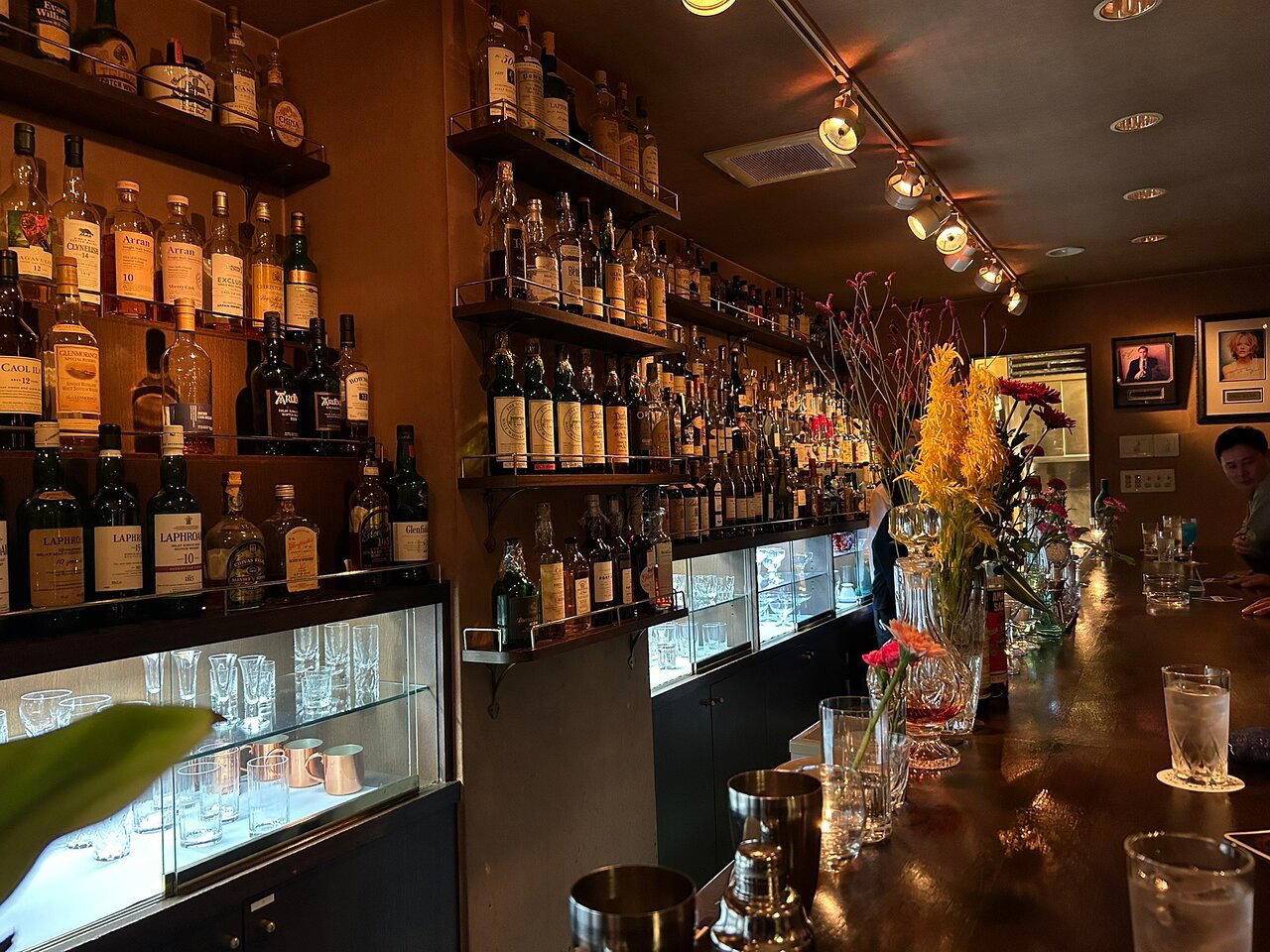
Six floors above Showacho, the mood shifts from street-level Shizuoka to a more deliberate kind of drinking: counter seating, low conversation, and a room built around cocktails rather than volume. In a city better known to many travellers for seafood, tea, and Mount Fuji access, the serious bar scene rewards slower attention. Blue Label belongs to that smaller category of places where the drink, the glass, and the pace of service carry the evening.
Shizuoka drinking culture, read through the cocktail glass
Shizuoka’s dining identity is often framed through provenance: Suruga Bay fish, wasabi from mountain streams, green tea from the prefecture’s fields, and sake shaped by clean water and local rice. Cocktail bars sit adjacent to that sourcing culture. They do not need to announce terroir in the same way a kaiseki counter might, but the better ones in regional Japan tend to respect season, dilution, temperature, and the character of base spirits with the same seriousness that restaurants bring to produce.
That matters in Shizuoka because the city’s premium drinking and dining market is not Tokyo in miniature. The better read is scale. Local specialists need enough precision to satisfy drinkers who understand Ginza and Osaka bar standards, while remaining tied to a city where evenings often move from sushi, kappo, or grilled food into a quieter second stop. Blue Label’s selection for Tabelog 100 Bar in 2022 is the clearest public signal here: not a global awards headline, but a Japan-specific recognition system that puts the bar inside a national conversation about craft cocktail rooms.
The cocktail emphasis is explicit rather than incidental. This is useful for travellers because many Japanese restaurant-bars serve competent drinks without making them the point. Here, the category is the point. The distinction is not about spectacle; it is about whether the room can carry an entire evening on drinks, pacing, and bar technique. For Shizuoka, that makes it a useful counterweight to restaurant-led itineraries such as Asaba (Kaiseki), Aozora, Chinese Muramatsu, and FUJI, where the evening’s structure is anchored by cuisine.
A premium local bar bracket, not a casual nightcap
Within Shizuoka, the spend level places Blue Label in a more deliberate tier than a quick beer or highball stop. Among named local comparables, OUBAITOURI and Go sit lower on listed dinner budgets, while Chabo occupies a higher restaurant bracket. That comparison is useful because it shows how the city’s premium spend splits by format: restaurant counters command one kind of attention, cocktail bars another. The decision is less about replacing dinner and more about deciding where the evening should slow down.
The practical texture also points toward an adult bar rather than a broad hospitality format. Counter seating is part of the listed setup, private rooms are not part of the proposition, and smoking is allowed. Those details matter more than adjectives. They tell readers to expect a bar-room rhythm, not a family dining room or hotel lobby lounge. The listed payment profile also leans conventional for Japan’s serious bar tier: major credit cards are accepted, while electronic money and QR code payments are not part of the payment mix.
The ingredient-sourcing angle in a cocktail bar is subtler than in a restaurant, but it is still the lens through which to judge the place. Shizuoka drinkers understand raw material. Tea, citrus, wasabi, seafood, and sake culture have trained the local palate to notice origin and handling. A cocktail room in this setting is measured by how it treats ingredients once they leave the field, orchard, still, or cellar: balance, restraint, and whether the drink tastes composed rather than decorated. Blue Label’s recognition and cocktail-specific listing suggest that the bar is being assessed on those terms, not merely on atmosphere.
How to fit it into a Shizuoka itinerary
For travellers building a night in the city, the more intelligent move is to treat the bar as the after-dinner anchor rather than an early-evening warm-up. Shizuoka’s restaurant map can run traditional, seafood-led, Chinese, grill-focused, or casual; a cocktail bar at this level gives the night a second register after the meal. Readers comparing categories can scan Our full Shizuoka restaurants guide for dinner structure, then use Our full Shizuoka bars guide to separate serious cocktail rooms from simpler drinking stops.
The wider city planning context is also worth keeping compact. Shizuoka is not only a dining stop; it can sit inside a broader prefectural trip shaped by ryokan stays, tea country, coastal seafood, and Fuji-view routing. For that wider read, Our full Shizuoka hotels guide, Our full Shizuoka wineries guide, and Our full Shizuoka experiences guide help separate a single night out from a fuller regional plan.
Blue Label is not the venue for travellers seeking a loose, all-ages dining room. Its stronger use is as a focused cocktail address in a city where provenance and craft already shape the way people eat and drink. That puts it in conversation with Japan’s broader specialist-bar culture while keeping it grounded in Shizuoka’s own pace: considered, compact, and better after dinner than before it.
For broader Japan planning beyond Shizuoka, EP Club’s restaurant coverage ranges from -Grilled beef Sukiyaki- KAMAKURA TANUKIAN 鎌倉 たぬき庵 in Kamakura and. 鮪と炭火焼き うお炭 秋葉原店 in Tokyo to.cafe in Osaka.know in Kumamoto, (Shoku) Vietnam in Kawasaki, and [Curry Senmon Ten] Maruyama Kyoju. in Sapporo. For overseas Japanese-adjacent drinking and dining, see Jōdo Saké Bar in Los Angeles and Onigiri Time in Pasadena.
Frequently asked questions
Is Blue Label a family-friendly restaurant?
No, Blue Label is listed as a bar in Shizuoka, with smoking allowed and reservations available. The venue also shows a late service window, Tuesday through Sunday from 7 PM to 1 AM, which suits an adult night out rather than a family meal.
How would you describe the vibe at Blue Label?
Blue Label reads as a counter-led bar with a stylish, relaxed, and spacious setup in Aoi Ward, Shizuoka. Tabelog selected it for its Bar "Tabelog 100" list in 2022, and the format points to a focused drinking room rather than a loud all-purpose lounge.
What does dinner at Blue Label typically cost?
Pricing at Blue Label is listed as JPY 8,000 - JPY 9,999.
What time does Blue Label open and close?
Hours at Blue Label: Mon: Closed; Tue: 7 PM–12 AM; Wed: 7 PM–12 AM; Thu: 7 PM–12 AM; Fri: 7 PM–12 AM; Sat: 7 PM–12 AM; Sun: 7 PM–12 AM.
Where is Blue Label located?
Blue Label is located in Shizuoka.
Side-by-Side Snapshot
Comparable venues by cuisine and price in the same metro.
| Venue | Cuisine | Price | Awards | Notes |
|---|---|---|---|---|
| Blue LabelThis venue — the venue you are viewing | Cocktail & Whisky Bar | $50–100 | Tabelog 100 #28 | Not listed |
| カワサキ | French Gastronomy with Game & Seasonal Vegetables | $100–150 | Tabelog 100 #30 | Aoi-ku |
| Go | Japanese Grill & Izakaya-Style Dining | $50–100 | Tabelog 100 #68 | Aoi-ku |
| Teuchi Soba Tagata | Traditional handmade soba | $20–30 | Tabelog 100 #30 | Aoi Ward |
| Ichi Unagi | Traditional Japanese Unagi | $50–100 | Tabelog Bronze #127 | Ito |
| Chinese Muramatsu | Chinese | Not listed | Tabelog 100 #33 | Shizuoka |
Recognition history
Dated appearances from independent guides and award organizations, with the underlying list record or original source where available.
Tabelog 100 #28 · No. 28
Tabelog · Tabelog 100 - Bar - 2022
Continue exploring
More in Shizuoka
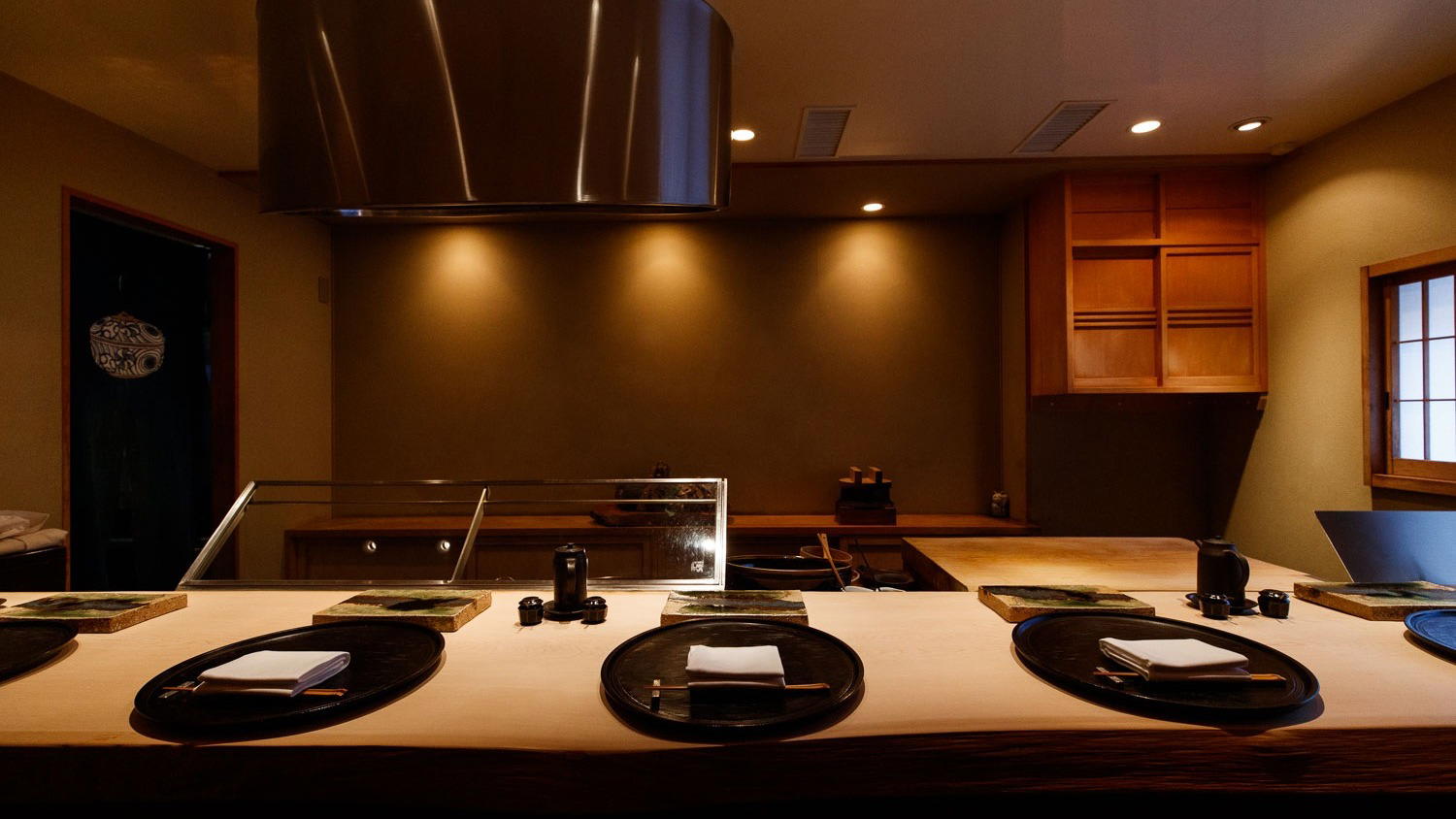
Restaurants in Shizuoka
Browse all →
Hotels in Shizuoka
Browse all →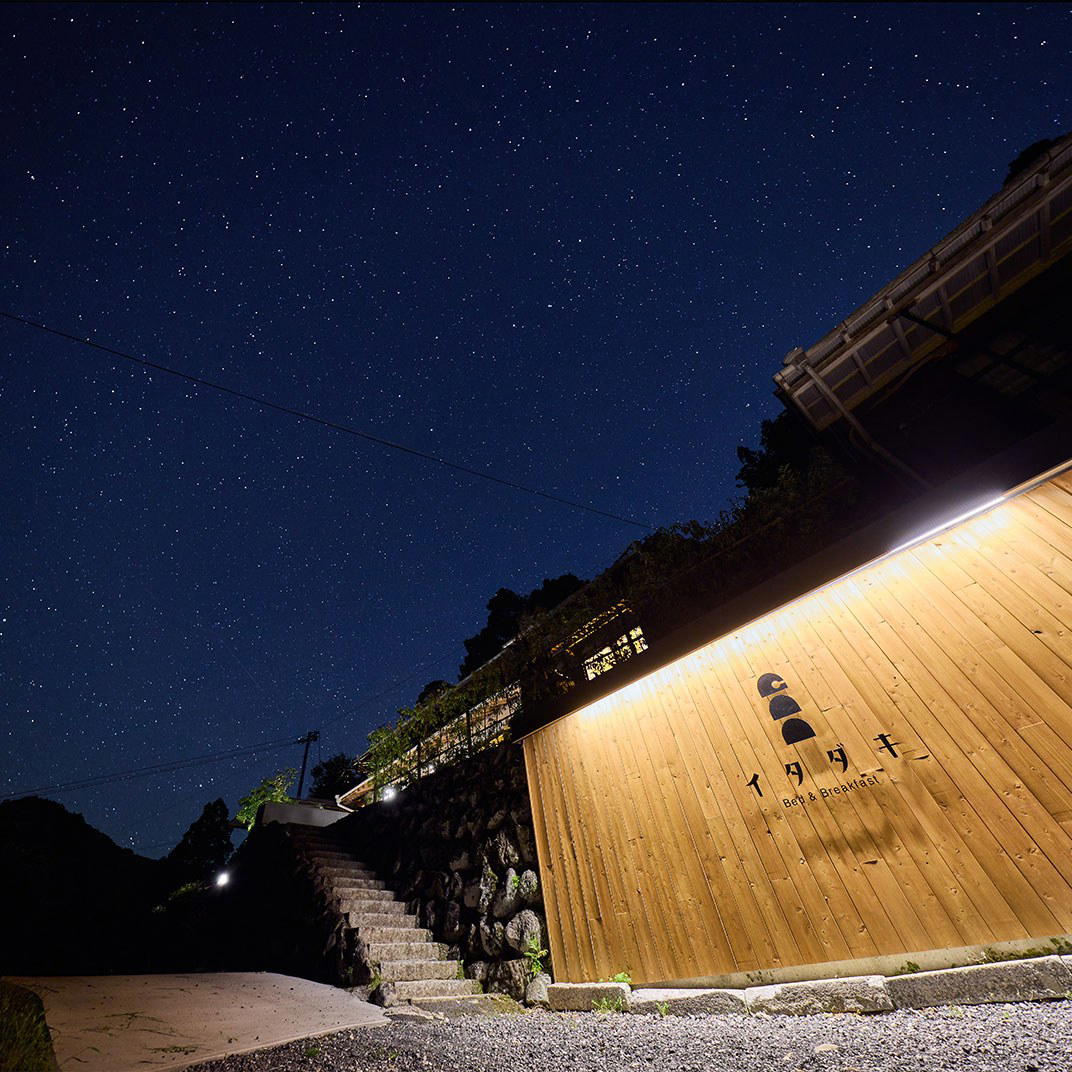
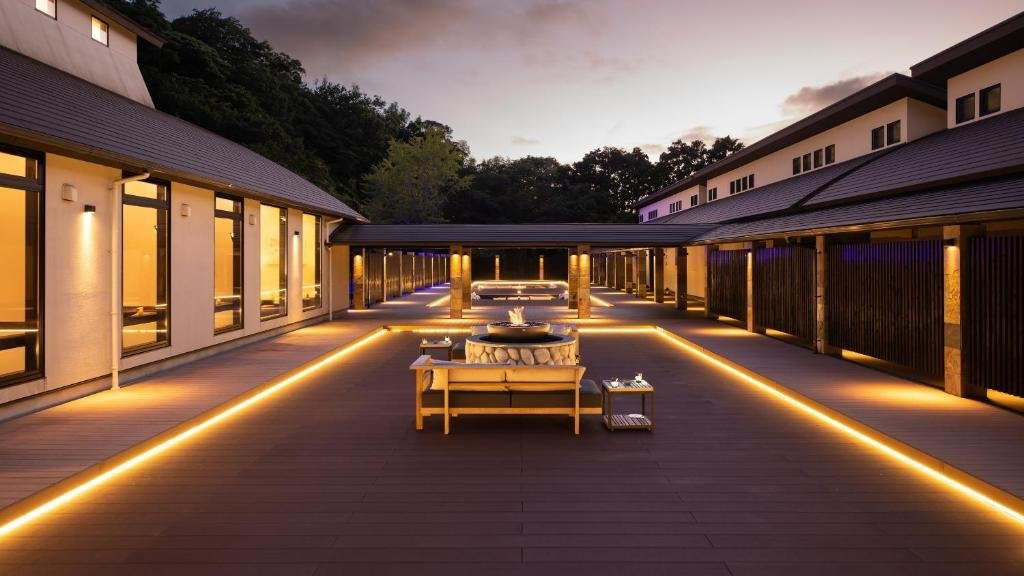
Wineries in Shizuoka
Browse all →
Details
- Cozy
- Intimate
- Classic
- Date Night
- After Work
- Late Night
- Solo
- Casual Hangout
- Standalone
- Design Destination
- Craft Cocktails
- Beer Program
- A La Carte
- Counter Dining
- Small Plates
- Cocktails
- Whisky
- Spirits
- Beer
Current opening hours
- Monday
- Closed
- Tuesday
- 7 PM–12 AM
- Wednesday
- 7 PM–12 AM
- Thursday
- 7 PM–12 AM
- Friday
- 7 PM–12 AM
- Saturday
- 7 PM–12 AM
- Sunday
- 7 PM–12 AM
Hours can change for holidays and private events. Last verified .
Intimate sixth-floor bar space with a classic Japanese bar feel, counter-focused seating and dim, cozy lighting suited to relaxed drinks and conversation rather than dining.