Ott's Leopoldshöhe

Falstaff Restaurant - Listed
Our verdict
Ott's Leopoldshöhe serves traditional German and regional dishes in Weil am Rhein, with garden and terrace seating and an extensive wine list.

Pearl is the En Primeur Club membership app, where members save venues, book tables and use the concierge.
The menu
What to order
- Elsässer Wurstsalat
- Flammkuchen
- Rehrücken mit Spätzle
Where the Upper Rhine Meets the Table
Weil am Rhein sits at one of Europe's more consequential border crossings: the point where Germany, France, and Switzerland converge within a few kilometres of each other. That triangular geography has always shaped how the town eats. French Alsatian technique, Swiss precision, and the earthy produce traditions of the German southwest have all pressed against each other here for generations, producing a local dining character that is neither purely regional German nor straightforwardly Franco-Alsatian. Ott's Leopoldshöhe, addressed on Müllheimer Strasse in the heart of Weil am Rhein, occupies a position inside that layered culinary inheritance.
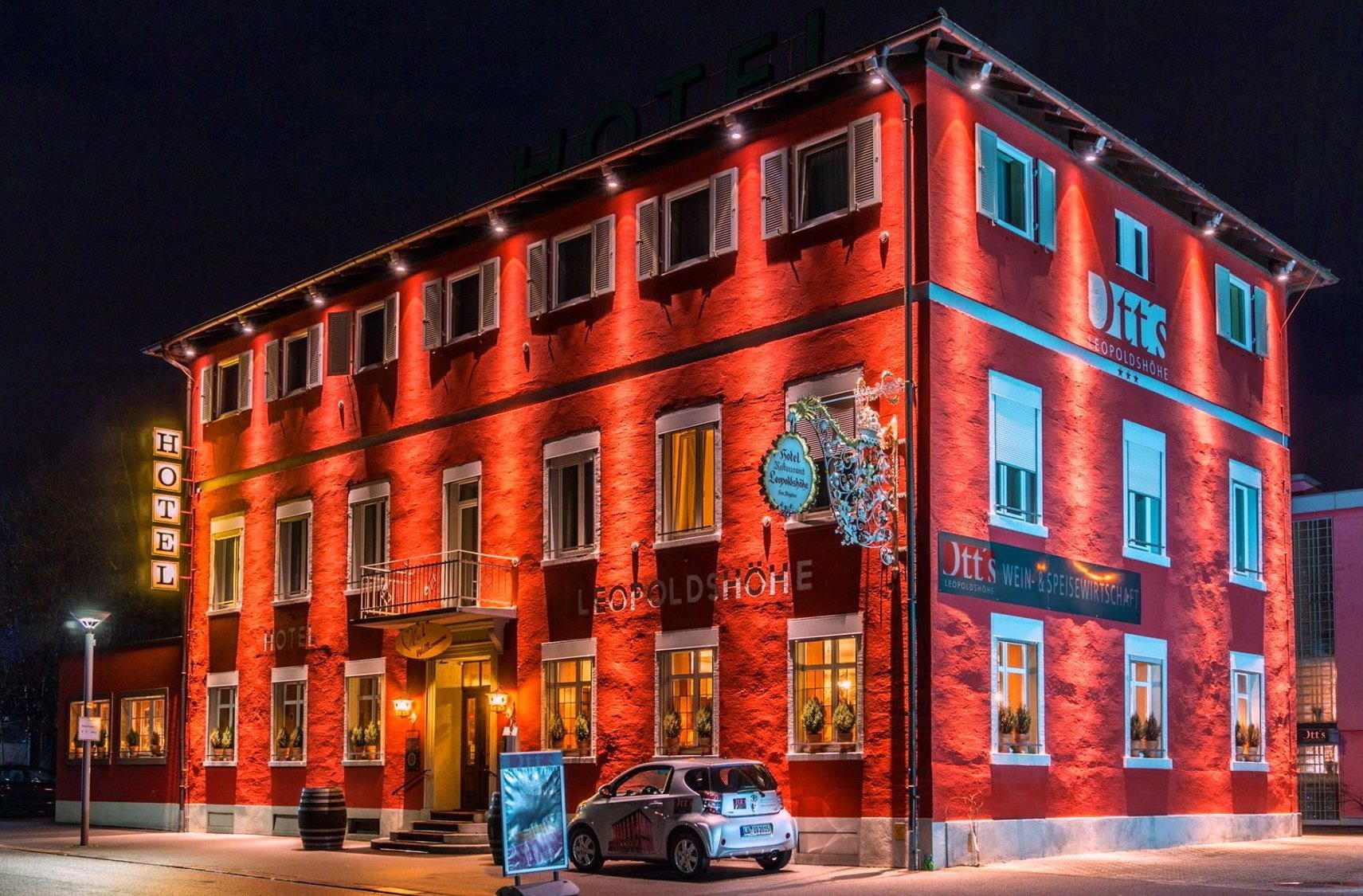
The building itself signals something older than its current restaurant use. Properties along this stretch of the Baden-Württemberg borderland carry the weight of a town that has long served travellers moving between three countries, and the address carries that sense of accumulated local gravity. Approaching from the street, the structure reads as part of the fabric of a mid-sized German town rather than as a destination planted for outside visitors, which tends to mean the kitchen is cooking for a community that knows what it expects.
Sourcing in a Three-Country Corridor
The ingredient geography of the Upper Rhine valley is worth understanding before you sit down anywhere in this corner of Germany. Within a short drive of Weil am Rhein, the Markgräflerland produces some of Baden's most characterful Gutedel and Pinot Noir. Across the Rhine, Alsace contributes charcuterie and cheese traditions that have no close equivalent in the German interior. South, past Basel, Swiss agriculture adds dairy and mountain-pasture produce to the available supply. Few dining regions in Germany have this density of distinct sourcing traditions stacked so closely together.
That access matters because the leading kitchens in this corridor use proximity as a structural advantage rather than a marketing gesture. When provenance is genuinely local at this density, the supply chain is shorter, the seasonal signal arrives earlier, and the kitchen has relationships rather than catalogues. It is the kind of sourcing context that distinguishes the Rhine borderland from inland German cities where premium ingredients travel further before they reach the pass. For comparison, destination restaurants in other parts of Germany, including Schwarzwaldstube in Baiersbronn or Schanz in Piesport, have built reputations in part by sourcing intelligently across their respective regional corridors. The Upper Rhine corridor offers a similarly rich supply base for kitchens willing to work it properly.
The Dining Room and What It Tells You
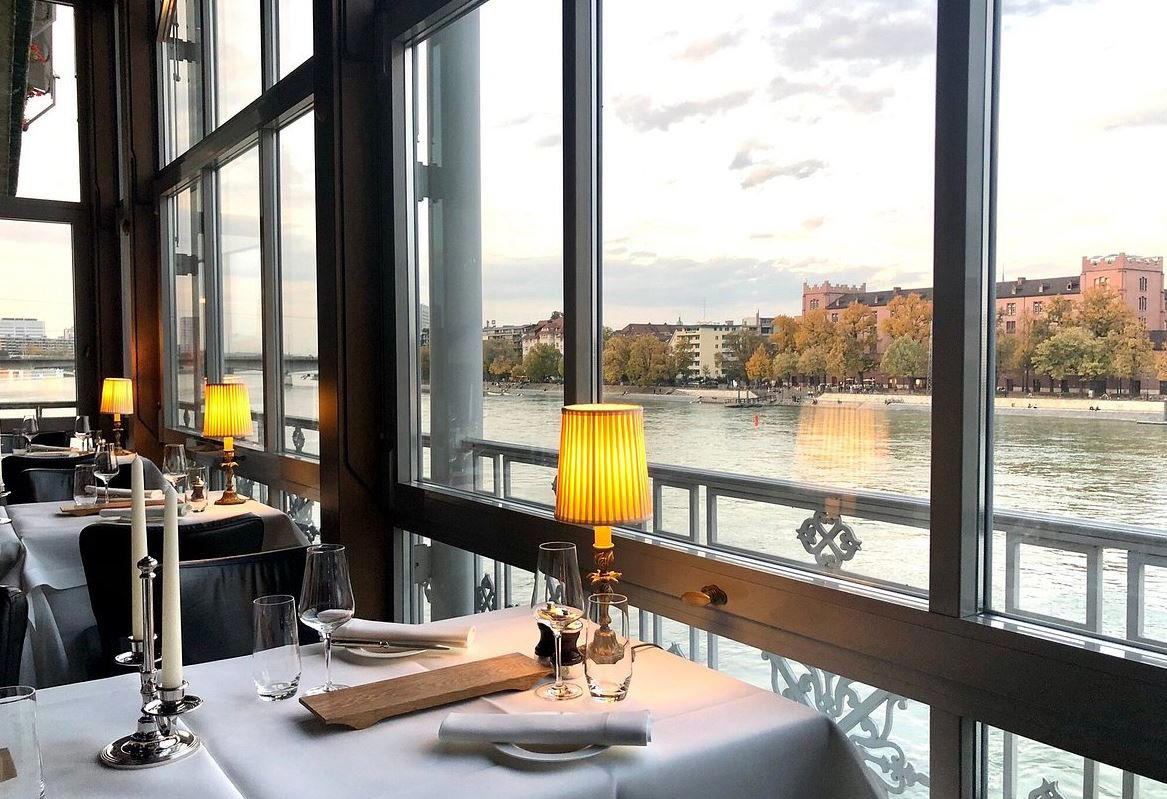
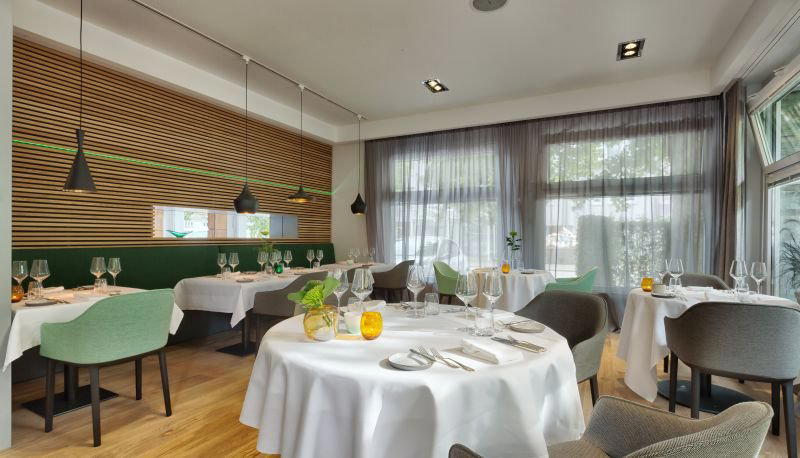
German restaurant culture in towns of Weil am Rhein's scale tends to support a certain kind of room: one where the furniture is solid, the lighting is warm without being theatrical, and the expectation is that guests will stay long enough to work through several courses and a bottle without being hurried. The Leopoldshöhe address fits within that tradition of the established local restaurant rather than the showcase destination designed to attract international diners passing through Basel's airport corridor. That is not a criticism. It describes a category of German dining that often delivers more consistent cooking than its higher-profile counterparts because the pressure is different: the kitchen serves returning guests, not first-time tourists checking off a city.
Blick Bergwirtschaft and Café GUPI represent the broader range of the town's table. For the full picture of where Ott's Leopoldshöhe fits within Weil am Rhein's dining options, the full Weil am Rhein restaurants guide maps the scene across formats and price points.
Placing Ott's in the Wider German Fine Dining Frame
Germany's serious restaurant tier has become more geographically distributed over the past decade. The concentration of Michelin attention in Munich and Hamburg has loosened as kitchens in smaller cities and towns have attracted recognition on their own terms. Operations in the southwest, including Baden and the Rhine corridor, have benefited from the region's agricultural depth and its proximity to French technique. The comparison set for ambitious cooking in this part of Germany includes houses in quite different settings: Aqua in Wolfsburg, Vendôme in Bergisch Gladbach, and Victor's Fine Dining by Christian Bau in Perl all demonstrate how serious kitchens operate outside Germany's major urban centres, drawing on strong regional supply chains rather than depending on city density for their reputation.
At the more experimental edge of the German scene, restaurants like CODA Dessert Dining in Berlin and JAN in Munich show how German kitchens are pushing format boundaries. In the southwest specifically, ammolite in Rust sits within the same Baden corridor and offers a useful point of regional comparison. The international frame extends further: Le Bernardin in New York City and Atomix in New York City illustrate what sustained sourcing discipline and culinary precision look like at the top of the global scale.
Ott's Leopoldshöhe does not compete in that highest international tier based on currently available data, but it operates in a regional dining culture that has produced kitchens capable of doing so. Other addresses worth noting in the broader German network include Restaurant Haerlin in Hamburg, Waldhotel Sonnora in Dreis, ES:SENZ in Grassau, Bagatelle in Trier, and ATAMA by Martin Stopp in Sankt Ingbert for a broader sense of where German cooking is moving across different regions and formats.
Planning a Visit
Weil am Rhein sits directly on the Basel metropolitan edge, served by Basel EuroAirport (BSL) and well connected by rail to Freiburg im Breisgau and across the border to Basel SBB. Travellers arriving by train find the town walkable from the station. The address on Müllheimer Strasse places Ott's Leopoldshöhe within the central town rather than on the outskirts, which makes it accessible without a car from most Basel-area accommodation. Seasonal timing matters in this part of Baden: late spring and autumn bring the region's produce calendar to its most expressive points, which tends to coincide with when the cooking at established local restaurants is at its most grounded.
Frequently asked questions
Is Ott's Leopoldshöhe a family-friendly restaurant?
Ott's Leopoldshöhe is located in Weil am Rhein, a town where the dining culture tends toward considered, sit-down meals rather than casual drop-in formats. Whether the room accommodates young children comfortably is best confirmed directly with the venue before booking, as the style of service can vary significantly at this level of German restaurant.
What's the overall feel of Ott's Leopoldshöhe?
Weil am Rhein's position on the German-French-Swiss border shapes the character of its better restaurants, and Ott's Leopoldshöhe is no exception. Expect the kind of room common to serious German establishments in towns of this scale: solid, unhurried, oriented around the food rather than theatrical staging. The address on Müllheimer Strasse places it within the residential grain of the town, away from tourist-facing strip dining.
What dish is Ott's Leopoldshöhe famous for?
For current menu detail, contacting the restaurant directly at Müllheimer Str. 4, Weil am Rhein is the most reliable route.
Fast Comparison
| Venue | Cuisine | Price | Awards | Notes |
|---|---|---|---|---|
| Ott's LeopoldshöheThis venue (the venue you are viewing) | Traditional German & Regional | $20–30 | Falstaff Restaurant - Listed | Not listed |
| Aqua | Contemporary German, Italian/Japanese, Creative | Not listed | Michelin 3 Star | Not listed |
| Schwarzwaldstube | Modern French Fine Dining | $150–200 | 3 Michelin Stars · World's 50 Best #47 | French, Classic French |
| CODA Dessert Dining | Dessert-Inspired Fine Dining | $200–300 | 2 Michelin Stars · World's 50 Best #79 | Creative |
| Vendôme | Modern German Haute Cuisine | $200–300 | 2 Michelin Stars · World's 50 Best #47 | Modern European, Creative |
| Tantris | Modern French Fine Dining | $300–500 | 2 Michelin Stars · World's 50 Best #73 | Modern French, French Contemporary |
Recognition history
Dated appearances from independent guides and award organizations, with the underlying list record or original source where available.
Falstaff Restaurant - Listed
Falstaff
Continue exploring
More in Weil am Rhein
Restaurants in Weil am Rhein
All restaurants in Weil am Rhein →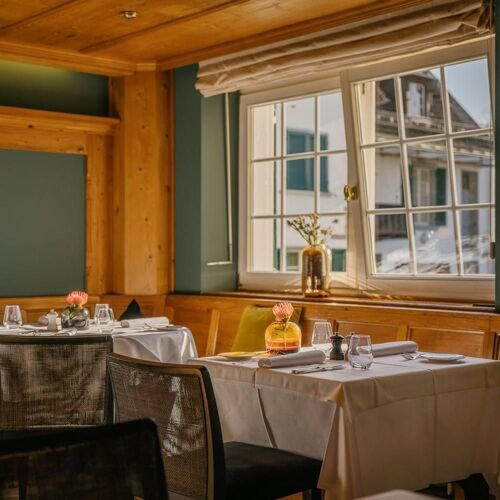
Bars in Weil am Rhein
Browse all →

Details
- Cozy
- Rustic
- Classic
- Casual Hangout
- Family
- Garden
- Terrace
- Extensive Wine List
- Local Sourcing
- Garden
- A La Carte
- Wine
- Vegetarian Friendly
- Vegan Options
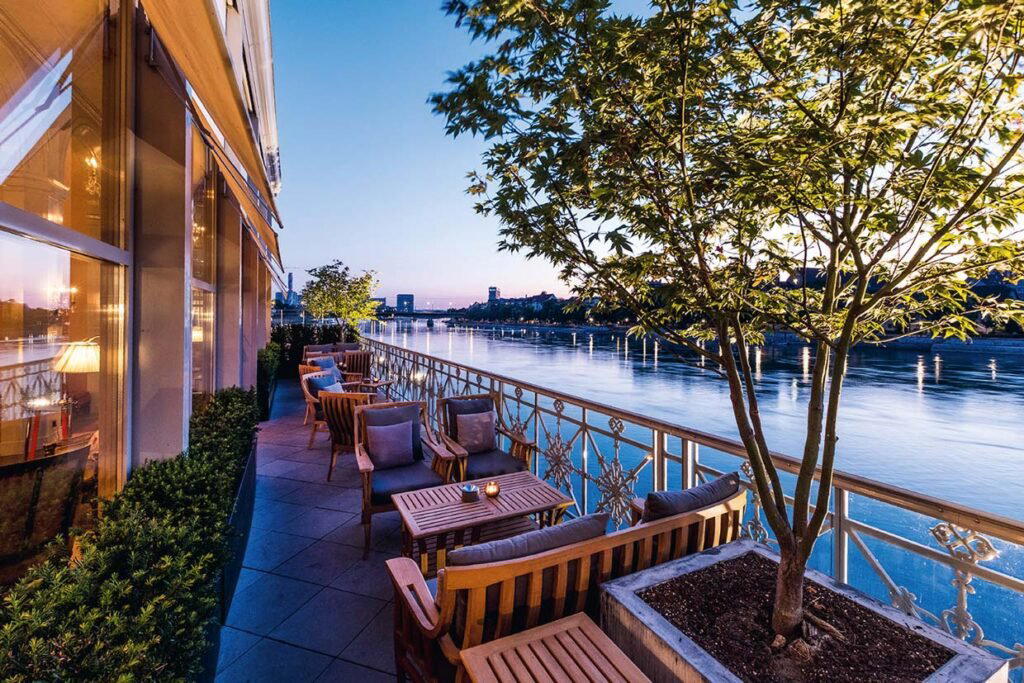
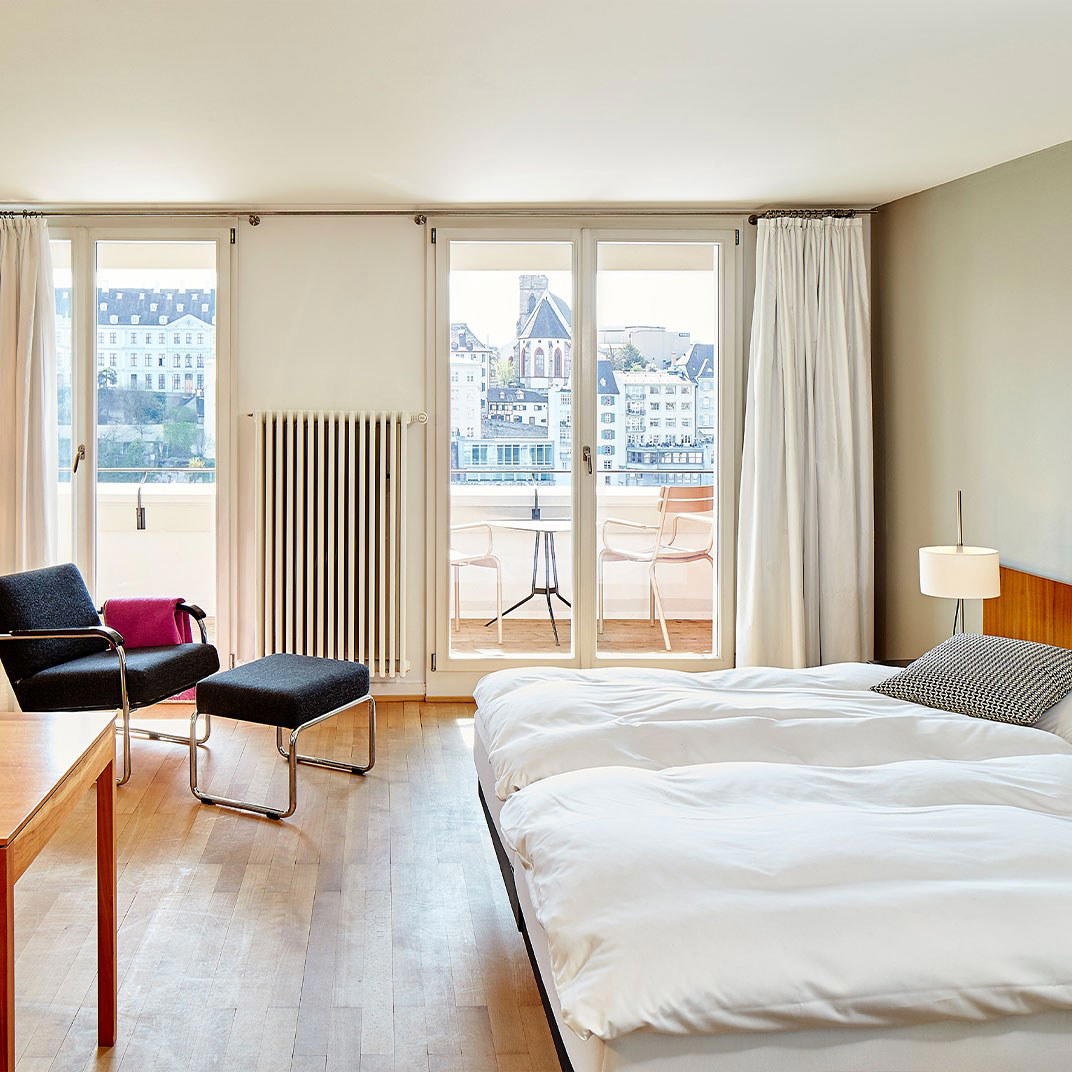
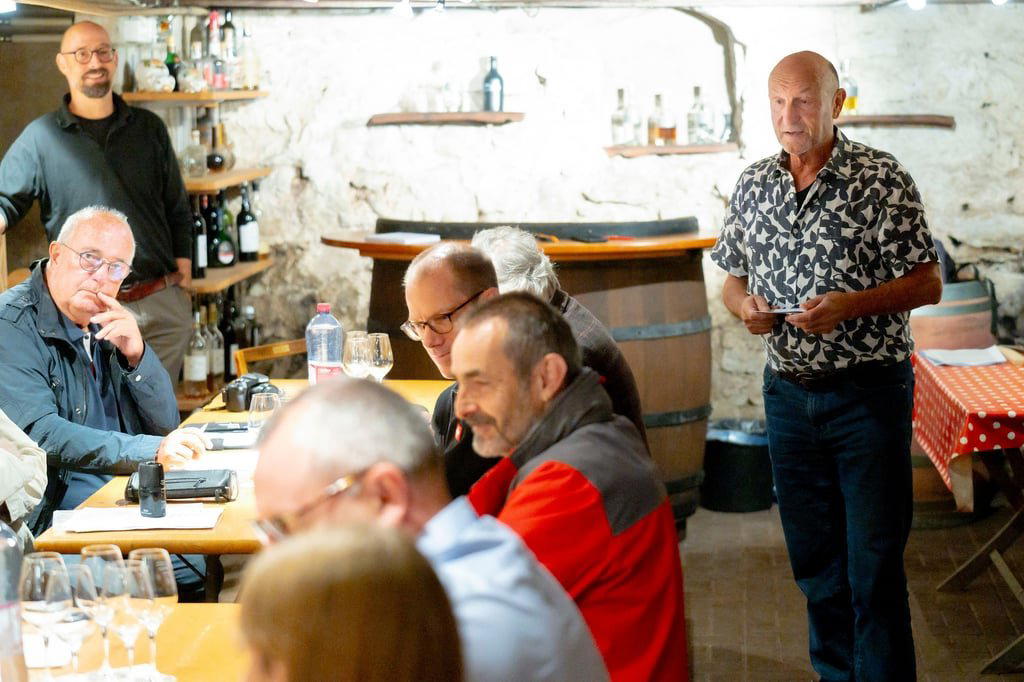
Cozy and charming with beautifully decorated tables and a touch of privacy, featuring traditional decor and a serene terrace atmosphere.