Restaurant Schlossschänke
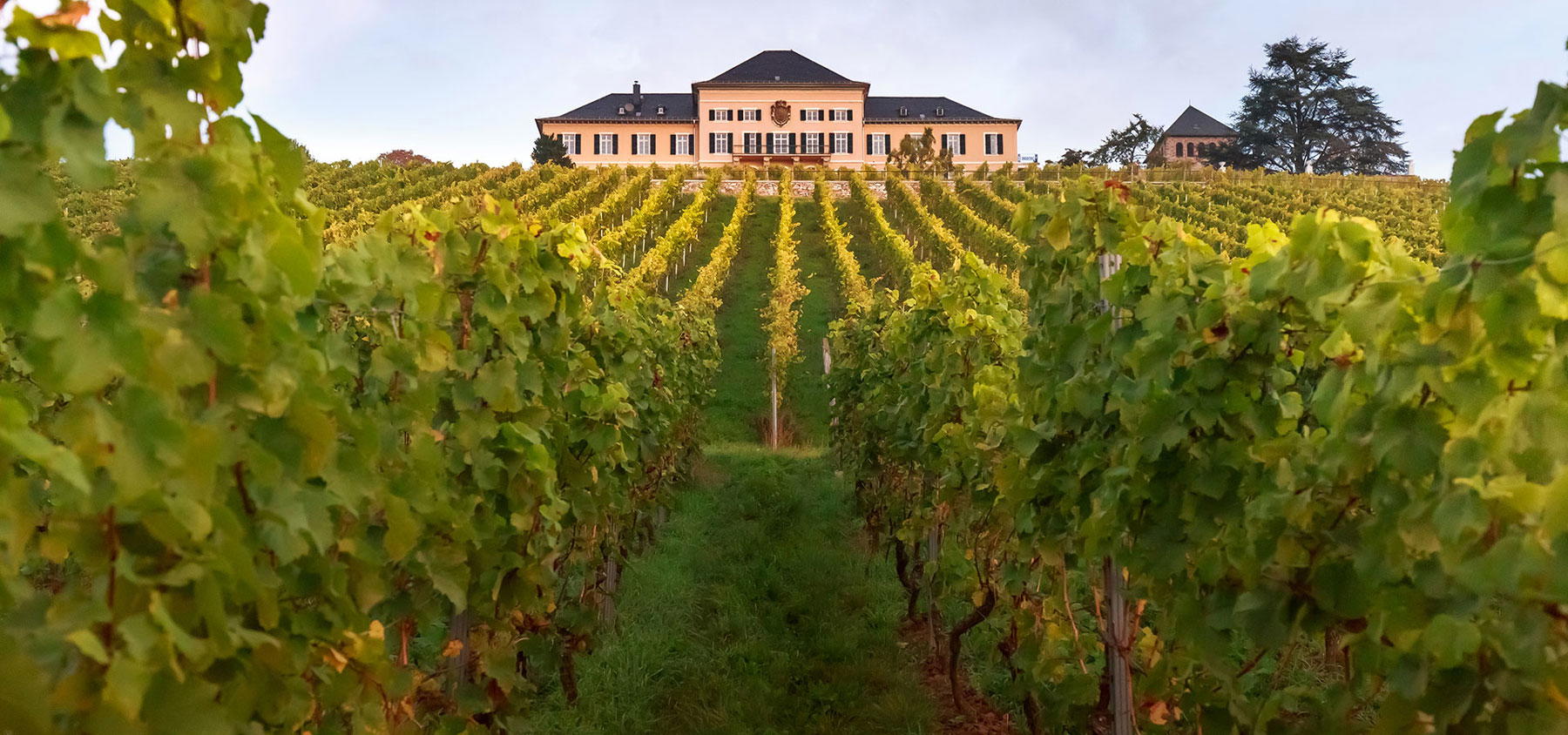
Perched above the Rhine on the grounds of Schloss Johannisberg, Restaurant Schlossschänke occupies one of the Rheingau's most historically loaded settings. The estate has produced Riesling for centuries, and the kitchen draws on that agricultural continuity. For visitors to Geisenheim, this is where provenance and place converge at the table.
Pearl is the En Primeur Club membership app — saves, bookings, and concierge access live there. Same editors, same standards.
- Address
- Schloss Johannisberg, Reservierungen bis 19
- Phone
- +4949672296090
- Website
- favorite-mainz.de
- Directions
- Get directions
 Saves & bookings on Pearl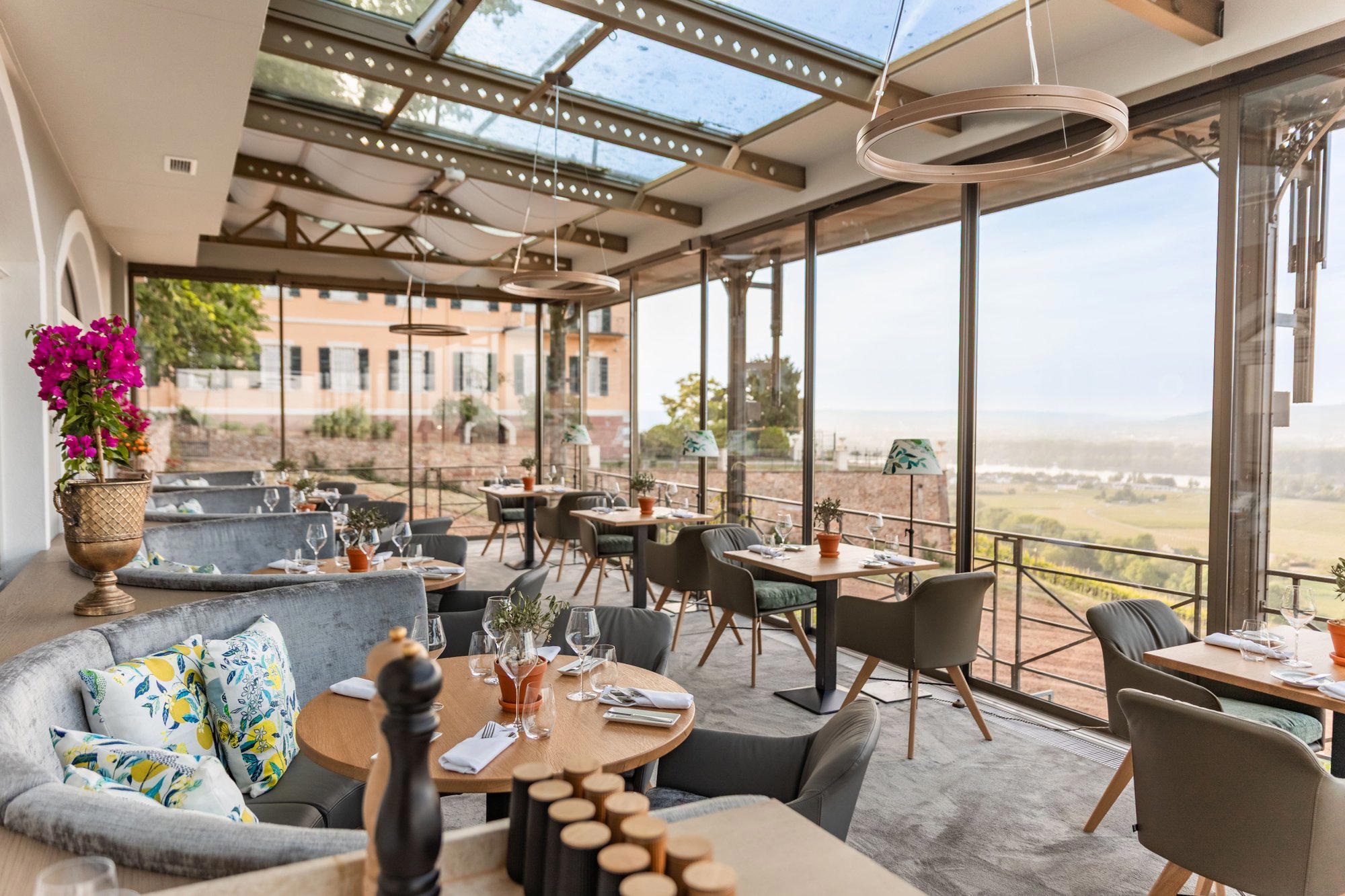
Dining Where the Vineyard Meets the Table
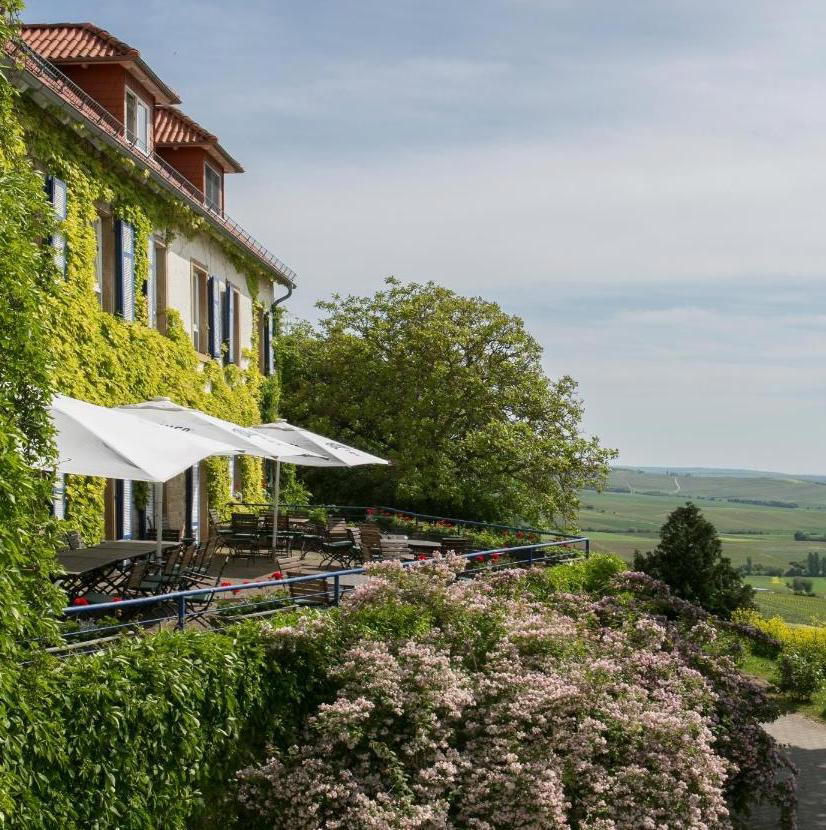
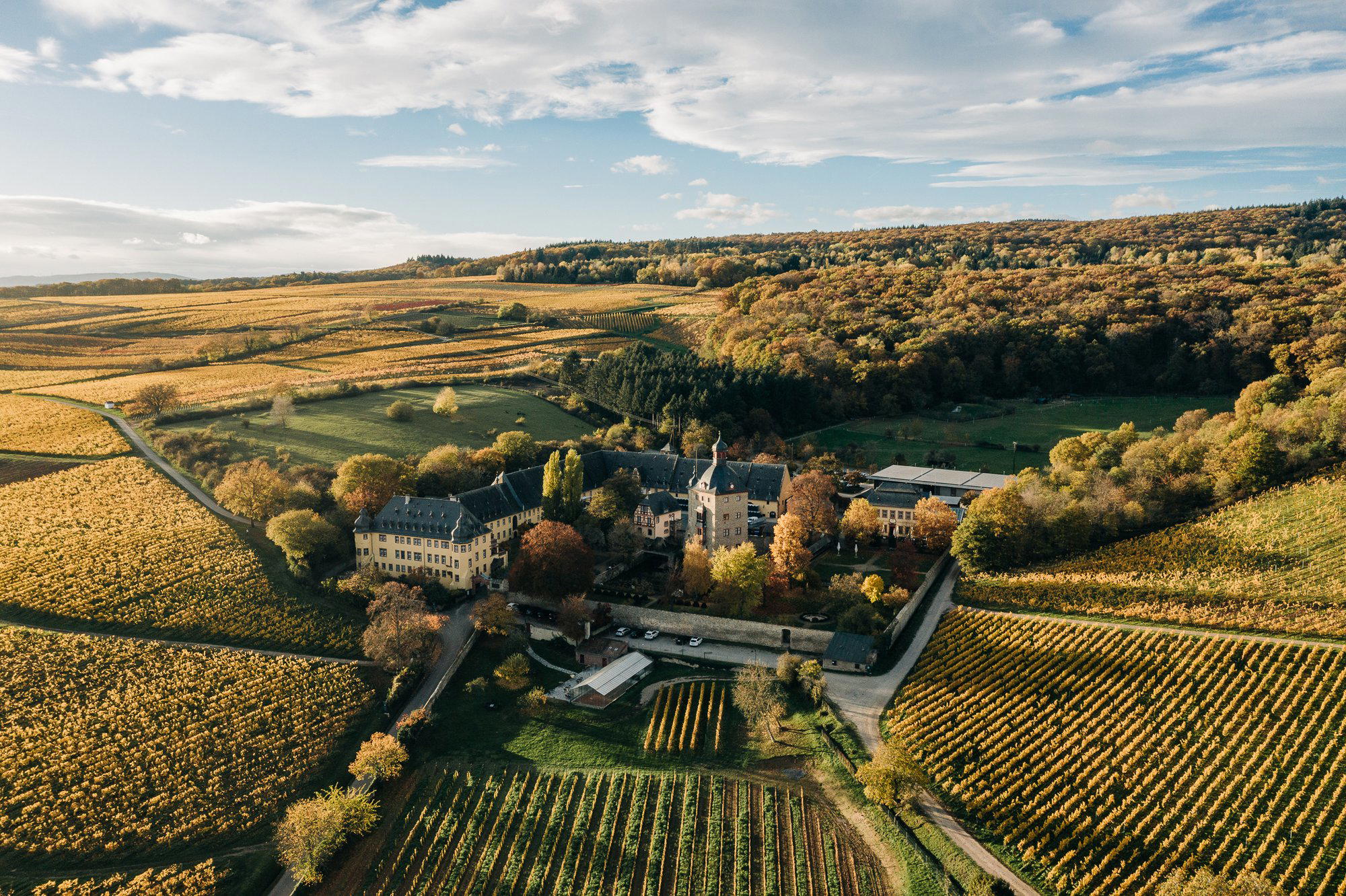
Schloss Johannisberg rises from its hillside above the Rhine with the particular self-assurance of an estate that has been producing Riesling since the early eighteenth century. Approaching Restaurant Schlossschänke means passing through vineyards rather than a car park, reading the landscape before you read the menu. That sequence is not incidental. Few dining rooms in the Rheingau are so physically embedded in their agricultural source material, and the setting frames expectations before a dish arrives.
The Rheingau has long occupied a specific position in German wine culture: a relatively compact region where south-facing slate and loam slopes, cooled by the Taunus hills behind and tempered by the broad Rhine below, produce Riesling of notable longevity. Schloss Johannisberg is among the estates that defined that reputation across two centuries. A restaurant on these grounds inherits that context whether it courts it or not. Schlossschänke courts it deliberately.
Provenance as Kitchen Logic
Across Germany's wine regions, a particular model of estate dining has emerged and matured: kitchens that treat proximity to the vineyard not as a marketing point but as a structural principle. The estate supplies the terroir for the glass; the kitchen extends that logic to the plate by sourcing from surrounding producers who farm within the same agricultural tradition. In the Rheingau, where small-scale viticulture and fruit growing have coexisted for generations, that kind of hyper-regional sourcing is less a trend than a continuation of how the area has always fed itself.
What this means practically is that a meal at Schlossschänke sits within a broader regional food system rather than operating as a standalone restaurant that happens to have a view. The Rheingau's orchards, market gardens, and river fisheries all feed into the culinary infrastructure that estate kitchens in this corridor draw from. At comparable venues elsewhere in Germany, from the wine estates of the Moselle to the agricultural hinterlands of Baden, this model has proven durable: produce sourced close to the glass it accompanies tends to create a coherent dining experience that neither overreaches nor undersells its location. For restaurants like Schanz in Piesport on the Moselle, or the estate-adjacent kitchens of Baden's wine country, the logic is the same: the land that flavours the wine also defines what the kitchen can credibly put on the plate.
Schlossschänke in Geisenheim's Dining Context
Geisenheim is not a restaurant city in the conventional sense. It is home to the Geisenheim University, one of Europe's most respected viticulture and oenology faculties, which gives the town an unusually informed local audience and a steady stream of wine-educated visitors. That audience shapes what dining in the area looks and tastes like. Restaurants here tend to serve guests who can read a wine list in depth and who arrive with specific regional expectations rather than generic luxury ones.
Within Geisenheim itself, the dining options span a range of registers. Brasserie Schwarzenstein operates at a higher formal register, while Müllers auf der Burg holds down the classic cuisine bracket at a higher price point. The Burg Restaurant and Burgrestaurant offer more traditional German formats, while Zwei und Zwanzig represents a newer entry in the local scene. Schlossschänke occupies a distinct position among these: the estate setting and the Johannisberg name carry a weight that no other venue in Geisenheim can replicate, grounding it in a competitive tier defined more by heritage than by format or price.
For a fuller picture of what the town offers across price points and cuisines, EP Club's full Geisenheim restaurants guide maps the range in detail.
Where Schlossschänke Sits in the Wider German Fine Dining Picture
Germany's serious dining scene has expanded and diversified considerably over the past decade. Awarded kitchens now operate in formats ranging from the intense tasting counter model of CODA Dessert Dining in Berlin and the Nordic-inflected precision of JAN in Munich, to the classical anchors of Vendôme in Bergisch Gladbach and Waldhotel Sonnora in Dreis. Further afield within Germany, Aqua in Wolfsburg, Schwarzwaldstube in Baiersbronn, ES:SENZ in Grassau, Victor's Fine Dining by Christian Bau in Perl, and Restaurant Haerlin in Hamburg collectively demonstrate the geographic spread and stylistic breadth of what serious German cooking now covers.
Estate-based dining in wine regions belongs to a different competitive set from urban fine dining. Internationally, comparisons might stretch as far as the wine-anchored tasting formats at Le Bernardin in New York City or the ingredient-precision culture of Atomix in New York City, but those are category comparisons rather than direct ones.
Planning a Visit
Schlossschänke sits on the grounds of Schloss Johannisberg above Geisenheim, with reservations accepted up to party size nineteen according to the estate's published information. The Rheingau's high season runs from late spring through the October harvest period, when the vineyards are at their most active and the regional produce calendar is fullest. Arriving outside peak summer weekends generally allows for a more considered experience of the estate grounds. Given the estate's location and the regional draw of the Johannisberg name, advance reservations are advisable for weekend visits during the wine season. Geisenheim is accessible by regional rail from Frankfurt, making it a manageable day trip from the city, though spending a night in the Rheingau to dine and explore at a less compressed pace is the more rewarding approach.
How Restaurant Schlossschänke Geisenheim compares with similar nearby venues.
| Venue | Cuisine | Price |
|---|---|---|
| Müllers auf der Burg | Classic Cuisine | €€€ |
| Burg Restaurant | German Traditional | Not listed |
Continue exploring
More in Geisenheim
Restaurants in Geisenheim
Browse all →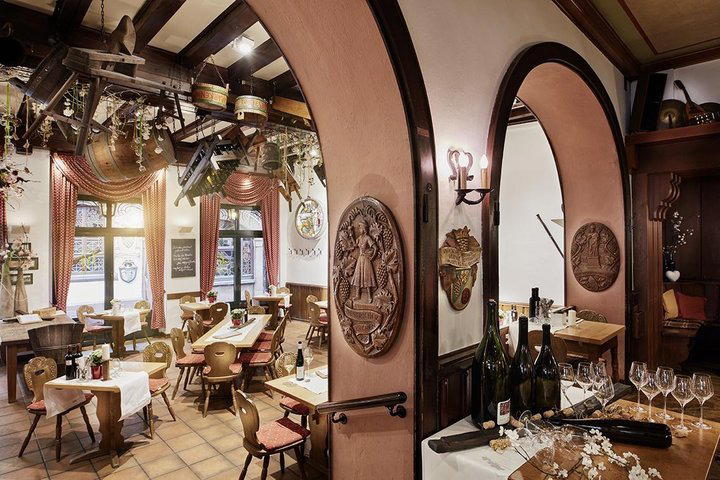
Bars in Geisenheim
Browse all →

Hotels in Geisenheim
Browse all →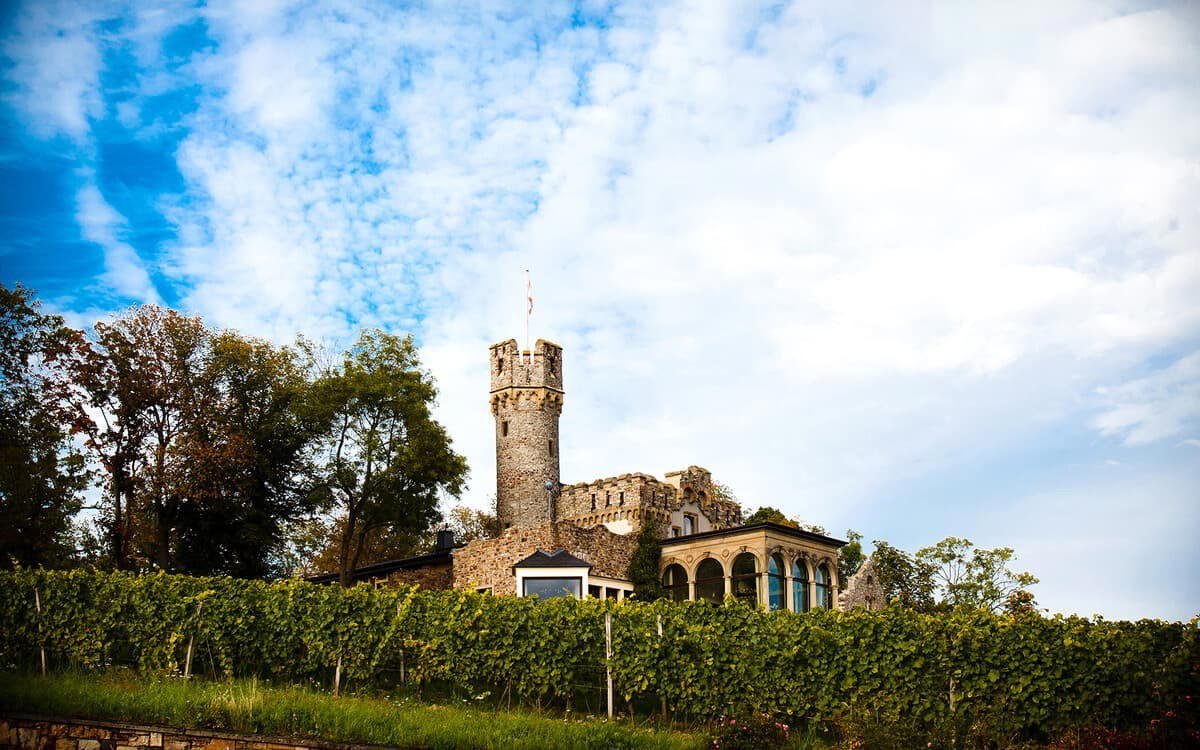
At a Glance
- Classic
- Rustic
- Scenic
- Cozy
- Family
- Celebration
- Special Occasion
- Historic Building
- Terrace
- Panoramic View
- Wine Cellar
- Extensive Wine List
- Local Sourcing
- Vineyard
Current opening hours
- Monday
- Closed
- Tuesday
- 12–10 PM
- Wednesday
- 12–10 PM
- Thursday
- 12–10 PM
- Friday
- 12–10 PM
- Saturday
- 12–10 PM
- Sunday
- 11 AM–10 PM
Hours can change for holidays and private events. Last verified .
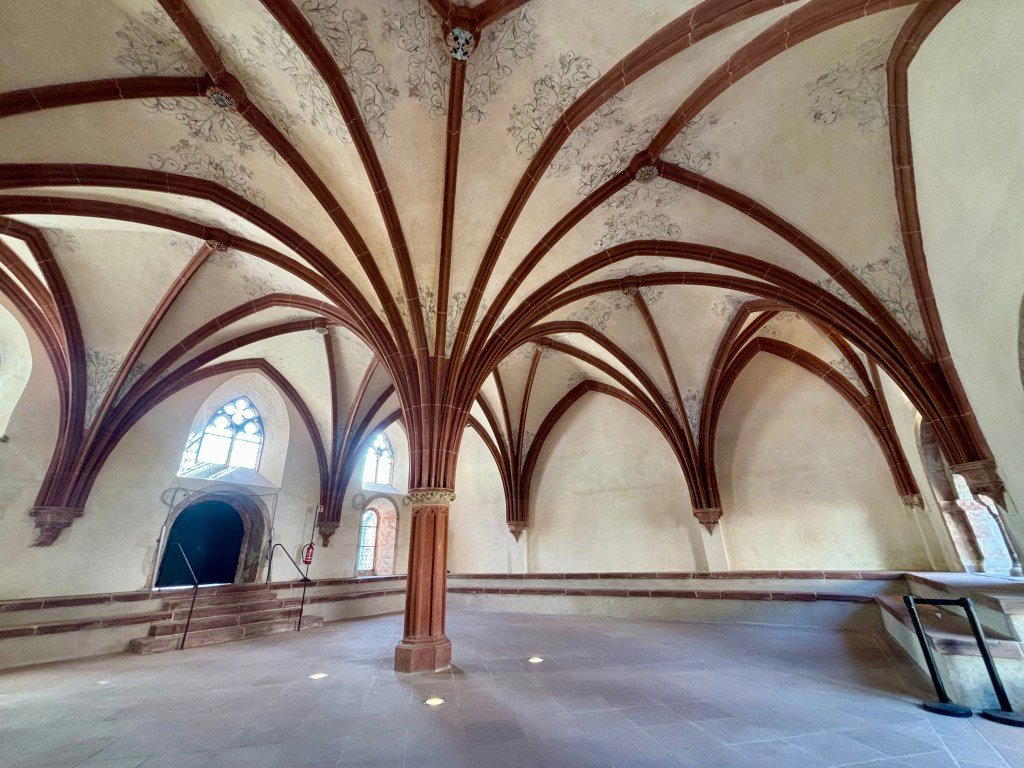
Charming historic setting with sunny terrace, winter garden, and elegant castle atmosphere.
Know Before You Go
- Getting there
- Schloss Johannisberg, Reservierungen bis 19