Blick Bergwirtschaft
Our verdict
Blick Bergwirtschaft sits above Weil am Rhein at Langgaß 2, where the Upper Rhine Valley's agricultural hinterland meets the tripoint border region of Germany, France, and Switzerland. The setting places it in a tradition of refined Bergwirtschaft dining that draws as much from proximity to Alsatian and Swiss produce sources as from German Swabian roots. A regional address worth understanding before your visit.

Pearl is the En Primeur Club membership app, where members save venues, book tables and use the concierge.
The menu
What to order
- Käsefondue
- Älpler Magronen
- Kässpätzle
Where the Upper Rhine Meets the Plate
The tripoint border region where Germany, France, and Switzerland converge produces one of Central Europe's most ingredient-dense dining environments. Within a radius of roughly thirty kilometres from Weil am Rhein's edge, you can draw on Alsatian market gardens, Swiss dairy farms, Black Forest foragers, and the Rhine's own fishing tradition. Restaurants anchored in this geography occupy a different competitive position than urban fine-dining addresses like JAN in Munich or Aqua in Wolfsburg, whose sourcing networks are by necessity more distributed. Here, the ingredient supply chain is short by structural geography, not by marketing intention.
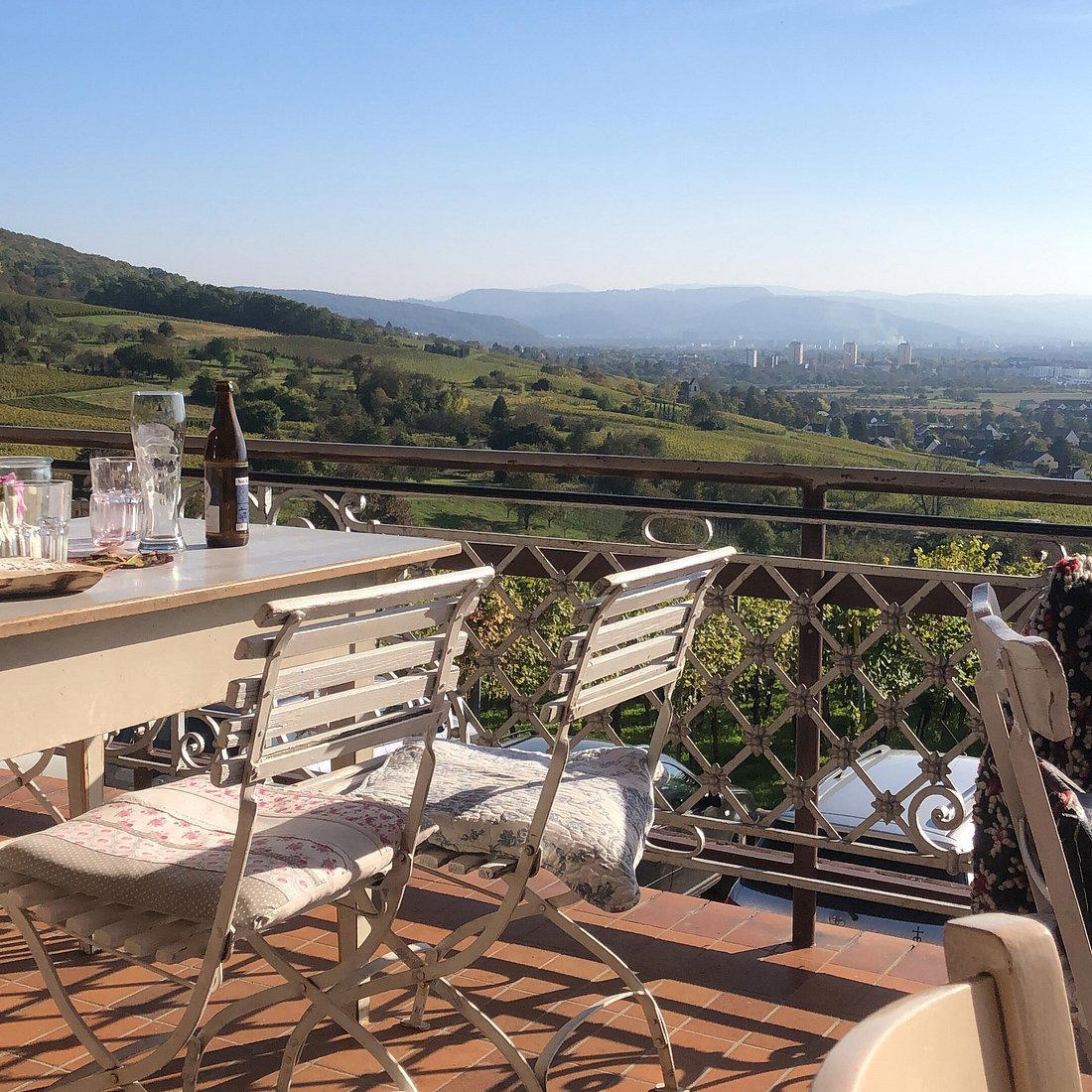
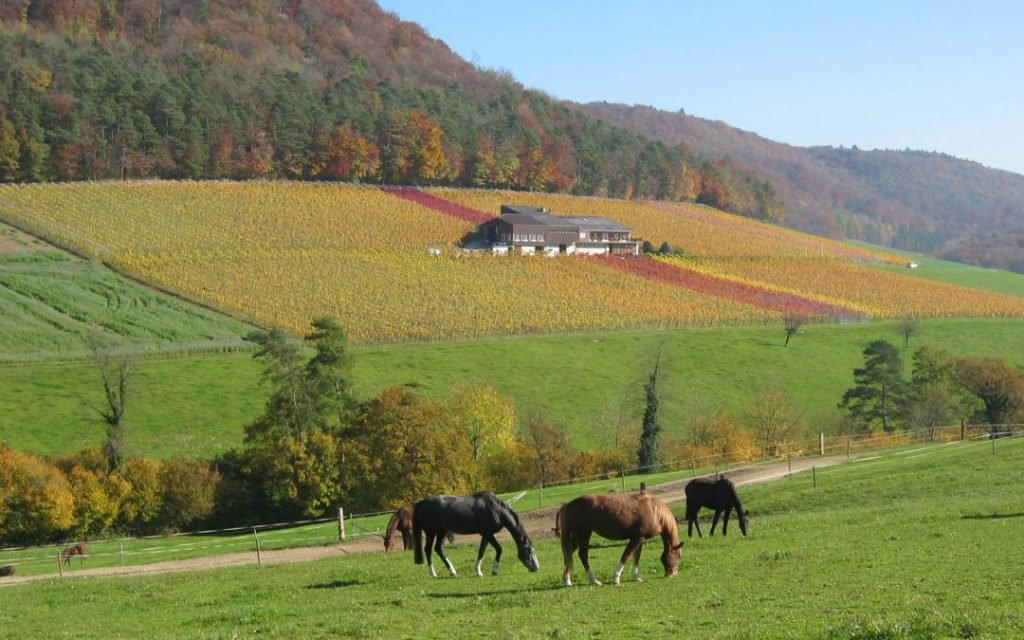
Blick Bergwirtschaft, addressed at Langgaß 2 in Weil am Rhein, sits within this broader tradition of refined Bergwirtschaft dining. The Bergwirtschaft format itself carries specific regional meaning: these are upland inn-restaurants, historically positioned at elevation to serve travellers and locals who have made a deliberate trip to reach them. The journey is part of the proposition, and the setting above the Rhine plain reinforces a relationship with terrain that informs how food is sourced, prepared, and presented in this category.
The Bergwirtschaft Tradition in a Border Region
Germany's Bergwirtschaft tradition is distinct from the urban restaurant format that dominates coverage of German fine dining. Where three-Michelin-star addresses such as Schwarzwaldstube in Baiersbronn or Waldhotel Sonnora in Dreis operate within hotel frameworks and serve an international clientele, the Bergwirtschaft model is more rooted in local use. Regulars return across seasons; the menu rotates with what nearby producers bring in; the room functions as much as a community anchor as a destination restaurant.
In the Upper Rhine region specifically, this format absorbs cross-border influence almost by default. Alsatian charcuterie traditions, Swiss cheese-making, and the Black Forest's game and mushroom seasons all feed into kitchens within a day's drive of Weil am Rhein. The result is a cuisine of accumulation rather than singular identity, one that resists easy categorisation against the more programme-led contemporary German menus at places like Vendôme in Bergisch Gladbach or the dessert-led format of CODA Dessert Dining in Berlin.
Ingredient Geography as Culinary Foundation
The editorial angle most relevant to a restaurant in this location is not any single dish or kitchen technique but the sourcing logic that the geography enables. The Upper Rhine Valley sits at an agricultural crossroads: Kaiserstuhl wine producers to the north, Alsatian vegetable and fruit growers across the river, Swiss mountain pasture within an hour's reach to the south. This means a kitchen here can work with a quality tier of primary ingredients that most German city restaurants have to import at considerably higher cost and longer transit times.
For context, the premium sourcing networks that distinguish places like Victor's Fine Dining by Christian Bau in Perl or Schanz in Piesport in the Moselle region depend on similar regional density. The Moselle's wine-country restaurants benefit from proximity to French Lorraine produce networks much as Weil am Rhein benefits from the Alsace-Black Forest corridor. Regional ingredient density is a structural advantage, not an accident, and it shapes the character of restaurants at every price point within these zones.
Seasonal rhythm matters here. The Black Forest calendar runs through wild garlic and asparagus in spring, stone fruit and chanterelles through summer, game and root vegetables from autumn onwards. A Bergwirtschaft kitchen that tracks this calendar closely will serve food that reads differently in April than in October, not because of a formal tasting-menu philosophy but because the supply chain naturally changes. This contrasts with more controlled fine-dining formats where ingredient sourcing is year-round and global by design.
Weil am Rhein as a Dining Address
Weil am Rhein occupies a peculiar position in German dining coverage: it is geographically close to Basel, which holds some of Switzerland's most ambitious restaurant addresses, yet it retains its own distinct local character. Visitors arriving at this edge of Baden-Württemberg are often primarily oriented toward Basel's cultural institutions or the Vitra Campus just outside Weil's centre, and the local restaurant scene benefits from that foot traffic without being wholly shaped by it.
Within Weil am Rhein itself, the restaurant range covers contemporary formats at Café GUPI and more traditional approaches at Ott's Leopoldshöhe, with Blick Bergwirtschaft's refined position and format placing it in a distinct tier. For a fuller sense of the city's dining options across formats and price points, our full Weil am Rhein restaurants guide covers the range in detail.
The broader southwestern Germany and Alsace corridor contains some of Germany's most decorated tables. Those planning a regional circuit might consider the full sweep: from Restaurant Haerlin in Hamburg or GästeHaus Klaus Erfort in Saarbrücken at the northern and western ends of the German fine-dining map, down through the Moselle and Rhine corridor to this corner of Baden. For those approaching from further afield, the comparison set extends internationally: the sourcing discipline that defines this region's leading kitchens has parallels in what Le Bernardin in New York City does with Atlantic seafood provenance, or the seasonal commitment visible at Lazy Bear in San Francisco.
Planning Your Visit
Blick Bergwirtschaft is located at Langgaß 2, 79576 Weil am Rhein. The address places it within the upland area above the Rhine plain, consistent with the Bergwirtschaft positioning of refined, destination-oriented dining. Visitors travelling by car from Basel can reach the broader Weil am Rhein area in under twenty minutes; those using public transport should note that the Weil am Rhein S-Bahn connections link to Basel's main rail hub, though onward access to the specific Langgaß address may require a local taxi or ride-share arrangement. Given the cross-border character of the region, visitors from France via Huningue or from Switzerland via Basel are equally plausible, and the restaurant's position makes it a logical stop within a multi-country regional itinerary rather than a standalone urban dining destination. Current hours, booking availability, and pricing are best confirmed directly with the venue ahead of any visit, as specific operational details are subject to seasonal adjustment in this category of restaurant. For regional comparisons at the high end of the Baden-Württemberg and adjacent wine-country spectrum, ES:SENZ in Grassau and Bagatelle in Trier offer useful reference points for what refined regional cooking looks like when it engages seriously with local ingredient geography and L.A. Jordan in Deidesheim demonstrates how wine-country proximity can shape a restaurant's full offer, from cellar to kitchen.
Frequently asked questions
Is Blick Bergwirtschaft good for families?
The Bergwirtschaft format has deep roots in cross-generational German dining culture, historically serving local families rather than destination-only crowds. Blick's address at Langgaß 2 in Weil am Rhein places it in a residential upland area, which typically draws a neighbourhood-inclusive clientele rather than an exclusively adult dining room.
What's the vibe at Blick Bergwirtschaft?
Bergwirtschaft venues in the Upper Rhine region tend to run unhurried and grounded, oriented around regulars and long lunches rather than tasting-menu theatre. Sitting above the Rhine plain at the tripoint of Germany, France, and Switzerland, Blick carries the geography of its position into its atmosphere: this is a region where borders blur and dining is tied to the land rather than to urban prestige. Expect a setting that feels more community anchor than special-occasion destination.
How does Blick Bergwirtschaft's location above Weil am Rhein differ from dining in central Basel?
Basel's restaurant scene runs toward formal Swiss precision and internationally rated destination dining, with Michelin-listed addresses dominating coverage of the wider region. Blick Bergwirtschaft, positioned in the upland area above Weil am Rhein at Langgaß 2, operates in a distinctly different register: the Bergwirtschaft format prioritises local clientele, regional produce from the Baden side of the Rhine plain, and an informal rhythm that Basel's city-centre addresses rarely replicate. The short distance between the two cities makes Blick a practical contrast to a Basel itinerary rather than a substitute for it.
What do people recommend at Blick Bergwirtschaft?
The Bergwirtschaft format in this part of Baden, close to Alsace and Basel's Swiss hinterland, reliably points toward seasonal, regionally sourced cooking: game, river fish, and produce from the Rhine plain all feature across comparable addresses in the tripoint area. For confirmed current menu details, contacting the venue directly via its Weil am Rhein address at Langgaß 2 is the most reliable route.
What's Blick Bergwirtschaft's location?
Blick Bergwirtschaft is located at Langgaß 2, 79576 Weil am Rhein, Germany, Weil Am Rhein.
Should I book Blick Bergwirtschaft in advance?
Bergwirtschaft addresses with a strong local following in smaller German cities frequently fill weekend covers well ahead, particularly in the warmer months when hillside terrace seating draws additional demand. Weil am Rhein's proximity to Basel means the venue also draws cross-border diners from Switzerland and visitors to the Vitra Campus, which can compress availability further. Booking ahead, especially for weekend lunch or dinner, is the safer approach.
Fast Comparison
Comparable venues nearby, for context on price, style, and recognition.
| Venue | Cuisine | Price | Awards | Notes |
|---|---|---|---|---|
| Blick BergwirtschaftThis venue (the venue you are viewing) | Traditional German & Swiss Bergwirtschaft | Not listed | Not listed | Not listed |
| Ott's Leopoldshöhe | Traditional German & Regional | $20–30 | Falstaff Restaurant - Listed | Weil am Rhein |
| Café GUPI | Modern German Wine Bar | Not listed | 1 Michelin Star · Star Wine List | Läublin Park |
| Zum Löwen | Traditional Baden German | $20–30 | Not listed | Altstadt |
| Das Walz | German Central European | Not listed | Not listed | city center |
| Rotenberger Weingärtle | Modern Swabian | $30–50 | Not listed | Obertuerkheim |
Continue exploring
More in Weil am Rhein
Restaurants in Weil am Rhein
All restaurants in Weil am Rhein →
Bars in Weil am Rhein
Browse all →

Details
- Scenic
- Rustic
- Cozy
- Casual Hangout
- Group Dining
- Terrace
- Panoramic View
- Local Sourcing
- Mountain
- Street Scene
- A La Carte
- Vegetarian Friendly
Current opening hours
- Monday
- Closed
- Tuesday
- Closed
- Wednesday
- 5 PM–12 AM
- Thursday
- 5 PM–12 AM
- Friday
- 5 PM–12 AM
- Saturday
- 5 PM–12 AM
- Sunday
- Closed
Hours can change for holidays and private events. Hours as of .
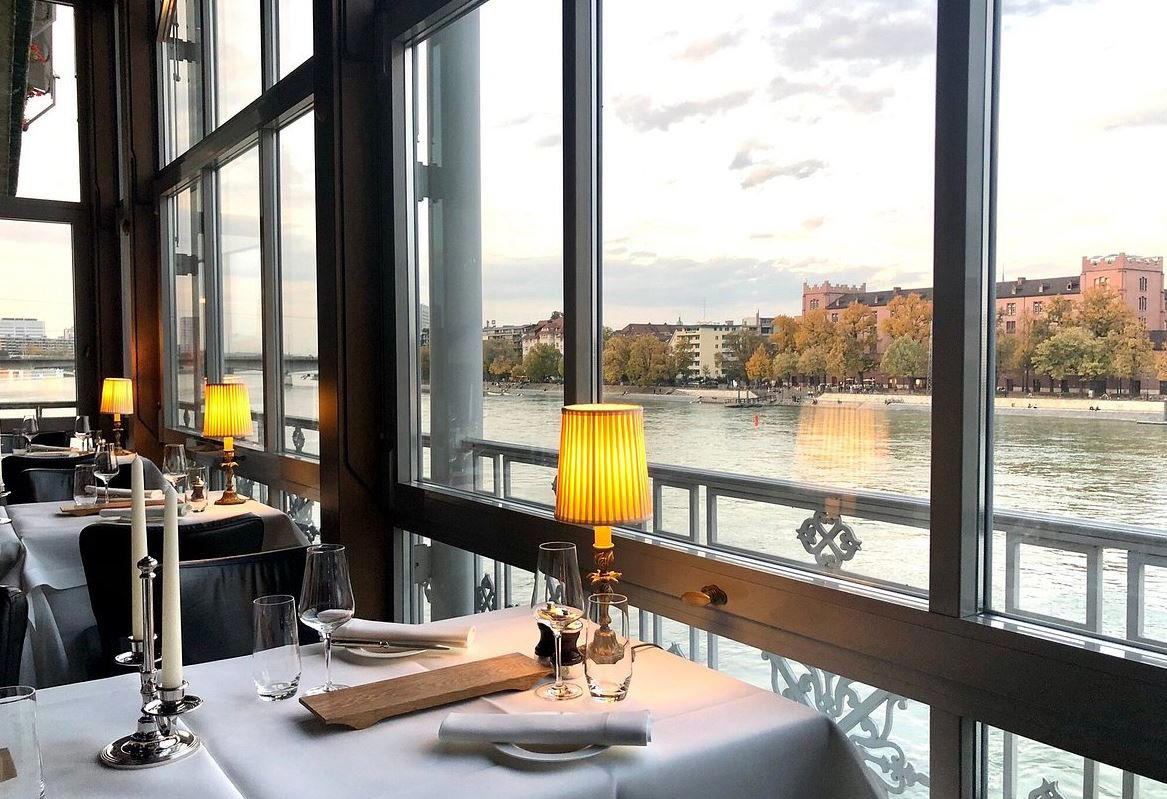
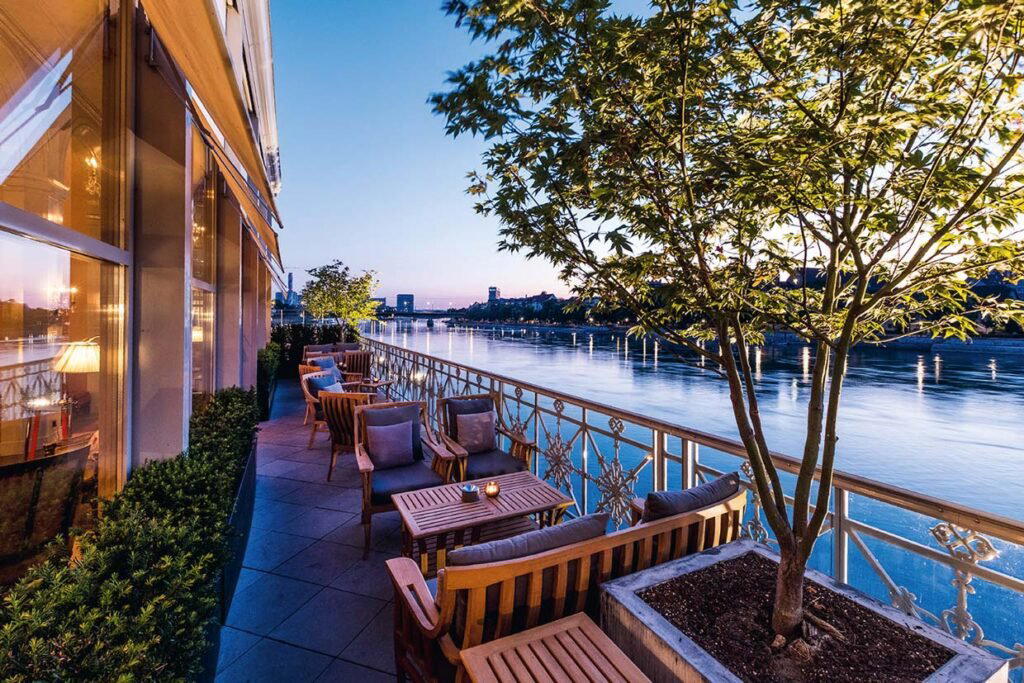
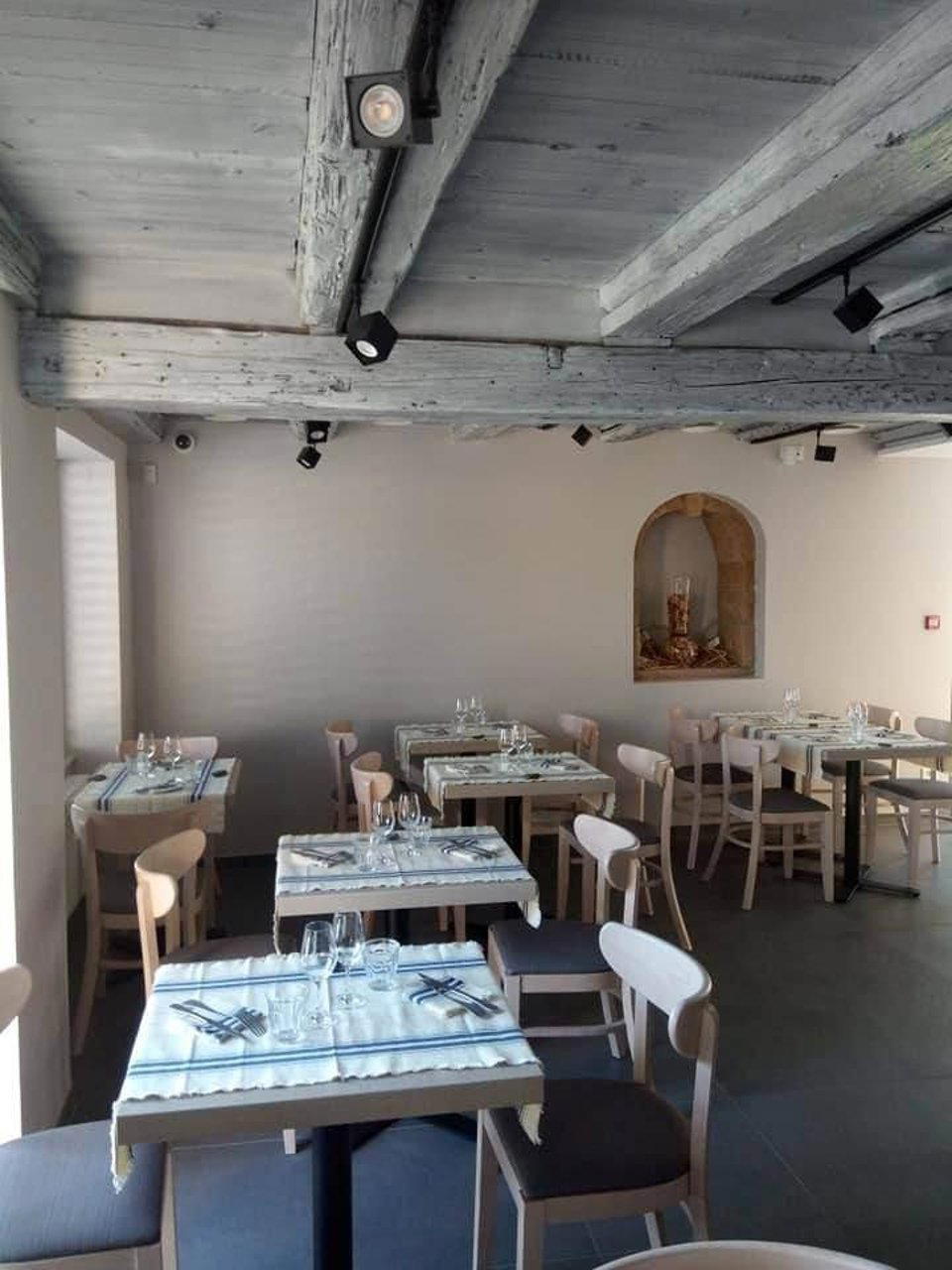
rustic and cozy atmosphere with beautiful terrace seating and warm, gemütlich interior praised for its charm and friendliness.