Chef's Table

A Michelin Plate-recognised Modern British restaurant in Bristol's Spike Island quarter, Chef's Table holds. The open kitchen format keeps the cooking visible throughout a sequence of hot and cold courses, while an expert sommelier steers pairings across the meal. An impressive cheese trolley, featuring artisan produce from a local farm, closes the menu in characteristically unhurried fashion.
Pearl is the En Primeur Club membership app — saves, bookings, and concierge access live there. Same editors, same standards.
- Address
- 1a Avon Cres, Bristol BS1 6XQ, United Kingdom
- Phone
- +44 117 930 0776
- Website
- chefstable.restaurant
- Directions
- Get directions
 Saves & bookings on Pearl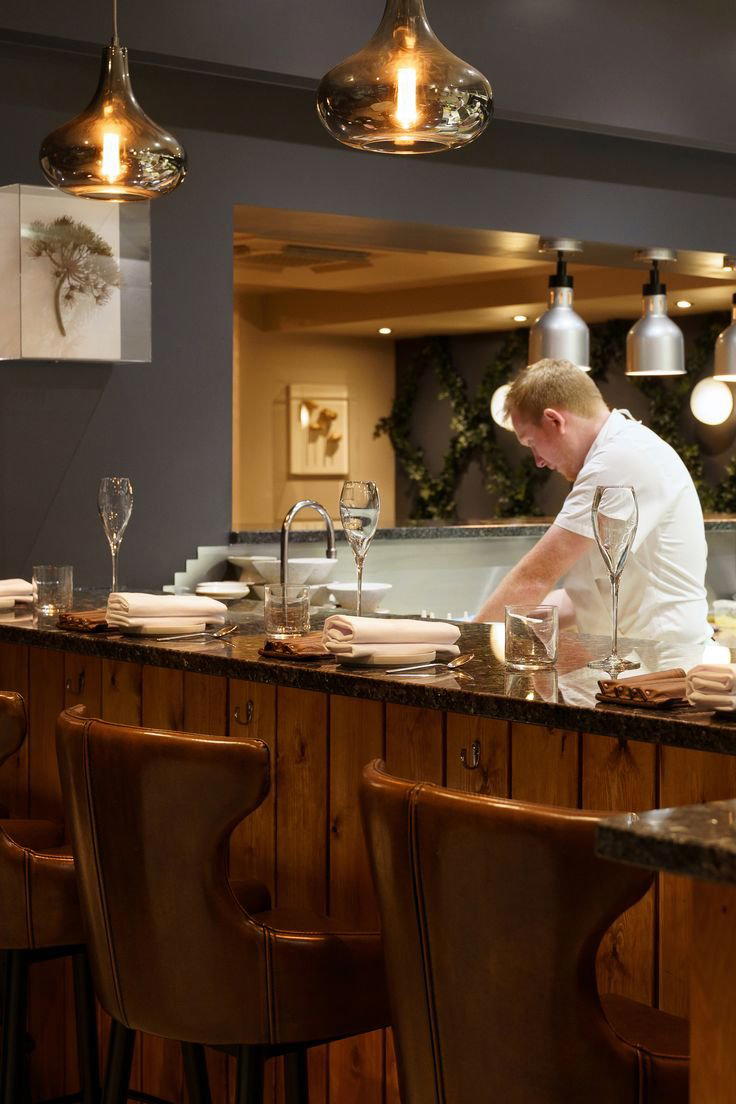
Bristol's Tasting Format, Reframed
Bristol has spent the past decade building a serious Modern British dining scene, one that sits comfortably alongside comparable mid-sized UK cities without depending on London validation to make the case. Within that scene, a recognisable tier has emerged: restaurants built around sequenced menus, open kitchens, and a philosophy that the meal is a progression rather than a transaction. Chef's Table, on Avon Crescent in the Spike Island quarter near Bristol's harbourside, occupies that tier. It is currently listed in the MICHELIN Guide and carries, numbers that place it at the upper end of Bristol's Modern British category.
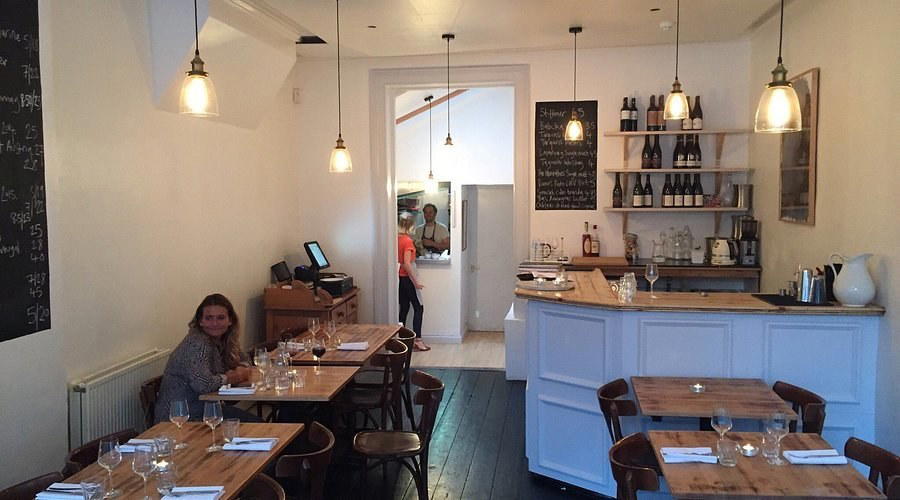
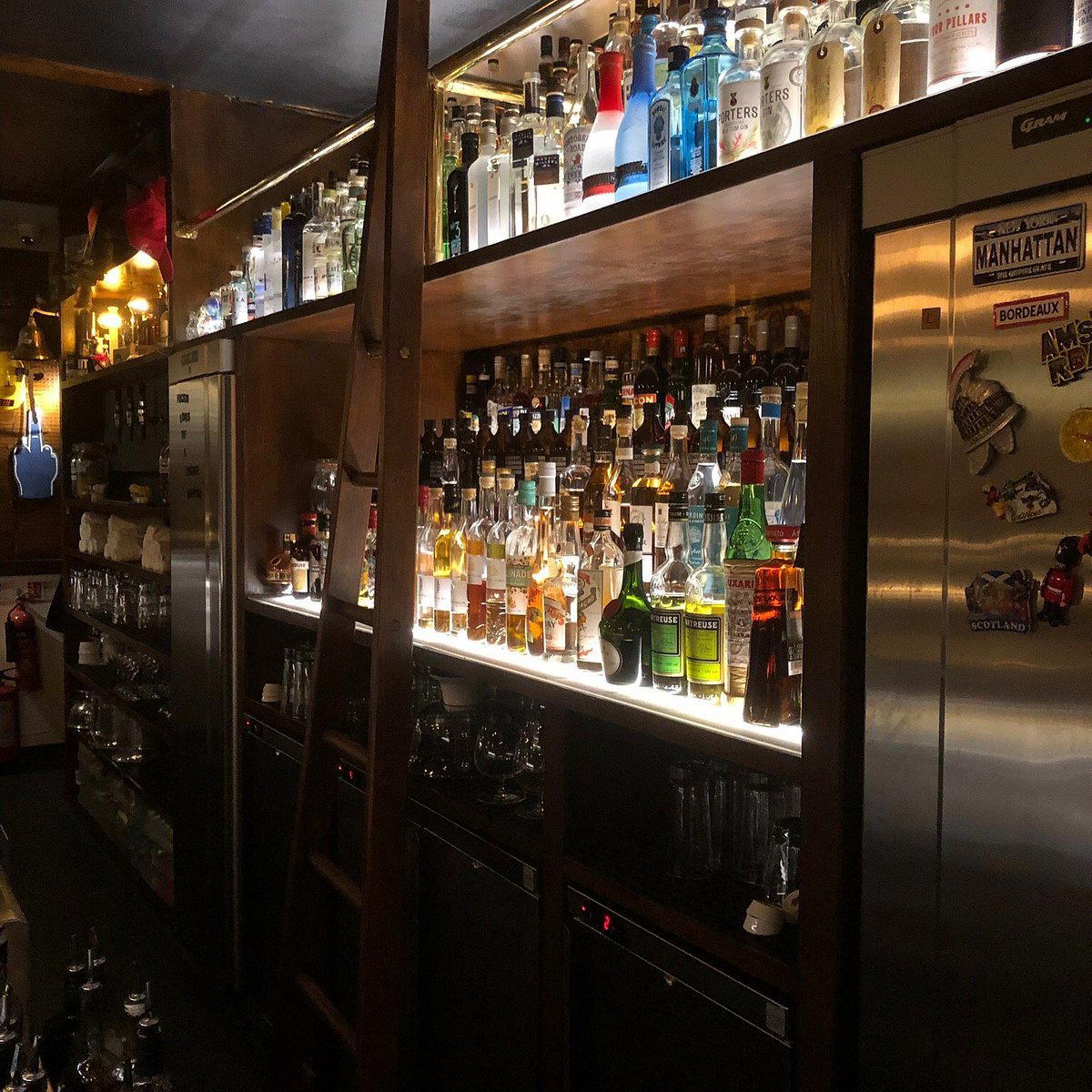
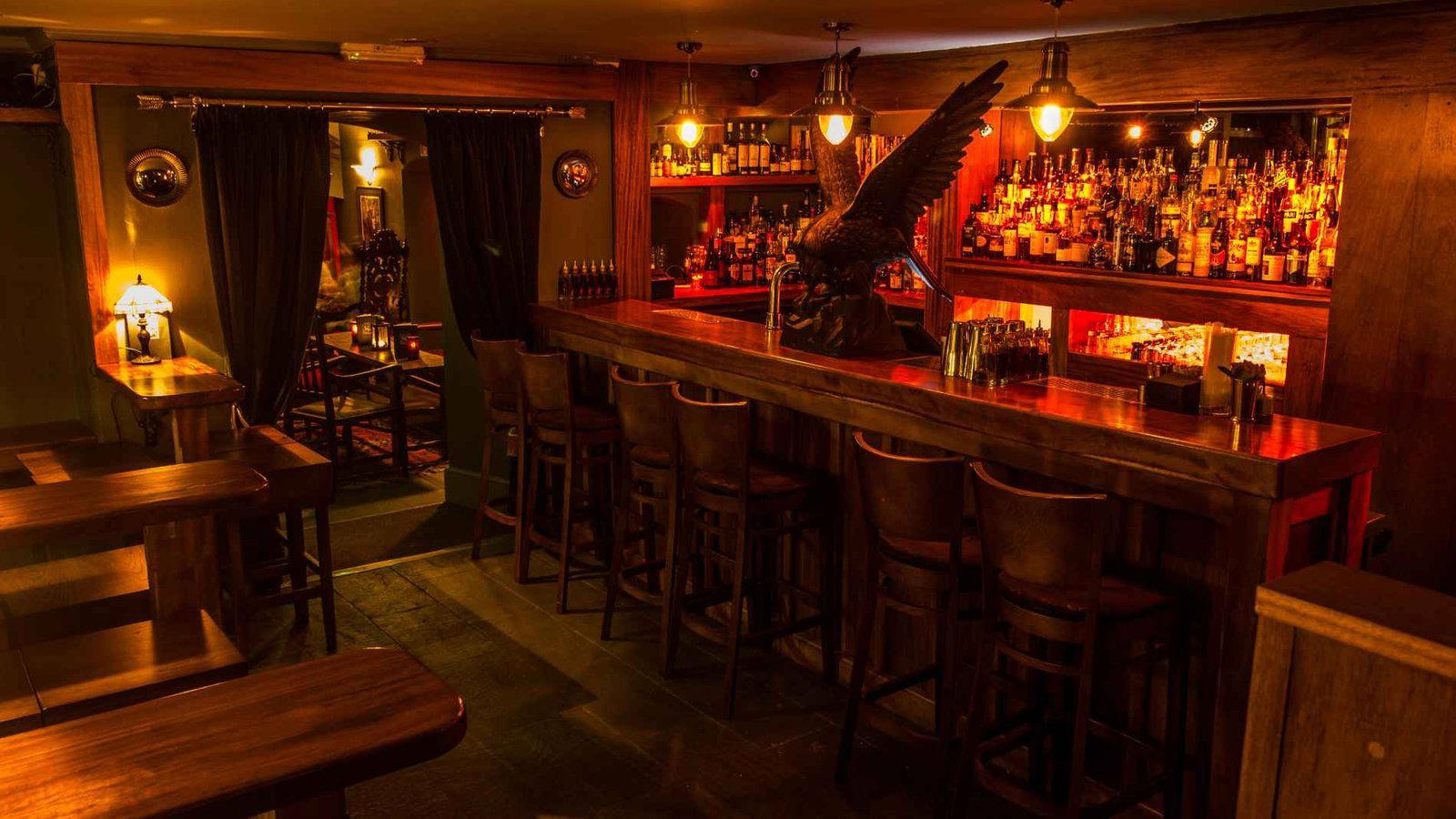
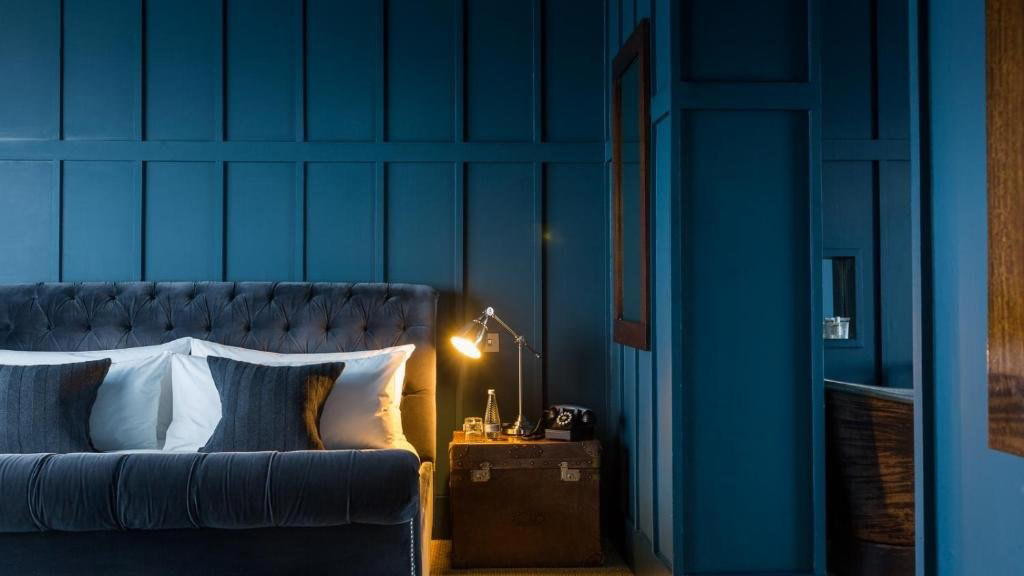
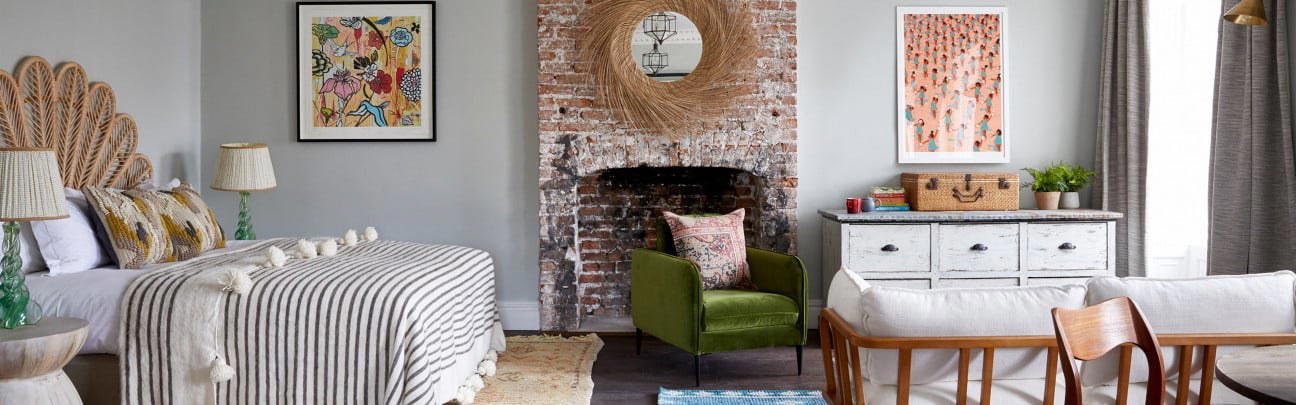
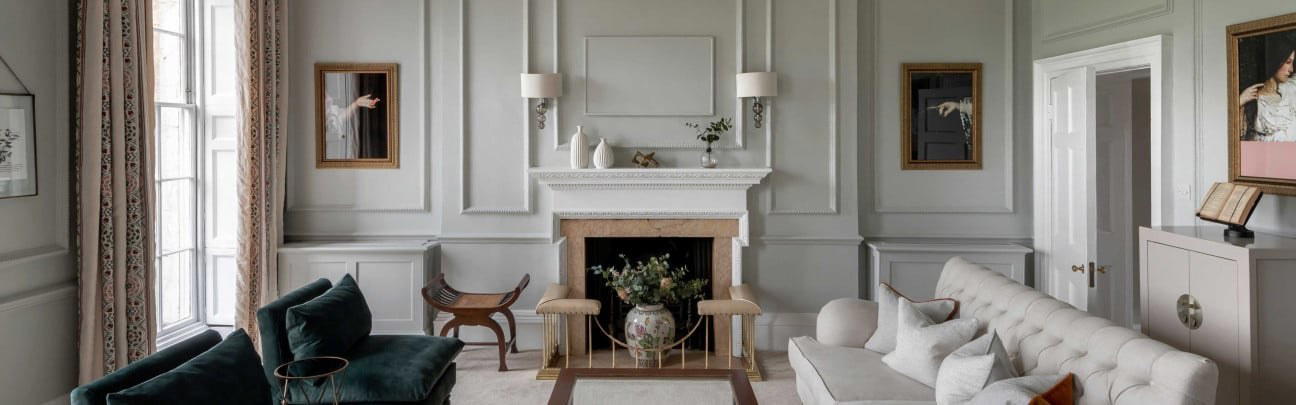
The room itself does a great deal of the framing. An open kitchen anchors the space rather than concealing the work, which shifts the atmosphere away from formal theatre toward something closer to calm observation. Tables are positioned to keep the kitchen in view, and the mood is sophisticated without the stiffness that can make tasting-menu rooms feel like endurance tests. That register, composed, attentive, but not performative, is increasingly the mark of Britain's better mid-tier tasting restaurants, the ones that have quietly moved past molecular theatrics toward cooking that trusts its ingredients to carry the narrative.
The Sequence and What Drives It
The format at Chef's Table follows the logic that has become standard at this level of Modern British cooking: a progression of hot and cold courses, paced to give each element room, with an expert sommelier threading wine pairings through the meal. That sommelier role matters more than it might appear on paper. At tasting-format restaurants, the pairing is the difference between a meal that coheres and one that simply proceeds. Fine imports sit alongside artisan produce, which signals an approach to the cellar that isn't purely local or purely classical but is built around what fits each course.
Cheese trolley is worth noting separately because it represents a deliberate structural choice. Closing a tasting menu with a trolley service rather than folding cheese into the progression or skipping it entirely is a nod to a more traditional British and French dining rhythm. The produce here comes from a local farm, which grounds the ending in something regional rather than cosmopolitan. In a city that has built its food identity partly on the strength of its regional sourcing relationships, that detail carries weight. For comparison, Bristol's Wilsons operates at a similar £££ price point with a comparable emphasis on sourcing discipline, while Bulrush sits a tier above at ££££ with a Michelin star to substantiate the difference.
Where the Afternoon Tea Angle Sits
Editorial angle of reimagined ritual is relevant here, though not in the way of a hotel tearoom that has swapped finger sandwiches for truffle foam. What Chef's Table does with its format is closer to the underlying logic of afternoon tea: structured progression, a mix of savoury and sweet across distinct courses, and a cheese or patisserie movement that closes the meal with deliberate care. That architecture has more in common with classic British formal dining than with the loose à la carte rhythm that dominates most of Bristol's harbourside. The hot and cold course structure, the trolley service, the sommelier curation: these are elements that require the kitchen and front-of-house to work in coordination rather than in parallel, which is a different kind of discipline.
In that context, the Michelin star recognition is a meaningful marker. Two stars indicate cooking that meets Michelin's threshold for strong quality, positioning the restaurant clearly above casual dining and among the city's leading restaurants. COR and BOX-E each represent different points in Bristol's broader Modern British spectrum; 1 York Place occupies the European-leaning end of that same price bracket. The restaurant's Plate status, combined with the structured format and the strong review volume, suggests a kitchen operating with consistency rather than occasional brilliance.
The National comparable set
To place the restaurant in its proper national frame: the Michelin Plate tier is where a significant portion of Britain's serious Modern British cooking happens. The starred operations, CORE by Clare Smyth in London, L'Enclume in Cartmel, Moor Hall in Aughton, The Fat Duck in Bray, represent the category ceiling. Below that, Plate-recognised restaurants like Chef's Table operate in the bracket where quality is established but the margin for error is narrower and the value proposition tends to be clearer. Gidleigh Park in Chagford, Hand and Flowers in Marlow, Hide and Fox in Saltwood, and The Ritz Restaurant in London each reflect different iterations of what Modern British cooking looks like at the premium end across the country. The restaurant sits within that wider national conversation, not at its apex, but engaged with the same questions about format, sourcing, and what a sequenced meal should actually deliver.
Planning a Visit
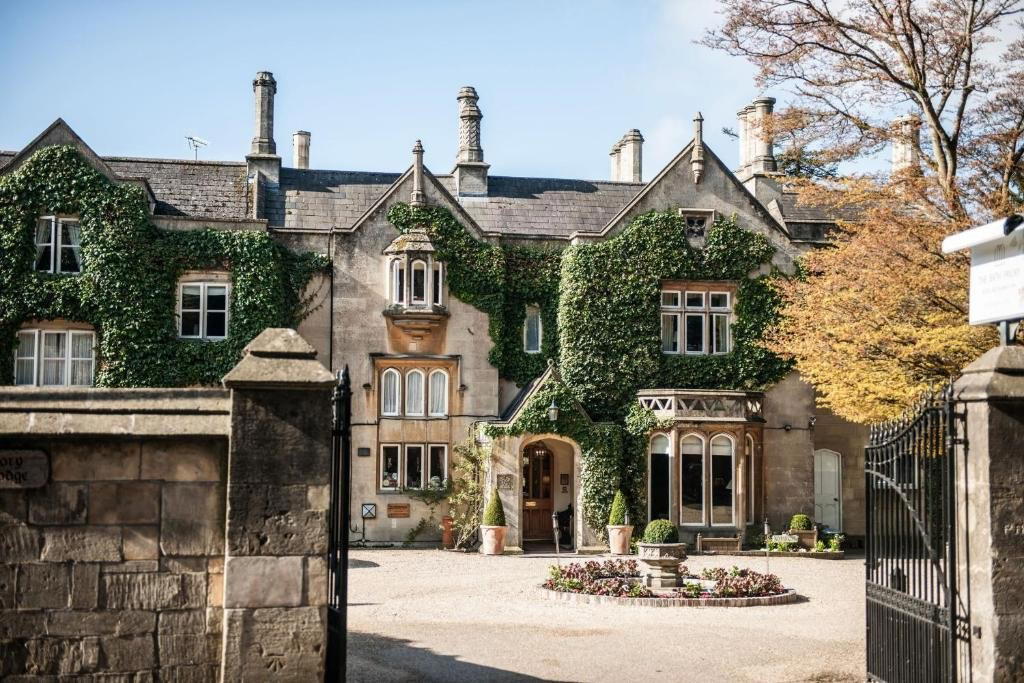
The restaurant is at 1a Avon Crescent, BS1 6XQ, in Spike Island, a short walk from the harbourside and within reach of Bristol Temple Meads by foot or taxi. The ££££ price positioning reflects its tasting-menu format and a £100 per person average spend. Given the 4.7 rating across a substantial review base, booking ahead is advisable.
In Context: Similar Options
Comparable venues nearby, for context on price, style, and recognition.
| Venue | Cuisine | Price | Awards | Notes |
|---|---|---|---|---|
| Chef's TableThis venue — the venue you are viewing | Modern British Fine Dining | $$$$ | Michelin Plate | Not listed |
| Wilsons | Modern British Fine Dining | $$$ | Michelin 1 Star | Cotham |
| Bulrush | Modern British Fine Dining | $$$ | Michelin 1 Star | Cotham |
| Root | Modern Vegetable-Led Small Plates | $$$ | Bib Gourmand | Central |
| Adelina Yard | Modern European Fine Dining | $$$ | Michelin Plate | Central |
| Little Hollows Pasta | Modern Italian Pasta Bistro | $$ | Bib Gourmand | Cotham |
Recognition history
Dated appearances from independent guides and award organizations, with the underlying list record or original source where available.
Michelin Plate
Michelin
At a Glance
- Cozy
- Intimate
- Elegant
- Date Night
- Special Occasion
- Celebration
- Open Kitchen
- Extensive Wine List
- Waterfront
- Street Scene
Current opening hours
- Monday
- Closed
- Tuesday
- Closed
- Wednesday
- 5 PM–12 AM
- Thursday
- 12 PM–12 AM
- Friday
- 12 PM–12 AM
- Saturday
- 12–4:30 PM, 5 PM–12 AM
- Sunday
- 12–6 PM
Hours can change for holidays and private events. Last verified .
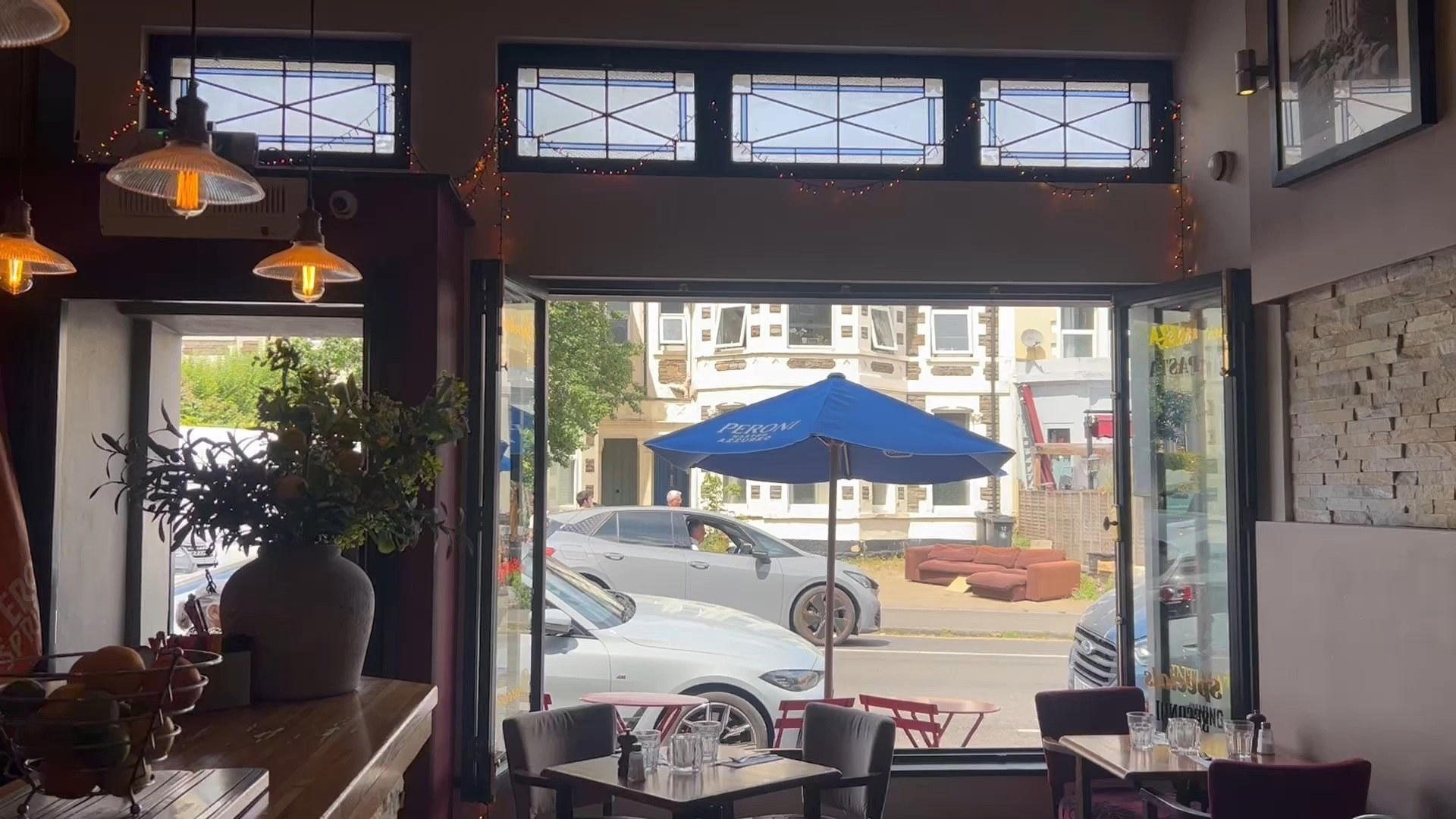
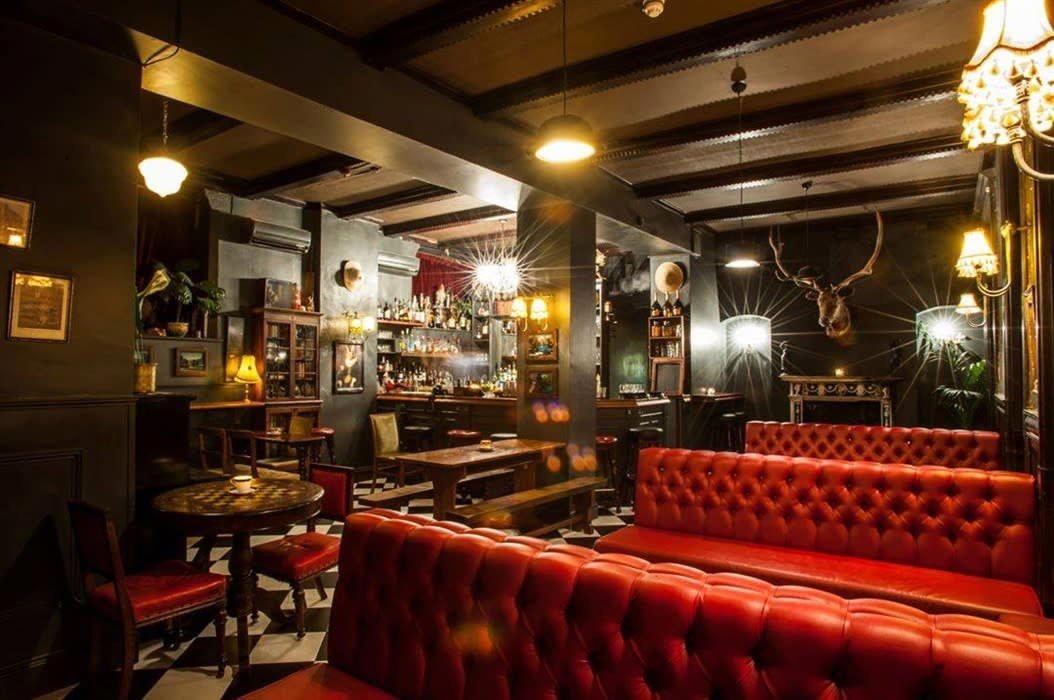
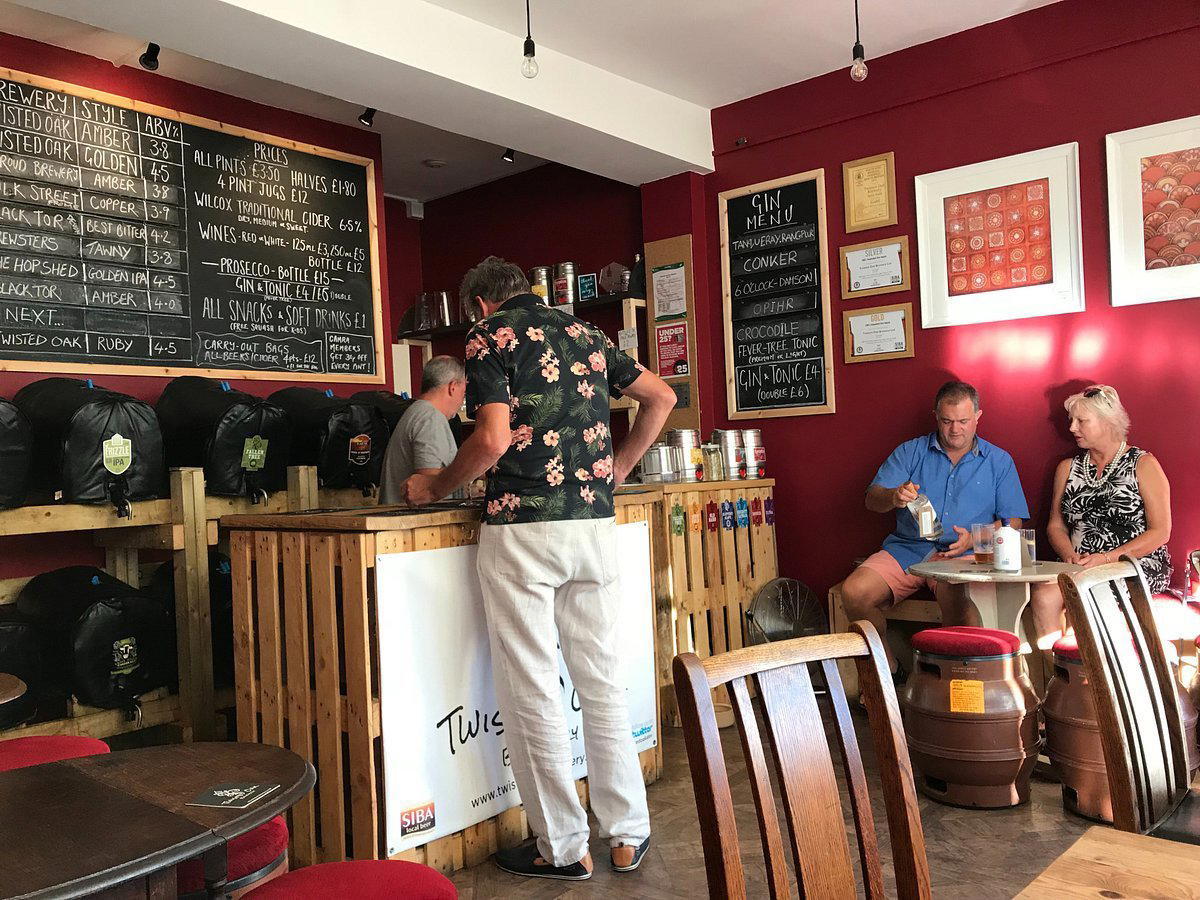
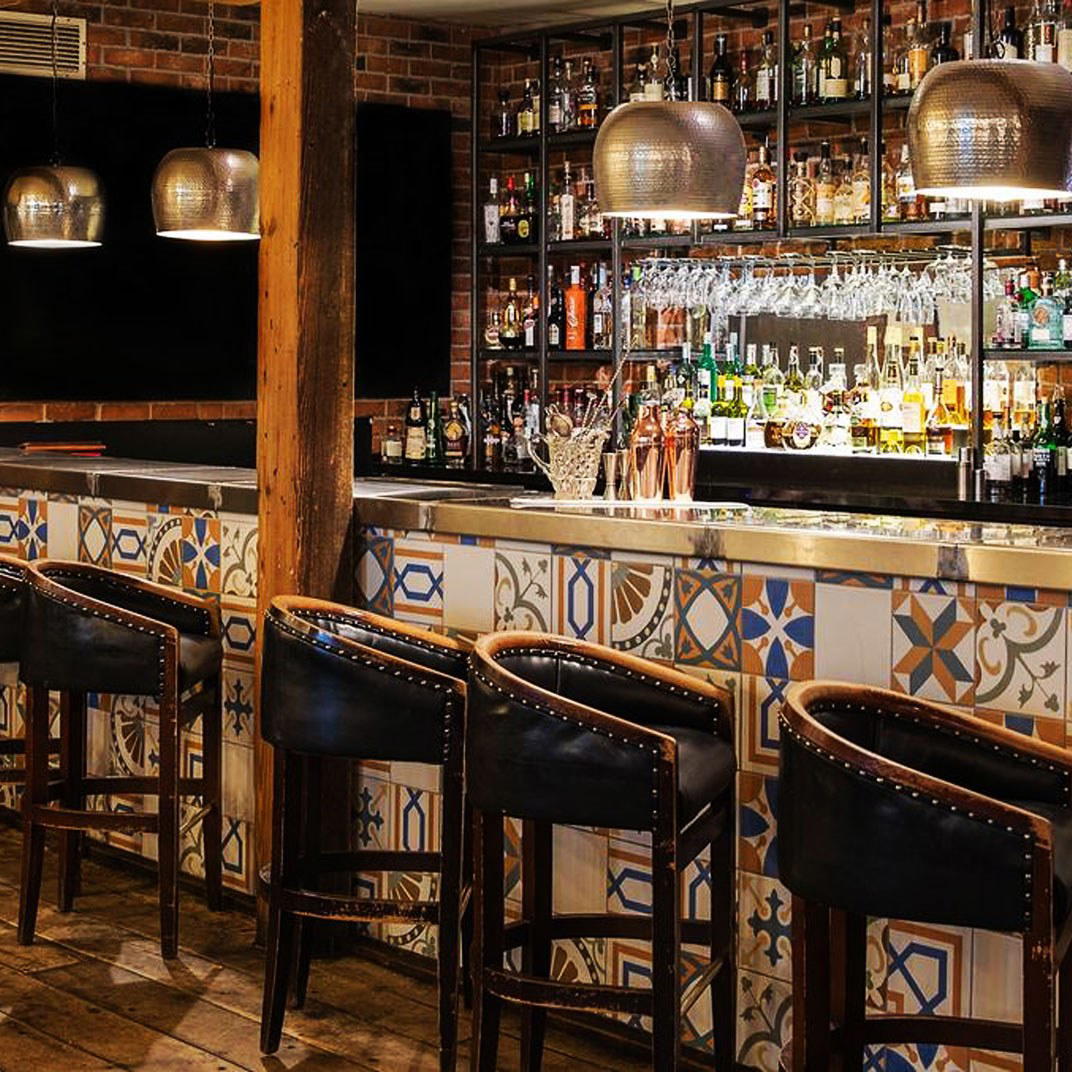
Cozy and inviting atmosphere with warm lighting, open kitchen visibility, and an unpretentious yet refined feel.