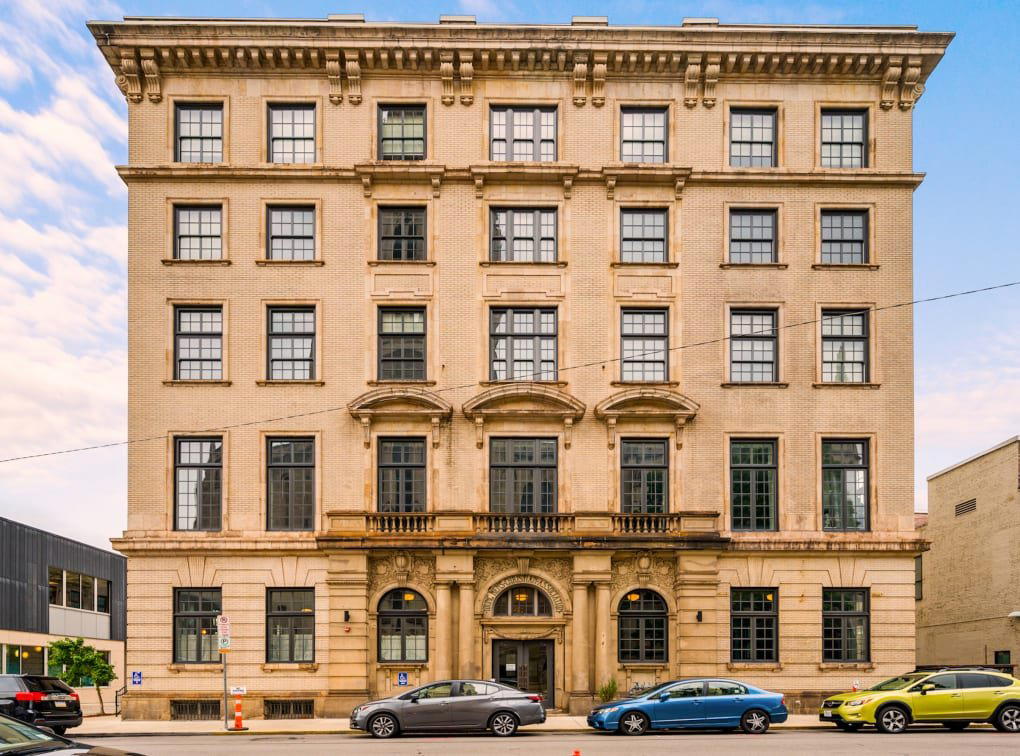
OTARU
Our verdict
OTARU occupies a commanding position on Grandview Avenue, Pittsburgh's refined strip above the South Side, where the city's dining scene has been quietly developing an appetite for serious, structured tasting formats. Positioned among a small tier of Pittsburgh restaurants that treat menu architecture as a formal statement, OTARU represents a strand of the city's dining evolution worth tracking for anyone moving through its upper bracket.

Pearl is the En Primeur Club membership app — saves, bookings, and concierge access live there. Same editors, same standards.
- Address
- 1200 Grandview Ave, Pittsburgh, PA 15211
- Phone
- (412) 586-5485
- Hours
- Mon–Thu 4–9:30 PMFri–Sat 4–10:30 PMSun 4–9:30 PM
- Website
- otarupgh.com
- Directions
- Get directions
- Booking
- Book on OpenTable
The menu
What to order
- Chef's Choice Premium Sushi
- Nigiri & Sashimi
Grandview's refined Tier
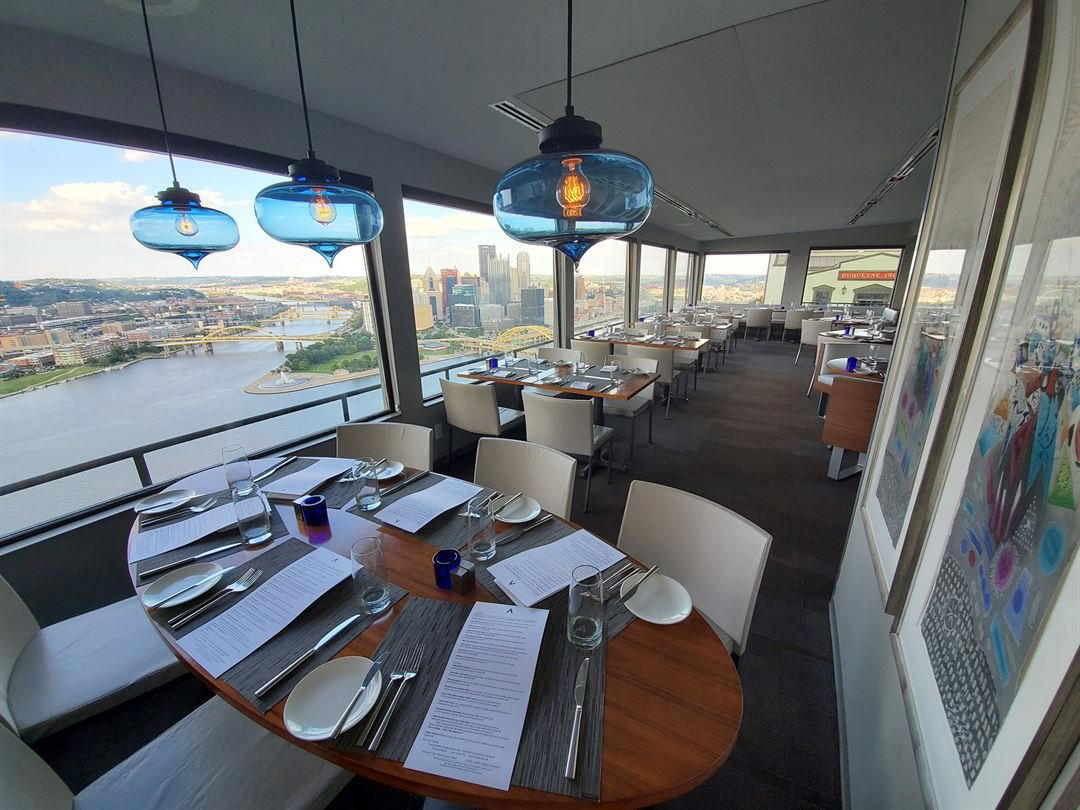
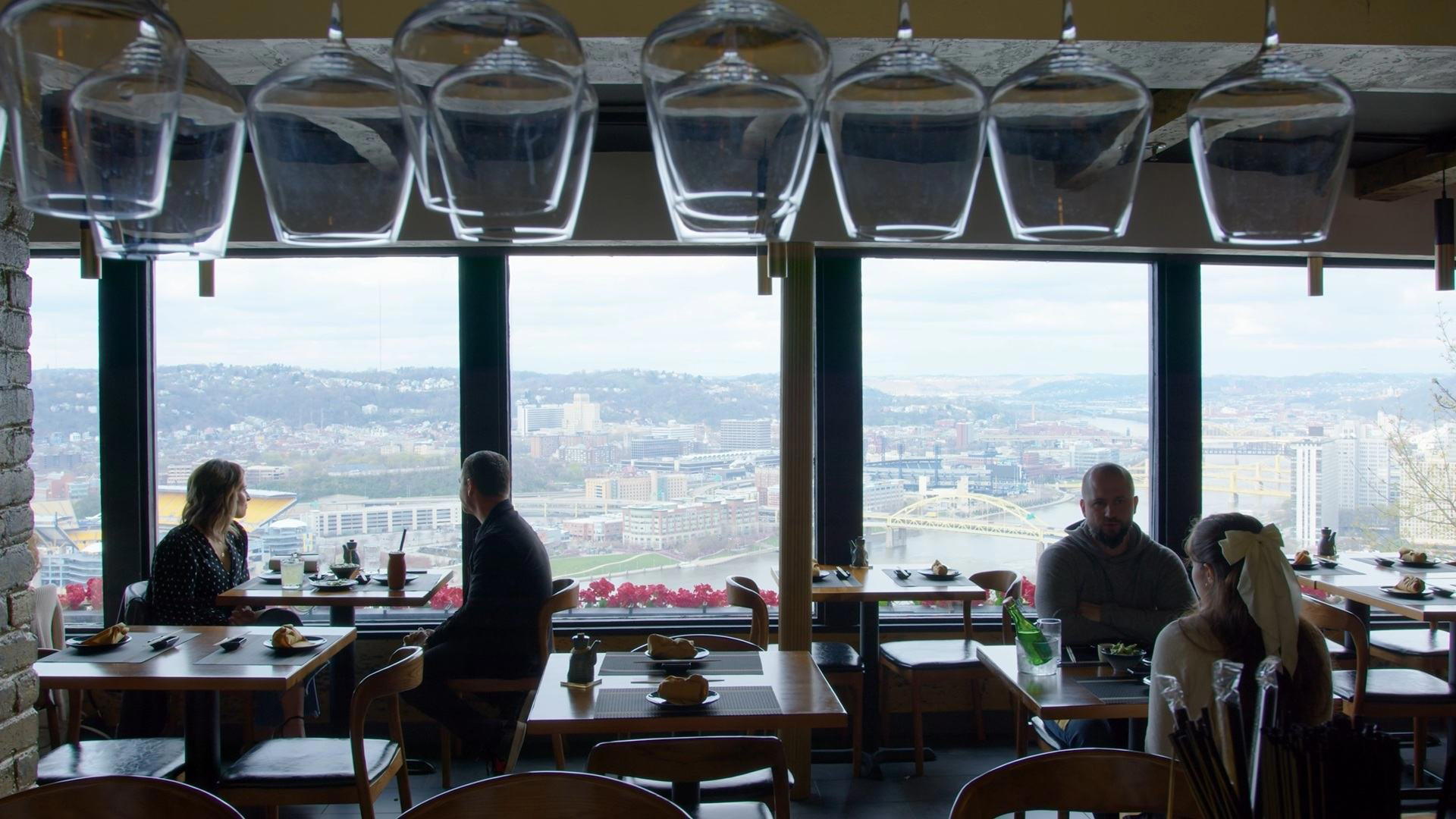
Pittsburgh's Grandview Avenue has long served as a geographic exclamation point above the South Side, a ridge where the city spreads out across three rivers and the downtown grid becomes a panorama rather than a backdrop. What has changed in recent years is what that vantage point now accompanies at table. The stretch has drawn a cluster of restaurants that treat the setting not as a selling point to coast on, but as a frame around which serious, composed dining formats have been built. OTARU, at 1200 Grandview Ave, sits within this pattern: a restaurant whose address immediately signals a particular kind of ambition in Pittsburgh's dining geography.
The city's upper dining tier has consolidated around a recognizable set of moves: controlled seat counts, architecturally considered menus, and a preference for formats that reward attention rather than convenience. OTARU belongs to that cohort. For diners familiar with how American fine dining has evolved nationally, at counters and rooms like Atomix in New York City, Lazy Bear in San Francisco, or Alinea in Chicago, the relevant question about any serious regional restaurant is how deliberately its menu has been structured, and what that structure communicates about the kitchen's priorities.
Menu Architecture as Editorial Statement
In the current generation of premium American restaurants, the menu is rarely a list of options. It functions as an argument, a sequence that reveals what the kitchen believes about hospitality, ingredient hierarchy, and the relationship between Japanese culinary discipline and place. That framework is particularly legible at restaurants drawing from Japanese tradition, where menu structure carries the weight of its own culinary vocabulary: the progression from lighter to richer, the precision of portioning, the deliberate pacing that treats each course as a phrase in a longer sentence.
OTARU's name places it squarely in that reference system. Otaru, the Hokkaido port city on Japan's northern island, carries immediate associations for anyone with working knowledge of Japanese cuisine: cold-water seafood of high quality, a fishing and sushi culture distinct from Tokyo's more codified omakase world, and a regional identity that values directness over ceremony. Restaurants operating under that name or drawing on that lineage in North America are making a claim about source material and methodology, not merely about aesthetic preference.
How a restaurant with this orientation builds its menu matters considerably. The Japanese-informed tasting format as practiced at the upper end of the American market, at venues like Single Thread Farm in Healdsburg or Providence in Los Angeles, tends toward disciplined sequencing, ingredient-led courses rather than technique-led ones, and a restraint in garnish and modification that places the burden of quality on sourcing. If OTARU follows the logic its name implies, the menu's structure should function as a kind of argument for cold-water, northern-sourced ingredients handled with minimal interference.
Pittsburgh's positioning in this conversation is less obvious than it might seem in a coastal city, which is precisely what makes it interesting. The city's dining scene has matured enough that restaurants like Altius and Alfabeto operate within recognizable fine-dining frameworks, while venues like Apteka have built national attention around a radically different set of priorities.
Pittsburgh's Premium Restaurant Context
Across the American fine-dining spectrum, the restaurants that sustain relevance over time tend to be those where the menu reveals a coherent point of view rather than a survey of current technique. The French Laundry in Napa, Le Bernardin in New York City, and Blue Hill at Stone Barns in Tarrytown each built their reputations on menus that communicate a consistent philosophy across every course. Regionally, The Inn at Little Washington in Washington and Addison in San Diego represent the same principle applied to very different local identities.
Pittsburgh's Grandview Ave strip carries its own version of this pressure. With the river panorama comes a high baseline expectation from guests, and restaurants here operate with less margin for a menu that feels unfocused or padded. The South Side Slopes address also means that OTARU sits at a remove from Pittsburgh's increasingly active downtown and Strip District dining corridors, where venues like Bakersfield Penn Ave and 1930 by Atria's draw from foot traffic and proximity to hotels. Grandview requires a deliberate trip, which self-selects the guest toward higher engagement and higher expectation in roughly equal measure.
That dynamic has shaped the restaurants that have thrived on the ridge. The ones that endure tend to be those where the room, the menu, and the service read as a single considered object, rather than three separate departments making independent decisions. The comparison to Emeril's in New Orleans or 8 1/2 Otto e Mezzo Bombana in Hong Kong is one of category logic rather than cuisine: each of those restaurants operates in a tourist-adjacent, view-or-prestige location where sustaining critical seriousness across a long dining career requires constant internal discipline.
Planning Your Visit
For visitors building a Pittsburgh itinerary around serious dining, the Grandview Ave location warrants advance planning. The address sits above the South Side, accessible by car or the historic Duquesne Incline, whose upper station deposits passengers directly onto the ridge. Given that OTARU occupies the premium end of Pittsburgh's dining range, reservations should be approached well in advance of any visit, and direct contact with the restaurant to confirm current format, dietary accommodation, and booking availability is advised before finalising plans. Pittsburgh's broader dining picture, including context on how OTARU fits within the city's wider restaurant geography, is covered in our full Pittsburgh restaurants guide.
Frequently asked questions
Where exactly is OTARU?
OTARU is located at 1200 Grandview Ave, Pittsburgh, PA 15211, Pittsburgh.
What makes OTARU different from other Pittsburgh restaurants with a view?
OTARU sits at 1200 Grandview Ave, a specific stretch of the ridge that frames Pittsburgh's three-river confluence across a broad panorama. Where many Pittsburgh venues trade on the view as background scenery, Grandview Ave restaurants at this address position the overlook as structural to the experience rather than incidental. Whether OTARU's kitchen ambition matches that setting is the question serious diners on a Pittsburgh itinerary will want to answer firsthand.
What dish is OTARU famous for?
Given the restaurant's position on Grandview Avenue in Pittsburgh's premium dining tier, the menu is understood to function as a curated sequence rather than a collection of standalone items. Visiting with an open approach to the full menu is advisable.
Do they take walk-ins at OTARU?
Walk-in availability at OTARU has not been confirmed. Grandview Avenue restaurants at this level in Pittsburgh typically operate on a reservation basis, particularly for weekend service. Contacting the venue directly before arriving without a booking is strongly advised.
What's the standout thing about OTARU?
The address itself is a factor: 1200 Grandview Ave places OTARU along Pittsburgh's most commanding ridge, with the city's convergence of rivers visible from the South Side Slopes below. That geographic position frames the dining experience in a way few Pittsburgh restaurants can match at street level.
Can OTARU adjust for dietary needs?
Specific dietary accommodation policies have not been confirmed for OTARU. For any serious dietary restriction or allergy, reaching out ahead of your reservation is the standard approach at Pittsburgh restaurants operating at this tier. Direct contact with the venue before your visit will give you the clearest answer.
Is OTARU worth the price?
Confirmed pricing for OTARU has not been published. On Grandview Avenue, Pittsburgh's premium restaurant positioning generally reflects the combination of kitchen ambition and location — the ridge commands a premium that restaurants at this address have historically sustained. Checking current pricing with the venue directly will give you the most accurate basis for that call.
The Minimal Set
Comparable venues nearby, for context on price, style, and recognition.
| Venue | Cuisine | Price | Notes |
|---|---|---|---|
| OTARUThis venue — the venue you are viewing | Modern Japanese Fine Dining | $50–100 | Not listed |
| Morcilla | Contemporary Spanish Tapas | $50–100 | Lower Lawrenceville, Modern Spanish Tapas |
| The Vandal | Seasonal Contemporary European | $30–50 | Lower Lawrenceville, Seasonal Contemporary European |
| Fig & Ash | Modern American Wood-Fired | $50–100 | East Allegheny, Modern American Wood-Fired |
| Poulet Bleu | French Bistro | $50–100 | Lower Lawrenceville, French Bistro |