Set along the road to Ramandolo in the Colli Orientali del Friuli, this osteria occupies territory where the indigenous Verduzzo Giallo grape has been cultivated for centuries. The address places it at the source of one of Italy's few DOCG-designated sweet wines, making it a reference point for anyone tracing northeastern Italian food and wine through their actual origins rather than their restaurant-world representations.
Pearl is the En Primeur Club membership app — saves, bookings, and concierge access live there. Same editors, same standards.
- Address
- Via Ramandolo, 22, 33045 Nimis UD, Italy
- Phone
- +393662861174
- Website
- osteriadiramandolo.eatbu.com
- Directions
- Get directions
 Saves & bookings on Pearl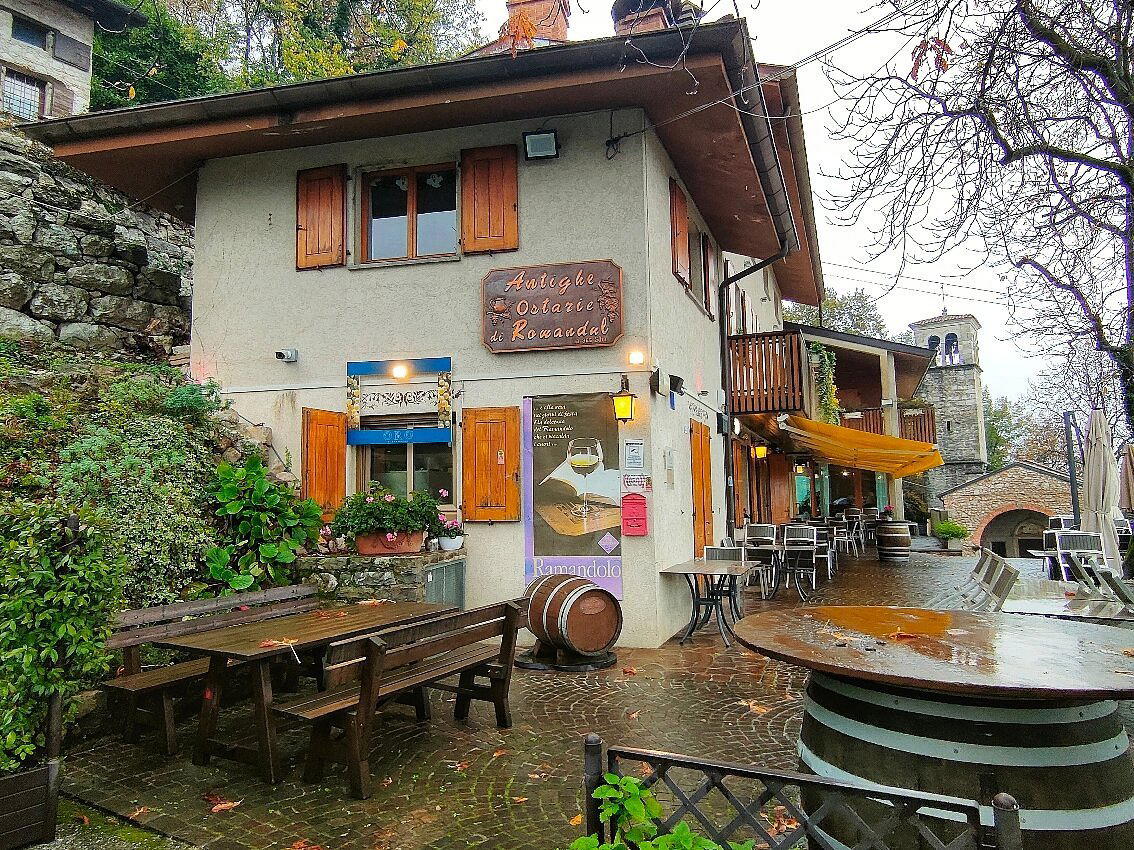
Where the Vine Defines the Table
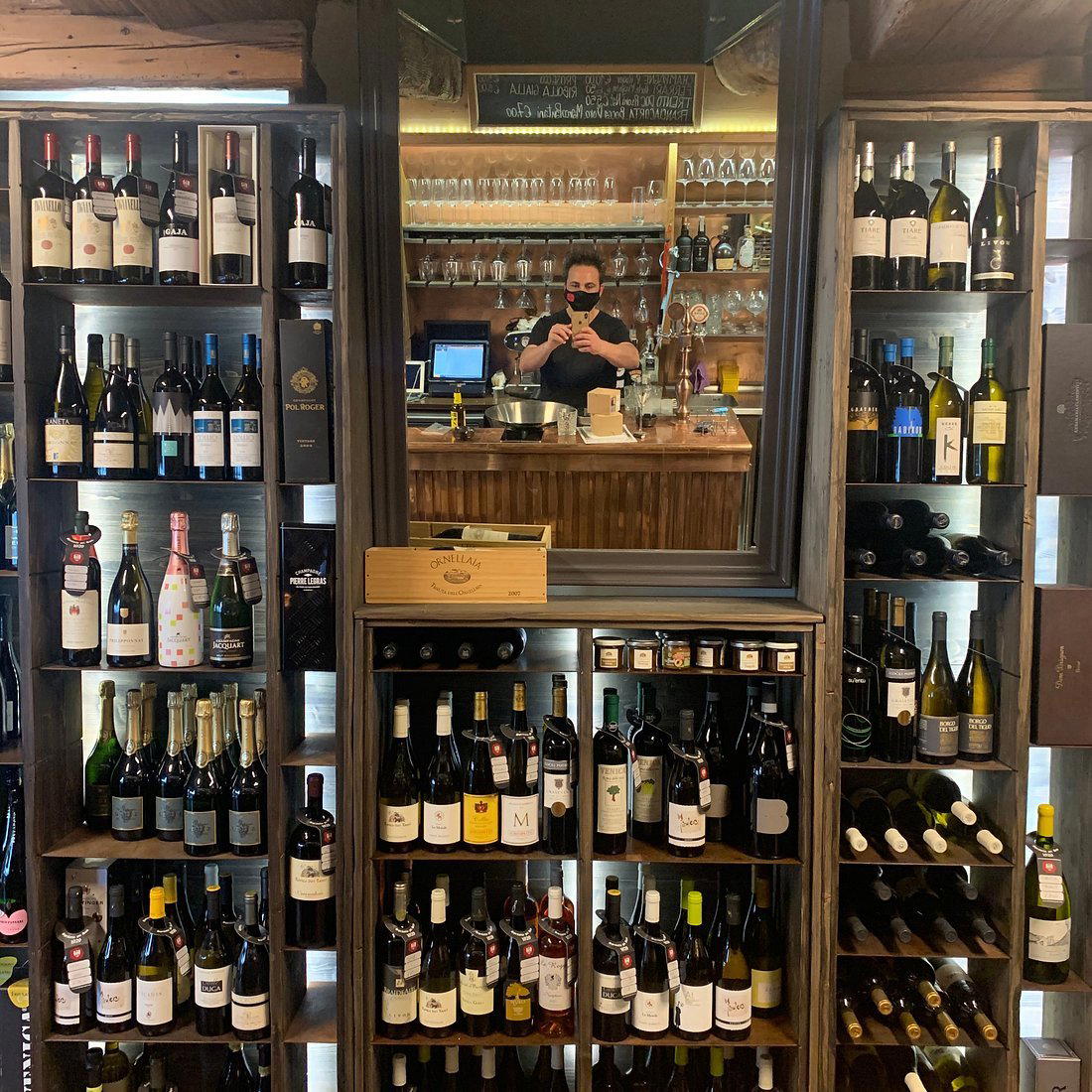
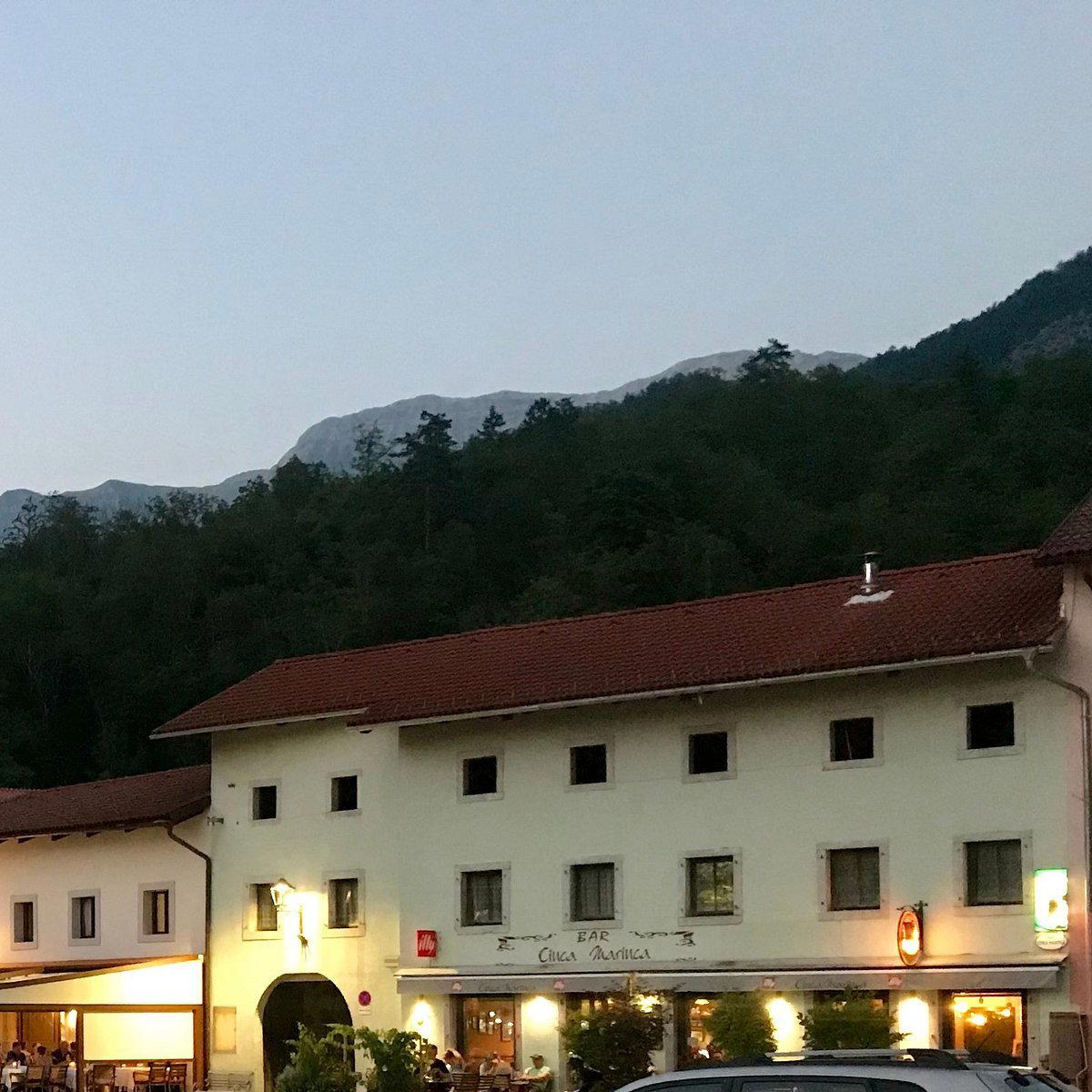
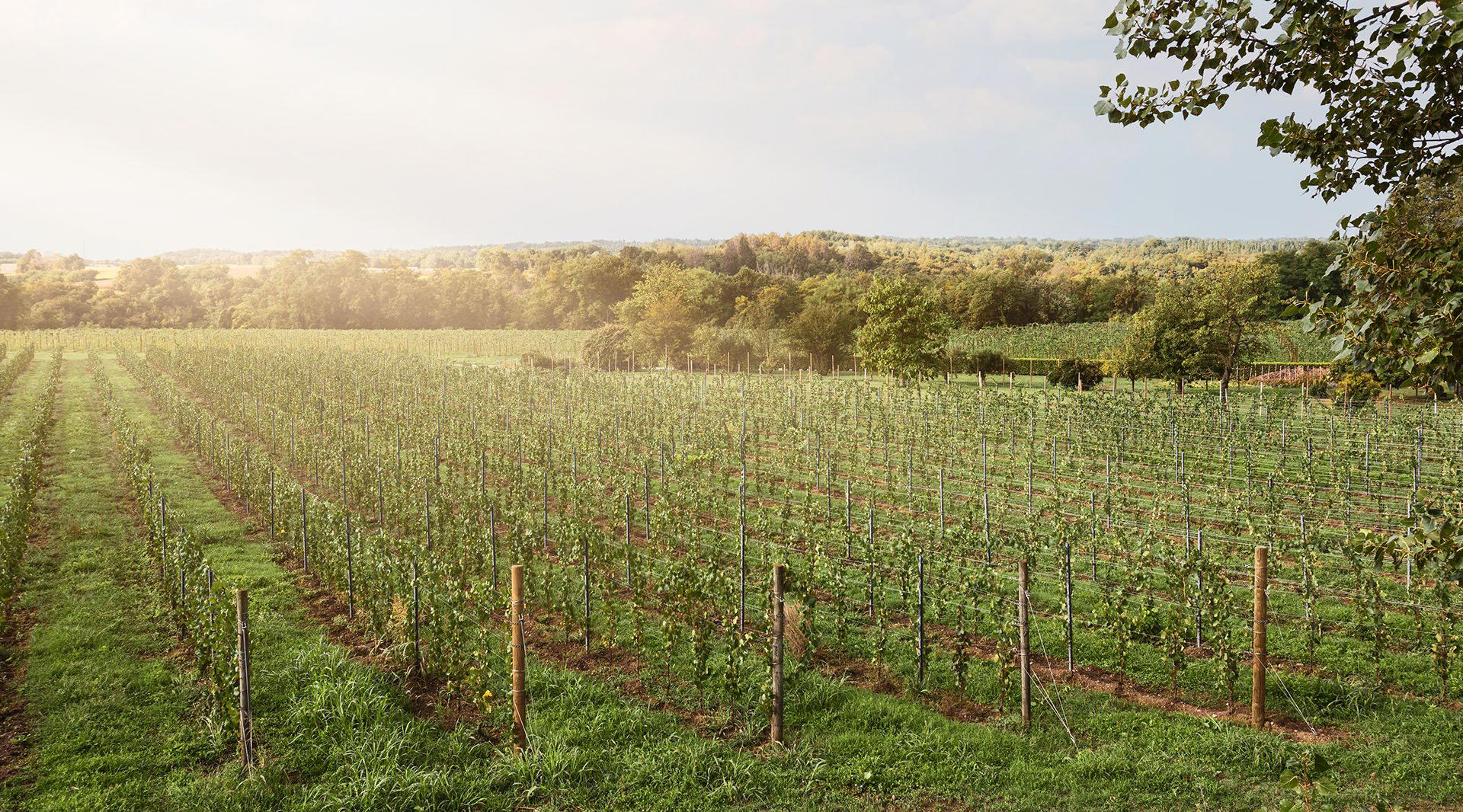
Osteria di Ramandolo is a restaurant in Nimis, in Friuli-Venezia Giulia, about 25 kilometres north of Udine. This is a dining area shaped by local wine culture rather than by a dense restaurant strip. There are no clusters of celebrated addresses, no neighbourhood reputation built on foot traffic or critic circuits. What the area has instead is among the more geographically specific wine designations in Italy: Ramandolo DOCG, a sweet wine produced from Verduzzo Giallo grapes grown on a narrow band of hillside that the appellation rules define with unusual precision. Osteria di Ramandolo sits at Via Ramandolo 22.
Friuli-Venezia Giulia has long sat outside Italy's most talked-about dining circuit, overshadowed by Piedmont, Emilia-Romagna, and Lombardy. Yet the region produces some of the country's most intellectually serious wines and maintains a food culture shaped by centuries of Habsburg, Venetian, and Slavic influence, a layering of culinary reference that produces dishes found nowhere else in Italy. The cooking in this corner of the northeast tends toward restraint and specificity: cured meats from local breeds, freshwater fish from the Tagliamento and Torre rivers, polenta made from specific maize varieties, and a persistent use of dairy that reflects the Alpine border to the north. Osteria di Ramandolo operates within this tradition.
Ingredient Geography as the Menu's Logic
In the Colli Orientali del Friuli, the relationship between a kitchen and its supply territory is often more direct than in urban restaurant settings. The hills around Nimis are agricultural land first, with viticulture dominant but supplemented by small-scale livestock, foraged produce, and the kind of kitchen-garden cultivation that was standard practice here long before farm-to-table became a marketing position. An osteria in this context draws from that proximity not as a concept but as a logistical reality: the growers and producers are local in the literal sense, measured in kilometres rather than regions.
This matters for how the food tastes and how it is assembled. Northeastern Italian osterie in the Colli Orientali tradition tend to build menus around what the territory is currently producing, with the wine appellation acting as an organising logic for flavour pairing. Ramandolo DOCG, with its amber colour, moderate sweetness, and characteristic bitter finish, shapes the food that accompanies it, dishes that can carry some sweetness without being overwhelmed, or bitter greens that mirror the wine's finish. The cuisine of this subregion is not decorative; it is calibrated to the wines in a way that reflects decades of local practice rather than sommelier engineering.
For context on how Italy's serious regional osterie sit within the broader fine-dining tier, consider that the country's most-recognised addresses, from Osteria Francescana in Modena to Piazza Duomo in Alba or Le Calandre in Rubano, occupy a different competitive register entirely, defined by tasting menus, international press coverage, and multi-Michelin recognition. Places like Dal Pescatore in Runate, Enoteca Pinchiorri in Florence, and Villa Crespi in Orta San Giulio occupy similar refined territory. The restaurant belongs to a different category: the place-specific trattoria or osteria where the primary credential is geographic authenticity rather than chef celebrity or awards accumulation. These two tiers serve different purposes for the traveller, and confusing them leads to miscalibrated expectations in both directions.
The Ramandolo DOCG as Context
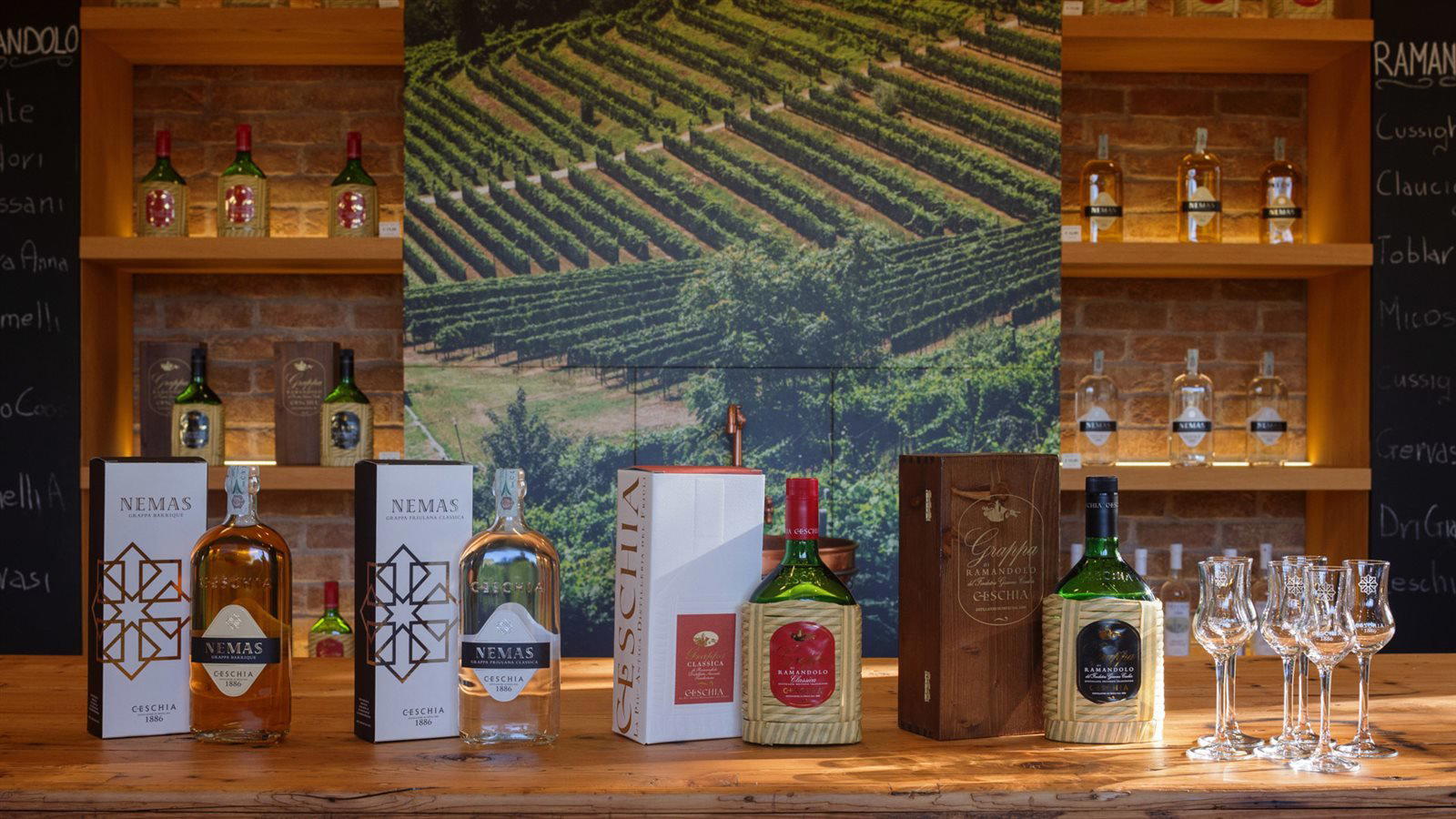
Understanding Ramandolo DOCG is useful before arriving. The appellation covers a genuinely small production zone on the steep hills above Nimis and Tarcento, and Verduzzo Giallo grapes here are harvested late, often partially dried on the vine, to concentrate sugar and develop the aromatic complexity that distinguishes Ramandolo from the broader Colli Orientali Verduzzo designation. Annual production volumes are limited by the terrain: the slopes are too steep for mechanical harvesting, and the zone is too small to supply export markets at scale. This makes Ramandolo wines relatively obscure outside the region and the specialist Italian wine community, which is precisely why drinking them at source, with food designed around them, produces an experience difficult to replicate elsewhere. Ramandolo's model is more grounded and local in its ambitions.
Getting There and Planning the Visit
Nimis is accessible from Udine by car in under 30 minutes, and the route north through the foothills is well-signed from the A23 motorway. The village itself is small, and the road to Ramandolo leads directly from the centre. For travellers building a Friuli itinerary around serious eating, the region's dining map extends west toward the Venetian addresses in our guide, Casa Perbellini 12 Apostoli in Verona is a logical companion stop, and south toward Adriatic-facing kitchens such as Uliassi in Senigallia. Internationally, restaurants like Le Bernardin in New York City and Atomix in New York City show how ingredient-sourcing logic can be applied within tasting-menu formats in different culinary contexts. For those building a trip specifically around this part of northeastern Italy, our full Nimis restaurants guide maps the local dining options in more detail.
Advance contact is advisable before visiting. The area is especially active during the autumn harvest season, while spring brings lighter produce and fewer visitors.
A Quick Peer Check
Comparable venues nearby, for context on price, style, and recognition.
| Venue | Cuisine | Price | Notes |
|---|---|---|---|
| Osteria di RamandoloThis venue — the venue you are viewing | Traditional Friulian Osteria | $$ | Not listed |
| Trattoria Ca' D'Oro - Cucina Tipica Veneziana | Traditional Venetian Trattoria | $$ | Cannaregio |
| Da Rochet | Traditional Friulian Trattoria | $$ | Reana del Rojale |
| Ristorante da Cherubino | Traditional Venetian Trattoria | $$ | San Marco |
| Trattoria Da Mario Enoteca dello Schioppettino | Traditional Friulian Trattoria | $$ | Prepotto |
| Capri | Artisanal Italian Pizza | $$ | Jesolo Lido |
Continue exploring
More in Nimis
Restaurants in Nimis
Browse all →
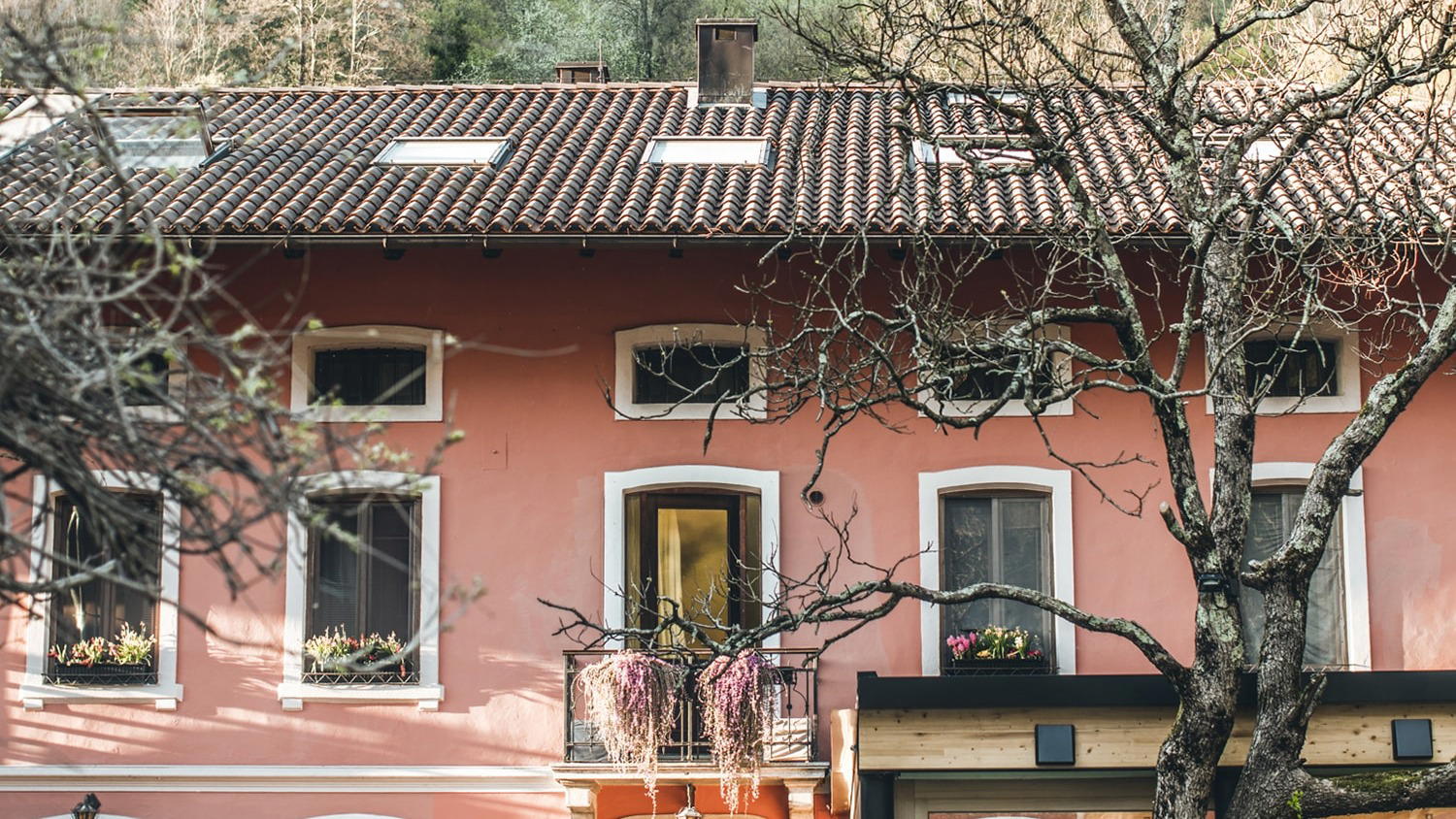
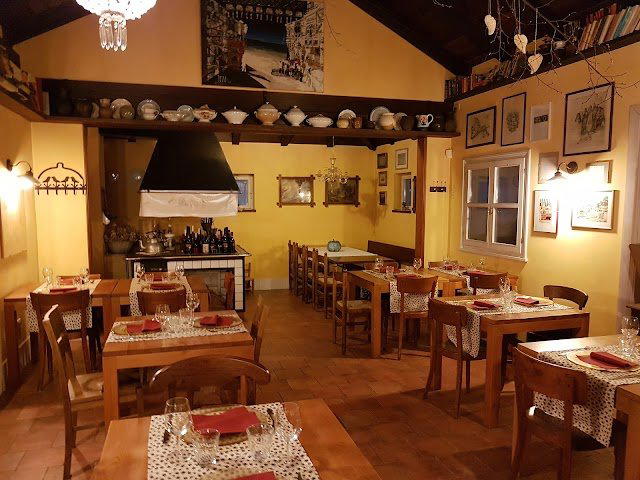
Bars in Nimis
Browse all →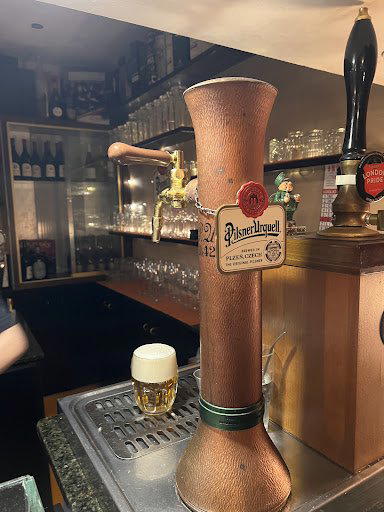
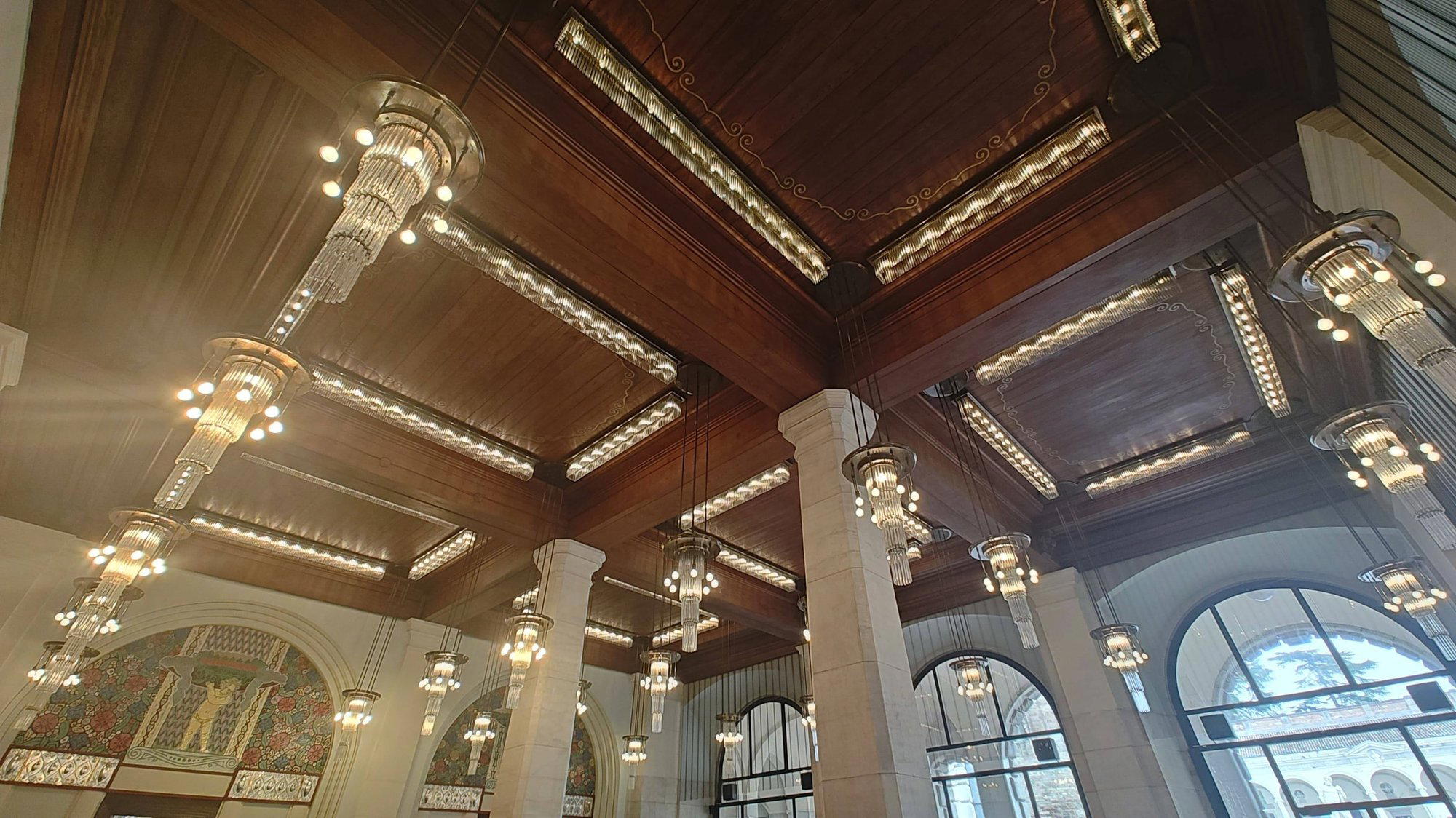
Hotels in Nimis
Browse all →

At a Glance
- Rustic
- Scenic
- Cozy
- Romantic
- Date Night
- Special Occasion
- Terrace
- Panoramic View
- Extensive Wine List
- Local Sourcing
- Vineyard
- Mountain
Current opening hours
- Monday
- Closed
- Tuesday
- Closed
- Wednesday
- 11 AM–3 PM, 6–10 PM
- Thursday
- 11 AM–3 PM, 6–10 PM
- Friday
- 11 AM–3 PM, 6–10 PM
- Saturday
- 11 AM–11 PM
- Sunday
- 11 AM–9 PM
Hours can change for holidays and private events. Last verified .
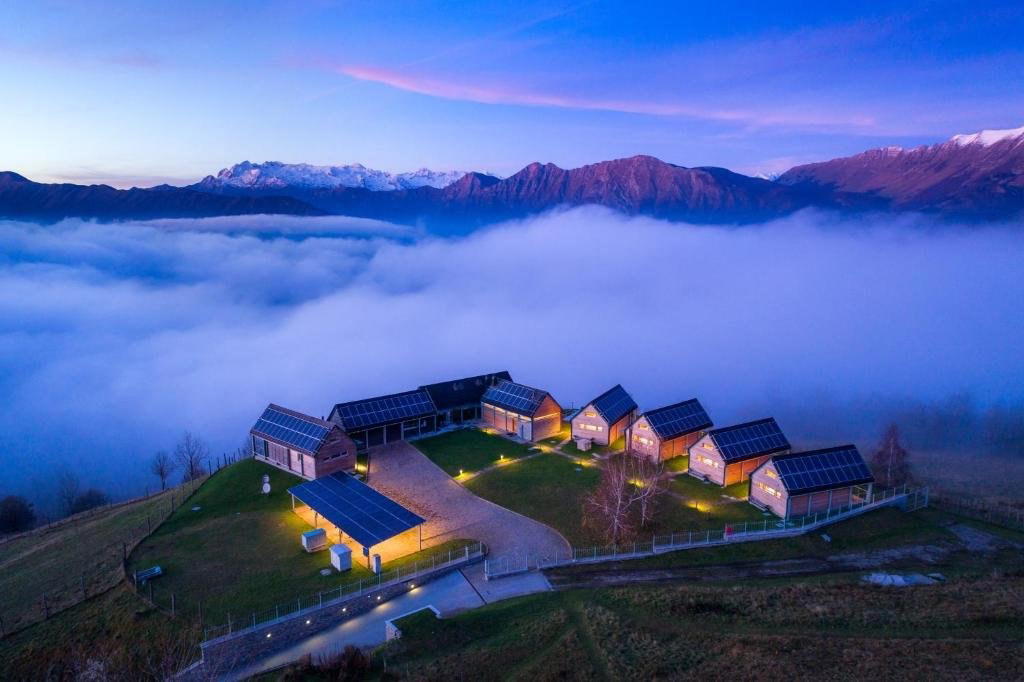
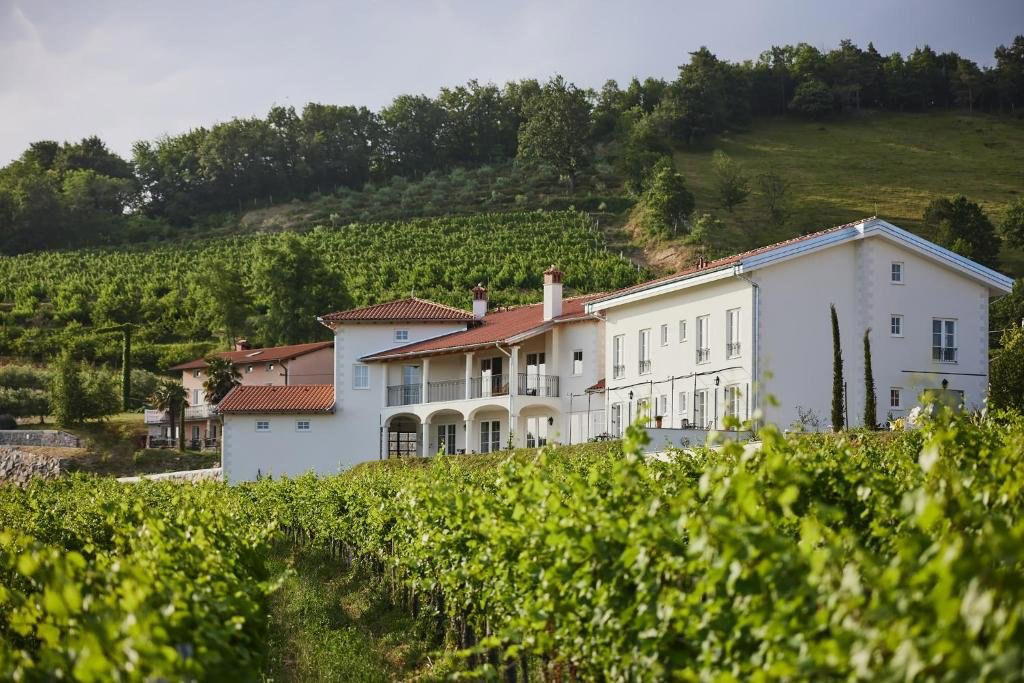
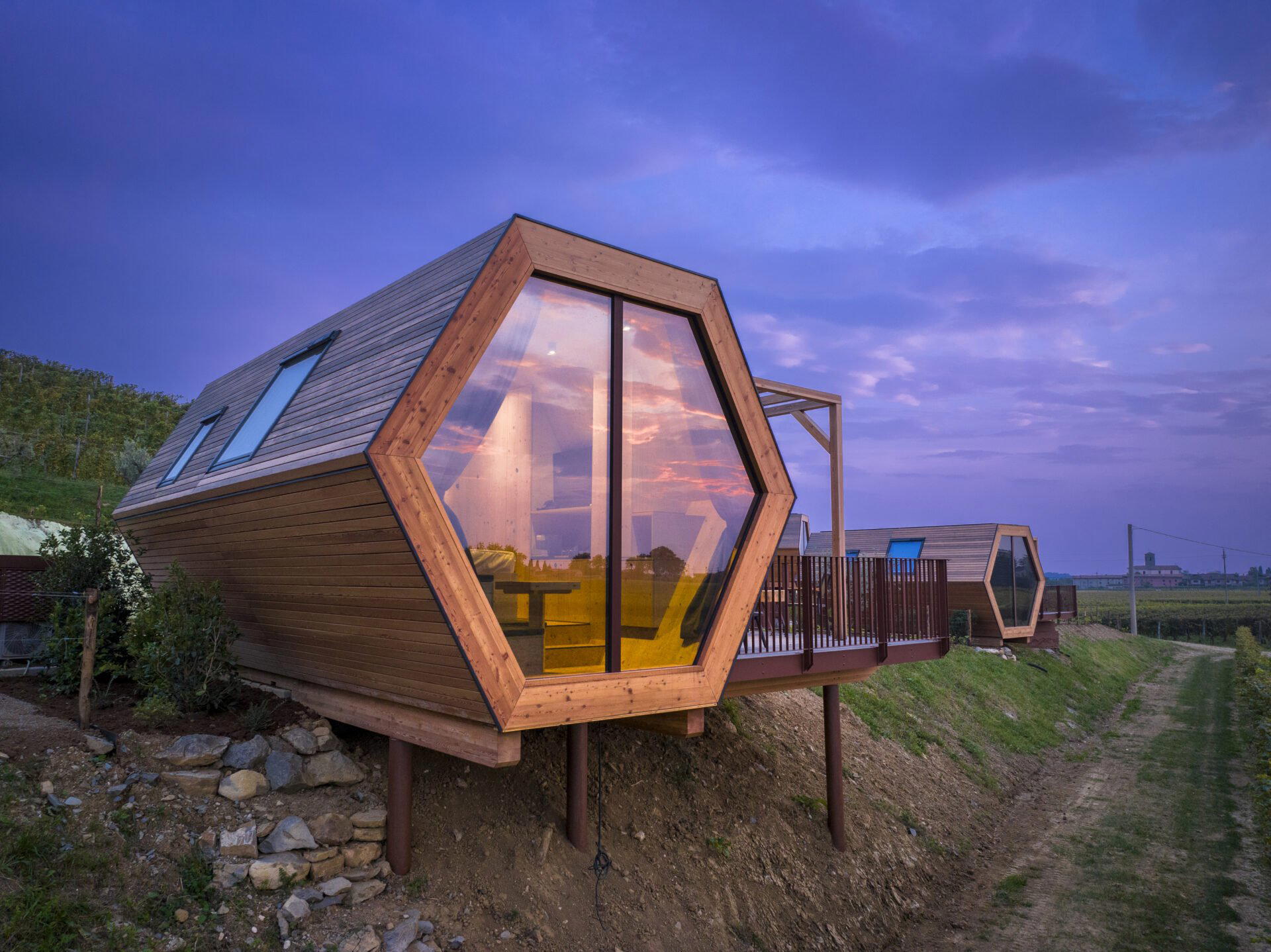
Peaceful hillside setting shaded by horse chestnut trees, with a tree-lined terrace offering cool breezes and far-reaching panoramas.