Da Rochet
Our verdict
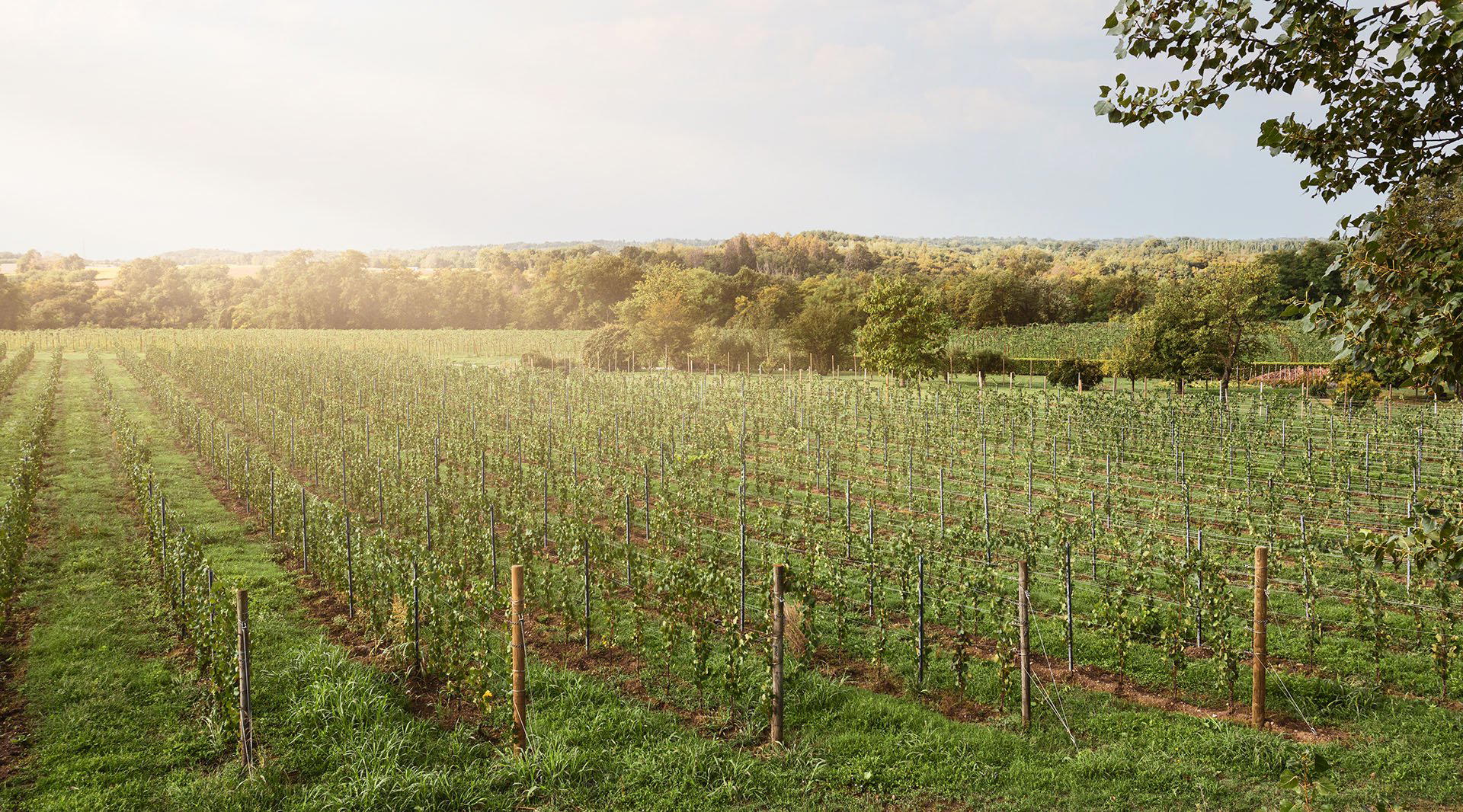
Da Rochet occupies a quiet address in Reana del Rojale, a small comune in the Udine province of Friuli-Venezia Giulia, where the cooking tradition draws on one of Italy's most ingredient-specific regional larders. The surrounding landscape of the Tagliamento plain and the nearby Julian Prealps has shaped a cuisine built on cured meats, aged cheeses, polenta, and freshwater produce that rarely travels far from where it is made.

Pearl is the En Primeur Club membership app, where members save venues, book tables and use the concierge.

Friuli's Quiet Table: Eating in the Villages Outside Udine
The villages that ring Udine rarely feature in the itineraries of visitors moving between Venice and the Dolomites, yet the Friulian countryside around Reana del Rojale represents one of northern Italy's most coherent regional food traditions. This is not a cuisine that gestures toward its terroir, it is built from it. The Tagliamento basin, the Julian Prealps to the north, and the Carso plateau further south collectively define a larder that includes San Daniele prosciutto (cured within a tightly bounded geographic zone), Montasio PDO cheese at various stages of aging, and polenta ground from local varieties of corn that differ in texture and flavour from the commodity product used across most of the peninsula. Da Rochet, at Via Rosta Ferracina, 8 in Reana del Rojale, sits inside this tradition.
Understanding what to expect from a rural Friulian table requires setting aside the assumptions carried from Italy's more publicised dining regions. This is not Emilia-Romagna's richness, nor the seafood-forward elegance of the Adriatic coast that defines kitchens like Uliassi in Senigallia. Friulian cooking is austere in a specific way: it reflects centuries of borderland economics, where ingredients were preserved, extended, and made to work across multiple preparations. Frico, the aged-Montasio pancake that collapses into something simultaneously crisp and molten, is the region's most emblematic dish precisely because it demands almost nothing except good cheese and patience.
The Ingredient Logic of the Tagliamento Plain
Northern Italy's protected-designation ecosystem is densest in Friuli-Venezia Giulia relative to the region's size. San Daniele del Friuli sits roughly thirty kilometres northwest of Reana del Rojale, and its prosciutto, produced under DOP rules that specify the breed of pig, the curing method, and the microclimate of the cure, is among the two or three most cited cured meats in Italian gastronomy. The distinction between San Daniele and its more famous counterpart from Parma is partly climatic: the winds that move between the Adriatic and the Alps through the San Daniele valley create a curing environment that the DOP consortium argues is not reproducible elsewhere. For restaurants in the immediate area, access to this product at its most local is a structural advantage that kitchens in Milan or Rome simply do not share.
Montasio cheese follows a similar geographic logic. The PDO covers a broad area of northeastern Italy, but the fresher expressions, mezzano at two to five months, stravecchio beyond a year, behave differently at the table depending on where within the zone the milk originates. Producers in the Udine hills make a cheese that carries the flavour of the local pasture. This granularity of provenance is the kind of detail that rarely makes it into menu descriptions but consistently shows up in the eating. Friulian kitchens that pay attention to this layer of specificity are operating in a different register from those that treat regional ingredients as decorative origin markers.
The culinary ambition that Friuli-Venezia Giulia has demonstrated at a national level is visible in kitchens far outside the region. The Prealps tradition of building from what is locally abundant rather than importing prestige ingredients connects, at a philosophical level, to the approach taken by Atelier Moessmer Norbert Niederkofler in Brunico, where Alpine sourcing discipline has earned consistent critical recognition. In different geographies, Reale in Castel di Sangro and Dal Pescatore in Runate demonstrate that Italy's most serious regional cooking is consistently found away from its major cities, in places where the kitchen's relationship with local supply chains is direct and unmediated.
Reana del Rojale: What the Setting Tells You
Reana del Rojale is a comune of a few thousand residents in the Udine province, a short drive north of the city along roads that cut through flat agricultural land before the terrain begins to lift toward the Prealps. The address on Via Rosta Ferracina places Da Rochet in a setting typical of rural Friulian dining: the building exists in the village rather than performing for it. This is a pattern repeated across the region's most embedded trattorie and osterie, where the physical environment communicates continuity rather than curation.
For visitors accustomed to the theatrical settings of, say, Villa Crespi in Orta San Giulio or the urban polish of Enrico Bartolini in Milan, the low-key physical register of a Friulian village restaurant can initially read as understatement. It is more accurate to read it as consistency with the food's own logic: nothing here is staged. The ingredients drive the agenda. The room exists to support the meal, not to frame it as an event.
This places Reana del Rojale's dining offer in a specific niche within Italian restaurant culture. It is not competing with the destination-dining model of Osteria Francescana in Modena or Piazza Duomo in Alba. It is doing something different: maintaining a table where the primary credential is geographic proximity to some of Italy's most carefully bounded agricultural products. That is a narrower brief, but for the right reader, it is a more reliable one. See our full Reana del Rojale restaurants guide for broader context on dining in this part of Friuli.
Planning a Visit
Reana del Rojale is accessible from Udine, which is itself reached by rail from Venice in under two hours on fast services, or from Trieste in approximately forty minutes. Driving from Udine city centre takes around ten minutes on the SP14. Given the limited public transport within the comune itself, arriving by car or taxi from Udine is the practical approach for most visitors. The area rewards an overnight stay in Udine rather than a day trip from Venice: the city's own osteria culture, its Friulian wine bars serving local Ribolla Gialla and Friulano, and the proximity to Cividale del Friuli (a UNESCO World Heritage Site with direct Lombard-era monuments) justify the time. Booking ahead for any destination in this part of Friuli is advisable; rural restaurants in the region operate on local rhythms rather than tourist-season surge capacity, and tables at embedded local trattorie fill through repeat custom as much as walk-in traffic.
For comparative context on how serious regional Italian kitchens approach similar ingredient-sourcing disciplines at different price points and ambition levels, the work being done at Quattro Passi in Marina del Cantone, Le Calandre in Rubano, and Enoteca Pinchiorri in Florence illustrates how differently the same philosophical commitment to provenance can manifest across Italy's regional registers. Further afield, the sourcing discipline visible at Lazy Bear in San Francisco and the precision of Le Bernardin in New York City shows that the logic of building a menu from a specific, bounded supply chain is not a purely Italian instinct, but Italy's protected-designation infrastructure gives kitchens in zones like Friuli a head start that is difficult to replicate elsewhere.
Frequently asked questions
Is Da Rochet suitable for children?
The village setting in Reana del Rojale, a quiet comune a short drive north of Udine, points toward a relaxed, unhurried dining environment rather than a formal destination restaurant. That kind of pacing generally suits families.
How would you describe the vibe at Da Rochet?
Da Rochet sits in Reana del Rojale, a small agricultural comune in the Udine province surrounded by the flat plains that define this part of Friuli-Venezia Giulia. The address on Via Rosta Ferracina suggests a neighbourhood rather than a destination strip, which typically means a room built around regulars and local rhythm. Expect something closer to a working regional table than a polished dining room.
Is Da Rochet a good option for experiencing authentic Friulian cuisine near Udine?
Da Rochet is located in Reana del Rojale, a small Udine-province comune that sits outside the tourist circuit connecting Venice, Udine, and the Dolomites. That positioning matters: restaurants in these villages tend to draw a predominantly local clientele and operate according to the ingredient logic of the surrounding countryside rather than adapting to visitor expectations. Udine itself is reached by rail from Venice in under two hours, making Reana del Rojale a feasible side trip for anyone already in the city.
What's the signature dish at Da Rochet?
What the setting does suggest is a kitchen oriented around the Tagliamento plain's agricultural output, a zone of Friuli-Venezia Giulia with one of Italy's highest concentrations of protected-designation ingredients relative to regional size, including San Daniele prosciutto produced roughly 25 kilometres to the west.
A Quick Peer Check
Comparable venues nearby, for context on price, style, and recognition.
| Venue | Cuisine | Price | Notes |
|---|---|---|---|
| Da RochetThis venue (the venue you are viewing) | Traditional Friulian Trattoria | Not listed | Not listed |
| Hladik | Friulian Alpine Trattoria | $30–50 | Centro Tarvisio |
| F.lli Martina | Traditional Italian Trattoria | Not listed | Chiusaforte |
| Al Contadino | Traditional Friulian Trattoria | $30–50 | Not listed |
| Trattoria Vittoria | Italian Seafood Trattoria | $20–30 | Grado |
| QuBe | Burger Restaurant with Italian and Brew Pub Influences | $20–30 | Lido di Jesolo |
Continue exploring
More in Reana Del Rojale
Restaurants in Reana Del Rojale
All restaurants in Reana Del Rojale →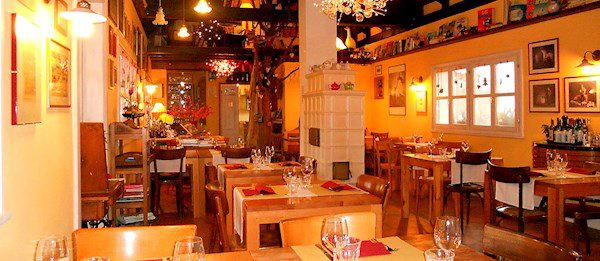

Bars in Reana Del Rojale
Browse all →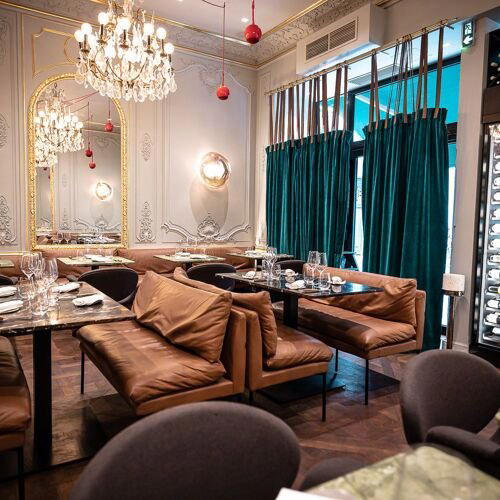
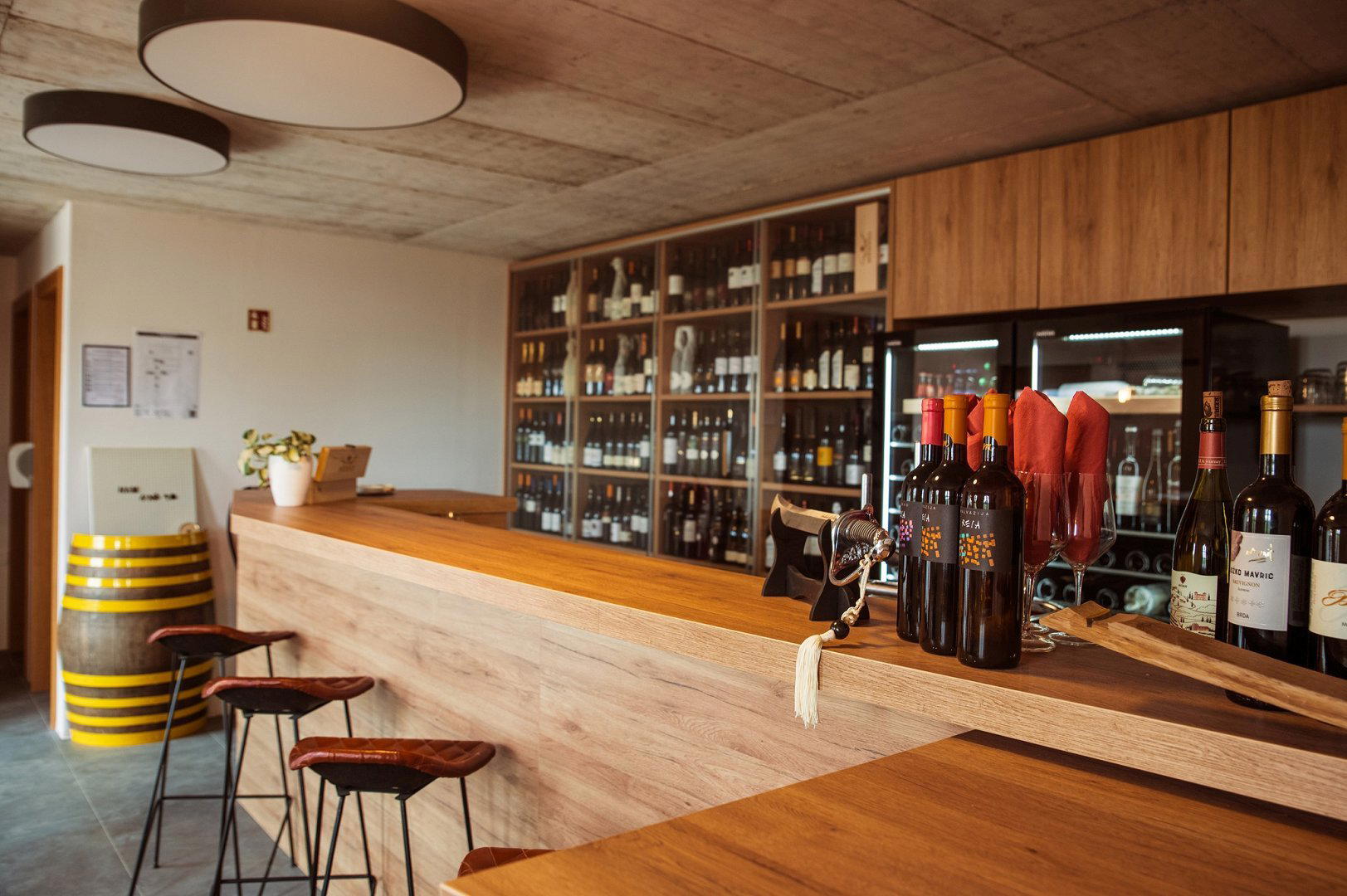
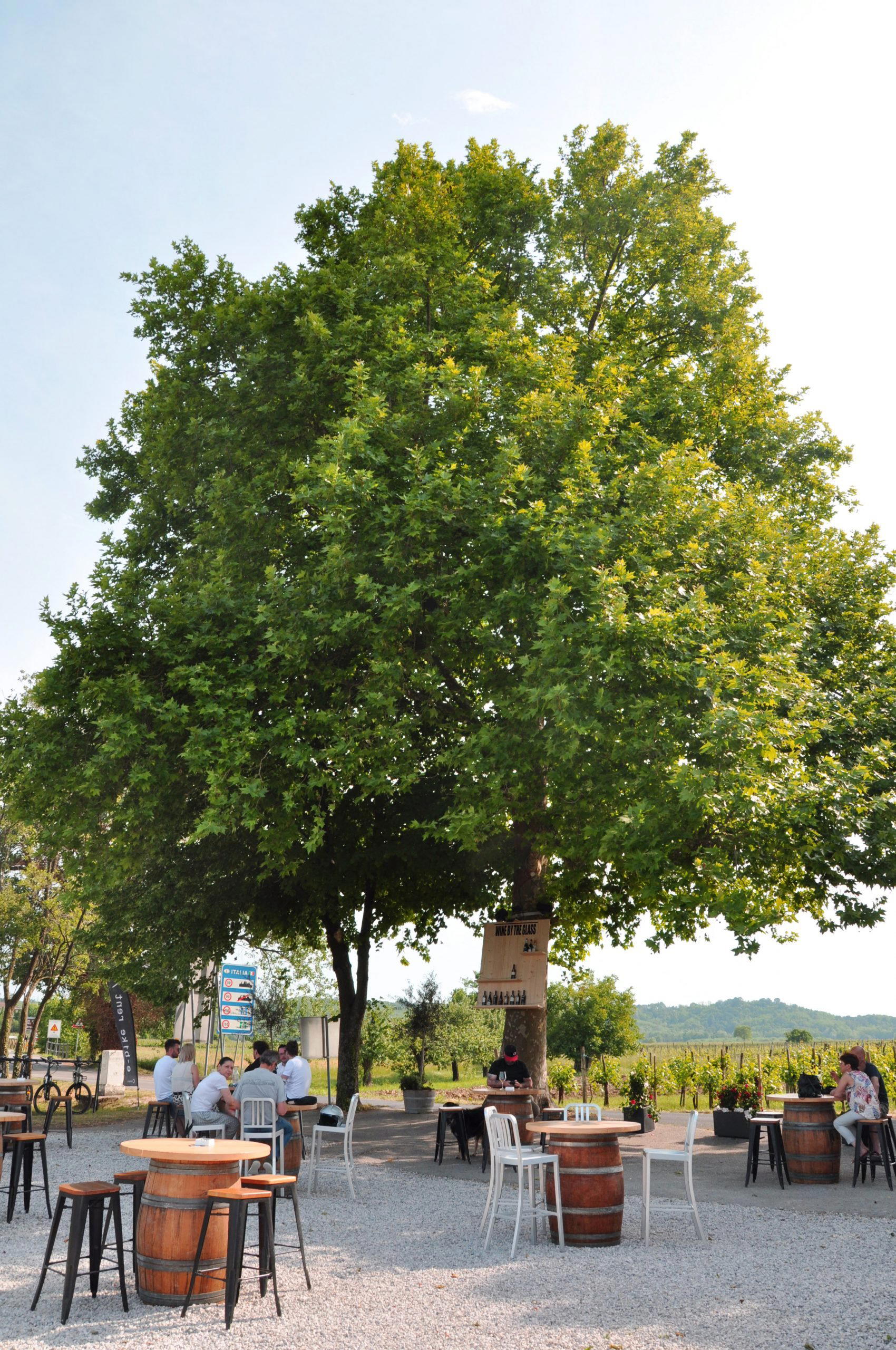
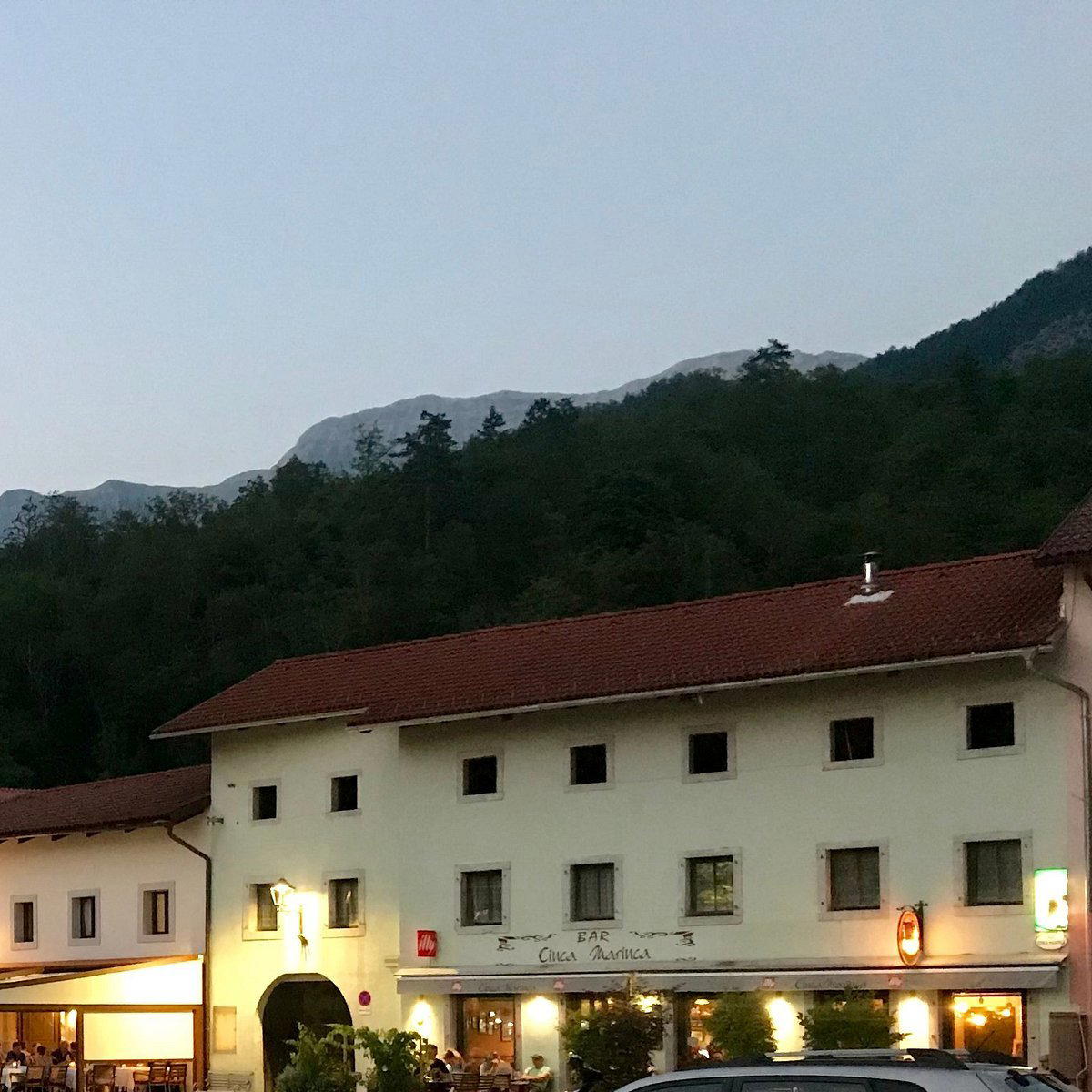
Details
- Rustic
- Cozy
- Family
- Group Dining
- Garden
- Open Kitchen
- Garden
- A La Carte
- Vegetarian Friendly
Current opening hours
- Monday
- Closed
- Tuesday
- Closed
- Wednesday
- 12–3 PM, 7–11 PM
- Thursday
- 12–3 PM, 7–11 PM
- Friday
- 12–3 PM, 7–11 PM
- Saturday
- 12–3 PM, 7–11 PM
- Sunday
- 12–3 PM, 7–11 PM
Hours can change for holidays and private events. Hours as of .
Rustic and welcoming with warm fogher fireplace inside and lush garden pergola seating outside by running waters.