Osteria del Miglio 2.10

Michelin Bib Gourmand
Our verdict
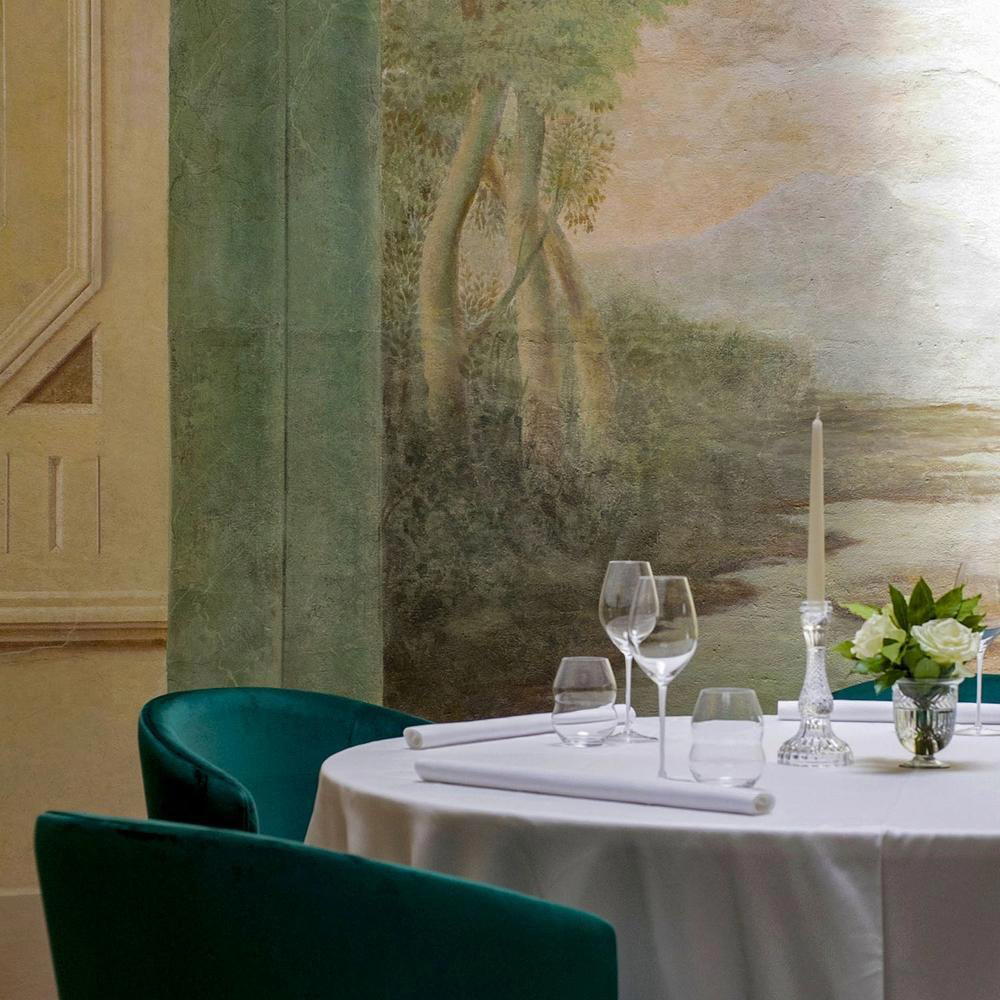
A Michelin Bib Gourmand-recognised osteria in the Cremona plain, Osteria del Miglio 2.10 serves Lombardian cooking rooted in seasonal, locally sourced ingredients beneath a traditional brick-vaulted ceiling. The marubini pasta in three broths and pumpkin tortelli are the dishes that define the kitchen's commitment to Po Valley tradition. At single-euro price range, it sits comfortably in the category of genuine provincial value.

Pearl is the En Primeur Club membership app, where members save venues, book tables and use the concierge.
The menu
What to order
- Marubini pasta in three broths
- Pumpkin tortelli
- Rice timbale with beef ragù
Brick Vaults and Po Valley Produce: What Lombardy's Countryside Table Looks Like
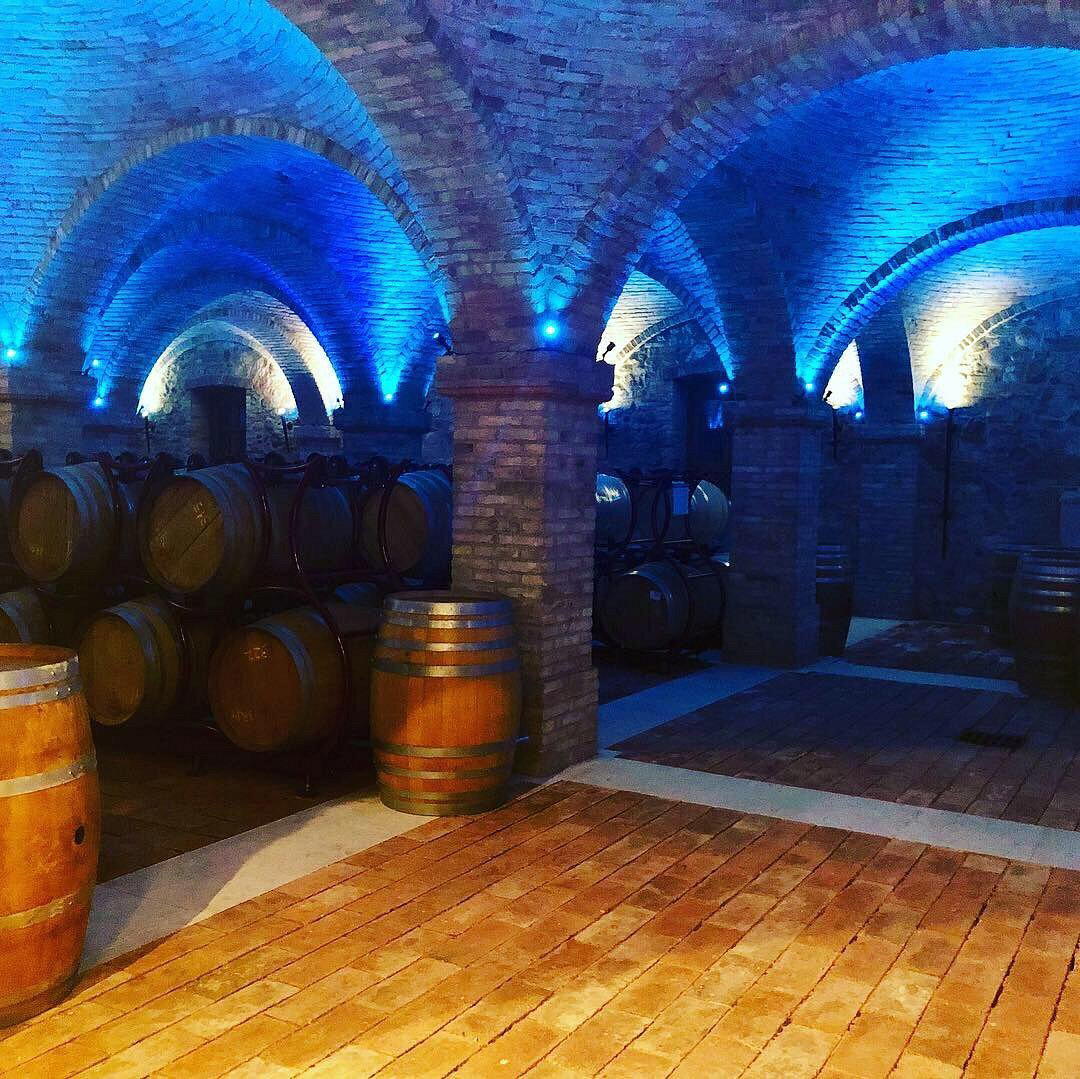
The flat agricultural plain stretching south of Cremona is not a region that generates much dining press. It grows rice, pumpkins, and cattle; it produces the pork that enters Cremona's mostarda and the grain that feeds the paddy fields threading between irrigation canals. What it does less often is send its ingredients through a kitchen that understands their full potential. Osteria del Miglio 2.10, on Via Patrioti in the small comune of Pieve San Giacomo, is one of the places where that gap closes. The room, with its brick-vaulted ceiling intact from an older incarnation of the building, immediately signals that this is not a restaurant that has reinvented itself for outside attention. The architecture and the cooking sit in the same register: rooted, unhurried, and confident that the local pantry needs no supplementing.
The Michelin Bib Gourmand, awarded in both 2024 and 2025, marks the kitchen's consistency in a category that rewards exactly this kind of cooking: generous, technically sound, and fairly priced. Across Italy, the Bib Gourmand tier tends to capture restaurants that the Michelin inspectors respect for cooking well without performing for the guide. Osteria del Miglio 2.10 fits that pattern.
What the Ingredients Carry
Cremona and Mantua corridor is one of the densest concentrations of ingredient identity in northern Italy. Pumpkin cultivation along the Po plain produces the variety used in Mantuan tortelli, a preparation that predates modern regional cuisine by several centuries. Rice grown in the Lomellina and Bassa Padana has fed the risotto and timbale traditions of Lombardy's agricultural interior since the fifteenth century. Beef from local cattle farms supplies both the slow ragù that anchors the rice timbale and the carpaccio that tops it, a pairing that demonstrates what seasonal ingredient sourcing actually means in practice: not two unconnected luxury items on the same plate, but a single animal expressed in two preparations, one long-cooked, one raw, both present in the same dish.
Marubini pasta in three broths is the dish most closely tied to Cremona's documented culinary history. Marubini are stuffed pasta rings, traditionally filled with braised meat and roasted pork, cooked in a triple broth of beef, chicken, and pork. The three-broth format is not a modern elaboration; it is the preparation that appears in Cremonese recipe records from the nineteenth century and, in various forms, considerably earlier. A kitchen that treats this dish with fidelity is making a statement about sourcing: the quality of the broth is entirely determined by the quality of the meat, and there is nowhere to hide. The pumpkin tortelli carries the same logic. The sweetness of good local pumpkin in the filling requires only modest counterpoint, typically mostarda or amaretti, depending on the cook's inclination. When the pumpkin is sourced well, the dish is self-sufficient. When it is not, no technique compensates.
The Wine Approach
Wine selection at Osteria del Miglio 2.10 takes a particular interest in sparkling wines, which in Lombardy means engagement with Franciacorta, Oltrepò Pavese Metodo Classico, and potentially the lighter fizz traditions of the eastern plain. This is not an obvious pairing choice for a table heavy with braised meats and filled pasta, but it reflects a broader shift in Lombardian restaurant wine programs toward treating sparkling wine as a full-meal option rather than an aperitivo format. For a restaurant at the single-euro price range, a wine program with genuine focus is an uncommon asset.
Those assembling a broader Lombardian dining itinerary will find useful contrast by looking at the region's other poles. Al Gambero in Calvisano and 85 Bistrot in Sesto San Giovanni both operate in the Lombardian register, each at a different point on the urban-provincial axis. For a sense of how the same regional ingredient tradition scales into multi-star ambition, Dal Pescatore in Runate remains the benchmark: a €€€€ operation in similarly rural territory that has held three Michelin stars for decades. The gap between Dal Pescatore and a Bib Gourmand osteria is not a quality gradient so much as a statement of intent. One is a destination in its own right; the other is what the countryside actually eats.
For context on how Italy's most celebrated kitchens approach the same northern ingredient traditions at the other end of the price spectrum, Osteria Francescana in Modena and Enrico Bartolini in Milan represent the creative and fine-dining poles. Further afield, Piazza Duomo in Alba, Le Calandre in Rubano, Reale in Castel di Sangro, Uliassi in Senigallia, Quattro Passi in Marina del Cantone, Atelier Moessmer Norbert Niederkofler in Brunico, Enoteca Pinchiorri in Florence, and Casa Perbellini 12 Apostoli in Verona illustrate how Italy's regional ingredient traditions travel into very different formal registers.
Planning a Visit
Pieve San Giacomo sits roughly 15 kilometres south of Cremona on the plain. The village is not a transit point; arriving here requires intent, and the restaurant is the reason to form that intent. The restaurant is at Via Patrioti, 2. No booking phone or website appears in current public records; the most reliable route is a direct contact attempt via search. The price range sits at the lowest tier, making this one of the most accessible Bib Gourmand tables in Lombardy's agricultural interior. For those combining the visit with a wider stay, hotels in Pieve San Giacomo, bars, wineries, and local experiences are covered separately. The full picture of dining options in the area is in our Pieve San Giacomo restaurants guide.
Frequently asked questions
Is Osteria del Miglio 2.10 good for families?
The format suits families reasonably well. It is a provincial osteria with a Michelin Bib Gourmand rating for two consecutive years (2024 and 2025), which signals generous, ingredient-led cooking at accessible prices, the venue sits in the € price bracket. Dishes like pumpkin tortelli and rice timbale with beef ragù are the kind of grounded, flavour-forward plates that work across ages, without the formality of a tasting-menu restaurant.
What kind of setting is Osteria del Miglio 2.10?
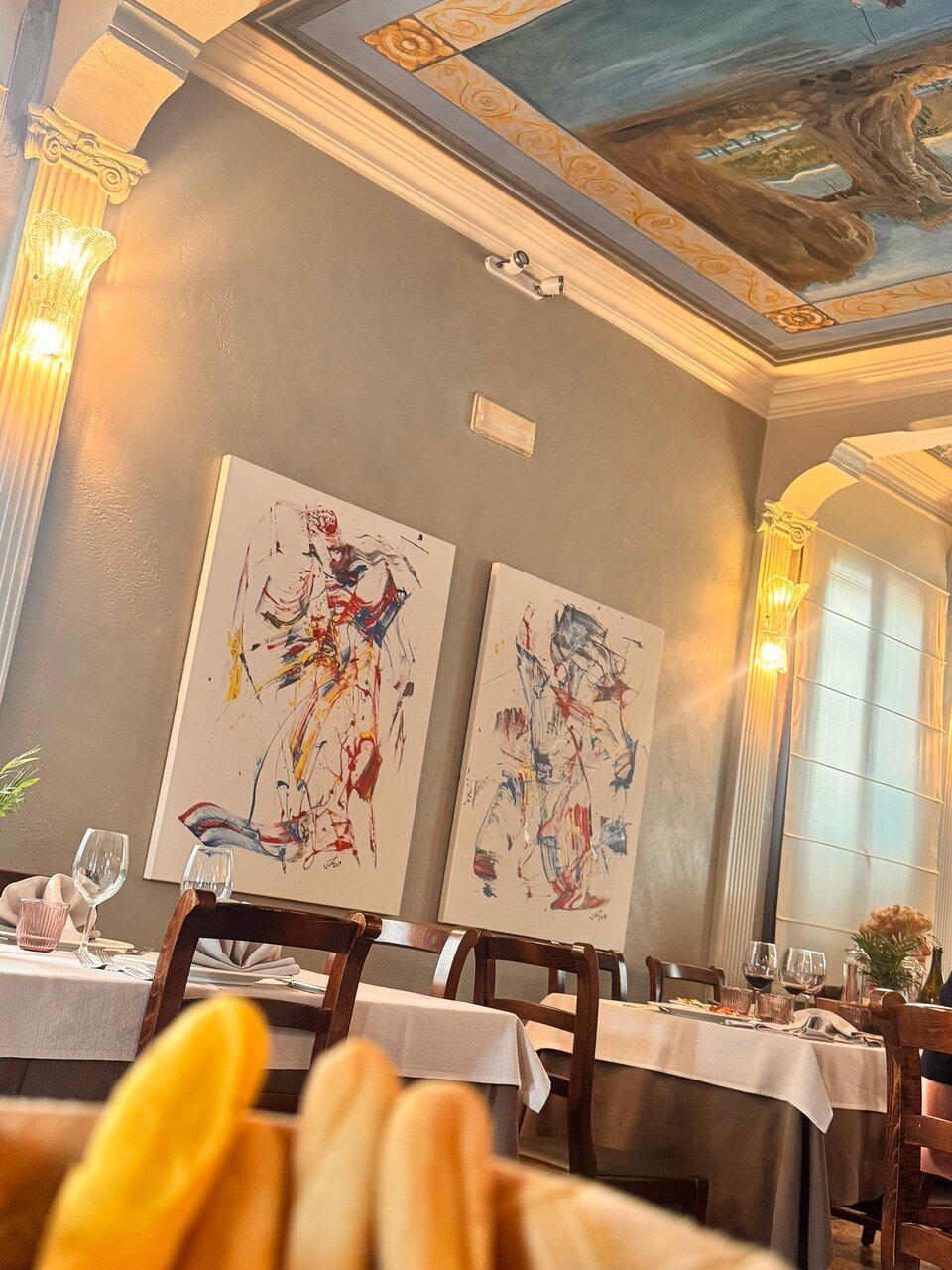
The dining room combines a traditional brick-vaulted ceiling with a modern feel, a pairing common in restored agricultural buildings across the Cremona plain. The address on Via Patrioti in Pieve San Giacomo places it in a village roughly south of Cremona, far from tourist circuits. Arriving here is a deliberate act, and the room reflects that: a working osteria rather than a destination stage set.
What awards or recognition does Osteria del Miglio 2.10 have?
Osteria del Miglio 2.10 has received recognition including: A pleasant (and excellent) provincial restaurant with a modern feel and a traditional brick-vaulted ceiling, where owner-chef Samuele Miglioli pays tribute to local traditions in his cuisine (don’t miss the marubini pasta in three broths an….
What's the best thing to order at Osteria del Miglio 2.10?
The Michelin documentation specifically flags two dishes: marubini pasta served in three broths, the traditional Cremonese preparation that distinguishes this area from the broader northern Italian pasta canon, and pumpkin tortelli, which draws on the dense Po plain cultivation of winter squash shared with the Mantua corridor. The rice timbale on beef ragù topped with beef carpaccio is cited as a further demonstration of the kitchen's approach to seasonal, generous plates.
At-a-Glance Comparison
| Venue | Cuisine | Price | Awards | Notes |
|---|---|---|---|---|
| Osteria del Miglio 2.10This venue (the venue you are viewing) | Traditional Lombard Italian | $30–50 | Michelin Bib Gourmand | Not listed |
| Atelier Moessmer Norbert Niederkofler | Modern Alpine Fine Dining | $300–500 | 3 Michelin Stars · World's 50 Best #20 | Italian, Creative |
| Dal Pescatore | Classic Italian Fine Dining | $200–300 | 3 Michelin Stars · World's 50 Best #38 | Italian, Italian Contemporary |
| Enoteca Pinchiorri | Contemporary Italian Fine Dining | $200–300 | 3 Michelin Stars · World's 50 Best #32 | Italian - French, Italian Contemporary |
| Enrico Bartolini | Modern Italian Fine Dining | $300–500 | 3 Michelin Stars · World's 50 Best #85 | Creative |
| Osteria Francescana | Avant-Garde Italian Contemporary | $300–500 | 3 Michelin Stars · World's 50 Best #1 | Progressive Italian, Creative |
Recognition history
Dated appearances from independent guides and award organizations, with the underlying list record or original source where available.
Michelin Bib Gourmand
Michelin
Full recognition history (3 entries)
Michelin Bib Gourmand
Michelin
Michelin Bib Gourmand
Michelin
Continue exploring
More in Pieve San Giacomo
Restaurants in Pieve San Giacomo
All restaurants in Pieve San Giacomo →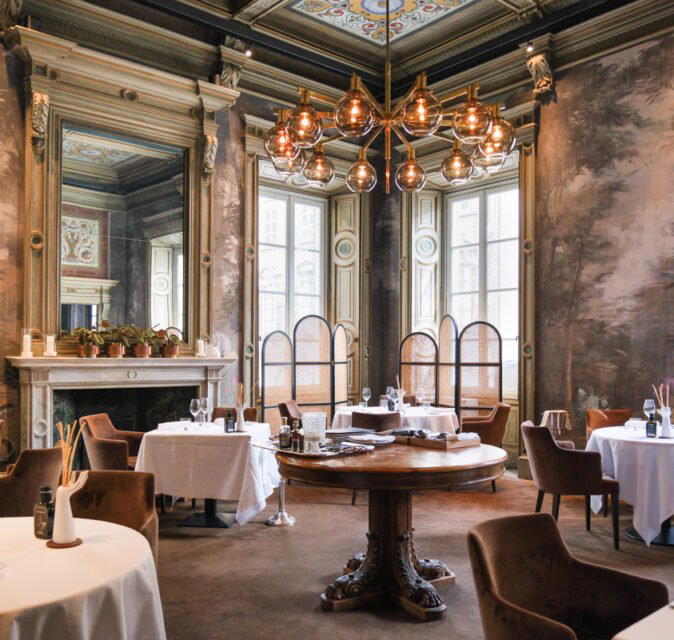
Bars in Pieve San Giacomo
Browse all →


Details
- Cozy
- Rustic
- Elegant
- Special Occasion
- Family
- Date Night
- Historic Building
- Extensive Wine List
- Local Sourcing
- A La Carte
- Sparkling Wines
- Vegetarian Friendly
Current opening hours
- Monday
- 12–2 PM, 7:30–11:30 PM
- Tuesday
- Closed
- Wednesday
- Closed
- Thursday
- 12–2 PM, 7:30 PM–12 AM
- Friday
- 12–2 PM, 7:30 PM–12 AM
- Saturday
- 12–2 PM, 7:30 PM–12 AM
- Sunday
- 12–2 PM, 7:30–11:30 PM
Hours can change for holidays and private events. Hours as of .
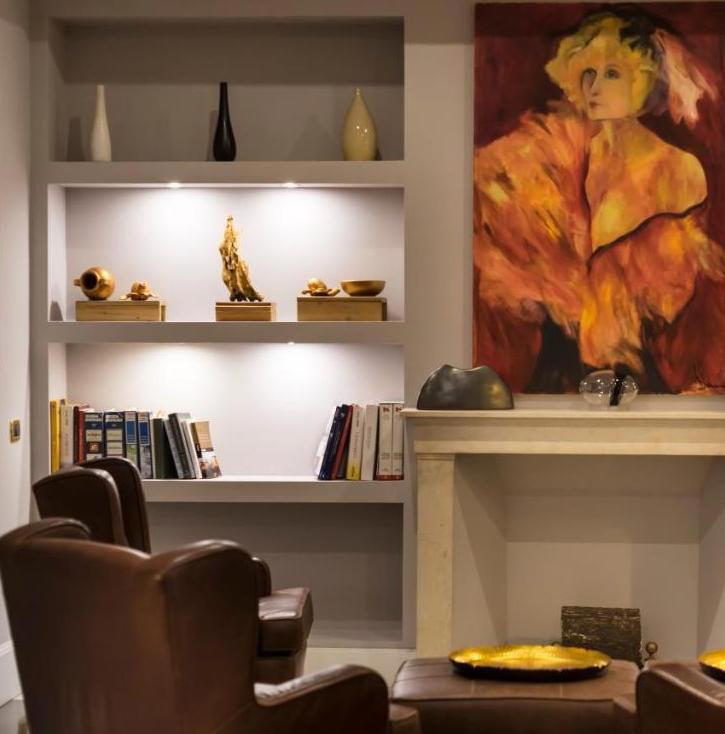
Cozy and welcoming with exposed brick vaults, stone walls, and warm rustic decor creating an elegant yet family-like atmosphere