
Michelin Bib Gourmand
Our verdict
Holding consecutive Michelin Bib Gourmand recognition in 2024 and 2025, La Campanara operates in a hamlet outside Galeata where the kitchen draws on overlapping regional traditions: Romagna at its core, with clear borrowings from Tuscany and the Marche. The price point is modest, the setting is a courtyard beside a village church, and a small shop and guest rooms extend the stay beyond the meal.

Pearl is the En Primeur Club membership app — saves, bookings, and concierge access live there. Same editors, same standards.
- Address
- V. Borgo Pianetto, 24A, 47010 Galeata FC, Italy
- Phone
- +39 333 407 3324
- Hours
- Mon–Tue ClosedWed–Sun 12–3 PM, 7–10 PM
- Website
- osterialacampanara.it
- Directions
- Get directions
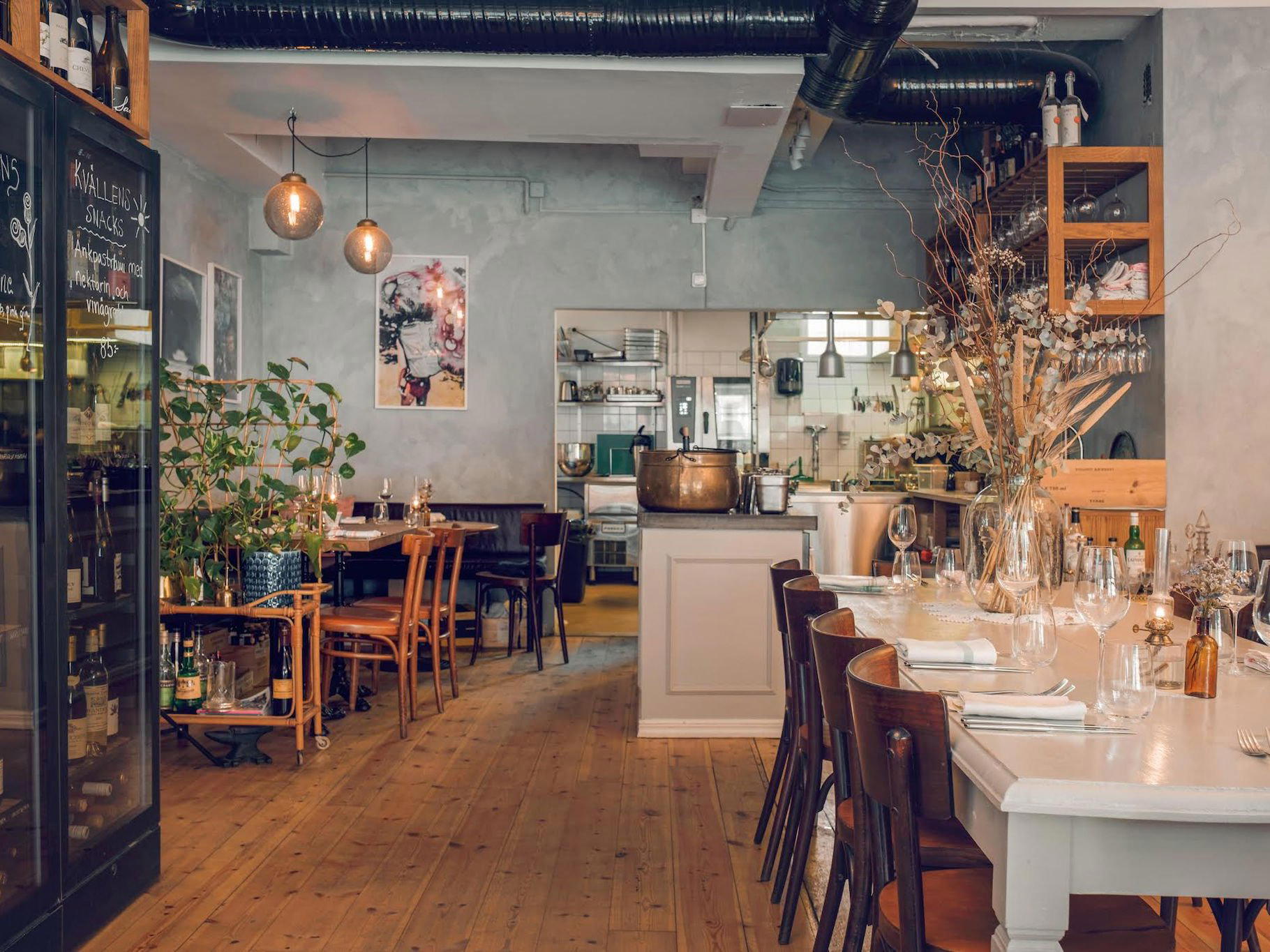
The menu
What to order
- Tagliatelle al ragù
- Tuscan ribollita
- Tortello alla lastra
- Lampredotto with porcini mushrooms
- Roasted kid
Where Romagna Meets Its Neighbours
The Apennine foothills between Forlì and the Tuscan border occupy one of Italian gastronomy's more instructive fault lines. This is not a single regional kitchen but a convergence zone, where Romagna's pasta-and-piadina traditions brush against the wilder, more funghi-driven cooking of Tuscany and the coastal-leaning flavours of the Marche. Restaurants that work this overlap honestly — rather than defaulting to a single regional brand — produce some of the most textured cooking in central Italy. La Campanara, operating out of a hamlet just outside Galeata in the province of Forlì-Cesena, sits squarely in that tradition, and two consecutive Michelin Bib Gourmand awards (2024 and 2025) suggest it is doing so with consistency.
The Bib Gourmand designation is worth pausing on. Michelin created the category specifically to flag quality cooking at accessible prices, distinct from the starred tier occupied by restaurants like Osteria Francescana in Modena or Enoteca Pinchiorri in Florence. At a €€ price point, La Campanara belongs to a different competitive conversation from those €€€€ flagships, but the repeated recognition puts it in the same quality-minded framework. It is the kind of place that rewards a deliberate detour rather than a passing stop.
A Courtyard, a Church, and the Logic of Place
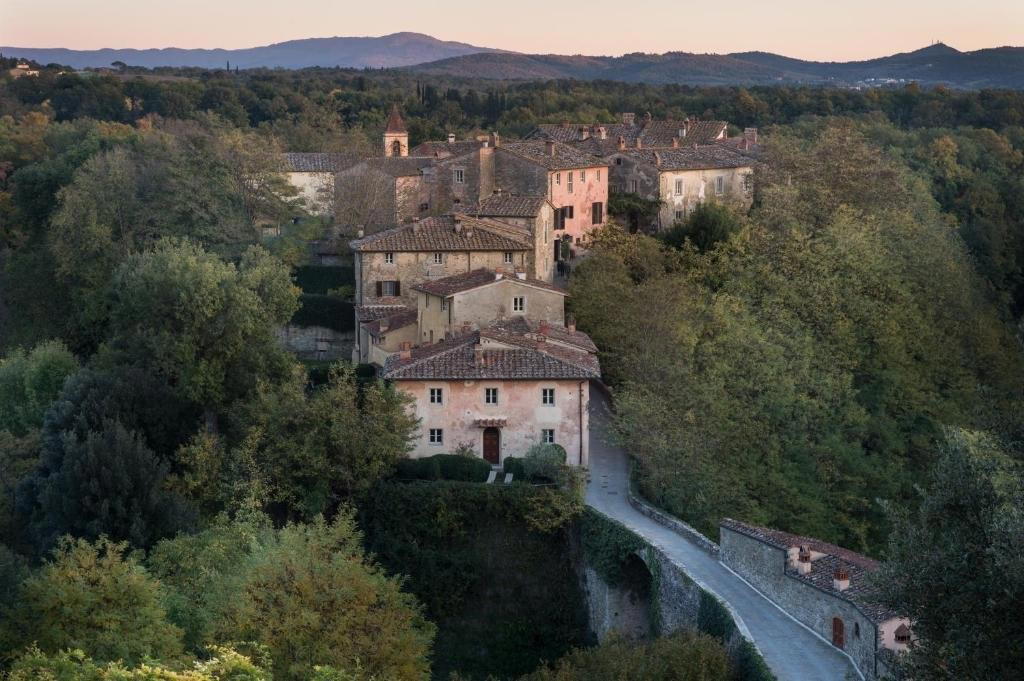
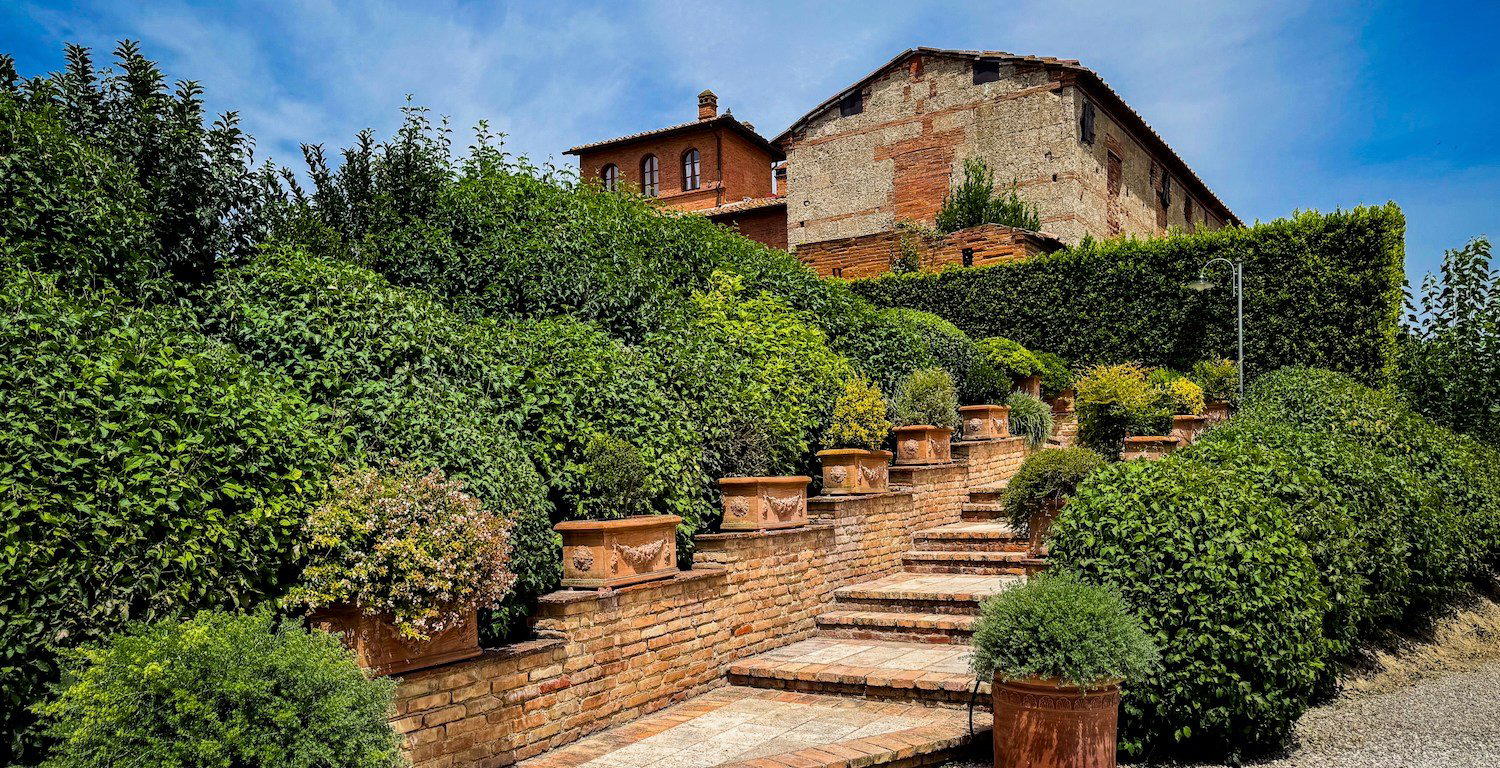
Physical setting does real work here. The entrance opens onto a small courtyard, and in the warmer months outdoor tables sit beside the local church, shaded by trees with the Apennine hills visible in the distance. This is not stage-managed rural theatre of the sort that upscale agritourismo properties often deploy; it is a hamlet setting that happens to be genuinely calm and proportionate to its surroundings. The geography is part of the editorial point: this pocket of the Apennines remains largely outside the tourist circuits that concentrate around Ravenna's mosaics or the beaches of Rimini. Eating here is an exercise in regional specificity that a restaurant in a more visited city would have less reason to pursue.
Chef Hervé Paulus leads the kitchen, and the name signals something worth noting about contemporary Italian regional cooking more broadly. Non-Italian names are not uncommon in serious Italian kitchens, particularly at the non-starred level where the economic friction of relocating for a starred position is higher. What the kitchen produces, regardless of the chef's biography, is grounded territory cooking: ingredients drawn from the local environment, preparations that reflect the overlapping traditions of three regions rather than the codified orthodoxy of any single one. For wider context on how serious regional cooking operates at a comparable geographic remoteness, see Gannerhof in Innervillgraten or Fahr in Künten-Sulz, both operating similar territory-first approaches in equally off-circuit European locations.
Three Regions on One Plate
The kitchen's defining quality is its willingness to follow ingredients across administrative borders. Romagna supplies the structural backbone: the pasta tradition, the piadina culture, the approach to cured meats that distinguishes this part of Emilia-Romagna from its more celebrated northern neighbour. But the menu reaches into Tuscany with confidence. Lampredotto, the braised tripe preparation most closely associated with Florentine street food, appearing alongside porcini mushrooms is a signal of exactly this cross-regional fluency. Porcini from the Apennine slopes are available to restaurants on both sides of the Tuscan-Romagnan divide, but lampredotto has a specifically Tuscan identity. Using it here is a geographic statement as much as a culinary one.
The Marche influence, coastal and slightly more delicate in its flavour register, adds a third layer. This is the kind of cooking that repays attention from readers who follow the more southerly Adriatic kitchens: compare the approach here to the seafood-anchored seriousness at Uliassi in Senigallia or the product-led discipline at Quattro Passi in Marina del Cantone, and the shared commitment to regional identity becomes clear even where the price tier diverges sharply.
Beyond the Meal: Shop and Rooms
An adjoining shop sells products made in the restaurant's own workshop, extending what would otherwise be a single meal into something closer to a relationship with the kitchen's supply chain. This model, restaurant production feeding a retail operation, is common enough in Emilia-Romagna, where salumi and preserved products are taken seriously as commercial objects as well as culinary ones, but it is less frequently executed at La Campanara's price level with the same degree of kitchen integration. Guests can purchase what they ate, or at least the components that made it, which is a more honest form of hospitality than a gift shop stocked with branded merchandise.
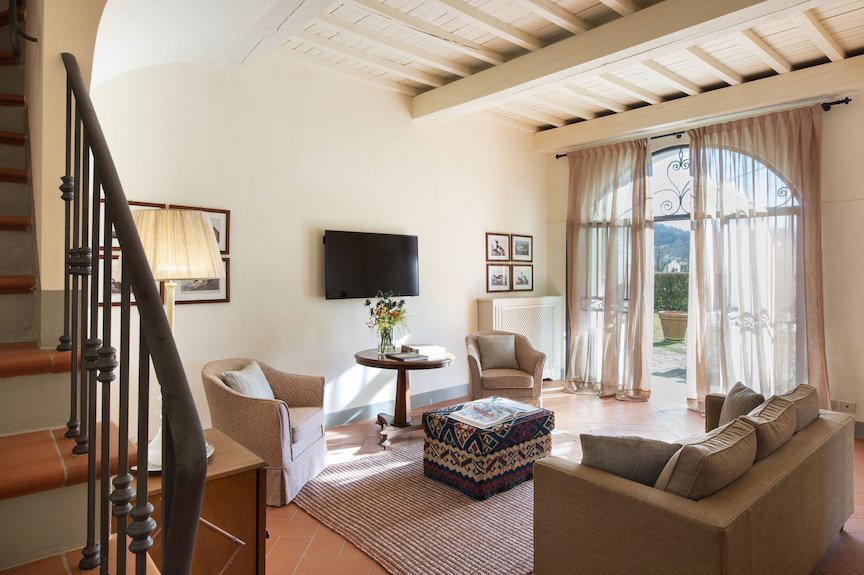
A small number of guest rooms are available, which positions La Campanara as a viable overnight stop for travellers moving through this part of the Apennines. The combination of dining, retail, and accommodation at a €€ price point is a recognisable format in rural Italian hospitality but requires a kitchen of some quality to make the accommodation feel like an asset rather than an afterthought. The consecutive Bib Gourmand awards suggest the kitchen is providing that anchor. For those planning a wider Galeata stay, see our full Galeata hotels guide, and for complementary discoveries in the area, our full Galeata restaurants guide, bars guide, wineries guide, and experiences guide provide the surrounding context.
Where La Campanara Sits in the Wider Italian Conversation
Italy's most decorated regional kitchens, Dal Pescatore in Runate, Le Calandre in Rubano, Piazza Duomo in Alba, Reale in Castel di Sangro, Enrico Bartolini in Milan, Atelier Moessmer in Brunico, and Casa Perbellini in Verona, operate in an entirely different economic and institutional bracket. They are reference points for what regional cooking can reach under different constraints of budget, kitchen size, and institutional ambition. La Campanara is not competing with them; it is making a different argument, one that equates honesty of sourcing and clarity of regional identity with a bill that most travellers can approach without deliberate financial planning.
Both signals point in the same direction.
Planning Your Visit
La Campanara sits at Via Borgo Pianetto 24A in Galeata, in the province of Forlì-Cesena. The village location means a car is the practical choice for most visitors arriving from Forlì, Cesena, or from the Tuscan side via the Passo del Muraglione. Given the rural setting and limited tables, booking ahead is advisable regardless of season, and summer visits benefit most from the outdoor courtyard setup. The guest rooms mean the trip can extend into a night or two without requiring a return drive the same evening, which is arguably the most logical way to engage with a kitchen that draws from three overlapping regional traditions: arrive in time to eat properly, stay, and return for the shop in the morning.
Frequently asked questions
Does La Campanara work for a family meal?
The €€ price point and a menu built on recognisable regional cooking from Romagna, Tuscany, and Marche make it a reasonable choice for multi-generational tables. The courtyard setting beside the church, with hill views, gives younger guests space and context that a city restaurant cannot offer. Michelin has awarded the Bib Gourmand here in both 2024 and 2025, which confirms value without demanding formality.
How would you describe the vibe at La Campanara?
Rural Apennine calm, without affectation. The hamlet setting outside Galeata, a small courtyard, and hill views framed by trees set a register the kitchen matches with territory-rooted cooking rather than performance. Holding a Michelin Bib Gourmand in 2024 and 2025 signals the kitchen takes the food seriously, but the format remains a local trattoria with a good shop attached.
Is La Campanara award-winning?
La Campanara has received recognition including: In a charming hamlet just outside Galeata, the entrance opens onto a small, pretty courtyard that in summer leads to outdoor tables beside the church, shaded by trees and facing the hills: a truly idyllic setting. The cuisine is rooted in t….
What's the signature dish at La Campanara?
The lampredotto with porcini mushrooms is the preparation most clearly identified in Michelin source material: braised tripe in the Florentine tradition paired with Apennine porcini, a dish that captures the kitchen's habit of following ingredients across regional borders. It arrived on a late-summer menu, placing it in context of seasonal availability rather than a permanent fixture, so confirm when booking.
| Venue | Cuisine | Price | Awards | Notes |
|---|---|---|---|---|
| La CampanaraThis venue — the venue you are viewing | Tuscan-Romagnolo Regional Cuisine | $30–50 | Michelin Bib Gourmand | Not listed |
| Atelier Moessmer Norbert Niederkofler | Italian, Creative | Not listed | Michelin 3 Star | Not listed |
| Dal Pescatore | Italian, Italian Contemporary | Not listed | Michelin 3 Star | Not listed |
| Enoteca Pinchiorri | Contemporary Italian Fine Dining | $200–300 | 3 Michelin Stars · World's 50 Best #32 | Italian - French, Italian Contemporary |
| Enrico Bartolini | Creative | Not listed | Michelin 3 Star | Not listed |
| Osteria Francescana | Avant-Garde Italian Contemporary | $300–500 | 3 Michelin Stars · World's 50 Best #1 | Progressive Italian, Creative |
Recognition history
Dated appearances from independent guides and award organizations, with the underlying list record or original source where available.
Michelin Bib Gourmand
Michelin
Full recognition history (3 entries)
Michelin Bib Gourmand
Michelin
Michelin Bib Gourmand
Michelin
Continue exploring
More in Galeata
Restaurants in Galeata
Browse all →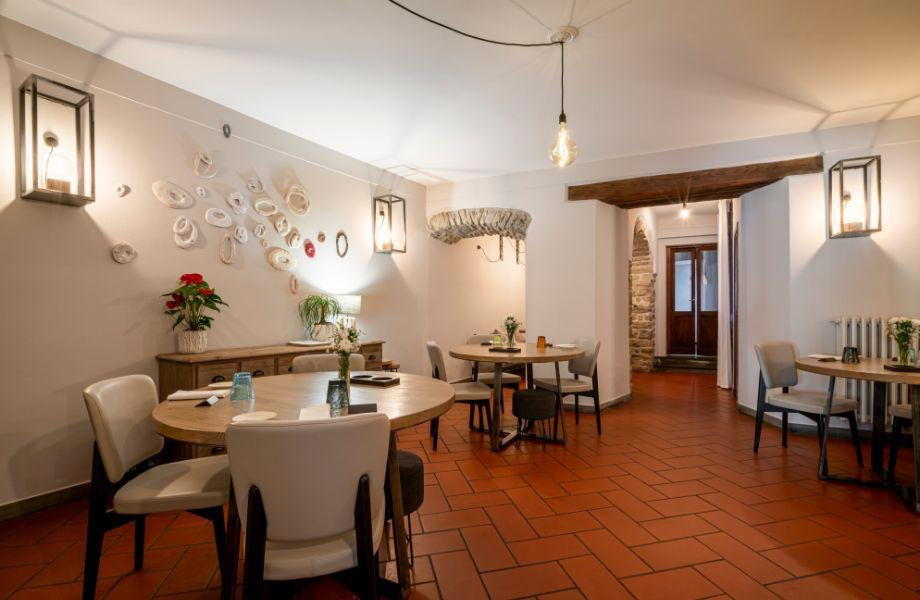
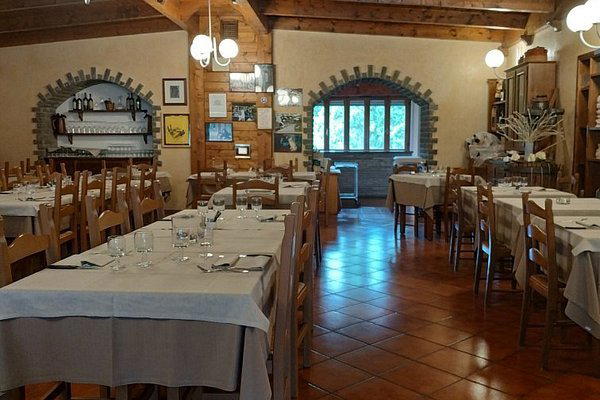
Bars in Galeata
Browse all →
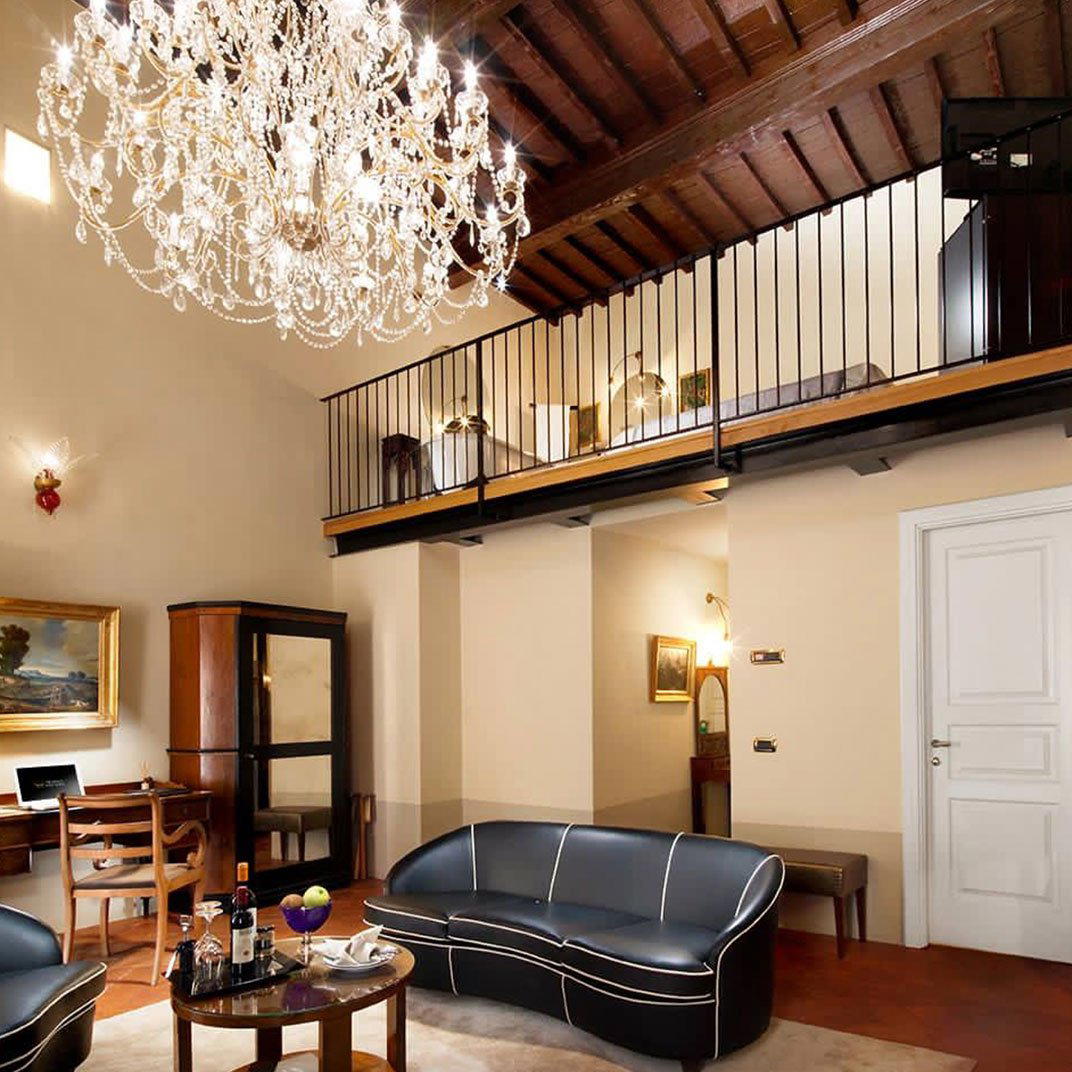
Hotels in Galeata
Browse all →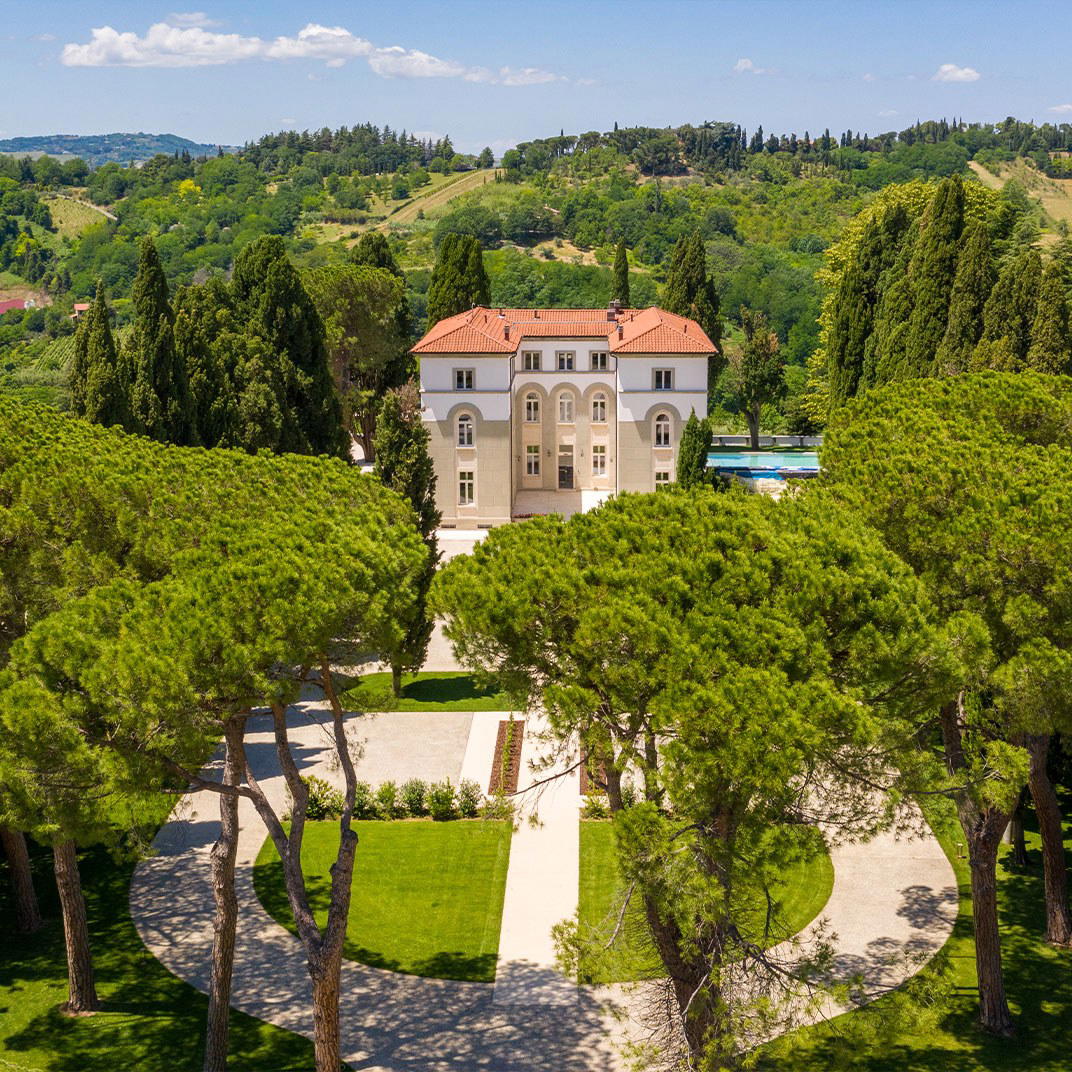


Details
- Rustic
- Romantic
- Cozy
- Scenic
- Intimate
- Date Night
- Family
- Special Occasion
- Celebration
- Garden
- Courtyard
- Historic Building
- Standalone
- Terrace
- Farm To Table
- Local Sourcing
- Organic
- Garden
- Mountain
- A La Carte
- Regional Wine
- Local Wine Selection
- Vegetarian Friendly
- Vegan Options
- Gluten Free Options
- Organic Focus
Current opening hours
- Monday
- Closed
- Tuesday
- Closed
- Wednesday
- 12–3 PM, 7–10 PM
- Thursday
- 12–3 PM, 7–10 PM
- Friday
- 12–3 PM, 7–10 PM
- Saturday
- 12–3 PM, 7–10 PM
- Sunday
- 12–3 PM, 7–10 PM
Hours can change for holidays and private events. Last verified .
Warm and inviting with enchanting outdoor garden seating surrounded by Renaissance stone walls, trees, and rolling Tuscan hills; intimate courtyard setting with soft natural lighting and serene atmosphere.