Osteria Ama Philly
Osteria Ama Philly occupies a Chestnut Street address in Philadelphia's Center City, placing it within walking distance of the Rittenhouse Square dining corridor where Italian-inflected restaurants compete in a dense, discerning market. The address at 1905 Chestnut positions it between the residential west end and the commercial core, a stretch that rewards foot traffic from hotel guests and local regulars alike.
Pearl is the En Primeur Club membership app — saves, bookings, and concierge access live there. Same editors, same standards.
- Address
- 1905 Chestnut St, Philadelphia, PA 19103
- Phone
- +14843554133
- Website
- osteriaama-philly.com
- Directions
- Get directions
 Saves & bookings on Pearl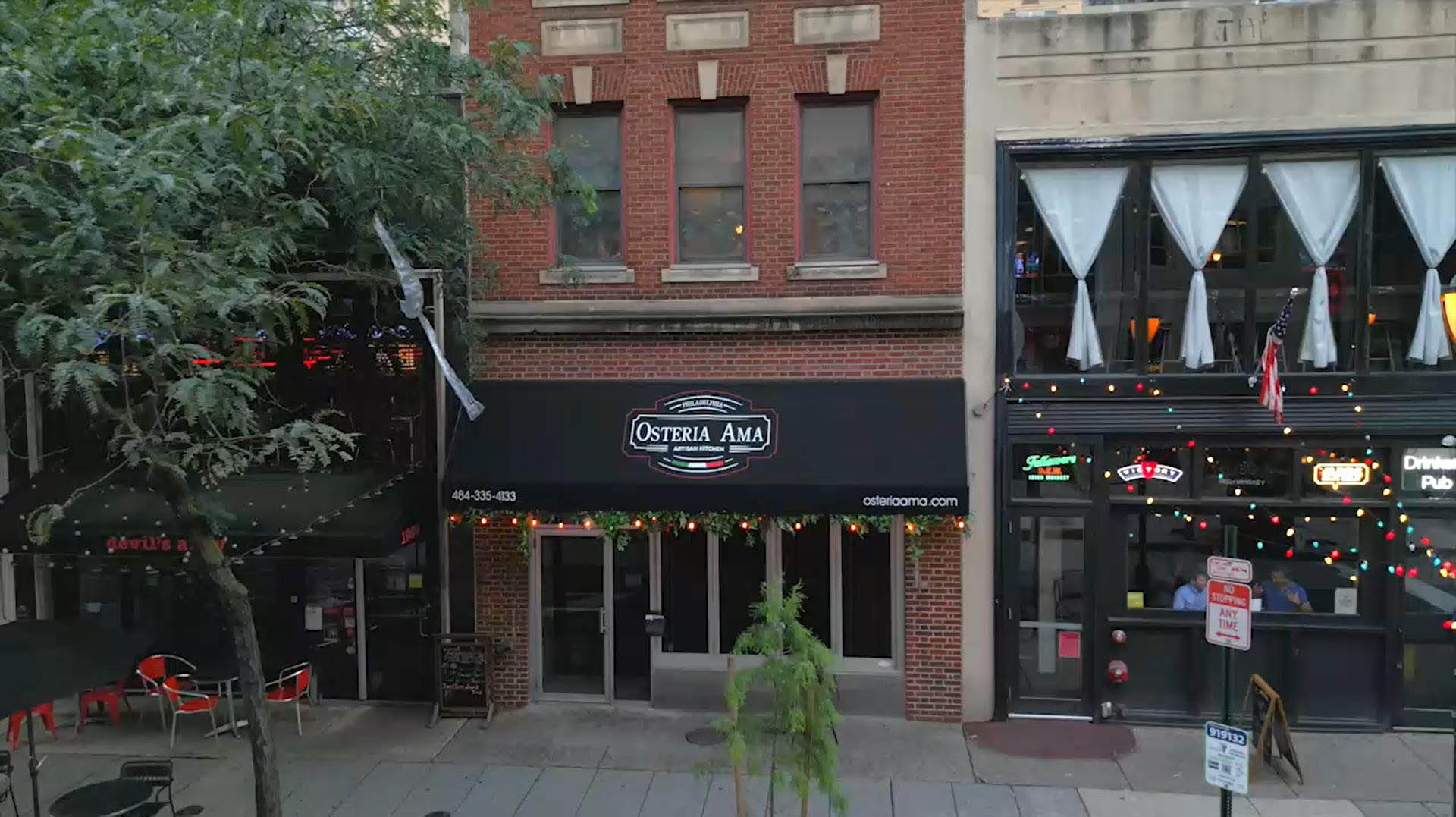
Chestnut Street and the Shape of Center City Italian Dining
Philadelphia's Center City has developed a layered Italian dining scene over the past decade, splitting between red-sauce institutions in South Philly and a newer wave of osteria-format restaurants closer to Rittenhouse Square and the Chestnut Street corridor. The distinction matters. South Philly's Italian identity is neighborhood-rooted and decades deep; the Center City version tends toward a different register: smaller plates, natural wine lists, and rooms that read as European without leaning into caricature. Osteria Ama Philly, at 1905 Chestnut St, sits squarely in this second category and is shaped by the pressures and opportunities that come with that address.
Chestnut Street between 18th and 20th runs through a part of the city where office workers, hotel guests from the nearby Kimpton and AC properties, and Rittenhouse Square residents all converge at dinner. The result is a dining public that is price-aware but not price-averse, and that has been trained by venues like Fork and Friday Saturday Sunday to expect serious cooking in approachable formats. An osteria landing in this corridor in the 2020s is implicitly in conversation with those neighbors, whether it chooses to be or not.
What the Address Signals About the Experience
The osteria format as it has evolved in American cities is worth placing in context before zooming in on a single address. In Italy, the osteria sits below the ristorante in formality but above the trattoria in self-consciousness, a category that has been stretched considerably in translation. In cities like Philadelphia, New York, and San Francisco, the American osteria tends to mean a focused pasta program, a thoughtful wine list with Italian regional depth, and a room that is warm without being loud. That format has proved durable because it covers multiple occasions: it works for a midweek dinner with a colleague and for a Saturday celebration with the same menu.
The 1905 Chestnut address places Osteria Ama in a corridor that connects the denser restaurant clusters around Broad Street and Walnut Street to the quieter residential blocks west of 20th. Foot traffic is genuine here rather than destination-driven, which tends to produce a more mixed room than you find at, say, the tightly curated counters of Kalaya or the more intentional pilgrimage dining at Mawn. That mixed-room quality is not a weakness; it is a different kind of energy, one that suits the osteria format's historical function as a neighborhood gathering point.
Italian Format in a City That Already Has Strong Competitors
Philadelphia's Italian dining options are not sparse. Barbuzzo on 13th Street established a credible Sardinian-inflected counter in the Midtown Village cluster, and South Philly's residential streets carry decades of red-sauce credibility that no Center City newcomer can replicate through positioning alone. What a Chestnut Street osteria can do is offer a different Italian argument: less about heritage and more about precision, more about the wine list and less about the red-check tablecloth.
The national conversation about serious Italian-American restaurants has been shaped by a handful of long-running institutions, and a newer generation of operators has been influenced by what those places established about pasta technique, regional sourcing, and room discipline. Within Philadelphia specifically, the My Loup model demonstrates how a French-inflected format can hold a devoted audience in the same general neighborhood, which suggests that the market will support format-specific restaurants that commit to their lane.
How Osteria Ama Fits the Broader American Fine Dining Map
To understand where a Philadelphia osteria sits in the national picture, it helps to consider the range of ambition that American restaurants now display. At one end are tasting-menu houses with highly controlled formats: Alinea in Chicago, The French Laundry in Napa, Atomix in New York City. At the other end are accessible neighborhood anchors. An osteria format on Chestnut Street occupies the broad middle: serious enough to attract a restaurant-literate audience, flexible enough to sustain repeat visits without requiring a special occasion.
That middle register is where most of the interesting American restaurant development has happened over the past decade. Lazy Bear in San Francisco and Blue Hill at Stone Barns in Tarrytown represent one kind of ambition; Single Thread Farm in Healdsburg and Providence in Los Angeles represent another. What Le Bernardin in New York City, Addison in San Diego, The Inn at Little Washington, Emeril's in New Orleans, and 8 1/2 Otto e Mezzo Bombana in Hong Kong share is a clarity of identity that allows them to hold a specific audience consistently. That clarity of identity is what any serious osteria on Chestnut Street is also reaching for, even if the format and price point are entirely different.
The Italian osteria model, done well, achieves something that more elaborate formats cannot: it makes a guest feel that the room was built for the kind of evening they already wanted to have, rather than the kind of evening the kitchen has decided to provide. That quality, available without the lead time of a tasting-menu counter and without the cost ceiling of a Michelin-chased kitchen, is what gives Center City a reason to support an address like 1905 Chestnut. For a fuller picture of where Osteria Ama sits among Philadelphia's wider options, the EP Club Philadelphia restaurants guide maps the city's dining tiers in detail.
Know Before You Go
- Address: 1905 Chestnut St, Philadelphia, PA 19103
- Neighborhood: Center City West, between Rittenhouse Square and the Chestnut Street commercial corridor
- Format: Osteria-style dining; format suits both weeknight and weekend occasions
- Booking: Contact the restaurant directly; specific booking platform not confirmed at time of publication
- Getting There: The address is walkable from Rittenhouse Square and from several Center City hotels; street parking on Chestnut is metered
- Price guidance: Not confirmed; peer osteria formats in this corridor typically run mid-range to upper-mid-range per head
Continue exploring
More in Philadelphia
Restaurants in Philadelphia
Browse all →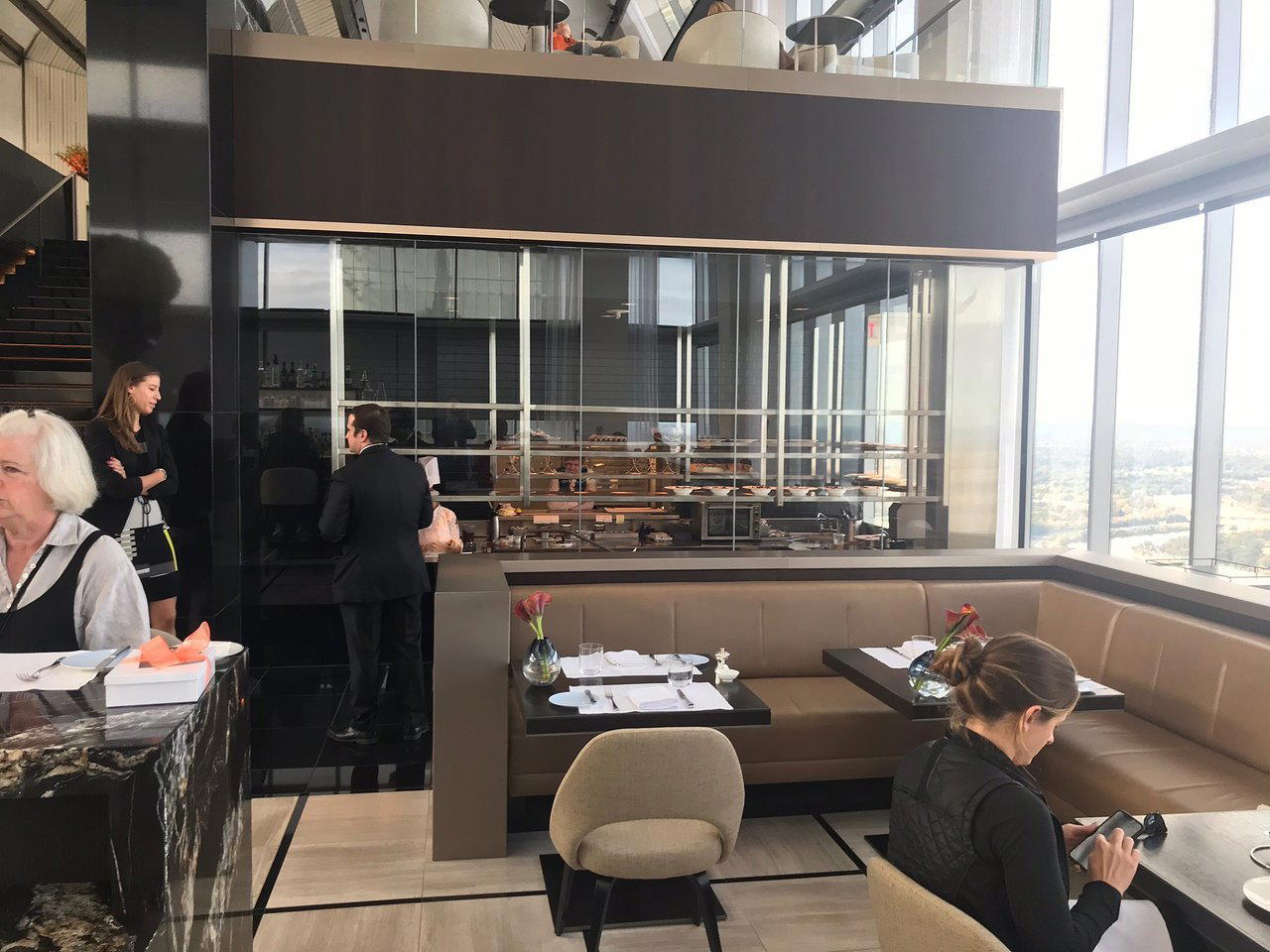
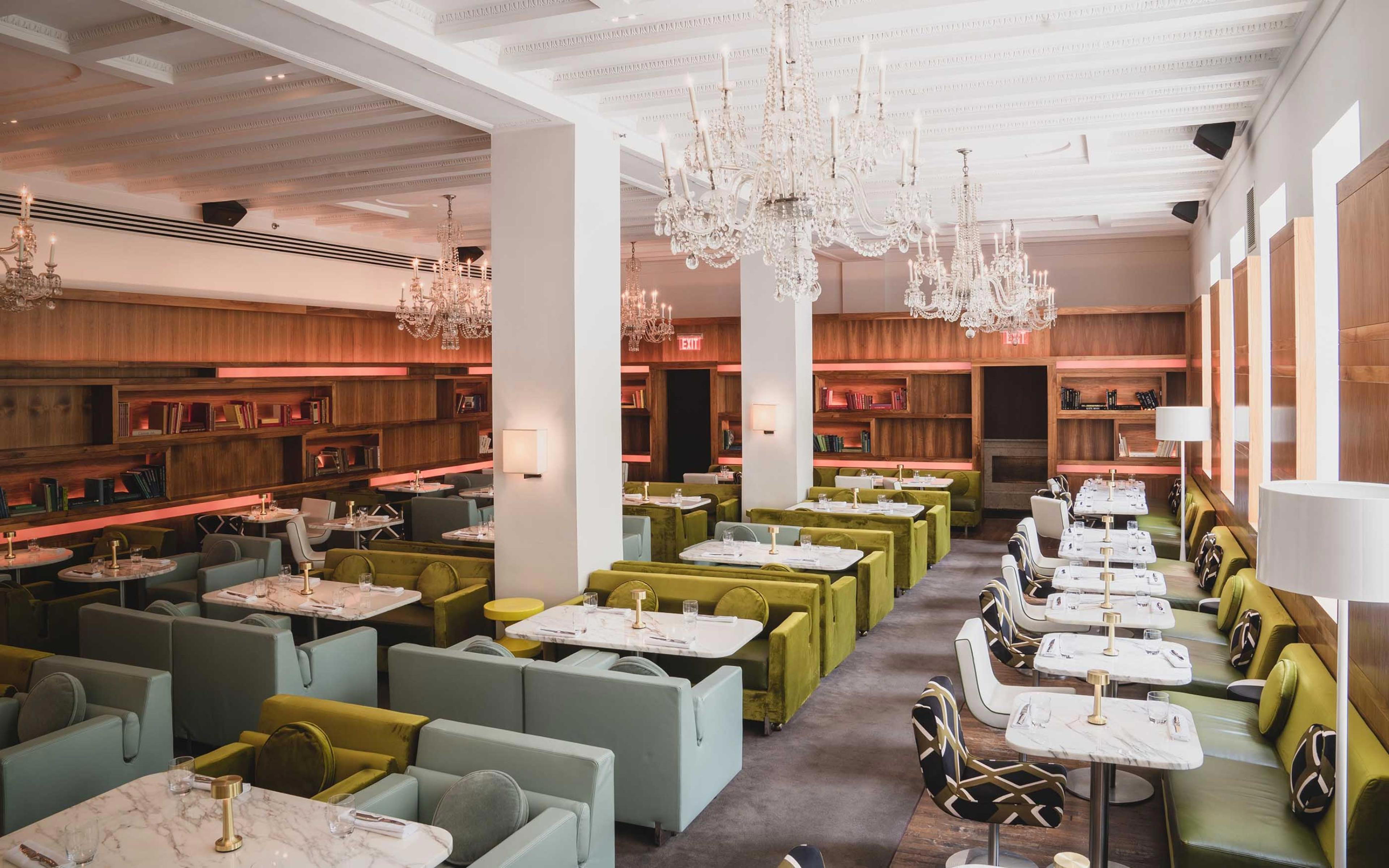
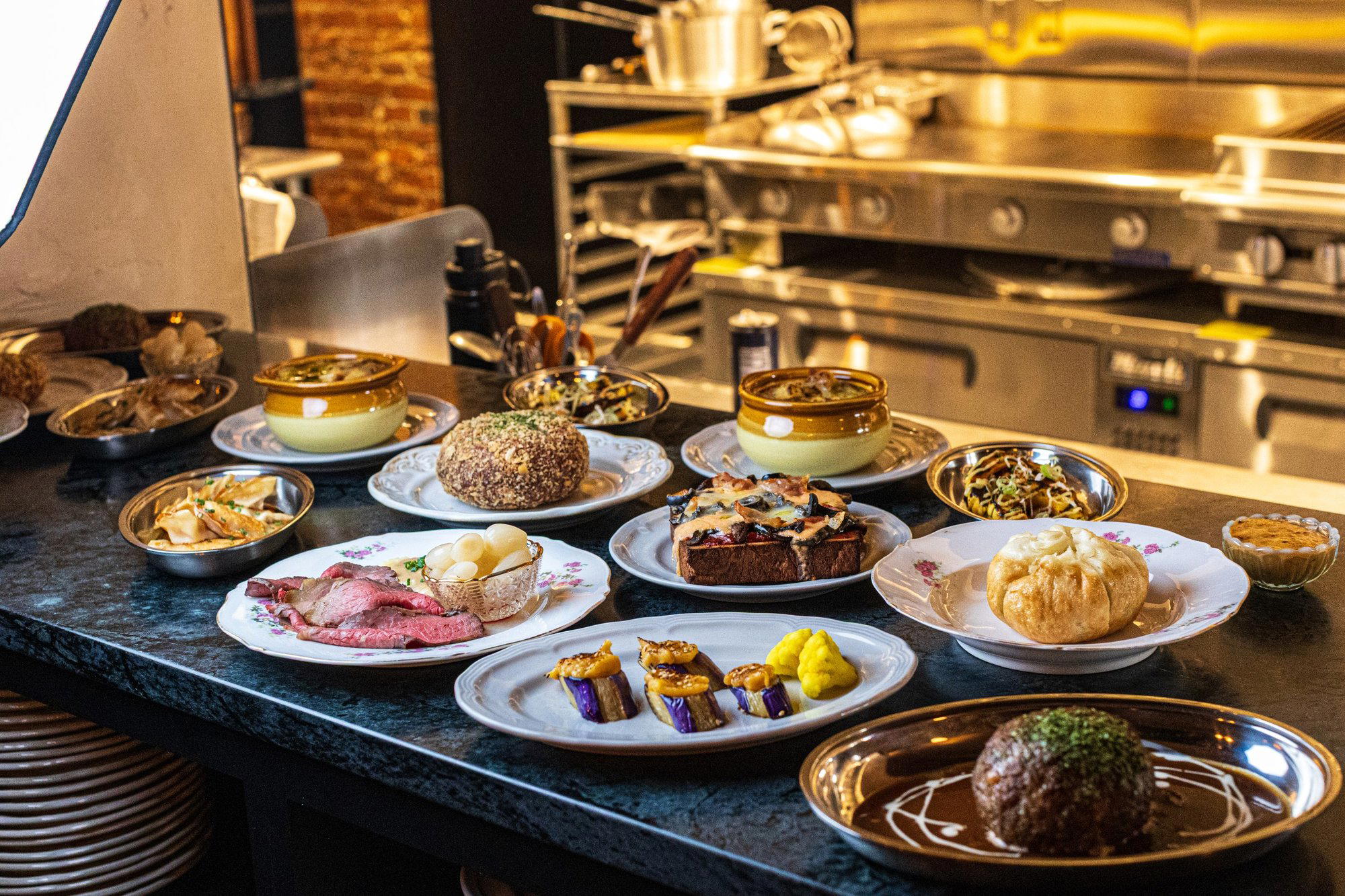
Bars in Philadelphia
Browse all →
At a Glance
- Cozy
- Elegant
- Date Night
- Group Dining
- Open Kitchen
- Byob
Current opening hours
- Monday
- 12–9 PM
- Tuesday
- 12–9 PM
- Wednesday
- 12–9 PM
- Thursday
- 12–9 PM
- Friday
- 12–10 PM
- Saturday
- 12–10 PM
- Sunday
- 12–9 PM
Hours can change for holidays and private events. Last verified .
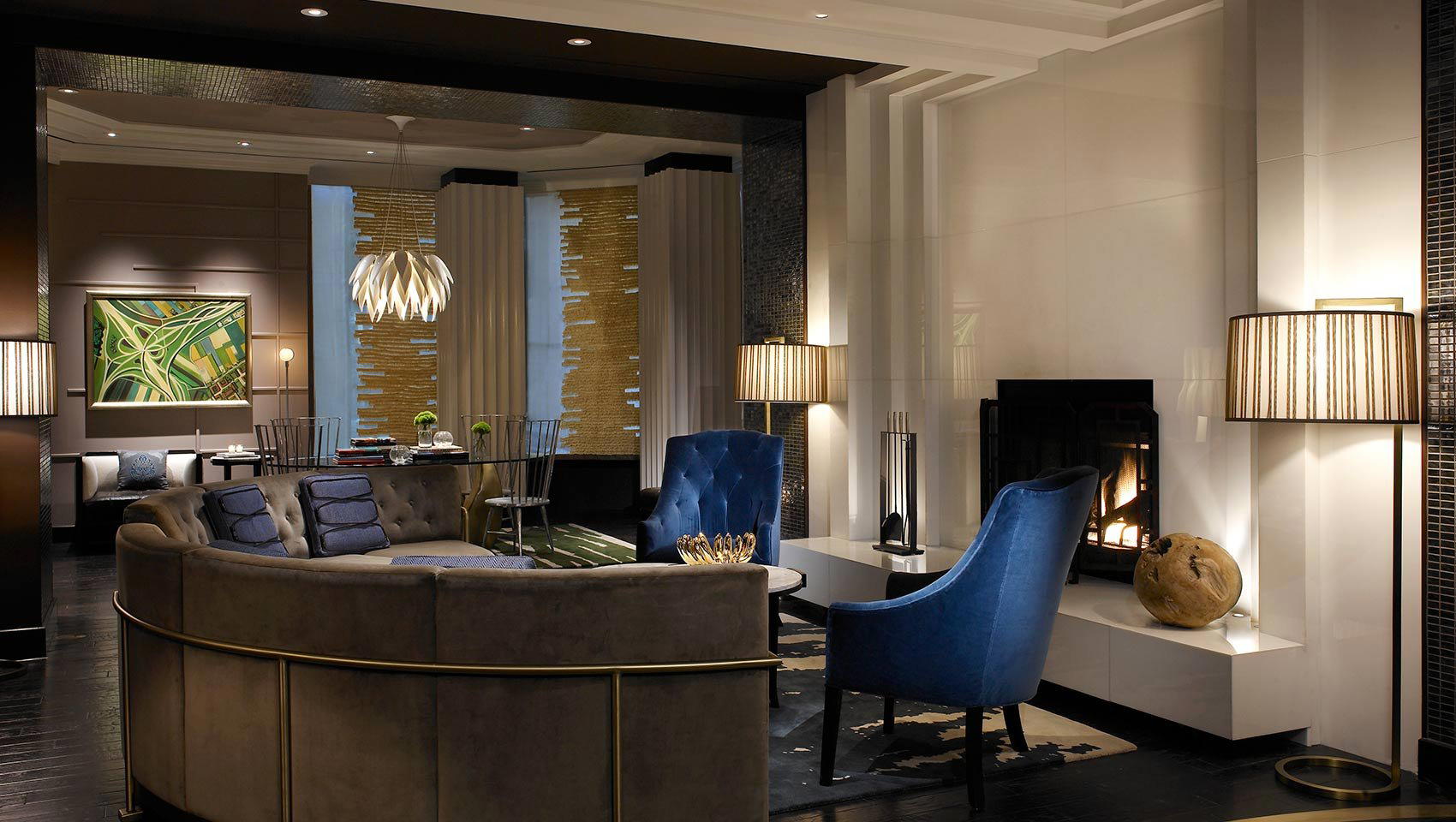
Beautiful ambiance with a casual dining atmosphere.
Know Before You Go
- Getting there
- 1905 Chestnut St, Philadelphia, PA 19103