Buca D'oro Ristorante
On a quiet stretch of Locust Street in Philadelphia's Washington Square West neighborhood, Buca D'oro Ristorante holds a place in the city's Italian dining tradition that predates the current wave of ingredient-driven trattorias. The address at 711 Locust puts it squarely in a walkable, historically dense part of Center City where Italian-American cooking and old-world hospitality have long coexisted with the neighborhood's legal and civic institutions.
Pearl is the En Primeur Club membership app — saves, bookings, and concierge access live there. Same editors, same standards.
- Address
- 711 Locust St, Philadelphia, PA 19106
- Phone
- +12159280556
- Website
- bucadororistorante.com
- Directions
- Get directions
 Saves & bookings on Pearl
Locust Street and the Italian Table in Center City
Washington Square West has a particular character among Philadelphia's Center City blocks. The streets are narrow by the standards of the grid, lined with federal-era townhouses and low-rise commercial buildings. 711 Locust Street sits in that grain, and Buca D'oro Ristorante occupies a position on the block that reflects the neighborhood's longer relationship with Italian-American hospitality rather than its more recent iteration as a destination for chef-driven tasting formats.
Italian dining in Philadelphia has historically split between red-gravy South Philly institutions and the more polished Centro iterations that emerged through the 1980s and 1990s. The Washington Square area absorbed some of both: proximity to the legal district brought a lunch-and-dinner clientele that valued consistency and room over provocation, while the neighborhood's residential density kept a local regulars culture intact through multiple restaurant generations. Buca D'oro fits the latter profile, a neighborhood anchor in a part of the city that has never been primarily about dining destination traffic.
The Sourcing Logic Behind Italian-American Kitchens
The ingredient story in Italian-American cooking is often misread. The cuisine is not simply about imported pantry goods applied to American proteins; at its most considered, it is a precise negotiation between Old World technique and Mid-Atlantic supply. Philadelphia's position, three hours from New York's wholesale markets, close to New Jersey's tomato and produce belt, and within reach of Chesapeake seafood, historically gave its Italian kitchens access to raw material that their New York counterparts envied. The region's seasons are pronounced enough to shape menus without requiring formal farm-to-table framing: Jersey corn, Pennsylvania mushrooms, and Chesapeake shellfish move through kitchens by calendar logic rather than marketing mandate.
This is the sourcing tradition Buca D'oro operates within. Its Washington Square address places it close enough to the city's wholesale infrastructure that proximity to seasonal Mid-Atlantic supply is a structural advantage. Italian kitchens that have stayed in this part of Center City across decades have generally done so by working with what the region reliably provides rather than importing an identity wholesale from Italian regions. The result is a style of cooking where the pasta and the sauce logic are European, but the proteins and vegetables are frequently local by default.
For comparison, the ingredient-driven American restaurants at Blue Hill at Stone Barns in Tarrytown or Single Thread Farm in Healdsburg make sourcing an explicit editorial statement. The Italian-American tradition that Buca D'oro represents handles sourcing more quietly, embedding it in what the kitchen serves by season.
Where It Sits in Philadelphia's Italian Dining Picture
Philadelphia's Italian restaurant spectrum in 2024 runs from the multigenerational South Philly institutions on Passyunk and Dickinson to the more recent crop of wine-bar-adjacent pasta operations that have opened in Fishtown and Northern Liberties. Center City occupies a middle band: the clientele is professional and time-sensitive at lunch, more relaxed at dinner, and generally looking for reliability over novelty. The Italian-American format, pasta courses followed by protein, a wine list weighted toward the peninsula, service that moves at a pace set by the table rather than a kitchen tasting rhythm, persists in this part of the city because it matches how those blocks are used.
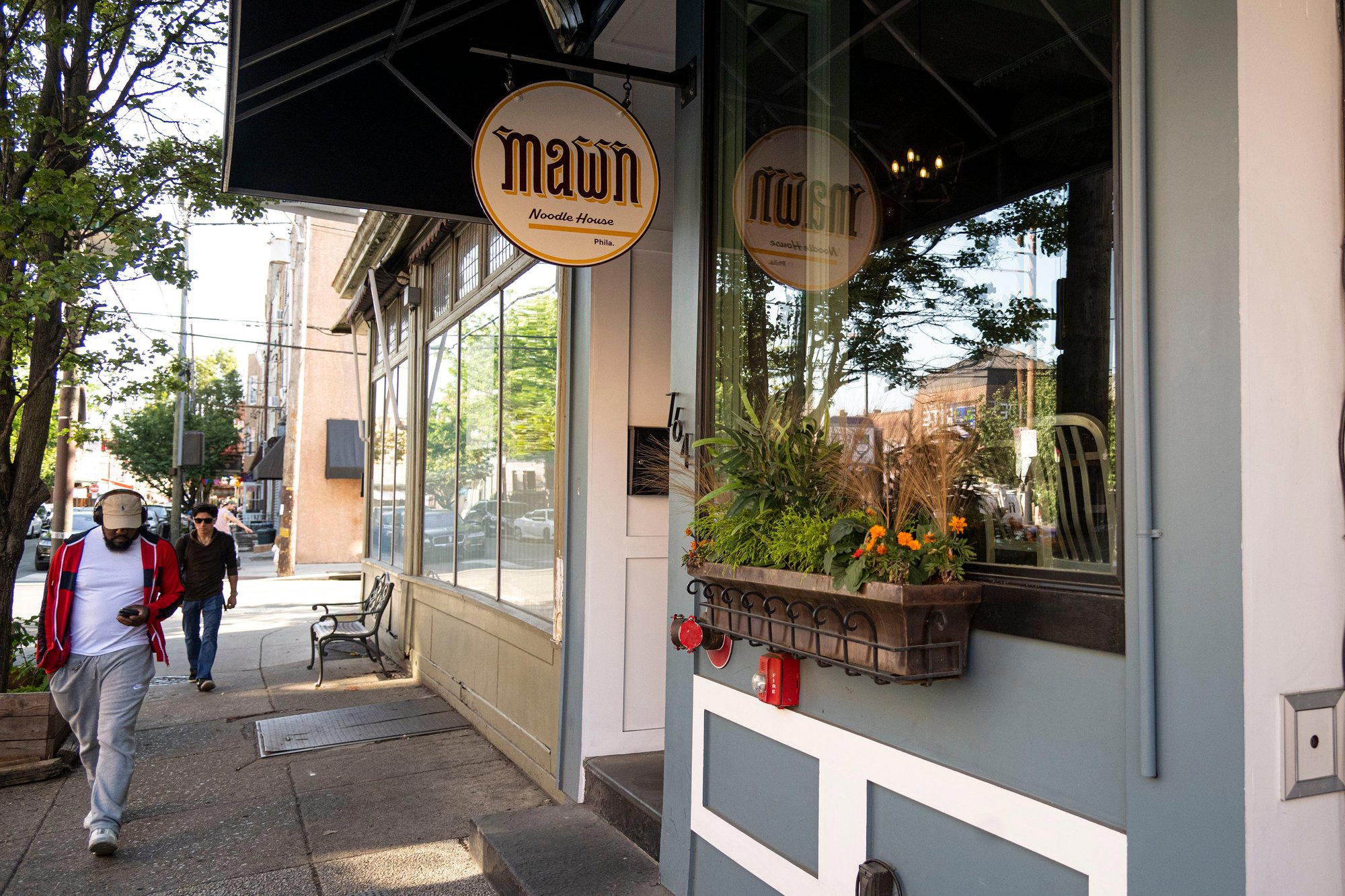
Within Philadelphia's wider dining picture, the venues drawing editorial attention currently are operating in different registers: Fork and Friday Saturday Sunday represent the refined New American mode, while Mawn and My Loup reflect the city's newer generation of chef-driven smaller formats. South Philly Barbacoa demonstrates that sourcing-led cooking is not restricted to European traditions. Buca D'oro operates in none of these categories. It is a neighborhood Italian with a Center City address, a format that has contracted nationally as leases have risen and chef ambitions have shifted, but which Philadelphia's particular restaurant geography has kept alive in pockets.
For readers comparing across cities, the Italian-American dining tradition that Buca D'oro sits within contrasts with the more architecturally ambitious Italian programs at places like Le Bernardin in New York City (French, not Italian, but a useful calibration for formal urban dining at a different price point) or the California produce-led formats at The French Laundry in Napa. Closer in spirit to Buca D'oro's register are the accessible, institution-grade American restaurants that have maintained neighborhood roles across decades, a category that Emeril's in New Orleans also occupies in a different culinary idiom.
Planning a Visit
711 Locust Street is in the heart of Washington Square West, walkable from the Square itself, from the Avenue of the Arts corridor to the west, and from Old City to the northeast. The block is primarily professional by day and mixed residential-commercial by evening, which means the approach on foot is quieter than comparable addresses on Walnut or Chestnut.
| Venue | Cuisine | Neighborhood | Format | Booking |
|---|---|---|---|---|
| Buca D'oro Ristorante | Italian-American | Washington Square West | Neighborhood restaurant | |
| Fork | New American | Old City | Chef-driven tasting and à la carte | Reservations recommended |
| Friday Saturday Sunday | New American | Rittenhouse | Refined seasonal à la carte | Reservations recommended |
| My Loup | French-Inspired | Center City | Intimate, chef-driven | Reservations recommended |
Comparison Snapshot
Comparable venues nearby, for context on price, style, and recognition.
| Venue | Cuisine | Price | Notes |
|---|---|---|---|
| Buca D'oro RistoranteThis venue — the venue you are viewing | Authentic Italian Trattoria | $$ | Not listed |
| LaScala's Fire-University City | Wood-Fired Italian-American | $$ | University City |
| Spasso Italian Grill | Italian Grill | $$ | Old City |
| Pizzeria Salvy | Modern Italian Pizzeria | $$ | Logan Square |
| Paffuto | Modern Italian Street Food | $$ | Italian Market |
| Burrata | Authentic Italian BYOB | $$ | Wharton |
Continue exploring
More in Philadelphia
Restaurants in Philadelphia
Browse all →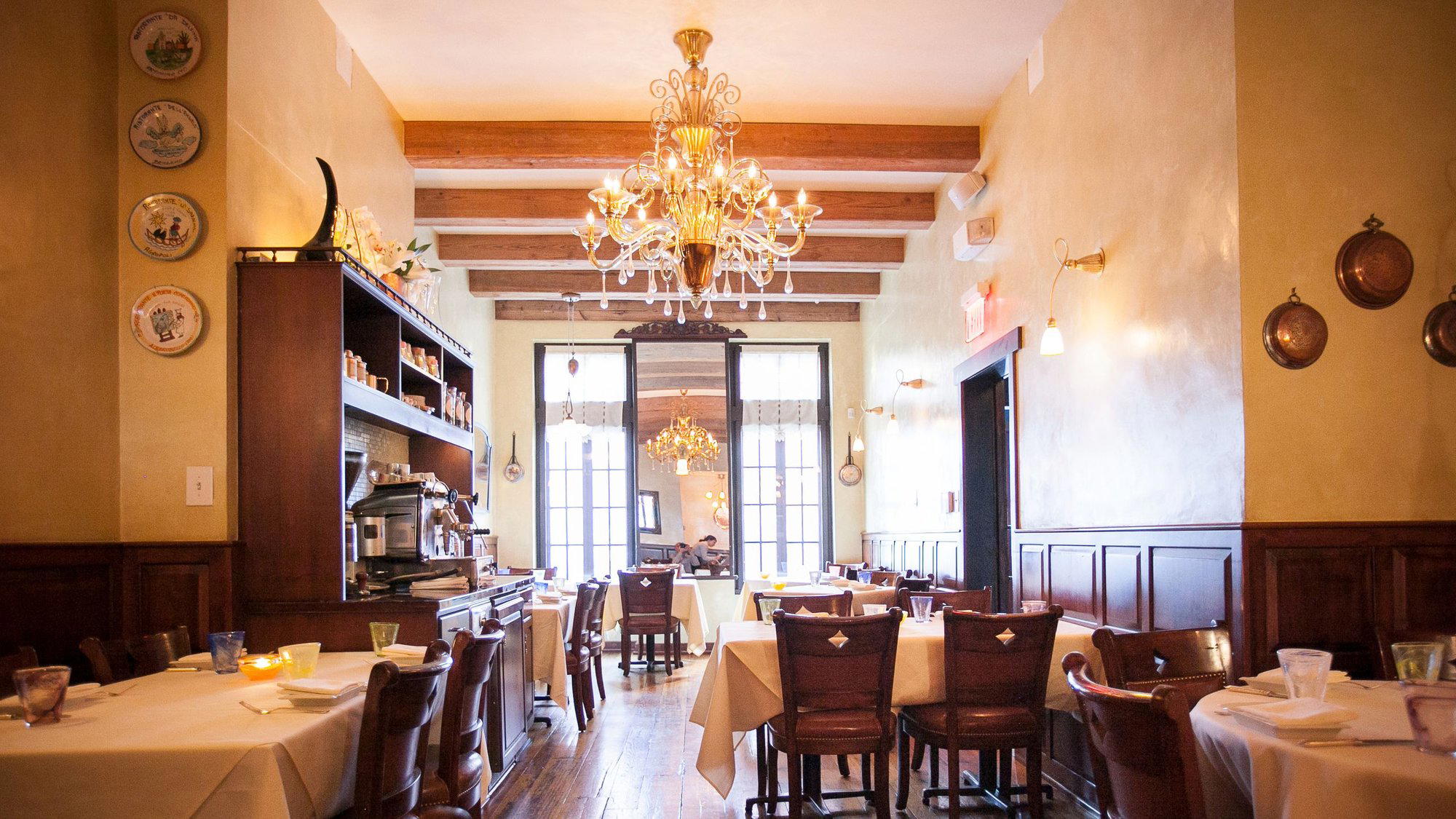
Bars in Philadelphia
Browse all →
At a Glance
- Classic
- Elegant
- Warm
- Date Night
- Business Dinner
- Group Dining
- Family
- Celebration
- Private Dining
- Standalone
- Extensive Wine List
- Beer Program
- Local Sourcing
- Farm To Table
Current opening hours
- Monday
- 11 AM–2 PM, 4–9 PM
- Tuesday
- 11 AM–2 PM, 4–9 PM
- Wednesday
- 11 AM–2 PM, 4–9 PM
- Thursday
- 11 AM–2 PM, 4–9 PM
- Friday
- 11 AM–2 PM, 4–10 PM
- Saturday
- 11 AM–2 PM, 4–10 PM
- Sunday
- 4–9 PM
Hours can change for holidays and private events. Last verified .
Warm and inviting atmosphere celebrating Italian heritage with contemporary touches, designed to evoke the sun-kissed charm of coastal Italy.