Bistro La Baia
On Lombard Street in Philadelphia's Graduate Hospital neighborhood, Bistro La Baia represents the city's appetite for intimate, European-inflected dining rooms where the floor team and kitchen operate as a single unit. The address places it squarely in a residential pocket that rewards those who look past the Center City corridor for their evening out.
Pearl is the En Primeur Club membership app — saves, bookings, and concierge access live there. Same editors, same standards.
- Address
- 1700 Lombard St, Philadelphia, PA 19146
- Phone
- +12676871561
- Website
- bistrolabaia.com
- Directions
- Get directions
 Saves & bookings on Pearl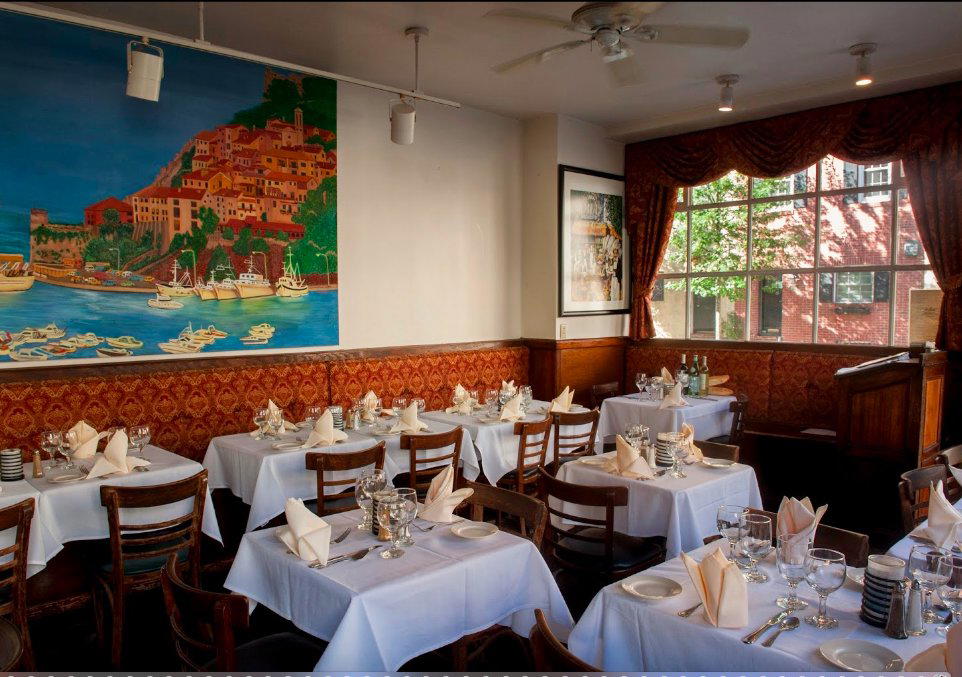
Lombard Street in Graduate Hospital has a particular quality in the early evening: the row houses hold the light long after it leaves the wider streets, and the neighborhood moves at a pace that feels calibrated to a sit-down meal rather than a quick turn. Bistro La Baia occupies that pocket of the city where Philadelphia's dining scene sheds its self-consciousness and settles into something more considered. The dining rooms along this stretch are not competing with the Rittenhouse showpieces or the East Passyunk destination corridor; they are, in the leading cases, doing something more durable.
Philadelphia's mid-scale European bistro tier has become one of the more interesting categories to watch in the city. The format, which puts a premium on service integration and room atmosphere over tasting-menu theater, is finding a second wind in residential neighborhoods where the clientele returns week after week rather than once a season. That repeat-visitor dynamic changes what a restaurant has to be good at: the floor needs to remember faces, the kitchen needs to hold its level across a full week's worth of service, and the sommelier, if there is one, needs to build genuine relationships rather than sell bottles by the occasion. At Bistro La Baia, the address on Lombard Street is the first signal that this is a neighborhood operation in the most serious sense of the term.
How the Room Works
The bistro format, in its more disciplined European iterations, depends on a kind of orchestrated informality: the room should feel warm without feeling casual, attentive without feeling surveilled. That balance is harder to achieve than the price point usually suggests, and it is where the collaboration between front-of-house and kitchen becomes most visible to the guest. In cities like Philadelphia, which has developed a genuine culture of serious neighborhood restaurants, the front-of-house is increasingly understood as a craft position in its own right, not a stepping stone to something else. The leading operators in this tier, whether that is the deliberate pace at My Loup or the structured informality that Fork has maintained across two decades on Market Street, treat service as a discipline with its own logic.
Bistro La Baia sits in that same tradition. The Graduate Hospital address puts it slightly outside the circuits that most visitors default to, which means the room functions on a different social register: more conversation, less performance, guests who are there to eat rather than to be seen eating. For the kitchen, that is both a constraint and a freedom: the margin for error is smaller because the regulars will notice, but the pressure to chase trends is lower because the relationship is already established.
Where This Fits in Philadelphia's Dining Order
Philadelphia's restaurant scene has stratified in ways that reward closer reading. At the leading end, places like Friday Saturday Sunday have brought national attention to the city's ambitions, while the more specific registers, Cambodian-inflected cooking at Mawn, the precise street-food tradition at South Philly Barbacoa, represent a different kind of seriousness. The European bistro sits somewhere between those poles: not a destination in the way that a tasting-menu room is, but not a casual drop-in either. It asks something from the guest, namely a willingness to slow down and let the meal find its rhythm.
That rhythm is what distinguishes the format from the kind of high-precision, high-stakes dining that defines the upper tier of American restaurants more broadly. Operations like Le Bernardin in New York or The French Laundry in Napa have set a standard for technical execution that filters down into the expectations guests bring to European-inflected rooms everywhere. The bistro's answer to that standard is not to match it but to offer a different value proposition: consistency, warmth, and the kind of meal that improves with familiarity. Smyth in Chicago and Blue Hill at Stone Barns represent the more ambitious end of that continuum; the neighborhood bistro represents its residential heart.
For context within the broader American dining conversation, rooms in this register are increasingly understood as the connective tissue of a city's food culture: not the venues that make the international lists, but the ones that make a city worth living in. Lazy Bear in San Francisco, Providence in Los Angeles, and Addison in San Diego each anchor their city's fine-dining tier; Bistro La Baia operates in the layer below that, where the stakes are different and the relationship with the neighborhood is the primary credential. See our full Philadelphia restaurants guide for how it maps against the full range of the city's options.
The Team Dynamic as Product
In the European bistro tradition, the division between kitchen and floor is less sharp than in the tasting-menu format: the sommelier moves through the room with the same authority as the chef, the front-of-house shapes the evening as much as the menu does. That integration is a learned skill at the organizational level, not just an individual one. Rooms that do it well tend to have low staff turnover and a shared vocabulary across departments, which takes time and deliberate management to build. The leading American analogues, whether the floor culture at Atomix in New York or the farm-to-table integration at Single Thread Farm in Healdsburg, show what is possible when the front and back of house are genuinely synchronized. The Inn at Little Washington and Emeril's in New Orleans represent longer institutional examples of that coordination holding across years. On the international end, the kind of floor-kitchen harmony seen at Atelier Moessmer Norbert Niederkofler in Brunico illustrates how far that integration can go when the concept is built around it from the start.
For a neighborhood bistro on Lombard Street, the ambition is necessarily more modest, but the principle is the same: the guest experience is assembled in real time by a group of people working in coordination, and the seams should not show.
Know Before You Go
Planning Details
- Address: 1700 Lombard St, Philadelphia, PA 19146
- Neighborhood: Graduate Hospital, South Philadelphia
- Format: Bistro; European-inflected neighborhood dining room
- Getting There: Accessible by car or rideshare; street parking available in the surrounding blocks; SEPTA bus routes serve Lombard Street
- Leading For: Repeat-visit neighborhood dining; relaxed evening meals; guests who prioritize room atmosphere and floor attentiveness over tasting-menu formality
Continue exploring
More in Philadelphia
Restaurants in Philadelphia
Browse all →
Bars in Philadelphia
Browse all →
At a Glance
- Cozy
- Intimate
- Charming
- Classic
- Date Night
- Special Occasion
- Byob
Current opening hours
- Monday
- 4–9 PM
- Tuesday
- 4–9 PM
- Wednesday
- 4–9 PM
- Thursday
- 4–9 PM
- Friday
- 4–10 PM
- Saturday
- 4–10 PM
- Sunday
- 4–9 PM
Hours can change for holidays and private events. Last verified .
Dimly lit with vintage Italian paintings and red draped curtains, creating a cozy and romantic atmosphere.
Know Before You Go
- Getting there
- 1700 Lombard St, Philadelphia, PA 19146