.png)
On the first floor of a Carrer d'Aribau address in Eixample, Osmosis runs a seasonal tasting menu in two formats, short and long, built around market-fresh ingredients. Two consecutive Michelin Plate recognitions (2024 and 2025) place it in a dependable mid-tier bracket for creative cooking in Barcelona, priced accessibly against the city's heavier-investment tasting counters. Google reviewers rate it 4.5 from over 1,200 submissions.
 Discover on Pearl
Pearl is the En Primeur Club membership app — saves, bookings, and concierge access live there. Same editors, same standards.
- Address
- Carrer d'Aribau, 100, Primera Planta, Eixample, 08036 Barcelona, Spain
- Phone
- +34 934 54 52 01
- Website
- restauranteosmosis.com
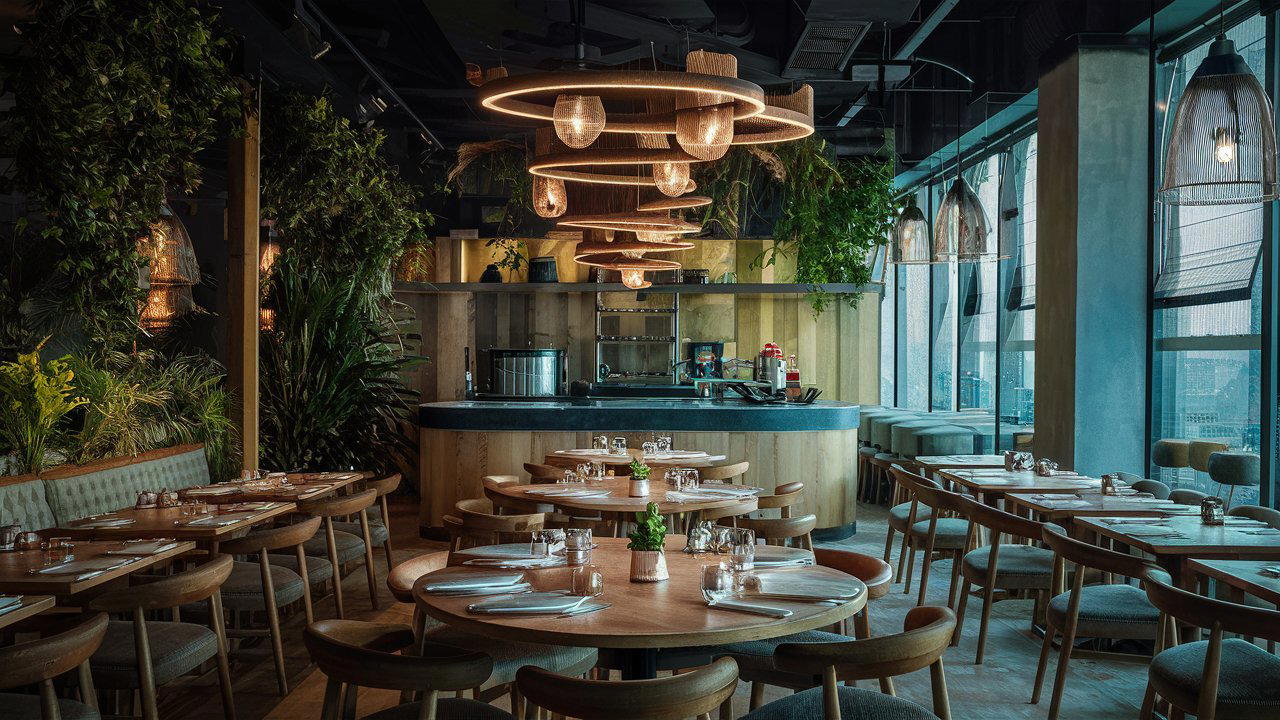
First Floor, Quiet Street, Considered Cooking
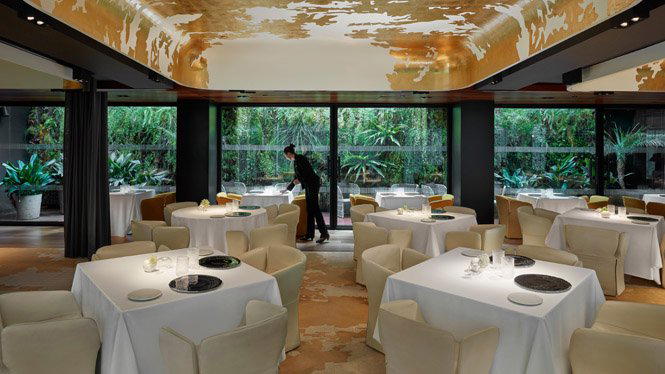
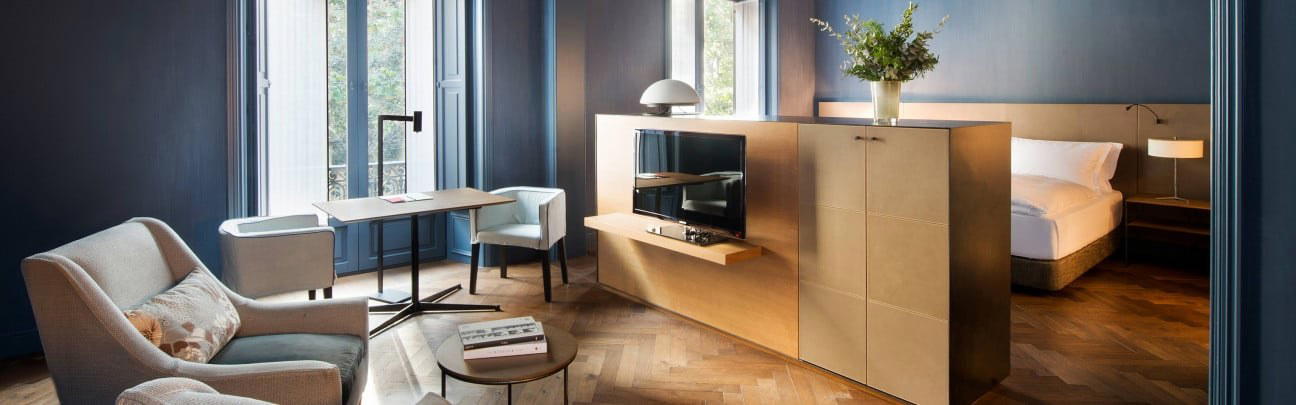
Carrer d'Aribau runs through the grid of Eixample like a quieter exhale between the neighbourhood's busier commercial arteries. On the first floor of number 100, Osmosis occupies a space that reads as deliberately composed rather than dramatically staged. The split-level layout, across two floors in a contemporary style, creates a contained dining environment where the room's proportions work in favour of the food rather than competing with it. The ambient pitch is calibrated: conversation carries without effort, and the space doesn't demand attention in the way some of Barcelona's more theatrically designed rooms do.
In a city where the high-wattage end of creative dining includes venues like Cocina Hermanos Torres, ABaC, and Enigma, operates at the €€€€ tier with elaborate production values, Osmosis occupies a different position. The €€ pricing places it in a bracket where the commitment is to the ingredients and the seasonal logic behind the menu, not spectacle. That is a meaningful distinction in Barcelona's current creative dining scene, where the gap between entry-level and starred-level is wide enough that a well-executed mid-tier option with genuine intent carries real value.
The Atmosphere as a Deliberate Choice
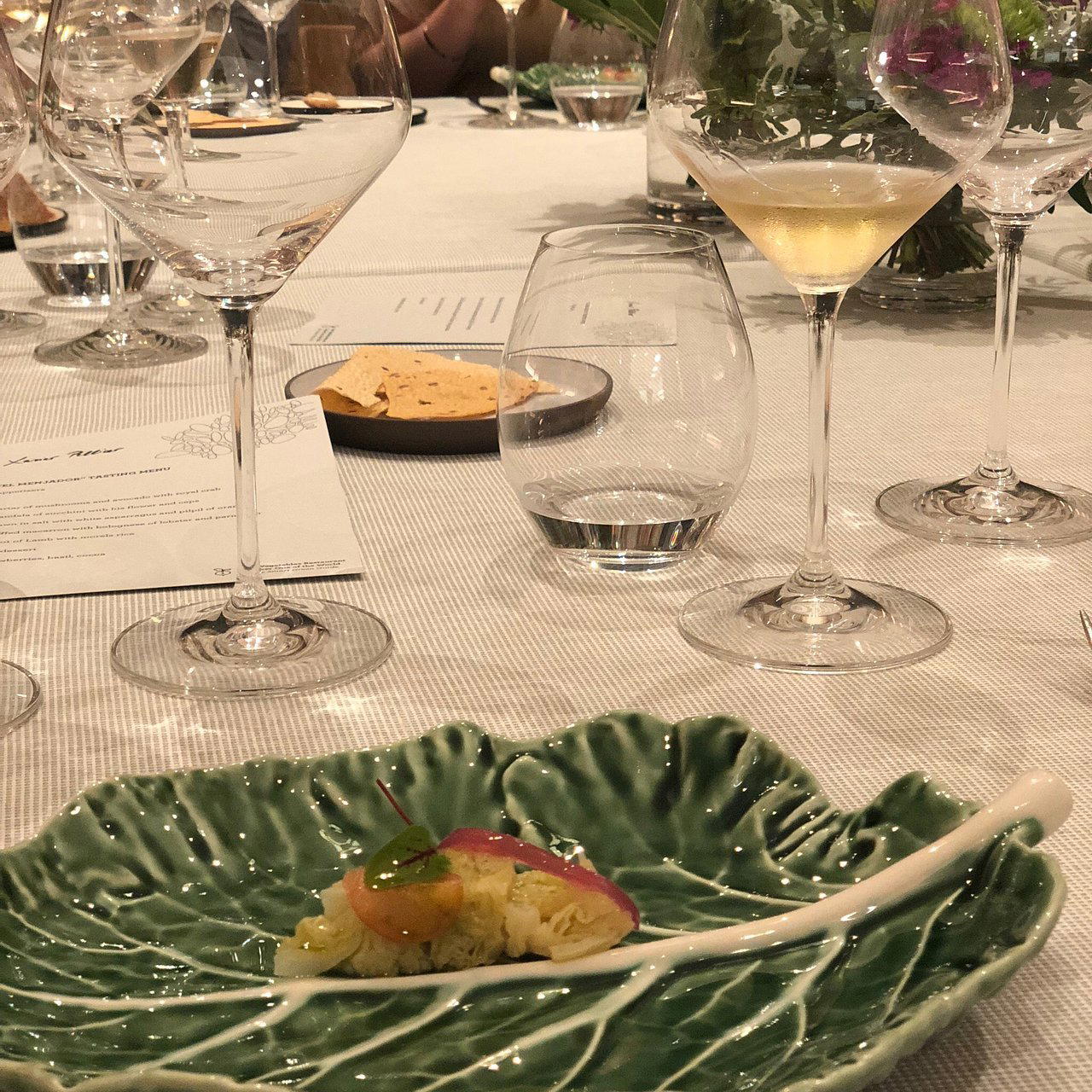
The room at Osmosis communicates a kind of restraint that extends from the decor into the service register. Contemporary without being cold, the interior avoids the maximalist gestures that mark some Eixample addresses trying to signal ambition through their fitout. Light sources are positioned to keep the tables readable, the ceramics and table surfaces giving the food a neutral stage rather than a competing backdrop. For a creative tasting menu format, this matters: when plating is doing editorial work, the table around it needs to hold back.
The split between two floors means the restaurant has two distinct acoustic and spatial moods. Whether seated on the ground level or the upper floor, the impression is of a room that understands what it is trying to do and isn't trying to be something else. That clarity of identity is one of the harder things to achieve in a city with as many dining options as Barcelona, where the pressure to position boldly is constant.
Seasonal Market Logic at the €€ Tier
Spain's creative cooking tradition, running through generations of chefs from Arzak in San Sebastián to El Celler de Can Roca in Girona and on to the current Barcelona generation, has always maintained a direct line to the market. That relationship with seasonality and freshness is not a style choice but a structural principle. At the upper end, where DiverXO in Madrid, Quique Dacosta in Dénia, Aponiente in El Puerto de Santa María, and Azurmendi in Larrabetzu operate, that market logic is layered with substantial technique and production. At the Osmosis price point, the same principle applies with less elaboration around it, which is not a compromise so much as a different editorial decision about where the emphasis lands.
The tasting menu at Osmosis is offered in both short and long formats, a structural choice that allows the kitchen to address different appetite and time commitments without abandoning the sequential logic of the format. This two-format approach has become increasingly common at mid-tier creative tables across Europe, where operators have found that a single lengthy menu can be a barrier at the price-to-commitment calculation that a €€ diner is making. Offering a shorter version at this price tier is a practical and commercially intelligent decision.
The Michelin Plate recognition, awarded in both 2024 and 2025, signals consistent kitchen output without implying the levels of technical ambition or investment that star-chasing requires. Across European creative dining, the Plate distinction is awarded to restaurants demonstrating quality cooking and clear culinary intent, without necessarily the distinction that pushes towards the star tier. For context, Barcelona venues like MAE Barcelona and La Forquilla, operates across a range of styles and price configurations. Osmosis sits in this mid-field rather than at either extreme.
Seasonal and market-fresh orientation means the menu shifts with the calendar, which makes the question of when to visit a relevant one. Barcelona's market supply changes substantially between the cooler months, when root vegetables, legumes, and preserved proteins appear with more regularity, and the warmer season, when the coast and the hinterland both contribute more variety. For a creative kitchen running at this tier, that seasonal range is the primary material to work with.
Creative dining in European cities outside the starred tier has developed two distinct registers over the past decade: one that leans on the tasting menu format as a vehicle for technical ambition, and one that uses the same format to express seasonal intelligence with less intervention. Osmosis occupies the latter position, closer in spirit to the restrained, ingredient-led approach found at some mid-tier tables in Paris and Milan, where the category includes well-regarded operators like Alléno Paris au Pavillon Ledoyen and Enrico Bartolini at the higher end of that same creative category.
With 1,308 Google reviews averaging 4.5, the feedback volume is substantial enough to represent a reliable signal. For a first-floor Eixample restaurant without the marketing infrastructure of a hotel dining room or a celebrity-name kitchen, that review depth suggests repeat visitors and a local reputation that sustains itself through the food rather than through promotional activity.
Know Before You Go
- Address: Carrer d'Aribau, 100, Primera Planta, Eixample, 08036 Barcelona
- Price range: €€
- Cuisine: Creative tasting menu (short and long formats)
- Recognition: Michelin Plate 2024 and 2025
- Guest rating: 4.5 from 1,308 Google reviews
- Neighbourhood: Eixample, within walking distance of the main Passeig de Gràcia axis
- Format note: First-floor dining room across two floors; contemporary ambience
Same-City Peers
Comparable venues nearby, for context on price, style, and recognition.
| Venue | Cuisine | Price | Notes |
|---|---|---|---|
| OsmosisThis venue — the venue you are viewing | Contemporary Catalan | $$$ | |
| Ten's | Modern Spanish Tapas | $$$ | Sant Pere, Santa Caterina i la Ribera |
| Windsor | Modern Catalan | $$$ | la Dreta de l'Eixample |
| L'Antiquari Gastronòmic | Modern Spanish Gastronomic Tasting | $$$ | la Vila de Gracia |
| al kostat | Modern Catalan | $$$ | Sant Antoni |
| Taberna Noroeste | Galician Seafood Tasting Menu | $$$ | el Poble Sec |
Continue exploring
More in Barcelona
Restaurants in Barcelona
Browse all →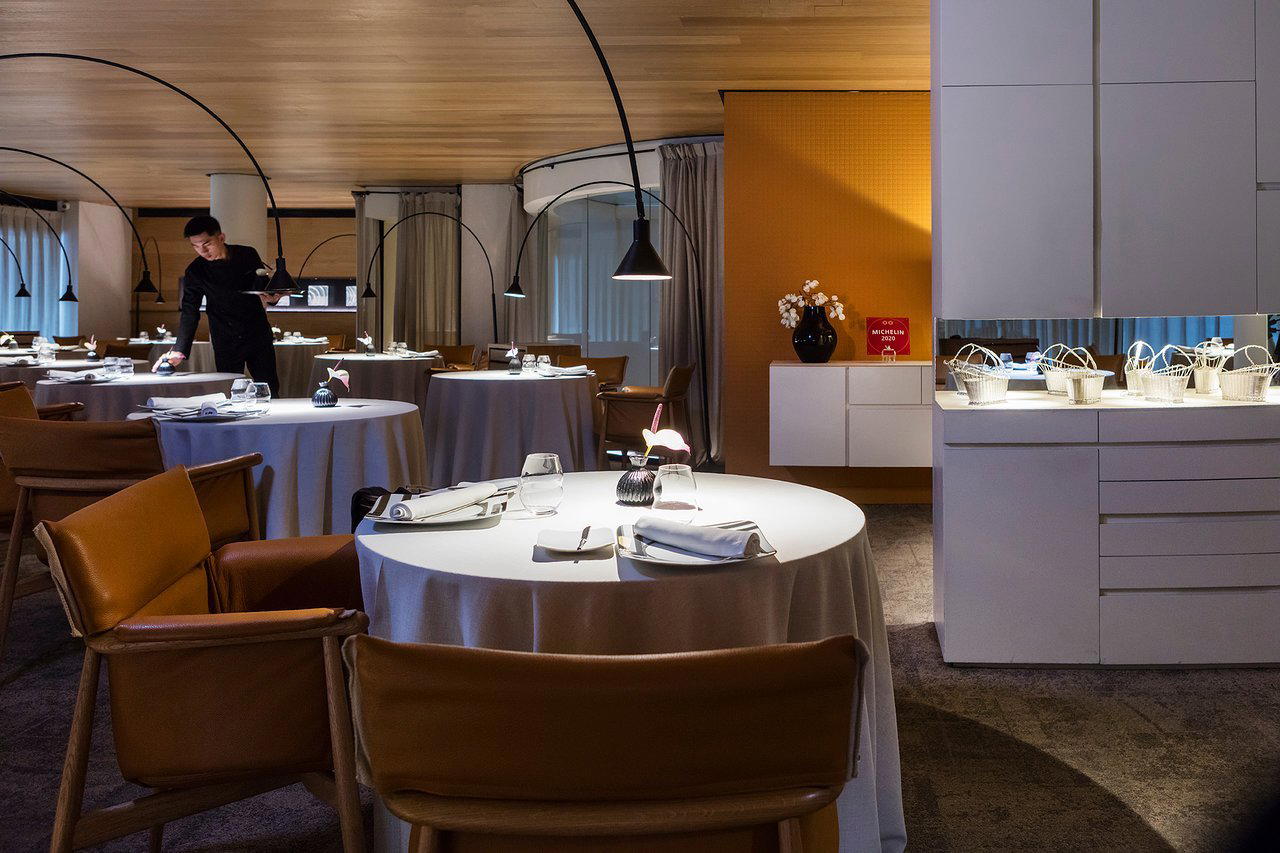
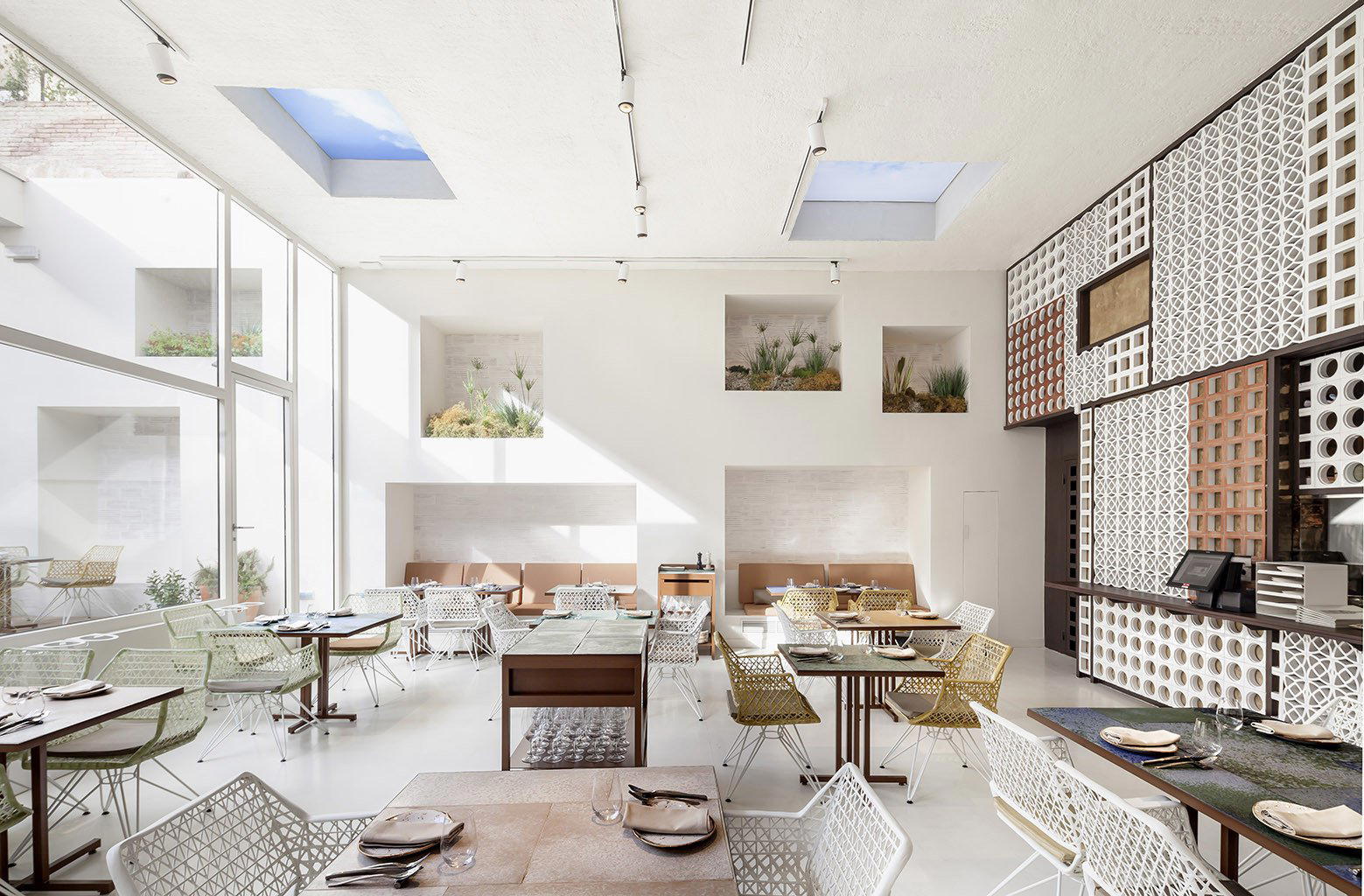
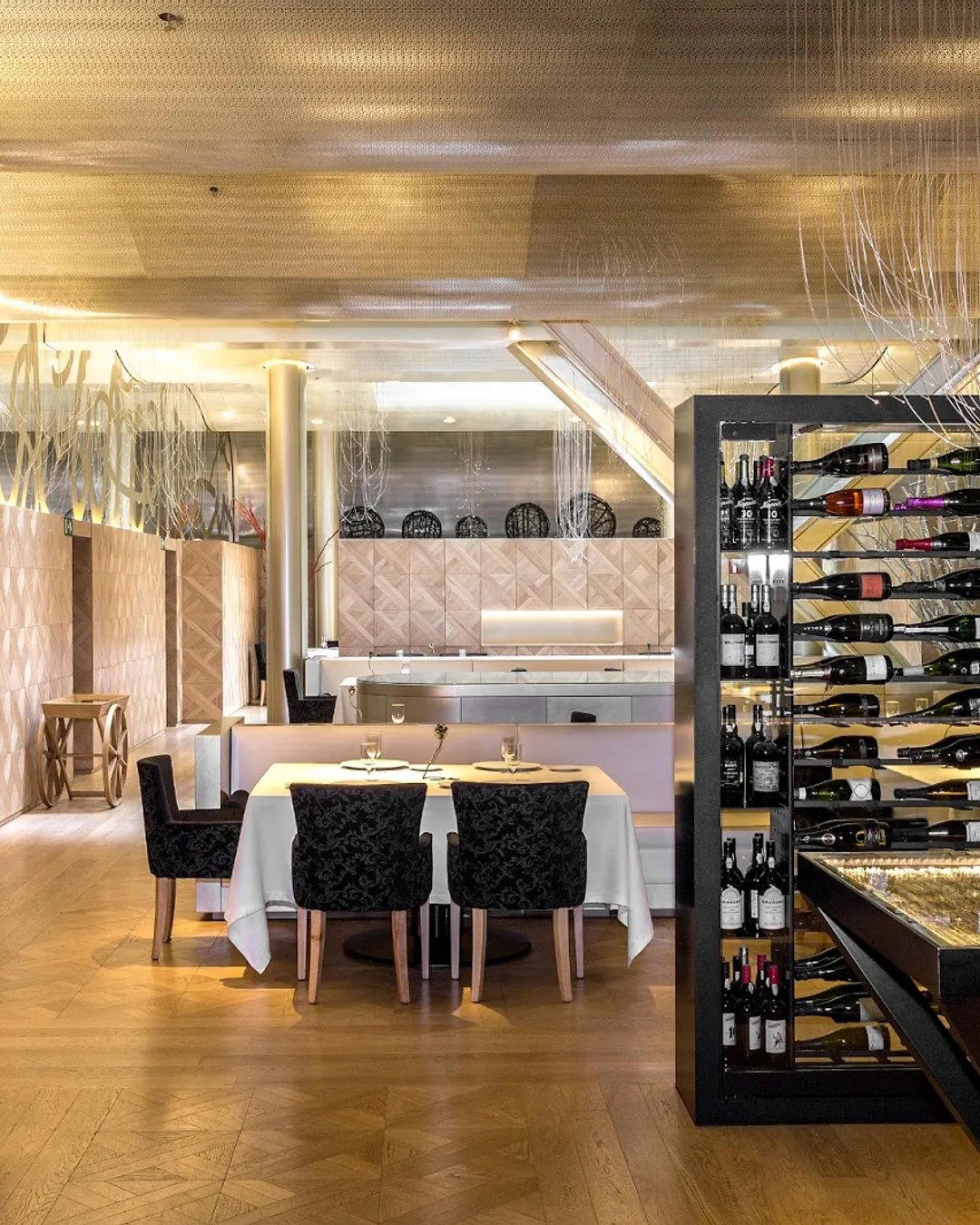
Bars in Barcelona
Browse all →
Hotels in Barcelona
Browse all →
At a Glance
- Intimate
- Cozy
- Modern
- Elegant
- Minimalist
- Date Night
- Special Occasion
- Business Dinner
- Private Dining
- Extensive Wine List
Pleasant contemporary ambience split between two floors with moody, cozy, minimalist decor, calm and quiet atmosphere.