
Tabelog 100 #79
Our verdict
Osaka’s Fukushima ward has become a serious address for compact, chef-led dining, and Oshima belongs to its Italian-innovative thread rather than the city’s louder casual circuit. The draw is the ritual: counter seating, fire-led cooking, fish emphasis, wine, and a 2025 Tabelog Italian WEST 100 selection that places it among Kansai’s closely watched Italian rooms.

Pearl is the En Primeur Club membership app, where members save venues, book tables and use the concierge.
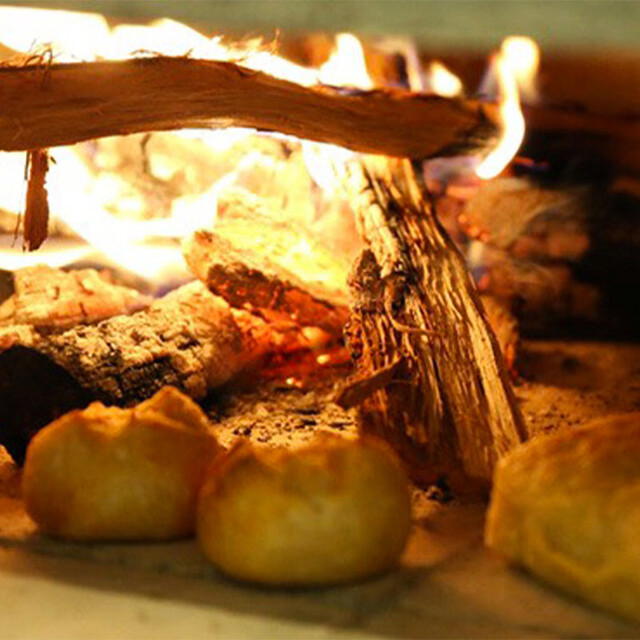
The menu
What to order
- Birding-style fire-cooked dishes
- Tottori Wagyu charcoal/grill course
- Tottori deer fire-grilled course
Fukushima’s dining streets do not announce themselves with the grand theatre of Osaka’s busiest entertainment zones. The area works at a lower register: short walks, closely watched reservations, and restaurants that ask diners to pay attention rather than simply arrive hungry. In that setting, Oshima fits the local pattern of serious, category-led dining with a clear point of view. The room’s specifics should be confirmed directly, but the cue is clear enough: this is a restaurant to approach with focus, patience, and a willingness to let the meal set its own rhythm.
The useful way to read the restaurant is not as a casual Italian address in the conventional trattoria sense. Kansai’s ambitious Italian rooms often borrow the grammar of a composed meal: a sequence, a tempo, a beverage conversation, and a closer relationship between ingredients, heat, and acidity than the pasta-main-dessert template implies. Oshima’s public classification as Italian and innovative places it in that contemporary Osaka lane. The meal is best understood through that published identity rather than through assumptions about regional Italian orthodoxy.
Italian identity and the Osaka dining ritual
Osaka is a city that understands performance in restaurants. Sushi, kappo, yakitori, tempura, and okonomiyaki all train diners to notice timing, handwork, and the way a meal gathers momentum. That habit transfers neatly to Italian cooking when the kitchen treats pacing as part of the experience. At Oshima, the appeal is in a focused format where attention and a sense of immediacy carry weight. It also separates the restaurant from broader casual Italian dining and from larger formal dining rooms elsewhere in the city.
The restaurant’s Tabelog Hyakumeiten 2025 recognition is the cleanest trust signal here. Tabelog’s Hyakumeiten lists are not Michelin-style star ratings; they are category selections that map where serious local diners are concentrating attention. In a region as restaurant-dense as Kansai, inclusion in that recognition set indicates a competitive position within a crowded field rather than a decorative badge. The Tabelog score of 3.59 adds another useful marker: in Japan’s rating culture, numbers in that band can signal meaningful diner confidence, especially for restaurants with a specialized format.
Within Fukushima, the comparison set sharpens the point. Evoluer sits in a similar refined European conversation, while Cuisine Française Liaison occupies a French frame. Sumibiyakitori Coquelet, by contrast, speaks to the neighborhood’s fire-and-counter culture from a more direct yakitori angle. Oshima’s position is between those poles: not simply a grand French occasion, not casual grilled skewers, but an Italian-innovative meal where category, restraint, and atmosphere form the dining logic.
Why Fukushima suits this kind of meal
Fukushima’s strength is its scale. The neighborhood has enough density to reward restaurant-hopping but not so much spectacle that every serious meal needs to perform for tourists. That matters for a restaurant built around attention and a clear culinary identity. The city’s broader dining image often gets reduced to snack foods and late-night appetite, but Osaka’s deeper restaurant culture is just as interested in precision: a limited-feeling room, a focused reservation, and a meal that moves by increments.
That rhythm is also why Oshima reads differently from a checklist Italian restaurant. The most revealing public signal is the hybrid category: Italian and innovative. In Japan, “innovative” often functions as a practical label for restaurants that use European technique without obeying a single national script. The better examples do not abandon discipline; they tighten it. The diner’s task is to follow the progression rather than demand a familiar trattoria map.
For travelers comparing options across the city, the decision is about mood and format. A larger French room such as Cuisine Française Liaison will usually carry a more formal occasion code. Evoluer sits close in neighborhood relevance. Sumibiyakitori Coquelet makes more sense when the appeal is direct grill culture rather than an Italian-innovative meal. Oshima earns attention when the evening calls for a contained Fukushima restaurant and the slow accumulation of a focused dining experience rather than a broad, casual spread.
How to place it in a wider Osaka itinerary
Fukushima rewards diners who plan by neighborhood rather than by isolated reservations. For the surrounding area, Our full Fukushima restaurants guide is the natural starting point, with nearby food addresses ranging from casual counters to more polished dining rooms. Travelers building a fuller stay can also scan Our full Fukushima hotels guide, Our full Fukushima bars guide, Our full Fukushima wineries guide, and Our full Fukushima experiences guide.
Japan’s dining map is full of small specialist rooms, and this is where comparison becomes useful. A traveler moving beyond Osaka can use the same lens in other cities: look for restaurants with a clear format, a disciplined category, and a reason to exist beyond generic luxury. Whether the emphasis is European technique, charcoal cooking, café culture, regional specialties, or a tightly focused bar, the strongest stops tend to be the ones that make their limits feel intentional.
The critical takeaway is simple. Oshima belongs to Osaka’s serious, category-led dining culture, with 2025 Tabelog Hyakumeiten recognition, a Tabelog score of 3.59, and an Italian-innovative identity. For diners who understand intimate dining as a ritual rather than merely a seat type, it offers a precise Fukushima expression of how Kansai absorbs European cooking without losing its own tempo.
Frequently asked questions
Where do I go for Oshima?
Fukushima.
Is Oshima more mid-range or high-end?
Pricing at Oshima is listed as Dinner: JPY 10,000 - JPY 14,999; Lunch: JPY 6,000 - JPY 7,999.
Is Oshima open every day?
Published hours can change, so check directly with Oshima before booking or visiting.
What do critics highlight about Oshima?
Oshima’s strongest published signals are its 2025 Tabelog Hyakumeiten recognition, its Tabelog score of 3.59, and its Italian and innovative classification, which give the Fukushima restaurant real weight among Osaka dining rooms in this style.
How does Oshima handle allergies?
Ask Oshima directly about allergies before booking. For an Italian and innovative restaurant in Fukushima, planning ahead is the safest way to confirm whether the kitchen can accommodate specific needs.
Is Oshima okay with children?
Confirm directly with Oshima before booking with children. The restaurant is best approached as a focused Fukushima dining room rather than a casual drop-in option.
Cuisine Lens
Side-by-side context: comparable cuisine and price.
| Venue | Cuisine | Price | Awards | Notes |
|---|---|---|---|---|
| OshimaThis venue (the venue you are viewing) | Fire-Driven Italian Fusion | $50–100 | Tabelog 100 #79 | Not listed |
| Modern Thai CIEL Oosaka honten | Modern Thai | $30–50 | Tabelog 100 #77 | Fukushima |
| Sushi Hijiri | Edomae Sushi Omakase | Not listed | Tabelog 100 #47 | Fukushima |
| Agu Buta Shabushabu Senmon Ten Toriou Bettei | Agu pork shabu-shabu specialist | $50–100 | Tabelog 100 #22 | Fukushima |
| Ramen Kozou | Rich Tonkotsu Ramen | $10–20 | Tabelog 100 #33 | Fukushima |
| Udon Sanku | Japanese Udon & Tempura | $1–10 | Tabelog 100 #12 | Fukushima |
Recognition history
Dated appearances from independent guides and award organizations, with the underlying list record or original source where available.
Tabelog 100 #79 · No. 79
Tabelog · Tabelog 100 - Italian - WEST - 2025
Oshima
Featured Guides
Continue exploring
More in Fukushima
Restaurants in Fukushima
All restaurants in Fukushima →




Bars in Fukushima
Browse all →



Hotels in Fukushima
Browse all →



Wineries in Fukushima
Browse all →
Details
- Rustic
- Intimate
- Sophisticated
- Date Night
- Celebration
- Special Occasion
- Business Dinner
- Group Dining
- Chefs Counter
- Open Kitchen
- Design Destination
- Standalone
- Sommelier Led
- Beer Program
- Local Sourcing
- Tasting Menu
- Prix Fixe
- Wine
- Coffee
- Allergy Accommodating
Current opening hours
- Monday
- 11:30 AM–3 PM, 6–10 PM
- Tuesday
- Closed
- Wednesday
- 11:30 AM–3 PM, 6–10 PM
- Thursday
- 11:30 AM–3 PM
- Friday
- 11:30 AM–3 PM, 6–10 PM
- Saturday
- 12–3 PM, 6–10 PM
- Sunday
- 12–3 PM, 6–10 PM
Hours can change for holidays and private events. Hours as of .
Warm, chef-driven, and atmospheric, with a counter-facing custom kiln that makes fire the visual centerpiece of the room.