Osè African Cuisine brings West and Central African cooking traditions to the 8th arrondissement, an area better known for grand French establishments than for the continent's bold, communal table culture. The address at 14 Rue du Rocher places it within reach of the Madeleine and Saint-Lazare corridors, offering Paris a rare dedicated space for African culinary heritage in a neighbourhood that rarely accommodates it.
Pearl is the En Primeur Club membership app — saves, bookings, and concierge access live there. Same editors, same standards.
- Address
- 14 Rue du Rocher, 75008 Paris, France
- Phone
- +33142660384
- Website
- oseafricancuisine.com
- Directions
- Get directions
 Saves & bookings on Pearl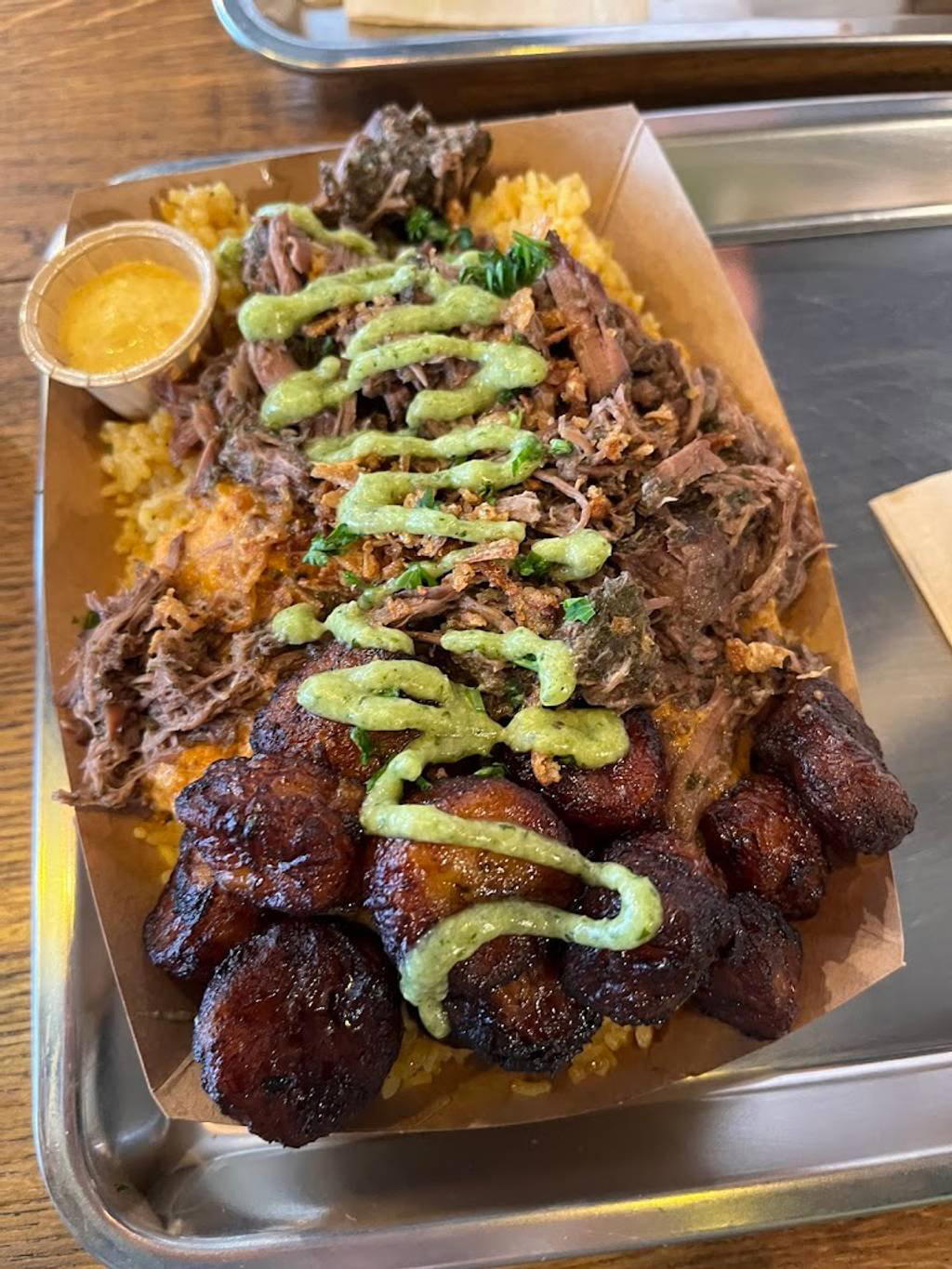
African Dining Traditions in a French Fine-Dining Arrondissement
Osè African Cuisine is a West African Street Food Bowls restaurant at 14 Rue du Rocher, 75008 Paris, France. The city's West and Central African diaspora communities sustain a serious restaurant culture, but that culture has historically concentrated in the 18th and 19th arrondissements, around Château Rouge and Strasbourg-Saint-Denis, where the density of ingredient suppliers and community networks made geographic sense. The 8th arrondissement, by contrast, has remained the territory of grand French institutions: the kind of addresses where tasting menus run to twelve courses and the wine list requires a dedicated sommelier conversation. Into this context, Osè African Cuisine at 14 Rue du Rocher represents a deliberate repositioning of African cooking into a neighbourhood that has not traditionally accommodated it.
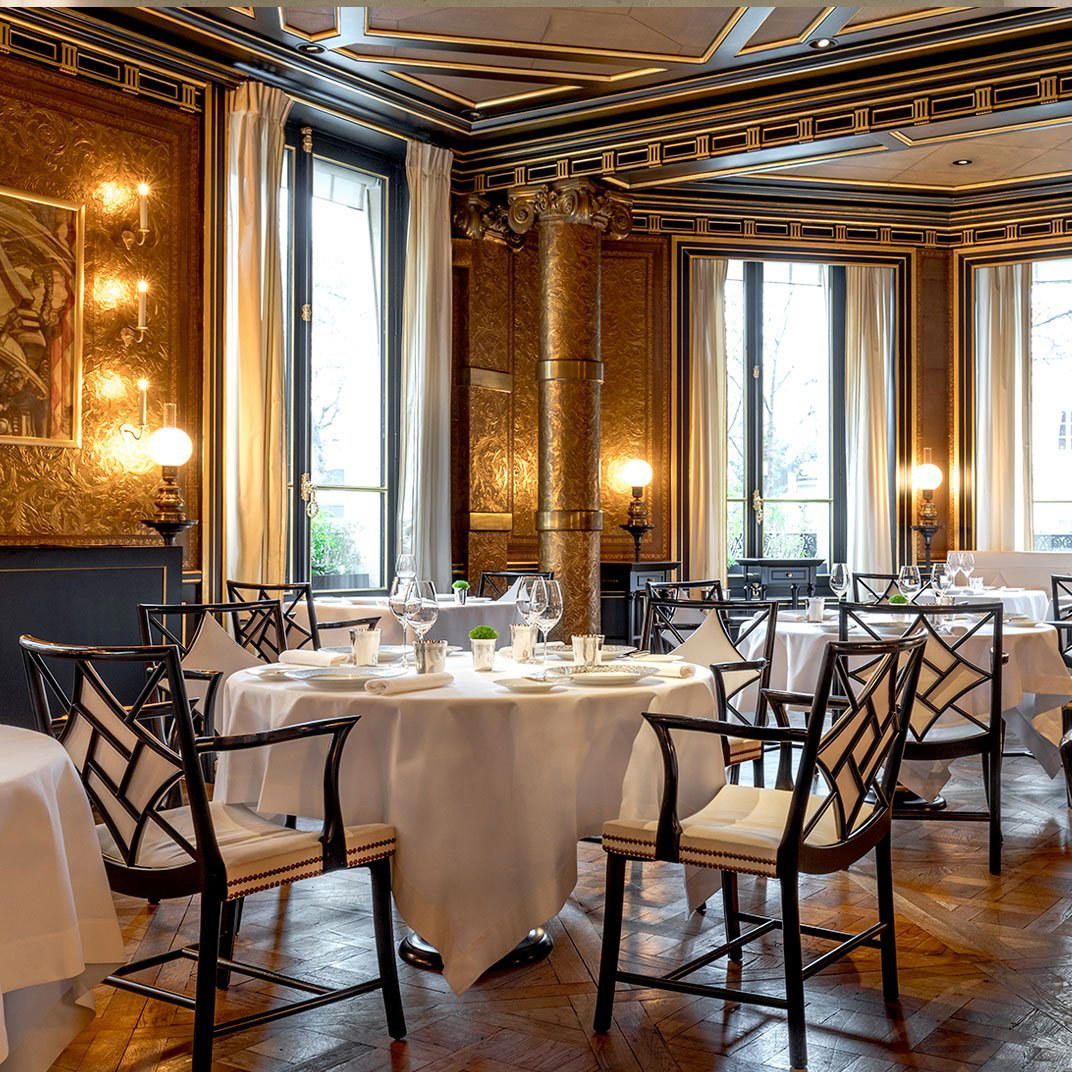
That geographic tension is itself an editorial statement. The 8th is home to Le Cinq at the Four Seasons Hôtel George V and, a short distance away, the three-Michelin-star creative work at Alléno Paris au Pavillon Ledoyen. Placing an African restaurant in this corridor is a decision that carries weight: it signals an intention to be taken seriously by the same audience that books months in advance for French haute cuisine, rather than serving a neighbourhood clientele already familiar with the cooking.
The Ritual of the African Table
Understanding how to eat at a restaurant rooted in African culinary traditions requires some adjustment for diners accustomed to the French restaurant format, where dishes arrive in strict sequential order and the table belongs to one or two people. Many West and Central African dining customs are built around communal presentation: large dishes placed at the centre, shared across the table, with the meal's rhythm governed by conversation and appetite rather than the kitchen's predetermined pace. This is not a format that the Parisian dining establishment has historically embraced, and venues that maintain it occupy a specific position, somewhere between cultural preservation and practical hospitality.
The pacing of an African meal also differs from what French fine-dining trains diners to expect. Where a tasting menu at Arpège or L'Ambroisie moves through a series of individually plated courses with deliberate spacing, an African table often accumulates: stews, grilled proteins, fermented condiments, and starchy accompaniments arrive in clusters, each one intended to be eaten in combination rather than in isolation. The meal builds rather than sequences. For diners trained in the European tasting menu format, this requires a different orientation, one where the eating itself is the conversation.
Spicing, too, operates on a different logic. The French canon, which underpins the cooking at most of the addresses in this part of the 8th, uses aromatics to build background complexity. West African cooking, in particular, places fermented locust beans, ground dried peppers, and fresh herbs in a more assertive register, front-loaded rather than subtle. Diners who approach this cooking expecting French restraint will find a different grammar entirely, and that difference is the point.
Where Osè Sits in the Paris African Dining Scene
Paris's African restaurant community is far more differentiated than most food coverage acknowledges. Senegalese cooking, which draws on French culinary technique through decades of colonial exchange, operates differently from Cameroonian, Ivorian, or Congolese traditions. The city has addresses representing most of these strands, but they are rarely found in the same arrondissement, and they rarely compete for the same diner. A restaurant in the 8th arrondissement, marketing itself to an audience that also considers Kei or the French regional heavyweights like Mirazur in Menton or Troisgros in Ouches, is operating in a different register than a family-run Cameroonian spot in the 19th.
That positioning creates both an opportunity and a pressure. The opportunity is access to a diner who is already spending seriously on food and is open to being educated. The pressure is that the same diner arrives with calibrated expectations around service formality, wine pairing, and physical environment, expectations that African restaurants have not historically been asked to meet, and that impose their own distortions on the cooking.
The Broader French Context
France's Michelin-decorated addresses, from Auberge de l'Ill in Illhaeusern to Bras in Laguiole and Paul Bocuse outside Lyon, have defined French dining culture around terroir, technique, and regional identity. That framework does not naturally accommodate cuisines rooted in different agricultural systems and different social structures around the meal. The question that restaurants like Osè implicitly pose is whether the critical infrastructure that rewards French cooking, the guides, the press, the reservations platforms, can be applied usefully to food built on entirely different premises.
Internationally, this debate is live. AM par Alexandre Mazzia in Marseille, whose cooking draws heavily on the chef's Central African childhood, has been recognised by Michelin within a French framework, demonstrating that African culinary memory can be absorbed into the existing recognition system, even if only when filtered through European technique. That is a different project from a restaurant presenting African cooking on its own terms, and the distinction matters.
Planning Your Visit
Osè African Cuisine is located at 14 Rue du Rocher in the 8th arrondissement, with casual dress and walk-in-friendly service.
Logistics at a Glance
| Detail | The restaurant | Comparable 8th Arr. Dining | African Dining Elsewhere in Paris |
|---|---|---|---|
| Location | 14 Rue du Rocher, 75008 | 8th arrondissement | 18th/19th arrondissements (Château Rouge area) |
| Nearest transport | Saint-Lazare (multiple lines) | George V, Champs-Élysées | Château Rouge, Barbès |
| Price tier | €€ | €€€€ (e.g. Le Cinq, Alléno) | €–€€ typical |
| Booking lead time | Walk-in friendly | 1 to 3 months typical | Walk-in often possible |
| Cuisine framework | West African Street Food Bowls | French classical/creative | Senegalese, Ivorian, Cameroonian |
- Lunchbox Fusion
- Spicy Jollof Rice
- Alloco
- Mafé
- Poulet Yassa
- Cajun Chicken Skewers
- Plantain Chips
Accolades, Compared
Comparable venues nearby, for context on price, style, and recognition.
| Venue | Cuisine | Price | Notes |
|---|---|---|---|
| Osè African CuisineThis venue — the venue you are viewing | West African Street Food Bowls | $$ | Not listed |
| Gioia e Gusto | Authentic Neapolitan Pizza | $$ | Haussmann Saint-Lazare |
| Arty | French Bistro | $$ | 2nd arrondissement (between Madeleine and Opéra) |
| Chez Léon | Traditional French Bistro | $$ | Madeleine |
| Les Bascules | Modern Mediterranean Lebanese | $$ | 2e arrondissement |
| Prout Prout | Modern French Neo-Bistro | $$ | Plaine de Monceaux |
Continue exploring
More in Paris
Restaurants in Paris
Browse all →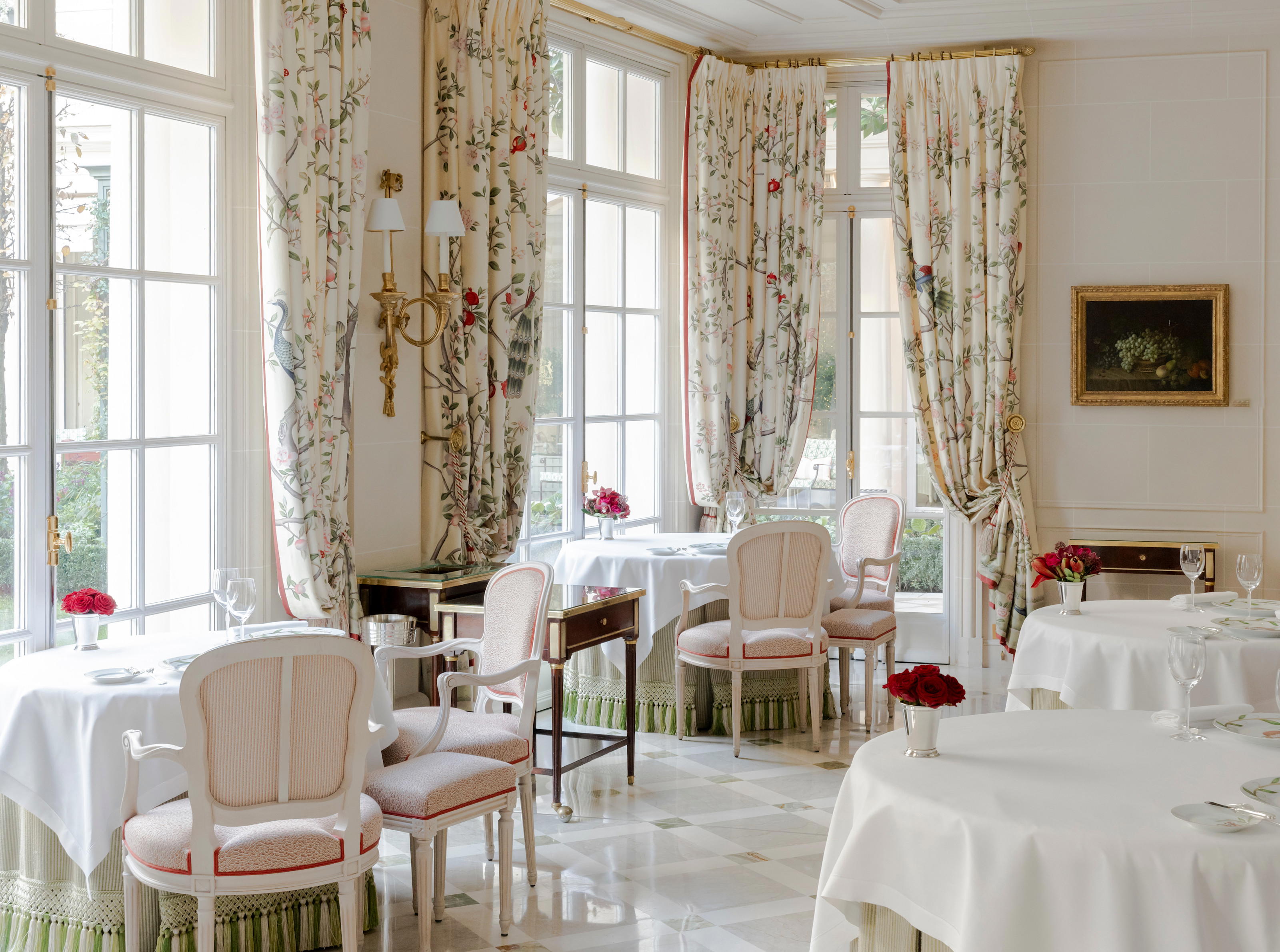
Bars in Paris
Browse all →
Hotels in Paris
Browse all →

At a Glance
- Lively
- Trendy
- Energetic
- Casual Hangout
- After Work
- Group Dining
- Open Kitchen
- Standalone
- Beer Program
- Local Sourcing
Current opening hours
- Monday
- 11:45 AM–10:30 PM
- Tuesday
- 11:45 AM–10:30 PM
- Wednesday
- 11:45 AM–10:30 PM
- Thursday
- 11:45 AM–10:30 PM
- Friday
- 11:45 AM–10:30 PM
- Saturday
- 11:45 AM–10:30 PM
- Sunday
- 11:45 AM–10:30 PM
Hours can change for holidays and private events. Last verified .
Casual, lively counter-service atmosphere with afrobeat music playing in the background; cozy and welcoming with a focus on fresh, flavorful ingredients and friendly service.