Original Numbers

Michelin Plate
Our verdict
Original Numbers occupies a considered position in Seoul's French-influenced dining scene, pairing classical technique with seasonal Korean ingredients at a price point the restaurant itself describes as 'reasonable dining.' The antique-inspired interior and umami-forward sauces drawn from the French canon, sabayon, beurre blanc, make it a coherent, accessible entry into Gangnam's more serious restaurant tier.

Pearl is the En Primeur Club membership app, where members save venues, book tables and use the concierge.
Where Gangnam's French Technique Meets the Korean Pantry
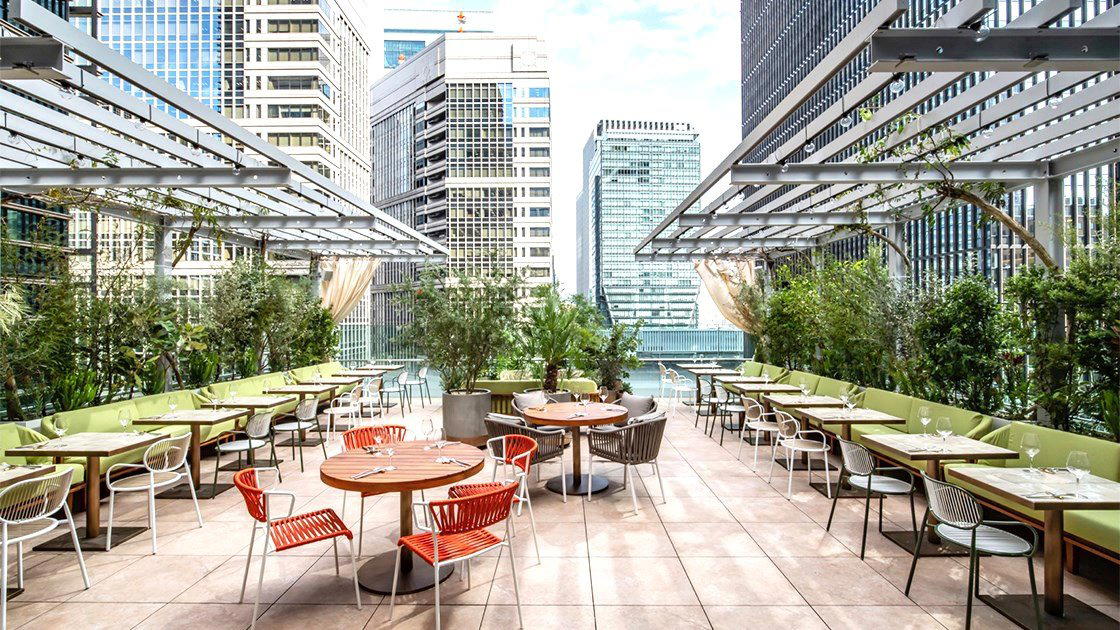
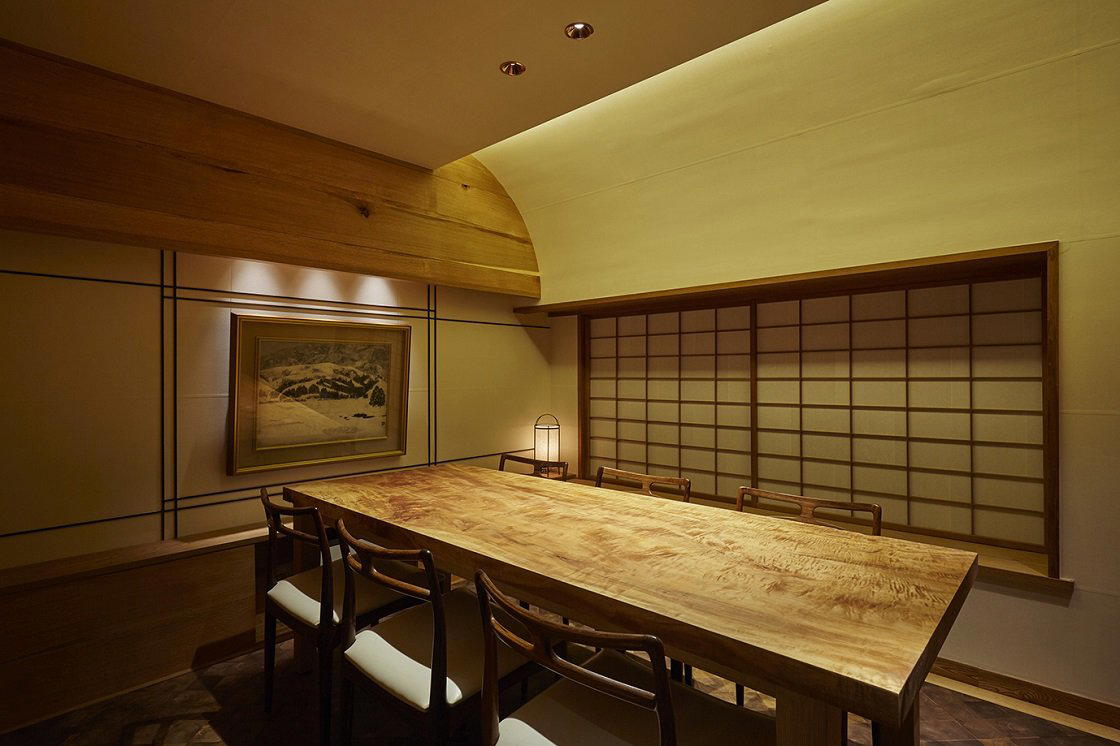
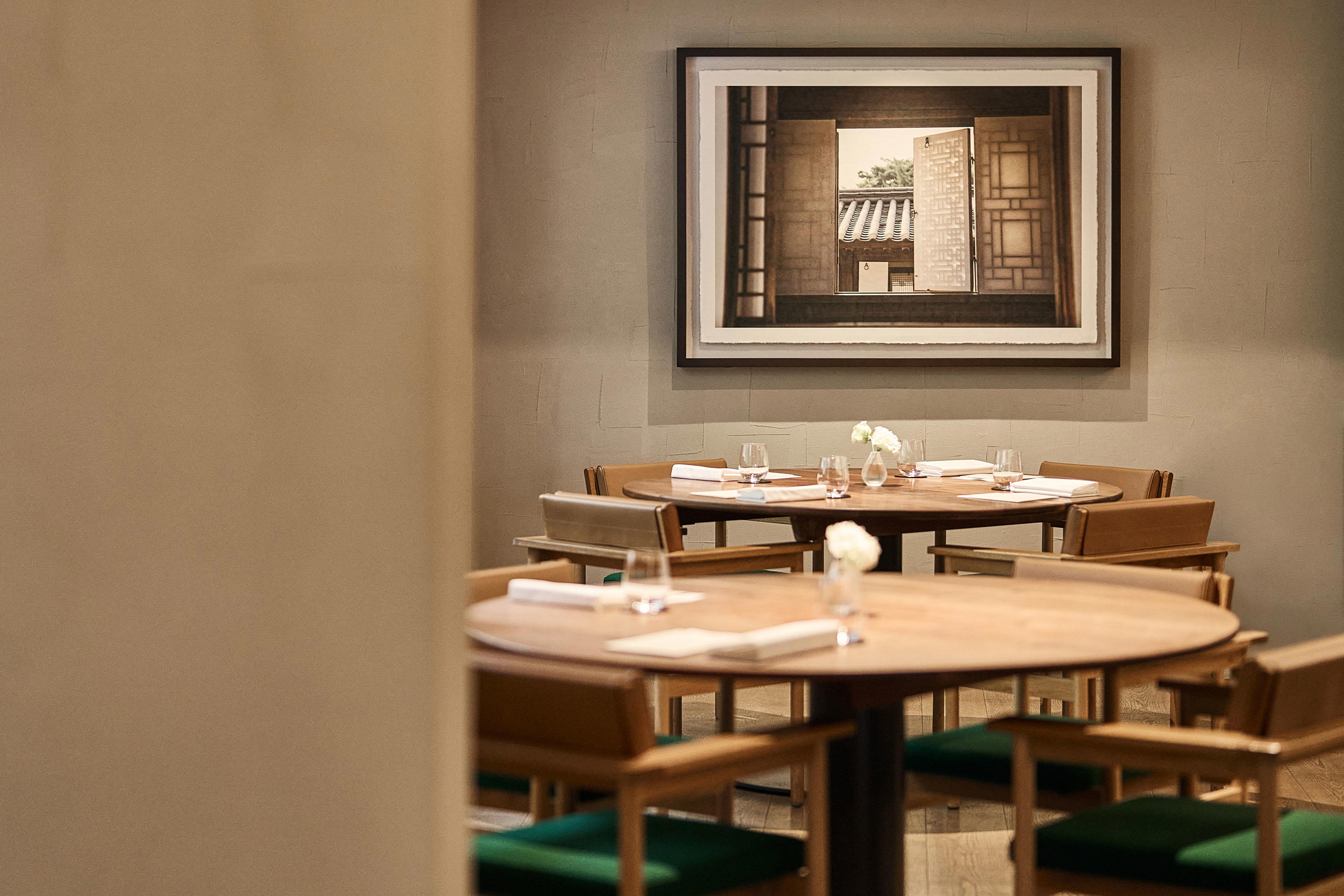
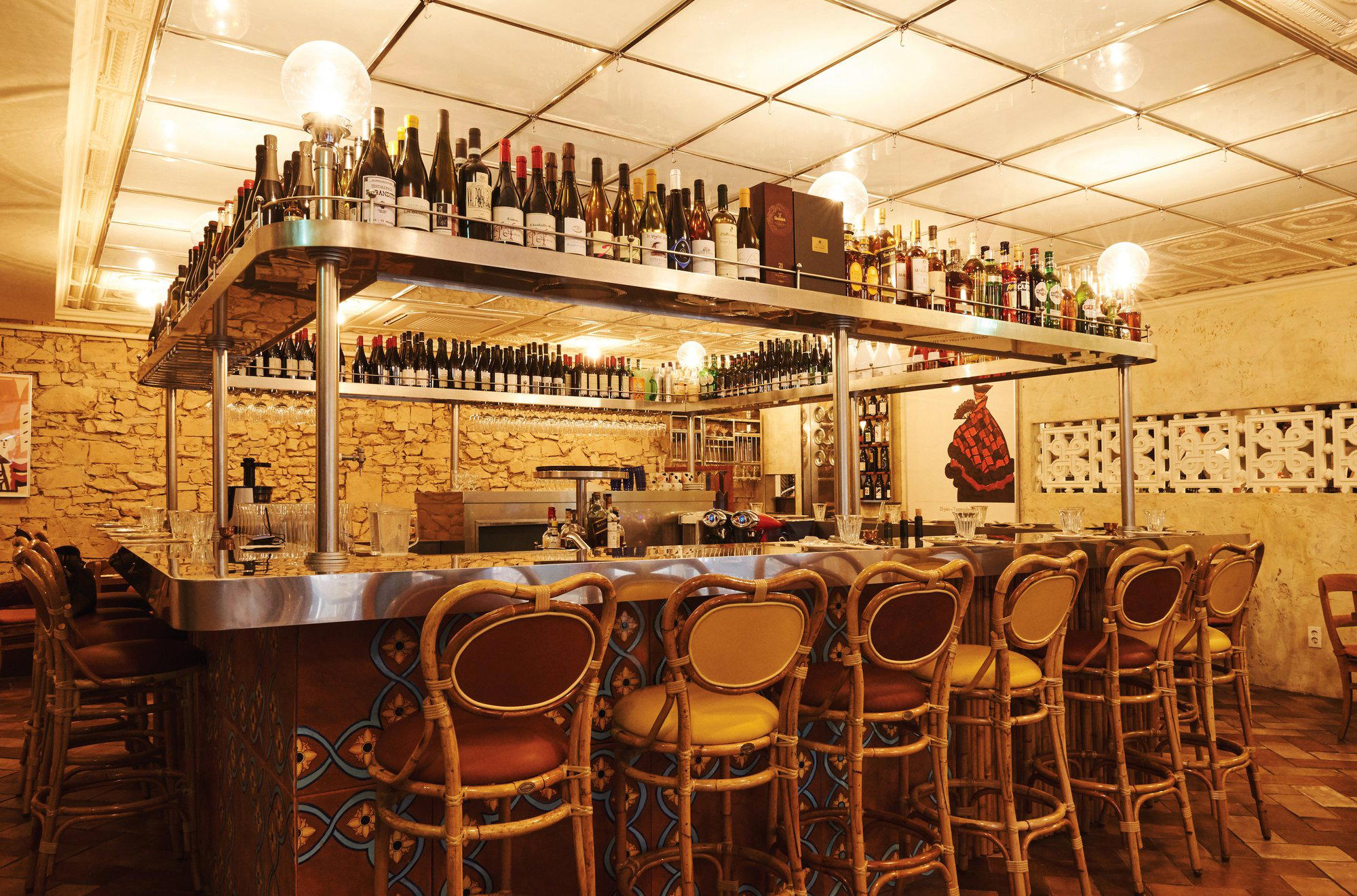
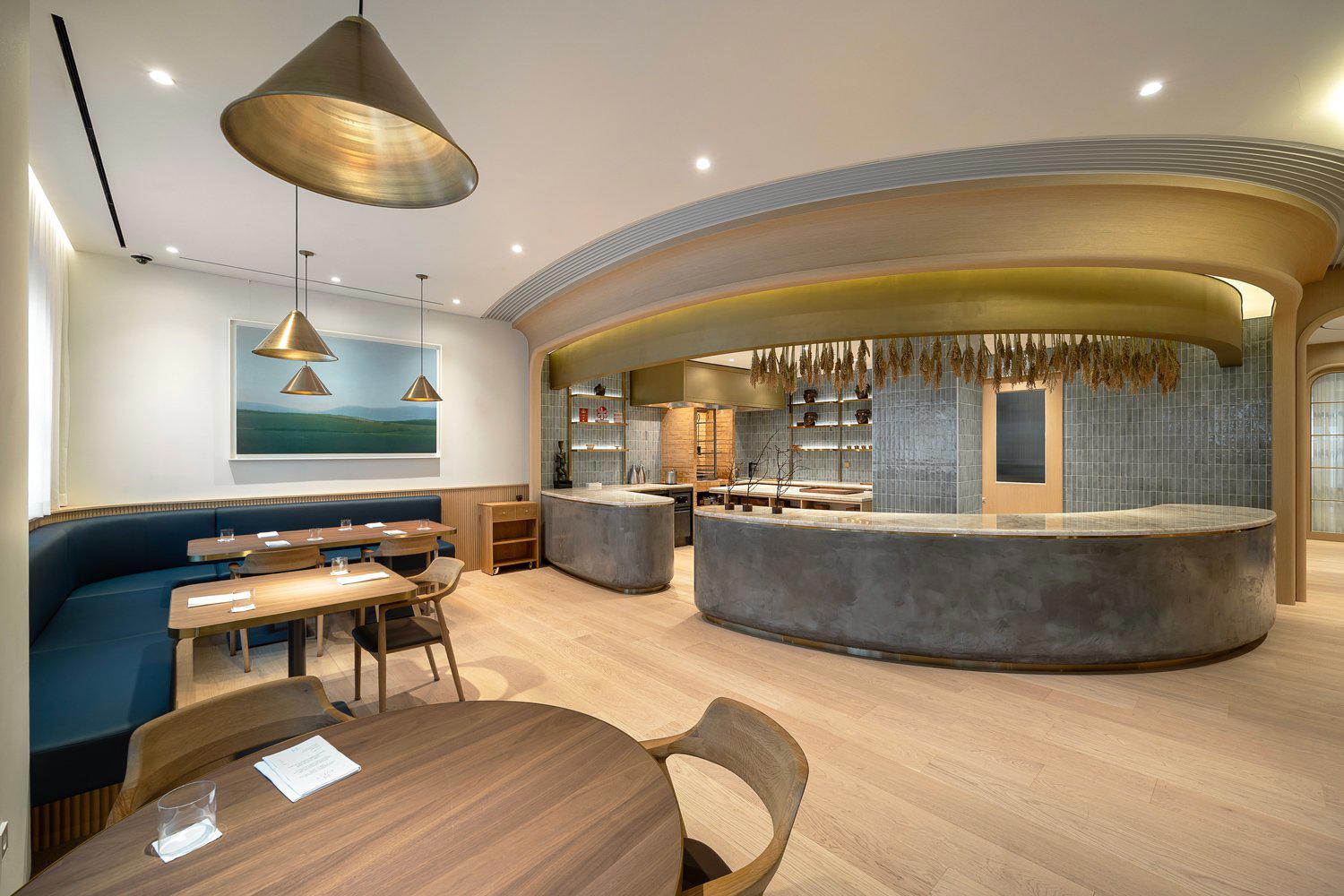
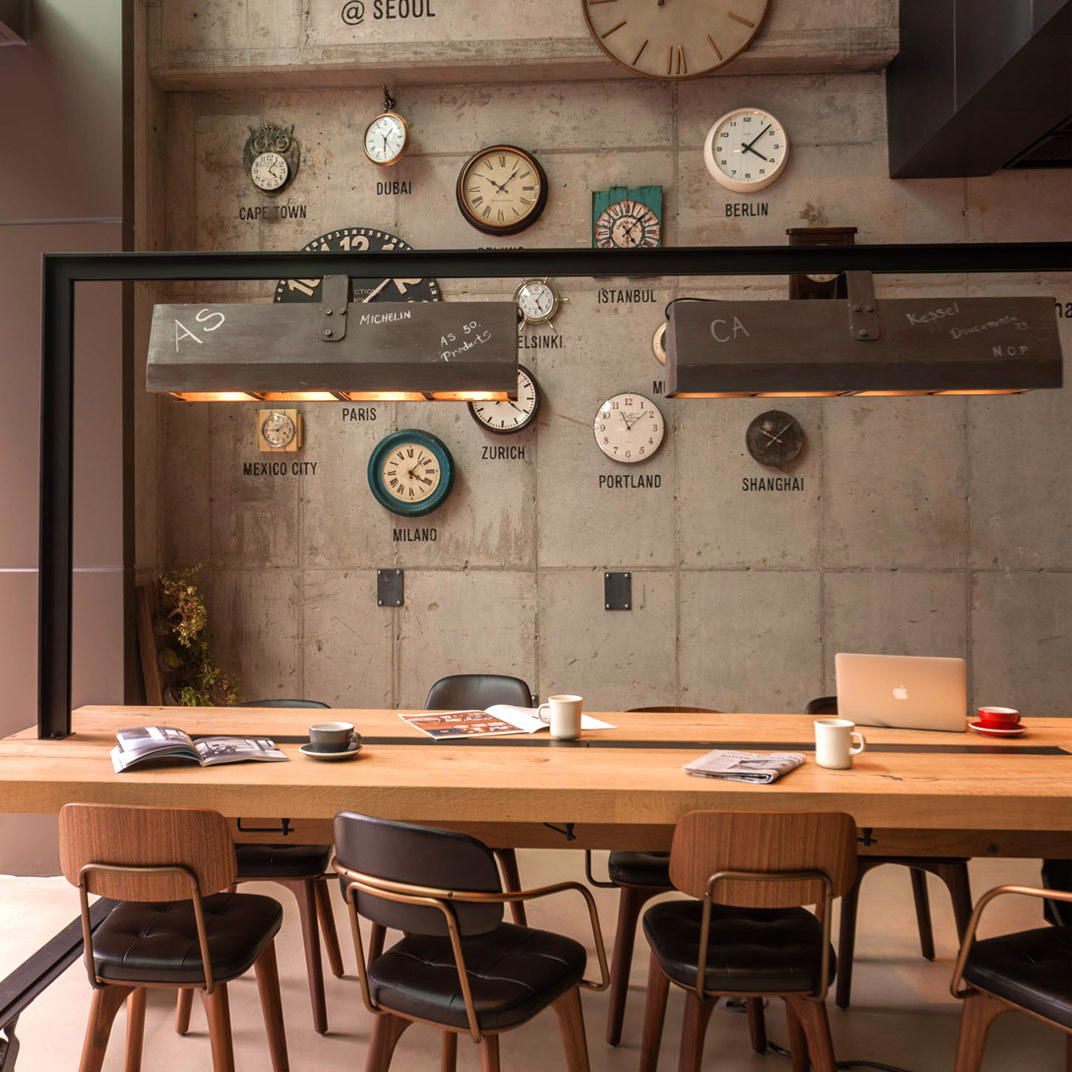
Dosan-daero's side streets in Gangnam-gu have become a reliable address for a particular kind of Seoul dining: technically grounded, ingredient-focused, and operating somewhere between neighbourhood restaurant and destination table. The antique-styled interior at Original Numbers signals this register immediately. The space is composed rather than spare, with a warmth that places it closer to a Parisian bistro de luxe than the clinical minimalism that defines many of the area's higher-profile rooms. If you are arriving from the broader Apgujeong corridor, you will recognise the formula: a room designed to frame the food without overwhelming it, where the decorative choices read as deliberate mood-setting rather than decoration for its own sake.
That atmospheric positioning matters because it communicates a specific contract with the diner. Original Numbers operates under a self-declared principle of 'reasonable dining,' which in Gangnam's context is a genuine editorial statement. Many of the neighbourhood's French-influenced tables have drifted toward high-entry prix fixe territory, positioning against the Michelin-starred tier occupied by restaurants like Mingles and Jungsik. Original Numbers takes a different line, pricing itself as an accessible counterpoint without softening the technical ambition in the kitchen.
French Method, Korean Raw Material
The intersection of imported culinary method and local Korean ingredients is the defining tension in Seoul's contemporary restaurant scene, and it is the lens through which Original Numbers makes its clearest argument. French haute cuisine arrived in South Korea primarily through chefs trained abroad and through the influence of the Michelin programme, which expanded its Seoul guide from 2017. What followed was a generation of kitchens applying the French classical toolkit, stocks, emulsifications, reductive saucing, to produce sourced from a peninsula with an exceptionally distinct flavour vocabulary.
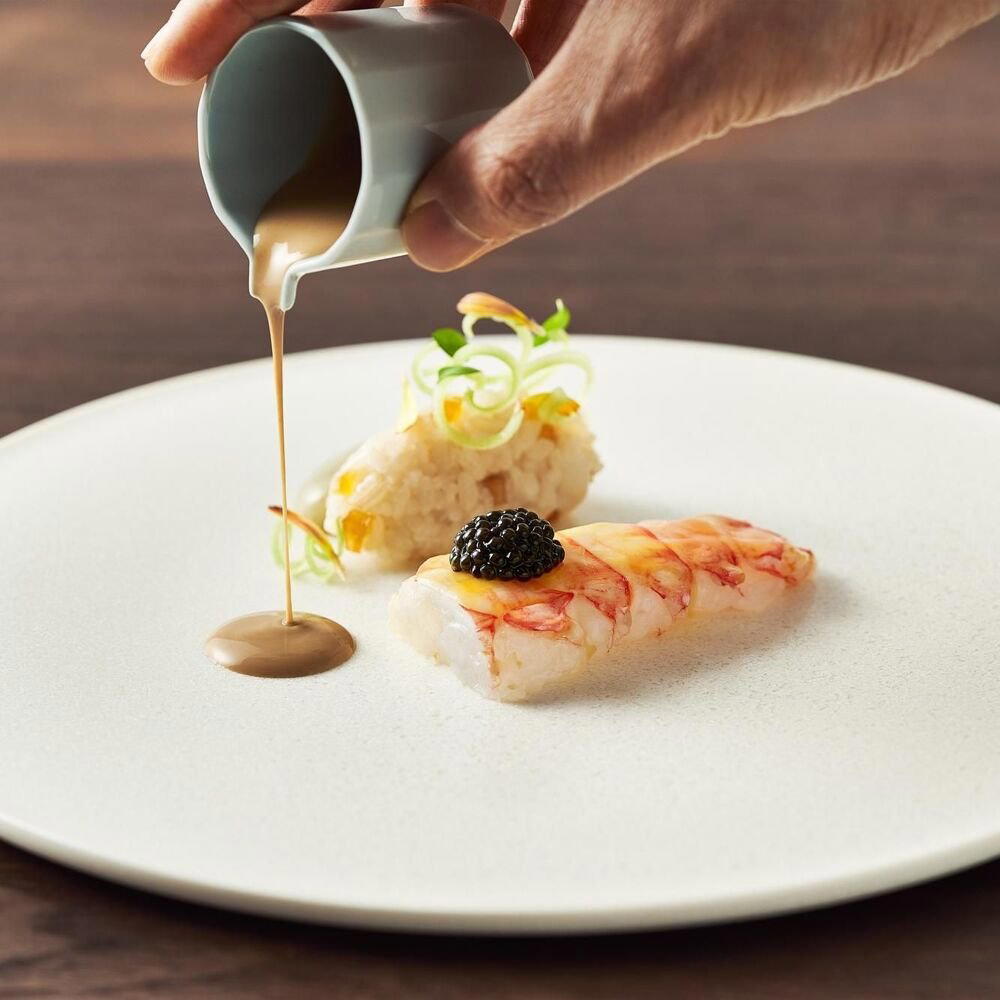
The sauces at Original Numbers speak directly to that inheritance. Sabayon and beurre blanc are not passing references here; they are structural elements, built from French technique and then angled toward the umami register that defines Korean culinary logic. Sabayon in a French context is primarily acidic and airy, a foam or emulsification suited to fish and delicate proteins. Applied to Korean seasonal produce, it can carry fermented or mineral notes that the classical version would not encounter. Beurre blanc, traditionally a Nantaise butter sauce built on wine and shallot reduction, becomes a different proposition when the acidity source shifts toward Korean vinegar traditions or when the butter itself absorbs aromatics common to the local pantry. These are not novelties; they are evidence of a kitchen working through what these techniques actually mean when the ingredients change.
This approach places Original Numbers in a small but coherent peer group in Seoul. Soigné and alla prima operate in the innovative tier with similar cross-technical ambitions, while Kwonsooksoo and 권숙수 in Gangnam-gu approach the same question from the Korean tradition outward. What distinguishes Original Numbers is its stated commitment to accessibility, situating French-Korean synthesis at a price point that does not require a special-occasion calculus.
The Seasonal Logic
Seasonal cooking in Seoul operates on a different rhythm than in Europe, shaped by four pronounced seasons and by a culinary culture that has historically tracked produce cycles with rigour. Spring brings a short window for mountain greens, wild garlic, bracken fern, shepherd's purse, that have no direct European equivalent. Summer tilts toward cucumbers, perilla, and stone fruits. Autumn delivers root vegetables and mushrooms with a depth that French cuisine would associate with Périgord truffle season. Winter has its own preserved vocabulary: kimchi, doenjang, ganjang, all products of a fermentation tradition that runs centuries deep.
Original Numbers draws on this seasonal framework, translating it through French technique. The result is a menu described as unfolding with a kind of internal coherence, course following course with a narrative logic rather than as an anthology of separate dishes. This is a structural ambition common in contemporary tasting menus, but it is notably harder to execute when the cuisine crosses two distinct flavour traditions. The framing, the kitchen's own description invokes a musical metaphor, courses as movements rather than standalone pieces, points to a conscious effort to resolve that difficulty through composition rather than contrast.
For context on how this sensibility plays out across Korean fine dining more broadly, restaurants including Mori in Busan and Double T Dining in Gangneung demonstrate how the French-Korean dialogue extends well beyond Seoul's Gangnam district. The question of what French technique does to Korean ingredients, and vice versa, is being worked through across the country's serious restaurant tier. At a global comparison level, the debt to classical French cooking visible at Original Numbers connects a broader line from institutions like Le Bernardin in New York City, whose rigorous sauce-driven approach has influenced kitchens across Asia, to the more hybrid registers now common in Seoul.
Planning a Visit
Original Numbers is located at 24 Dosan-daero 55-gil in Gangnam-gu, positioned within walking distance of Apgujeong Rodeo station and close to the cluster of design-forward restaurants and galleries that have made this stretch of Dosan-daero one of the more interesting dining corridors in the city. The restaurant operates with a 'reasonable dining' price positioning, which in Gangnam terms places it below the high-end tasting menu bracket but within the tier where advance booking is advisable, particularly on weekends. For first-time visitors, the tasting menu format is the more coherent entry point, the sequential structure the kitchen describes is designed to be read as a whole rather than assembled à la carte. Those planning a broader Seoul programme might cross-reference our full Seoul restaurants guide, and for accommodation context, our Seoul hotels guide covers properties across the Gangnam and broader city tiers. The Seoul bars guide and experiences guide round out the picture for a longer stay.
Frequently asked questions
Is Original Numbers okay with children?
The 'reasonable dining' price positioning makes Original Numbers more financially accessible than Gangnam's higher-ticket tasting rooms, but the format is a sequential course menu described as unfolding like a musical narrative, a structure that suits focused adult diners rather than younger children. Families with older children who are comfortable with a multi-course pace will find it more workable than the average tasting counter in the area.
How would you describe the vibe at Original Numbers?
Composed and atmospheric. The antique-inspired interior steps away from the clinical minimalism that defines many of Gangnam's design-forward dining rooms, giving the space a warmer, more considered feel. The kitchen frames its menu as a coherent narrative rather than a showcase of isolated dishes, which sets a tone of quiet intention rather than performance.
What distinctions does Original Numbers have?
Original Numbers has received recognition including: Original Numbers offers refined dining at a fair price under the slogan ‘reasonable dining’. Grounded in French technique, the cuisine blends seasonal ingredients with umami-rich sauces such as sabayon and beurre blanc, reflecting contempor….
What do regulars order at Original Numbers?
The kitchen's own framing, a menu that unfolds like a musical narrative, points toward the full tasting sequence as the intended format. The cuisine is grounded in French technique with umami-forward sauces including sabayon and beurre blanc, built around seasonal Korean ingredients, so the full progression is where the kitchen's logic becomes legible.
Where is Original Numbers located?
Original Numbers is located at 24 Dosan-daero 55-gil, Gangnam-gu, Seoul.
How hard is it to get a table at Original Numbers?
Booking ahead rather than walking in is the practical approach.
In Context: Similar Options
Comparable venues nearby, for context on price, style, and recognition.
| Venue | Cuisine | Price | Awards | Notes |
|---|---|---|---|---|
| Original NumbersThis venue (the venue you are viewing) | French Contemporary | Not listed | Michelin Plate | Not listed |
| Gosari Express | Vegan Korean Fusion Noodles | $10–20 | Michelin Bib Gourmand | 황학동 |
| Myungbodang | Nu-American French Fine Dining | $200–300 | Michelin Plate | 압구정동 |
| RMW Carne | Dry-Aged Steakhouse | $30–50 | Michelin Plate | 이태원동 |
| Baek Nyun Ok | Traditional Korean Tofu Specialist | $10–20 | Michelin Plate | 서초동 |
| Moulin | Seasonal French Fine Dining | $100–150 | Michelin Plate | 효자동 |
Recognition history
Dated appearances from independent guides and award organizations, with the underlying list record or original source where available.
Michelin Plate
Michelin
Continue exploring
More in Seoul
Restaurants in Seoul
All restaurants in Seoul →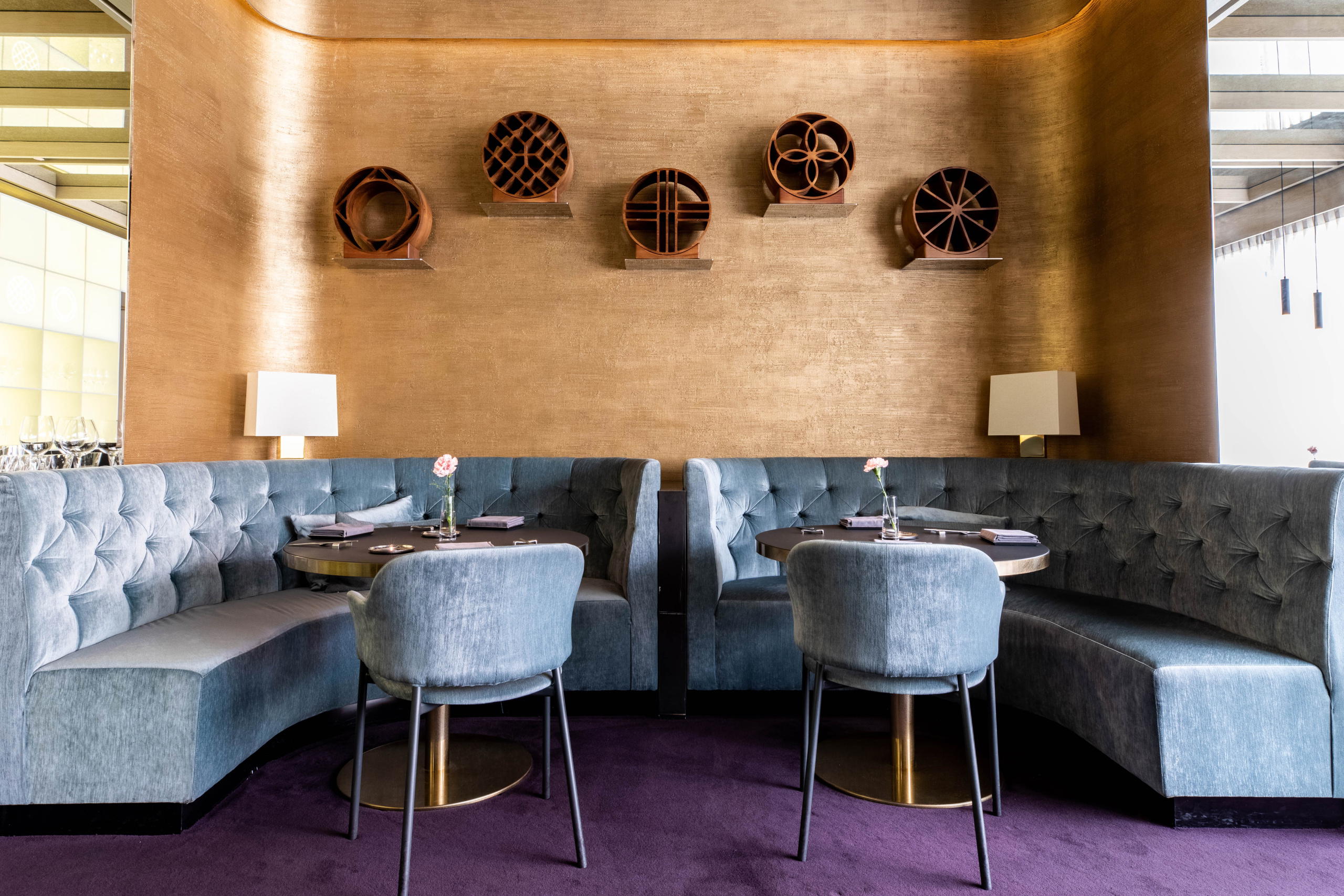
Bars in Seoul
All bars in Seoul →
Details
- Elegant
- Intimate
- Sophisticated
- Solo
- Date Night
- Special Occasion
- A La Carte
Current opening hours
- Monday
- Closed
- Tuesday
- 12–10 PM
- Wednesday
- 12–10 PM
- Thursday
- 12–10 PM
- Friday
- 12–10 PM
- Saturday
- 12–10 PM
- Sunday
- Closed
Hours can change for holidays and private events. Hours as of .
Antique-inspired interior creating an immersive and cohesive atmosphere.