Origin City
Origin City occupies a precise address in West Smithfield, one of London's oldest trading quarters, where the neighbourhood's history as a centre of exchange gives the surroundings a density that few central London postcodes match. The venue sits within a city that fields some of Europe's most competitive fine-dining tables, placing it inside a conversation about London's broader dining ambitions rather than apart from it.
Pearl is the En Primeur Club membership app — saves, bookings, and concierge access live there. Same editors, same standards.
- Address
- 12 W Smithfield, London EC1A 9JR, United Kingdom
- Phone
- +442045686240
- Website
- origincity.co.uk
- Directions
- Get directions
 Saves & bookings on Pearl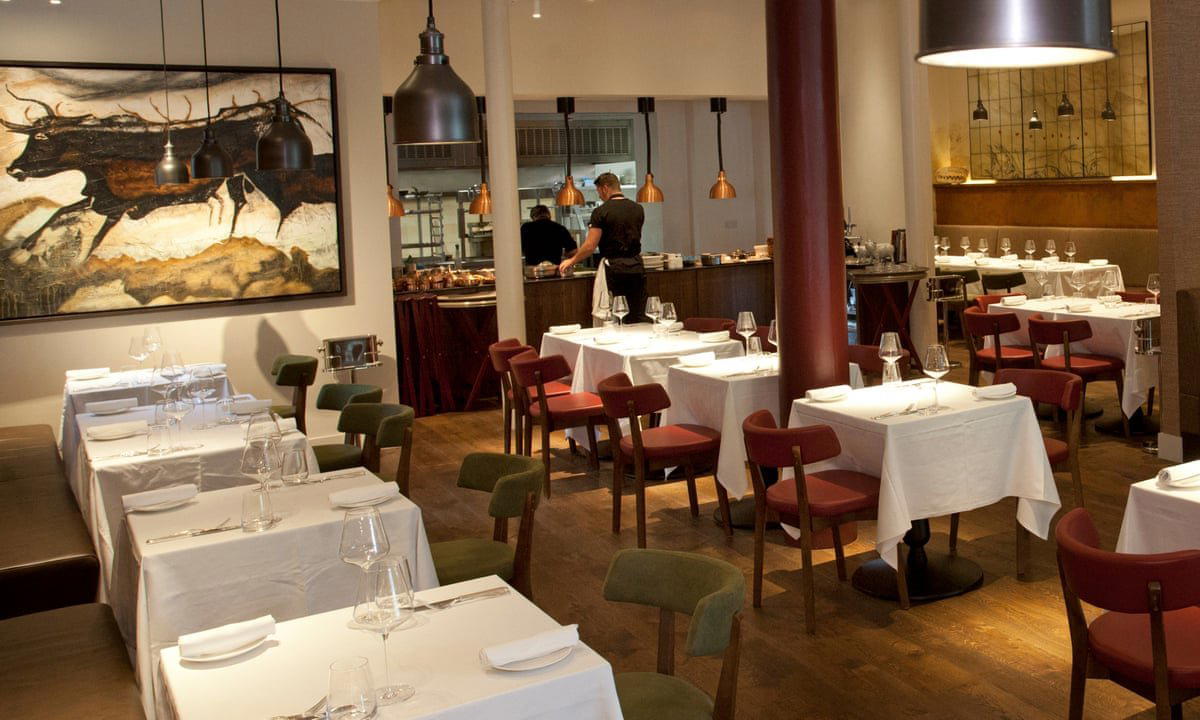
West Smithfield and the Weight of a Postcode
Origin City is a restaurant at 12 W Smithfield, London EC1A 9JR, serving modern British nose-to-tail fine dining. The EC1A postcode has absorbed centuries of commerce, conflict, and reinvention, from the medieval livestock market that gave the area its name to the Victorian meat market that still operates on its northern edge. Arriving at 12 West Smithfield, you are walking into one of the city's most layered neighbourhoods, where Georgian stonework, Victorian ironwork, and contemporary interventions sit within metres of each other. The physical environment does the contextual work before you have crossed any threshold.
This matters for any venue making a serious claim on a diner's attention. London's premium dining scene does not operate in a vacuum; it is shaped by neighbourhood character, accessibility, and proximity to the kind of foot traffic that sustains a reservation-led room. Smithfield sits a short walk from both Farringdon and Barbican stations, two Elizabeth line and Circle/Metropolitan line intersections that connect the area to Heathrow, Canary Wharf, and the West End within manageable journey times. For international visitors, that connectivity is a practical argument in the venue's favour before the food becomes part of the calculation.
London's Fine-Dining Topology and Where Origin City Sits
London now operates at a scale and complexity that rewards mapping before booking. At the upper end of the market, the city fields tables that compete with Paris, Tokyo, and New York for critical attention. CORE by Clare Smyth and Restaurant Gordon Ramsay anchor the Modern British and Contemporary European tiers at ££££ price points. Sketch, The Lecture Room and Library occupies the Modern French register at the same tier. The Ledbury and Dinner by Heston Blumenthal extend the Modern European and Modern British coverage across different neighbourhoods. These are the tables against which any serious London restaurant is implicitly measured.
Beyond the capital, the UK's multi-Michelin ecosystem extends to destinations that reward dedicated travel: Waterside Inn in Bray, Le Manoir aux Quat'Saisons in Oxford, L'Enclume in Cartmel, Moor Hall in Aughton, and Gidleigh Park in Chagford each represent the kind of destination-led dining that requires a full itinerary built around a single table. Within London, Origin City's Smithfield address positions it differently: accessible by tube from multiple zones, embedded in a neighbourhood that draws both City workers at lunch and informed visitors in the evening.
The Booking Reality: Planning a Table in London EC1
The editorial angle that matters most for the restaurant is how to secure a table. London's most-sought rooms now operate on advance booking windows that reward planning over spontaneity. At the ££££ tier, counters and dining rooms in the capital routinely open reservations six to twelve weeks ahead, with popular Saturday dinner sittings filling within hours of release. The closer a venue sits to a major transport node and the more it has accumulated critical or award-level recognition, the faster availability compresses.
Smithfield's dual identity, as both a working-hours district and an evening destination, creates a specific booking pattern. Lunch on weekdays can offer more flexibility than equivalent rooms in Mayfair or Notting Hill, where corporate dining and tourist traffic compete for the same covers. Evening bookings, particularly on Thursday through Saturday, tend to follow the tighter London-wide pattern regardless of neighbourhood. For visitors building an itinerary around a London dining programme, securing the Smithfield table first and building travel logistics around it is a sounder approach than treating it as a fill-in option.
For context across the wider UK fine-dining circuit, tables at venues like Hand and Flowers in Marlow and Midsummer House in Cambridge operate on similarly pressured booking windows, while destination venues like hide and fox in Saltwood and Opheem in Birmingham offer instructive comparisons in terms of regional competition for the same travelling diner. For readers whose circuits extend to Scotland, Restaurant Andrew Fairlie in Auchterarder represents the upper end of what a single-site, destination-only format looks like outside major urban centres.
For those whose dining programmes cross the Atlantic, the relevant comparisons shift further: Le Bernardin in New York City and Atomix in New York City represent the American end of a peer conversation that London's leading tables are increasingly part of, both in terms of critical ambition and in the expectations of internationally mobile diners who move between the two cities regularly.
What to Know Before You Go
The Smithfield location is both an asset and a detail that requires attention. The area is dense with lunchtime traffic from the financial and legal sectors to the east and the creative industries that have colonised Clerkenwell to the north. Evening foot traffic thins after seven, which makes the neighbourhood quieter than Mayfair or Covent Garden at the same hour but also gives arrival a different character, less crowded, more purposeful. The nearest major stations, Farringdon and Barbican, are each within a ten-minute walk, and both now benefit from Elizabeth line connectivity that makes cross-city journeys significantly faster than the pre-2022 tube map would suggest.
For the full picture of what London's dining scene currently offers across all neighbourhoods and price tiers,
Quick Comparison
Comparable venues nearby, for context on price, style, and recognition.
| Venue | Cuisine | Price | Notes |
|---|---|---|---|
| Origin CityThis venue — the venue you are viewing | Modern British Nose-to-Tail Fine Dining | $$$$ | Not listed |
| Afternoon Tea at The Londoner | Classic British Afternoon Tea | $$$$ | Leicester Square |
| Francatelli | Modern British Fine Dining | $$$$ | St. James's |
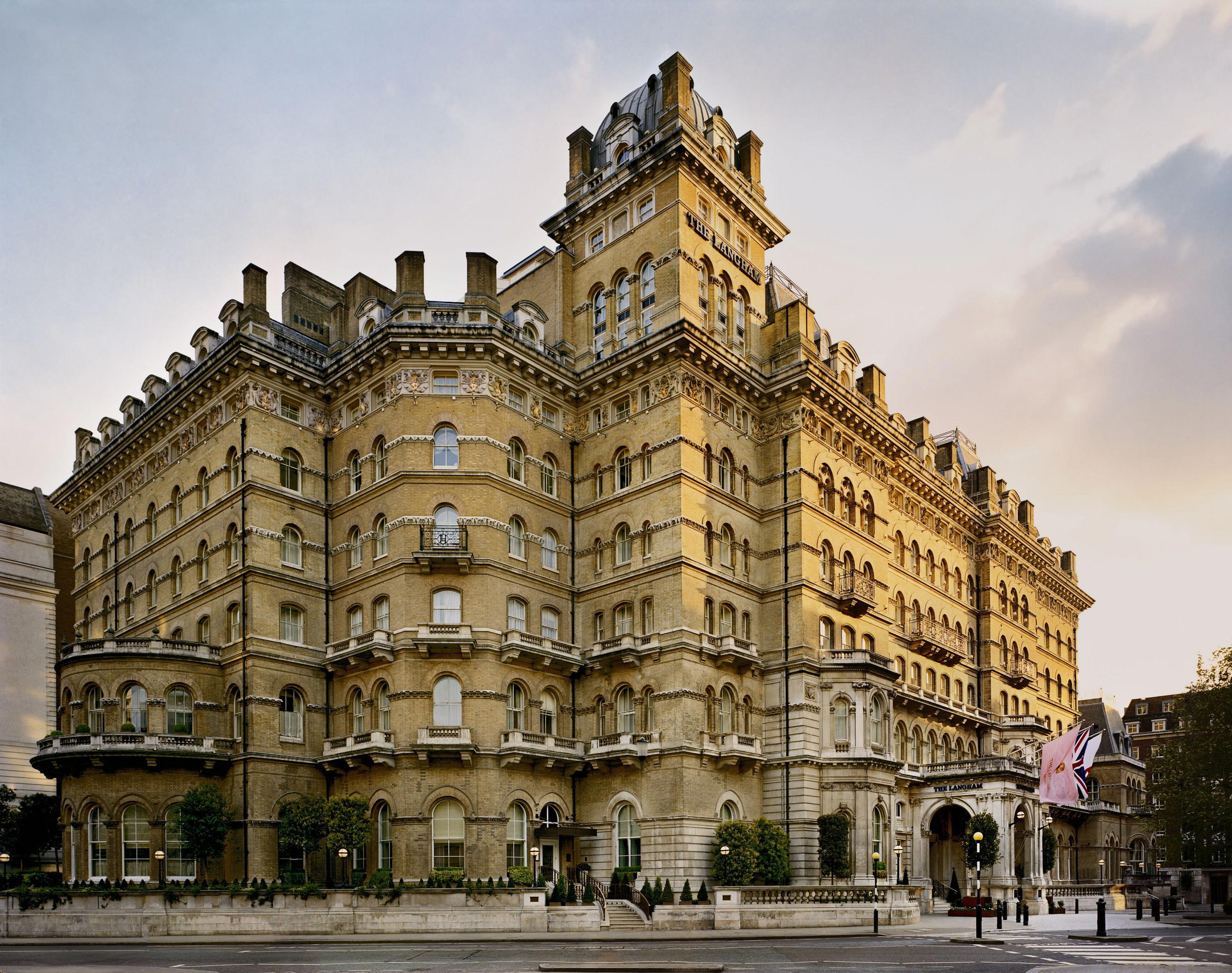
| Palm Court at The Langham | Traditional British Afternoon Tea | $$$$ | Marylebone |
| Launceston Place | Modern British Fine Dining | $$$$ | South Kensington |
| The Chelsea Townhouse | British Breakfast & Brunch Café | $$$$ | Earl's Court |
Continue exploring
More in London
Restaurants in London
Browse all →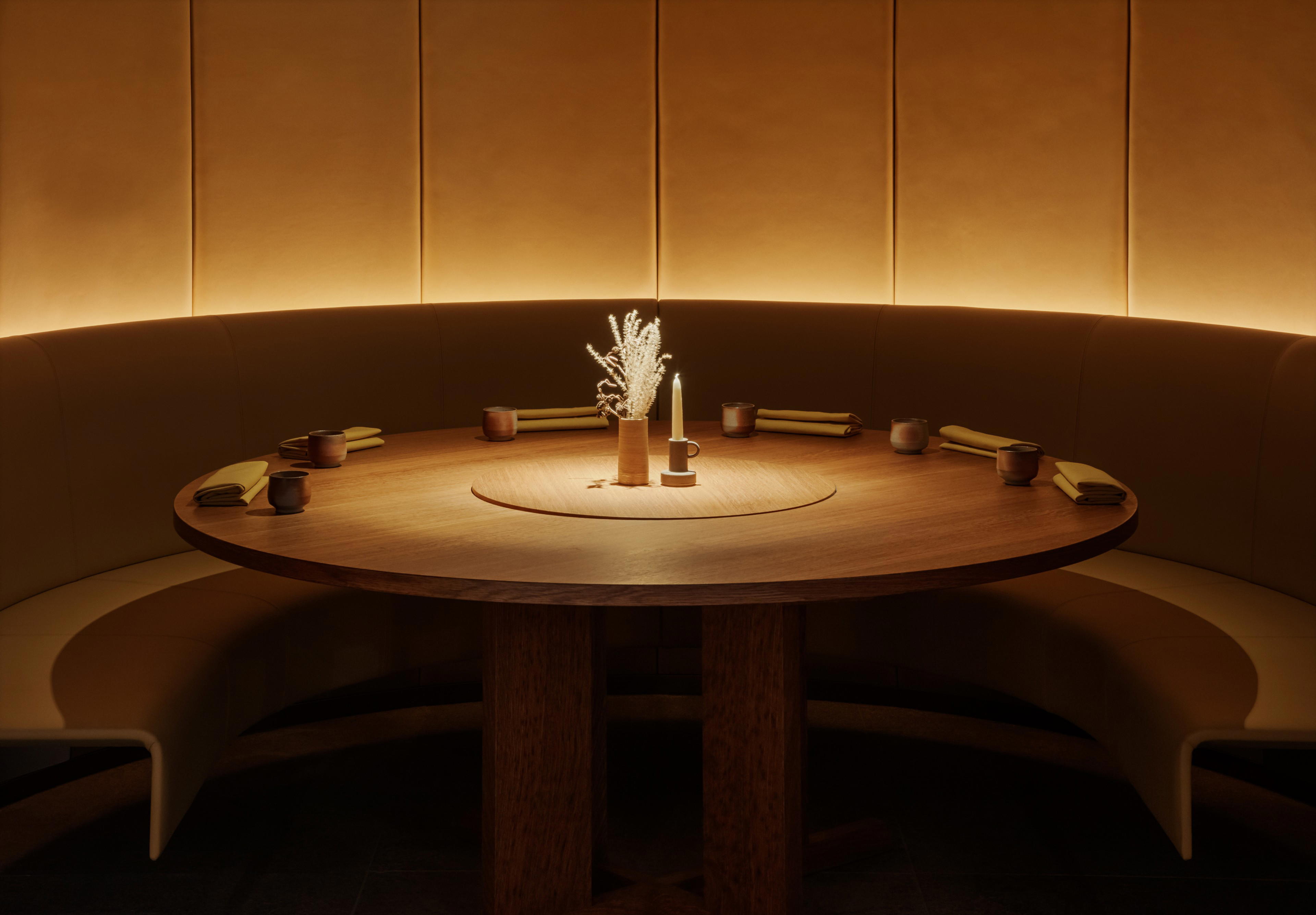
Bars in London
Browse all →
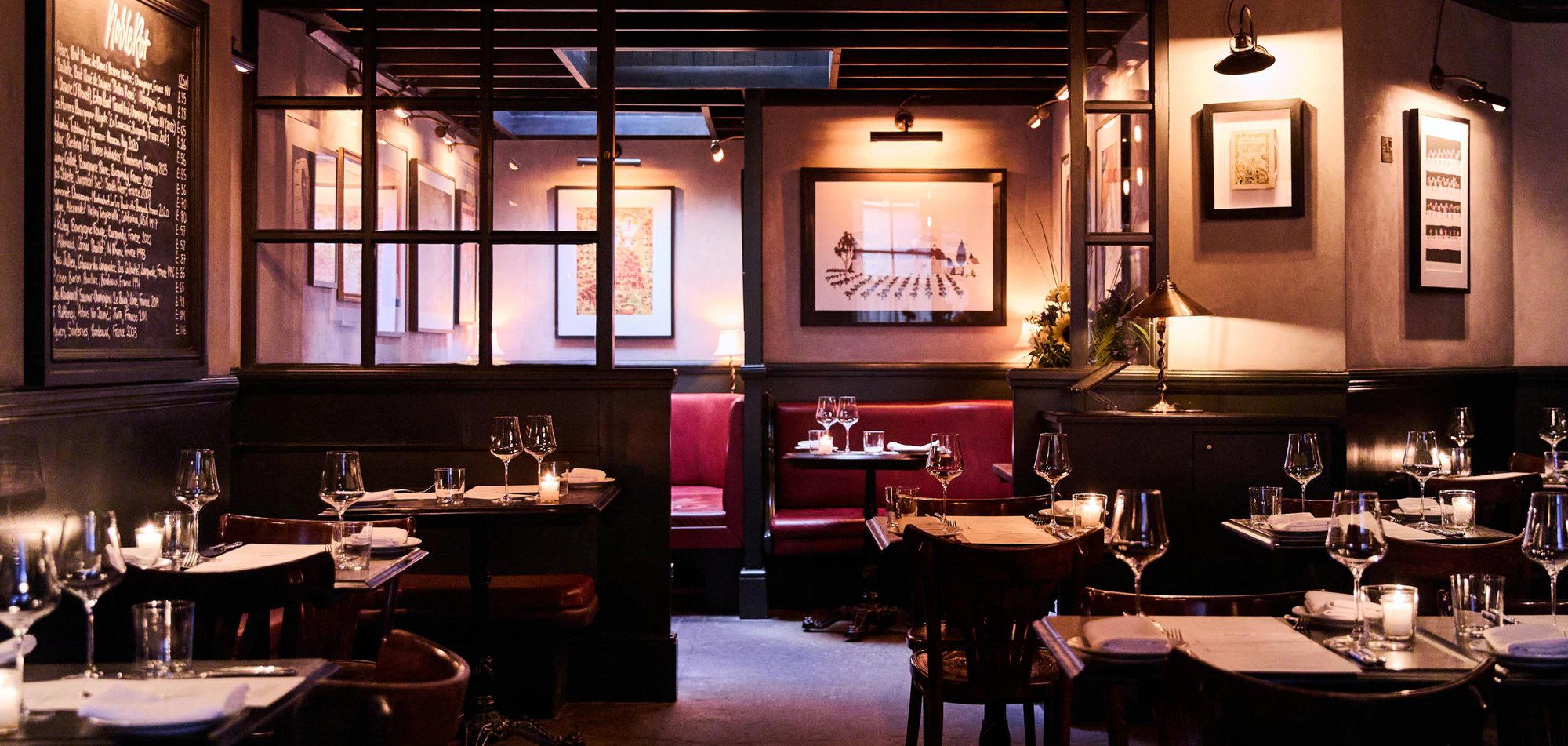
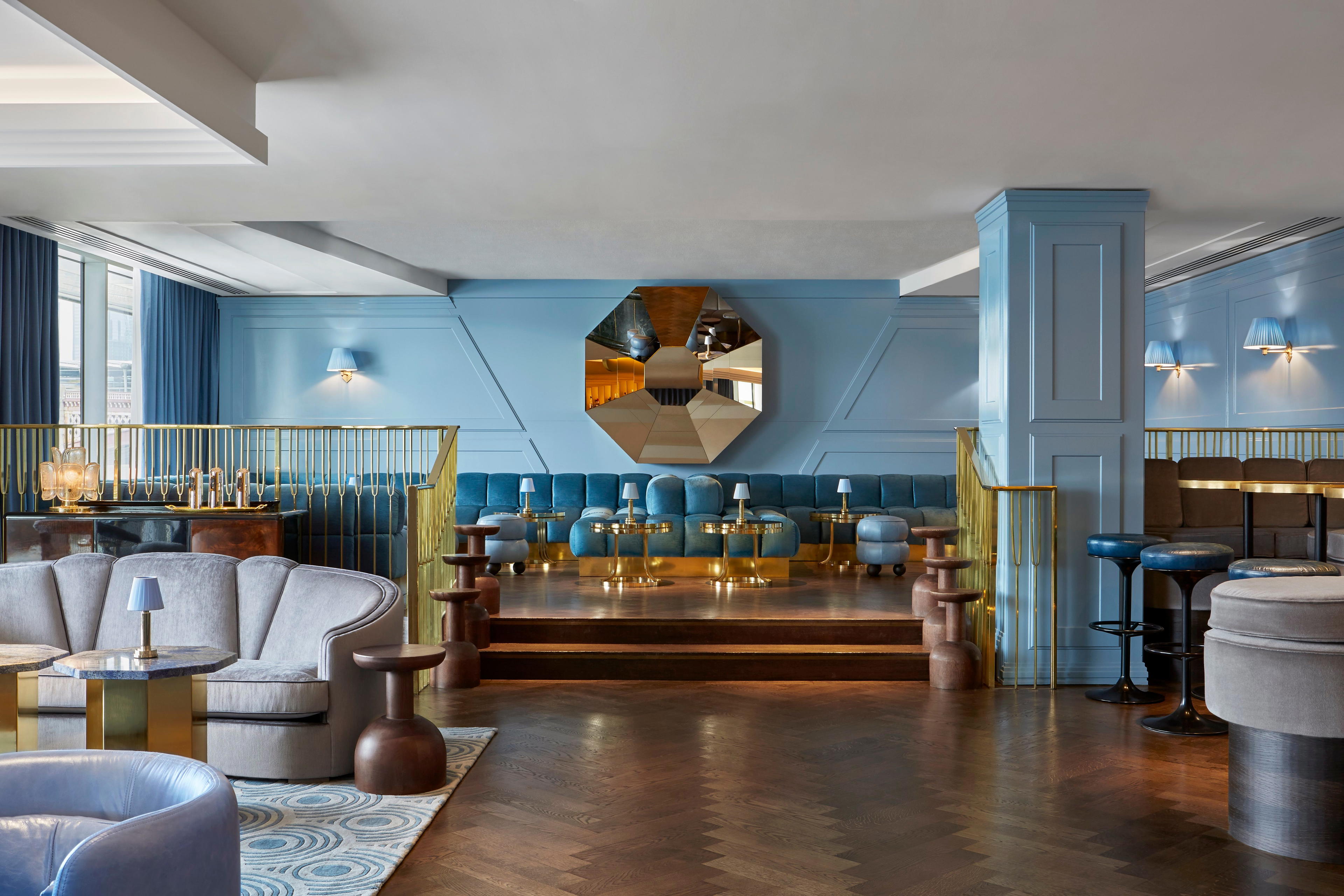
Hotels in London
Browse all →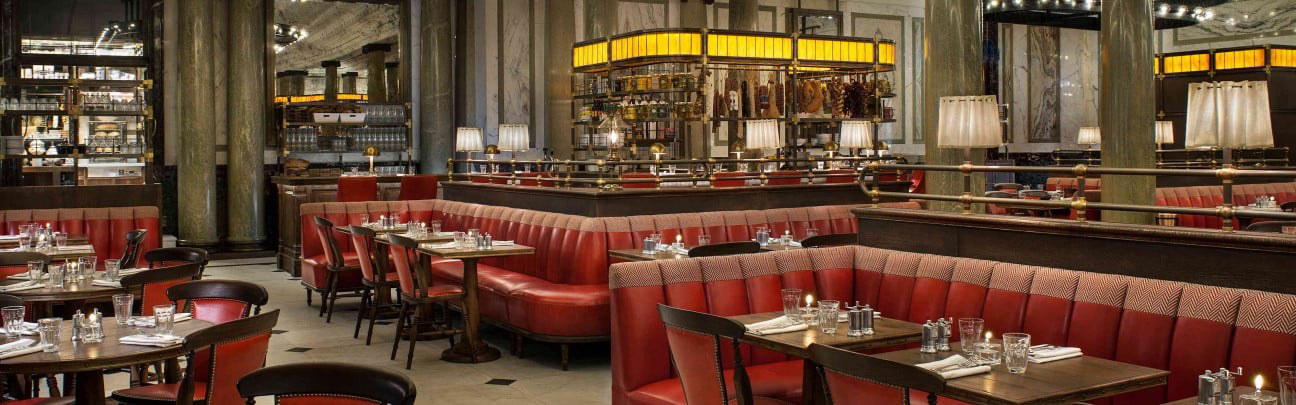
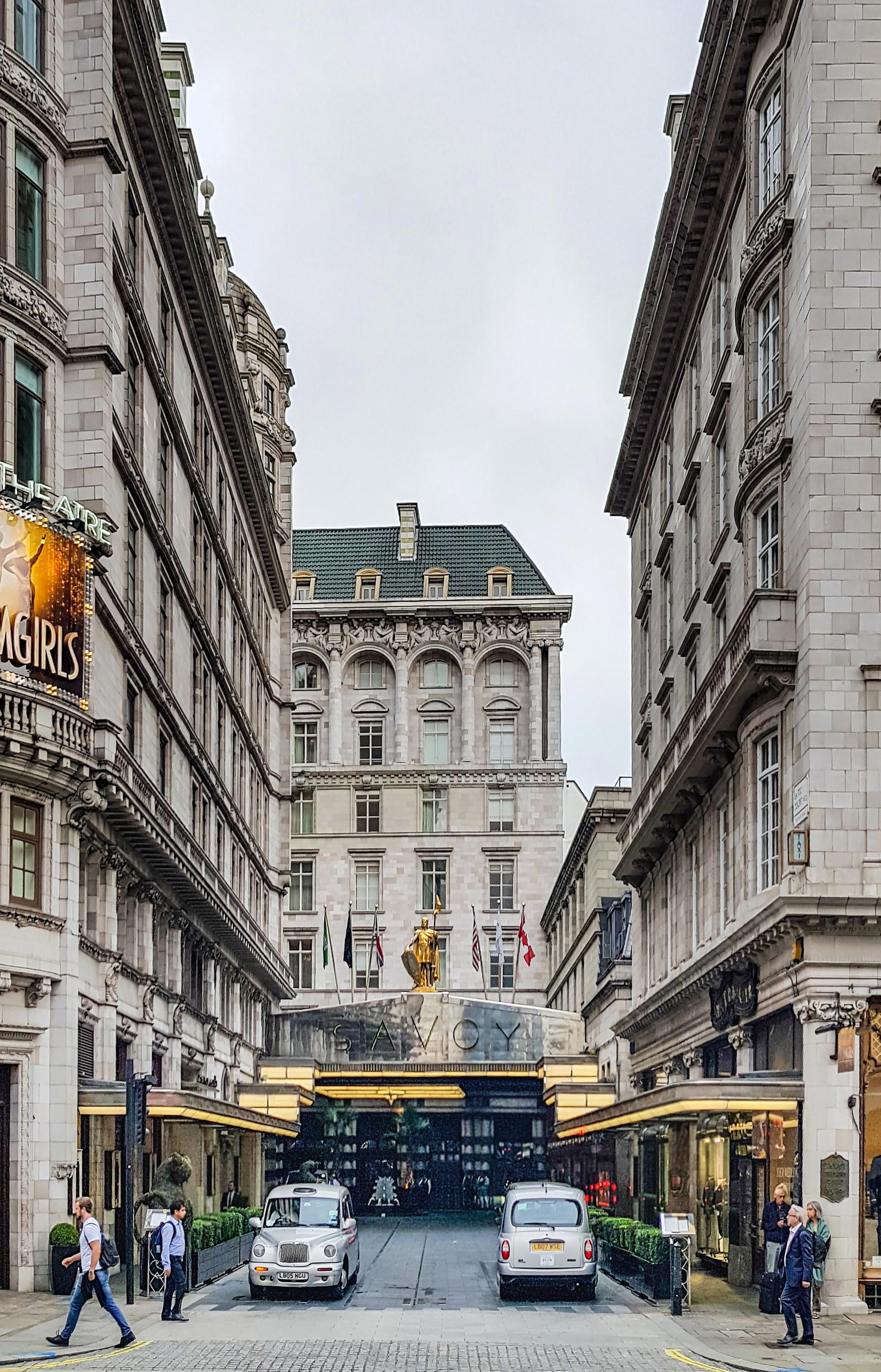


At a Glance
- Rustic
- Elegant
- Cozy
- Modern
- Sophisticated
- Date Night
- Business Dinner
- Special Occasion
- Open Kitchen
- Extensive Wine List
- Organic
- Local Sourcing
- Farm To Table
Current opening hours
- Monday
- 12–9:30 PM
- Tuesday
- 12–9:30 PM
- Wednesday
- 12–9:30 PM
- Thursday
- 12–9:30 PM
- Friday
- 12–9:30 PM
- Saturday
- Closed
- Sunday
- 12–3 PM
Hours can change for holidays and private events. Last verified .
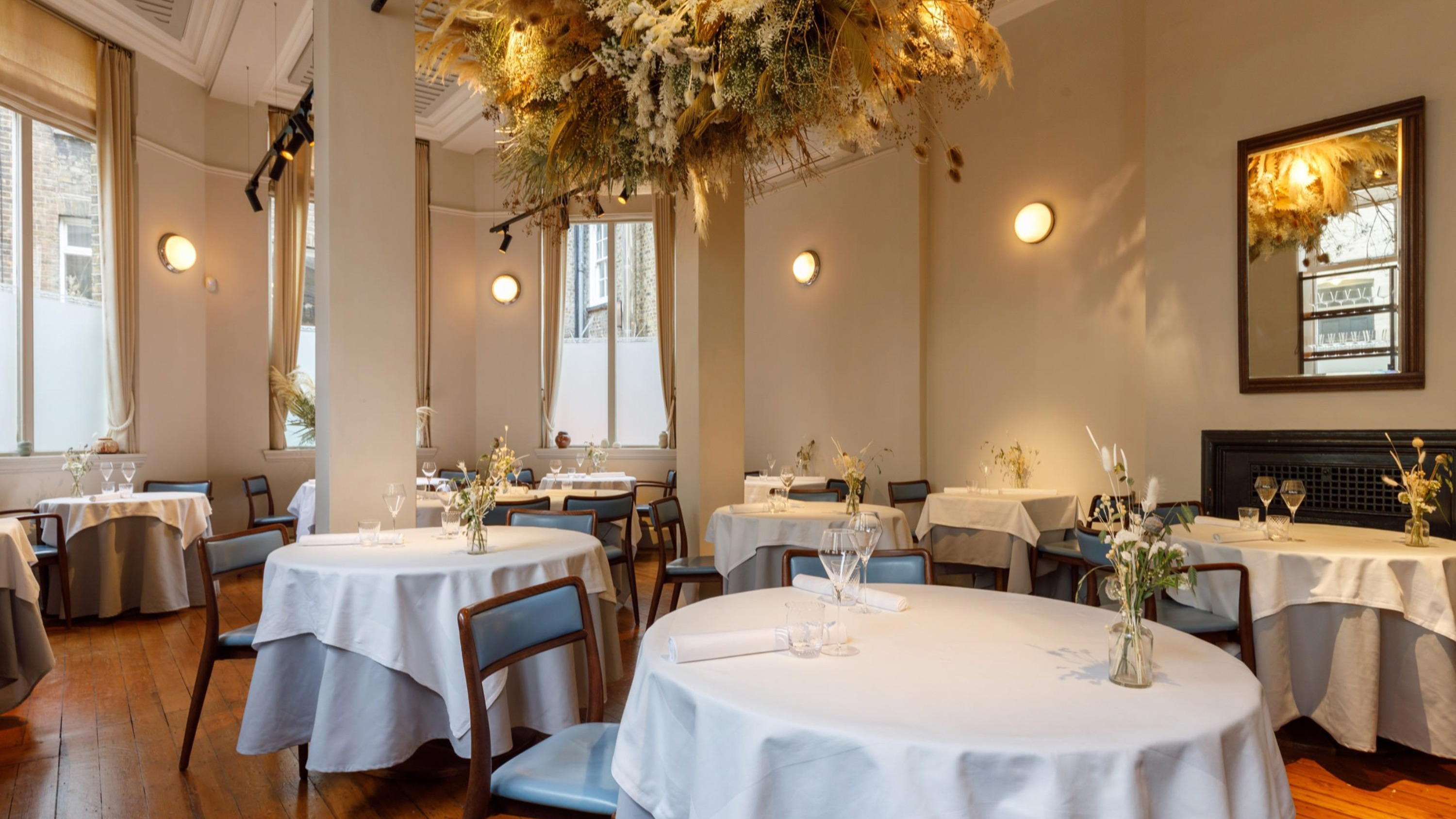
Cosy and cosmopolitan with Provençal touches like olive trees, warm and welcoming atmosphere blending rustic Scottish ruggedness and elegant British fine dining.