Tabelog 100 #81
Our verdict
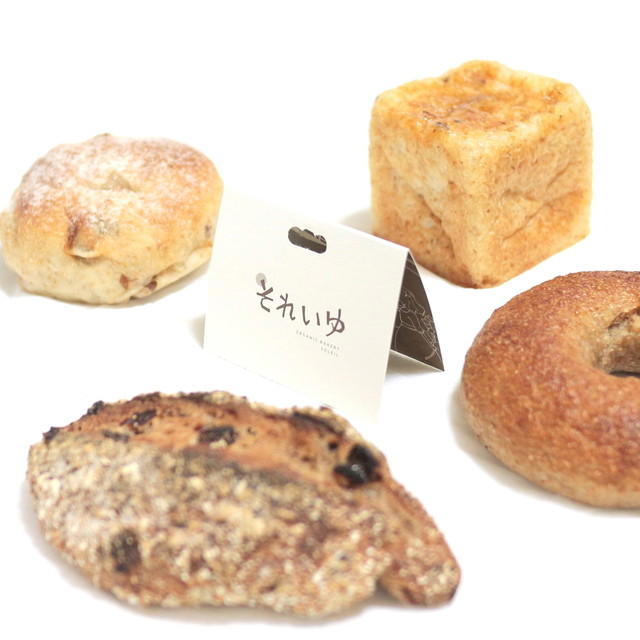
In Tezukayama, Organic Pan Kobo Soreiyu sits in Osaka’s quieter bread circuit: a take-out bakery known for 100% organic ingredients, natural yeast, stone-milled whole grain flour, and a stone oven. Tabelog selected it for Bread WEST “Tabelog 100” in 2020 and 2022, placing a small neighbourhood counter inside a serious regional conversation about Japanese bread culture.

Pearl is the En Primeur Club membership app, where members save venues, book tables and use the concierge.
Osaka changes the pace before the bakery does. Away from the city’s most theatrical dining circuits, Organic Pan Kobo Soreiyu belongs to a quieter daytime Osaka. This is bread as a practical errand rather than dinner theatre: a small-format stop where the critical question is not how long the meal lasts, but how much care can be folded into a loaf, a roll, or a sandwich before it leaves the counter.
Osaka’s dining reputation usually leans toward sauce, steam, and immediacy: takoyaki, okonomiyaki, kushikatsu, and commuter-friendly snacks. Bread belongs to another rhythm. Japan’s serious bakeries often operate on morning scarcity, neighbourhood loyalty, and technique that answers local preferences for softness, digestibility, and compact formats. Soreiyu’s 2022 selection for Tabelog Bread WEST “Tabelog 100” matters because that list treats bread as a category with its own hierarchy, not as an afterthought beside pastry or café culture.
Organic bread in a city better known for steam, sauce, and queues
The bakery’s defining lane is clear from its category: bread and sandwiches, with an emphasis on a small-format stop rather than a full restaurant meal. Those details put it closer to Japan’s specialist bakery culture than to broader sweet-counter or department-store models.
That distinction is useful in Osaka, where casual daytime eating can blur into convenience. Other Osaka dining rooms speak to the city’s steam-and-carry tradition, while unnamed bakeries and café addresses show how bread, coffee, and light meals form a parallel daytime map. Soreiyu sits on the more specialist side of that map. It is not chasing spectacle; the signal is in the purchase itself, the category focus, and the way bread becomes a compact expression of daily craft.
The value proposition is also different from Osaka’s restaurant-led daytime dining. Other restaurants use lunch to compress kitchen craft into a set meal or shared table. A bakery purchase is more fragmented: one item for transit, several for a hotel room breakfast, a sandwich that turns a detour into a meal. That is why the daytime-versus-evening divide matters here. The format belongs to daylight; by evening, the value is what has already been bought, not what is served at a table.
Why the daytime format carries the whole argument
Restaurants often use dinner to justify ambition: longer pacing, higher spend, more staff choreography. Bread shops reverse that logic. The strongest bakeries compress labour into the morning and ask the customer to arrive while the day is still useful. Soreiyu’s bakery format makes that discipline visible. There is no need for dining-room theatre or a tasting sequence to explain the craft after the fact. The bread and sandwiches have to carry the argument on their own.
Osaka sharpens that reading. The setting is better understood as part of the city’s everyday food fabric than as a destination built around ceremony. Nearby comparison venues suggest Osaka’s range: POIRE Tezukayama honten operates in a different sweet register, Kashiya points to another dessert-minded stop, Usagi to Boku sits in the café register, PiEDRA moves through its own casual dining lane, and Matsuzushi belongs to a separate sushi economy. Against those options, Soreiyu is a specific daytime decision: lower ceremony, focused purchasing, and food that travels.
The Tabelog score of 3.61 adds a modest but useful calibration. In Japan’s user-review culture, scores above the low threes can signal real local traction, especially for small-format specialists without the visibility of central restaurant districts. The Bread WEST selection in 2022 carries more editorial weight than the number alone because it places Soreiyu among regional bread addresses rather than all-purpose restaurants. For travellers, that is the relevant filter: not “Where is dinner tonight?” but “Which daytime detour says something about how Osaka eats when it is not performing for visitors?”
How to read Soreiyu within a wider Osaka itinerary
A smart Osaka food day separates categories instead of stacking heavy meals. Bread belongs early or midday; sushi, casual restaurants, bars, and other dining belong to different hours and appetites. Use the city’s breadth rather than forcing one area to do everything. EP Club’s broader maps can help frame that split: start with Our full Osaka restaurants guide, then widen the stay through Our full Osaka hotels guide, Our full Osaka bars guide, Our full Osaka wineries guide, and Our full Osaka experiences guide.
The broader Japan file reinforces the same point: small formats often explain a city faster than formal dining alone. Compare a bread stop in Osaka with other casual dining in Japan, where compact formats, takeaway habits, and specialist counters can reveal as much about daily culture as a formal meal. Outside Japan, Japanese casual formats also travel, adapt, and become markers of everyday food culture abroad.
The editorial read is simple: Organic Pan Kobo Soreiyu is strongest when treated as part of Osaka’s daylight food system, not as a substitute for dinner. Its importance lies in the category it represents: bread and sandwiches in a city more often judged by hot snacks and late meals. That makes it a useful counterweight on an itinerary heavy with restaurants, and a reminder that Osaka’s quieter craft often appears before evening begins.
Frequently asked questions
Where do I go for Organic Pan Kobo Soreiyu?
Organic Pan Kobo Soreiyu is in Osaka.
When can I go to Organic Pan Kobo Soreiyu?
Current opening hours were not provided in the available venue details, so check directly before going.
What should I budget for a meal at Organic Pan Kobo Soreiyu?
Pricing at Organic Pan Kobo Soreiyu is listed as JPY 1,000 - JPY 1,999 View spending breakdown.
What is Organic Pan Kobo Soreiyu known for?
It is known as an Osaka bakery in the bread and sandwich category. The bakery was selected for Tabelog 100 Bread WEST 2022, which gives it clear standing in Osaka’s bakery scene.
Can Organic Pan Kobo Soreiyu adjust for dietary needs?
Specific accommodation details were not provided in the available venue information. Because the format centers on bread and sandwiches, confirm ingredients and dietary needs directly with the bakery before visiting in Osaka.
Same-City Peers
Comparable venues by price and recognition.
| Venue | Cuisine | Price | Awards | Notes |
|---|---|---|---|---|
| Organic Pan Kobo SoreiyuThis venue (the venue you are viewing) | Organic bakery | Not listed | Tabelog 100 #81 | Not listed |
| POIRE Tezukayama honten | Classic Osaka patisserie & café | $10–20 | Tabelog 100 #25 | JPY 1,000 - JPY 1,999 JPY 1,000 - JPY 1,999 |
| Matsuzushi | Edomae Sushi Omakase | $150–200 | 1 Michelin Star · Tabelog 100 #86 | Sushi |
| Kashiya | Japanese Tonkotsu Ramen | $10–20 | Tabelog 100 #26 | JPY 999 - JPY 999 |
| Usagi to Boku | Home-roasted Japanese coffee & light cafe bites | $10–20 | Tabelog 100 #14 | JPY 1,000 - JPY 1,999 |
| PiEDRA | Spanish restaurant & bar | $30–50 | Tabelog 100 #78 | JPY 5,000 - JPY 5,999 JPY 1,000 - JPY 1,999 |
Recognition history
Dated appearances from independent guides and award organizations, with the underlying list record or original source where available.
Tabelog 100 #81 · No. 81
Tabelog · Tabelog 100 - Bread - WEST - 2022