Orburu
Our verdict
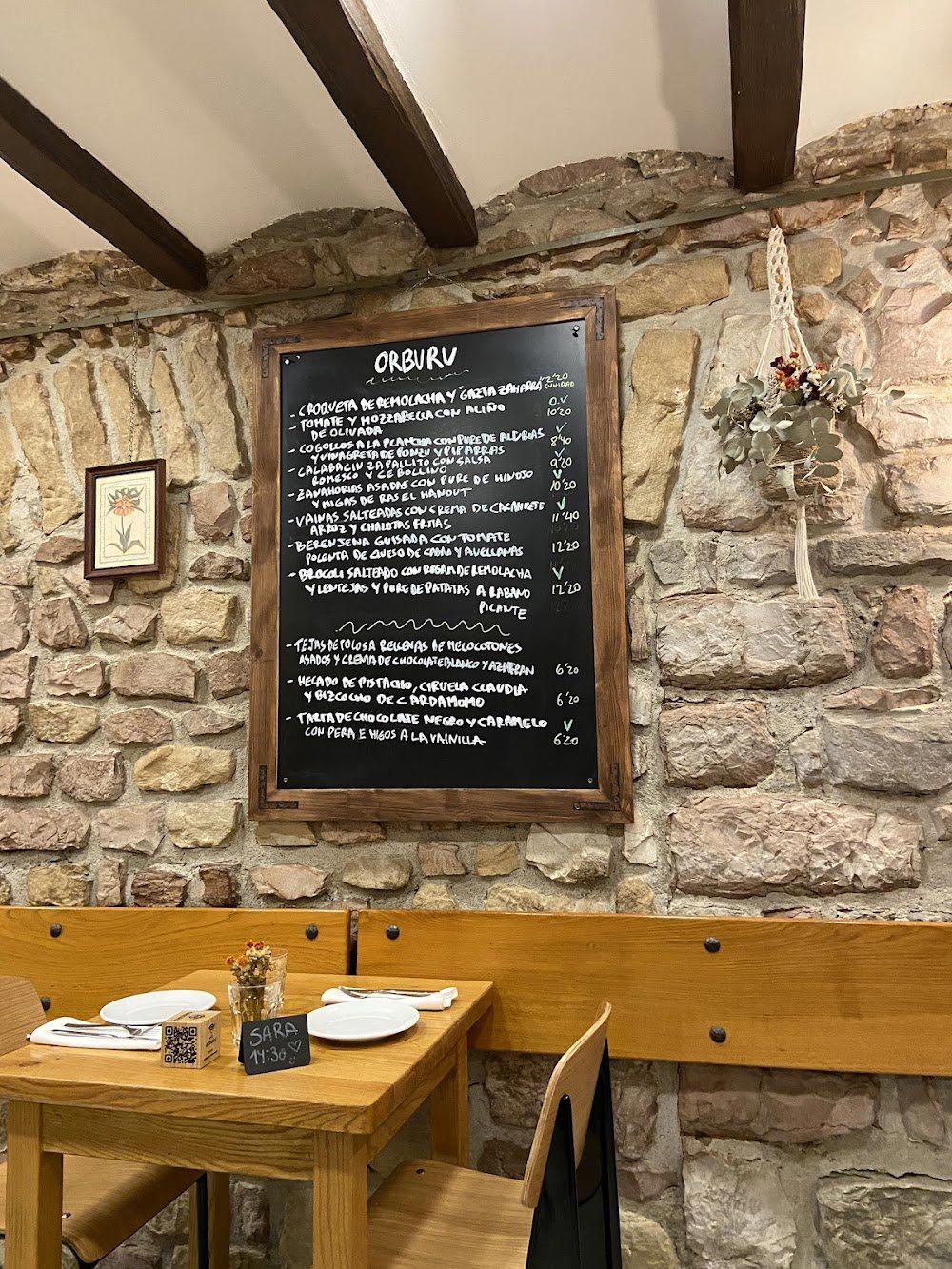
Orburu taberna sits on Calle Matia in the Antiguo neighbourhood of San Sebastián, a corner of the city where the pintxos bar tradition overlaps with a more grounded, ingredient-led approach to Basque cooking. The address places it away from the Old Town tourist circuit, in territory where locals set the pace and the sourcing tends to be more direct. For a city that benchmarks everything against its starred roster, Orburu operates in the register that actually defines daily life here.

Pearl is the En Primeur Club membership app, where members save venues, book tables and use the concierge.
Where the Neighbourhood Does the Work
Calle Matia runs through Antiguo, one of San Sebastián's residential districts on the western edge of the city, well clear of the Parte Vieja's concentrated bar-to-bar crawl. The callejón near Cruz Roja is the kind of address that requires a deliberate decision to find rather than a stumble off the tourist path. That geography is not incidental. In San Sebastián, where you eat often tells you as much as what you eat: the most telling meals in this city have always taken place in rooms where the clientele is predominantly local and the kitchen is accountable to a neighbourhood rather than a guidebook rating. Orburu sits in that register.
The Basque taberna format, which Orburu inhabits, occupies a specific and serious position in the city's food culture. It is not the pintxos bar of the Parte Vieja, where small plates are assembled and repriced by the hour for a rotating crowd. Nor is it the formal tasting-menu room of the kind that made San Sebastián's international reputation, a circuit that now includes three-Michelin-star institutions such as Arzak and Akelaŕe. The taberna sits between those poles: a place where cooking is taken seriously but the frame is convivial rather than ceremonial, where a dish of salt cod or a plate of grilled txipirones answers to the season and the morning market rather than to a printed concept.
Ingredient Sourcing as Editorial Statement
San Sebastián's culinary authority has always rested on a supply chain that most cities can only approximate. The Bay of Biscay delivers hake, kokotxas, anchovies, and bonito in quantities that make freshness a baseline expectation rather than a selling point. The Txingudi estuary and the inland valleys of Gipuzkoa add vegetables, peppers, and dairy from farms that have supplied the same restaurants and tabernas for generations. In this context, sourcing is not a marketing position; it is the minimum condition of credibility. A kitchen on Calle Matia operates inside that same system of expectation, where the provenance of a fish or the origin of a pepper is assumed knowledge between cook and regular rather than information that needs announcing.
This matters because it distinguishes the taberna tradition from the more globally mobile fine-dining model. Restaurants like Amelia by Paulo Airaudo or iBAi by Paulo Airaudo operate with creative ambition that references technique and influence from outside the Basque tradition. The taberna model works in the opposite direction, compressing the supply chain further and letting the ingredient carry most of the interpretive weight. When a kitchen in Antiguo serves bacalao al pil-pil or a txuleta aged and cut by a local butcher, the dish is a claim about sourcing discipline as much as about technique. The plate is legible to anyone who understands the ingredient, and that legibility is the point.
Spain's broader avant-garde dining circuit, represented nationally by places like El Celler de Can Roca in Girona, Mugaritz in nearby Errenteria, or DiverXO in Madrid, has consistently drawn international attention to the country's technical ambition. What that attention sometimes obscures is the depth of the infrastructure that supports it: the markets, the fishing ports, the cider-house culture, and the neighbourhood tabernas that maintain the ingredient standards the starred rooms depend on. Orburu belongs to that infrastructure tier.
The Antiguo Context
Antiguo is a residential neighbourhood, not a dining destination in the sense that the Old Town or the Gros waterfront have become. Eating here means eating alongside the people who live here, which carries its own logic. The rhythm is different: lunchtime has weight, the evening is unhurried, and the menu answers to what is available rather than to what would photograph well for a food platform. For visitors arriving from the starred circuit, that shift in register can feel abrupt. For those who have spent time in Basque food culture beyond the tasting-menu tier, it feels like the more honest version of the same set of values.
San Sebastián's broader dining map rewards those who move beyond the Parte Vieja's concentration. Kokotxa, which earned a Michelin star for its modern interpretation of traditional Basque recipes, is one example of a kitchen that operates with serious intent away from the headline venues: see the full entry for Kokotxa for comparison. The same outward movement characterises how serious eaters approach the city. A day might anchor on a reservation at Martin Berasategui in Lasarte-Oria or Azurmendi outside Bilbao, then decompress over something simpler and more direct in the evening. Orburu's address makes it a plausible answer to that second half of the day.
Planning a Visit
Orburu Taberna is located at Calle Matia 5 bajo, in the callejón near the old Cruz Roja address in the 20008 postcode of Donostia/San Sebastián. That model, where the taberna handles its own logistics on its own terms, is consistent with the neighbourhood's relationship to tourism: accommodating but not organised around it. Walking to the address from the city centre takes roughly fifteen to twenty minutes, or it is accessible by local bus from the Bulevar. Our full San Sebastián restaurants guide covers the wider city across price tiers and formats, and is the practical starting point for building an itinerary that includes both the starred institutions and the taberna tier.
For reference points in Spain's broader ingredient-led dining register, Aponiente in El Puerto de Santa María represents the most technically ambitious expression of marine sourcing in the country, while Ricard Camarena in València and Quique Dacosta in Dénia both demonstrate how seriously the Mediterranean coast takes the same sourcing discipline the Basque Country applies to the Atlantic. Cocina Hermanos Torres in Barcelona and Atrio in Cáceres extend the picture further. Internationally, the emphasis on sourcing specificity that defines the Basque taberna tradition finds loose equivalents in places like Le Bernardin in New York for its marine discipline, or Atomix for the rigour it applies to ingredient selection within a different cultural frame entirely.
Frequently asked questions
Is Orburu suitable for children?
Orburu sits in Antiguo, a residential San Sebastián neighbourhood where locals eat with their families as a matter of routine. A taberna format in this district tends toward relaxed, unpretentious settings rather than formal dining rooms, which generally makes it accessible for children. That said, phone and hours data are not published, so confirming the visit in advance is advisable.
What should I expect atmosphere-wise at Orburu?
Antiguo is a working residential district on San Sebastián's western edge, and Orburu sits in the callejón off Calle Matia 5, away from the Parte Vieja's concentrated bar traffic. The setting reads as a neighbourhood taberna used by locals rather than a destination built around visitors. Expect a room where the rhythm is set by regulars, not itineraries.
Is Orburu Taberna in San Sebastián worth visiting if you're staying outside the Old Town?
Orburu's address at Calle Matia 5 bajo in the 20008 postcode places it in Antiguo, a district that sees little tourist foot traffic despite sitting within San Sebastián city limits. For visitors staying west of the centre or those wanting to eat where the neighbourhood actually eats rather than where guides point, the location makes practical sense. It is the kind of Basque taberna that the Parte Vieja's reputation obscures, operating in a residential context where the supply chain is the same but the audience is entirely local.
What should I order at Orburu?
San Sebastián's supply infrastructure, the Bay of Biscay for hake and kokotxa, market networks feeding the wider Basque kitchen, means tabernas in this city operate with ingredient quality that urban dining rooms elsewhere spend considerable effort replicating. Orburu's menu specifics are not published, but a Basque taberna in this postcode will typically anchor its offering in the day's catch and locally sourced produce. Ordering what the kitchen has committed to that morning is the standard approach.
What part of town is Orburu in?
Orburu is located at Orburu taberna Calle Matia 5 bajo, callejon cruz roja (antiguo, 20008 Donostia / San Sebastián, Gipuzkoa, Spain, San Sebastián.
Comparable Venues
Comparable venues nearby, for context on price, style, and recognition.
| Venue | Cuisine | Price | Awards | Notes |
|---|---|---|---|---|
| OrburuThis venue (the venue you are viewing) | Modern Vegetarian Mediterranean | Not listed | Not listed | Not listed |
| Geralds Bar | Modern Basque Small Plates | $30–50 | Macarfi 7.4 Food Rating · Opinionated About Dining Casual in Europe | Gros |
| Asador Portuetxe | Traditional Basque Asador | $50–100 | Macarfi 8.1 Food Rating | Antiguo |
| Aizepe Elkartea | Traditional Basque Society / Pintxos | $20–30 | Not listed | old town |
| Sirimiri Gastroleku | Modern Basque Pintxos Bar | $20–30 | Not listed | Old Town |
| Bodega Donostiarra | Traditional Basque Pintxos & Tapas | $20–30 | Not listed | Gros |
Continue exploring
More in San Sebastián
Restaurants in San Sebastián
All restaurants in San Sebastián →

Details
- Cozy
- Modern
- Intimate
- Date Night
- Special Occasion
- Open Kitchen
- Extensive Wine List
- Local Sourcing
- Small Plates
- Vegetarian Friendly
- Vegan Options
- Gluten Free Options
Current opening hours
- Monday
- Closed
- Tuesday
- Closed
- Wednesday
- Closed
- Thursday
- Closed
- Friday
- Closed
- Saturday
- Closed
- Sunday
- Closed
Hours can change for holidays and private events. Hours as of .
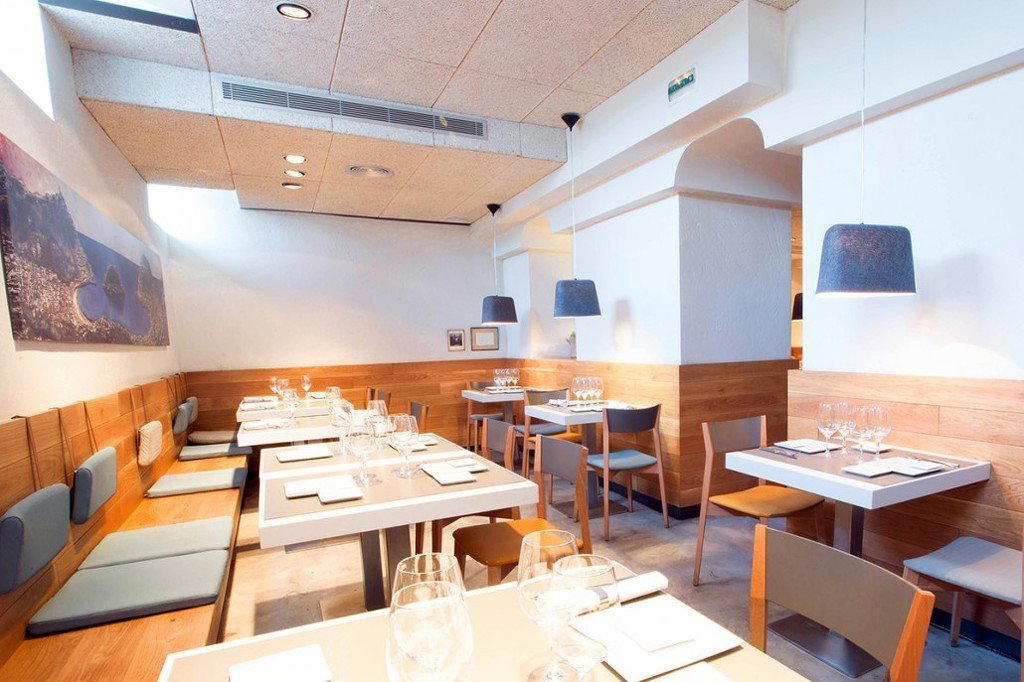
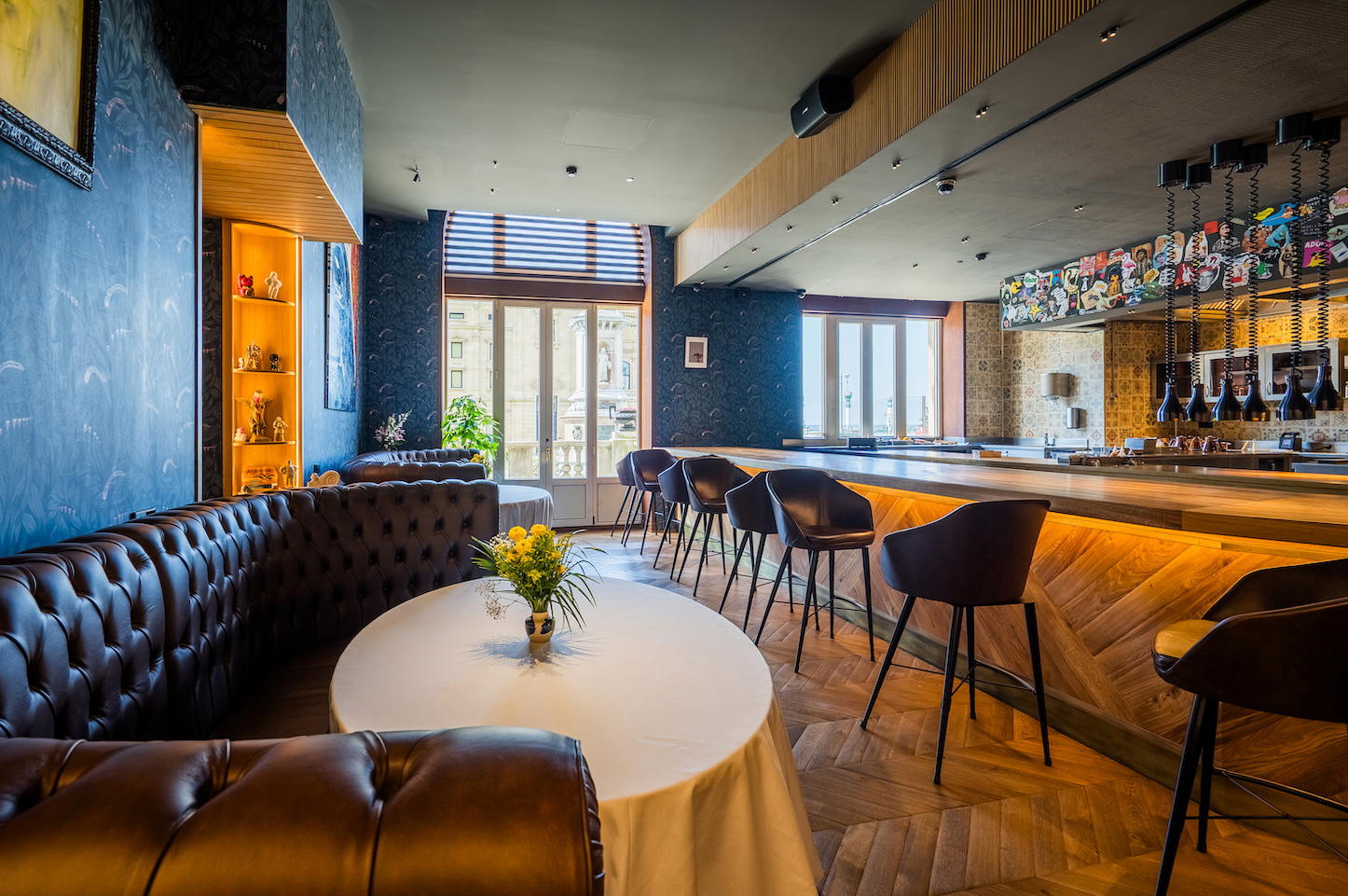
Cozy and approachable atmosphere with a focus on innovative vegetarian cuisine.