BIDELUZE KAFE TABERNA
Bideluze Kafe Taberna occupies a corner of Gipuzkoa Plaza in San Sebastián's old quarter, operating in the kafe-taberna tradition that defines Basque street-level drinking culture. The format sits between a neighbourhood bar and a pintxos stop, drawing a mix of locals and visitors who treat the plaza as a social stage across most of the day and into the evening.
Pearl is the En Primeur Club membership app — saves, bookings, and concierge access live there. Same editors, same standards.
- Address
- Gipuzkoa Plaza, 14, 20004 Donostia / San Sebastián, Gipuzkoa, Spain
- Phone
- +34 943 42 28 80
- Directions
- Get directions
 Saves & bookings on Pearl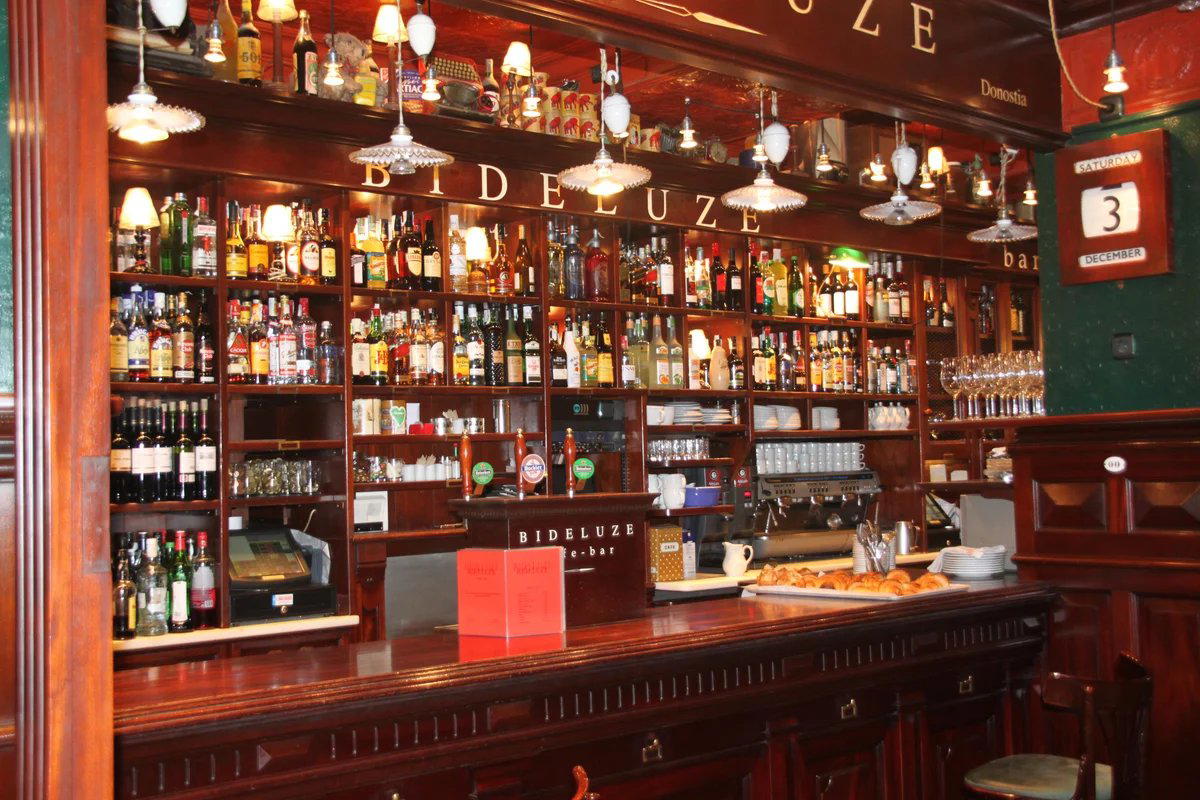
Gipuzkoa Plaza and the Kafe-Taberna Format
San Sebastián's old town runs on a specific social logic. The Parte Vieja is not organised around destination restaurants or cocktail bars with reservation queues; it is organised around the kafe-taberna, a Basque institution that operates as café, bar, and community room simultaneously. These spaces open early, serve coffee and pastries to the working crowd before noon, pivot to pintxos and txakoli by early afternoon, and hold a drinking floor well into the night. Bideluze Kafe Taberna is a bar at Gipuzkoa Plaza, 14, in San Sebastián, and it operates inside that tradition rather than against it.
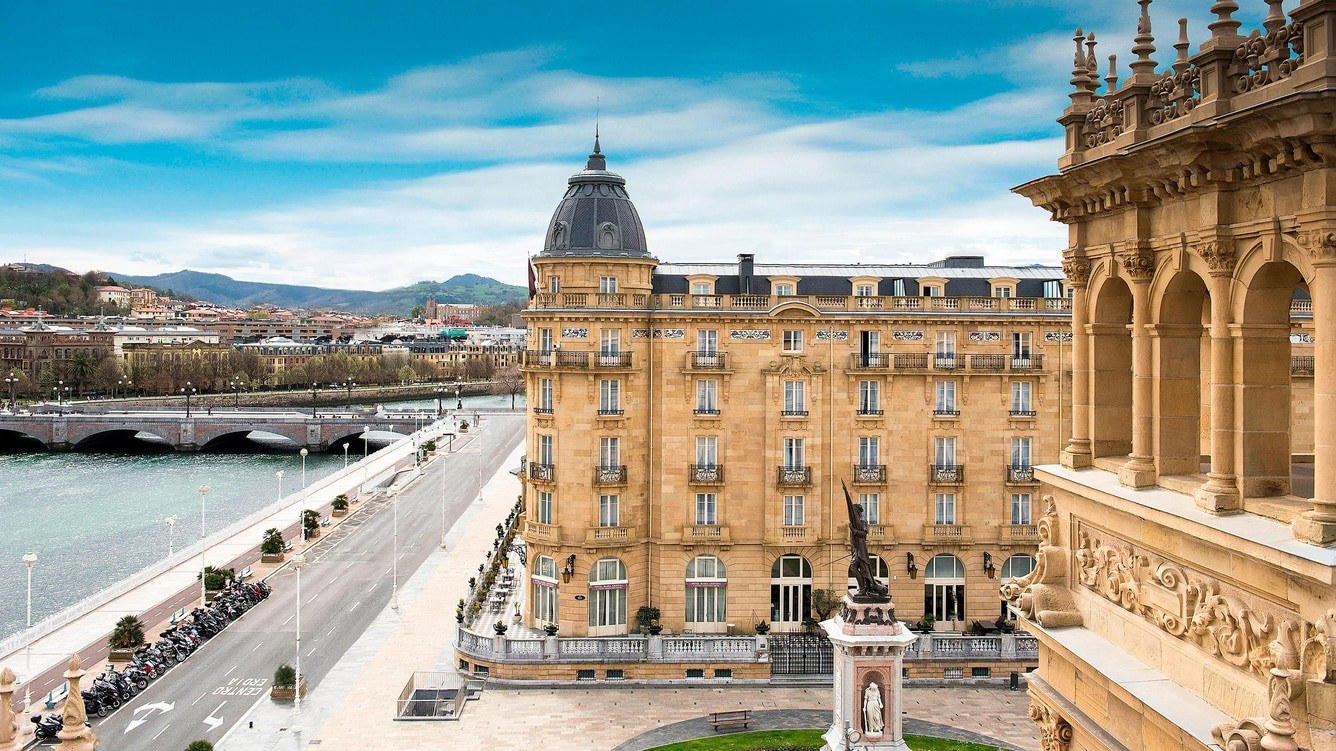
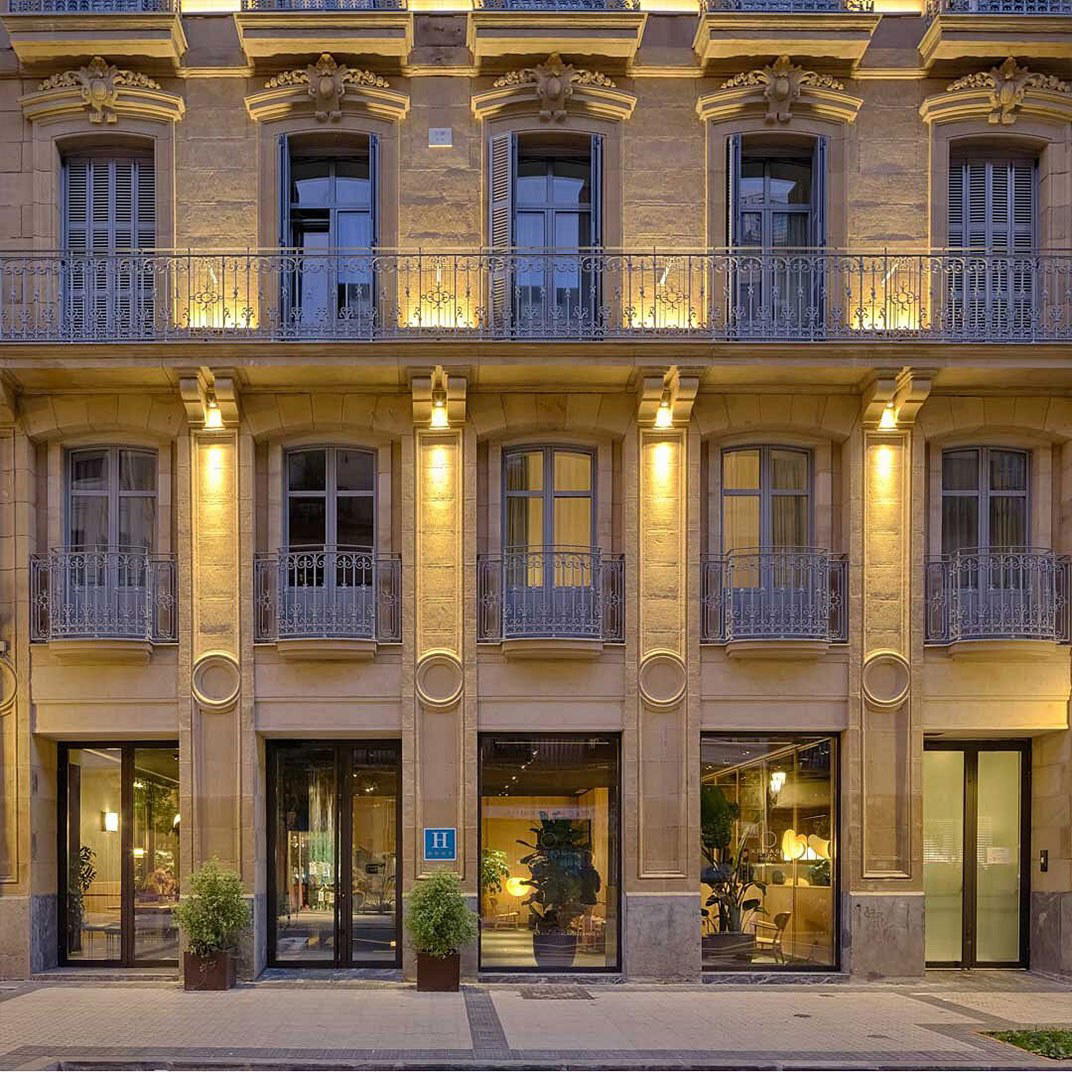
The plaza itself sets the register before you push open the door. Gipuzkoa Plaza is one of the old quarter's more open public spaces, which in the Parte Vieja means it functions as an outdoor extension of the bars that ring it. On warm evenings from late spring through September, the terrace seating that spills into the plaza becomes the primary social surface. The stone facades, the ambient noise of the square, and the compression of several generations of the same neighbourhood using the same space at the same time give this corner of Donostia a texture that few purpose-built hospitality concepts manage to replicate.
What the Kafe-Taberna Offers the Visitor
In a city where the bar counter is a serious piece of civic infrastructure, the kafe-taberna format rewards a particular kind of visitor attention. The counter at venues like Bideluze is where you read the room: what locals are drinking, which pintxos are moving fastest, whether the txakoli is being poured from height in the traditional Basque fashion to aerate the wine and build the characteristic light froth. The format is intentionally low-ceremony. You order at the bar or signal a waiter, you eat standing or pull a stool, and you move on or stay for another round as the mood dictates.
That informality is not accidental. It reflects a Basque social philosophy about eating and drinking being a continuous, communal activity rather than a structured event. San Sebastián's bar density in the Parte Vieja, which runs to dozens of counters within a few hundred metres, is the physical expression of that philosophy. Places like Bideluze sit alongside Akerbeltz, Antonio taberna, Atari Gastrolekua, and Bar Ciaboga in a dense competitive set where the differences between venues are often about position, crowd, and ambience as much as food or drink quality.
The Sensory Register of the Parte Vieja
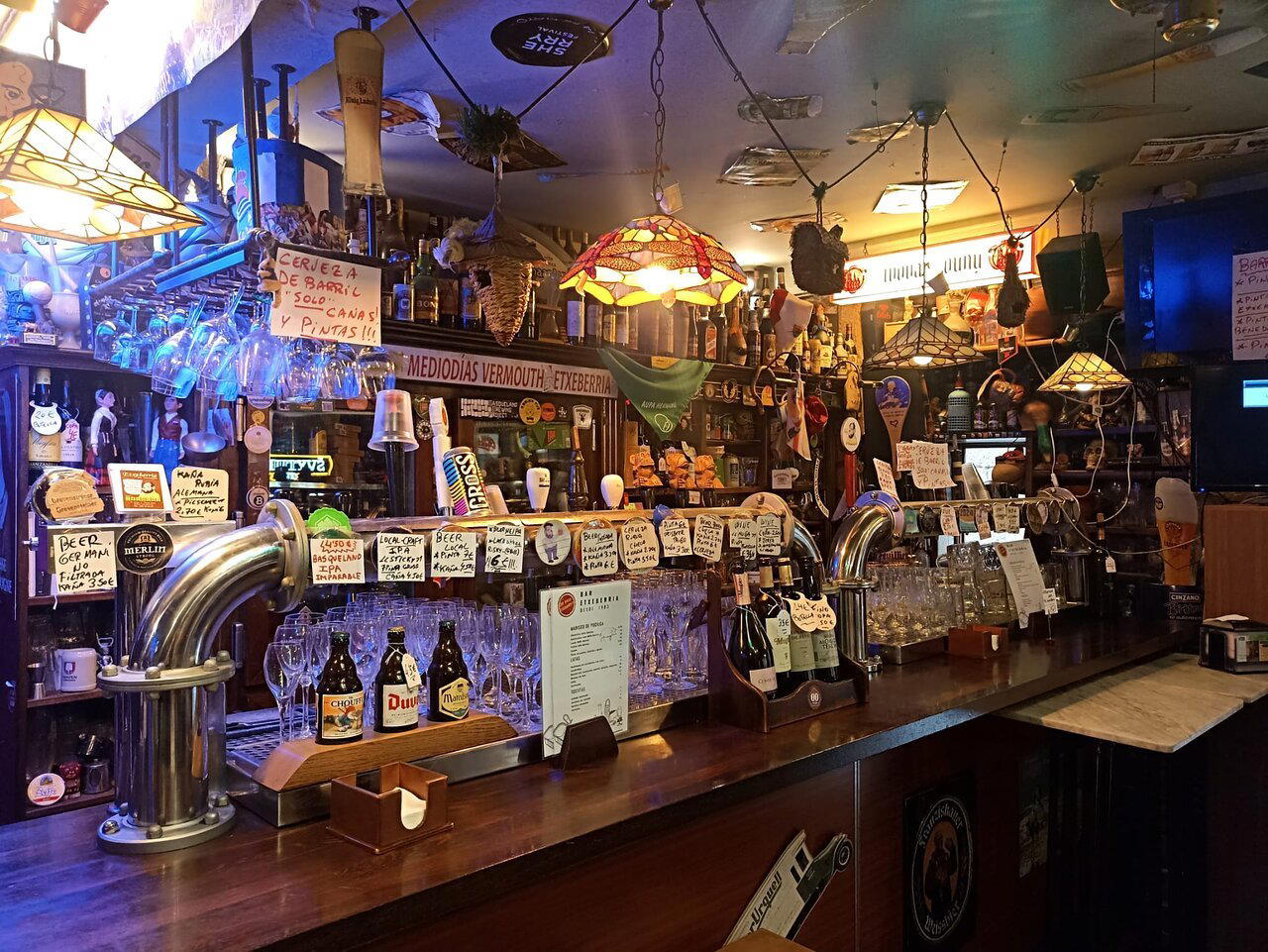
Approaching Bideluze from the narrow lanes of the old quarter, the shift onto Gipuzkoa Plaza produces an immediate change in sound. The acoustics open up, conversations carry further, and the hum of the bar interior bleeds outward through the doorway. Inside, the sensory register typical of a Basque kafe-taberna takes over: coffee machine steam, the sharp mineral smell of txakoli opened at the counter, the particular percussion of pintxos trays being restocked on the bar leading.
In autumn, when the pintxos season moves toward heartier preparations using local mushrooms, salt cod, and game, the smell profile of these bars shifts noticeably. That seasonal turn in San Sebastián, roughly from October onward, coincides with a drop in tourist volume and a return of the bar trade to its predominantly local composition. For visitors timing their arrival around that shift, the atmosphere in a kafe-taberna like Bideluze reads differently than it does in July or August, when the Parte Vieja absorbs significant tourist density.
Placing Bideluze in the Broader Spanish Bar Scene
Spain's drinking and bar culture varies considerably by region, and the Basque model is among the more cohesive. The kafe-taberna sits at the informal end of the spectrum, distinct from the cocktail-forward formats emerging in Madrid, where Angelita in Madrid operates with a more technical and cellar-driven program, or from historic cocktail institutions like Boadas in Barcelona. The Mediterranean bar scene, represented by venues like Garito Cafe in Palma De Mallorca, or Andalusian formats found at Bar Sal Gorda in Seville and Bar Gallardo in Granada, each carry their own regional logic. The Basque format prioritises counter speed, communal standing, and the pintxos-txakoli pairing over curated cocktail lists or extensive wine programs. It is a social format first, a food format second.
For comparison outside Spain, the kafe-taberna format shares some DNA with the low-intervention neighbourhood bar philosophy visible at places like La Margarete in Ciutadella or, at greater distance, the deliberate approachability of Bar Leather Apron in Honolulu, though the Basque version operates without any of the cocktail program ambition those venues maintain.
Planning a Visit
Bideluze Kafe Taberna is located at Gipuzkoa Plaza, 14, in the heart of the Parte Vieja. The address places it within easy walking distance of the old town's central arteries and the waterfront. As with most kafe-tabernas in the quarter, the practical approach is to arrive without a reservation expectation: the format does not typically operate on a booking system. The Parte Vieja is walkable from the Zurriola and La Concha beach areas, and the bar density means any visit to this corner of the city naturally involves several stops across a short distance. For a fuller orientation to what San Sebastián's bar and restaurant scene looks like across all formats and price points, the full San Sebastián restaurants guide provides a mapped overview.
Peers in This Market
Comparable venues nearby, for context on price, style, and recognition.
| Venue | Cuisine | Price | Notes |
|---|---|---|---|
| BIDELUZE KAFE TABERNAThis venue — the venue you are viewing | pub | $$ | Not listed |
| Pokhara taberna | pub | $$ | Centro |
| Campero taberna | pub | $$ | San Sebastián |
| La Madame | cocktail_bar | $$$ | Centro |
| Txurrut Terraza Puba | pub | $$ | Constitución Plaza |
| DIZ TABERNA | pub | $$ | San Sebastian |
Continue exploring
More in San Sebastián
Bars in San Sebastián
Browse all →
Restaurants in San Sebastián
Browse all →
At a Glance
- Cozy
- Lively
- Casual Hangout
- Terrace
- Outdoor Terrace
- Lounge Seating
- Classic Cocktails
- Street Scene
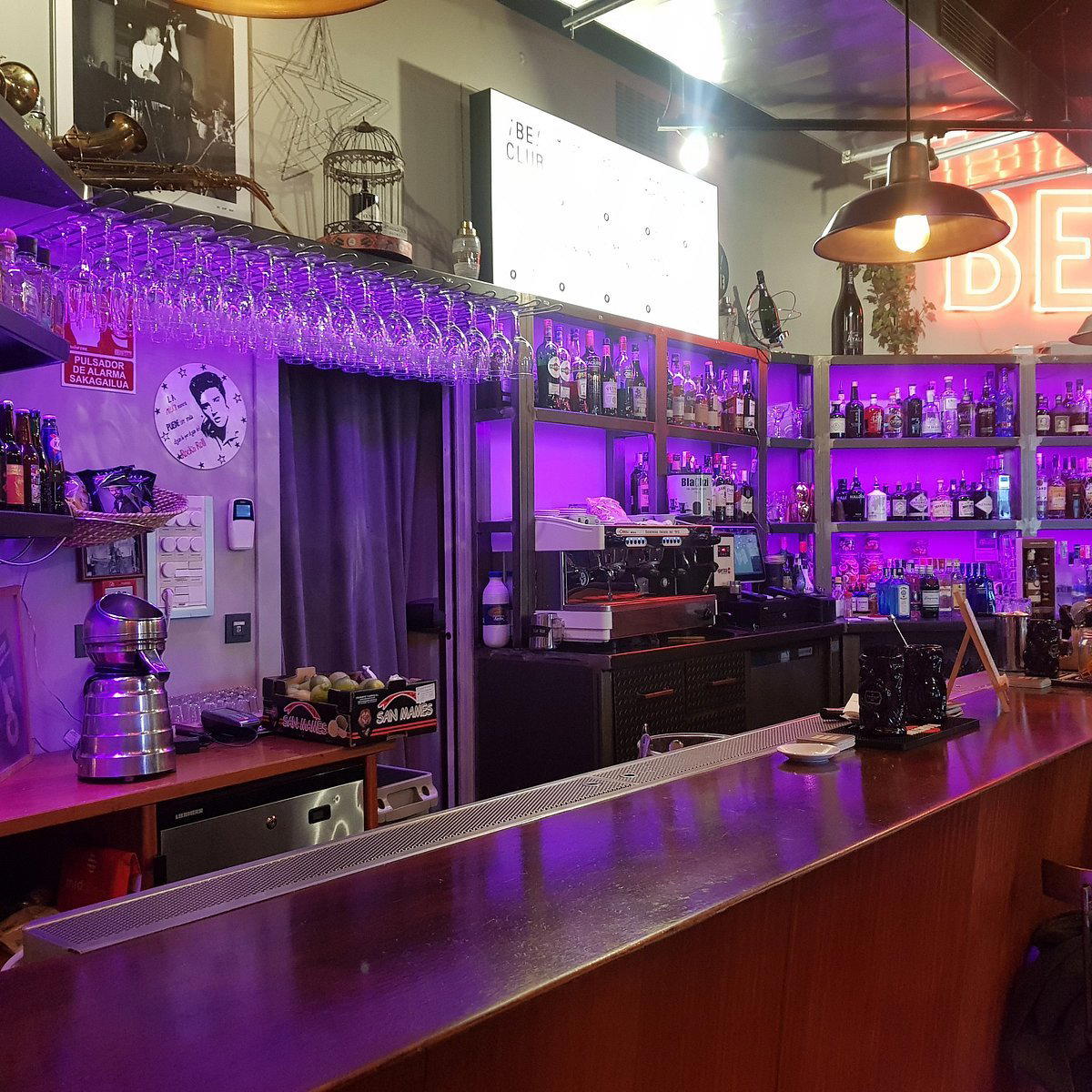
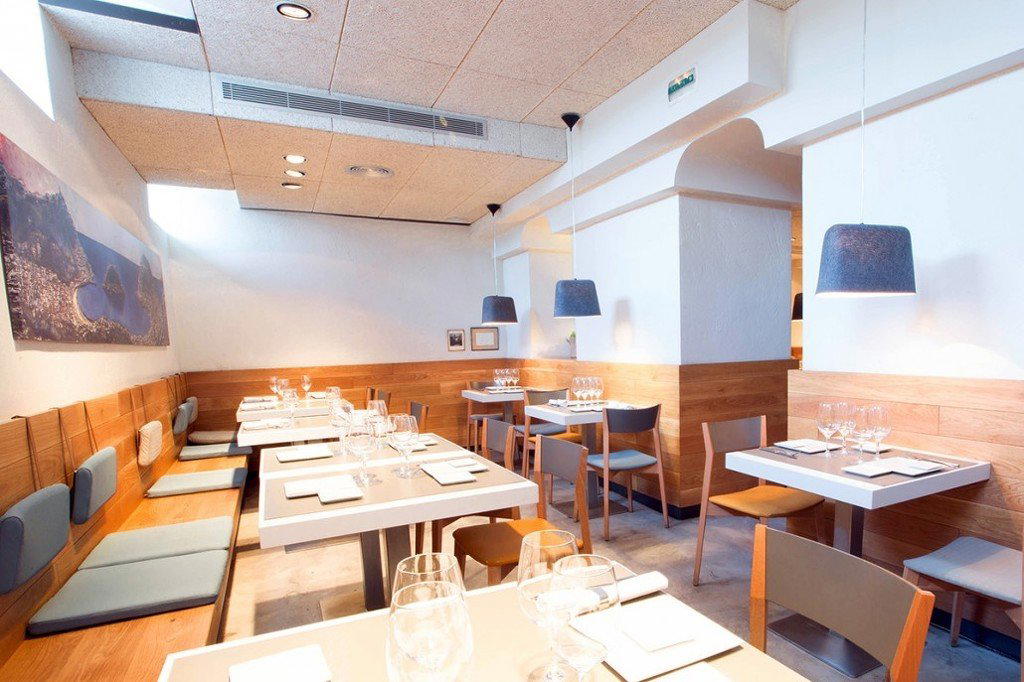
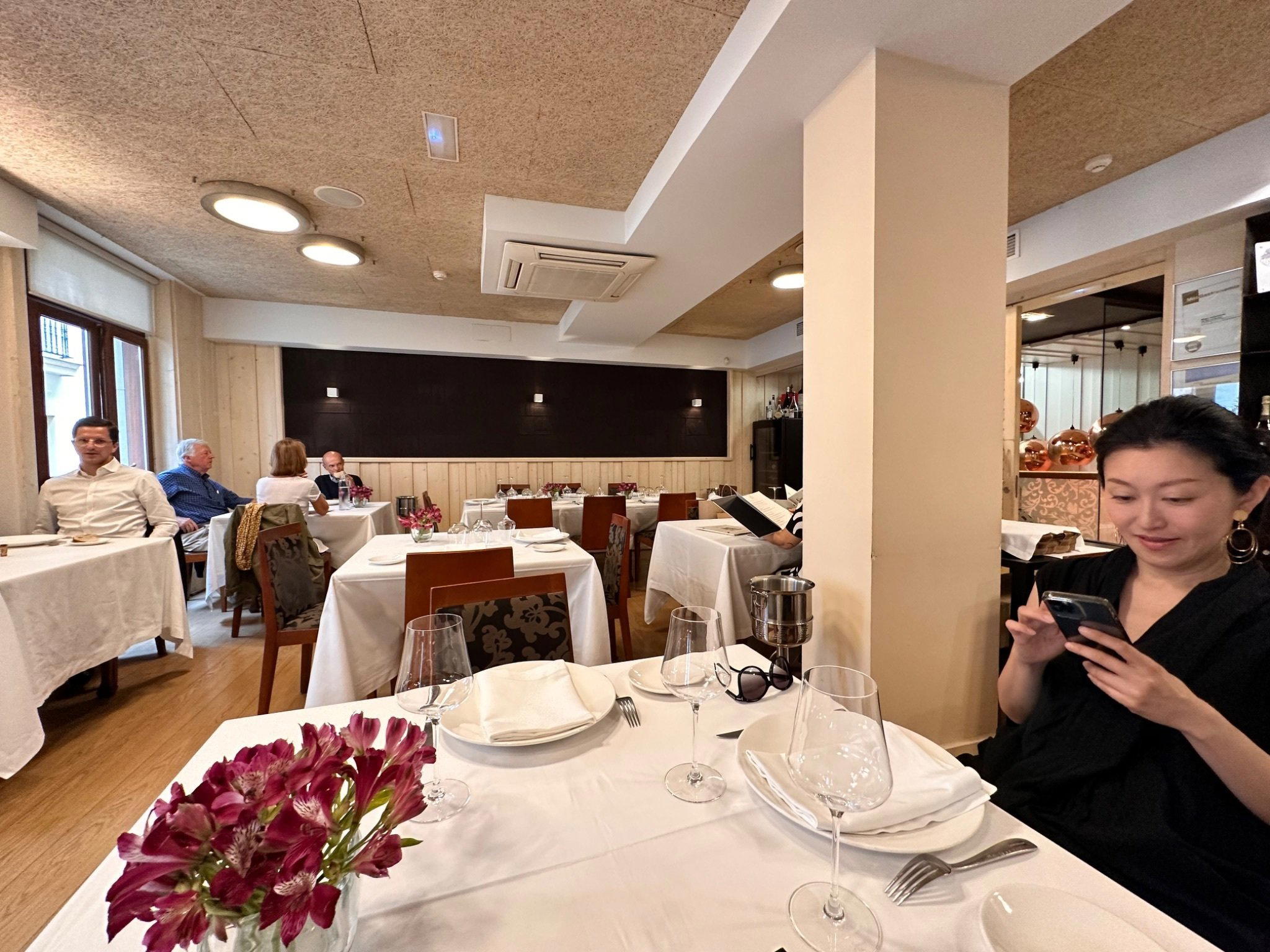
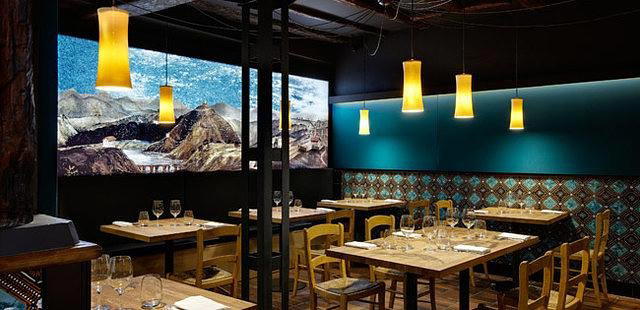
Relaxed atmosphere with good pop music, attentive staff, and charming terrace with street views.