Sirimiri Gastroleku
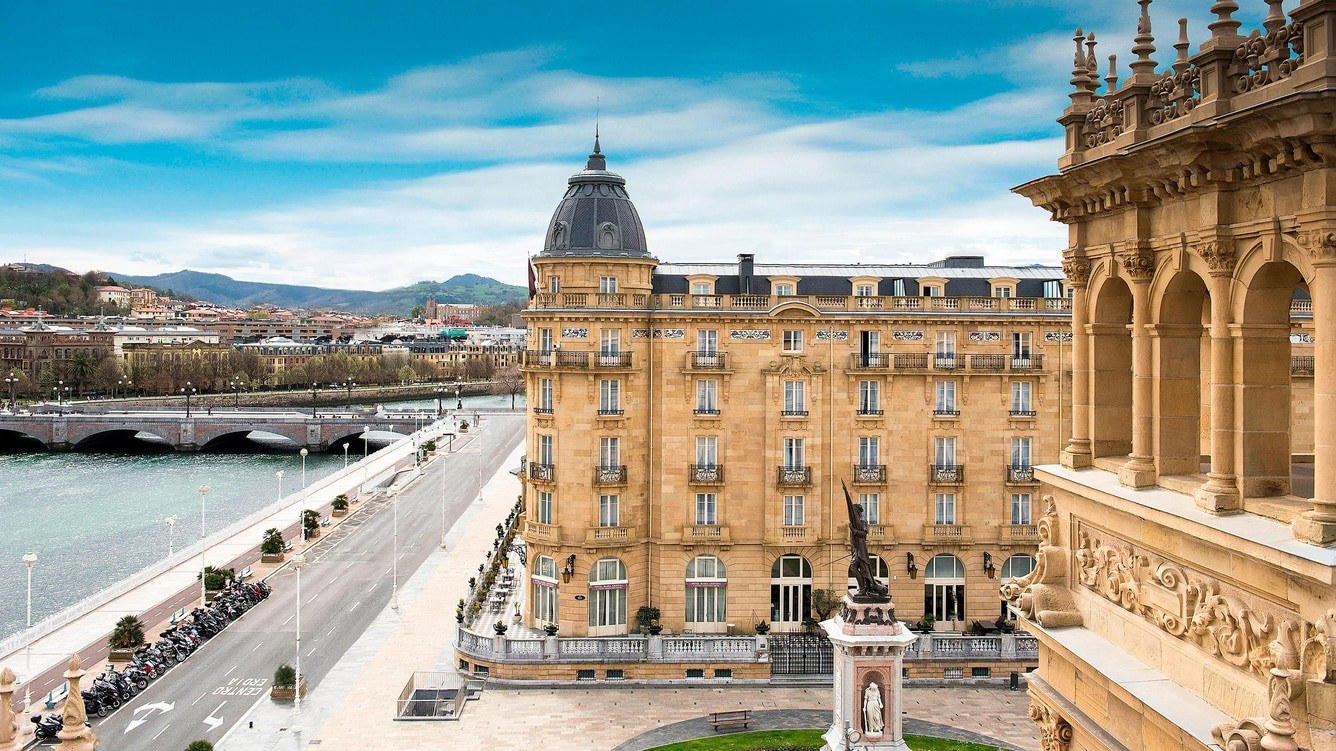
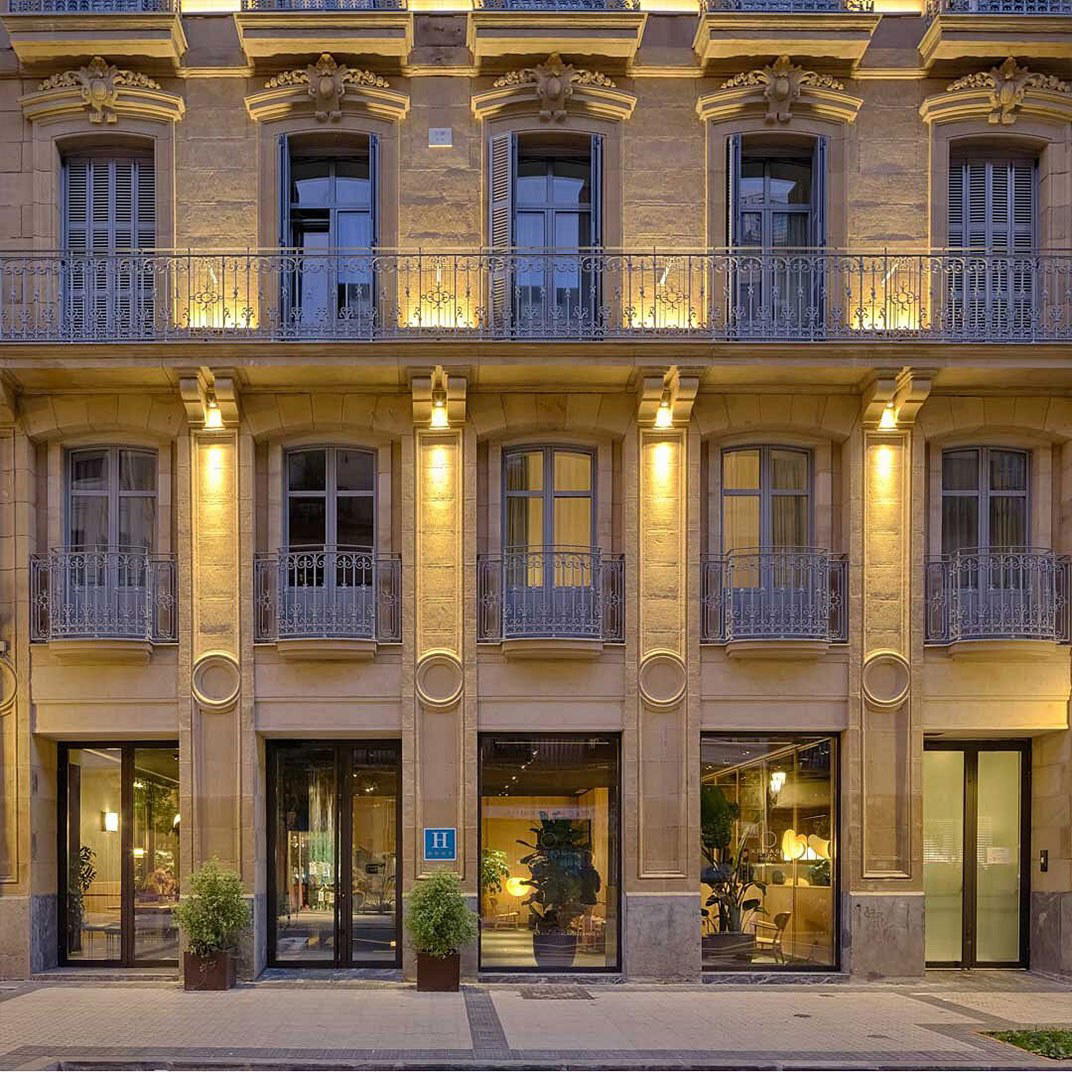
Sirimiri Gastroleku occupies a corner of San Sebastián's Parte Vieja at Calle Mayor 4, placing it inside one of Spain's most competitive dining neighbourhoods. The address alone signals intent: this is a city where the bar for serious eating is set by txoko tradition, pintxo culture, and proximity to multiple Michelin-starred rooms. Visitors planning a milestone meal in the Basque Country should have it on their shortlist.
Pearl is the En Primeur Club membership app — saves, bookings, and concierge access live there. Same editors, same standards.
- Address
- C. Mayor, 4, 20003 Donostia / San Sebastián, Gipuzkoa, Spain
- Phone
- +34 854 62 36 12
- Website
- sirimirigastroleku.com
- Directions
- Get directions
 Saves & bookings on Pearl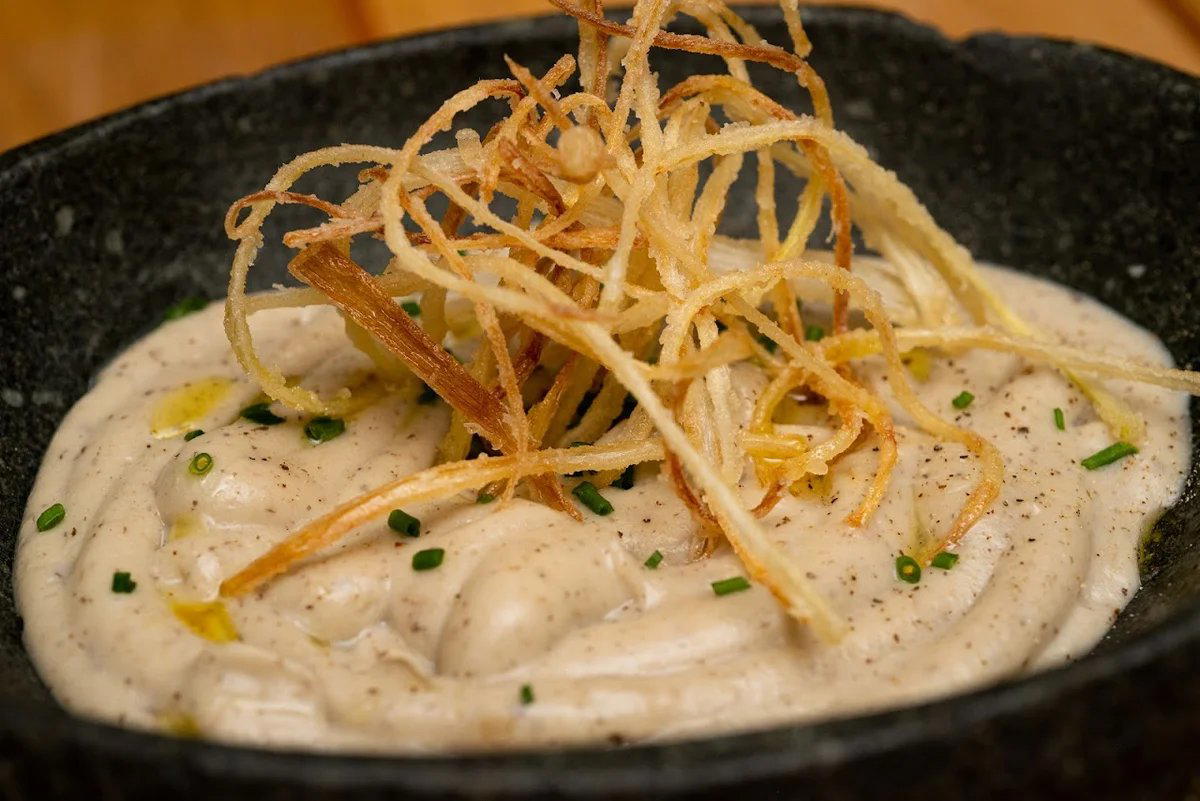
Calle Mayor and the Weight of Occasion in San Sebastián
San Sebastián is a city where dining decisions carry real weight, from the casual txikiteo crawl through the Parte Vieja to the weeks-in-advance reservation at a formal tasting counter. Against that backdrop, choosing where to mark a birthday, an anniversary, or a significant gathering is not a trivial question. The city's old quarter, where Sirimiri Gastroleku sits at Calle Mayor 4, concentrates an unusually dense run of serious options within a few hundred metres of each other. The street itself is a through-line connecting the cathedral square to the fishing port, and restaurants along it compete not only on cooking but on atmosphere and occasion-readiness.
The name "Sirimiri" is distinctly Basque: it refers to the soft, persistent drizzle that defines the region's Atlantic climate, the kind that softens the stone facades of the old city and keeps the air cool even in summer. Using it as a name signals a deliberate rootedness in local identity rather than a play for international anonymity. In a neighbourhood where pintxo bars and formal dining rooms coexist within arm's reach, that positioning matters when you are choosing a room for a meal with meaning.
Where Sirimiri Gastroleku Sits in the Basque Occasion-Dining Tier
Occasion dining in the Basque Country operates across a wide range, from the white-tablecloth formality of rooms like Arzak in San Sebastián or Mugaritz in Errenteria to the more relaxed but still considered gastroleku format, a Basque term broadly meaning "gastronomic place" that implies cooking taken seriously without necessarily committing to a full tasting-menu ceremony. The gastroleku category tends to attract diners who want the substance of a real kitchen without the orchestrated formality of a twelve-course progression. It is a format built for conversation and presence at the table, which makes it well-suited to the kind of meals people remember.
Within the Parte Vieja specifically, venues like Astelena and Aizepe Elkartea operate in a similar register, anchoring the old quarter's mid-to-upper dining tier alongside options such as Aldamar Kalea and Bodega Donostiarra Gros. This cluster gives San Sebastián's old town a genuine density of occasion-appropriate rooms, rather than a single destination venue surrounded by tourist traps. The competition is real, and it keeps standards high across the neighbourhood.
Spain's most decorated rooms sit further afield or in other cities: El Celler de Can Roca in Girona, DiverXO in Madrid, Martin Berasategui in Lasarte-Oria, and Azurmendi in Larrabetzu represent the country's highest-starred tier. But not every significant meal calls for that level of orchestration. The gastroleku format fills a gap that formal tasting menus cannot: it allows for longer, unhurried tables, a glass or two chosen from the menu rather than a paired flight, and the kind of gathering where the event itself, not the theatre of service, is the focus.
The Basque Cooking Tradition Behind the Address
Basque cuisine has a dual character that rarely gets articulated clearly. On one side sits the high-modernist tradition, built on technique and biological curiosity, associated internationally with the region through decades of creative cooking. On the other sits the older current: produce-led, sea-focused, built on careful sourcing from the Bay of Biscay and the interior valleys, and expressed through a cooking sensibility that prizes the ingredient over the intervention. A gastroleku in the Parte Vieja is more likely to draw from the second tradition, where the season and the market define the menu rather than a fixed carte. That kind of kitchen requires discipline and buying relationships that take years to build.
San Sebastián's position on the coast keeps fish central to its cooking identity. The Bay of Biscay supplies turbot, hake, anchovies, and spider crab to kitchens across the city, while the inland Basque provinces contribute lamb, txistorra, and a vegetable tradition centred on dried beans, peppers, and leeks. At rooms in the Calle Mayor corridor, the interplay between these two geographies often shapes what arrives at the table across a multi-course meal. It is a narrower, more specific culinary language than pan-Spanish cooking, and for a group gathering to mark a specific occasion, that specificity is part of what makes the meal feel located rather than generic.
Planning a Milestone Meal Here
San Sebastián's dining culture rewards planning. The better rooms in the old quarter often fill weeks ahead, particularly on Friday and Saturday evenings from April through October. Venues in the gastroleku tier tend to have shorter booking windows than the city's starred rooms, but demand in high season means that leaving a reservation to chance is a risk worth avoiding for any meal with a fixed date attached to it. Arriving without a booking on a Saturday evening in July or August and expecting to find a table at a serious kitchen is, in this city, optimistic.
Those planning a broader Spanish eating trip alongside their time in the Basque Country might also consider Quique Dacosta in Dénia, Aponiente in El Puerto de Santa María, Ricard Camarena in València, or Cocina Hermanos Torres in Barcelona, each of which represents a different regional expression of serious Spanish cooking. For international benchmarks in occasion dining, Le Bernardin in New York City and Lazy Bear in San Francisco illustrate how the communal, occasion-oriented format travels across culinary cultures. Equally, Casa Senra Donostia offers another angle on the city's serious dining tier for those building a longer itinerary.
Booking and Cost Snapshot
Comparable venues nearby, for context on price, style, and recognition.
| Venue | Cuisine | Price | Notes |
|---|---|---|---|
| Sirimiri GastrolekuThis venue — the venue you are viewing | Old Town, Modern Basque Pintxos Bar | $$ | Not listed |
| Hidalgo 56 | Gros, Modern Basque Pintxos | $$ | Not listed |
| Cuchara de San Telmo | Parte Vieja, Modern Basque Pintxos | $$ | Not listed |
| Bodega Donostiarra Gros | Gros, Traditional Basque Pintxos | $$ | Not listed |
| Drinka | Gros, Basque Pintxos | $$ | Not listed |
| Bar Martinez | Not listed | $$ | Parte Vieja (Old Town), Traditional Basque Pintxos |
Continue exploring
More in San Sebastián
Restaurants in San Sebastián
Browse all →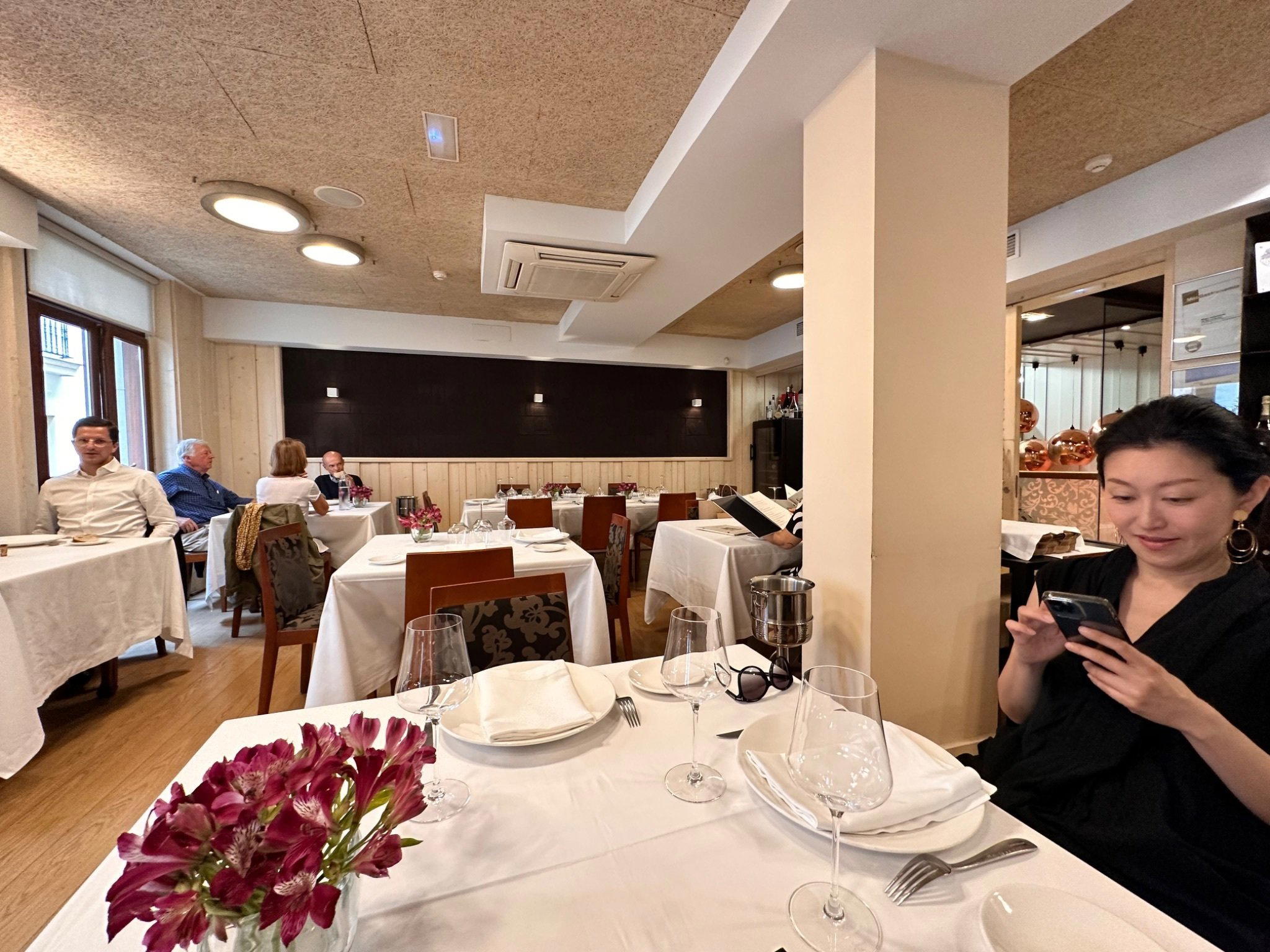
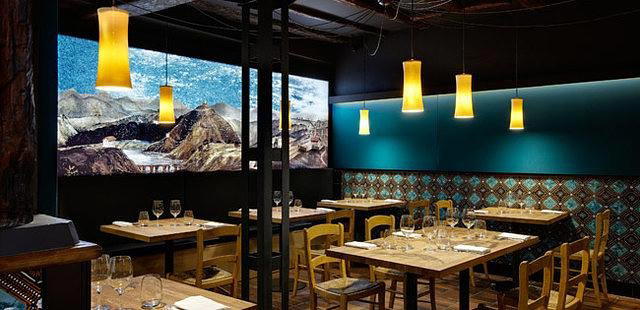
Bars in San Sebastián
Browse all →
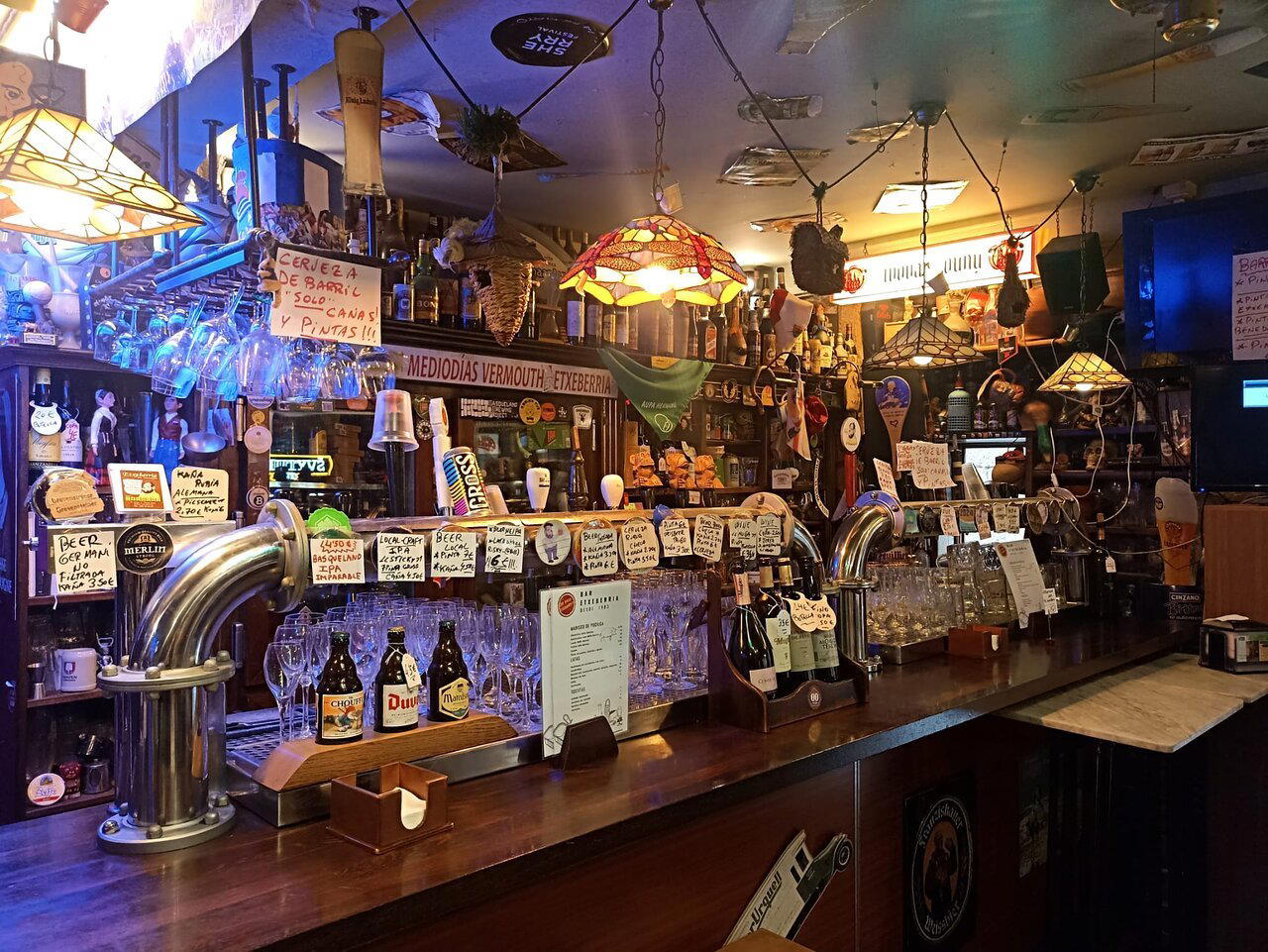
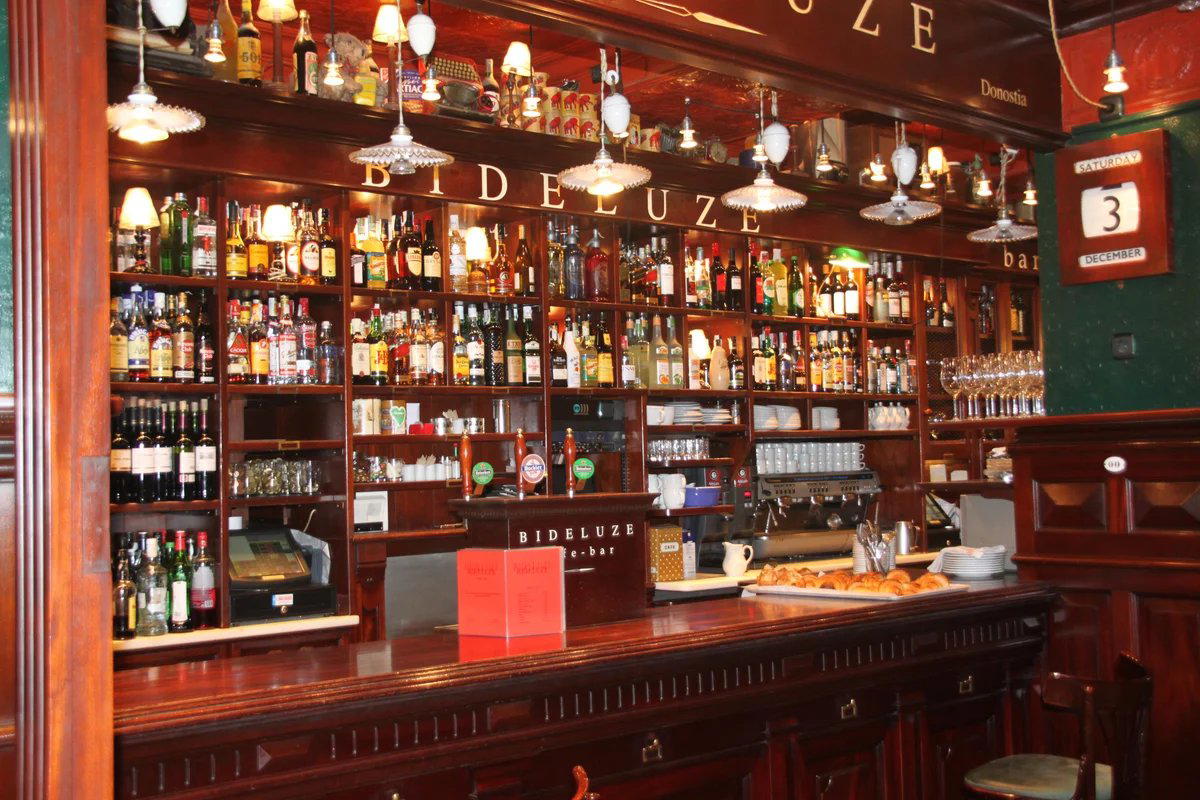
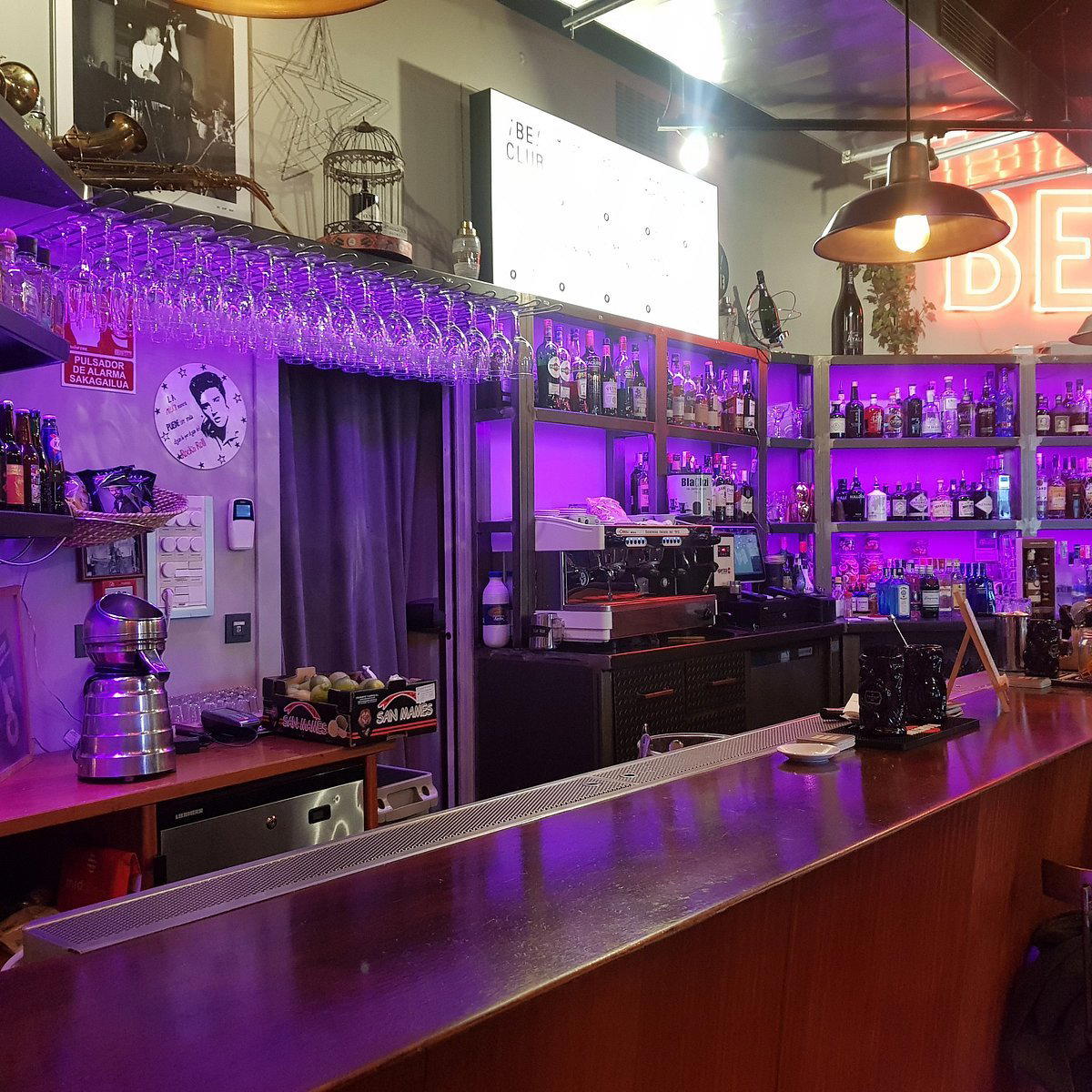
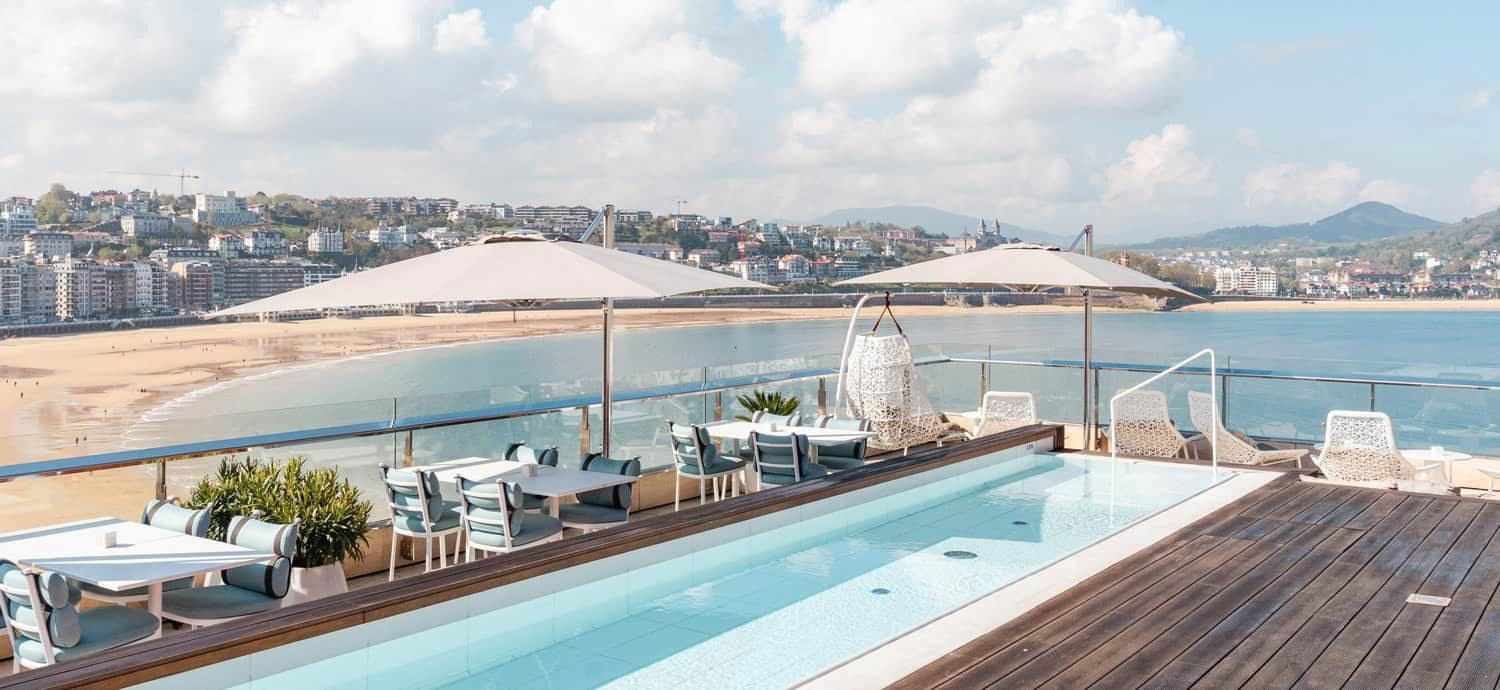
At a Glance
- Cozy
- Lively
- Trendy
- Casual Hangout
- Date Night
- Group Dining
- Open Kitchen
- Craft Cocktails
Current opening hours
- Monday
- 12–11:30 PM
- Tuesday
- 12–11 PM
- Wednesday
- Closed
- Thursday
- 12–11:30 PM
- Friday
- 12 PM–12:30 AM
- Saturday
- 12 PM–12:30 AM
- Sunday
- 12–11:30 PM
Hours can change for holidays and private events. Last verified .