Haizea
Haizea occupies a corner of the Parte Vieja that rewards those who treat San Sebastián's bar culture as a serious discipline rather than a backdrop. The cocktail programme here operates in the more technically demanding register that has quietly reshaped Basque drinking culture over the past decade, making it a useful reference point for anyone mapping the city's evolution beyond pintxos and wine.

Pearl is the En Primeur Club membership app, where members save venues, book tables and use the concierge.
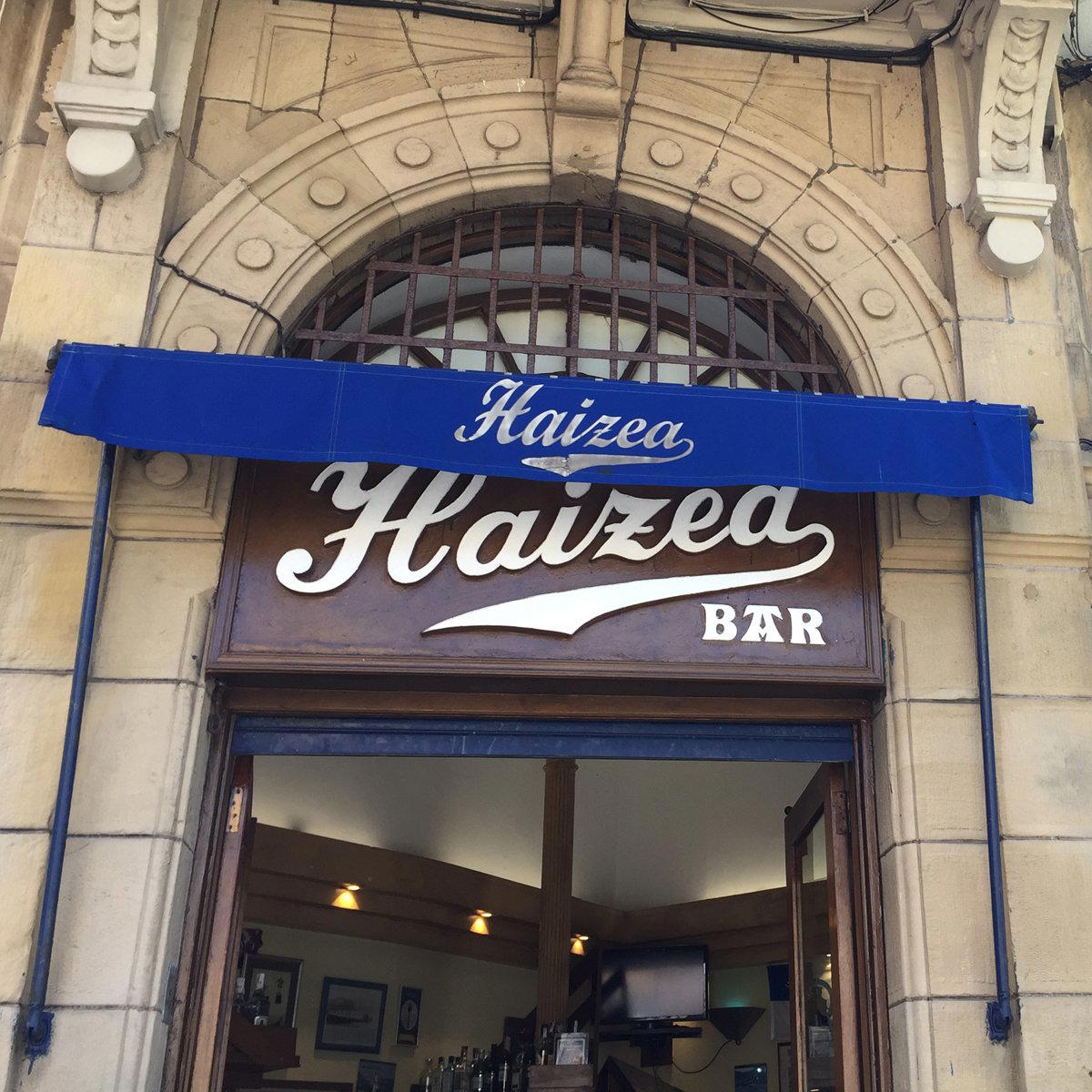
Where the Old Quarter Meets a Newer Kind of Glass
The Parte Vieja in San Sebastián is one of the most studied drinking districts in Europe, and not just because the pintxos bars are photogenic. The narrow grid between the cathedral and the harbour has spent decades developing a bar culture with genuine internal logic: short rounds, standing at the counter, moving on. What has changed in recent years is the category of drink at the centre of that ritual. Cocktail bars have arrived in the old quarter not as a foreign imposition but as an extension of the same local precision that made the food here worth the attention of a generation of chefs. Haizea, on Aldamar Kalea, sits inside that shift.
The address itself carries weight. Aldamar Kalea runs through the heart of the Parte Vieja, close enough to the waterfront that the evening crowd has already done a round or two of the pintxo bars before the serious drinking starts. This is not a destination that requires a taxi. It is the kind of place you arrive at on foot, as part of a longer evening, and it benefits from that logic. The physical approach, narrow street, warm light spilling out, the low hum of conversation, is consistent with the bar culture the neighbourhood has always sold. What changes is the ambition behind the back bar.
The Cocktail Programme as Editorial Statement
Across Spain, the cocktail bar has matured considerably. In Madrid, places like Angelita have pushed the conversation toward natural wine and low-intervention spirits as the philosophical backbone of a drinks programme. In Barcelona, Boadas offers a different kind of lesson, the value of institutional continuity and a minimal, technique-first menu built across decades. In Palma, Garito Cafe bends toward music and atmosphere as the primary frame. Each of these represents a different answer to the question of what a cocktail bar is for.
Haizea operates in the register of craft-led precision rather than heritage theatrics. San Sebastián's drinking culture has always prioritised the product in the glass over the performance around it, and a well-run cocktail programme here has to earn its place in a city where the standard for what you put in front of a guest is genuinely high. Haizea's proposition is more focused: the cocktail programme carries the weight, and the room is arranged to support it.
What the better bars in this city share is a resistance to the kind of novelty-for-its-own-sake that circulates through international cocktail weeks and trade competitions. Basque drinking culture has a useful conservatism: technique matters, ingredients matter, and the guest's experience of the drink itself is the only relevant metric. That framing shapes how a serious cocktail bar in San Sebastián builds its menu. You see it also in the way nearby spots like Antonio taberna and Bar Ciaboga have positioned themselves: each with a distinct character, but all operating inside the same expectation that what arrives in the glass should be defensible on its own terms.
Basque Drinking Culture as Context
Understanding Haizea requires understanding what San Sebastián's bar scene actually values. This is a city where the txikiteo, the ritual of moving from bar to bar in a group, drinking small glasses of wine or cider between pintxos stops, has trained generations of drinkers to pay attention to what they are consuming. The standard is not just social. It is calibrated. A cocktail bar entering that environment has to justify itself against a culture that already has a sophisticated answer to the question of what to drink.
The most credible bars here do this by treating local ingredient culture seriously. The Basque Country produces gin, vermouth, and bitters that have developed genuine regional character, and the better programmes in the city use them not as nationalist gesture but because they make better drinks in this particular climate and culinary context. Pairing a cocktail with pintxos is less of a creative exercise in San Sebastián than a practical one, and bars that understand this tend to build leaner, crisper menus than their counterparts in Madrid or Barcelona.
For travellers arriving from outside Spain, it is worth comparing the cocktail scenes in other Spanish cities to calibrate expectations. Bar Sal Gorda in Seville, Bar Gallardo in Granada, and La Margarete in Ciutadella each represent their own regional answer to the craft cocktail moment. San Sebastián's answer tends to be quieter, more technically rigorous, and less interested in spectacle. That is not a limitation. It is a character.
For those tracking cocktail programmes across very different geographies, the contrast with something like Bar Leather Apron in Honolulu is instructive. The Pacific precision-bar model and the Basque urban-counter model share a commitment to technique, but the cultural inputs are entirely different. Seeing both, you start to understand what is local and what is global in contemporary cocktail culture.
Planning a Visit
Haizea sits on Aldamar Kalea 8, in the Parte Vieja, within walking distance of the central pintxo bars that most visitors use as their evening anchor. The most practical approach is to treat it as part of a longer evening route rather than a standalone destination. San Sebastián's old quarter rewards this kind of planning: start at one end of the grid, move through a few pintxo stops, and arrive at a cocktail bar like Haizea when the evening has already found its rhythm. Summer evenings in the Basque Country extend late, with locals typically eating and drinking well past ten o'clock, so timing is flexible. Autumn and spring offer a quieter version of the same experience, with shorter queues at the most popular pintxo counters and a slightly more local crowd in the bars.
For a broader map of the city's drinking and eating options, the EP Club San Sebastián guide covers the full range of what the city offers across price points and formats.
What to Know Before You Go
- What is the must-try cocktail at Haizea?
- Because venue-specific menu data is not available here, the honest answer is to ask at the bar. In San Sebastián's better cocktail programmes, the most considered drinks tend to be the ones built around local spirits or Basque-produced vermouths, so that is a reasonable line of inquiry when you arrive. The bar's position in the Parte Vieja means the team is accustomed to guests arriving mid-evening and wanting a fast, confident recommendation.
- Why do people go to Haizea?
- The draw is a cocktail-led bar operating in a city better known for wine, cider, and pintxos. For travellers who have spent an evening working through the old quarter's food bars, Haizea offers a different register of attention: a focused drinks programme in a neighbourhood that does not typically prioritise them. The Parte Vieja address means there is no detour required, it sits inside the same grid most visitors are already moving through.
- How far ahead should I plan for Haizea?
- San Sebastián's Parte Vieja bars generally do not take reservations in the traditional sense, operating on a walk-in basis consistent with the txikiteo culture the neighbourhood runs on. That said, the city draws significant visitor numbers from late spring through September, and the most popular spots fill quickly on weekends. Arriving before nine in the evening gives you the leading chance of space without competition from the later dinner crowd.
- How does Haizea fit into San Sebastián's broader cocktail scene compared to its wine and cider culture?
- San Sebastián is one of the few cities where cocktail bars have had to earn their place against a drinking culture that already has well-developed local answers, txakoli, Basque cider, and vermouth-based aperitifs among them. Haizea operates in the tier of bars that have made that argument successfully, positioning the cocktail as a complement to the city's food culture rather than a replacement for it. For visitors who know the city primarily through its Michelin-starred restaurants and pintxo bars, it represents a different but equally considered dimension of what Basque hospitality looks like in a glass.
Same-City Peers
| Venue | Cuisine | Price | Awards |
|---|---|---|---|
| HaizeaThis venue (the venue you are viewing) | This venue | $20–30 | Not listed |
| Curdelon Wine Bar | Not listed | $30–50 | Star Wine List |
| ¡BE! Club | Not listed | $20–30 | Not listed |
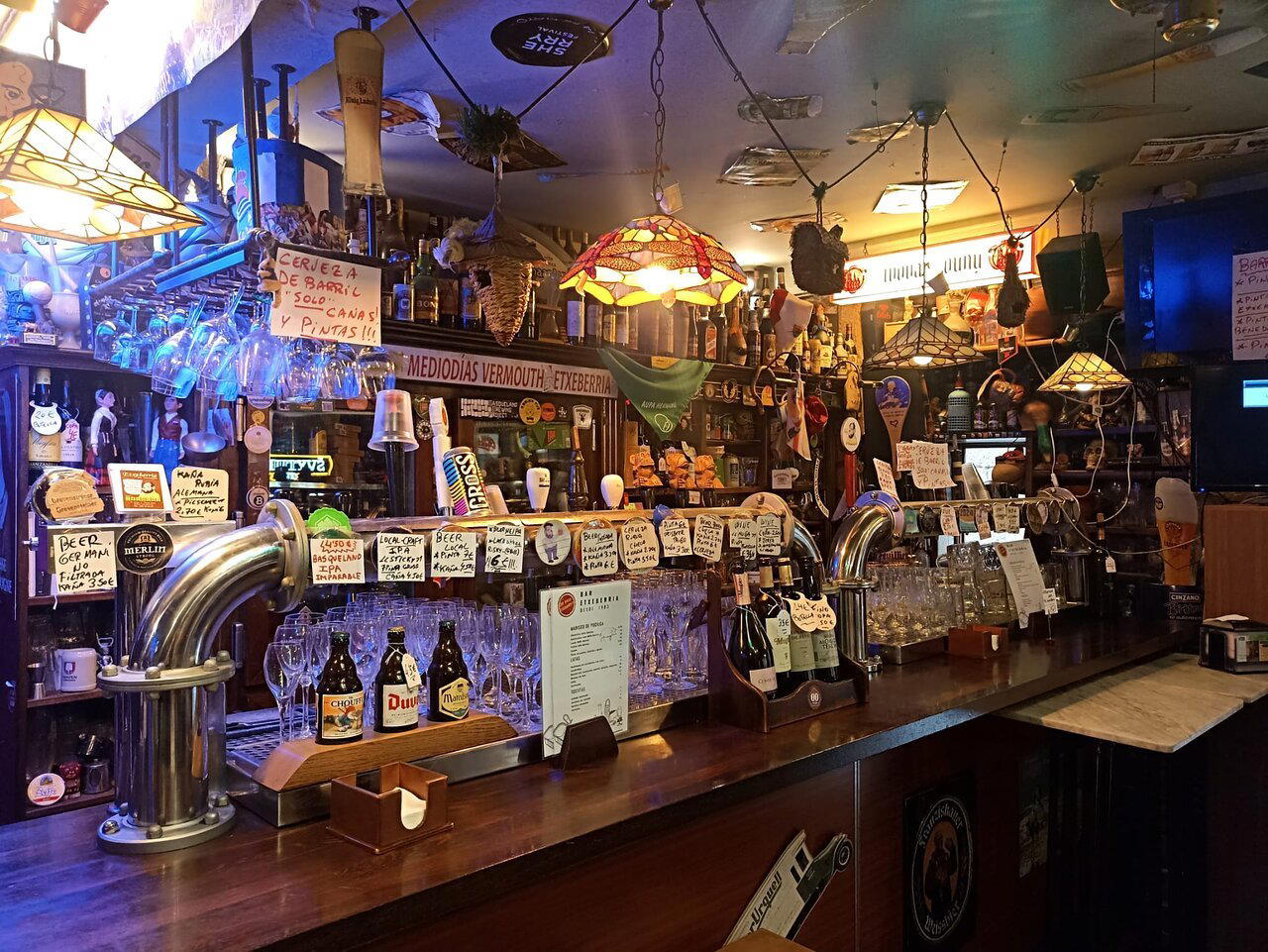
| Akerbeltz | Not listed | $10–20 | Not listed |
Continue exploring
More in San Sebastián
Bars in San Sebastián
All bars in San Sebastián →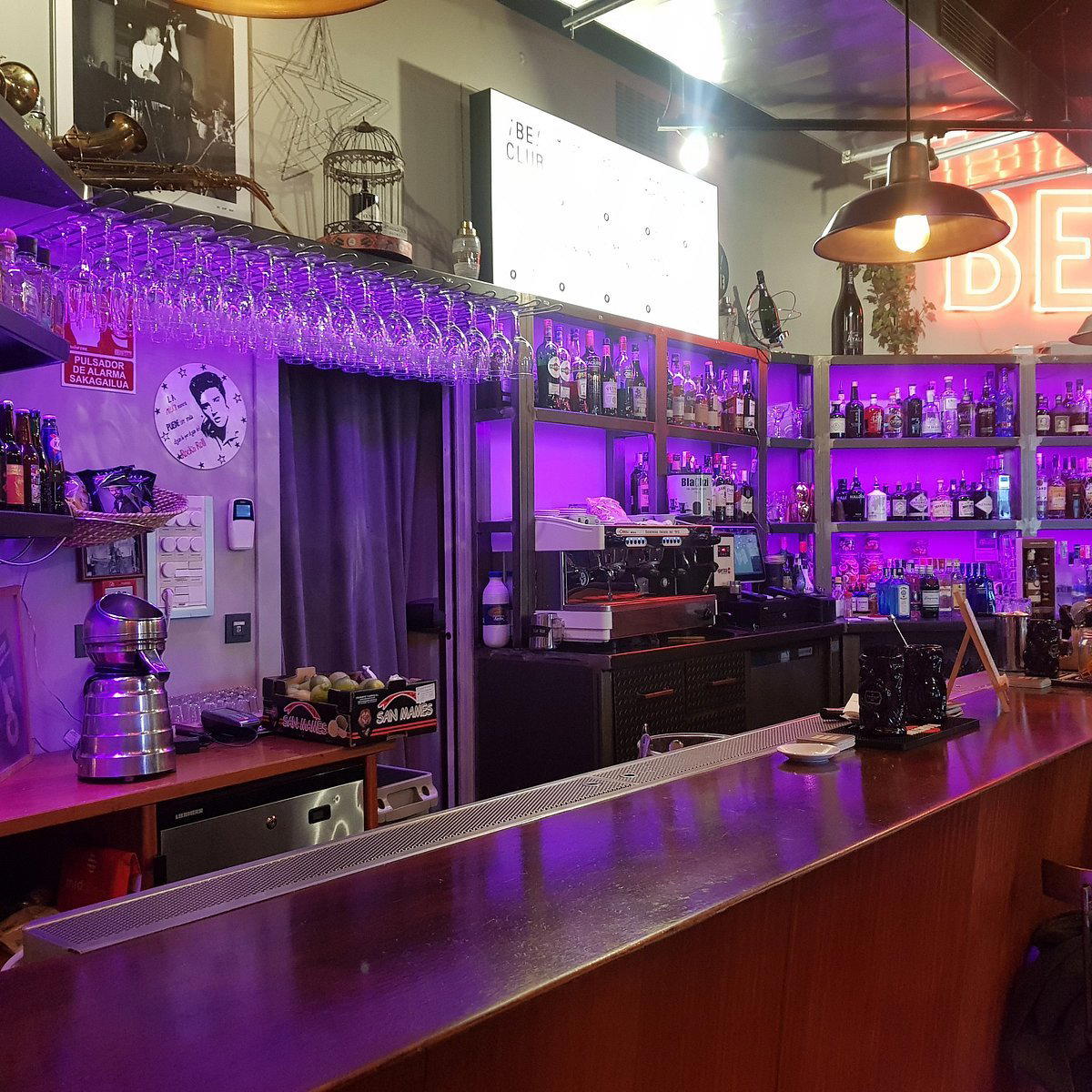
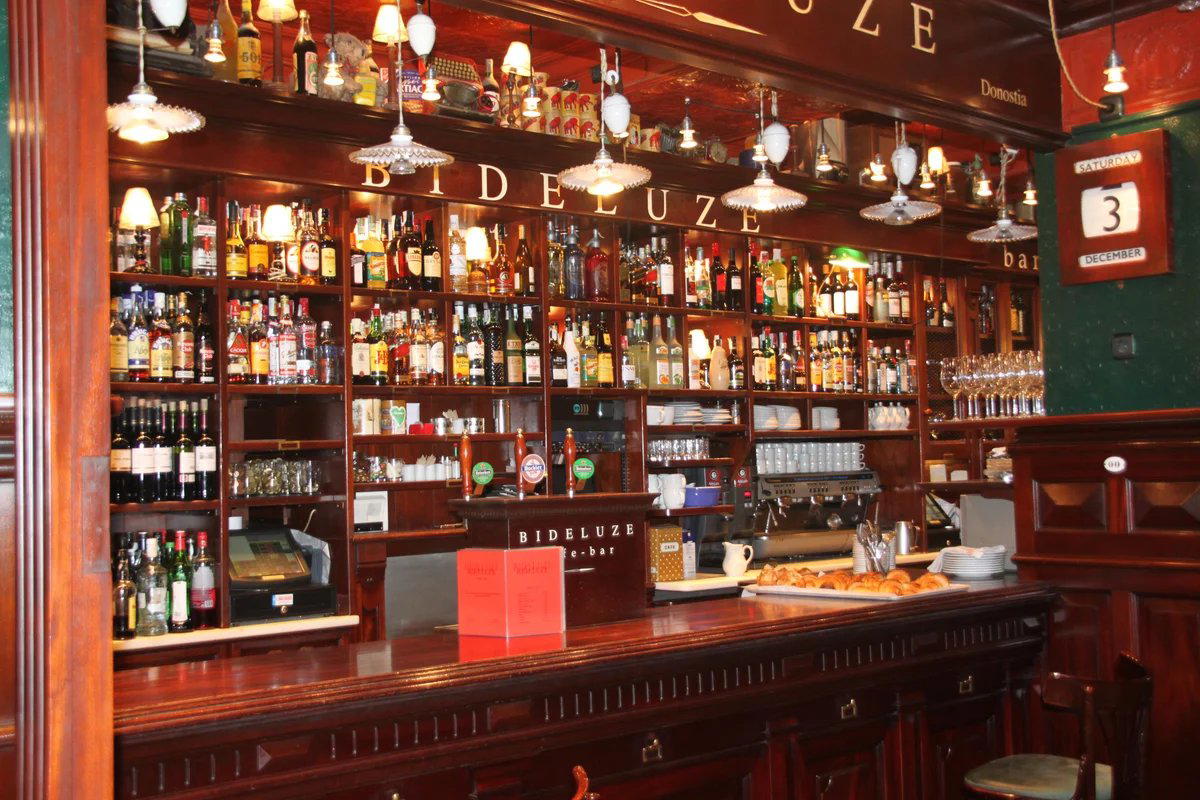
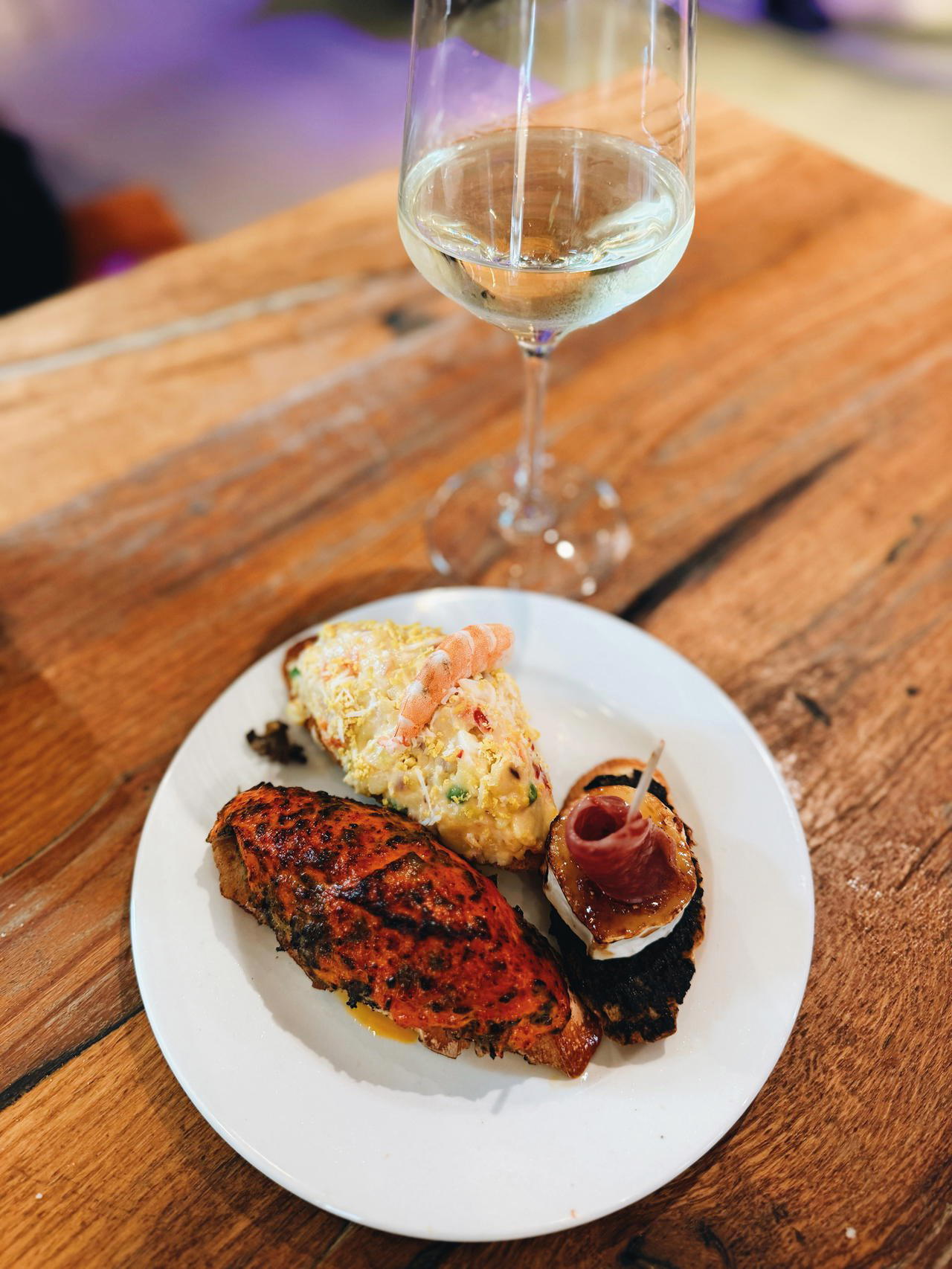
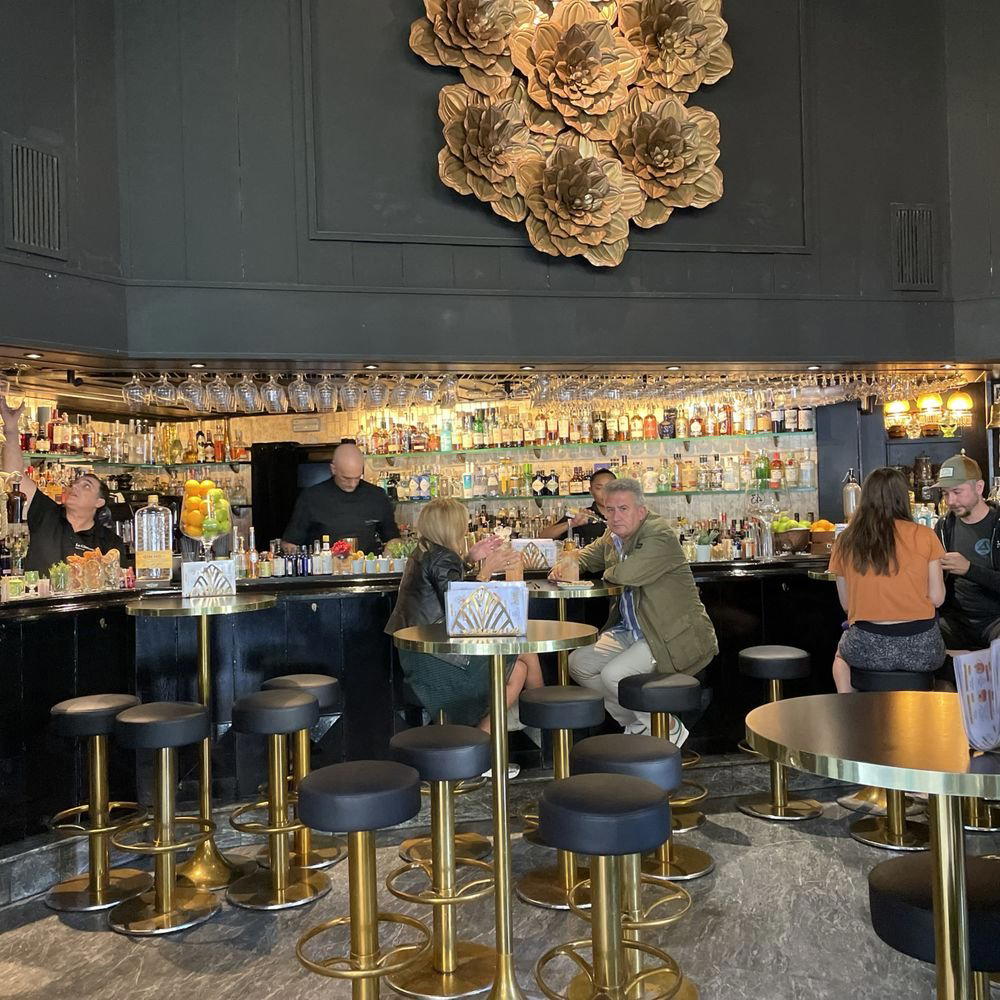
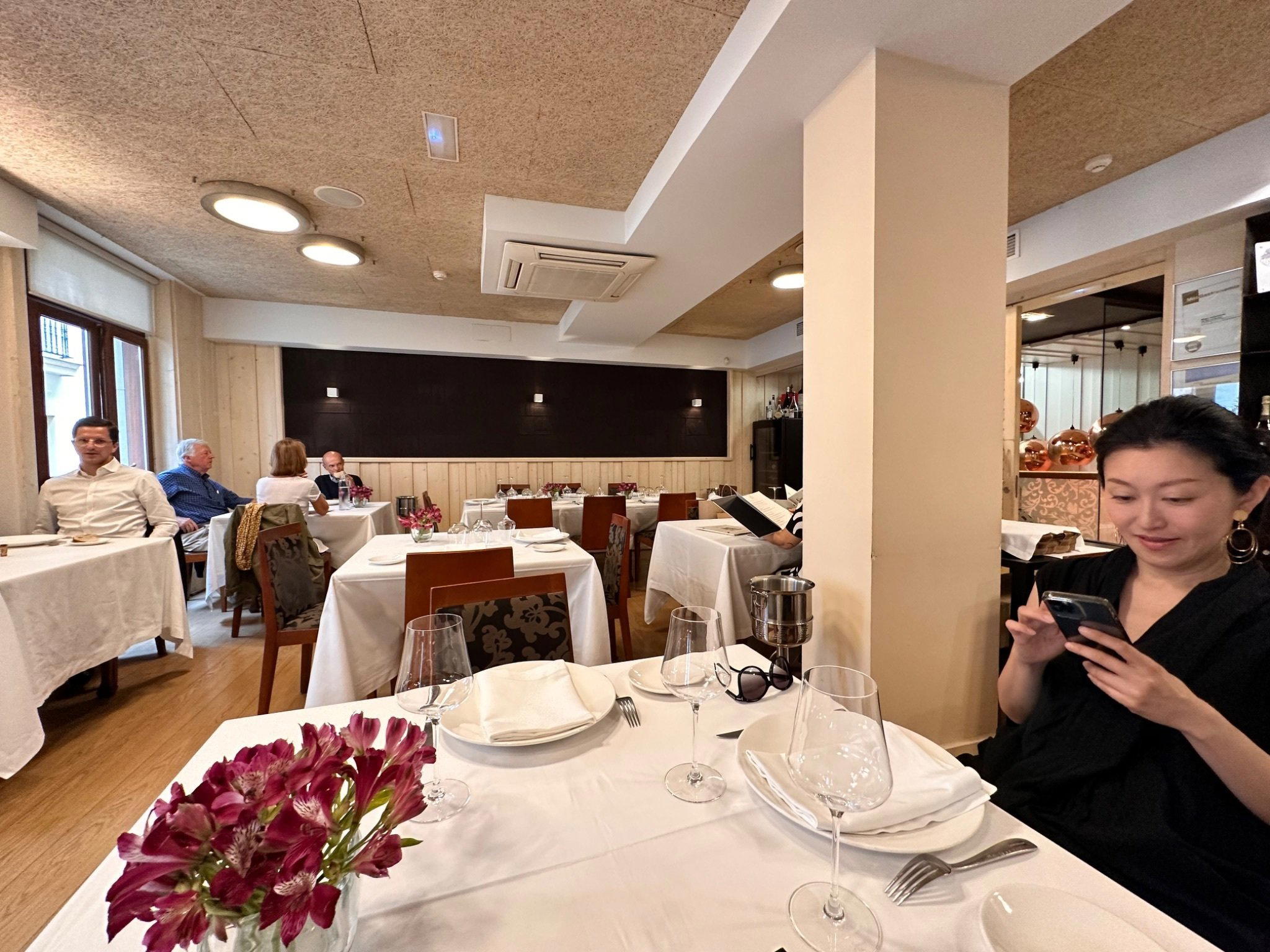
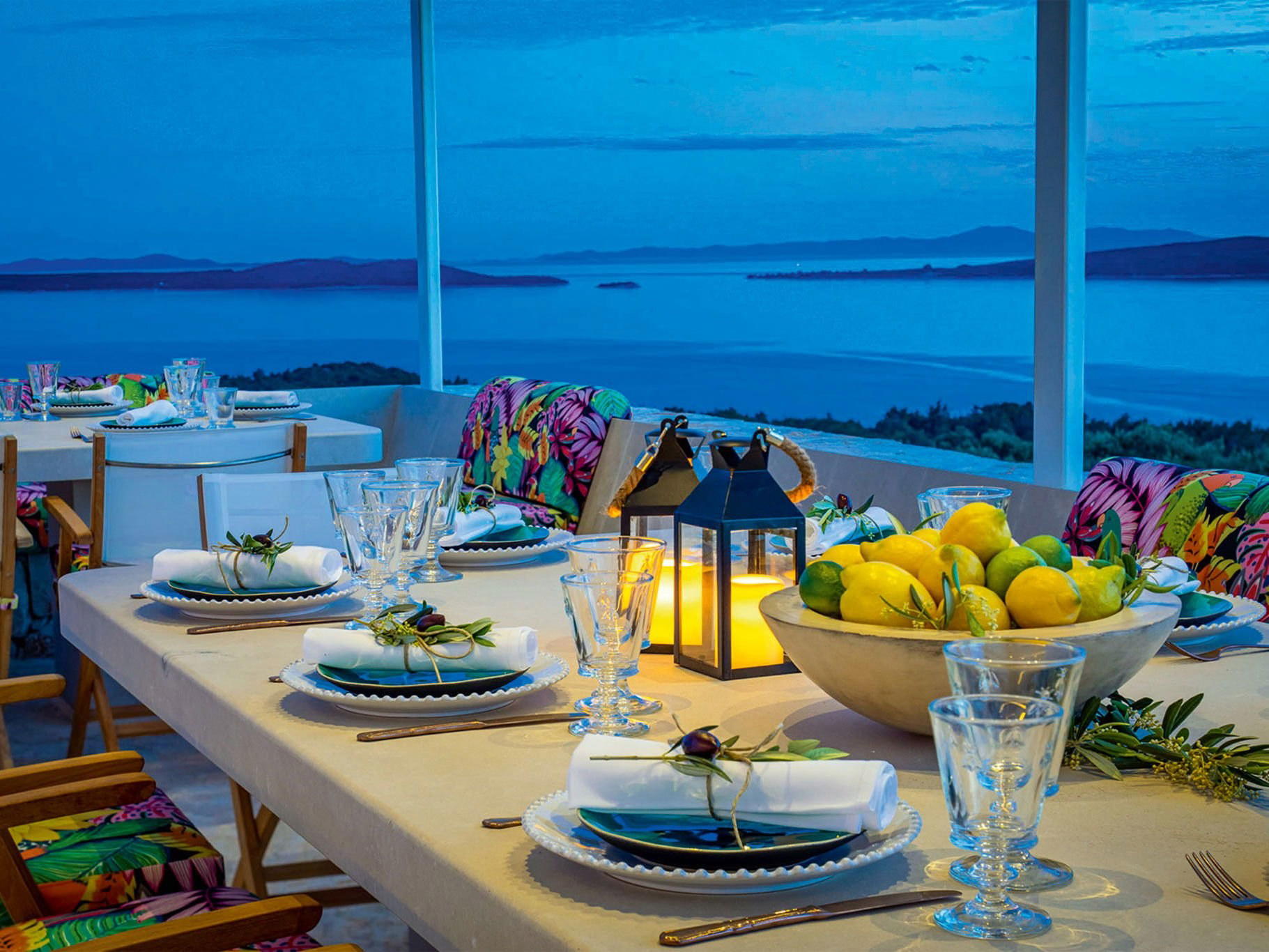
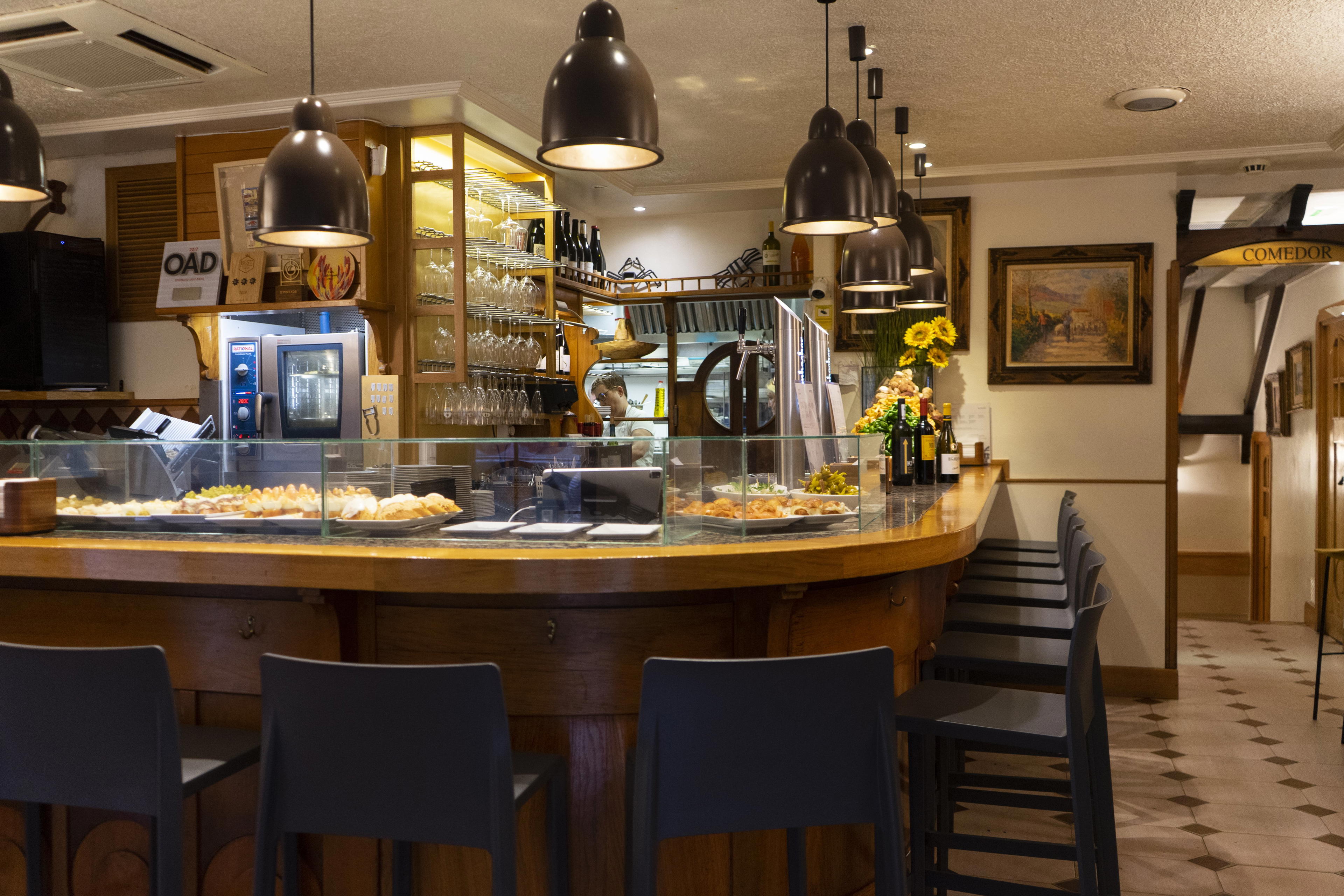
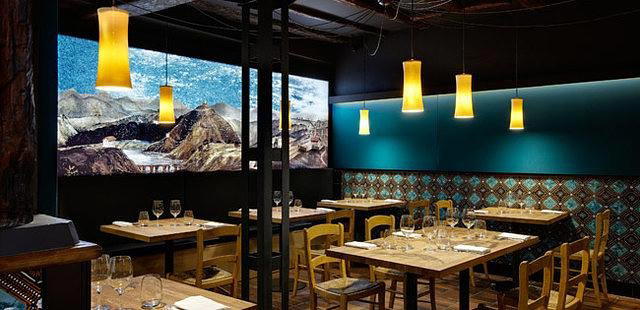
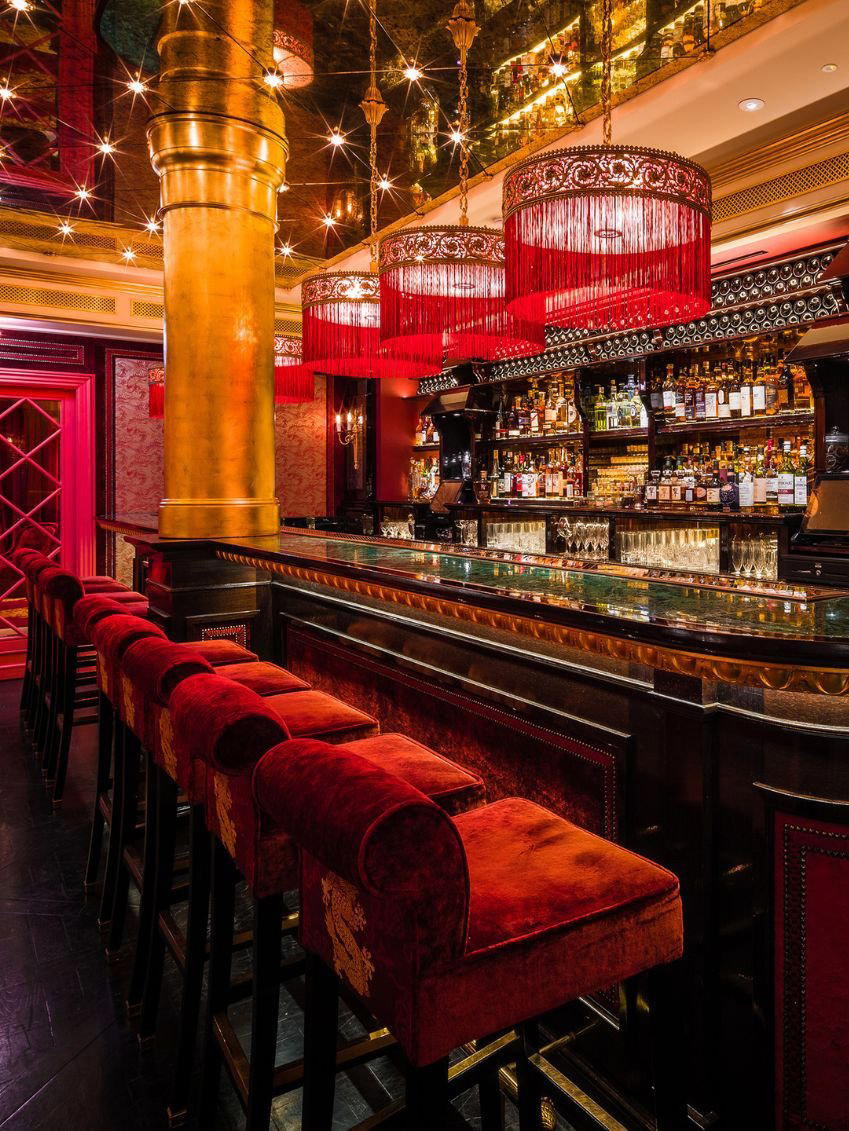
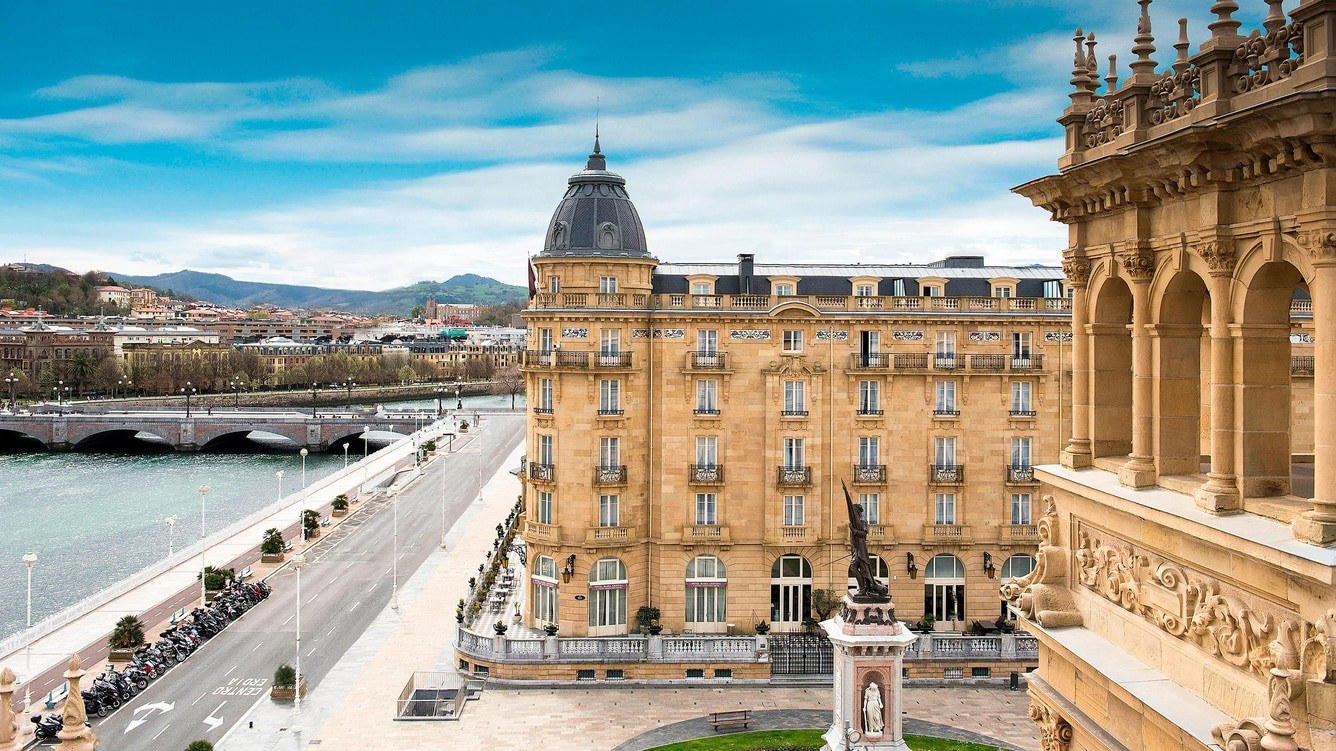
Haizea
The drinks
Signature drinks: Brick de Bacalao, tartaletas.
Details
- Cozy
- Lively
- Classic
- Casual Hangout
- After Work
- Standalone
- Standing Room
- Seated Bar
Current opening hours
- Monday
- 7:30 AM–3:30 PM, 7–11 PM
- Tuesday
- 7:30 AM–3:30 PM, 7–11 PM
- Wednesday
- 7:30 AM–3:30 PM, 7–11 PM
- Thursday
- 7:30 AM–3:30 PM
- Friday
- 7:30 AM–3:30 PM, 7–11 PM
- Saturday
- 7:30 AM–3:30 PM, 7–11 PM
- Sunday
- Closed
Hours can change for holidays and private events. Hours as of .
Small, tidy, unpretentious space with relaxed, friendly, and authentic local atmosphere.