




Star Wine List · Macarfi 8.2 Food Rating · Guía Repsol 2 Soles
Our verdict
Casa Julian De Tolosa belongs to the Basque asador tradition at its most disciplined: mature beef, oak coals, salt, timing and little else. Founded in 1951 and led by the Gorrotxategi family, it carries rare steakhouse authority, including a No. 7 position on the World’s 101 Best Steak Restaurants list in 2025.

Pearl is the En Primeur Club membership app, where members save venues, book tables and use the concierge.
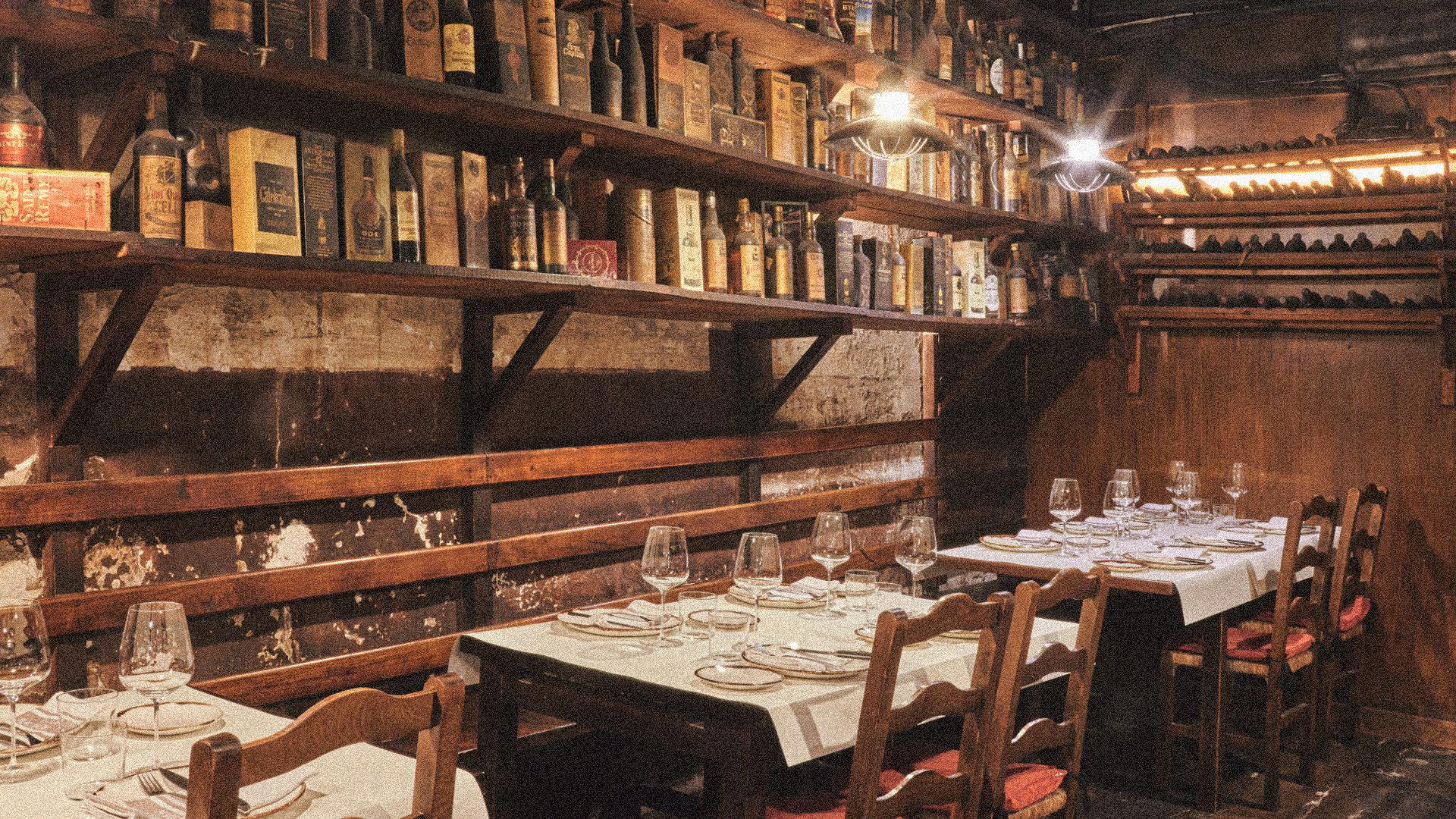
The room announces its priorities before the meal does: tiled walls, rustic furnishings, an open grill in plain view and the steady rhythm of oak fire. Tolosa’s steak culture is not built around spectacle. It is built around repetition, judgement and the confidence to remove anything that does not serve the beef. Casa Julian De Tolosa sits inside that tradition with unusual clarity, closer to a working asador than to the polished international steakhouse model.
In the Basque Country, parrilla cooking is a language of restraint. The grammar is heat, salt, ageing and timing; the vocabulary is short by design. That makes the category unforgiving. When there are no sauces, elaborate garnishes or theatrical plating to distract, the margin for error narrows. The restaurant’s 1951 foundation matters because longevity in this format is not nostalgia on its own. It signals decades of accumulated decisions about sourcing, dry-ageing and fire management, the exact areas where a serious asador either earns authority or loses it.
Oak fire, mature beef and the Basque refusal of excess
The central order is Txuletón: thick, bone-in ribeye from mature cows sourced from Galicia and the Basque Country, dry-aged and cooked over oak coals. That combination places the house firmly in the northern Spanish steak tradition rather than the butter-basted, sauce-led steakhouse culture found elsewhere. Mature cow beef brings deeper flavour and firmer character than younger animals; oak coals give the cooking its directness. The point is not tenderness at any cost. The point is provenance, ageing and fire held in balance.
The World’s 101 Best Steak Restaurants list placed Casa Julián at No. 7 in 2025, a useful signal because steak restaurants are often judged internationally by excess: cuts, cellars, interiors, ritual. Tolosa’s model argues in the opposite direction. A compact wine list centred on Spanish reds, a visible grill and supporting dishes handled as part of the same discipline all point to a narrower, more demanding brief. Spanish peppers, asparagus, tartare and tomato salad are not padding around the steak; they set the table’s rhythm before the beef takes over.
This is where the chef’s story is relevant, but only as evidence of continuity. Xabi Gorrotxategi and Gabriel S López work within a house shaped by Matías Gorrotxategi’s original method and the Gorrotxategi family’s stewardship. The evolution is not a break with the past. It is refinement inside a fixed format: more precision around ageing, sourcing and grill craft while keeping the room, sequence and cooking language recognisably direct. That kind of evolution is harder than reinvention because the audience notices small deviations.
Tolosa's asador circuit rewards comparison, not novelty
Tolosa gives context to the meal. This is not San Sebastián, where pintxos tourism, tasting-menu ambition and coastal dining compete for attention. Tolosa is inland, smaller and more specific, and its restaurant identity is tied closely to beef, beans, markets and traditional Basque cooking. Within that frame, Casa Julian De Tolosa reads less as a solitary destination than as part of a local circuit where small differences in fire, ageing and room culture matter.
For travellers building a Tolosa table map, the comparison should stay local first. Casa Julián - Matías Gorrotxategi, Casa Nicolás and Asador Nicolás belong to the same Tolosa conversation around grill culture, while Ama Taberna gives a broader Basque reference point. The value of eating here is sharpened by that proximity: the town makes it possible to understand parrilla not as a generic Spanish steak meal, but as a tightly held regional practice.
The wider Spanish dining map shows how specific that practice is. Madrid, Catalonia, the Canary Islands, the Balearics and the Basque Country all express Spanish cooking through different pressures: capital-city polish, coastal produce, island supply chains, wine-country tradition, grill orthodoxy. A traveller comparing "B de J" in Madrid, 1881 per Sagardi in Barcelona, 1742 in Ibiza, 1890 La Bodeguita in Las Palmas de Gran Canaria, 1860 Tradición in Elciego, 144. in Vitoria-Gasteiz or 12 Tapas in Castilleja de la Cuesta will find Tolosa less expansive but more exacting on the question of meat and fire.
How to read the meal before planning the trip
The experience is better understood as a purist lunch or dinner built around the grill, not as a broad à la carte exploration. The kitchen’s confidence comes from narrowing the field. That also means expectations should be calibrated: the room is unadorned, the cooking is direct and the pleasure comes from precision rather than surprise. For diners who measure a restaurant by range, the format may feel severe. For those interested in how a regional tradition becomes exact through repetition, the severity is the argument.
Service follows the same logic as the food: calm, efficient and focused on sequence. The open fire gives the room its pace, and the absence of decorative excess keeps attention on the table. This is a useful distinction for families, mixed groups and travellers used to destination restaurants with long narrative menus. The meal is legible, but not casual in the sense of being careless; it asks diners to value craft without much explanation.
Casa Julian De Tolosa works as the anchor for a focused food trip rather than a standalone checklist stop. Use our full Tolosa restaurants guide to frame the town’s dining circuit, then pair the meal with practical planning through our full Tolosa hotels guide, our full Tolosa bars guide, our full Tolosa wineries guide and our full Tolosa experiences guide. International comparisons can be useful only at the category level: Jōdo Saké Bar in Los Angeles and Onigiri Time in Pasadena operate in different culinary worlds, but they underline the same editorial point: narrow formats succeed when discipline matters more than breadth.
Frequently asked questions
Is Casa Julian De Tolosa good for families?
It suits families who want a clear, meal-first room in Tolosa, with service built around the grill rather than formal ceremony. The Tuesday to Sunday lunch hours and the plain, direct setting make it workable for groups that are happy to focus on Txuletón and simple sides.
Is Casa Julian De Tolosa better for a quiet night or a lively one?
It is stronger for a focused, low-distraction meal than for a loud night out. The dining room is shaped by oak fire and steady service, with dinner only on Friday and Saturday, while the restaurant’s 1951 pedigree and Gorrotxategi family stewardship give it weight without theatrics.
Is Casa Julian De Tolosa Michelin-listed?
Casa Julian De Tolosa has received recognition including: The purist parrilla, perfected In the Basque town of Tolosa, Casa Julián de Tolosa remains one of the clearest expressions of parrilla cooking anywhere in the world. Founded in 1951 and still led today by the Gorrotxategi family, it is a re….
When can I go to Casa Julian De Tolosa?
Hours at Casa Julian De Tolosa: Mon: Closed; Tue: 1–3:15 PM; Wed: 1–3:15 PM; Thu: 1–3:15 PM; Fri: 1–3:15 PM, 8–10 PM; Sat: 1–3:15 PM, 8–10 PM; Sun: 1–3:15 PM.
Snapshot
Comparable venues by cuisine and price in the same metro.
| Venue | Cuisine | Price | Awards | Notes |
|---|---|---|---|---|
| Casa Julian De TolosaThis venue (the venue you are viewing) | Traditional Basque Steakhouse | $50–100 | Star Wine List · Macarfi 8.2 Food Rating | Not listed |
| Casa Nicolás | Traditional Basque Steakhouse | Not listed | World's Best Steaks Europe's 50 Best #19 · Macarfi 8.3 Food Rating | Asador - Steak |
| Ama Taberna | Modern Basque Tasting Menu | $100–150 | 1 Michelin Star · Guía Repsol 2 Soles | Basque |
Recognition history
Dated appearances from independent guides and award organizations, with the underlying list record or original source where available.
Star Wine List
Star Wine List
Guía Repsol 2 Soles
Guía Repsol
Macarfi 8.2 Food Rating
Macarfi
Opinionated About Dining Casual in Europe Ranked #23
Opinionated About Dining
World's Best Steaks 101 Best Steak Restaurants #6
World's Best Steaks
Full recognition history (7 entries)
World's Best Steaks Europe's 50 Best Steak Restaurants #3 · No. 3
World's Best Steaks · Europe's 50 Best Steak Restaurants 2026
World's Best Steaks 101 Best Steak Restaurants #7
World's Best Steaks
Continue exploring
More in Tolosa
Restaurants in Tolosa
All restaurants in Tolosa →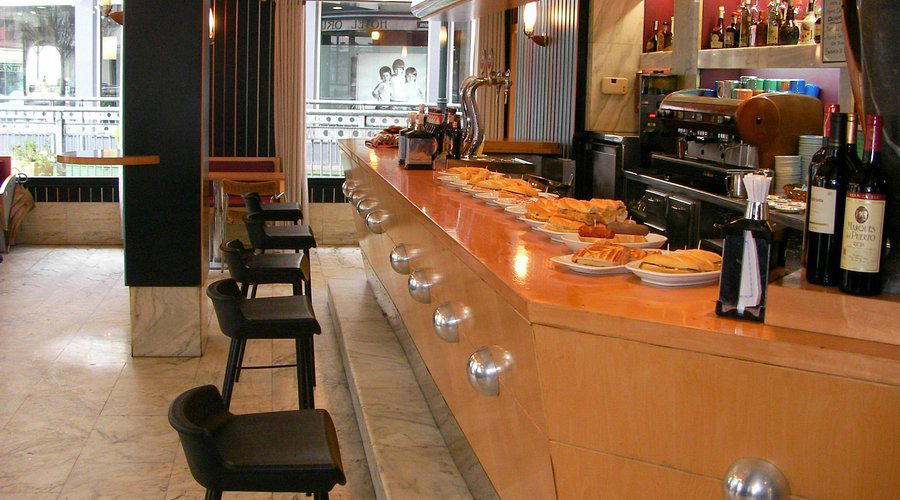
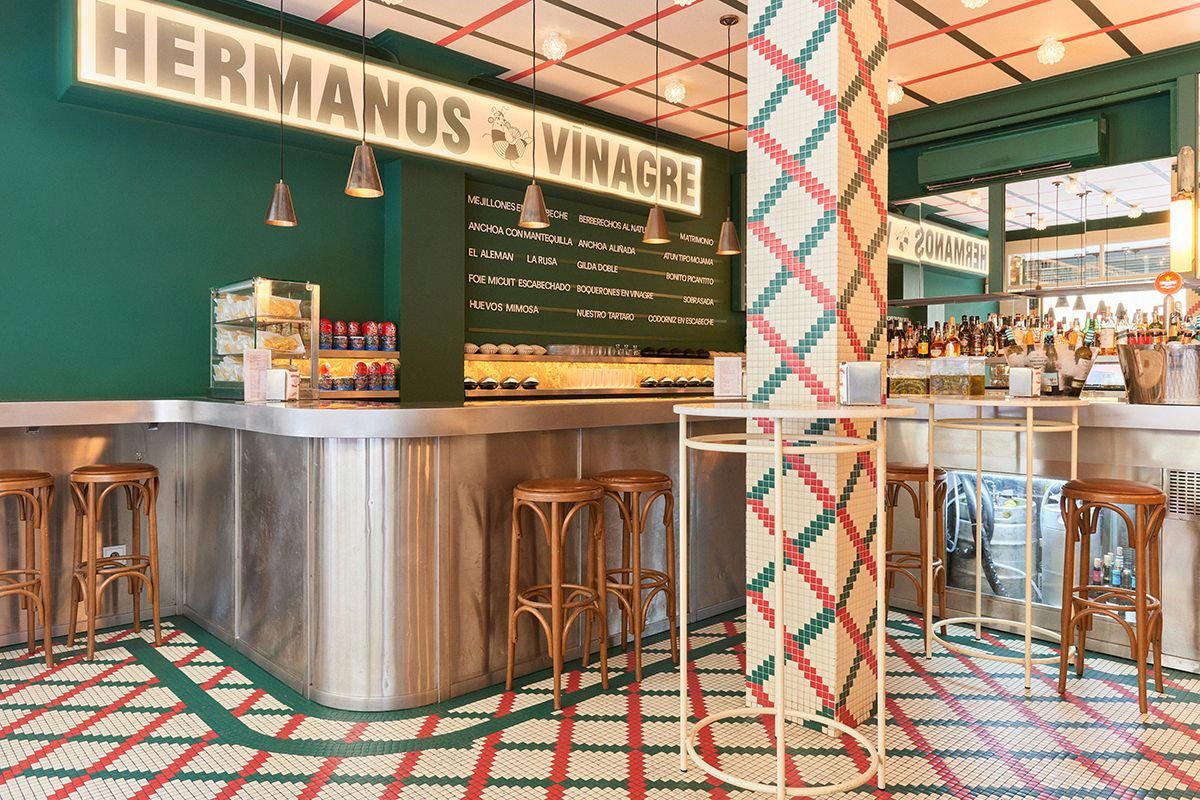
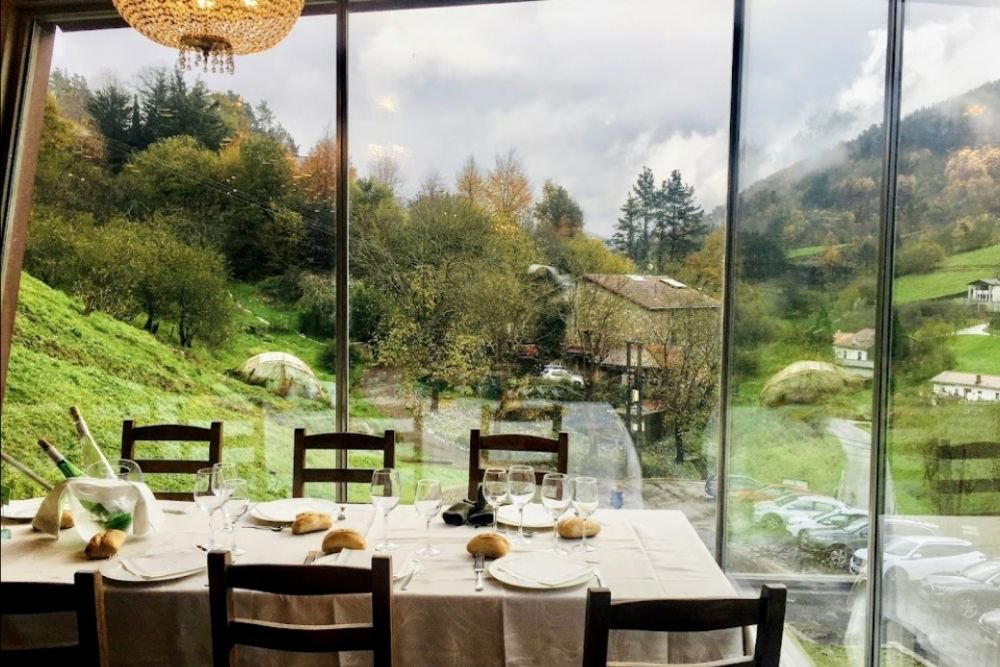
Bars in Tolosa
Browse all →



Details
- Rustic
- Classic
- Cozy
- Well Known
- Special Occasion
- Group Dining
- Celebration
- Open Kitchen
- Historic Building
- Extensive Wine List
- A La Carte
Current opening hours
- Monday
- Closed
- Tuesday
- 1–3:15 PM
- Wednesday
- 1–3:15 PM
- Thursday
- 1–3:15 PM
- Friday
- 1–3:15 PM, 8–10 PM
- Saturday
- 1–3:15 PM, 8–10 PM
- Sunday
- 1–3:15 PM
Hours can change for holidays and private events. Last verified .
Traditional wood-panelled interior with wine bottles lining the walls, dark and authentic atmosphere evoking a preserved historic garage-like setting.