Mirador de Ulía



Michelin Plate · Macarfi 7.5 Food Rating · Guía Repsol 2 Soles
Our verdict
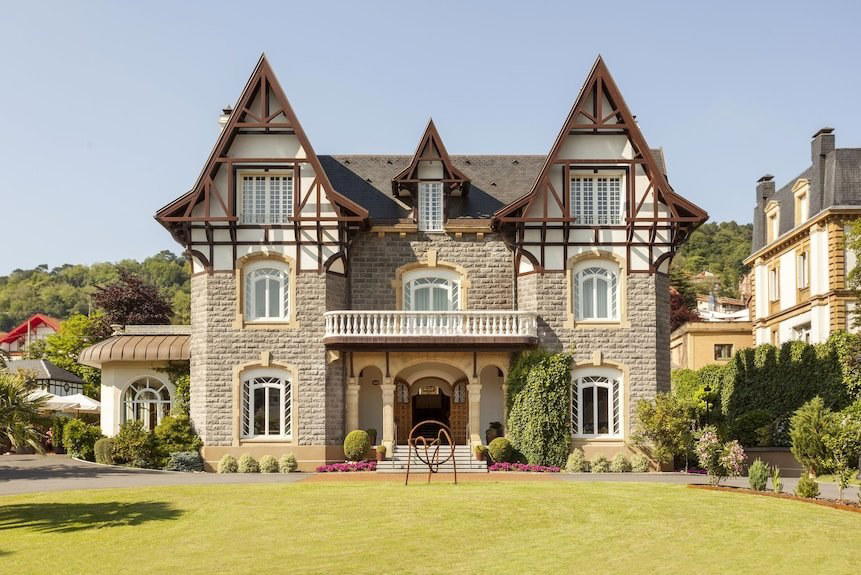
Sitting at the summit of Monte Ulía above Zurriola beach, Mirador de Ulía occupies a different tier from San Sebastián's city-centre fine dining circuit. Chef Rubén Trincado, third generation of the family, runs two tasting menus anchored in Gipuzkoa produce and blue-zone dietary principles, each with a wine-pairing option. Michelin Plate recognition in 2024 and 2025 confirms it as a serious address at a price point one bracket below the city's starred competition.

Pearl is the En Primeur Club membership app, where members save venues, book tables and use the concierge.
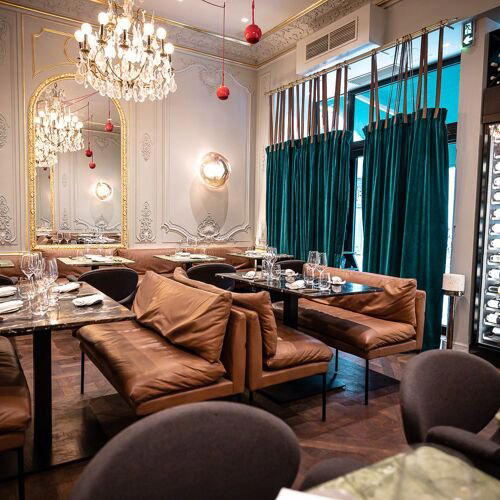
A Different Altitude, a Different Kind of San Sebastián Dining
The approach to Mirador de Ulía prepares you for what the meal will be. The road climbs the eastern flank of Monte Ulía, switchbacking above the Zurriola break until the city drops away and the Bay of Biscay opens in full. By the time you arrive at Ulia Pasealekua, 193, the geometry of San Sebastián, the old town, La Concha, the Urgull headland, is laid out at a remove that feels more meditative than panoramic. That spatial separation is not incidental. It shapes the rhythm of service and the kind of meal you have here, particularly at lunch, when the view shifts from backdrop to centrepiece.
San Sebastián carries one of the highest concentrations of Michelin-starred restaurants per capita of any city in Europe, and the competitive pressure at the top of that market is intense. Arzak, Akelaŕe, and Amelia by Paulo Airaudo operate at the €€€€ tier with multi-star pedigree. Mirador de Ulía sits one price bracket below that cluster, at €€€, with Michelin Plate recognition in both 2024 and 2025. That positioning matters. The Plate signals serious cooking without the starred price expectation, and in a city where the leading tables can foreclose most of a travel budget in a single sitting, this represents a distinct value proposition on the San Sebastián dining map.
Lunch on the Mountain vs. Dinner Below the Stars
The lunch-versus-dinner divide at Mirador de Ulía is one of the more interesting choices in San Sebastián dining. The restaurant operates Wednesday through Saturday with a split service: 1:30 to 5:30 in the afternoon, then 8:30 in the evening through midnight. Sunday runs lunch only, 1:30 to 6:00 pm. Monday and Tuesday are closed, and the kitchen shuts entirely between December 18 and March 1.
At lunch, the practical case for the afternoon slot is the view in natural light. Zurriola beach reads clearly from the dining room, and the bay changes tone through the service as the Atlantic afternoon light moves. The extended lunch window, four hours on weekdays, four and a half on Sundays, suggests the kitchen is not pacing against the clock. This is the kind of setting where a tasting menu at midday has a logic that city-centre restaurants can rarely replicate. The walk-in or leisurely arrival, the unhurried progression through courses, and the natural close of afternoon light make the lunch service the more considered choice for first-time visitors.
Evening service operates on a different register. The city lights extend the panorama in one direction while the interior warmth of the room sharpens in another. The late start, 8:30 pm, aligns with Basque dinner customs and means the kitchen runs well past what many northern European or American visitors expect. For those working through San Sebastián's wider dining circuit, perhaps combining Mirador de Ulía with the pintxos bars of the old town earlier in the week, the dinner format here connects to the broader evening rhythm of the city rather than interrupting it.
Two Menus, One Guiding Principle
Mirador de Ulía operates around two tasting menus: Arraigo and Vínculo. Arraigo is the primary omnivore menu, built around Gipuzkoa produce with hake appearing as a focal point of the regional identity. Vínculo is the vegetarian option. Both are available with wine pairing. The format is a deliberate constraint, and a meaningful one. Running two menus rather than a sprawling à la carte is a statement about the kitchen's focus and the kind of attention it can sustain.
The conceptual thread running through the cooking involves the so-called blue zones, regions globally associated with above-average longevity, and the dietary patterns those communities share. This is not the first kitchen in Spain to engage with nutritional or longevity frameworks, but it is an unusual lens for a restaurant operating within a culinary tradition as proudly product-driven as Basque cuisine. The tension between regional specificity and global reference is where Trincado's cooking occupies its own space. The native Gipuzkoa pantry remains the base material; the blue-zone angle shapes what is done with it.
Rubén Trincado represents the third generation of his family at this address. In the context of Basque gastronomy, multi-generational continuity carries real weight. The cuisine of the region has always transmitted through family and apprenticeship rather than through formal academic pipelines, and a third-generation kitchen carries accumulated knowledge about both the place and the product. Among San Sebastián's creative addresses, Kokotxa and iBAi by Paulo Airaudo represent different orientations within the same Basque-modern spectrum, and the contrast is instructive: Trincado's position is rooted in a physical place and a family lineage that neither of those addresses can replicate.
Where Mirador de Ulía Sits in Spain's Creative Dining Conversation
Creative Basque cooking has been at the centre of Spain's gastronomic conversation for three decades, and the restaurants that shaped that conversation, Arzak, Akelaŕe among them, are benchmarks against which every subsequent generation is measured. Nationally, the conversation has expanded to include El Celler de Can Roca in Girona, Disfrutar in Barcelona, Azurmendi in Larrabetzu, Quique Dacosta in Dénia, Aponiente in El Puerto de Santa María, and DiverXO in Madrid. Mirador de Ulía does not compete directly with that starred upper tier, but it participates in the same broader tradition of ingredient-led, place-specific cooking.
For visitors whose dining itinerary in San Sebastián already includes a high-spend starred evening, Mirador de Ulía offers a structurally different experience: lower price point, afternoon-compatible timing, a view that no urban restaurant can match, and a tasting format that rewards a slower pace. For a point of international reference, the combination of serious coastal produce and precision tasting menus has parallels at Le Bernardin in New York City and the fermentation-driven precision of Atomix in New York City, though the register here is resolutely Basque and place-bound rather than cosmopolitan.
Planning a Visit
The restaurant is at Ulia Pasealekua, 193, on Monte Ulía above the eastern edge of San Sebastián. A car is the practical choice; the address is not walkable from the city centre without significant elevation gain. Service runs Wednesday through Saturday with split sittings and Sunday at lunch only. The December 18 to March 1 closure is a firm seasonal gap, so timing a visit in spring, summer, or early autumn is the reliable approach. At the €€€ price point, with wine pairing available for both menus, the total spend sits below the starred restaurants in the city's upper tier.
For further planning across San Sebastián, see our full San Sebastián restaurants guide, our full San Sebastián hotels guide, our full San Sebastián bars guide, our full San Sebastián wineries guide, and our full San Sebastián experiences guide.
Frequently asked questions
What do regulars order at Mirador de Ulía?
The kitchen operates exclusively on two tasting menus: Arraigo (omnivore, with Gipuzkoa produce including hake as a recurring anchor) and Vínculo (vegetarian). There is no à la carte, so the question of what to order resolves to which menu leading fits the table. Both carry the blue-zone dietary framework that distinguishes the chef's approach from more conventional Basque creative cooking, and both are available with wine pairing. Visitors who have eaten across the Michelin Plate and starred tiers of San Sebastián tend to note the longevity-focused ingredient selection as the detail that most distinguishes Mirador de Ulía from its peers.
| Venue | Cuisine | Price | Awards | Notes |
|---|---|---|---|---|
| Mirador de UlíaThis venue (the venue you are viewing) | Modern Basque Fine Dining | $100–150 | Michelin Plate · Macarfi 7.5 Food Rating | Not listed |
| Arzak | Contemporary Basque Fine Dining | $300–500 | 3 Michelin Stars · World's 50 Best #31 | Modern Basque, Creative |
| Akelaŕe | Three-Michelin-star Modern Basque fine dining | $300–500 | Falstaff Restaurant - 98 Falstaff Points | Basque Fine Dining |
| Amelia by Paulo Airaudo | Modern Basque Fusion Fine Dining | $300–500 | 2 Michelin Stars · La Liste Top Restaurants | Creative |
| iBAi by Paulo Airaudo | Traditional Basque Seafood | $150–200 | 1 Michelin Star · Star Wine List | Basque |
| Kokotxa | Modern Basque Seafood | $100–150 | 1 Michelin Star · Macarfi 8.3 Food Rating | Basque, Modern Cuisine |
Recognition history
Dated appearances from independent guides and award organizations, with the underlying list record or original source where available.
Michelin Plate
Michelin
Guía Repsol 2 Soles
Guía Repsol
Macarfi 7.5 Food Rating
Macarfi
Full recognition history (5 entries)
Michelin Plate
Michelin
Michelin Plate
Michelin
Continue exploring
More in San Sebastián
Restaurants in San Sebastián
All restaurants in San Sebastián →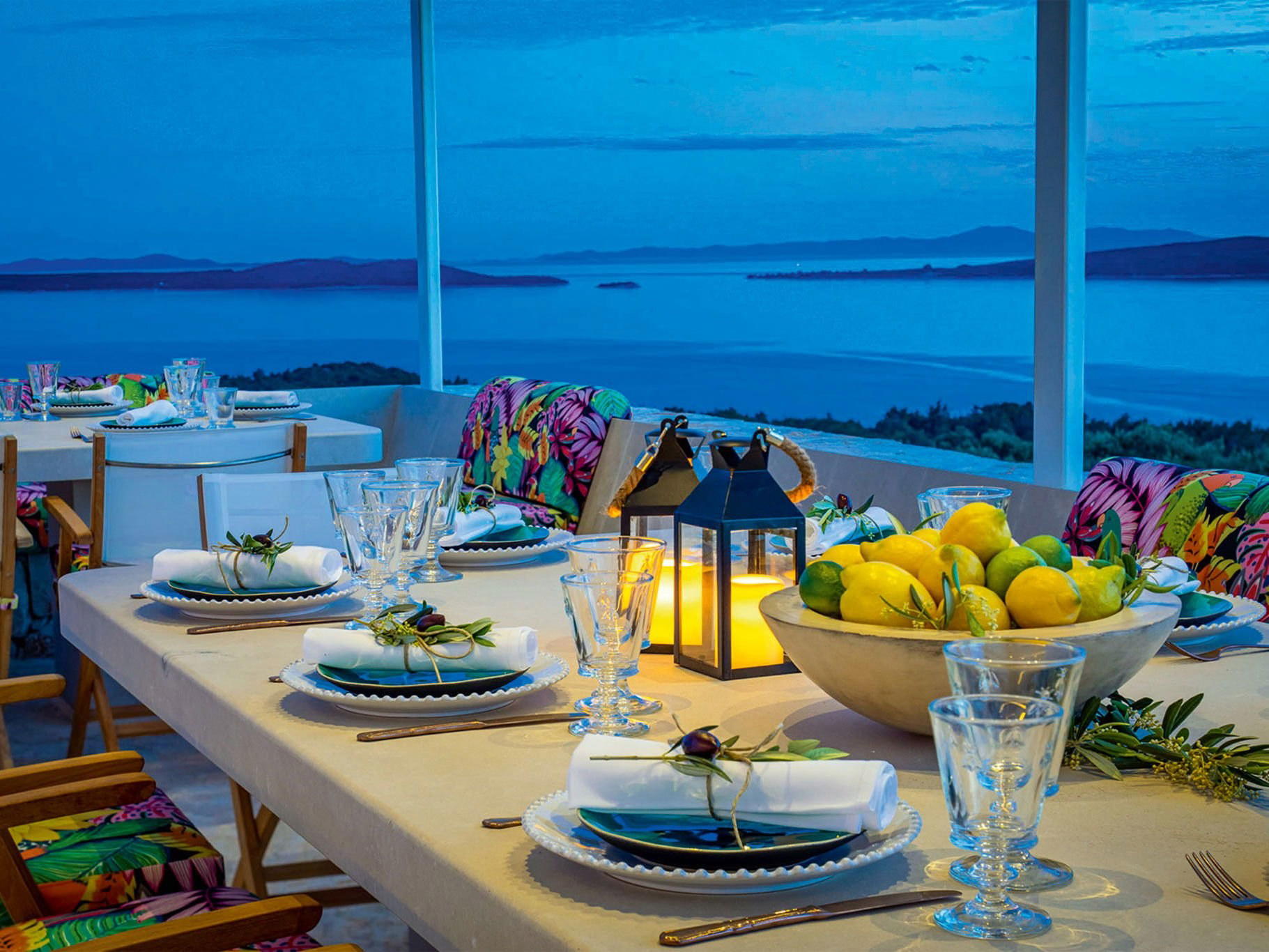
Details
- Scenic
- Elegant
- Sophisticated
- Date Night
- Special Occasion
- Panoramic View
- Terrace
- Extensive Wine List
- Local Sourcing
- Waterfront
- Mountain
- Tasting Menu
- Vegetarian Friendly
- Vegan Options
- Gluten Free Options
Current opening hours
- Monday
- Closed
- Tuesday
- Closed
- Wednesday
- 1:30–5:30 PM, 8–11:30 PM
- Thursday
- 1:30–5:30 PM, 8–10:30 PM
- Friday
- 1:30–5:30 PM, 8–11:30 PM
- Saturday
- 1:30–5:30 PM, 8–11:30 PM
- Sunday
- 1:30–5:30 PM
Hours can change for holidays and private events. Hours as of .
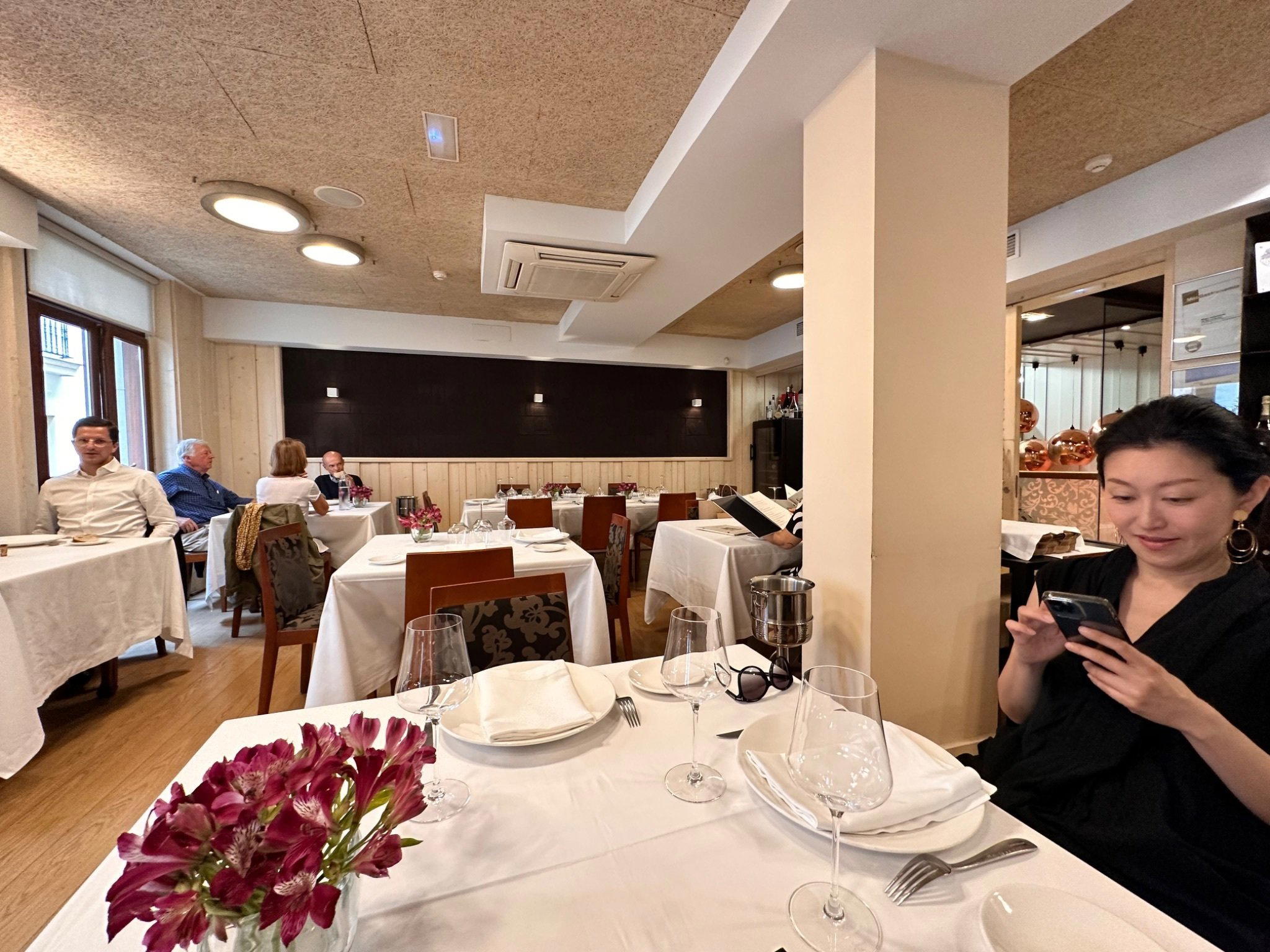
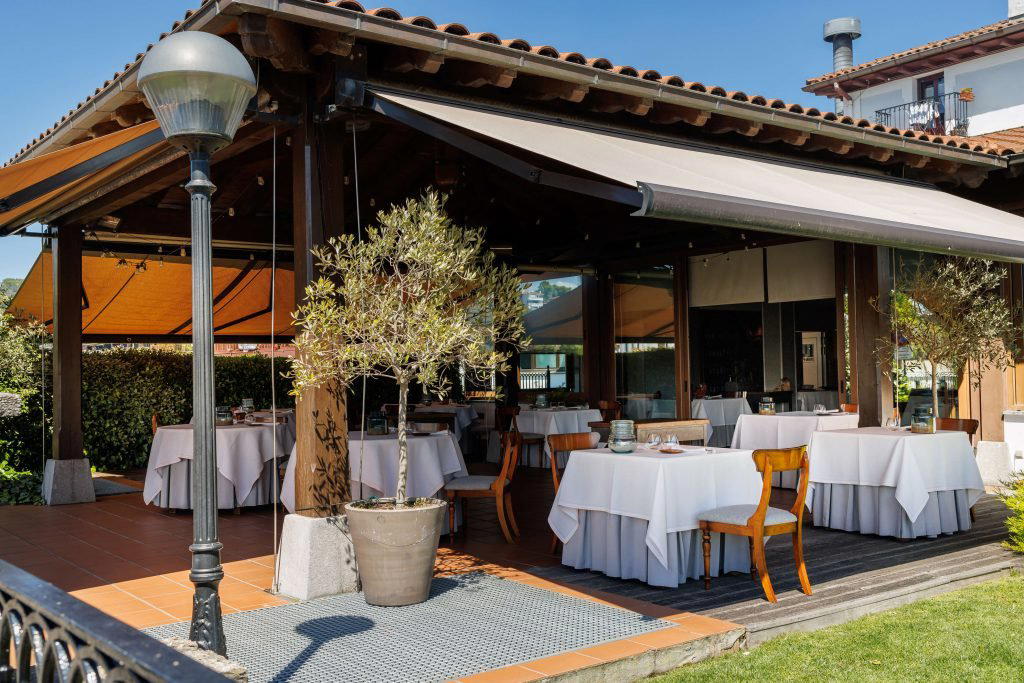
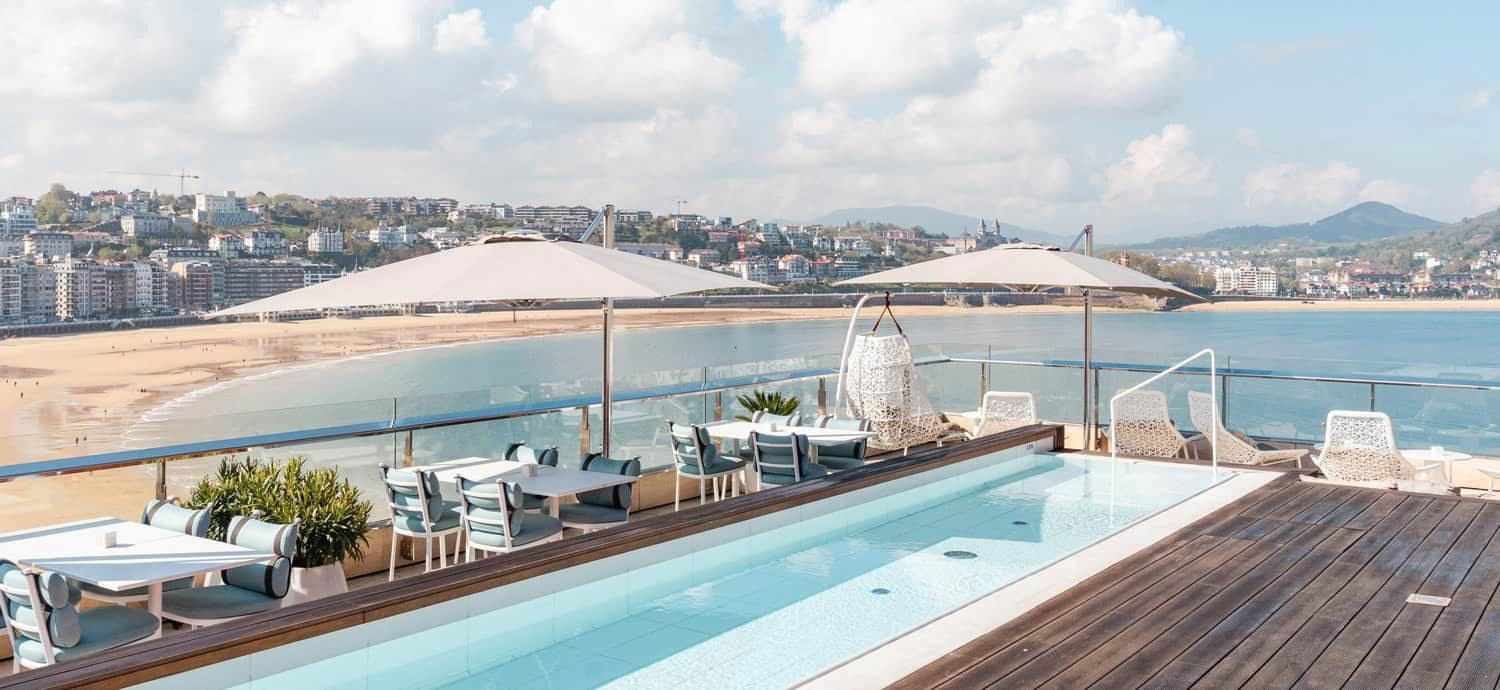
Elegant dining room with large windows framing spectacular sunset views over the city and sea, creating a sophisticated and memorable atmosphere.