Kokotxa




A Michelin-starred address in San Sebastián's Parte Vieja, Kokotxa sits where Basque market tradition meets carefully applied global technique. Chef Dani López works with two structured menus, letting the day's catch anchor the kitchen while threading in influences from Japan, India, and Turkey with enough restraint to keep the dish firmly on Basque ground. Ranked 294th in Europe by Opinionated About Dining in 2025.
Pearl is the En Primeur Club membership app — saves, bookings, and concierge access live there. Same editors, same standards.
- Address
- Calle del Campanario, 11, 20003 Donostia / San Sebastián, Gipuzkoa, Spain
- Phone
- +34 943 42 19 04
- Website
- restaurantekokotxa.com
- Directions
- Get directions
 Saves & bookings on Pearl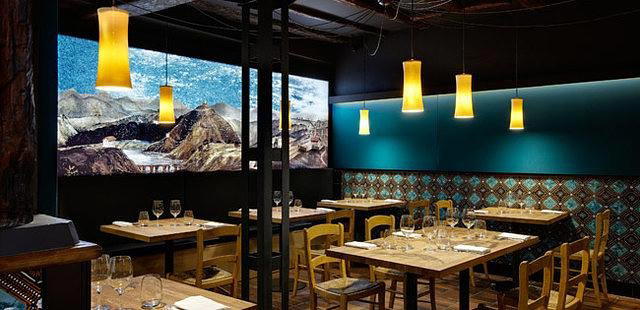
Where the Old Town Sets the Frame
San Sebastián's Parte Vieja is one of the densest concentrations of serious eating in Europe, a compact grid of streets where pintxos bars, multi-generational txokos, and Michelin-recognised dining rooms occupy the same narrow blocks. On Calle del Campanario, positioned between the working port and the Santa María del Coro basilica, Kokotxa operates in a part of the old town where the smell of the sea arrives before any menu does. That geography is not incidental. It shapes what the kitchen is doing and why the fish dishes carry the weight they do.
The restaurant's name is itself a signal. Kokotxa refers to the gelatinous chin or throat of hake or cod, a cut that requires patience and skill to prepare and that occupies a specific place in the Basque culinary canon. Naming a restaurant after it is a declaration of intent: this kitchen takes its native ingredients seriously enough to invoke one of the most technique-dependent preparations in the tradition. That framing matters when you start to understand how far the cooking moves from its Basque base.
The Technique Question in Basque Modern Cooking
Contemporary Basque fine dining at the leading end, from Arzak to Akelaŕe, has long operated at the intersection of tradition and experimentation. Both carry three Michelin stars and have spent decades developing house languages that feel specifically Basque even when the techniques are not. The question further down the tier is whether a one-star kitchen can hold that balance without the resources of an established dynasty. At Kokotxa, the answer comes through the approach to influence: Chef Dani López draws on Japanese, Indian, and Turkish culinary thinking, but deploys each as a modifier rather than a primary register. The result is cooking that reads as Basque first, with a detectable second layer that adds complexity without displacement.
This is meaningfully different from the fusion model that dominated European fine dining in the 1990s and early 2000s, where imported techniques often overwhelmed the local ingredient. Here the approach is closer to what kitchens like Atomix in New York demonstrate in their own context: a deep command of a home tradition used as the foundation upon which outside influence is applied with precision. The difference at Kokotxa is that the home tradition is not reconstructed or nostalgic. It is the actual present-tense ingredient culture of the Cantabrian coast, meaning the fish dish of the day changes with what arrives from the port, and the menu shifts accordingly.
Two Menus, One Logic
The kitchen operates around two structured formats. The De Mercado menu and the Degustación menu differ in the number of courses but share the same underlying logic: both are served for the whole table, which enforces a collective eating rhythm rather than individual customisation. This is standard in serious tasting formats across Spain, from El Celler de Can Roca in Girona to Azurmendi in Larrabetzu, and it reflects a philosophy that the meal is a designed sequence rather than a collection of individual choices.
The De Mercado format functions as a shorter, market-led route through the kitchen's thinking, while the Degustación extends the sequence and presumably allows for a more complete expression of the cross-cultural technique work. For diners coming from a pintxos crawl through the Parte Vieja, where a single bite is the unit of pleasure, the shift to a multi-course table commitment requires some adjustment of pace and expectation. That adjustment is worth making. The whole-table format ensures that the kitchen's sequencing logic, including how the Basque anchors give way to the more globally inflected courses, reads as intended.
Front of house is managed by Estela Velasco alongside López in the kitchen, a pairing that shapes the room's dynamic as a two-person project rather than a hierarchical brigade structure. That scale is consistent with the address: Calle del Campanario is not a location that supports a large dining room, and the intimacy it implies suits a kitchen whose cooking rewards close attention.
The Ingredient Discipline Behind the Global Reach
The cross-cultural technique work at Kokotxa earns credibility specifically because it is anchored in ingredient sourcing that reflects strong Basque market discipline. This is not a kitchen importing foreign ingredients to execute foreign techniques. The raw material is local, and the technique is international, which is a different proposition. It places Kokotxa in a specific tradition that runs through Spain's most serious kitchens.
Aponiente in El Puerto de Santa María operates on an analogous principle: the marine larder of Andalusia is the non-negotiable starting point, and the elaboration follows from that constraint. Martin Berasategui in Lasarte-Oria demonstrates the same logic at three-star scale, where Basque produce is the substrate and technique is the variable. At Kokotxa the variable moves across more cultural registers, but the constraint remains the same: the Cantabrian coast and the Basque market determine what is possible before the kitchen decides what is interesting.
This is why the fish dish carries consistent weight in any account of the kitchen's output. It is the point where ingredient and technique are most directly in dialogue. The seasonal nature of that dish, driven by what is available at the port and the market, also ensures the menu retains a genuine connection to time and place rather than becoming a fixed sequence that any season could produce.
Recognition and Peer Position
Kokotxa holds one Michelin star (2024) and a place in the Opinionated About Dining rankings for leading restaurants in Europe, moving from a Highly Recommended entry in the Leading New Restaurants list (2023) to a ranked position at 390th in 2024 and 294th in 2025. That trajectory over three consecutive years is a useful signal: the kitchen's standing among informed European diners is strengthening, not static.
Within San Sebastián specifically, the one-star tier now includes a number of kitchens with distinct identities. Amelia by Paulo Airaudo operates at two stars with a creative format, while iBAi by Paulo Airaudo works a different register at one star. Agorregi represents the regional cuisine direction. Kokotxa's position in that field is defined by the specific tension it holds between deep Basque ingredient loyalty and the breadth of technique it applies to that material. That combination does not place it in competition with the three-star flagships; it positions it in a smaller set of kitchens doing something more specifically calibrated.
The global technique work is landing without alienating the audience that arrives with expectations shaped by Basque tradition.
Planning a Visit
Kokotxa sits on Calle del Campanario, 11, in the 20003 postal area of Donostia/San Sebastián, within easy walking distance of the port and the basilica that bracket the address. The restaurant is closed Monday and Sunday. On Tuesday through Saturday, service runs at two narrow windows: a lunch sitting from 1:30 PM to 2:30 PM and an evening sitting from 8:30 PM to 9:30 PM. The one-hour windows at each service reflect a kitchen working at measured capacity, and booking ahead is advisable given the recognition trajectory of recent years. For broader planning across the city, see our full San Sebastián restaurants guide, our San Sebastián hotels guide, our bars guide, wineries, and experiences.
For Spanish fine dining context beyond the Basque Country, Cocina Hermanos Torres in Barcelona and DiverXO in Madrid represent the national range. For technique-forward fish cooking at a different latitude, Le Bernardin in New York City provides a useful point of comparison for what serious seafood-focused fine dining demands across contexts.
What Dish Is Kokotxa Famous For?
The restaurant's name directly references one of the most revered preparations in Basque cooking: kokotxa, the chin or jaw muscle of hake or cod, typically prepared al pil-pil or in green sauce, both techniques that rely on the natural gelatin of the cut to create a sauce through careful emulsification. That association anchors the kitchen's identity in Basque product and craft. In practice, the fish dish of the day is the consistent point of reference in accounts of the dining experience, driven by whatever the market delivers rather than a fixed house signature. The Bresse chicken with pak choi, hazelnuts, and PX sherry has also been noted by critics as an example of the cross-cultural technique work, where a French-origin bird, a Chinese leaf, and Andalusian sherry appear in a single dish that still reads as coherent rather than assembled.
Fast Comparison
A quick peer list to put this venue’s basics in context.
| Venue | Cuisine | Price | Awards |
|---|---|---|---|
| KokotxaThis venue — the venue you are viewing | Basque, Modern Cuisine | €€€€ | Michelin 1 Star |
| Arzak | Modern Basque, Creative | €€€€ | Michelin 3 Star |
| Akelaŕe | Basque Fine Dining | €€€€ | Michelin 3 Star |
| Amelia by Paulo Airaudo | Creative | €€€€ | Michelin 2 Star |
| iBAi by Paulo Airaudo | Basque | €€€€ | Michelin 1 Star |
| Casa Urola | Basque, Traditional Cuisine | €€€ | Not listed |
Recognition history
Dated appearances from independent guides and award organizations, with the underlying list record or original source where available.
Guía Repsol 2 Soles
Guía Repsol
Macarfi 8.3 Food Rating
Macarfi
Michelin 1 Star
Michelin
Opinionated About Dining Top Restaurants in Europe Recommended
Opinionated About Dining
Michelin 1 Star
Michelin
Opinionated About Dining Top Restaurants in Europe Ranked #294
Opinionated About Dining
Michelin 1 Star
Michelin
Opinionated About Dining Top Restaurants in Europe Ranked #390
Opinionated About Dining
Opinionated About Dining Top New Restaurants in Europe Highly Recommended
Opinionated About Dining
Continue exploring
More in San Sebastián
Restaurants in San Sebastián
Browse all →
Bars in San Sebastián
Browse all →

At a Glance
- Cozy
- Elegant
- Intimate
- Sophisticated
- Date Night
- Special Occasion
- Open Kitchen
- Extensive Wine List
- Sommelier Led
- Local Sourcing
Current opening hours
- Monday
- Closed
- Tuesday
- 1:30–2:30 PM, 8:30–9:30 PM
- Wednesday
- Closed
- Thursday
- 1:30–2:30 PM, 8:30–9:30 PM
- Friday
- 1:30–2:30 PM, 8:30–9:30 PM
- Saturday
- 1:30–2:30 PM, 8:30–9:30 PM
- Sunday
- Closed
Hours can change for holidays and private events. Last verified .
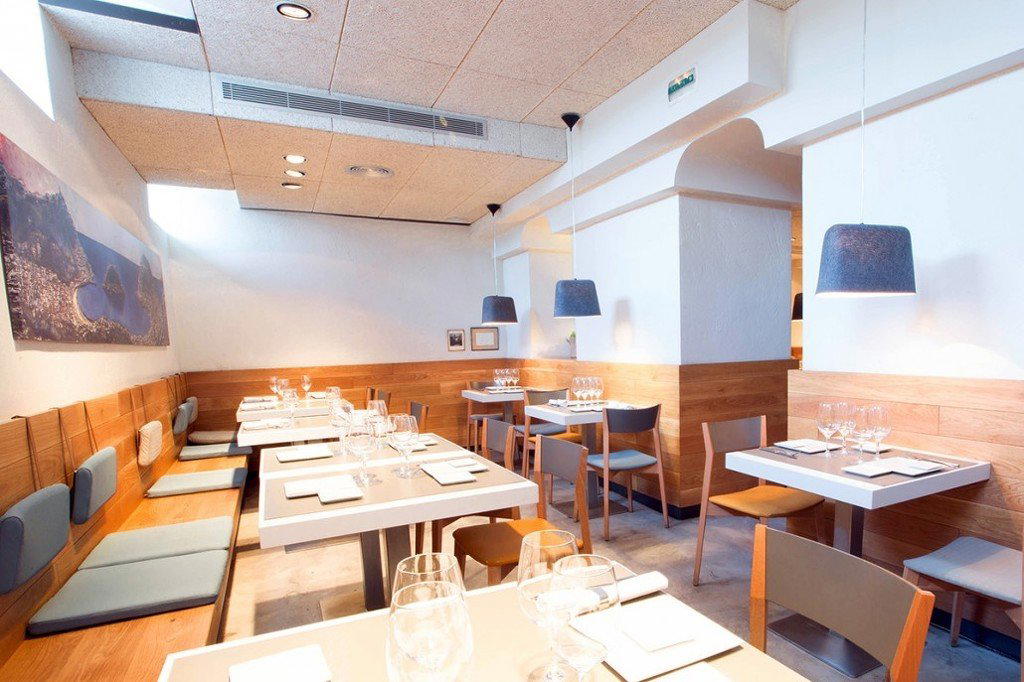
Cozy and elegant with a relaxed yet sophisticated atmosphere in a beautifully renovated historic space.
Know Before You Go
- Getting there
- Calle del Campanario, 11, 20003 Donostia / San Sebastián, Gipuzkoa, Spain