Biarritz Bonheur sits inside a Biarritz drinking culture shaped by Atlantic weather, hotel bars, aperitif rituals, and a Basque-border appetite for serious bottles. With no published awards, chef, pricing, hours, or booking details in the available record, it reads less as a data-led destination and more as a venue to assess through curation, setting, and how its back bar fits the city’s coastal rhythm.
Pearl is the En Primeur Club membership app — saves, bookings, and concierge access live there. Same editors, same standards.
- Address
- 17 Pl. Georges Clemenceau, 64200 Biarritz, France
- Phone
- +33 5 25 56 50 44
- Website
- biarritzbonheur.com
- Directions
- Get directions
 Saves & bookings on Pearl
Atlantic light, aperitif hour, and the bottle-led bar
Approaching a bar in Biarritz is rarely a neutral act. The city changes character with the weather: salt in the air after a swell, polished hotel lobbies filling before dinner, surf traffic giving way to a quieter evening crowd, and the old resort architecture reminding visitors that this corner of the French Atlantic has long treated leisure as a serious habit. In that setting, Biarritz Bonheur belongs to a drinking scene where the back bar matters as much as the room. The available record does not publish a chef, cuisine type, awards, price range, website, phone number, hours, or seat count, so the useful reading is not a checklist of claims. The useful reading is what a spirits-focused address in Biarritz can signal: curation, patience, and the difference between a casual drink and a bar built around bottles with depth.
Biarritz has a particular advantage for this kind of venue. It is not Paris, where cocktail bars compete through concept density and rapid press attention, and it is not Bordeaux, where wine can dominate the conversation before spirits have room to breathe. The Atlantic resort setting gives bars a looser rhythm. A drink before dinner can turn into a long conversation; a hotel bar can behave like a salon; a small independent room can define itself through rum, whisky, brandy, armagnac, mezcal, or old French liqueurs rather than a theatrical menu. That is the editorial frame for Biarritz Bonheur: not an award-led profile, but a spirits-collection lens within a city that understands the value of lingering.
Biarritz’s bar culture starts with hotel-bar traditions. Bar Napoléon III sits in a more formal register, tied to the grand-hotel tradition that helped make the city a 19th-century resort. A venue such as Biarritz Bonheur occupies a different question: how does a bar outside the heavily documented luxury-hotel circuit earn attention when public data is limited? The answer comes from category discipline. For a spirits bar, that means the shelf should explain itself: categories with range, bottles that are not only status symbols, pours handled with care, and a list that has a point of view beyond stocking recognizable labels.
Why Biarritz is fertile ground for a serious back bar
The French Atlantic coast has never had the same cocktail mythology as London, New York, or Paris, but that can be an advantage. Biarritz attracts drinkers with mixed intentions: surfers coming off the beach, Parisian weekenders, Spanish visitors crossing the border, hotel guests on aperitif schedules, and locals who know which rooms keep good bottles. That mix prevents the bar scene from becoming too narrow. A serious spirits collection in this city does not need to perform metropolitan severity. It can be generous, coastal, and exacting at once.
Basque-country context also changes the drinking grammar. Aperitif culture is not just a pre-dinner formality here; it sits alongside pintxos habits, seafood meals, late sunsets, and the habit of moving between addresses rather than spending an entire night in a single dining room. Spirits programs that work in Biarritz understand pacing. A strong back bar is not only for late-night drinking. It can support lower-ABV aperitifs, after-dinner digestifs, and neat pours for guests who care more about provenance than garnish. Where Paris has developed a technically ambitious cocktail circuit, Biarritz rewards bars that can translate bottle knowledge into a relaxed coastal cadence.
That is why the absence of published details should be read carefully. The city and country are listed, but no menu, named bottles, bar lead, awards, or pricing are provided. A responsible editorial page should not pretend otherwise. Instead, Biarritz Bonheur can be placed within a broader pattern: French regional bars increasingly earn loyalty through specialized shelves and a sense of place rather than through large-scale publicity. For readers mapping a drinking itinerary, the question is not whether a venue has a long list of external credentials. The question is whether it fits the night: a spirits-minded stop in Biarritz, to be paired with more documented hotel bars, restaurants, and coastal drinking rooms.
The spirits collection as an editorial signal
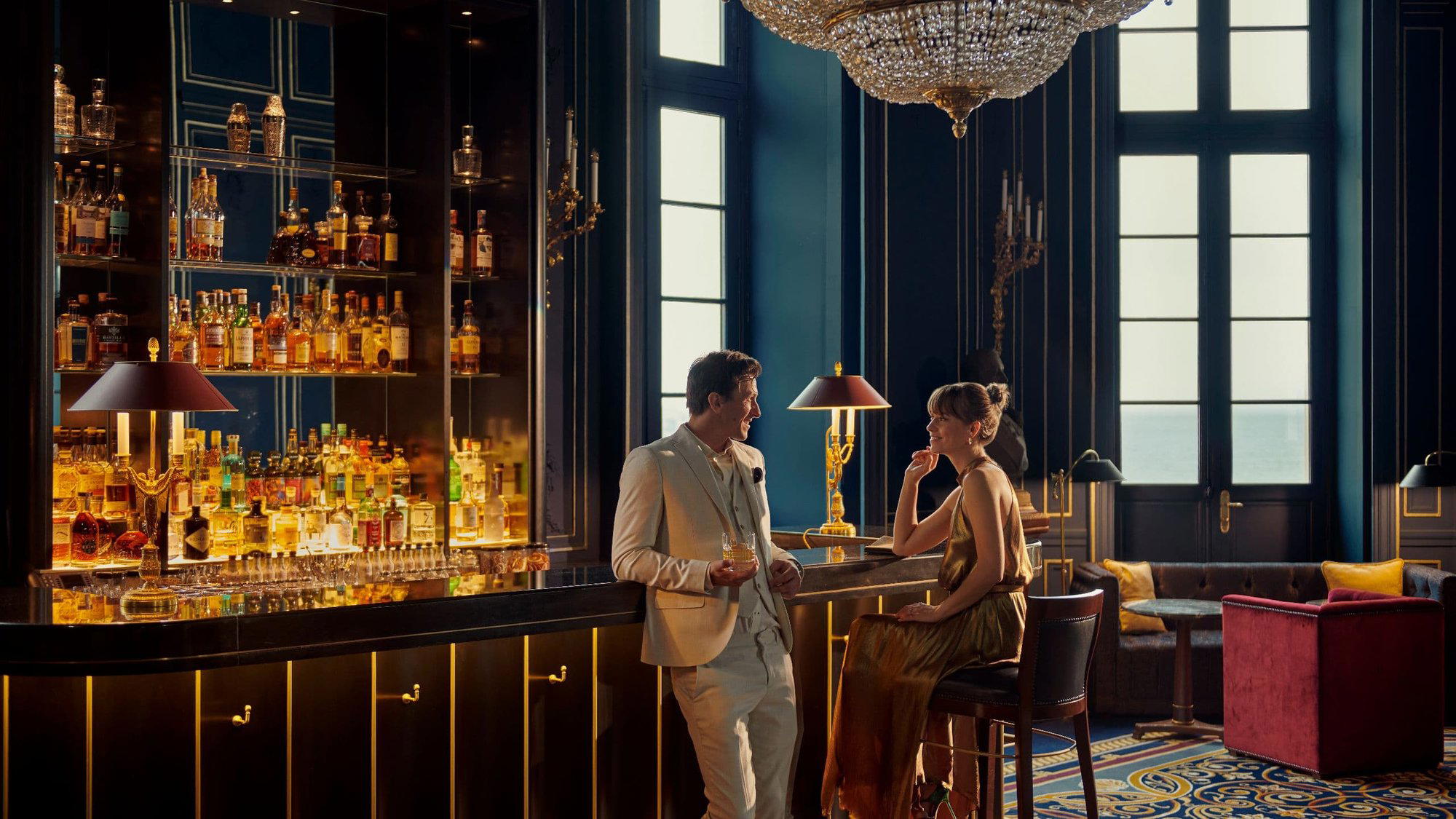
A back bar reveals how a venue thinks. In a wine bar, the cellar can be read through appellations, producers, vintages, and allocation. In a spirits bar, the signals are more varied: depth within a category, independent bottlings, vintage releases, regional brandies, agricole rum, agave spirits, amari, vermouth, fortified wine, and whether the list makes room for France’s own liquid memory. Cognac and armagnac can be treated as after-dinner punctuation, or they can form the spine of a serious collection. In Biarritz, with Gascony not far inland and Spain close by, that latter approach makes cultural sense.
The discipline is to separate confirmed details from informed context. No specific bottle inventory is provided for Biarritz Bonheur, so no particular whisky, rum, brandy, or cocktail should be named as a house specialty. What can be said is that the venue’s strongest potential reading, under a spirits-collection angle, lies in curation rather than spectacle. A bar like this should be judged by how well the shelves move between familiar pours and more precise discoveries, how staff explain categories without turning the exchange into a lecture, and whether the room supports conversation around bottles rather than using the collection as decoration.
In France, the strongest bottle-led bars often avoid the international speakeasy script. Paris has its share of velvet rooms and technical cocktail dens, but the more interesting national pattern is broader: hotel bars refining the grand-service model, regional bars building local loyalty through narrow specialization, and coastal addresses balancing leisure with genuine selection. For comparison, La Bar du Plaza Athénée in Paris sits inside a palace-hotel register, where service language and luxury setting carry much of the expectation. Papa Doble in Montpellier belongs to a different southern French bar culture, more closely tied to cocktail craft and a younger urban audience. La Vertu in Reims operates in a Champagne-region context where wine gravity is inescapable. Biarritz Bonheur’s interest, by contrast, comes from the Atlantic resort frame: spirits after surf, aperitif before seafood, and a city that can make a serious pour feel unforced.
How it fits the Biarritz drinking circuit
For a visitor, Biarritz works better as a sequence than as a single address. The city’s scale allows an evening to move from hotel aperitif to restaurant table to nightcap without the logistics of a larger capital. That is where the bar becomes useful in the itinerary. It can be read as part of a bar circuit rather than as a standalone claim. Start with the city’s grand-resort inheritance, add a contemporary spirits bar, then leave room for the Atlantic mood to decide the length of the night.
The internal comparison matters. A Biarritz bars guide is the natural place to compare formats across the city: hotel bar, cocktail room, wine-led address, late drink, and quiet aperitif. For dinner planning, A Biarritz restaurants guide helps locate where a spirits stop sits before or after a meal. The city’s hospitality context also shapes the bar decision; A Biarritz hotels guide is useful because hotel location often determines whether a night leans formal, beach-adjacent, or neighborhood-driven. For readers building a broader coastal plan, A Biarritz experiences guide and a Biarritz wineries guide give the wider cultural and drinking context, even when the evening itself stays focused on spirits.
The French comparison set also matters because bar culture changes sharply by city. Papillon in Bordeaux sits in a wine-saturated city where cocktails and spirits often work in conversation with cellar culture. Aquarium Bar and Charcot Lounge in Dinard offers another Atlantic reference, useful for understanding how coastal hotels can frame drinking as part of a broader seaside ritual. Across the Atlantic, Café La Trova in Miami shows how a bar can build identity through music, Cuban cocktail lineage, and hospitality theater. Biarritz does not need to copy any of those models. Its stronger play is quieter: a bottle-led room in a resort city where the night often begins early and ends later than planned.
Planning notes: reservations, timing, and what to verify
Practical data for the bar is limited. That does not make the venue irrelevant; it changes how a careful reader should plan. In a seasonal city such as Biarritz, especially during summer, holiday weekends, surf events, and warm-weather school breaks, bar availability can vary sharply. Travelers should confirm current opening hours and access through reliable local listings or direct venue channels when those details are available, rather than assuming a walk-in pattern from larger cities.
Timing also deserves attention. Biarritz has distinct drinking windows. Early evening suits aperitif drinking before restaurant service. Later hours suit spirits, digestifs, and longer pours, but smaller venues can be less predictable if hours are not published in advance. Without a listed booking policy, the sensible approach is to treat the bar as a flexible spirits stop rather than the only anchor of the night. Pair it with a confirmed restaurant table or a hotel bar with known operating hours, then let the room determine whether the visit becomes a short pour or a longer session.
Price expectations should also remain open. In a spirits-led bar, cost can vary more dramatically than in a standard aperitif address because rare bottles, aged releases, limited allocations, and premium categories can create a wide spread between a simple mixed drink and a serious neat pour. That range is part of the appeal of bottle-led drinking, but it is also why asking for guidance by category, style, and budget is not a sign of inexperience. It is how good spirits service works.
What to drink when the list is the point
Because no official menu or bottle inventory is included in the available record, naming a house cocktail or signature pour would be irresponsible. The better strategy is categorical. In Biarritz, a spirits-minded drinker should look first for French brandy depth, especially cognac and armagnac, then for rum, whisky, aperitif bottles, and after-dinner bitters depending on the bar’s list. The city’s coastal setting also makes a case for drinks that keep their structure rather than relying on sugar or elaborate presentation. A serious back bar should make neat pours, highballs, stirred drinks, and aperitif formats feel equally valid.
For a reader who wants to assess the room quickly, the first question is not “what is famous here?” It is “what category does the bar seem to care about?” Shelves usually answer before a menu does. A narrow but carefully chosen armagnac selection can say more than a sprawling list with no internal logic. A rum section with agricole, molasses-based styles, independent bottlings, and age statements tells a different story from a shelf built for simple mixing. A whisky list that separates regions and bottlers gives staff room to guide the conversation. Those are the cues that matter in a spirits-collection venue.
This is also where the bar’s lack of published awards becomes useful context. Awards can clarify quality, but they can also flatten how travelers choose. No Michelin, 50 Best, or other award data is listed for this venue. That means the decision should be made through fit: a spirits-focused evening in Biarritz, a preference for bottle curation over restaurant formality, and comfort with verifying practical details before going. In a city where many nights begin with the sea and end with a last glass, that is a credible reason to keep the address in consideration.
Comparable venues nearby, for context on price, style, and recognition.
| Venue | Cuisine | Price |
|---|---|---|
| Biarritz BonheurThis venue — the venue you are viewing | rooftop_bar | $$$ |
At a Glance
- Scenic
- Elegant
- Trendy
- Lively
- Well Known
- Sophisticated
- Date Night
- After Work
- Group Outing
- Celebration
- Special Occasion
- Private Event
- Rooftop
- Waterfront
- Terrace
- Panoramic View
- Historic Building
- Design Destination
- Standalone
- Seated Bar
- Lounge Seating
- Outdoor Terrace
- Communal Tables
- Private Rooms
- Classic Cocktails
- Craft Cocktails
- Conventional Wine
- Zero Proof
- Waterfront
- Skyline
Current opening hours
- Monday
- 9 AM–2 AM
- Tuesday
- 9 AM–2 AM
- Wednesday
- 9 AM–2 AM
- Thursday
- 9 AM–2 AM
- Friday
- 9 AM–2 AM
- Saturday
- 9 AM–2 AM
- Sunday
- 9 AM–2 AM
Hours can change for holidays and private events. Last verified .
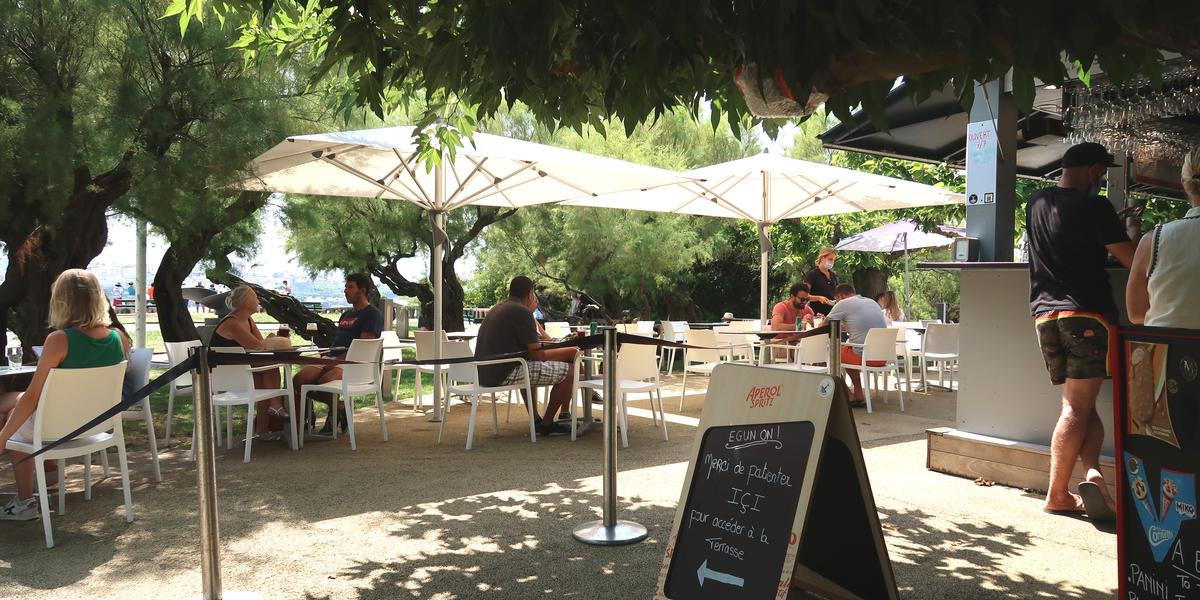
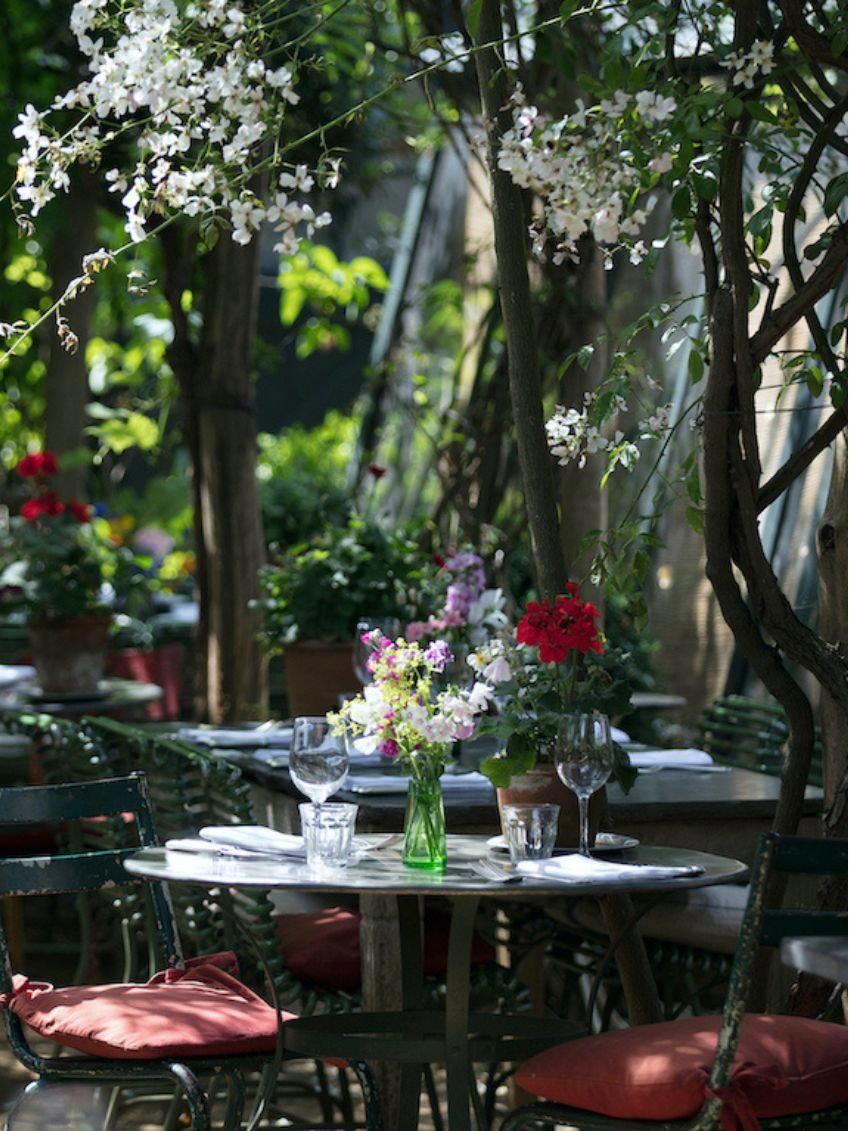
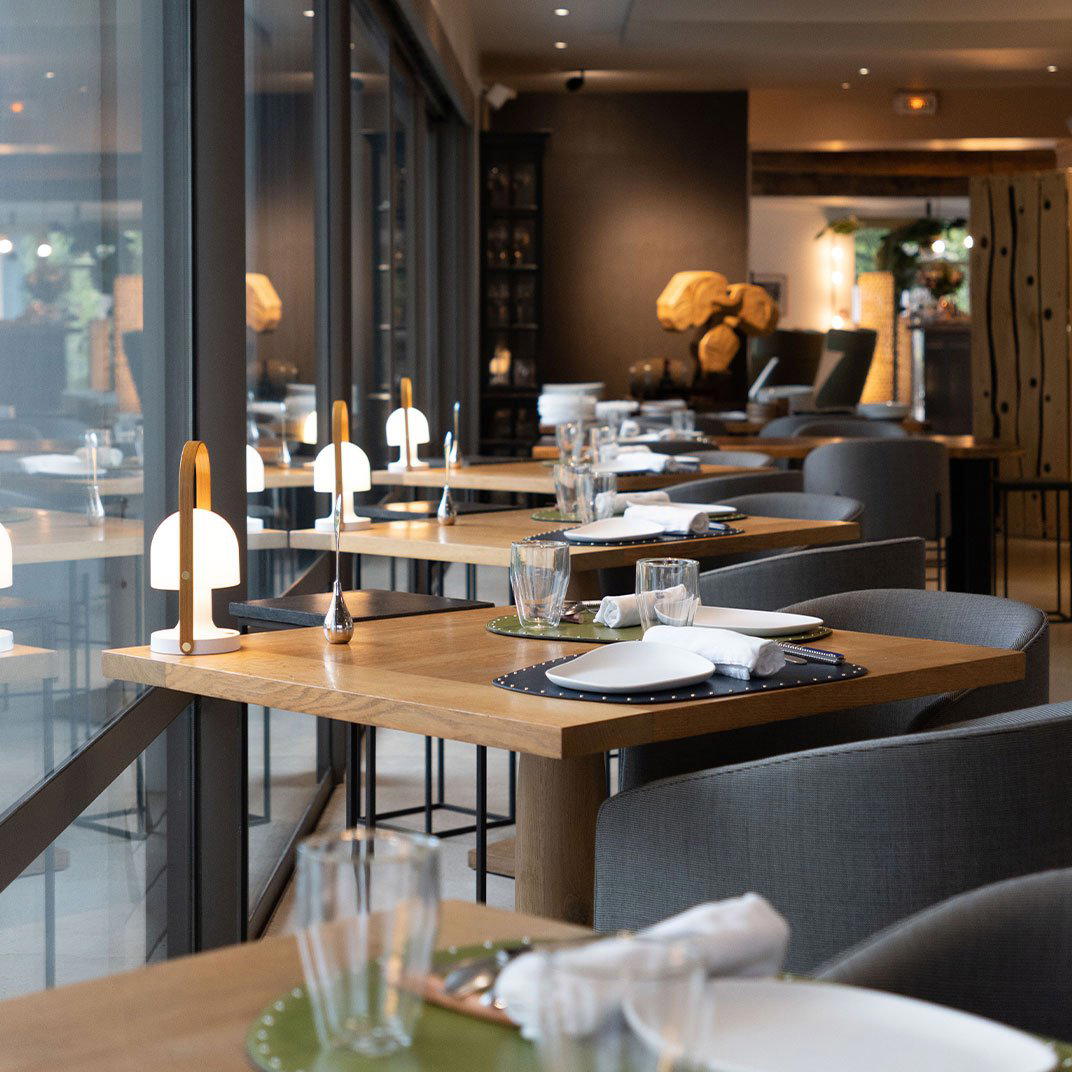
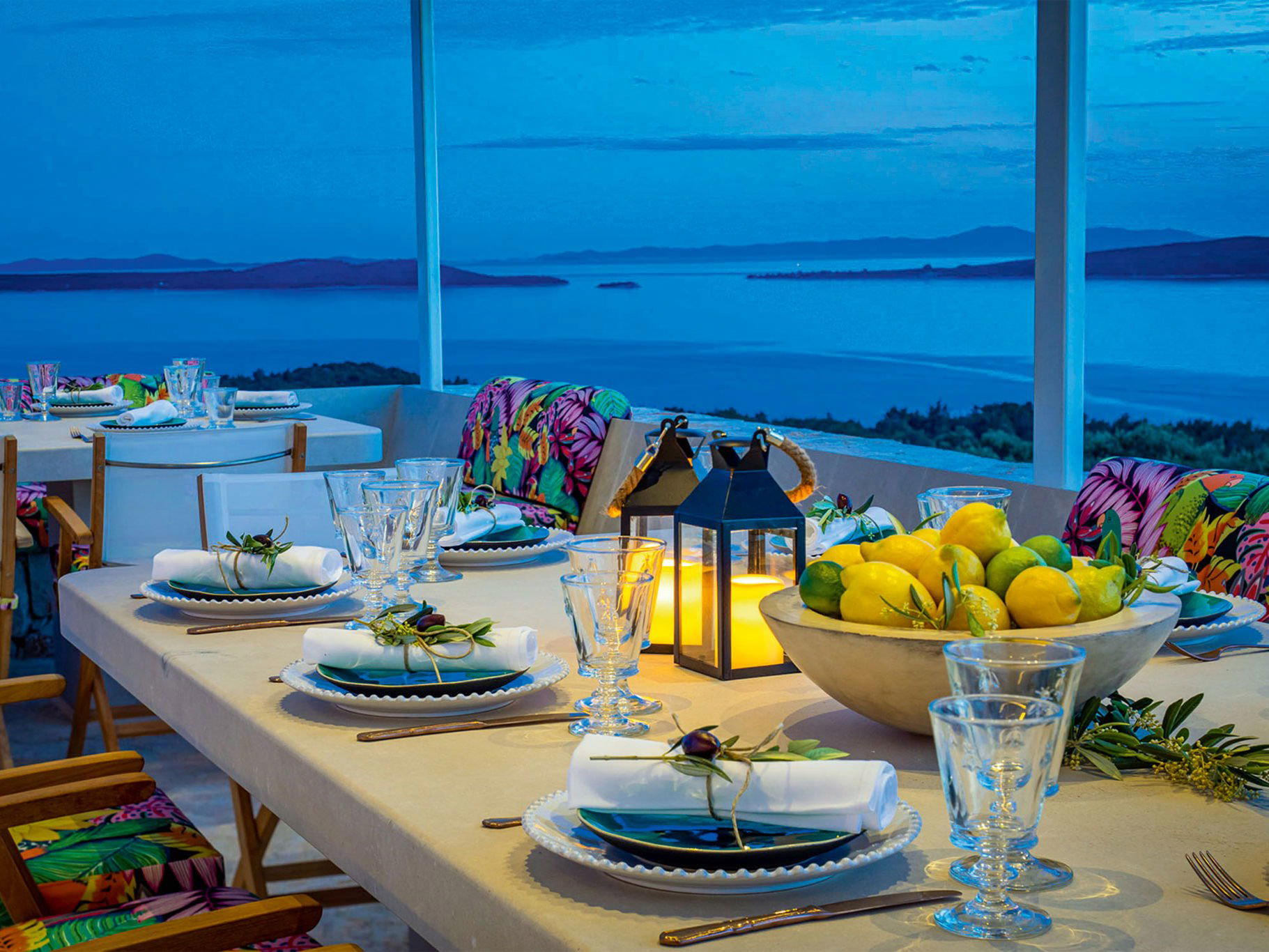
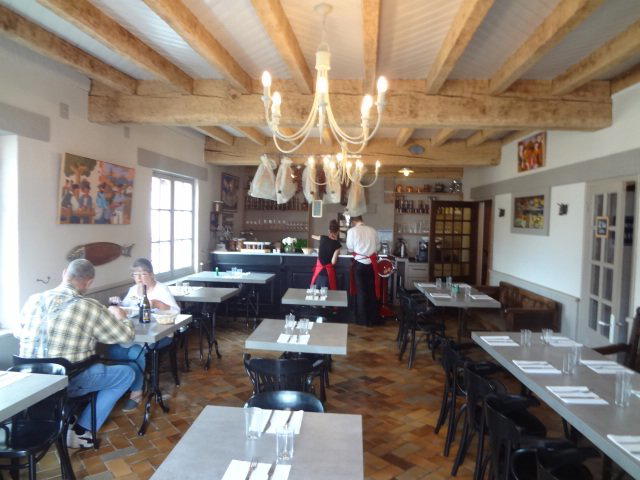
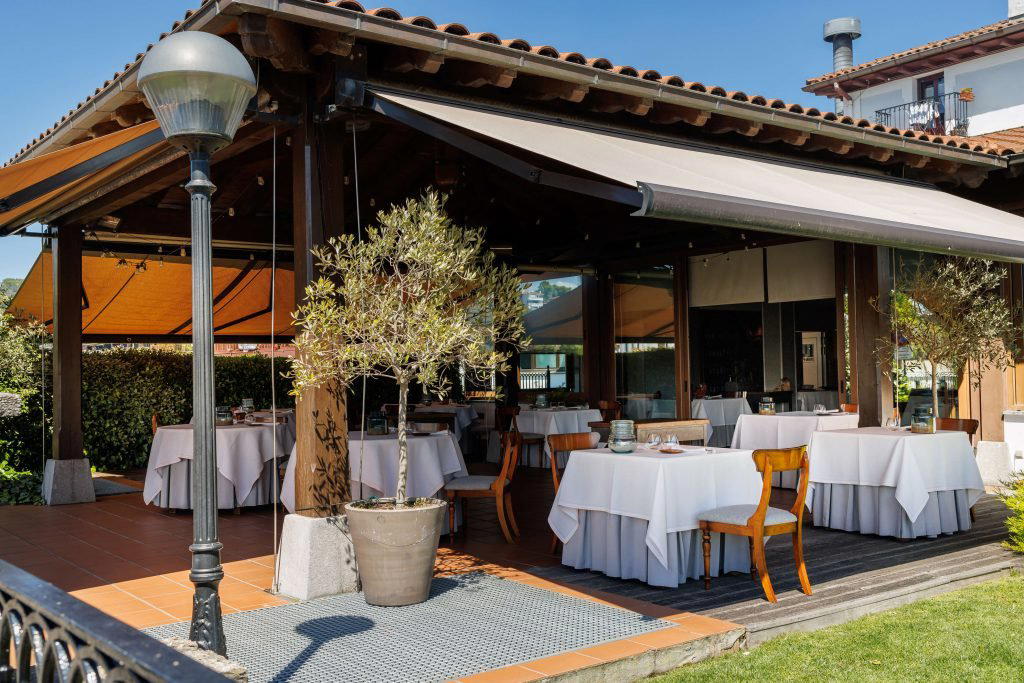
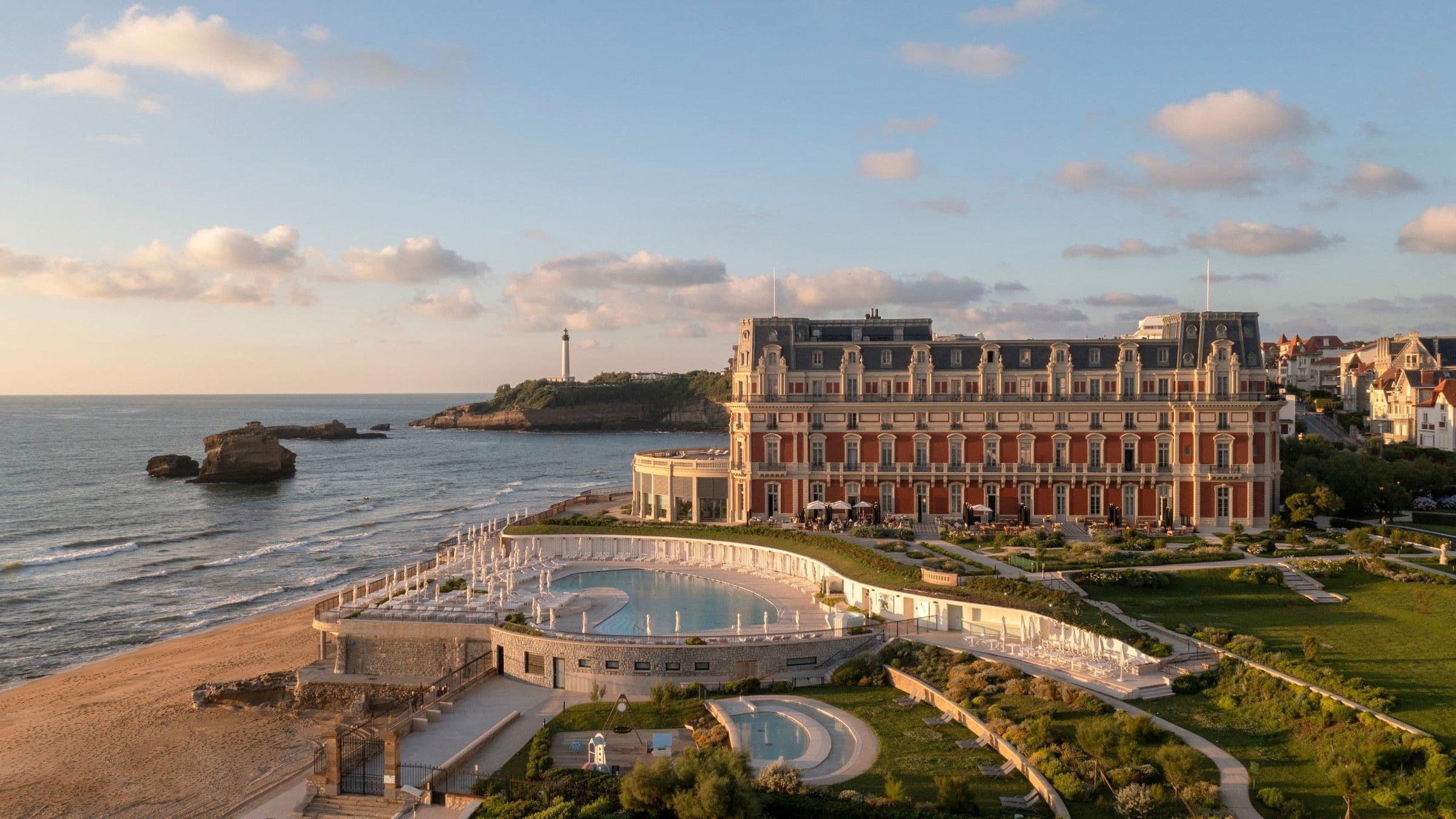
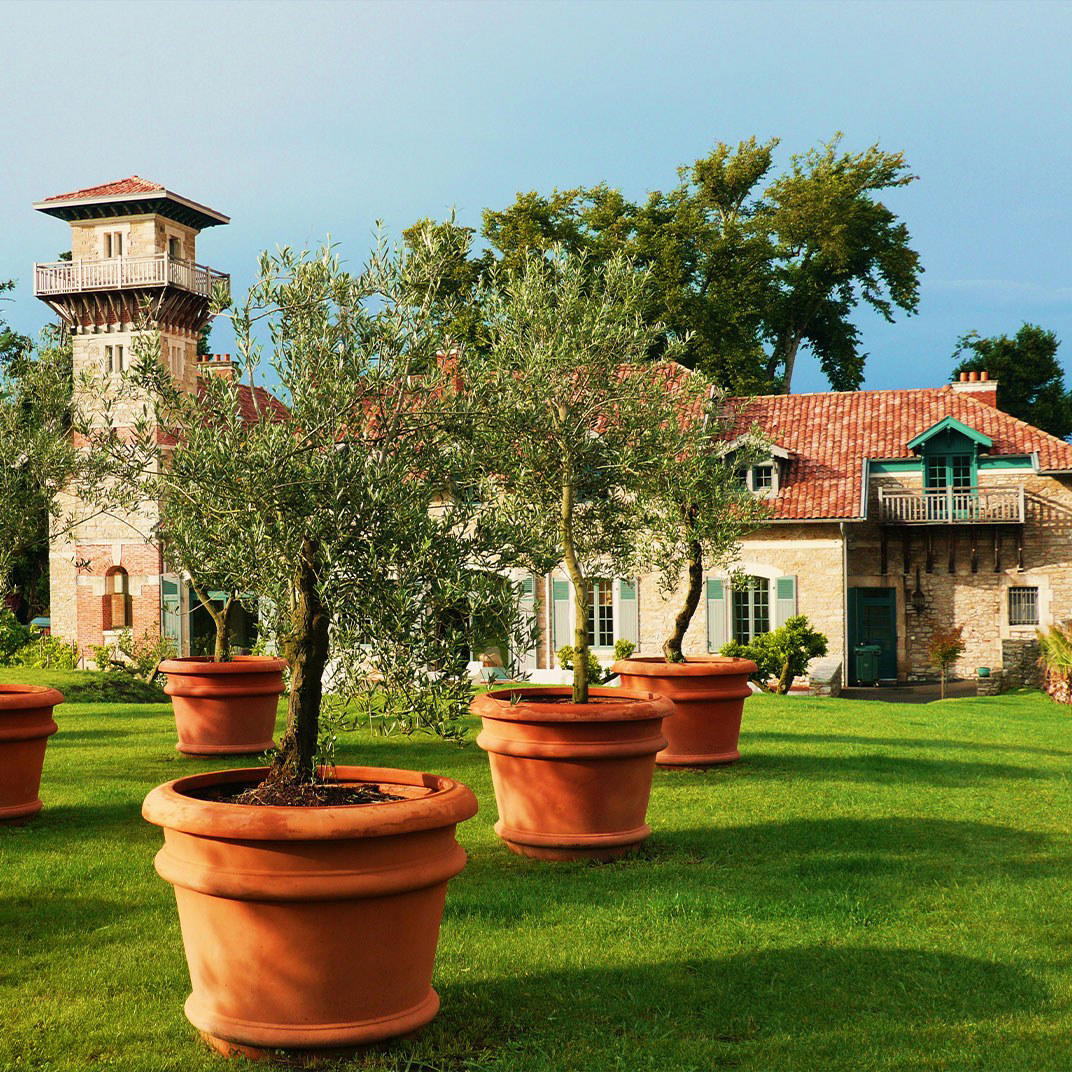
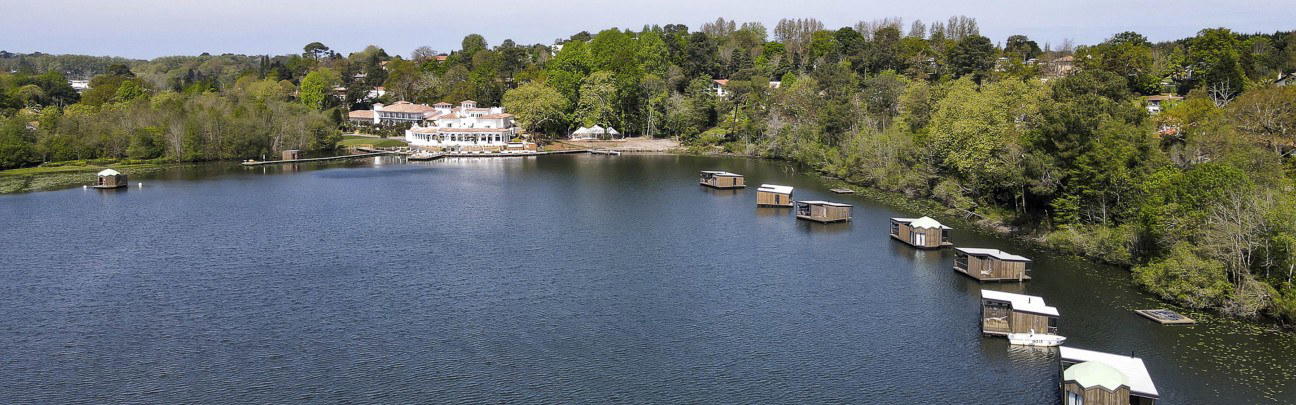
Retro-chic Art Deco setting with a glass pavilion rooftop, ocean views, and a chic yet relaxed atmosphere suited to aperitif, cocktails, and stylish evenings.