

Situated on the Kärntner Ring in Vienna's First District, OPUS operates as an evening-only dining room with an Austrian and modern European menu, a 3,000-bottle cellar, and consecutive Michelin Plate recognition in 2024 and 2025. The kitchen runs under Chef Sidney Semedo, with Wine Director Chris Arora overseeing a list weighted toward California and France. Tuesday and Wednesday closures make advance planning worthwhile.
Pearl is the En Primeur Club membership app — saves, bookings, and concierge access live there. Same editors, same standards.
- Address
- Kärntner Ring 16, 1010 Wien, Austria
- Phone
- +43 1 50110389
- Website
- restaurant-opus.at
- Directions
- Get directions
 Saves & bookings on Pearl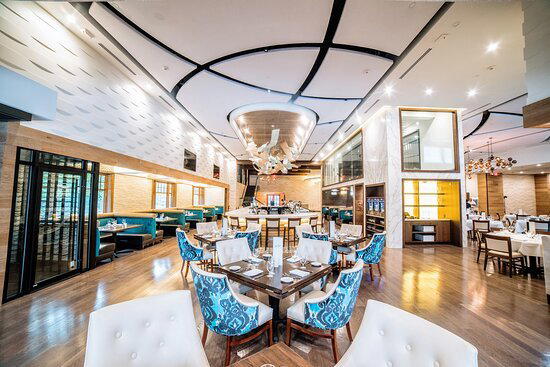
The Ringstrasse Setting and What It Demands
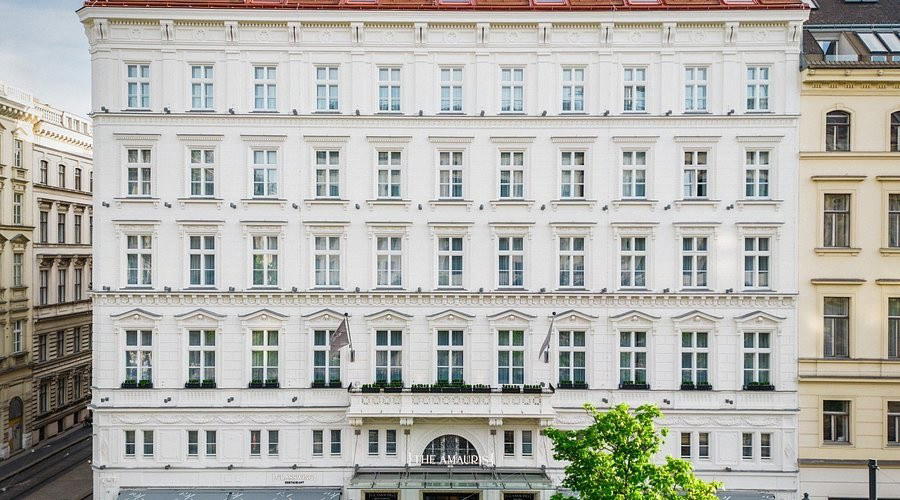
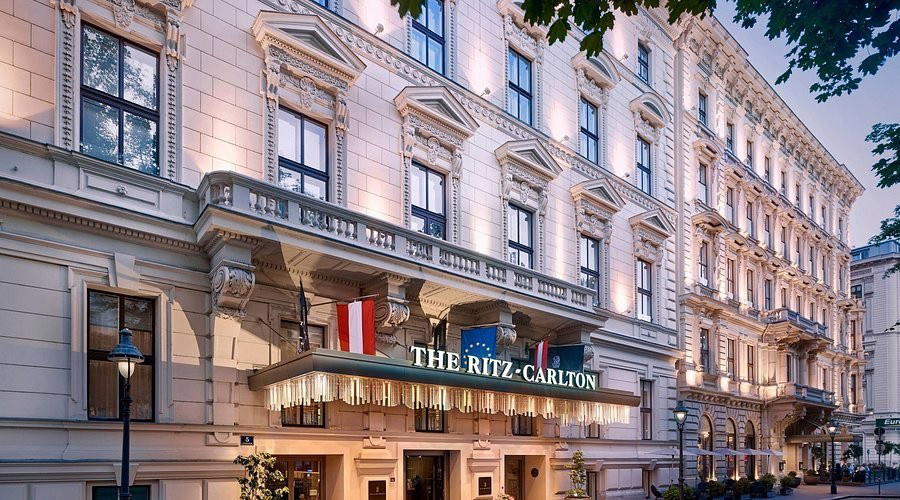
Vienna's First District carries specific expectations. The Kärntner Ring runs parallel to the Opera House, flanked by grand-boulevard architecture that sets a tone before any restaurant inside it opens its doors. Dining rooms on this stretch compete not just with one another but with the accumulated weight of the city's formal dining tradition, Wiener Küche, the old palace-hotel banquet rooms, the coffee-house culture that shaped how Viennese people think about eating and hospitality. OPUS, at Kärntner Ring 16, is a modern French fine-dining restaurant in Vienna’s First District. Its evening-only format signals a deliberate positioning: this is a dinner destination, not an all-day café or a lunch-trade proposition.
Vienna's upper dining tier at the €€€€ price point is occupied by a cluster of creative and modern Austrian kitchens, Steirereck im Stadtpark, Mraz & Sohn, Amador, and Konstantin Filippou among them, each staking a distinct claim on technique, provenance, or regional identity. OPUS holds consecutive Michelin Plate recognition (2024 and 2025). That recognition places it in the conversation without claiming the starred tier that some of its Ringstrasse-adjacent peers occupy. The distinction matters for how a reader calibrates expectations: competent, consistent, recommended, not experimental or destination-dining in the Steirereck sense.
Sourcing as the Kitchen's Organizing Principle
Austrian cuisine's claim on seasonal, regional sourcing is not marketing language. It is structural. The country's varied geography, Alpine valleys, lake districts, the Pannonian plain east of Vienna, produces ingredients that rotate sharply with the seasons, and the leading Austrian kitchens have always organized their menus around that rotation. Autumn brings game from Styrian and Tyrolean forests, and the broader Austrian restaurant canon reflects this: Döllerer in Golling an der Salzach and Obauer in Werfen have both built durable reputations on this kind of Alpine-sourced precision. Spring triggers asparagus seasons from Lower Austria and the Marchfeld, and summer produces the stone fruits and river fish that appear across menus from Gourmetrestaurant Tannenhof in Sankt Anton am Arlberg to Griggeler Stuba in Lech.
OPUS frames its menu as Austrian and modern cuisine, a pairing that in Vienna's current dining context usually means classical Central European ingredient knowledge applied through contemporary technique. Chef Rupert Schnait operates within a cuisine category that rewards close attention to what is in season and where it originates. The European angle broadens the sourcing vocabulary beyond Austria's borders without abandoning the regional foundation. In practical terms, this is a kitchen that should read differently across visits spaced by season, a consideration worth bearing in mind when deciding when to book.
The cuisine here reflects classical French-rooted technique overlaid on Central European ingredient traditions. Kitchens at a comparable level in neighboring countries often share this structure. Ikarus in Salzburg and Kräuterreich by Vitus Winkler in Sankt Veit im Pongau both illustrate how deeply this Euro-technique foundation runs through Austrian dining at this price point.
The Wine Program: California and France at 3,000 Bottles
Wine lists in Vienna's €€€€ tier tend to lean heavily on Austrian production, Grüner Veltliner and Riesling from the Wachau, Weinviertel, and Kremstal; Blaufränkisch from Burgenland, with supporting selections from Burgundy, Bordeaux, and Northern Italy. OPUS's program, overseen by Wine Director Chris Arora, makes a different editorial choice. With California and France identified as the list's primary strengths, the 350 selections and 3,000-bottle inventory point toward a program that speaks more to international wine drinking than to Austrian-first regionalism.
At $$ wine pricing, defined as a range of pricing across the list rather than a concentration at either extreme, the program is accessible by the standards of its restaurant tier without being a value-first proposition. A $35 corkage fee is worth noting for guests considering bringing a bottle from Vienna's well-stocked wine retail sector. The California emphasis, unusual in a Viennese context, may reflect ownership influence: OPUS operates under Royal Caribbean Ltd. which brings a global hospitality footprint to a local dining format. Wine programs at scale-hospitality groups often skew toward internationally recognized regions rather than local production, a trade-off between menu familiarity for international guests and the kind of deep Austrian list that dedicated local wine programs tend to offer.
Placing OPUS in Vienna's Broader Scene
Vienna's formal dinner scene occupies a narrower band than cities like New York, where the breadth of creative fine dining, from a kitchen like Le Bernardin to the tasting-menu precision of Atomix, spans multiple registers simultaneously. In Vienna, the €€€€ tier clusters around a consistent set of identities: modern Austrian, creative European, and classical with technique updates. OPUS, with its Michelin Plate recognition, evening-only hours, and international wine lean, occupies a specific position inside that cluster: polished and reliable, with a wine program geared toward a cosmopolitan rather than a locally focused guest. That is not a criticism, it reflects a deliberate orientation that works well for visitors to the Ringstrasse who want a serious dinner without committing to a full omakase-style tasting format.
For readers building a wider Vienna itinerary, Doubek represents another angle on the city's modern dining output. The full Vienna restaurants guide covers the range, and the Vienna hotels guide and Vienna experiences guide add further First District context.
Planning a Visit
OPUS is at Kärntner Ring 16, 1010 Wien, in the First District, a short walk from Karlsplatz and the State Opera. It opens Thursday through Monday from 6 pm to midnight, with Tuesday and Wednesday dark. The evening-only format means this is a dinner or late-evening reservation, there is no lunch service to default to if dinner slots are full.4 across 116 reviews, a consistent signal of guest satisfaction at this price point. The price range of €€€€ is in line with Vienna's senior dining tier. Reservations are essential.
What to Order at OPUS
That suggests a menu built on classical technique applied to quality seasonal produce rather than experimental or avant-garde formats. In practice, this means dishes that anchor to recognizable Central European flavors, likely game in autumn, river fish and asparagus in spring, executed with the precision that Michelin recognition implies. The wine list's California and France strengths offer a clear pairing direction for guests who prefer to let the sommelier guide the match.
Peers You’d Cross-Shop
Comparable venues nearby, for context on price, style, and recognition.
| Venue | Cuisine | Price | Notes |
|---|---|---|---|
| OPUSThis venue — the venue you are viewing | Modern French Fine Dining | $$$$ | Not listed |
| Duchardt | Modern French with Austrian Influences | $$$$ | Innere Stadt |
| Le Salzgries Paris | Classic French Brasserie | $$$ | Stephansdom |
| DiningRuhm | Japanese-Peruvian Fusion | $$$$ | Wieden |
| Das Kraus | Modern European with Japanese Accents | $$$ | Praterstern Wien Nord |
| Eckel | Classic Austrian | $$$ | Unterdoebling |
Recognition history
Dated appearances from independent guides and award organizations, with the underlying list record or original source where available.
Michelin Plate
Michelin
Wine Spectator Award of Excellence
Wine Spectator
Michelin Plate
Michelin
Continue exploring
More in Vienna
Restaurants in Vienna
Browse all →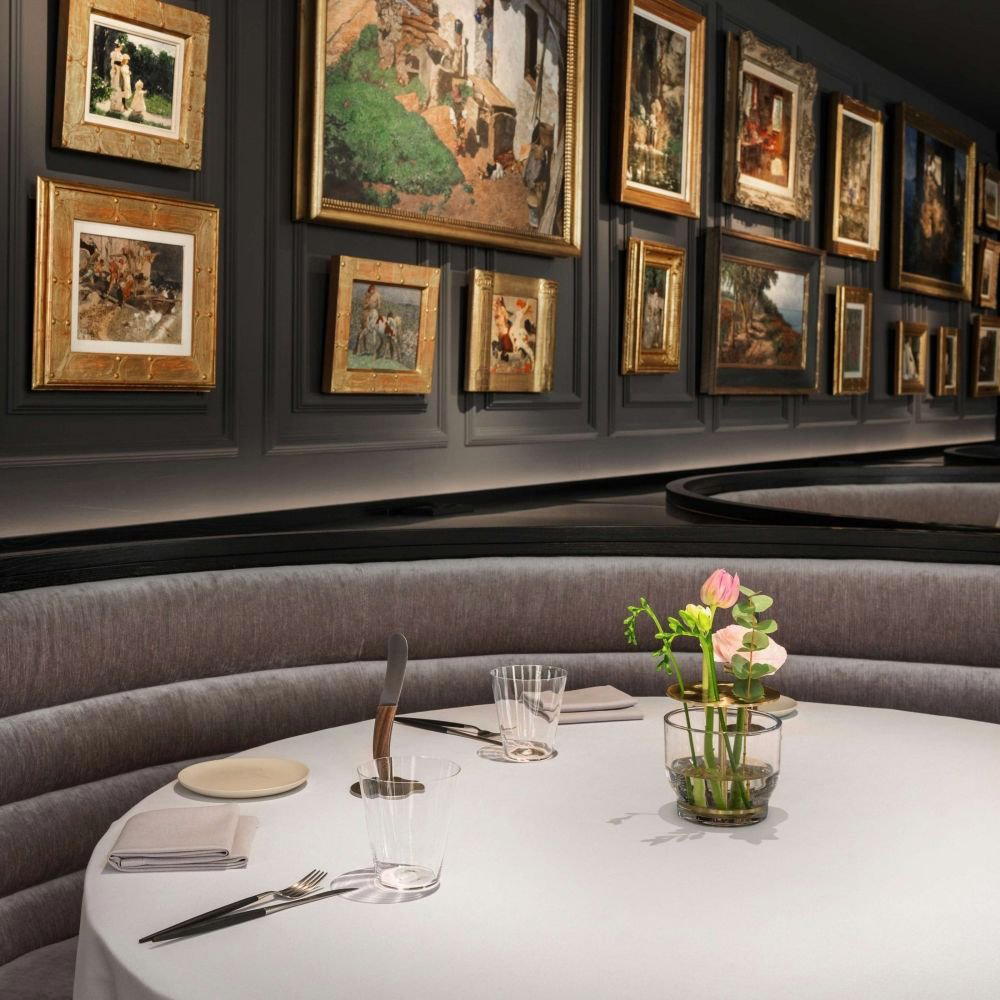
Bars in Vienna
Browse all →
Hotels in Vienna
Browse all →
At a Glance
- Elegant
- Sophisticated
- Intimate
- Classic
- Date Night
- Special Occasion
- Business Dinner
- Hotel Restaurant
- Historic Building
- Extensive Wine List
- Sommelier Led
Current opening hours
- Monday
- Closed
- Tuesday
- Closed
- Wednesday
- 6:30–11 PM
- Thursday
- 6:30–11 PM
- Friday
- 6:30–11 PM
- Saturday
- 6:30–11 PM
- Sunday
- 6:30–11 PM
Hours can change for holidays and private events. Last verified .
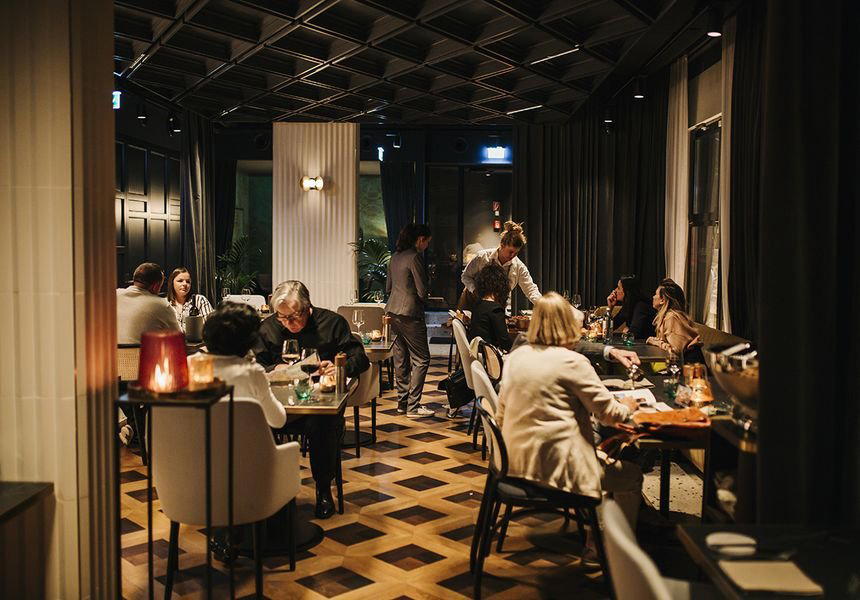
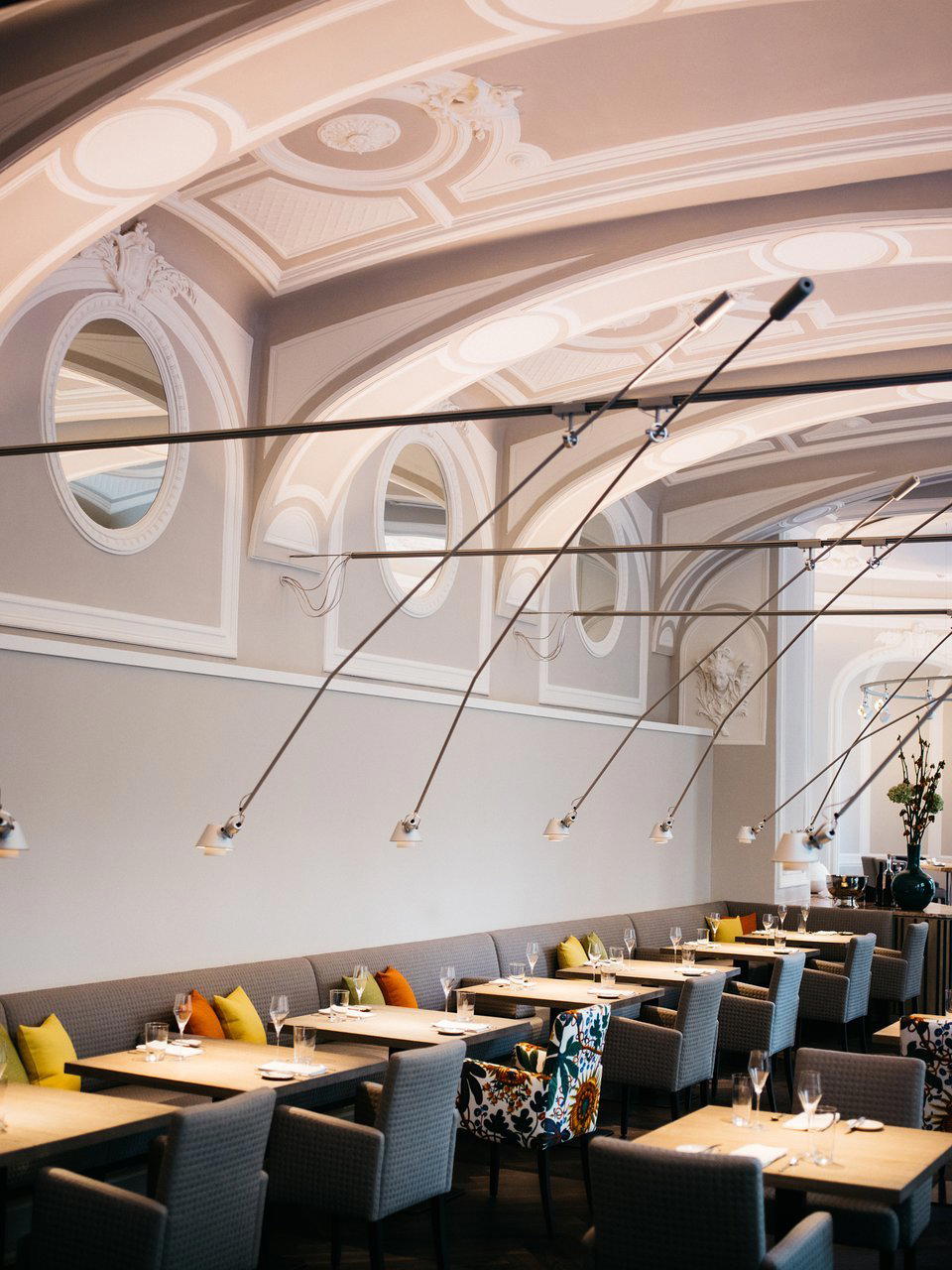
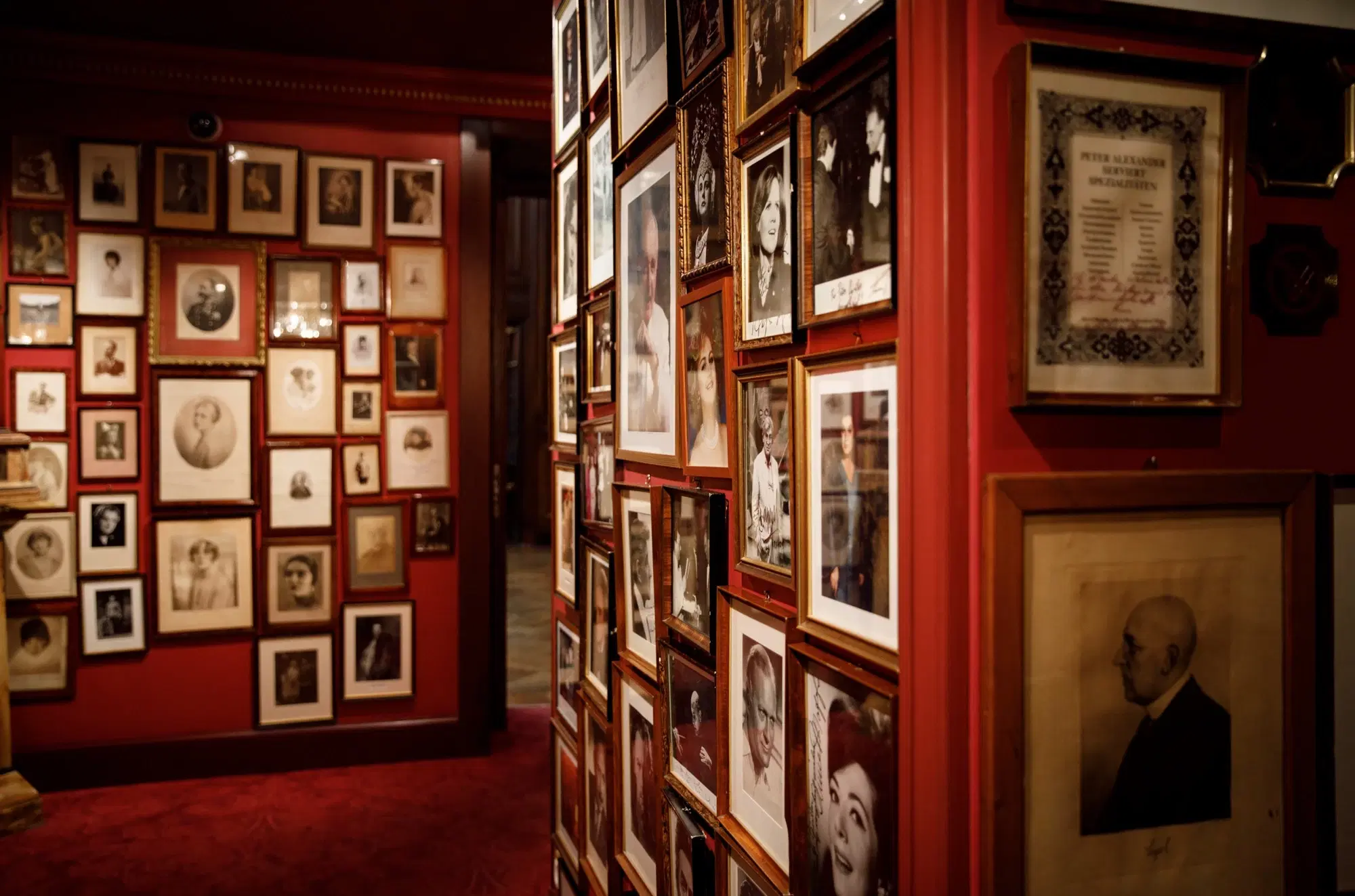
Classical elegance with 1930s Wiener Werkstätte decor, intimate setting, and warm lighting creating a romantic and sophisticated atmosphere.