One White Street





1 Michelin Star · Star Wine List · Wine Spectator Best of Award of Excellence
Our verdict
A Michelin-starred farm-to-table address in a 19th-century Tribeca townhouse, One White Street pairs a 6,000-bottle cellar with a menu built around produce from the team's upstate New York farm. The wine program ranks among the most decorated in the city, with three consecutive Star Wine List top-three finishes. Dinner runs à la carte or tasting menu format, with a market operating next door.

Pearl is the En Primeur Club membership app, where members save venues, book tables and use the concierge.
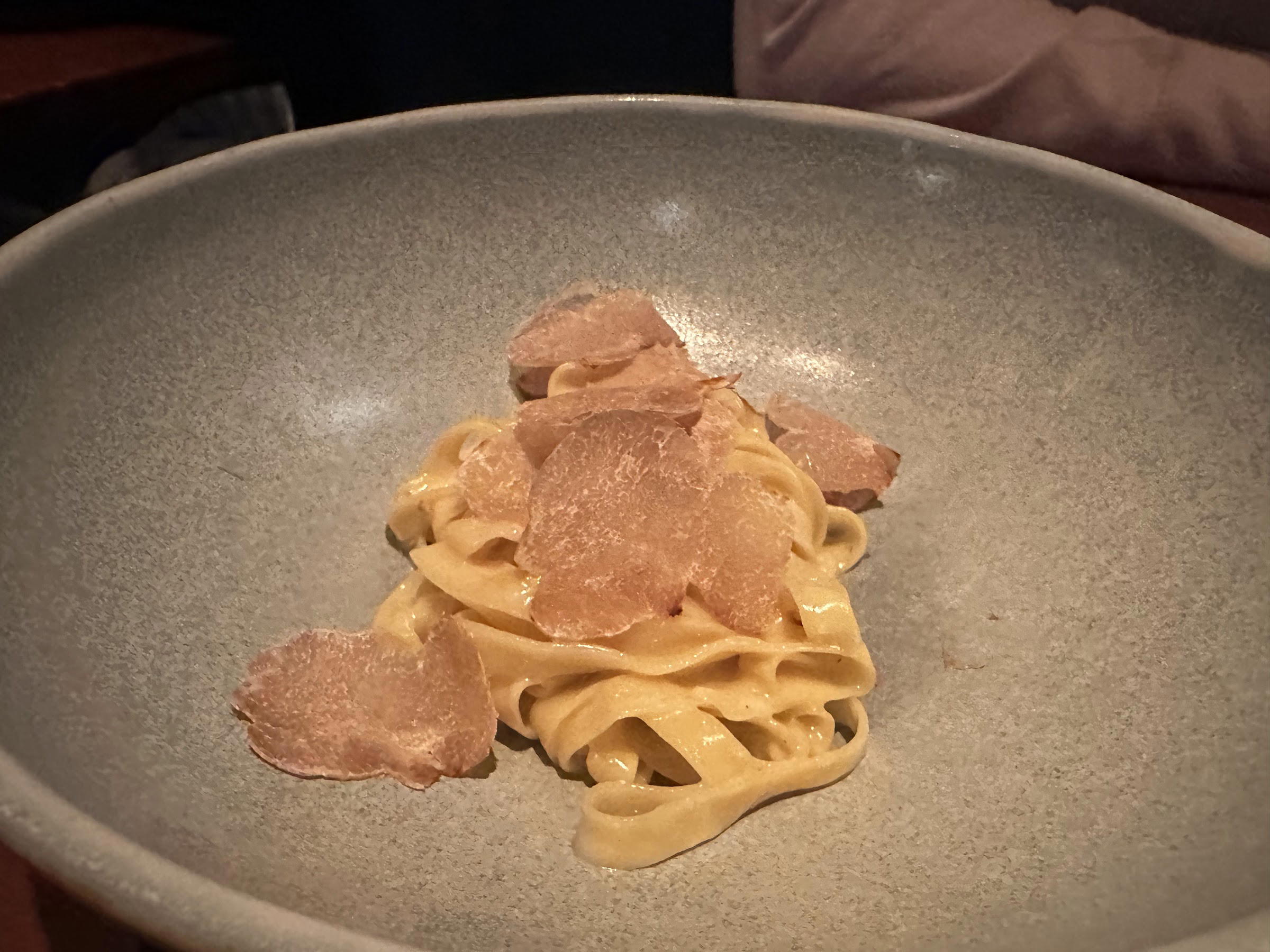
A grilled monkfish arrives with a whey miso glaze pooled in lemon verbena butter. That single dish encodes something larger: the American farm-to-table tradition reprocessed through fermentation technique and seasonal specificity, not as ideology but as kitchen fluency. One White Street, at 1 White Street in Tribeca, occupies a 19th-century townhouse that carries its own cultural weight, and the kitchen works against that backdrop without leaning on it.
Farm Sourcing and the New American Northeast Tradition
The regional farm-to-table model that took shape in the American Northeast over the past three decades has produced two distinct strains. One treats provenance as marketing shorthand, name-dropping farms while cooking from conventional supply chains. The other integrates sourcing into the actual structure of the menu, so that seasonal shifts in what the land produces drive what ends up on the plate. One White Street sits in the second category. The restaurant sources produce from its own upstate New York farm, which means menu decisions are made closer to a farming calendar than a seasonal trend cycle. That operational model is more demanding and less common than it appears: running a supply-side operation alongside a dining room is a logistical commitment that most kitchens in the $$$$ tier decline to make.
Across American regions, the farm-integration approach has generated its most compelling cooking at properties where the gap between source and plate is genuinely short. Single Thread Farm in Healdsburg operates on a comparable farm-to-counter premise, albeit within a kaiseki-influenced format. Lazy Bear in San Francisco draws on Northern California's agricultural density to similar effect. In the urban Northeast, the constraint is different: farmland is further from the dining room, which makes direct ownership of that farmland a more deliberate and meaningful structural choice. One White Street's upstate operation gives the kitchen a claim that most of its Tribeca peers cannot match.
A Townhouse in Tribeca
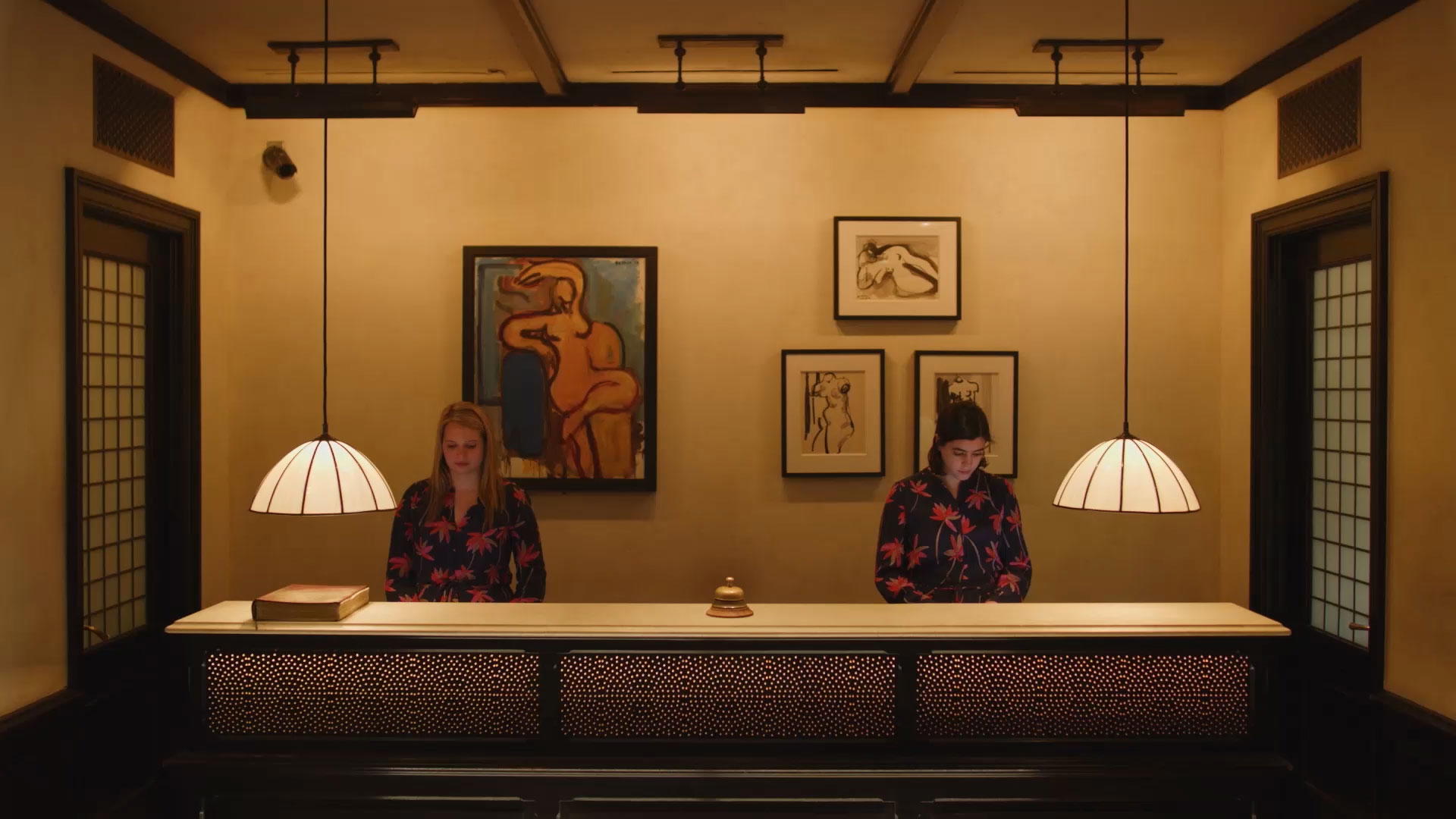
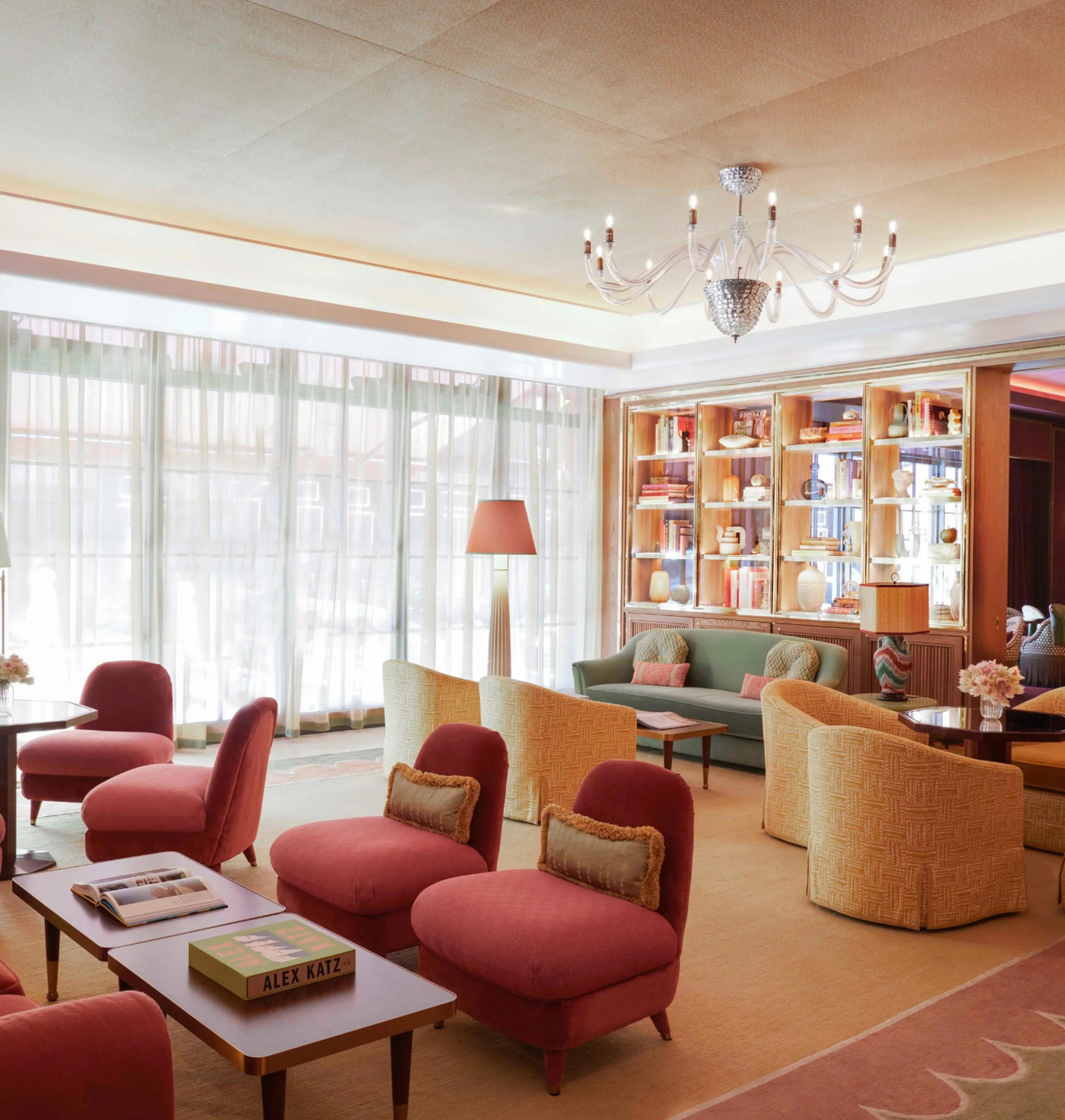
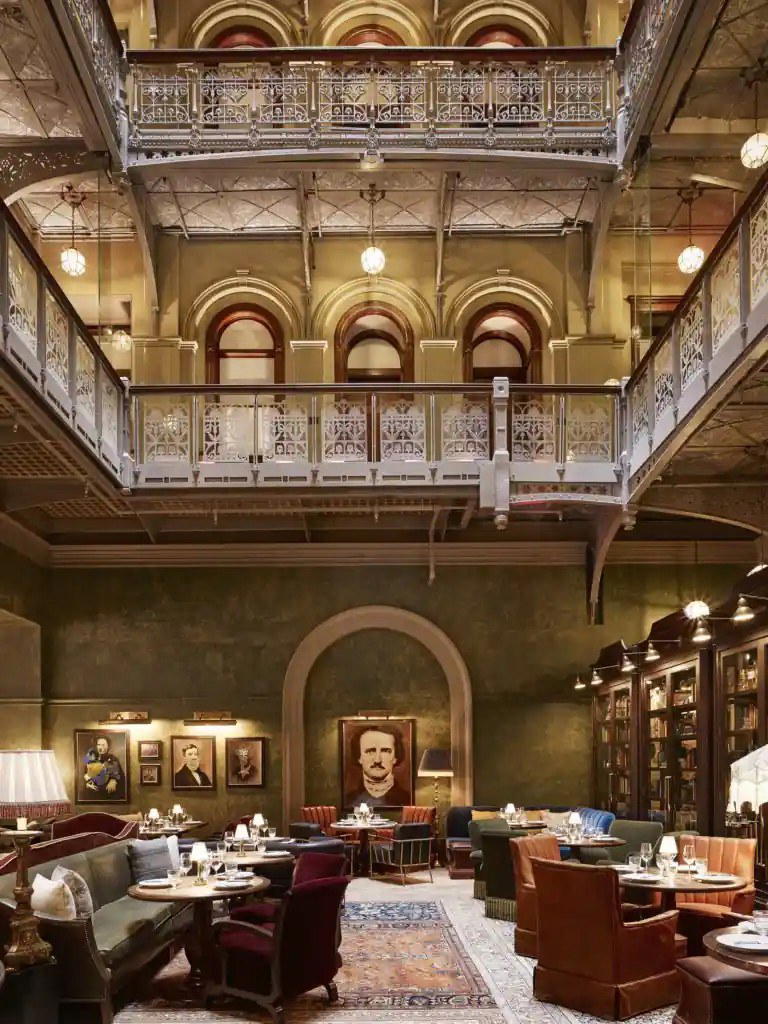
Tribeca's position in New York's dining geography has shifted over decades. What was once a post-industrial neighborhood with a handful of destination restaurants has become one of the city's denser concentrations of serious independent dining. The addresses here tend toward converted industrial space or, in fewer cases, Federal-era and 19th-century residential stock. One White Street occupies the latter. The building is a townhouse with documented cultural history: it served as a gathering point for John Lennon and Yoko Ono during their downtown New York years, which places it in a specific stratum of 1970s Lower Manhattan bohemia. The dining room registers that history through material rather than nostalgia, with marble, detailed tile work, and wood paneling that read as considered restoration rather than period pastiche. Modern light fixtures pull the space into the present without erasing the architectural character.
The intimacy of the room matters operationally. In a neighborhood where some destination restaurants have scaled toward larger formats to cover Manhattan real estate costs, the townhouse imposes a natural ceiling on covers. That ceiling shapes the service ratio and the attention available to each table, which is a real variable in the $$$$ category, not an abstract one.
The Wine Program: Scope and Recognition
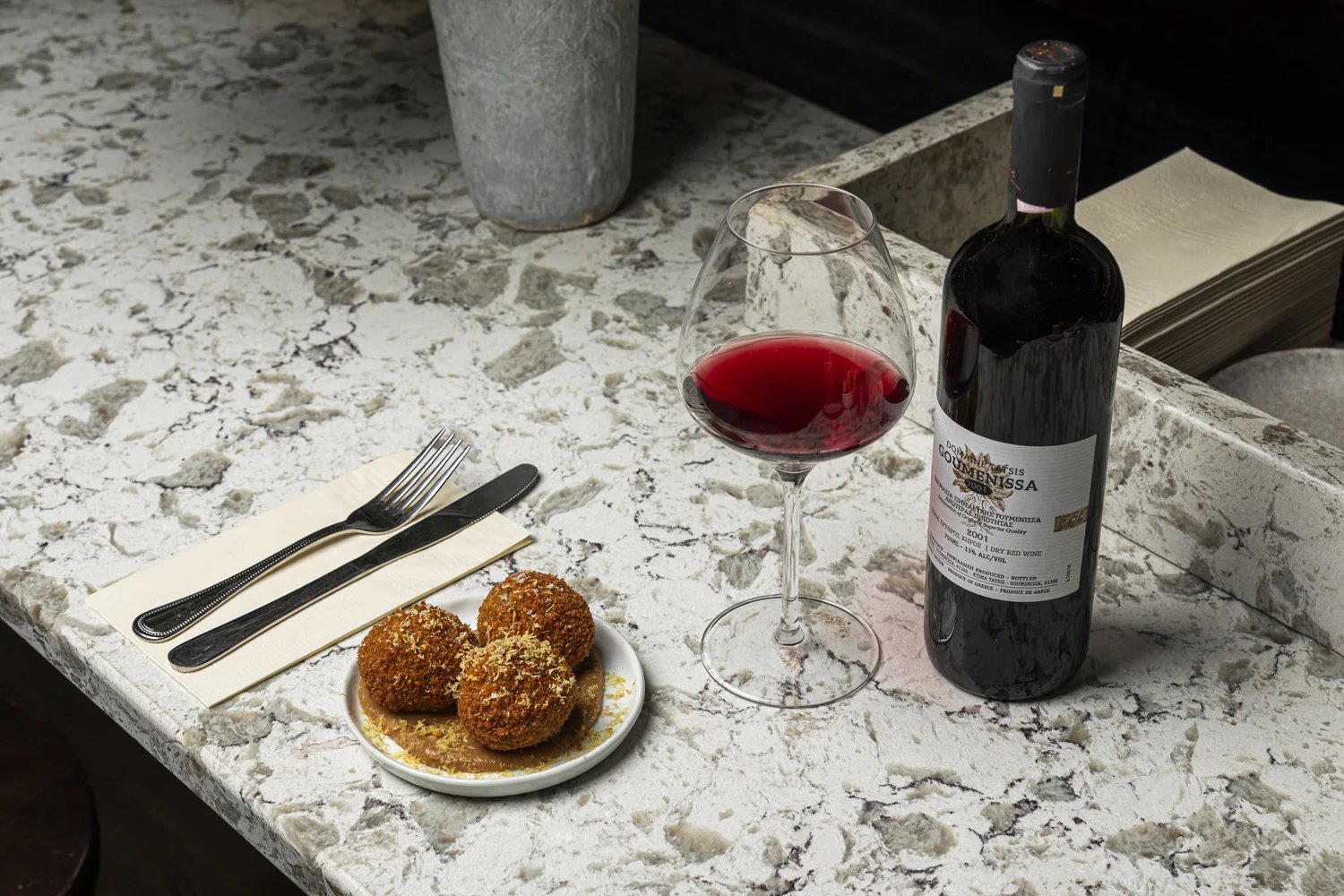
The wine program at One White Street operates at a scale that distinguishes it from most kitchens at its price point. With 1,700 selections and a cellar inventory of 6,000 bottles, the list sits in a tier where depth of older vintages and cross-regional range are achievable rather than aspirational. The program earned a Michelin one-star designation in 2024 alongside its food recognition, and Star Wine List has ranked it consecutively at positions one, two, and three in 2025 and first in 2024, making it one of the most formally recognized wine programs in New York at the moment.
List's geographic strengths run through France, Italy, Spain, and California, which is a classic alignment for serious American programs: European depth for the intellectual range of older appellations, California for quality domestic options. Corkage is set at $75, and wine pricing falls into the $$$ tier (many bottles above $100), which positions it appropriately for the cellar depth on offer. Wine Director Suzanne DeStio oversees the program alongside a sommelier team that includes James Currie, Mirko Ivanovic, Irina Sargisova, and Haley Wood. The staffing depth at the beverage level is a signal: operating a team of four sommeliers against a 1,700-selection list is a resourcing decision, not an accident.
For context inside New York's top tier, the beverage program at Le Bernardin and the natural-leaning list at Eleven Madison Park occupy different editorial positions. Atomix pairs its tasting menu with a more focused Korean-leaning beverage format. One White Street's program is notable precisely because the classical European-American range combined with the cellar inventory creates a wine dining option that can sustain serious collectors alongside casual fine-dining visitors.
Format and What to Expect
Dinner runs in two formats: à la carte and tasting menu. That dual-track approach is less common at the Michelin level than a decade ago, when tasting menus became the default serious-dining format in New York and elsewhere. Offering both is a structural decision with consequences: it means the kitchen is running parallel production tracks, and it means a guest with a preference for linear courses doesn't foreclose on the experience for a table that wants to order independently. The adjacent market the team operates next door extends the farm sourcing logic beyond the dinner service, giving the operation a daytime presence and a retail expression of the same supply chain.
The Opinionated About Dining ranking places One White Street at number 231 in North America in 2025, up from 312 in 2024. That upward movement within a rigorously list suggests a kitchen gaining consistency rather than coasting on an early Michelin designation.
For those building a broader New York itinerary, The Modern offers a comparable serious-dining option in Midtown with its own distinct wine program. Regional comparisons outside New York are useful for calibrating expectations: Emeril's in New Orleans, Alinea in Chicago, Providence in Los Angeles, and The French Laundry in Napa each represent regional anchors in the American fine-dining spectrum. Within the New American Contemporary category specifically, The Wolf's Tailor in Denver and Sons & Daughters in San Francisco offer peer-category reference points with their own regional framings.
Planning a Visit
One White Street is at 1 White Street, New York, NY 10013, in the heart of Tribeca. The restaurant serves dinner, and given the Michelin recognition and the size constraints of a townhouse format, booking ahead is advisable, particularly for weekend sittings. The adjacent market provides a lower-commitment entry point into the restaurant's sourcing philosophy for those who want context before a full dinner commitment.
For broader New York planning: our full New York City restaurants guide, our full New York City hotels guide, our full New York City bars guide, our full New York City wineries guide, and our full New York City experiences guide.
Frequently asked questions
What's the must-try dish at One White Street?
Both reflect the kitchen's tendency to anchor a protein in local and seasonal sourcing, then introduce a fermentation or aromatic element (whey miso, chamomile) that shifts the flavor logic away from convention. On the dessert side, the husk cherry sorbet with anise granita is documented as a seasonal offering. For guests committed to the full arc of the kitchen's thinking, the tasting menu format provides the most structured route through these ideas; the à la carte option gives more flexibility to focus on the seafood preparations, which appear to be a consistent strength. The Michelin one-star designation and the OAD ranking both validate the kitchen's consistency, so the choice of format matters less than engaging with what the farm sourcing actually produces on a given evening.
What It’s Closest To
| Venue | Cuisine | Price | Awards | Notes |
|---|---|---|---|---|
| One White StreetThis venue (the venue you are viewing) | Globally Inspired Farm-to-Table | Not listed | 1 Michelin Star · Star Wine List | Not listed |
| Le Bernardin | French Seafood Fine Dining | $300–500 | 3 Michelin Stars · World's 50 Best #13 | French, Seafood |
| Atomix | Modern Korean Tasting Menu | $300–500 | 2 Michelin Stars · World's 50 Best #7 | Modern Korean, Korean |
| Masa | Seasonal Hokkaido Tempura Omakase | $150–200 | Tabelog 100 #34 | Sushi, Japanese |
| Per Se | French Fine Dining Tasting Menu | $300–500 | 3 Michelin Stars · World's 50 Best #40 | French, Contemporary |
| Eleven Madison Park | Contemporary Plant-Based Fine Dining | $300–500 | 3 Michelin Stars · World's 50 Best #4 | French, Vegan |
Recognition history
Dated appearances from independent guides and award organizations, with the underlying list record or original source where available.
Michelin 1 Star
Michelin
Star Wine List
Star Wine List
Opinionated About Dining Top Restaurants in North America Recommended
Opinionated About Dining
Wine Spectator Best of Award of Excellence
Wine Spectator
World's Best Wine Lists Awards WBWL Category Winner
World's Best Wine Lists Awards
Full recognition history (13 entries)
Opinionated About Dining Top Restaurants in North America Ranked #231
Opinionated About Dining
Star Wine List
Star Wine List
Wine Spectator Best of Award of Excellence
Wine Spectator
World's Best Wine Lists Awards WBWL 3-Star
World's Best Wine Lists Awards
Michelin 1 Star
Michelin
Opinionated About Dining Top Restaurants in North America Ranked #312
Opinionated About Dining
Star Wine List
Star Wine List
Opinionated About Dining Top Restaurants in North America Recommended
Opinionated About Dining
Continue exploring
More in New York City
Restaurants in New York City
All restaurants in New York City →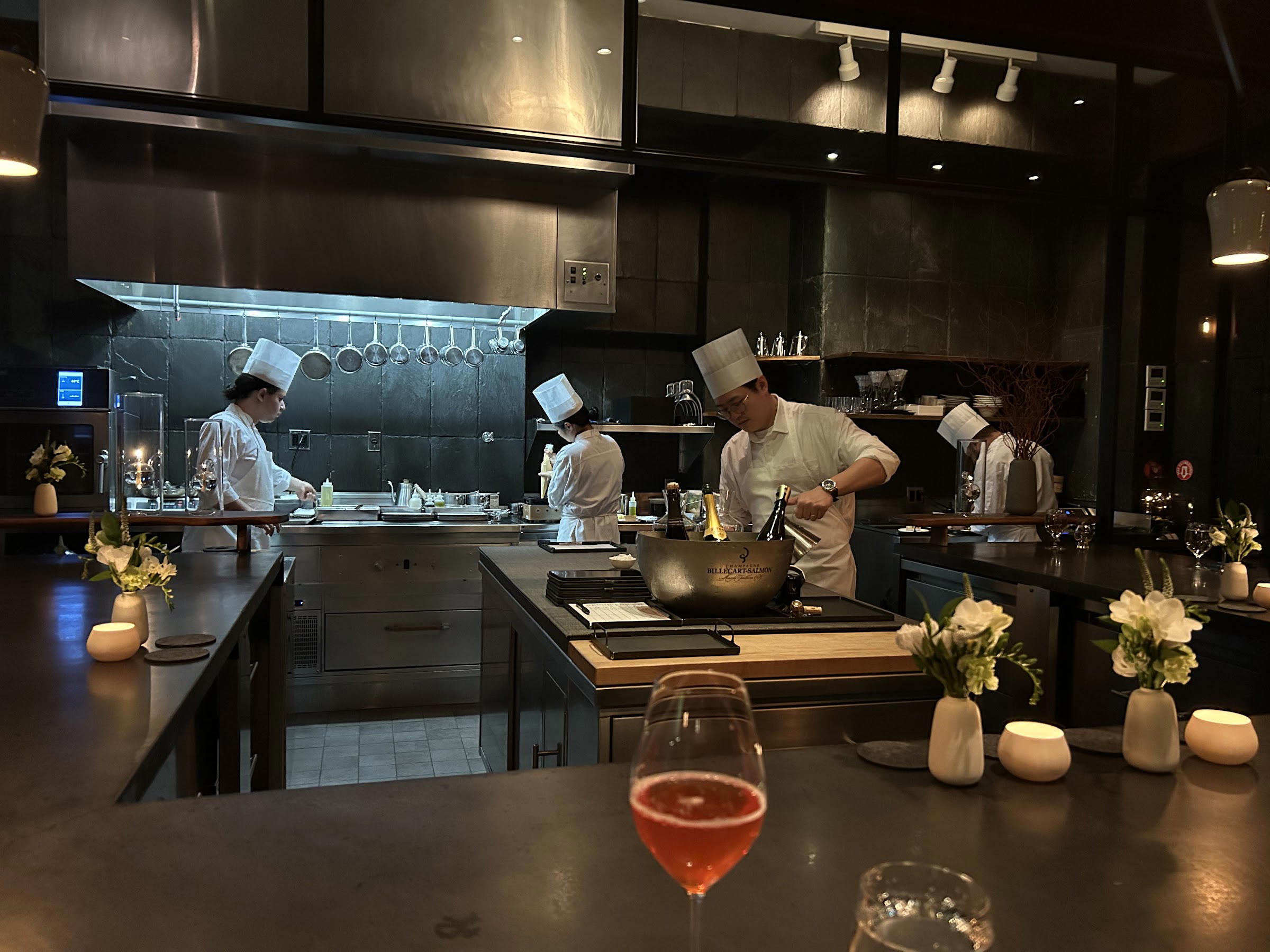
Bars in New York City
All bars in New York City →





One White Street
The wine
One White Street holds the Wine Spectator Best of Award of Excellence, which Wine Spectator gives to lists of usually 350 or more selections.
- Wine Spectator
- Wine Spectator Best of Award of Excellence
- Selections
- 1,700
- Bottles in cellar
- 6,000
- List strengths
- France, Italy, Spain, California
- Wine director
- Suzanne DeStio
- Extensive wine list
- Craft cocktails
Details
- Sophisticated
- Cozy
- Elegant
- Intimate
- Modern
- Date Night
- Special Occasion
- Business Dinner
- Private Event
- Historic Building
- Private Dining
- Standalone
- Craft Cocktails
- Extensive Wine List
- Farm To Table
- Organic
- Local Sourcing
Current opening hours
- Monday
- 5:30–9 PM
- Tuesday
- 5:30–9 PM
- Wednesday
- 5:30–9 PM
- Thursday
- 5:30–9 PM
- Friday
- 5:30–10 PM
- Saturday
- 5:30–10 PM
- Sunday
- 5:30–9 PM
Hours can change for holidays and private events. Hours as of .
Warm and polished townhouse atmosphere with historic character, marble and tile details, and a welcoming neighborhood-restaurant feel.