Ombak Kitchen in Bukit Jelutong sits inside D'Vida Business Centre, a commercial address that belies what draws locals from across Shah Alam's residential sprawl. The kitchen trades in Malaysian cooking rooted in sourcing and technique, operating in a Selangor suburb that is quietly building a more serious dining identity. For context on the broader scene, see our full Shah Alam restaurants guide.
Pearl is the En Primeur Club membership app — saves, bookings, and concierge access live there. Same editors, same standards.
- Address
- 5.G.01, D'Vida Business Centre, Jalan Bazar U8/101, Bukit Jelutong, 40150 Shah Alam, Selangor, Malaysia
- Phone
- +60102205946
- Website
- ombakkitchen.my
- Directions
- Get directions
 Saves & bookings on Pearl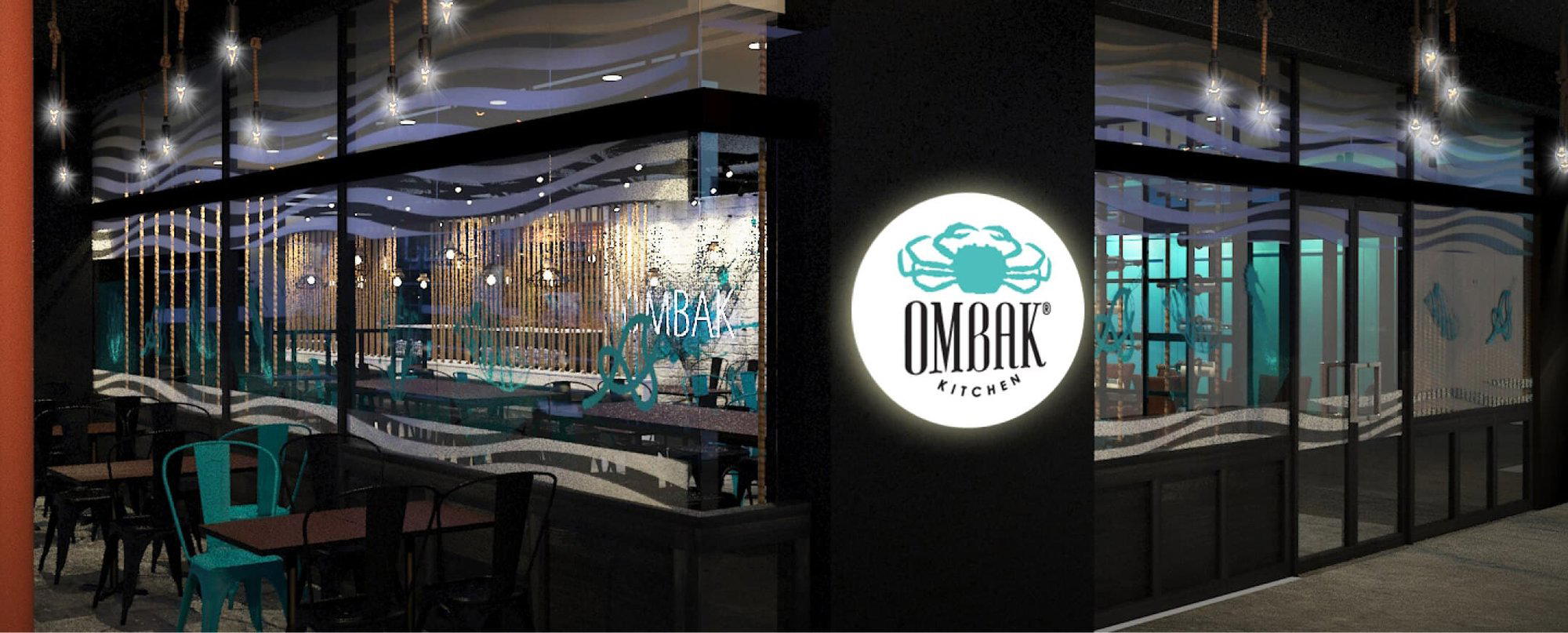
A Commercial Address with a Different Kind of Ambition
Bukit Jelutong is not the part of Shah Alam that appears in dining conversations first. It is a planned township of wide roads, gated clusters, and business parks, the kind of Selangor suburb where D'Vida Business Centre, a ground-floor retail podium, would normally house accountants and telecoms dealers. Ombak Kitchen occupies unit 5.G.01 in that building, and the address matters because it sets up a contrast that characterises much of Malaysian suburban dining: serious kitchens in unremarkable shells, drawing a clientele that knows what it is looking for and does not require a shophouse facade or a city-centre postcode to feel confident it found it.
Across Malaysia, this pattern repeats. Auntie Gaik Lean's Old School Eatery in George Town operates from premises that prioritise cooking over theatre. The same logic applies in Shah Alam's outer townships, where the audience is largely residential and repeat custom depends on the plate, not the Instagram backdrop. Ombak Kitchen is positioned in that register.
What the Name Signals About the Food
"Ombak" is the Malay word for wave, a reference that carries coastal and archipelago associations in Malaysian culinary shorthand. Kitchens that use the term tend to orient around seafood, coastal Malay traditions, or the kind of ingredient-driven cooking that traces its logic back to the fishing communities of the peninsula's east and west coasts. Malaysian coastal cooking is one of the country's most ingredient-specific traditions: freshness windows are short, substitution is not direct, and the sourcing decisions a kitchen makes are legible on the plate in a way that more land-based cuisines can sometimes obscure.
This sourcing orientation matters as a framing device for understanding what sets neighbourhood kitchens like this apart from chain operations. Where a mall-anchored brand can standardise supply and flatten regional variation, a kitchen working under a name like Ombak is implicitly signalling an orientation toward provenance, toward fish that arrived on a particular morning, sambal built from fresh aromatics rather than pre-mixed paste, and a menu that may shift based on what the market produced rather than what the procurement calendar scheduled. For comparison, the approach at Dewakan in Kuala Lumpur sits at the far formal end of this same sourcing philosophy; Ombak Kitchen operates at the neighbourhood end.
Bukit Jelutong in the Shah Alam Dining Picture
Shah Alam's dining scene has historically concentrated along the older commercial corridors, Section 13, Section 14, and the areas around the Alam Sentral transit hub. Bukit Jelutong, developed later and oriented more toward middle-upper residential demographics, has produced a quieter but consistent restaurant cluster, often housed in business park retail units rather than traditional shoplot rows.
Kitchens in this part of the city tend to price for their immediate catchment: families from the surrounding housing estates, office workers from the nearby business parks, and the kind of regular weekday lunch crowd that values reliability over novelty. A useful comparison point within the city is Al-Sultan Restaurant in Glenmarie, another Shah Alam kitchen that serves a residential-commercial mix and draws on a loyal local base rather than destination traffic.
The Bukit Jelutong cluster does not generate the kind of press attention that Shah Alam's more central spots receive, which has historically made it a neighbourhood-knowledge circuit rather than a destination circuit. Ombak Kitchen operates in that mode, which shapes both expectations and experience: this is a kitchen you find through local word-of-mouth or a specific craving, not through a city-wide dining itinerary.
Malaysian Coastal Cooking in Context
The tradition Ombak Kitchen draws from, if the name is read as directional, which in Malaysian restaurant culture it usually is, sits within one of Southeast Asia's most technically demanding casual-dining categories. Coastal Malay cooking involves layered spice work, the precise calibration of asam (tamarind), belacan (shrimp paste), and fresh chilli, and cooking methods that require timing discipline: a fish that is right at six minutes is already past it at eight.
This is a tradition that scales poorly when shortcuts are taken. The difference between a sambal made from fresh ingredients that morning and one reconstituted from a jar is immediately apparent to anyone who has eaten the former. It is also a tradition with strong regional variation: Kelantanese, Terengganu, Perak, and Selangor coastal cooking all carry distinct signatures, and a kitchen that specifies its orientation, even implicitly, through naming, is making a claim about which tradition it is working within. For comparison, the hawker-format seafood cooking of Penang, documented at venues like Air Itam Asam Laksa, Chong Char Koay Teow, and 888 Hokkien Mee in Penang, shows how ingredient sourcing defines category even at the street-food tier. The same logic applies at the sit-down neighbourhood kitchen level.
For diners interested in the formal articulation of Malaysian sourcing-led cooking, Dewakan remains the reference point. At the other end of the format spectrum, chains like Haidilao Huo Guo at Dataran Pahlawan Melaka Megamall and Haidilao Hot Pot in Perai demonstrate how standardised supply chains operate at scale, a contrast that makes the sourcing commitments of independent neighbourhood kitchens more legible by comparison. Other Malaysian independents worth cross-referencing include Jia Yi Dao Vegetarian Restaurant in Taiping and Da De Bah Kut Teh in Borneo, both operating in the neighbourhood-independent tier with strong local followings.
Planning a Visit
Ombak Kitchen is located at 5.G.01, D'Vida Business Centre, Jalan Bazar U8/101, Bukit Jelutong, 40150 Shah Alam, Selangor. The Bukit Jelutong township is most practically reached by car; public transport connections to this part of Shah Alam are limited compared to the city's central sections. Given that the venue operates in a business park retail context, weekday lunchtimes tend to draw an office crowd, while evenings and weekends shift toward family dining from the surrounding residential estates. Hours are Mon to Wed and Sun, 12 to 10 PM; Thu to Sat, 12 to 11 PM. Reservations are recommended, and pricing averages around US$25 per person.
Side-by-Side Snapshot
Comparable venues nearby, for context on price, style, and recognition.
| Venue | Cuisine | Price | Notes |
|---|---|---|---|
| Ombak Kitchen Bukit JelutongThis venue — the venue you are viewing | Cajun Seafood | $$ | Not listed |
| Al-Sultan Restaurant - Glenmarie | Authentic Middle Eastern (Arabic, Turkish, Syrian, Yemeni) | $$ | Glenmarie |
| CRC Restaurant (CRC Restaurant (美麗華魚翅海鮮酒家)) | Cantonese Seafood | $$ | George Town |
| Souper Tang 汤师父 | Chinese Herbal Soup | $$ | Mid Valley |
| Fook Heong Bak Kut Teh 福香肉骨茶 | Traditional Bak Kut Teh | $$ | Taman Shamelin Perkasa |
| Sisters Crispy Popiah | Crispy Malaysian Popiah | $ | Mid Valley Megamall |
Continue exploring
More in Shah Alam
Restaurants in Shah Alam
Browse all →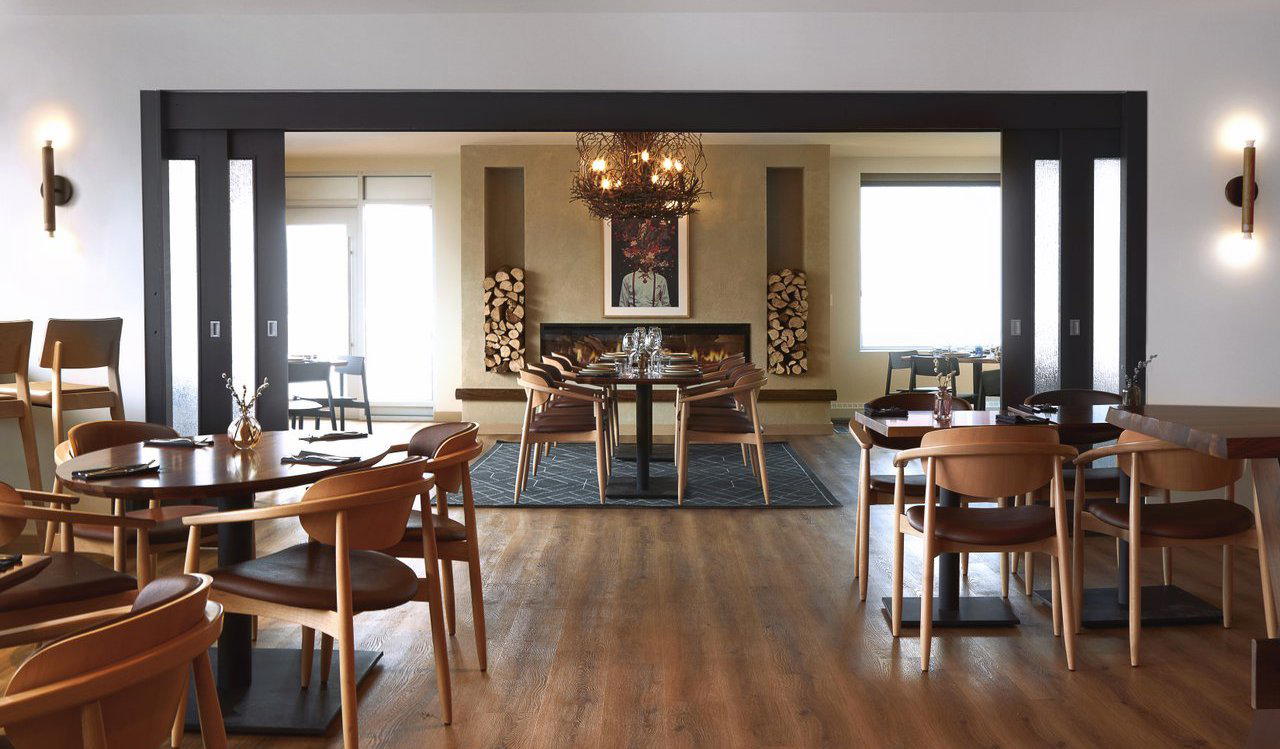
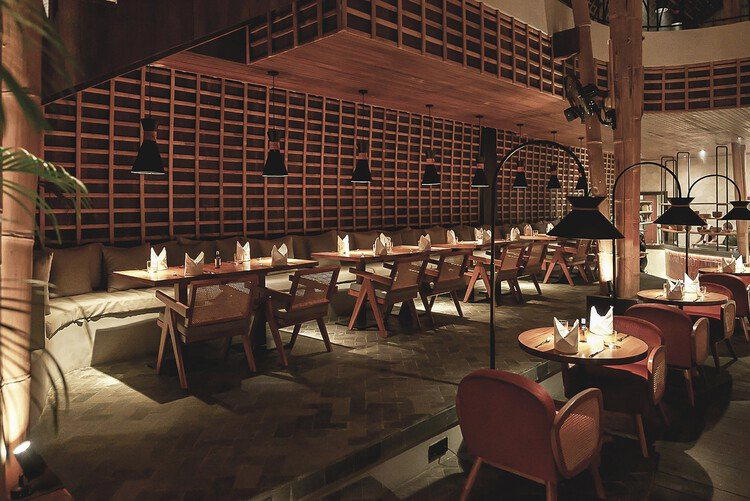
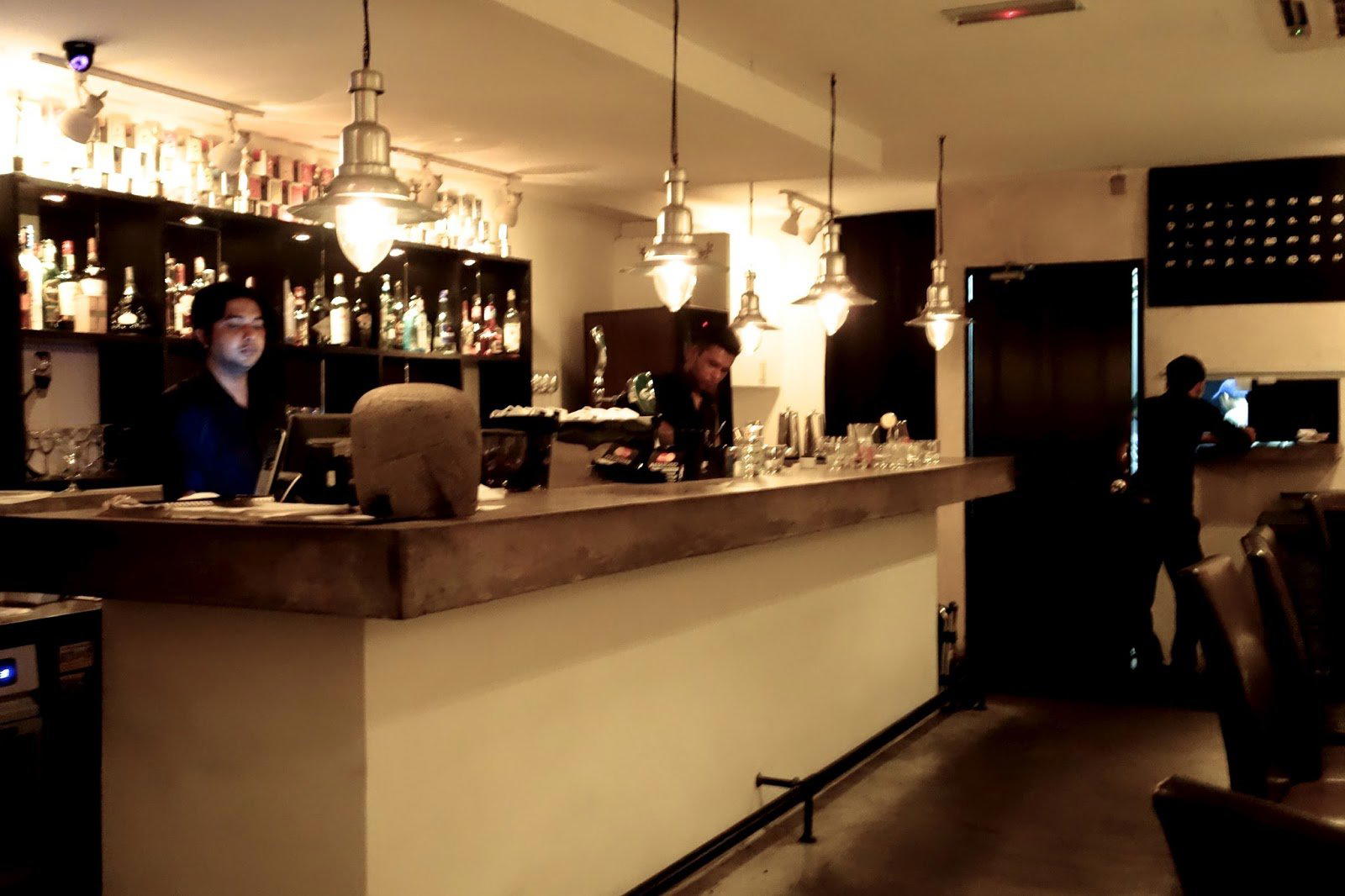
Bars in Shah Alam
Browse all →



At a Glance
- Trendy
- Lively
- Cozy
- Family
- Group Dining
- Casual Hangout
- Open Kitchen
Current opening hours
- Monday
- 12–10 PM
- Tuesday
- 12–10 PM
- Wednesday
- 12–10 PM
- Thursday
- 12–11 PM
- Friday
- 12–11 PM
- Saturday
- 12–11 PM
- Sunday
- 12–10 PM
Hours can change for holidays and private events. Last verified .
Casual, lively, and fun atmosphere well-suited for messy, interactive seafood meals.